
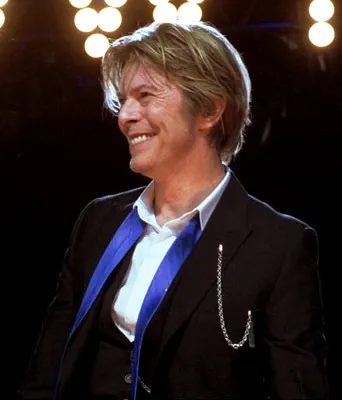
Photo by Adam Bielawski , licensed under CC BY-SA 3.0 · Wikimedia Commons
Rank #9
David Bowie
From Wikipedia
David Robert Jones, known as David Bowie, was an English singer, songwriter and actor. Regarded as among the most influential musicians of the 20th century, Bowie received particular acclaim for his work in the 1970s. His career was marked by reinvention and visual presentation, and his music and stagecraft have had a significant impact on popular music.
Discography & Previews
Browse through and click an album to open and play 30-second previews streamed from Apple Music.
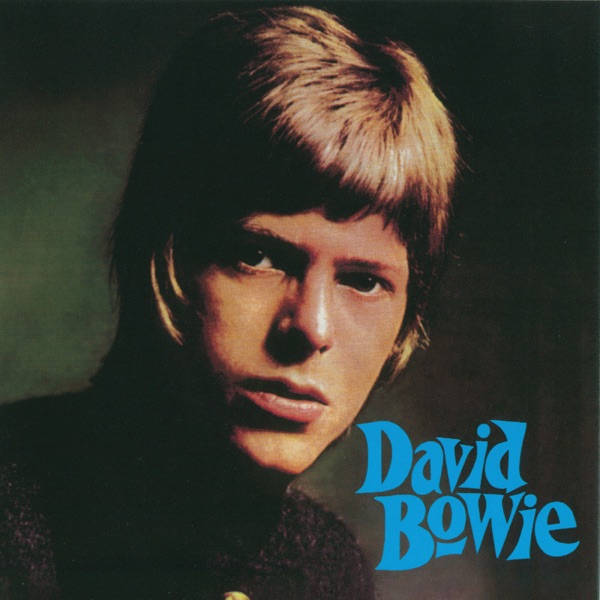
David Bowie
1967 · 12 tracks
- 1 Uncle Arthur ↗ 2:11
- 2 Sell Me A Coat ↗ 3:02
- 3 Rubber Band ↗ 2:19
- 4 Love You Till Tuesday ↗ 3:15
- 5 There Is A Happy Land ↗ 3:17
- 6 We Are Hungry Men ↗ 3:00
- 7 When I Live My Dream ↗ 3:25
- 8 Come And Buy My Toys ↗ 2:09
- 9 Join The Gang ↗ 2:22
- 10 She's Got Medals ↗ 2:26
- 11 Maid Of Bond Street ↗ 1:46
- 12 Please Mr. Gravedigger ↗ 2:37
David Bowie
1969 · 12 tracks
- 1 Uncle Arthur ↗ 2:11
- 2 Sell Me A Coat ↗ 3:02
- 3 Rubber Band ↗ 2:19
- 4 Love You Till Tuesday ↗ 3:15
- 5 There Is A Happy Land ↗ 3:17
- 6 We Are Hungry Men ↗ 3:00
- 7 When I Live My Dream ↗ 3:25
- 8 Come And Buy My Toys ↗ 2:09
- 9 Join The Gang ↗ 2:22
- 10 She's Got Medals ↗ 2:26
- 11 Maid Of Bond Street ↗ 1:46
- 12 Please Mr. Gravedigger ↗ 2:37
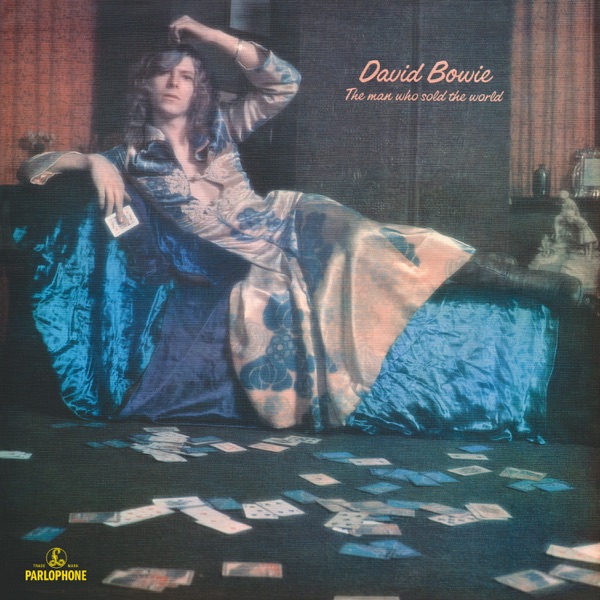
The Man Who Sold the World
1970 · 9 tracks
- 1 The Width of a Circle (2015 Remaster) ↗ 8:11
- 2 All the Madmen (2015 Remaster) ↗ 5:43
- 3 Black Country Rock (2015 Remaster) ↗ 3:37
- 4 After All (2015 Remaster) ↗ 4:00
- 5 Running Gun Blues (2015 Remaster) ↗ 3:15
- 6 Saviour Machine (2015 Remaster) ↗ 4:30
- 7 She Shook Me Cold (2015 Remaster) ↗ 4:17
- 8 The Man Who Sold the World (2015 Remaster) ↗ 4:01
- 9 The Supermen (2015 Remaster) ↗ 3:41
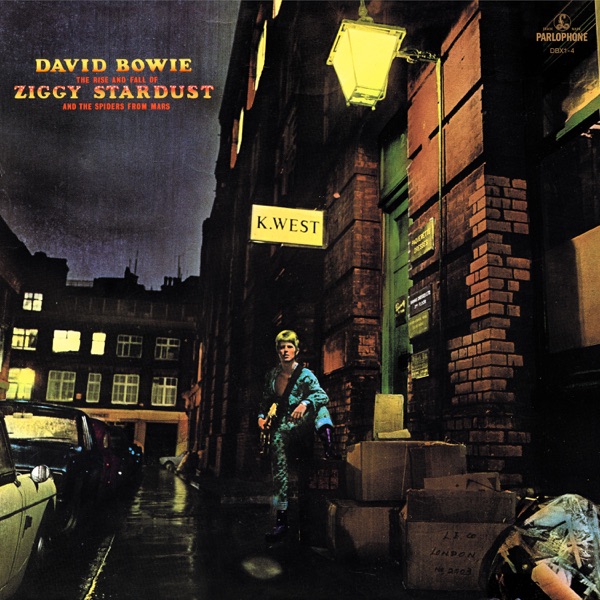
The Rise and Fall of Ziggy Stardust and the Spiders From Mars
1972 · 11 tracks
- 1 Five Years (2012 Remaster) ↗ 4:44
- 2 Soul Love (2012 Remaster) ↗ 3:34
- 3 Moonage Daydream (2012 Remaster) ↗ 4:41
- 4 Starman (2012 Remaster) ↗ 4:14
- 5 It Ain't Easy (2012 Remaster) ↗ 2:58
- 6 Lady Stardust (2012 Remaster) ↗ 3:21
- 7 Star (2012 Remaster) ↗ 2:48
- 8 Hang on to Yourself (2012 Remaster) ↗ 2:40
- 9 Ziggy Stardust (2012 Remaster) ↗ 3:14
- 10 Suffragette City (2012 Remaster) ↗ 3:26
- 11 Rock 'n' Roll Suicide (2012 Remaster) ↗ 2:58
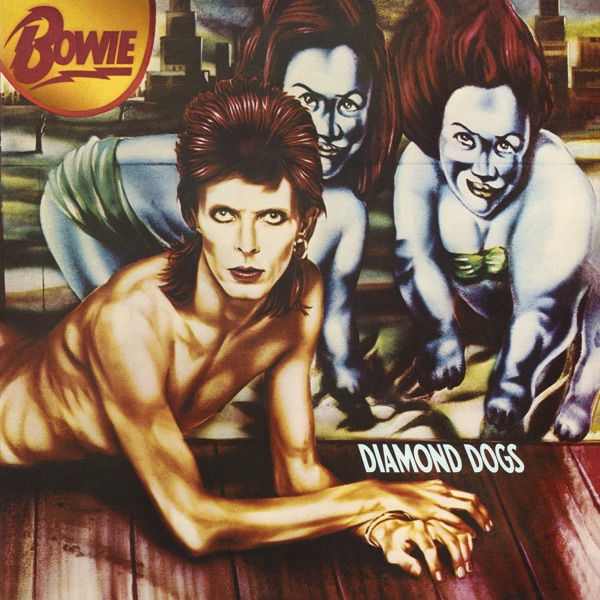
Diamond Dogs
1974 · 11 tracks


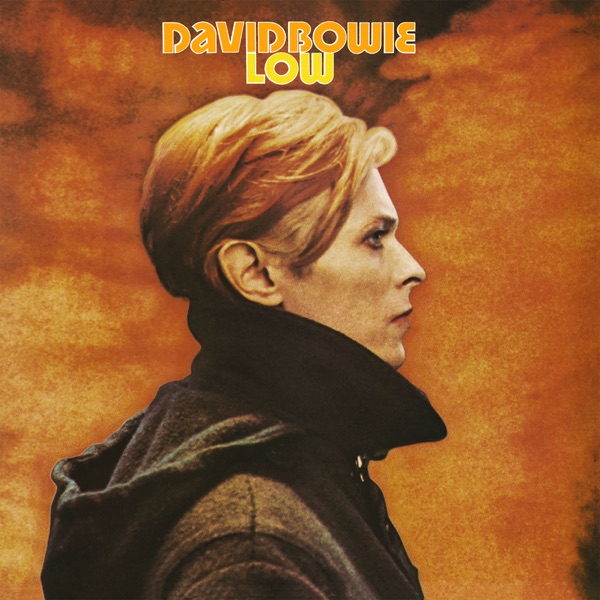
Low
1977 · 11 tracks

David Bowie Narrates Prokofiev’s Peter and the Wolf
1978 · 41 tracks
- 1 Peter and the Wolf, Op. 67: Introduction ↗ 2:46
- 2 Peter and the Wolf, Op. 67: The Story Begins ↗ 0:58
- 3 Peter and the Wolf, Op. 67: The Bird ↗ 1:34
- 4 Peter and the Wolf, Op. 67: The Duck, Dialogue With the Bird, Attack of the Cat ↗ 4:13
- 5 Peter and the Wolf, Op. 67: Grandfather ↗ 2:14
- 6 Peter and the Wolf, Op. 67: The Wolf ↗ 2:02
- 7 Peter and the Wolf, Op. 67: The Duck Is Caught ↗ 0:54
- 8 Peter and the Wolf, Op. 67: The Wolf Stalks the Bird and the Cat ↗ 1:43
- 9 Peter and the Wolf, Op. 67: Peter Prepares to Catch the Wolf ↗ 1:06
- 10 Peter and the Wolf, Op. 67: The Bird Diverts the Wolf ↗ 1:31
- 11 Peter and the Wolf, Op. 67: Peter Catches the Wolf ↗ 1:50
- 12 Peter and the Wolf, Op. 67: The Hunters Arrive ↗ 1:19
- 13 Peter and the Wolf, Op. 67: The Procession to the Zoo ↗ 4:57
- 14 The Young Person's Guide to the Orchestra: Theme: Full Orchestra ↗ 0:32
- 15 The Young Person's Guide to the Orchestra: Theme: Woodwinds ↗ 0:23
- 16 The Young Person's Guide to the Orchestra: Theme: Brass ↗ 0:18
- 17 The Young Person's Guide to the Orchestra: Theme: Strings ↗ 0:18
- 18 The Young Person's Guide to the Orchestra: Theme: Percussion ↗ 0:15
- 19 The Young Person's Guide to the Orchestra: Theme: Full Orchestra ↗ 0:18
- 20 The Young Person's Guide to the Orchestra: Variation I: Flute, Piccolo (Presto) ↗ 0:34
- 21 The Young Person's Guide to the Orchestra: Variation II: Oboes (Lento) ↗ 1:00
- 22 The Young Person's Guide to the Orchestra: Variation III: Clarinets (Moderato) ↗ 0:38
- 23 The Young Person's Guide to the Orchestra: Variation IV: Bassoons (Allegro Alla Marcia) ↗ 0:56
- 24 The Young Person's Guide to the Orchestra: Variation V: Violins (Brilliante Alla Pollaca) ↗ 0:44
- 25 The Young Person's Guide to the Orchestra: Variation VI: Violas (Meno Mosso) ↗ 1:06
- 26 The Young Person's Guide to the Orchestra: Variation VII: Cellos ↗ 1:14
- 27 The Young Person's Guide to the Orchestra: Variation VIII: Doublebasses (Comminciando Lento, Ma Poco Accel.) ↗ 1:02
- 28 The Young Person's Guide to the Orchestra: Variation IX: Harp (Maestoso) ↗ 0:46
- 29 The Young Person's Guide to the Orchestra: Variation X: French Horns (Il Stesso Tempo) ↗ 0:39
- 30 The Young Person's Guide to the Orchestra: Variation XI: Trumpets (Vivace) ↗ 0:34
- 31 The Young Person's Guide to the Orchestra: Variation XII: Trombones & Tuba (Allegro Pomposo) ↗ 1:09
- 32 The Young Person's Guide to the Orchestra: Variation XIII: Percussion (Moderato) ↗ 1:55
- 33 The Young Person's Guide to the Orchestra: Fugue: Full Orchestra (Allegro Molto) ↗ 2:58
- 34 The Nutcracker Suite: Overture ↗ 3:47
- 35 The Nutcracker Suite: March ↗ 2:15
- 36 The Nutcracker Suite: Dance of the Sugar Plum Fairies ↗ 2:16
- 37 The Nutcracker Suite: Russian Dance ↗ 1:15
- 38 The Nutcracker Suite: Arab Dance ↗ 3:42
- 39 The Nutcracker Suite: Chinese Dance ↗ 1:14
- 40 The Nutcracker Suite: Dance of the Merlitons ↗ 2:20
- 41 The Nutcracker Suite: Waltz of the Flowers ↗ 7:12


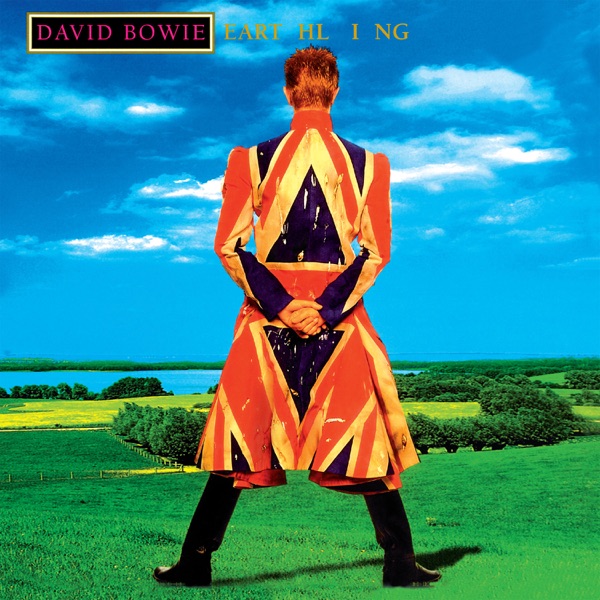
Earthling
1997 · 9 tracks
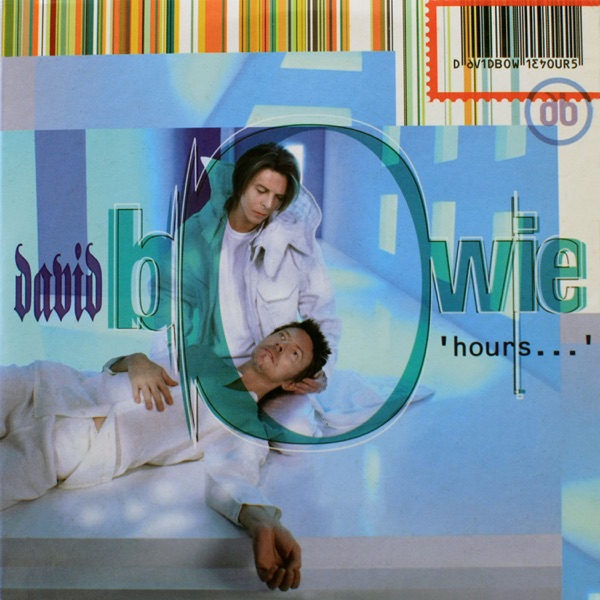
‘hours…’
1999 · 10 tracks
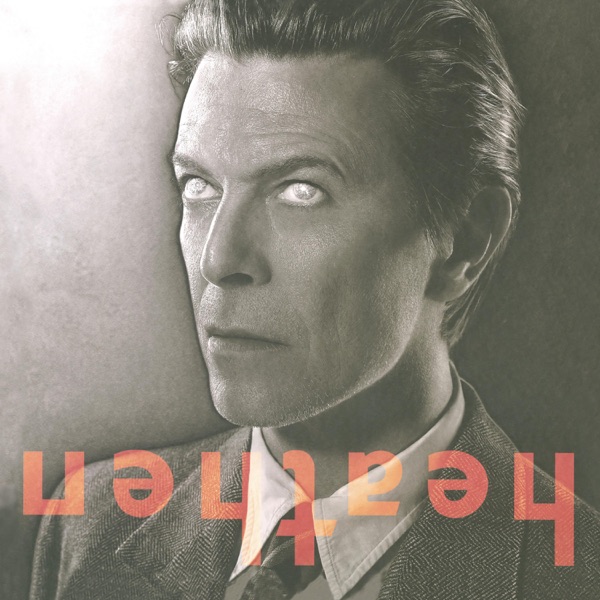
Heathen
2002 · 14 tracks
- 1 Sunday ↗ 4:45
- 2 Cactus ↗ 2:54
- 3 Slip Away ↗ 6:05
- 4 Slow Burn ↗ 4:41
- 5 Afraid ↗ 3:28
- 6 I've Been Waiting For You ↗ 3:00
- 7 I Would Be Your Slave ↗ 5:14
- 8 I Took A Trip On A Gemini Spaceship ↗ 4:06
- 9 5:15 The Angels Have Gone ↗ 5:02
- 10 Everyone Says 'Hi' ↗ 3:58
- 11 A Better Future ↗ 4:11
- 12 Heathen (The Rays) ↗ 4:16
- 13 Sunday (Moby Remix) ↗ 5:10
- 14 A Better Future (Remix by Air) ↗ 4:56

Reality
2003 · 14 tracks
- 1 New Killer Star ↗ 4:41
- 2 Pablo Picasso ↗ 4:05
- 3 Never Get Old ↗ 4:25
- 4 The Loneliest Guy ↗ 4:12
- 5 Looking for Water ↗ 3:28
- 6 She'll Drive the Big Car ↗ 4:35
- 7 Days ↗ 3:19
- 8 Fall Dog Bombs the Moon ↗ 4:02
- 9 Try Some, Buy Some ↗ 4:25
- 10 Reality ↗ 4:21
- 11 Bring Me the Disco King ↗ 7:45
- 12 Fly ↗ 4:10
- 13 Queen Of All The Tarts (Overture) ↗ 2:53
- 14 Rebel Rebel ↗ 3:11
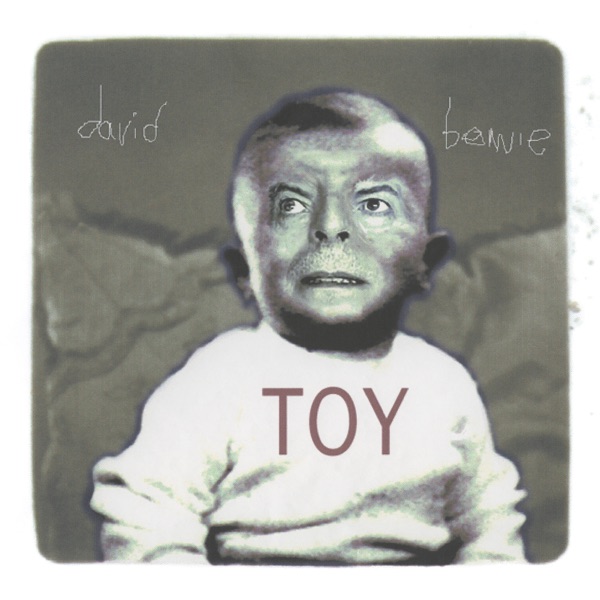
Toy
2011 · 38 tracks
- 1 I Dig Everything ↗ 5:04
- 1 Liza Jane (Alternative Mix) ↗ 4:47
- 1 In The Heat Of The Morning (Unplugged & Somewhat Slightly Electric Mix) ↗ 3:52
- 2 You've Got A Habit of Leaving ↗ 4:49
- 2 You've Got A Habit of Leaving (Alternative Mix) [2021 Remaster] ↗ 4:49
- 2 I Dig Everything (Unplugged & Somewhat Slightly Electric Mix) ↗ 4:59
- 3 The London Boys ↗ 3:47
- 3 Baby Loves That Way (Alternative Mix) [2021 Remaster] ↗ 4:44
- 3 You've Got A Habit of Leaving (Unplugged & Somewhat Slightly Electric Mix) ↗ 3:45
- 4 Karma Man ↗ 3:47
- 4 Can't Help Thinking About Me (Alternative Mix) ↗ 3:26
- 4 The London Boys (Unplugged & Somewhat Slightly Electric Mix) ↗ 3:45
- 5 Conversation Piece ↗ 3:53
- 5 I Dig Everything (Alternative Mix) ↗ 5:05
- 5 Karma Man (Unplugged & Somewhat Slightly Electric Mix) ↗ 3:44
- 6 Shadow Man ↗ 4:40
- 6 The London Boys (Alternative Version) ↗ 3:49
- 6 Conversation Piece (Unplugged & Somewhat Slightly Electric Mix) ↗ 3:51
- 7 Let Me Sleep Beside You ↗ 3:15
- 7 Silly Boy Blue (Tibet Version) ↗ 5:12
- 7 Shadow Man (Unplugged & Somewhat Slightly Electric Mix) ↗ 4:19
- 8 Hole In The Ground ↗ 3:33
- 8 Let Me Sleep Beside You (Alternative Mix) [2021 Remaster] ↗ 3:15
- 8 Let Me Sleep Beside You (Unplugged & Somewhat Slightly Electric Mix) ↗ 3:05
- 9 Baby Loves That Way ↗ 4:37
- 9 In The Heat Of The Morning (Alternative Mix) ↗ 3:53
- 9 Hole In The Ground (Unplugged & Somewhat Slightly Electric Mix) ↗ 3:18
- 10 Can't Help Thinking About Me ↗ 3:25
- 10 Conversation Piece (Alternative Mix) [2021 Remaster] ↗ 3:52
- 10 Baby Loves That Way (Unplugged & Somewhat Slightly Electric Mix) ↗ 4:34
- 11 Silly Boy Blue ↗ 5:35
- 11 Hole In The Ground (Alternative Mix) ↗ 3:55
- 11 Can't Help Thinking About Me (Unplugged & Somewhat Slightly Electric Mix) ↗ 3:30
- 12 Toy (Your Turn To Drive) ↗ 4:16
- 12 Shadow Man (Alternative Mix) [2021 Remaster] ↗ 4:48
- 12 Silly Boy Blue (Unplugged & Somewhat Slightly Electric Mix) ↗ 5:29
- 13 Toy (Your Turn To Drive) [Alternative Mix] [2021 Remix] ↗ 4:44
- 13 Toy (Your Turn To Drive) [Unplugged & Somewhat Slightly Electric Mix] ↗ 3:53
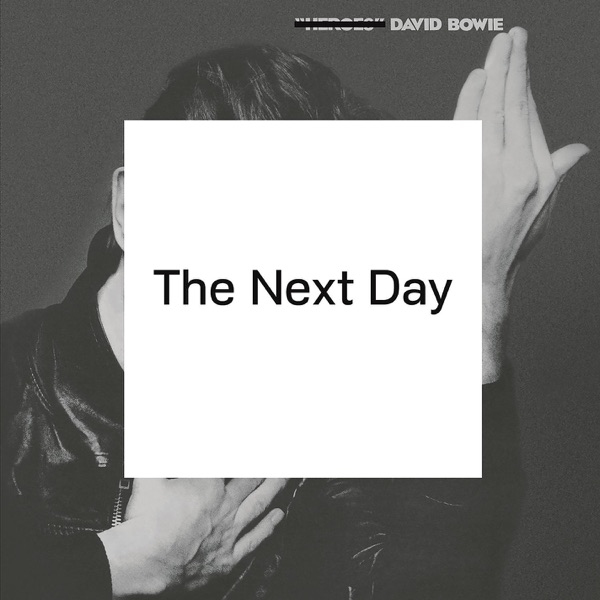
The Next Day
2013 · 14 tracks
- 1 The Next Day ↗ 3:27
- 2 Dirty Boys ↗ 2:58
- 3 The Stars (Are Out Tonight) ↗ 3:57
- 4 Love Is Lost ↗ 3:58
- 5 Where Are We Now? ↗ 4:09
- 6 Valentine's Day ↗ 3:02
- 7 If You Can See Me ↗ 3:12
- 8 I'd Rather Be High ↗ 3:45
- 9 Boss Of Me ↗ 4:10
- 10 Dancing Out In Space ↗ 3:22
- 11 How Does The Grass Grow? ↗ 4:34
- 12 (You Will) Set The World On Fire ↗ 3:32
- 13 You Feel So Lonely You Could Die ↗ 4:38
- 14 Heat ↗ 4:25
-
 David BowieDavid Bowie196712 tracks
 - David BowieDavid Bowie196912 tracks
-
 The Man Who Sold the WorldDavid Bowie19709 tracks
 -
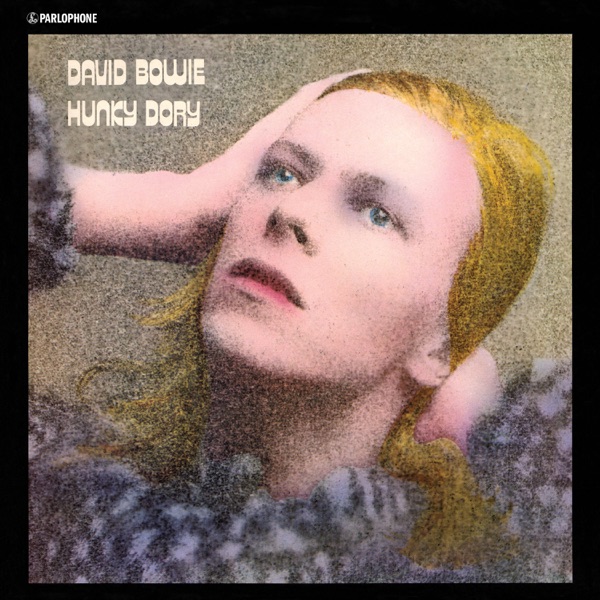
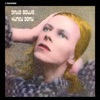 Hunky DoryDavid Bowie197111 tracks
 -
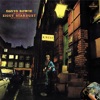 The Rise and Fall of Ziggy Stardust and the Spiders From MarsDavid Bowie197211 tracks
 -
 Aladdin SaneDavid Bowie197310 tracks
 -
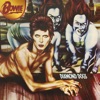 Diamond DogsDavid Bowie197411 tracks
 -
 Young AmericansDavid Bowie19758 tracks
 -
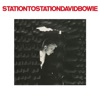 Station to StationDavid Bowie19766 tracks
 -
 “Heroes”David Bowie19774 tracks
 -
 LowDavid Bowie197711 tracks
 -
 David Bowie Narrates Prokofiev’s Peter and the WolfDavid Bowie197841 tracks
 -
 LodgerDavid Bowie197910 tracks
 -
 Let’s DanceDavid Bowie19831 track
 -
 TonightDavid Bowie19845 tracks
 -
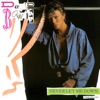 Never Let Me DownDavid Bowie19875 tracks
 -
 Black Tie White NoiseDavid Bowie19933 tracks
 -
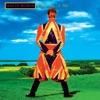 EarthlingDavid Bowie19979 tracks
 -
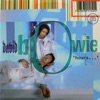 ‘hours…’David Bowie199910 tracks
 -
 HeathenDavid Bowie200214 tracks
 -
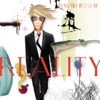 RealityDavid Bowie200314 tracks
 -
 ToyDavid Bowie201138 tracks
 -
 The Next DayDavid Bowie201314 tracks
Deep Dive
Overview
David Robert Jones, known professionally as David Bowie, emerged as one of the most influential musicians of the twentieth century. Across nearly fifty years of recording and performance, Bowie became synonymous with musical reinvention and theatrical presentation. His work spanned art pop, experimental rock, soul, glam rock, psychedelic rock, electronic music, new wave, and ambient music—a career trajectory that rarely repeated a formula twice and consistently anticipated or defined the sounds of the era in which he worked.
Formation Story
David Bowie began his recording career in 1967 with his self-titled debut on Deram Records. Born in London in 1947, Bowie came of age during the British Invasion and the psychedelic explosion of the mid-1960s. He worked across multiple record labels in his early years—Pye Records, Vocalion Records, and Deram—recording singles and albums that showed promise but gained limited traction. These formative records, including a second self-titled David Bowie in 1969, documented an artist experimenting across styles and searching for a distinctive voice and visual identity that would set him apart from the era’s countless other rock ambitions.
Breakthrough Moment
Bowie’s transition to international prominence came with The Man Who Sold the World in 1970, released on Iso Records and later reissued through Mercury Records. This album marked a tonal shift—heavier, more assured, and sonically adventurous. However, his true breakthrough arrived with Hunky Dory in 1971, recorded for RCA Records, an album that balanced sophisticated songwriting with art-rock sensibility. Yet it was The Rise and Fall of Ziggy Stardust and the Spiders From Mars in 1972 that catapulted him to global stardom. Conceived as a theatrical concept album about an androgynous alien rock star, Ziggy Stardust synthesized glam rock excess with genuine melodic craft and thematic ambition. The album’s success was magnified by Bowie’s visual presentation—makeup, costume, and stagecraft that redefined what rock performance could be—and established him as an artist for whom music and image were inseparable.
Peak Era
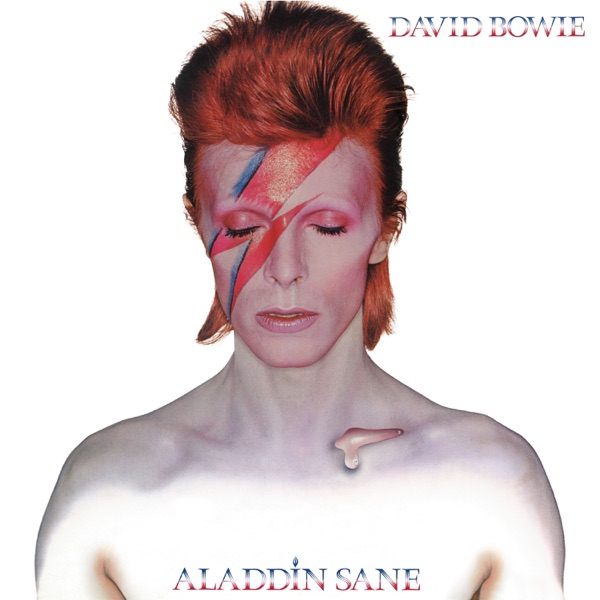
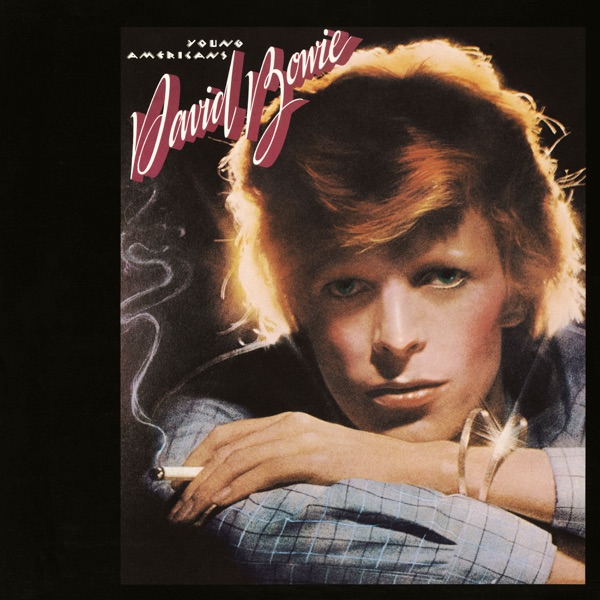
Bowie’s most creatively vital and commercially dominant period spanned the mid-to-late 1970s. Aladdin Sane (1973) and Diamond Dogs (1974) continued the glam-rock trajectory with theatrical narratives and increasingly sophisticated arrangements. Young Americans (1975) shifted toward soul and blue-eyed soul influences while maintaining his art-rock credentials. Station to Station (1976) bridged soul and emerging electronic experimentation. Then came the celebrated collaboration with Brian Eno: Low (1977) and Heroes (1977), twin albums that pioneered the use of electronic production, ambient textures, and cut-up lyrical techniques within rock frameworks. Scary Monsters… and Super Creeps (1980) synthesized new wave, electronic, and rock elements into a final masterpiece of the decade. These records—spanning 1972 to 1980—represent the period when Bowie wielded the greatest artistic influence and commercial success, fundamentally reshaping what rock music could contain.
Musical Style
Bowie’s sound defies easy categorization because he deliberately moved between genres rather than settling into one. His early work navigated psychedelic rock and pop sensibilities. By the early 1970s, he synthesized glam rock’s androgyny and theatricality with the harmonic sophistication and introspection of art rock. His vocal approach—a tenor with a wide range capable of fragility, aggression, irony, and intimacy—adapted fluidly to each album’s aesthetic. Production was paramount: collaborators like Mick Ronson (guitar), Tony Visconti (producer and multi-instrumentalist), Brian Eno (producer and synthesizer), and Carlos Alomar (guitar) helped craft sounds that ranged from the orchestral arrangements of Hunky Dory to the electronic abstraction of Low and the new wave precision of Scary Monsters. Lyrically, Bowie favored allusion, science-fiction imagery, and narrative personas rather than confessional directness. By the 1980s, with Let’s Dance (1983), he pursued a more accessible pop-dance sound while maintaining art-rock ambitions on subsequent releases like Heathen (2002) and Reality (2003), which demonstrated his continued ability to absorb contemporary production and sonic trends without losing artistic coherence.
Major Albums
The Man Who Sold the World (1970)
A harder, more rock-oriented work that introduced the sophisticated arrangement and thematic depth that would define Bowie’s mature sound, marking the first significant step toward stardom.
Hunky Dory (1971)
A masterpiece of songwriting and arrangement that balanced rock sincerity with art-pop experimentation, featuring melodies and lyrics that remain among his most celebrated.
The Rise and Fall of Ziggy Stardust and the Spiders From Mars (1972)
A concept album and cultural phenomenon that fused glam rock with genuine compositional ambition, generating a visual and sonic template that influenced rock presentation for decades.
Station to Station (1976)
A bridge between soul influences and electronic experimentation, showcasing Bowie’s ability to synthesize emerging production techniques with enduring melodic strength.
Low (1977)
A groundbreaking collaboration with Brian Eno that pioneered the integration of electronic production, ambient textures, and fragmented narratives into rock music, fundamentally altering the medium’s sonic possibilities.
Scary Monsters… and Super Creeps (1980)
A culmination of the 1970s experiments, blending new wave precision, electronic innovation, and rock dynamism into a final masterwork of artistic ambition and commercial reach.
Signature Songs
- “Starman” — The defiant, otherworldly centerpiece of Ziggy Stardust, featuring one of rock’s most recognizable vocal melodies and an alien-rock narrative.
- “Changes” — A Hunky Dory highlight that became an anthem for transformation and reinvention, addressing musical and personal evolution with straightforward eloquence.
- “Space Oddity” — An early success that introduced Bowie’s science-fiction sensibility through the story of an astronaut losing contact with Earth.
- “Heroes” — The title track from the 1977 album, a new wave-influenced ballad celebrating defiant love against Cold War division.
- “Rebel Rebel” — A Diamond Dogs standout that distilled glam rock into a three-minute celebration of youthful defiance and androgynous identity.
- “Golden Years” — A Station to Station moment of crystalline pop sophistication, balancing electronic production with warm, romantic sentiment.
Influence on Rock
Bowie’s influence on rock and popular music exceeds that of nearly any peer. He demonstrated that rock artists could sustain careers through constant reinvention rather than formulaic repetition; that theatrical presentation and visual identity were as central to the medium as sound; and that rock could absorb electronic production, ambient textures, soul, new wave, and avant-garde techniques without losing coherence or impact. His work in the 1970s with Brian Eno established templates for post-punk, art rock, electronic music, and alternative rock that persisted through subsequent decades. Artists across genres—from punk and new wave in the 1970s to industrial, alternative rock, electronic, and indie acts from the 1980s onward—traced lineage directly through Bowie’s example. His insistence that rock was a visual and conceptual medium as much as an aural one reshaped performance, fashion, and music video as art forms.
Legacy
David Bowie remained active and creatively relevant until his death in January 2016, releasing albums including The Next Day (2013) and the final album ★ (2016), which arrived on his sixty-ninth birthday. His last release, David Bowie: Starman Audio Documentary (2017), appeared posthumously. Bowie’s catalog has sustained enormous cultural and commercial presence in the decades since his death, with his albums regularly topping streaming charts and his influence visible across music, fashion, and visual culture. His career—spanning nearly fifty years and encompassing virtually every major shift in rock and pop music—stands as a template for artistic ambition, fearless experimentation, and the integration of performance, fashion, and technology into rock expression. His work remains foundational to contemporary understanding of what rock music could be.
Fun Facts
- Bowie’s birth name, David Robert Jones, was changed professionally to avoid confusion with Davy Jones of The Monkees, establishing the surname Bowie after a nineteenth-century American pioneer and Bowie knife.
- His most prolific recorded period occurred during the 1970s, when he released multiple albums per year, often working across different record labels simultaneously—RCA, Iso, Mercury, and others—as contractual obligations and artistic projects aligned.
- The character of Ziggy Stardust emerged as a fully realized theatrical persona, with Bowie performing the album as a staged narrative rather than simply singing the songs, establishing a template for concept albums as immersive experiences.
- Bowie’s collaboration with Brian Eno on Low and Heroes introduced studio techniques drawn from electronic and experimental music into mainstream rock, influencing production approaches across the industry.