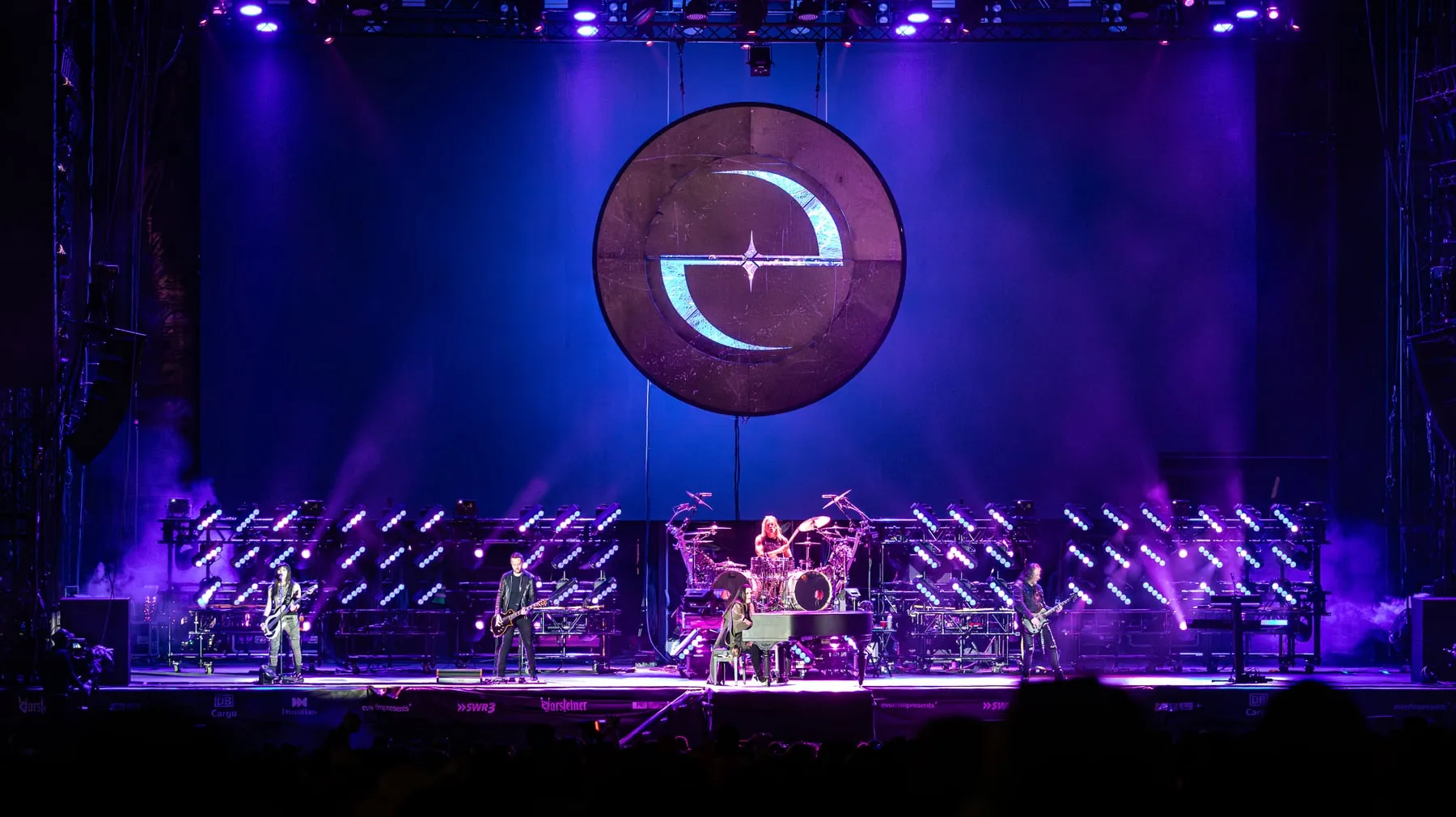
Photo by Andreas Lawen [Fotandi] , licensed under CC BY-SA 4.0 · Wikimedia Commons
Rank #431
Evanescence
From Wikipedia
Evanescence is an American rock band founded in 1994 by singer and keyboardist Amy Lee and guitarist Ben Moody in Little Rock, Arkansas. After releasing independent EPs and a demo CD as a duo in the late 1990s, Evanescence released their debut studio album, Fallen, on Wind-up Records in 2003. Propelled by the success of hit singles including "Bring Me to Life" and "My Immortal", Fallen sold more than four million copies in the US by January 2004, garnering Evanescence two Grammy Awards out of six nominations. They released their first live album and concert DVD, Anywhere but Home, in 2004, which sold over one million copies worldwide.
Members
- Amy Lee (1994–present)
- Ben Moody (1994–2003)
- David Hodges (1999–2002)
- John LeCompt (2003–2007)
- Rocky Gray (2003–2007)
- Terry Balsamo (2003–2015)
- Will Boyd (2003–2006)
- Tim McCord (2006–present)
- Troy McLawhorn (2007–present)
- Will Hunt (2007–present)
- Jen Majura (2015–2022)
- Emma Anzai (2022–present)
Discography & Previews
Browse through and click an album to open and play 30-second previews streamed from Apple Music.


The Open Door
2006 · 13 tracks
- 1 Sweet Sacrifice ↗ 3:06
- 2 Call Me When You're Sober ↗ 3:35
- 3 Weight Of The World ↗ 3:38
- 4 Lithium ↗ 3:44
- 5 Cloud Nine ↗ 4:22
- 6 Snow White Queen ↗ 4:23
- 7 Lacrymosa ↗ 3:37
- 8 Like You ↗ 4:17
- 9 Lose Control ↗ 4:50
- 10 The Only One ↗ 4:40
- 11 Your Star ↗ 4:43
- 12 All That I’m Living For ↗ 3:49
- 13 Good Enough ↗ 5:31
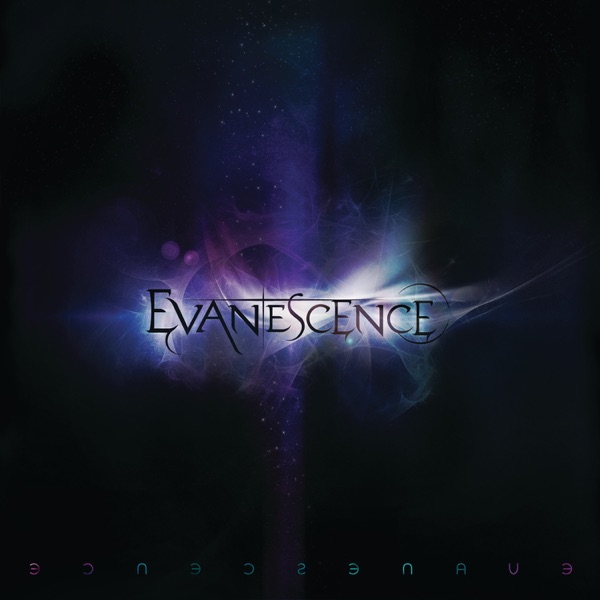
Evanescence
2011 · 12 tracks

Synthesis
2017 · 16 tracks
- 1 Overture ↗ 0:58
- 2 Never Go Back ↗ 4:51
- 3 Hi-Lo ↗ 5:08
- 4 My Heart Is Broken ↗ 4:35
- 5 Lacrymosa ↗ 3:43
- 6 The End of the Dream ↗ 4:55
- 7 Bring Me To Life (Synthesis) ↗ 4:19
- 8 Unraveling (Interlude) ↗ 1:41
- 9 Imaginary ↗ 4:04
- 10 Secret Door ↗ 3:49
- 11 Lithium ↗ 4:05
- 12 Lost In Paradise ↗ 4:44
- 13 Your Star ↗ 4:38
- 14 My Immortal ↗ 4:26
- 15 The In-Between (Piano Solo) ↗ 2:12
- 16 Imperfection ↗ 4:23

The Bitter Truth
2021 · 12 tracks

-
 FallenEvanescence200312 tracks
 -
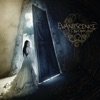 The Open DoorEvanescence200613 tracks
 -
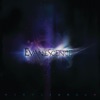 EvanescenceEvanescence201112 tracks
 -
 SynthesisEvanescence201716 tracks
 -
 The Bitter TruthEvanescence202112 tracks
 -
 SanctuaryEvanescence202612 tracks
Deep Dive
Overview
Evanescence is an American rock band that emerged from Little Rock, Arkansas in the 1990s, defined by a fusion of industrial rock, symphonic metal, and gothic sensibilities. Founded in 1994 by Amy Lee and guitarist Ben Moody, the band achieved mainstream prominence in the early 2000s with their debut album Fallen, which became a cultural phenomenon and redefined the sound of rock radio for a generation. Their approach—layering orchestral keyboards and string arrangements atop distorted guitars and introspective alt-rock songwriting—created a template that influenced countless acts across metal, alternative, and mainstream rock throughout the ensuing decades.
Formation Story
Evanescence began as a duo when Amy Lee and Ben Moody started writing and performing together in Little Rock in 1994. Throughout the late 1990s, Lee and Moody operated as an independent project, releasing EPs and a demo CD to build an audience in their local scene. The musical foundation was established early: Lee’s work at the keyboard combined classical training with contemporary synth-based arrangements, while Moody’s guitar work bridged industrial texture and alternative rock sensibility. This core partnership would eventually attract additional musicians and draw the attention of Wind-up Records, positioning the band for their eventual breakthrough.
Breakthrough Moment
Evanescence’s transition from underground act to international phenomenon occurred with the release of Fallen in 2003. The album’s lead single “Bring Me to Life” became a ubiquitous presence on rock radio and MTV, driven by its gothic atmosphere, infectious hook, and music video aesthetic that resonated across teen and young adult audiences. “My Immortal,” a piano-driven ballad that showcased Lee’s vocal range, followed as a second major single and became one of the band’s most recognizable songs. By January 2004, Fallen had sold more than four million copies in the United States alone, a remarkable figure for a debut. The album earned six Grammy nominations and won two awards, cementing Evanescence’s position as one of the defining rock acts of the early 2000s. They capitalized on this momentum by releasing Anywhere but Home, a live album and concert DVD, in 2004, which sold over one million copies worldwide and further solidified their fanbase.
Peak Era
The period from 2003 through 2007 represented Evanescence’s most commercially successful and creatively fertile chapter. Fallen established them as a major force, and they sustained that trajectory with the release of The Open Door in 2006. This era saw the band working with a stable lineup that included Terry Balsamo on guitar, Tim McCord on bass, Rocky Gray on drums, and John LeCompt on additional guitar, alongside the core partnership of Lee and Moody. The tours and recordings from these years generated enormous streaming volume, radio play, and concert attendance. Their ability to bridge alternative rock radio, MTV rotation, and rock radio established them as one of the few bands capable of crossing demographic boundaries in the fragmented 2000s musical landscape.
Musical Style
Evanescence’s sound is rooted in a deliberate collision of orchestral and electronic textures with guitar-driven rock and metal. Amy Lee’s keyboard work often employs strings, pads, and cinematic arrangements that evoke classical composition, while the rhythm section and guitar parts maintain a heavier, industrial edge. Ben Moody’s contribution during the band’s initial era emphasized distorted, processed guitar tones that complemented rather than overwhelmed the keyboard-forward arrangements. Lee’s vocal delivery spans from whispered, intimate verses to powerful, soaring choruses, with a tonal quality that conveys both vulnerability and authority. The production across their catalog reflects influences from gothic rock, symphonic metal, and industrial music, particularly in the use of layered synths and orchestral overdubs. Lyrically, the band favored introspective, emotionally direct songwriting dealing with loss, alienation, and internal struggle—themes that proved deeply resonant with their audience.
Major Albums
Fallen (2003)
Fallen is the album that transformed Evanescence from a regional act into a global phenomenon. Its blend of goth-inflected pop sensibility with industrial production and orchestral arrangement set the template for their sound, and the combination of “Bring Me to Life” and “My Immortal” with deeper cuts created an album that sustained both commercial and critical interest.
The Open Door (2006)
Released three years after Fallen, The Open Door demonstrated that Evanescence could sustain their commercial momentum and expand their songwriting. The album maintained the band’s core aesthetic while exploring new arrangements and emotional territory across its tracklist.
Evanescence (2011)
The band’s self-titled third album arrived after a five-year gap and marked a continuation of their trajectory, featuring evolved songwriting and production that reflected the passage of time and the shifting rock landscape.
Synthesis (2017)
Synthesis showcased orchestral re-arrangements and reinterpretations of previously released material, allowing the band to revisit their catalog through a new lens and demonstrate the inherent symphonic potential of their compositions.
The Bitter Truth (2021)
Released in 2021, The Bitter Truth returned the band to original new material and represented their continued presence in rock music during an era when many of their 2000s-era peers had faded from prominence.
Signature Songs
- “Bring Me to Life” — The breakthrough single that introduced Evanescence to mainstream audiences and became synonymous with early-2000s alternative rock radio.
- “My Immortal” — A stripped-down piano ballad showcasing Amy Lee’s vocal power and the band’s ability to convey emotional depth without heavy instrumentation.
- “Going Under” — A Fallen track built on distorted guitars and urgency, demonstrating the band’s capacity for driving, guitar-centric compositions.
- “Use My Voice” — An example of the band’s engagement with thematic depth and orchestral arrangement across their catalog.
Influence on Rock
Evanescence’s emergence and commercial dominance in the 2000s helped legitimize symphonic metal and industrial rock as commercially viable approaches within mainstream rock and alternative radio. The success of Fallen proved that audiences were receptive to orchestral elements, gothic aesthetics, and female-fronted acts combining keyboard work with heavy guitar tones. Their template influenced numerous subsequent bands that incorporated keyboard-led arrangements, orchestral production, and introspective vocal delivery into hard rock and metal contexts. The band’s presence on MTV, rock radio, and the festival circuit demonstrated that the audience for guitar-based rock music could embrace production and arranging choices that drew from electronic and classical traditions. Their influence extended across the broader alternative rock landscape and into the expanding symphonic and gothic metal subgenres that gained traction in the 2000s and beyond.
Legacy
Evanescence remains one of the defining acts of early-2000s rock music, with Fallen standing as a commercial and cultural landmark of that era. The album’s enduring presence on streaming platforms, its continued rotation on classic rock and alternative radio, and its place in the formative musical experience of multiple generational cohorts ensure its status as a touchstone. The band has continued to record and perform into the 2020s, releasing new material including Sanctuary in 2026, demonstrating a sustained presence in rock music long after many of their contemporaries departed from active recording. Their career trajectory—from underground Little Rock beginnings to international platinum success to sustained relevance across decades—reflects both the strength of their core songwriting and the durability of their stylistic innovations. The combination of Amy Lee’s vocal presence and compositional voice with the band’s distinctive arrangement sensibilities has proven resilient across multiple decades of changing musical fashion.
Fun Facts
- Evanescence began as a duo project between Amy Lee and Ben Moody in 1994, with the pair writing and performing independently throughout the late 1990s before achieving mainstream success.
- The band’s live album and concert DVD, Anywhere but Home (2004), sold over one million copies worldwide, demonstrating the intensity of their fanbase and the value of their live presentation.
- Tim McCord joined the band as bassist in 2006 and has remained a core member through the 2020s, providing continuity across multiple eras of the band’s lineup.
- The band released Synthesis in 2017, an album focused on orchestral re-arrangements that allowed them to revisit their material through a symphonic lens and explore the classical potential of their compositions.