
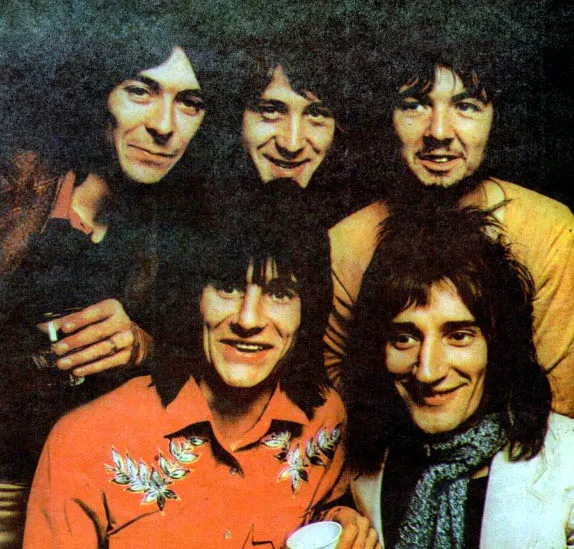
Photo by Unknown author Unknown author , licensed under Public domain · Wikimedia Commons
Rank #444
Faces
From Wikipedia
Faces are an English rock band formed in London in 1969. They formed after Small Faces lead singer and guitarist Steve Marriott left to form Humble Pie, and the remaining Small Faces— bassist Ronnie Lane, drummer Kenney Jones, and keyboardist Ian McLagan—recruited lead singer Rod Stewart and guitarist Ronnie Wood, both formerly of the Jeff Beck Group, and shortened the band's name to Faces.
Members
- Ian McLagan
- Kenney Jones
- Rod Stewart
- Ronnie Lane
- Ronnie Wood
Discography & Previews
Browse through and click an album to open and play 30-second previews streamed from Apple Music.

Small Faces
1966 · 30 tracks
- 1 Shake ↗ 2:51
- 1 Come On Children (Alternate Version) ↗ 3:28
- 2 Come On Children ↗ 4:17
- 2 Shake (Alternate Version) ↗ 2:53
- 3 You Better Believe It ↗ 2:18
- 3 You Better Believe It (Alternate Version) ↗ 2:49
- 4 It's Too Late ↗ 2:35
- 4 It's Too Late (Alternate Mix) [Electronically Processed Stereo] ↗ 2:36
- 5 One Night Stand ↗ 1:48
- 5 Sorry She's Mine (Alternate Mix) [Electronically Processed Stereo] ↗ 2:45
- 6 What'cha Gonna Do About It? ↗ 1:56
- 6 Own Up Time (Alternate Version) ↗ 2:27
- 7 Sorry She's Mine ↗ 2:46
- 7 E Too D (Alternate Version) ↗ 3:16
- 8 Own Up Time ↗ 1:45
- 8 I've Got Mine (Alternate Mix) [Electronically Processed Stereo] ↗ 2:51
- 9 You Need Loving ↗ 3:56
- 9 Grow Your Own (Alternate Mix) [Electronically Processed Stereo] ↗ 2:16
- 10 Don't Stop What You're Doing ↗ 1:53
- 10 Sha-La-La-La-Lee (Stereo Version) ↗ 2:52
- 11 E Too D ↗ 3:00
- 11 Don't Stop What You're Doing (Alternate Version) ↗ 2:03
- 12 Sha-La-La-La-Lee ↗ 2:54
- 12 Patterns (Alternate Mix) [Electronically Processed Stereo] ↗ 2:03
- 13 I've Got Mine ↗ 2:51
- 13 What's a Matter Baby (Alternate Mix) ↗ 2:53
- 14 What's a Matter Baby ↗ 2:53
- 14 What'cha Gonna Do About It? (Alternate Version) ↗ 2:09
- 15 Grow Your Own ↗ 2:17
- 16 Patterns ↗ 2:04
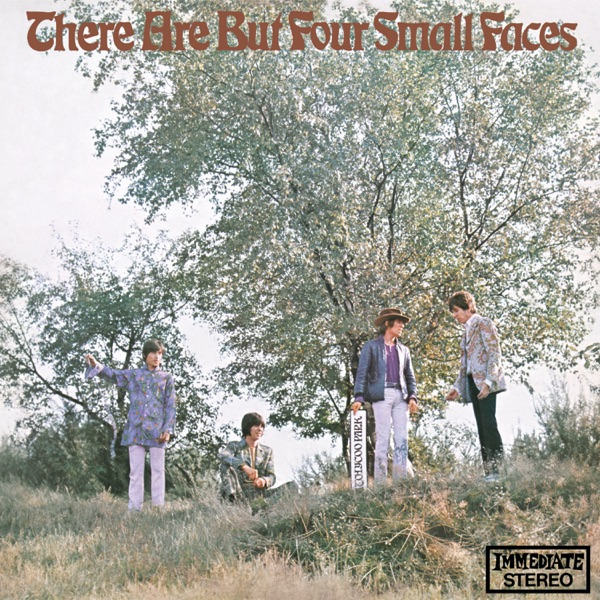
There Are but Four Small Faces
1967 · 31 tracks
- 1 Itchycoo Park (Stereo Version) [2013 Remaster] ↗ 2:51
- 1 Itchycoo Park (USA AM Radio Version) [2014 Remaster] ↗ 2:48
- 2 Talk to You (2013 Remaster) ↗ 2:06
- 2 Talk to You (USA AM Radio Version) [2014 Remaster] ↗ 2:05
- 3 Up the Wooden Hills to Bedfordshire (2013 Remaster) ↗ 2:02
- 3 Up the Wooden Hills to Bedfordshire (USA AM Radio Version) [2014 Remaster] ↗ 2:01
- 4 My Way of Giving (2013 Remaster) ↗ 1:57
- 4 My Way of Giving (USA AM Radio version) [2014 Remaster] ↗ 1:57
- 5 I'm Only Dreaming (Take 1 Stereo Mix) [2013 Remaster] ↗ 2:23
- 5 I'm Only Dreaming (USA AM Radio Version) [2014 Remaster] ↗ 2:21
- 6 I Feel Much Better (2013 Remaster) ↗ 3:57
- 6 I Feel Much Better (USA AM Radio Version) [2014 Remaster] ↗ 3:56
- 7 Tin Soldier (2013 Remaster) ↗ 3:19
- 7 Tin Soldier (USA AM Radio Version) [2014 Remaster] ↗ 3:17
- 8 Get Yourself Together (2013 Remaster) ↗ 2:15
- 8 Get Yourself Together (USA AM Radio Version) [2014 Remaster] ↗ 2:17
- 9 Show Me the Way (2013 Remaster) ↗ 2:07
- 9 Show Me the Way (USA AM Radio Version) [2014 Remaster] ↗ 2:05
- 10 Here Come the Nice (2013 Remaster) ↗ 3:02
- 10 Here Come the Nice (USA AM Radio Version) [2014 Remaster] ↗ 2:56
- 11 Green Circles (Stereo Version) [2013 Remaster] ↗ 2:45
- 11 Green Circles (USA AM Radio Version) [2014 Remaster] ↗ 2:30
- 12 (Tell Me) Have You Ever Seen Me (2013 Remaster) ↗ 2:14
- 12 (Tell Me) Have You Ever Seen Me [USA AM Radio Version] [2014 Remaster] ↗ 2:15
- 13 Eddie's Dreaming (Take 4 Mix 1) [2014 Remaster] ↗ 2:54
- 13 Tin Soldier (TV Backing Track) [2014 Remaster] ↗ 3:22
- 14 Get Yourself Together (Early Mix) [2014 Remaster] ↗ 2:18
- 14 Here Come the Nice (USA Version) [2014 Remaster] ↗ 2:46
- 15 Show Me the Way (Take 5 Alternate Mix) [2013 Remaster] ↗ 2:10
- 15 Green Circles (Take 1 Alternate Mix 2) [2014 Remaster] ↗ 2:42
- 16 (Tell Me) Have You Ever Seen Me [Alternate Take] [2013 Remaster] ↗ 2:04
Small Faces
1967 · 30 tracks
- 1 Shake ↗ 2:51
- 1 Come On Children (Alternate Version) ↗ 3:28
- 2 Come On Children ↗ 4:17
- 2 Shake (Alternate Version) ↗ 2:53
- 3 You Better Believe It ↗ 2:18
- 3 You Better Believe It (Alternate Version) ↗ 2:49
- 4 It's Too Late ↗ 2:35
- 4 It's Too Late (Alternate Mix) [Electronically Processed Stereo] ↗ 2:36
- 5 One Night Stand ↗ 1:48
- 5 Sorry She's Mine (Alternate Mix) [Electronically Processed Stereo] ↗ 2:45
- 6 What'cha Gonna Do About It? ↗ 1:56
- 6 Own Up Time (Alternate Version) ↗ 2:27
- 7 Sorry She's Mine ↗ 2:46
- 7 E Too D (Alternate Version) ↗ 3:16
- 8 Own Up Time ↗ 1:45
- 8 I've Got Mine (Alternate Mix) [Electronically Processed Stereo] ↗ 2:51
- 9 You Need Loving ↗ 3:56
- 9 Grow Your Own (Alternate Mix) [Electronically Processed Stereo] ↗ 2:16
- 10 Don't Stop What You're Doing ↗ 1:53
- 10 Sha-La-La-La-Lee (Stereo Version) ↗ 2:52
- 11 E Too D ↗ 3:00
- 11 Don't Stop What You're Doing (Alternate Version) ↗ 2:03
- 12 Sha-La-La-La-Lee ↗ 2:54
- 12 Patterns (Alternate Mix) [Electronically Processed Stereo] ↗ 2:03
- 13 I've Got Mine ↗ 2:51
- 13 What's a Matter Baby (Alternate Mix) ↗ 2:53
- 14 What's a Matter Baby ↗ 2:53
- 14 What'cha Gonna Do About It? (Alternate Version) ↗ 2:09
- 15 Grow Your Own ↗ 2:17
- 16 Patterns ↗ 2:04
-
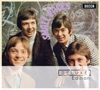 Small FacesFaces196630 tracks
 -
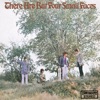 There Are but Four Small FacesFaces196731 tracks
 - Small FacesFaces196730 tracks
-
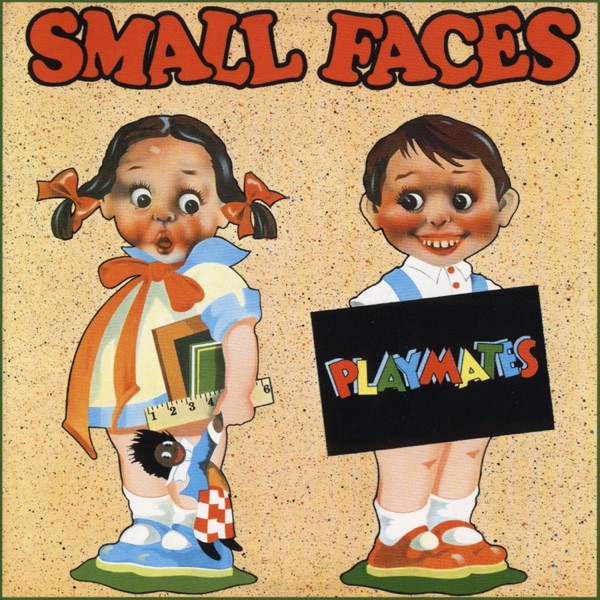
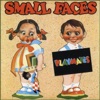 PlaymatesFaces197710 tracks
 -
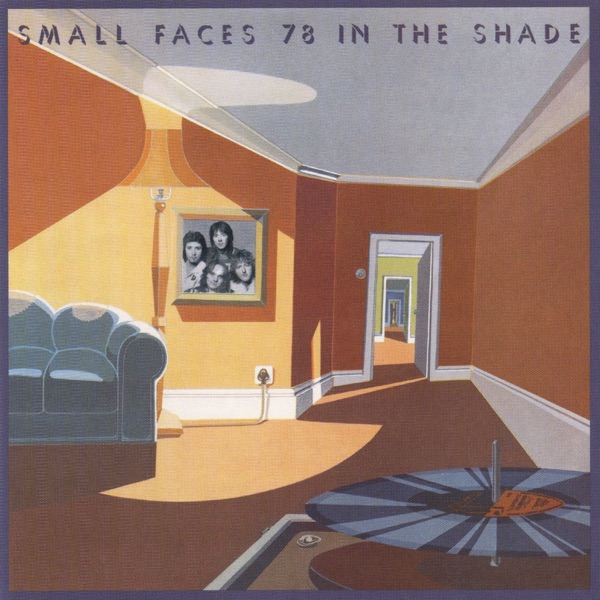
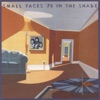 78 in the ShadeFaces197810 tracks
Deep Dive
Overview
Faces were an English hard rock band that emerged from London in 1969, born directly from the dissolution of the pioneering mod group Small Faces. When Small Faces frontman Steve Marriott departed to form Humble Pie, the remaining three members—bassist Ronnie Lane, drummer Kenney Jones, and keyboardist Ian McLagan—recruited Rod Stewart (vocals) and Ronnie Wood (guitar), both recently departed from the Jeff Beck Group, and rebranded as Faces. The band occupied a crucial position in early 1970s rock, bridging the raw energy of mod rock with the emerging hard rock sound of the decade.
Formation Story
Faces came into being in 1969 when the Small Faces, one of England’s most influential mod-era bands, underwent a seismic shift in personnel. Steve Marriott’s exit to pursue his new project left Ronnie Lane, Kenney Jones, and Ian McLagan with both a legacy to uphold and a blank slate to fill. The band recruited Rod Stewart and Ronnie Wood, two accomplished musicians who had worked together in the Jeff Beck Group and brought with them a blues-soaked sensibility that would reshape the group’s direction. London remained the natural home base, and the combination of the remaining Small Faces members—each seasoned in the British rock underground—with Stewart’s soulful vocal presence and Wood’s fluid guitar work created an ensemble capable of both honoring their mod roots and pushing into harder, more expansive territory.
Breakthrough Moment
The Faces’ arrival in 1969 was itself a form of breakthrough: the band inherited a loyal fanbase from Small Faces while immediately signaling a new identity through the recruitment of Stewart and Wood. Their early years saw them build momentum as a live act and recording entity, with releases including albums such as Playmates (1977) and 78 in the Shade (1978) cementing their presence in the hard rock landscape. The combination of familiar and new talent, along with the inherent curiosity around how the post-Marriott Small Faces would reinvent themselves, gave the band substantial initial traction and positioned them as a major draw during the early 1970s rock era.
Peak Era
The Faces’ peak years stretched through the 1970s, when all five members were at their creative and performing peak. The band’s ability to bridge the mod sensibilities of their Small Faces past with the emerging hard rock sound of the era made them a vital fixture in rock music during this period. Rod Stewart’s star power as a vocalist and frontman, combined with Ronnie Wood’s inventive guitar work, Ronnie Lane’s sturdy bass lines, Ian McLagan’s keyboard textures, and Kenney Jones’s powerful drumming, created a cohesive and dynamic unit. Albums like Playmates and 78 in the Shade represented the band at their most assured, blending raw rock and roll energy with the sophistication of their collective experience.
Musical Style
Faces fashioned a hard rock sound rooted in blues but tempered by the melodic sensibilities of their mod-rock heritage. Rod Stewart’s vocals—rich, soulful, and capable of both swagger and vulnerability—became the focal point of the band’s identity, ranging from belted rock anthems to intimate blues interpretations. Ronnie Wood’s guitar work alternated between sharp, rhythmic accompaniment and fluid, blues-influenced lead passages, while Ian McLagan’s keyboards provided harmonic depth and texture that prevented the band from sounding purely blues-driven. Ronnie Lane’s bass and Kenney Jones’s drumming locked into a tight, propulsive rhythm section that gave the band their heavy, grounded foundation. The overall sound was one of earthy hard rock with no pretense to progressive complexity—direct, energetic, and rooted in the tradition of British blues-rock.
Major Albums
Playmates (1977)
Playmates marked a high point in the band’s recording career, showcasing the five-piece at full command of their hard rock vocabulary and demonstrating the chemistry that had developed across their years together.
78 in the Shade (1978)
Following closely on Playmates, this release continued the band’s momentum, featuring the same confident blend of blues-influenced hard rock and the dynamic interplay that defined their live reputation.
Signature Songs
- Rod Stewart’s vocal performance on Faces tracks exemplified his ability to deliver both anthemic rock vocals and intimate, soulful interpretations across the band’s catalog.
- The band’s blues-rock foundation was evident in their instrumental arrangements, with Ronnie Wood’s guitar work providing memorable hooks and solos.
- Kenney Jones’s drumming anchored the band’s rhythmic identity, delivering the powerful, driving beats that propelled their hard rock sound.
- Ian McLagan’s keyboard textures added harmonic sophistication that balanced the rawer elements of Stewart’s vocals and Wood’s guitar.
Influence on Rock
Faces represented a crucial link between the mod-rock era of the 1960s and the hard rock landscape of the 1970s. The band’s ability to evolve the Small Faces sound without abandoning its essential character demonstrated that British rock groups could adapt to changing musical tastes while retaining their core identity. Rod Stewart’s prominent role in the band contributed to his emergence as one of the decade’s most prominent rock vocalists, while Ronnie Wood’s work with Faces would eventually lead to his joining The Rolling Stones, one of rock’s most enduring institutions. The band’s hard rock approach influenced the broader trajectory of British rock in the 1970s, proving that blues-based hard rock could coexist with and complement the mod sensibilities of their predecessors.
Legacy
The Faces remain an important chapter in the evolution of British rock, remembered as the bridge between Small Faces and the hard rock sound that dominated the 1970s. The band’s longevity—continuing in various forms across decades—testifies to the durability of their core lineup and the strength of their musical foundation. Archival releases have kept their work in circulation, including compilations of their BBC Sessions from 1965–1968 (released in 2025) and Transmissions from the same period (released in 2019), which document their musicianship and live energy. Rod Stewart’s sustained superstardom and Ronnie Wood’s iconic status with The Rolling Stones have ensured that the Faces remain part of rock’s broader historical consciousness, while fans and critics continue to revisit their catalog as essential hard rock from the decade.
Fun Facts
- The band’s name change from Small Faces to Faces marked one of rock’s more direct lineage shifts, with the core trio directly recruiting two established musicians to create a new ensemble.
- Faces’ early recordings capture a moment of transition in British rock, bridging the mod sound of the 1960s with the hard rock sensibilities of the 1970s.
- Rod Stewart’s dual involvement with Faces and his emerging solo career during the early 1970s made him one of rock’s busiest and most visible performers of the era.
- Ronnie Wood’s tenure with Faces preceded his historic move to The Rolling Stones, positioning the band as a crucial training ground for one of rock’s most enduring guitarists.