
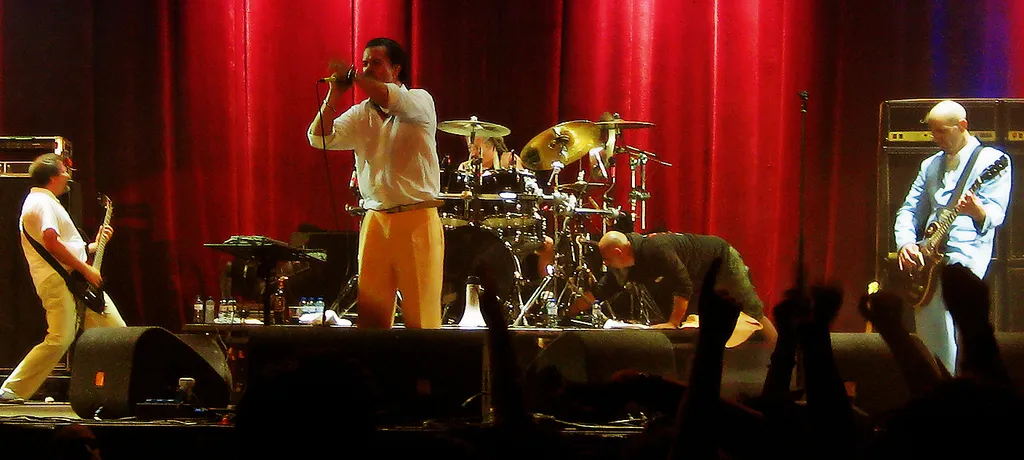
Photo by Jose Rubio , licensed under CC BY-SA 2.0 · Wikimedia Commons
Rank #493
Faith No More
From Wikipedia
Faith No More is an American rock band from San Francisco, California, formed in 1979. Before September 1983, the band performed under the names Sharp Young Men and later Faith. No Man. Bassist Billy Gould, keyboardist/rhythm guitarist Roddy Bottum and drummer Mike Bordin are the longest-tenured members of the band, having been involved since its inception. The band underwent several early lineup changes, and some major changes later. The final lineup of Faith No More consisted of Gould, Bordin, Bottum, lead guitarist Jon Hudson, and vocalist/lyricist Mike Patton.
Members
- Billy Gould (1983–present)
- Mike Bordin (1983–present)
- Roddy Bottum (1983–present)
- Chuck Mosley (1984–1988)
- Courtney Love (1984–1984)
- Jim Martin (1984–1993)
- Paula Frazer (1984–1984)
- Mike Patton (1988–present)
- Trey Spruance (1994–1995)
- Dean Menta (1995–1996)
- Jon Hudson (1996–present)
Discography & Previews
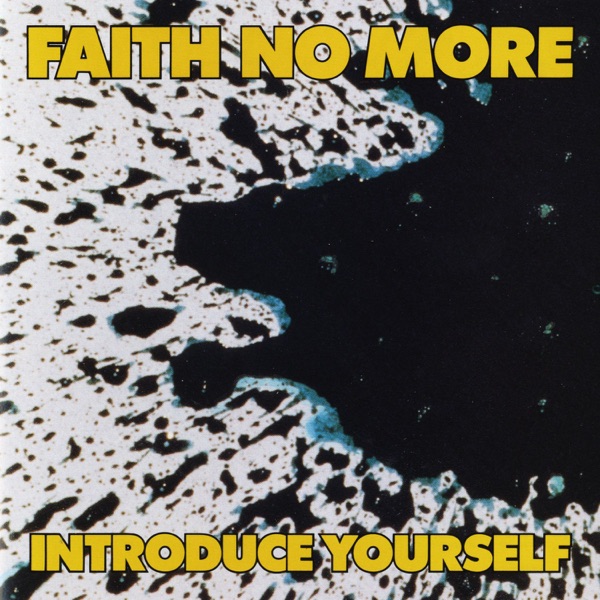
Browse through and click an album to open and play 30-second previews streamed from Apple Music.

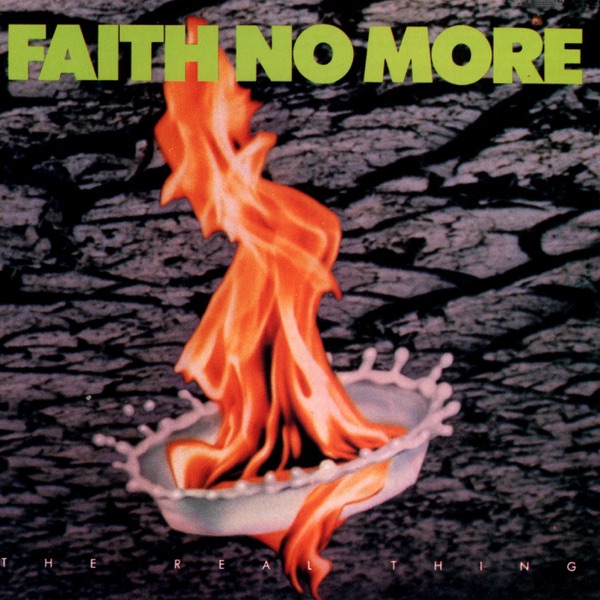
The Real Thing
1989 · 11 tracks

Angel Dust
1992 · 14 tracks
- 1 Land of Sunshine ↗ 3:45
- 2 Caffeine ↗ 4:28
- 3 Midlife Crisis ↗ 4:20
- 4 Rv ↗ 3:42
- 5 Smaller and Smaller ↗ 5:11
- 6 Everything's Ruined ↗ 4:33
- 7 Malpractice ↗ 4:02
- 8 Kindergarten ↗ 4:31
- 9 Be Aggressive ↗ 3:42
- 10 A Small Victory ↗ 4:57
- 11 Crack Hitler ↗ 4:39
- 12 Jizzlobber ↗ 6:39
- 13 Midnight Cowboy ↗ 4:12
- 14 Easy (Bonus Track) ↗ 3:07

King for a Day… Fool for a Lifetime
1995 · 14 tracks
- 1 Get Out ↗ 2:20
- 2 Ricochet ↗ 4:28
- 3 Evidence ↗ 4:54
- 4 The Gentle Art of Making Enemies ↗ 3:30
- 5 Star A.D. ↗ 3:23
- 6 Cuckoo for C**a ↗ 3:44
- 7 Caralho Voador ↗ 4:01
- 8 Ugly In the Morning ↗ 3:07
- 9 Digging the Grave ↗ 3:04
- 10 Take This Bottle ↗ 4:59
- 11 King for a Day ↗ 6:35
- 12 What a Day ↗ 2:39
- 13 The Last to Know ↗ 4:29
- 14 Just a Man ↗ 5:36
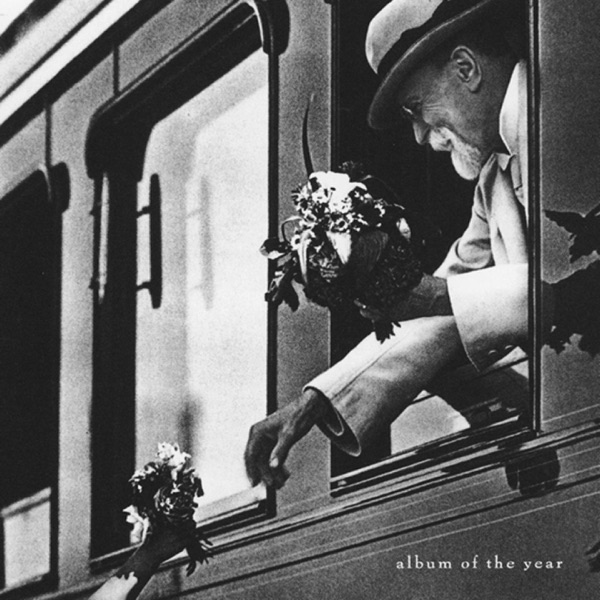
Album of the Year
1997 · 12 tracks
-
 We Care a LotFaith No More19851 track
 -
 Introduce YourselfFaith No More198710 tracks
 -
 The Real ThingFaith No More198911 tracks
 -
 Angel DustFaith No More199214 tracks
 -
 King for a Day… Fool for a LifetimeFaith No More199514 tracks
 -
 Album of the YearFaith No More199712 tracks
 -
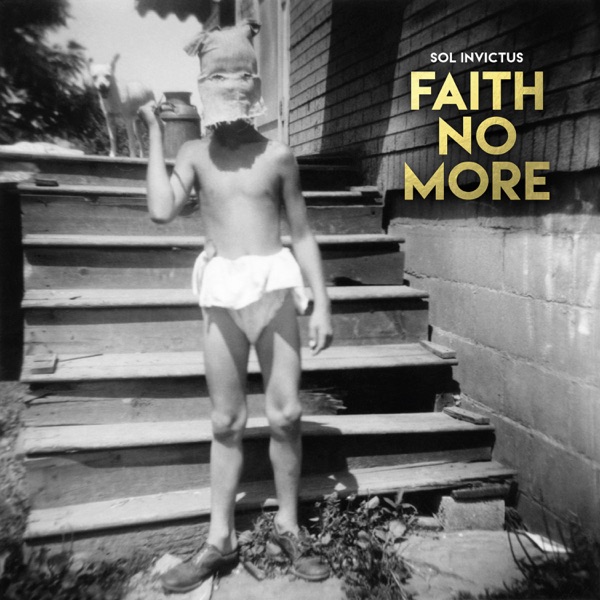
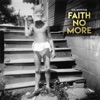 Sol InvictusFaith No More201510 tracks
Deep Dive
Overview
Faith No More is an American rock band from San Francisco that emerged in 1983 as one of the first successful bridges between alternative rock, metal, and progressive experimentation. Over four decades, the band developed a reputation for stylistic unpredictability and technical virtuosity, refusing easy categorization while building a devoted international fanbase. Their influence extends across alternative metal, math rock, and experimental pop—territories they helped establish through restless innovation and a commitment to challenging both themselves and their audience.
Formation Story
Faith No More originated in San Francisco in 1979 under the names Sharp Young Men and later Faith. No Man. before formally adopting their final moniker in September 1983. The core of the band crystallized around three constants: bassist Billy Gould, keyboardist and rhythm guitarist Roddy Bottum, and drummer Mike Bordin, all present from the band’s inception. Early membership proved fluid; vocalist Chuck Mosley joined in 1984 alongside guitarist Jim Martin, while keyboardist Paula Frazer and bassist Courtney Love also passed through the lineup during this formative period, each contributing to the band’s experimental direction. The San Francisco scene of the early 1980s provided fertile ground for a band willing to synthesize heavy metal riffs with art-rock sensibilities and hip-hop grooves—an approach that would define their sound for decades.
Breakthrough Moment
Faith No More’s initial releases garnered cult interest within underground circles, but their 1989 album The Real Thing marked the moment the band crossed into mainstream awareness. The record’s fusion of aggressive guitars, funk-inflected bass, and Mosley’s dynamic vocal approach created a template that influenced the emerging alternative metal movement of the early 1990s. By the time of The Real Thing, Mosley had departed, replaced in 1988 by vocalist Mike Patton—a move that would prove transformative. Patton’s virtuosic range and unconventional phrasing gave the band a new creative impetus that set the stage for their most acclaimed period.
Peak Era
The years from 1992 to 1997 represented Faith No More’s creative and commercial zenith. Angel Dust, released in 1992, solidified the band’s status as the most unpredictable force in alternative metal; the album showcased Patton’s operatic capabilities alongside caustic humor, industrial textures, and sophisticated compositional structures. The record achieved significant chart success and critical acclaim, establishing the band as serious artists capable of both heaviness and subtlety. King for a Day… Fool for a Lifetime (1995) and Album of the Year (1997) continued this trajectory, with the latter representing a deliberate shift toward accessibility without sacrificing experimental edge. During this period, the band cycled through guitarists—Jim Martin giving way to Trey Spruanca (1994–1995), then Dean Menta (1995–1996)—before Jon Hudson arrived in 1996 and remained a stabilizing presence. These five years saw Faith No More perform extensively worldwide, cementing their influence on a generation of alternative and metal musicians.
Musical Style
Faith No More’s sound defies easy summary. The band synthesized heavy metal aggression, funk rhythms, progressive rock complexity, industrial production, and avant-garde vocal experimentation into a coherent aesthetic that resisted formula. Billy Gould’s bass playing operated as a lead instrument, often driving the songs rhythmically and melodically rather than merely supporting them. Roddy Bottum’s keyboards ranged from orchestral textures to synth-based percussion, providing harmonic color and space within arrangements that might otherwise collapse under their own density. Mike Bordin’s drumming combined jazz-inflected dynamics with rock power, refusing straight-ahead beats in favor of syncopated, conversational rhythms. The guitarists—particularly Jim Martin during the classic period—created riffs that married metallic crunch to art-rock dissonance. Mike Patton’s vocals became the band’s most visible calling card: capable of operatic beauty, vicious screams, rhythmic rap-style delivery, and intimate crooning, often within a single song. This stylistic restlessness made them difficult to market and impossible to predict, qualities that alienated mainstream listeners while endearing them to musicians and serious listeners.
Major Albums
We Care a Lot (1985)
The debut established the band’s willingness to blend metal riffing with funk grooves and unconventional song structures, introducing Chuck Mosley’s vocal presence and the group’s early aesthetic.
The Real Thing (1989)
This album marked Mike Patton’s debut with the band and achieved widespread recognition; it balanced aggression and accessibility while showcasing Patton’s extraordinary vocal range across metal, funk, and experimental contexts.
Angel Dust (1992)
Widely regarded as the band’s masterpiece, the album demonstrated complete command of their eclecticism, mixing operatic passages, industrial noise, heavy riffing, and darkly comic songwriting into a cohesive statement.
King for a Day… Fool for a Lifetime (1995)
This record emphasized the band’s improvisational and progressive tendencies, with extended instrumental passages and Patton’s most adventurous vocal performances.
Album of the Year (1997)
The band’s most commercially successful release, the album refined their approach toward greater structural clarity without sacrificing experimentation, serving as a career statement before their initial dissolution.
Sol Invictus (2015)
Released after an 18-year hiatus, the album demonstrated that the band’s creative instincts remained intact, blending their signature eclecticism with accumulated experience and maturity.
Signature Songs
- “We Care a Lot” — The debut single and title track that introduced the band’s fusion of metal and funk to a wider audience.
- “Epic” — The most recognizable Faith No More song, built on a hypnotic groove and featuring one of Patton’s most quotable vocal performances.
- “Falling to Pieces” — A showcase for the band’s ability to combine beauty and heaviness, built on a memorable melodic hook.
- “Ashes to Ashes” — A Angel Dust track exemplifying the album’s dark humor and compositional sophistication.
- “Midlife Crisis” — One of King for a Day’s standout moments, balancing sinister atmosphere with infectious rhythmic drive.
Influence on Rock
Faith No More proved that commercial success and artistic integrity were not mutually exclusive, even within heavy music. They demonstrated that a rock band could change its entire lineup except for core members and emerge artistically renewed rather than weakened. Their synthesis of metal, funk, progressive rock, and art-pop helped establish alternative metal as a legitimate mainstream force during the 1990s, influencing acts ranging from System of a Down to Tomahawk to countless underground bands seeking an alternative to grunge’s guitar-driven dominance. The band’s insistence on musical unpredictability in an era increasingly hostile to such ambition made them heroes to musicians and critics who valued artistic risk. Their approach to bass and keyboards as lead instruments influenced the compositional approaches of many subsequent alternative and metal bands.
Legacy
Faith No More disbanded in 1998 after a final album and tour, only to reunite in 2009 for occasional performances and to eventually record new material. Sol Invictus, released in 2015 after two decades of inactivity, demonstrated that the band’s core values had endured; the album received serious critical attention and proved their relevance had not dimmed. Streaming services and retrospective critical reappraisal have introduced their catalog to younger audiences unfamiliar with their 1990s peak, while existing fans have seen their influence reflected across contemporary music. The band’s legacy rests not on a single masterpiece but on a body of work characterized by consistent refusal to repeat itself, technical excellence across all instruments, and a willingness to honor both extremes of loudness and subtlety. They remain a touchstone for musicians and listeners seeking rock music that challenges rather than comforts.
Fun Facts
- Courtney Love served a brief tenure as bassist in 1984 before the role was solidified by Billy Gould’s consistent presence.
- The band released The Interview Sessions in 1998 as a documentation of spoken-word conversations, reflecting their experimental approach to album releases.
- Faith No More performed under different configurations and lineup rotations more frequently than many of their peers, cycling through four guitarists between 1984 and 1996 while maintaining creative momentum.
- The title Album of the Year was deliberately ironic, chosen for its presumption rather than as a genuine claim to superiority—a gesture typical of the band’s sardonic humor.