
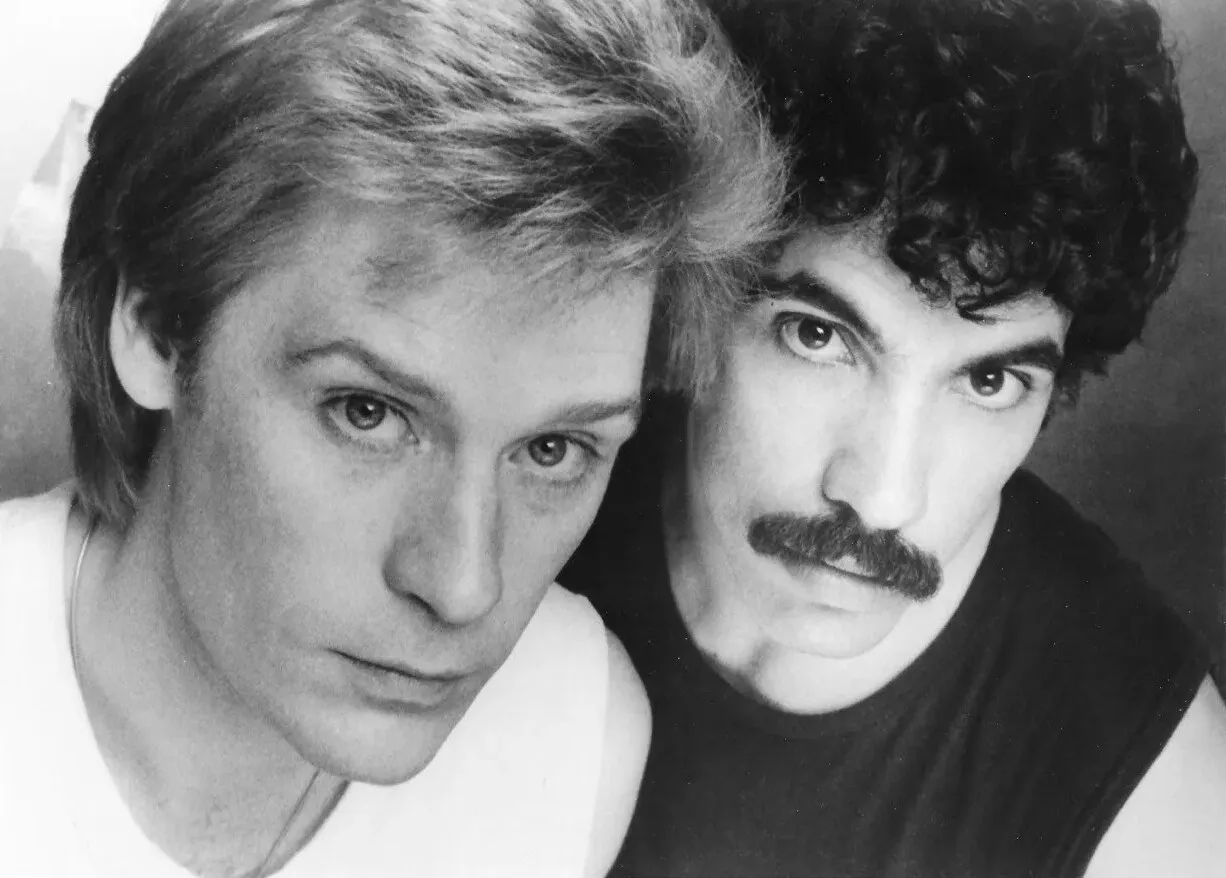
Photo by Distributed by RCA Records , licensed under Public domain · Wikimedia Commons
Rank #340
Hall & Oates
From Wikipedia
Daryl Hall & John Oates, commonly known as Hall & Oates, were an American pop rock duo formed in Philadelphia, Pennsylvania, in 1970. Daryl Hall was generally the lead vocalist, while John Oates primarily supplied electric guitar and backing vocals and occasional lead vocals. The two wrote most of the songs they performed, either separately or in collaboration. They achieved their greatest fame from the mid-1970s to the late 1980s with a fusion of rock music, soul music, and rhythm and blues.
Members
- Daryl Hall
- John Oates
Discography & Previews
Browse through and click an album to open and play 30-second previews streamed from Apple Music.

Whole Oats
1972 · 11 tracks

Abandoned Luncheonette
1973 · 9 tracks
- 1 When the Morning Comes ↗ 3:11
- 2 Had I Known You Better Then ↗ 3:22
- 3 Las Vegas Turnaround (The Stewardess Song) ↗ 2:57
- 4 She's Gone ↗ 5:13
- 5 I'm Just a Kid (Don't Make Me Feel Like a Man) ↗ 3:19
- 6 Abandoned Luncheonette ↗ 3:56
- 7 Lady Rain ↗ 4:25
- 8 Laughing Boy ↗ 3:30
- 9 Everytime I Look At You ↗ 7:02
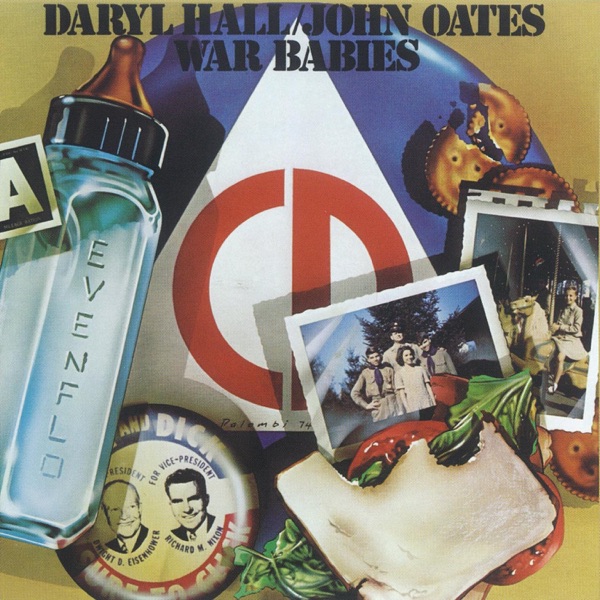
War Babies
1974 · 10 tracks
- 1 Can't Stop the Music (He Played It Much Too Long) ↗ 2:50
- 2 Is It a Star ↗ 4:41
- 3 Beanie G. and the Rose Tatoo ↗ 3:01
- 4 You're Much Too Soon ↗ 4:07
- 5 70's Scenario ↗ 3:59
- 6 War Baby Son of Zorro ↗ 4:13
- 7 I'm Watching You (A Mutant Romance) ↗ 4:26
- 8 Better Watch Your Back ↗ 4:17
- 9 Screaming Through December ↗ 6:35
- 10 Johnny Gore and the "C" Eaters ↗ 5:19

Daryl Hall & John Oates
1975 · 12 tracks
- 1 Camellia ↗ 2:46
- 2 Sara Smile ↗ 3:05
- 3 Alone Too Long ↗ 3:20
- 4 Out of Me, Out of You ↗ 3:27
- 5 Nothing At All ↗ 4:23
- 6 Gino (The Manager) ↗ 4:09
- 7 You Know It Doesn't Matter Anymore ↗ 3:06
- 8 Ennui On the Mountain ↗ 3:13
- 9 Grounds for Separation ↗ 4:11
- 10 Soldering ↗ 3:19
- 11 What's Important to Me ↗ 3:45
- 12 Ice ↗ 2:57


Beauty on a Back Street
1977 · 9 tracks


X‐Static
1979 · 12 tracks
- 1 The Woman Comes and Goes ↗ 3:50
- 2 Wait for Me ↗ 4:08
- 3 Portable Radio ↗ 4:46
- 4 All You Want Is Heaven ↗ 4:03
- 5 Who Said the World Was Fair ↗ 4:11
- 6 Running from Paradise ↗ 6:37
- 7 Number One ↗ 3:46
- 8 Bebop Drop ↗ 3:56
- 9 Hallafon ↗ 1:22
- 10 Intravino ↗ 3:38
- 11 Times Up (Alone Tonight) ↗ 3:17
- 12 No Brain, No Pain ↗ 2:55

Voices
1980 · 11 tracks
- 1 How Does It Feel To Be Back ↗ 4:36
- 2 Big Kids ↗ 3:39
- 3 United State ↗ 3:09
- 4 Hard To Be In Love With You ↗ 3:39
- 5 Kiss on My List ↗ 4:25
- 6 Gotta Lotta Nerve (Perfect Perfect) ↗ 3:36
- 7 You've Lost That Lovin' Feeling ↗ 4:36
- 8 You Make My Dreams (Come True) ↗ 3:11
- 9 Everytime You Go Away ↗ 5:23
- 10 Africa ↗ 3:41
- 11 Diddy Doo Wop (I Hear The Voices) ↗ 3:47

Private Eyes
1981 · 13 tracks
- 1 Private Eyes ↗ 3:37
- 2 Looking For A Good Sign ↗ 3:56
- 3 I Can't Go for That (No Can Do) ↗ 5:07
- 4 Mano A Mano ↗ 3:54
- 5 Did It In A Minute ↗ 3:37
- 6 Head Above Water ↗ 3:35
- 7 Tell Me What You Want ↗ 3:51
- 8 Friday Let Me Down ↗ 3:33
- 9 Unguarded Minute ↗ 4:09
- 10 Your Imagination ↗ 3:33
- 11 Some Men ↗ 4:18
- 12 Your Imagination (Disco Remix) ↗ 5:42
- 13 I Can't Go for That (No Can Do) [Extended Club Mix] ↗ 6:05

Big Bam Boom
1984 · 9 tracks


Change of Season
1990 · 12 tracks
- 1 So Close ↗ 4:40
- 2 Starting All Over Again ↗ 4:06
- 3 Sometimes a Mind Changes ↗ 4:09
- 4 Change of Season ↗ 5:42
- 5 I Ain't Gonna Take It This Time ↗ 3:55
- 6 Everywhere I Look ↗ 4:24
- 7 Give It Up (Old Habits) ↗ 4:02
- 8 Don't Hold Back Your Love ↗ 5:14
- 9 Halfway There ↗ 5:31
- 10 Only Love ↗ 4:37
- 11 Heavy Rain ↗ 5:27
- 12 So Close (Unplugged) ↗ 4:54

Marigold Sky
1997 · 12 tracks
- 1 Romeo Is Bleeding ↗ 5:05
- 2 Marigold Sky ↗ 5:00
- 3 The Sky Is Falling ↗ 4:43
- 4 Out of the Blue ↗ 4:23
- 5 Want To ↗ 4:53
- 6 Love out Loud ↗ 3:57
- 7 Throw the Roses Away ↗ 5:41
- 8 I Don't Think So ↗ 4:05
- 9 Promise Ain't Enough ↗ 5:49
- 10 Time Won't Pass Me By ↗ 5:12
- 11 Hold on to Yourself ↗ 4:20
- 12 War of Words ↗ 4:39

Do It for Love
2003 · 14 tracks
- 1 Man on a Mission ↗ 3:44
- 2 Do It for Love ↗ 3:58
- 3 Someday We'll Know (feat. Todd Rundgren) ↗ 4:28
- 4 Forever for You ↗ 4:38
- 5 Life's Too Short ↗ 3:30
- 6 Getaway Car ↗ 3:49
- 7 Make You Stay ↗ 3:41
- 8 Miss DJ ↗ 3:49
- 9 (She) Got Me Bad ↗ 3:16
- 10 Breath of Your Life ↗ 3:55
- 11 Intuition ↗ 4:11
- 12 Heartbreak Time ↗ 4:06
- 13 Something About You ↗ 4:03
- 14 Love in a Dangerous Time ↗ 4:56

Our Kind of Soul
2004 · 18 tracks
- 1 Let Love Take Control ↗ 3:29
- 2 Standing in the Shadows of Love ↗ 3:59
- 3 I'll Be Around ↗ 4:02
- 4 Used to Be My Girl ↗ 4:00
- 5 Soul Violins ↗ 4:05
- 6 I Can Dream About You ↗ 3:16
- 7 Don't Turn Your Back on Me ↗ 4:50
- 8 Fading Away ↗ 3:40
- 9 Neither One of Us ↗ 4:20
- 10 After the Dance ↗ 4:12
- 11 Rock Steady ↗ 4:05
- 12 Love TKO ↗ 5:21
- 13 Whatcha See Is Whatcha Get ↗ 4:31
- 14 Can't Get Enough of Your Love ↗ 3:48
- 15 You Are Everything ↗ 3:55
- 16 I'm Still In Love with You ↗ 4:07
- 17 Ooh Child ↗ 3:52
- 18 Me & Mrs. Jones (Live) ↗ 6:21

Home for Christmas
2006 · 11 tracks
- 1 Overture / First Noël ↗ 6:50
- 2 It Came Upon a Midnight Clear ↗ 4:16
- 3 No Child Should Ever Cry On Christmas ↗ 4:04
- 4 Everyday Will Be Like a Holiday ↗ 4:39
- 5 Home for Christmas ↗ 5:09
- 6 Christmas Must Be Tonight ↗ 4:27
- 7 Children Go Where I Send Thee ↗ 4:29
- 8 Mary Had a Baby ↗ 5:04
- 9 The Christmas Song ↗ 4:24
- 10 Jingle Bell Rock ↗ 2:10
- 11 Oh Holy Night ↗ 5:25

The Philadelphia Years
— · 19 tracks
- 1 Fall In Philadelphia ↗ 2:49
- 2 Grandfather ↗ 2:36
- 3 If That's What Makes You Happy ↗ 2:55
- 4 In Honor of a Lady ↗ 2:27
- 5 Waterwheel ↗ 3:30
- 6 Back In Love Again ↗ 2:42
- 7 Good Night and Good Morning ↗ 2:51
- 8 Gotta Be Stronger ↗ 3:00
- 9 Past Times Behind ↗ 3:11
- 10 Baby Come Closer ↗ 2:41
- 11 I Ain't Afraid of the Cold ↗ 2:32
- 12 They Needed Each Other ↗ 3:50
- 13 I'll Be By ↗ 3:09
- 14 Perkiomen ↗ 2:41
- 15 You Don't Know ↗ 3:52
- 16 Deep River Blues ↗ 2:44
- 17 A Lonely Girl ↗ 3:07
- 18 Vicki-Vicki ↗ 2:26
- 19 Girl Don't Make Me Wait ↗ 2:43
-
 Whole OatsHall & Oates197211 tracks
 -
 Abandoned LuncheonetteHall & Oates19739 tracks
 -
 War BabiesHall & Oates197410 tracks
 -
 Daryl Hall & John OatesHall & Oates197512 tracks
 -
 Bigger Than Both of UsHall & Oates19769 tracks
 -
 Beauty on a Back StreetHall & Oates19779 tracks
 -
 Along the Red LedgeHall & Oates197810 tracks
 -
 X‐StaticHall & Oates197912 tracks
 -
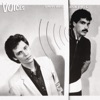 VoicesHall & Oates198011 tracks
 -
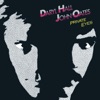 Private EyesHall & Oates198113 tracks
 - H₂OHall & Oates19829 tracks
-
 Big Bam BoomHall & Oates19849 tracks
 -
 Ooh Yeah!Hall & Oates198810 tracks
 -
 Change of SeasonHall & Oates199012 tracks
 -
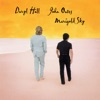 Marigold SkyHall & Oates199712 tracks
 -
 Do It for LoveHall & Oates200314 tracks
 -
 Our Kind of SoulHall & Oates200418 tracks
 -
 Home for ChristmasHall & Oates200611 tracks
 -
 The Philadelphia YearsHall & Oates—19 tracks
Deep Dive
Overview
Hall & Oates were an American pop rock duo formed in Philadelphia, Pennsylvania, in 1972. Daryl Hall served as the primary lead vocalist, while John Oates supplied electric guitar, backing vocals, and occasional lead vocal duties. Writing most of their own material either individually or collaboratively, the pair became one of the defining commercial and creative forces in rock and pop music from the mid-1970s through the late 1980s. Their sound fused rock music with soul and rhythm-and-blues elements, a combination that would define their commercial identity and influence the broader landscape of pop rock.
Formation Story
Hall & Oates emerged from Philadelphia’s vibrant music scene in the early 1970s, a city with deep roots in soul, R&B, and rock traditions. Daryl Hall and John Oates began their creative partnership in 1972, synthesizing the musical vocabularies of their native region with contemporary rock approaches. The duo’s foundation was built on their complementary songwriting abilities and contrasting musical strengths: Hall’s expressive vocal prowess and melodic instincts paired with Oates’ guitar-driven arrangements and harmonic sensibilities. From their inception, they positioned themselves as writers and performers rather than interpreters, controlling much of their artistic direction and repertoire.
Breakthrough Moment
Hall & Oates’ rise to broader commercial recognition crystallized in the mid-1970s as their blend of rock, soul, and R&B gained traction with both rock and pop audiences. Their strategic evolution from regional performers to national and international acts was anchored in their ability to craft hooks and structures that appealed across demographic lines. By the mid-1970s, they had begun to establish themselves as hitmakers, with their songs demonstrating the crossover appeal that would define their peak years. Their mastery of both album-oriented rock formats and radio-friendly single structures positioned them uniquely in the marketplace.
Peak Era
The period from the mid-1970s through the late 1980s represented Hall & Oates’ greatest commercial and creative dominance. During this era, they achieved multiple platinum albums and a string of hit singles that dominated both rock and pop radio. Their consistency across this span—maintaining commercial relevance and creative credibility across more than a decade—set them apart from many of their contemporaries. The duo’s ability to evolve their production approach and sonic palette while maintaining their core identity allowed them to remain vital throughout changing musical tastes and industry trends. This extended period of success established them as one of the most commercially successful acts in rock and pop history.
Musical Style
Hall & Oates’ sound represented a deliberate fusion of rock, soul, and rhythm-and-blues traditions. The duo’s production typically featured electric guitar-driven arrangements anchored by Oates’ playing, complemented by Hall’s vocal interpretations that drew from soul music phrasing and emotional delivery. Their songwriting emphasized strong melodic hooks, radio-friendly structures, and arrangements that could appeal across format divides. The term “blue-eyed soul” emerged to describe their particular brand of soul-inflected rock—a style that drew from African-American soul and R&B traditions while being performed by white artists. Throughout their career, Hall & Oates maintained this balance between pop accessibility and musical depth, avoiding the trap of becoming either overly commercial or excessively experimental.
Major Albums
Daryl Hall & John Oates (1975)
Their early self-titled release demonstrated the duo’s emerging songwriting prowess and established the sonic foundation that would define their subsequent commercial breakthroughs.
Bigger Than Both of Us (1976)
This album consolidated their mid-1970s ascendancy, showcasing their refined approach to pop rock and soul fusion.
Private Eyes (1981)
A landmark in their commercial peak, the album captured the more polished, synthesizer-informed production style that characterized early-1980s pop rock.
H2O (1982)
Building on the momentum of their early-1980s success, this release further refined their commercial formula.
Rock and Soul (1983)
Demonstrating their continued vitality in the mid-1980s, the album reinforced their status as crossover superstars bridging rock and pop markets.
Signature Songs
- “She’s Gone” — A soul-tinged rock composition that became emblematic of their blue-eyed soul approach and early commercial traction.
- “Rich Girl” — One of their most recognizable hits, exemplifying their fusion of rock guitar and soul sensibility.
- “Kiss on My List” — A prime example of their ability to craft infectious pop hooks with substantive melodic content.
- “Private Eyes” — A defining early-1980s hit that showcased their adaptability to synthesizer-driven production trends.
- “I Can’t Go for That (No Can Do)” — A funk-influenced track that demonstrated their rhythmic sophistication and contemporary production sensibilities.
- “Maneater” — A mid-1980s success that balanced pop accessibility with a more driving, energetic arrangement.
Influence on Rock
Hall & Oates’ sustained success and commercial dominance influenced the trajectory of pop rock throughout the late 1970s and 1980s. Their demonstration that rock and soul traditions could be productively fused without compromising either idiom opened pathways for subsequent artists navigating pop and rock formats. Their approach to songwriting—emphasizing hooks and structures that worked across radio formats—influenced how artists approached crossover appeal. The duo’s longevity and consistency also demonstrated that sustained popularity was achievable through both commercial acumen and musical credibility, a lesson not lost on their contemporaries and successors in rock and pop music.
Legacy
Hall & Oates maintained their recording and touring presence across the decades following their 1970s–1980s peak. Their continued activity through the 2000s and beyond underscored their enduring appeal and the resilience of their songwriting catalog. Streaming platforms and ongoing radio rotation have ensured that their signature songs remain accessible to successive generations, preserving their influence within popular music discourse. The duo’s ability to remain culturally relevant through changing musical eras and formats reflects the inherent strength of their compositions and their original synthesis of rock and soul traditions.
Fun Facts
- Hall & Oates were among the first rock acts to effectively employ synthesizers as primary compositional and arrangemental tools, anticipating the electronic-rock trends of the 1980s.
- The duo maintained their core two-person songwriting and performing partnership throughout their career, resisting the common industry pressure to expand their lineup significantly.
- Their Philadelphia origins placed them within a city with a storied R&B and soul heritage, a lineage they consciously invoked through their musical approach.
- Hall & Oates recorded for multiple major labels (RCA Records, Atlantic Records, and Arista Records) across their career, reflecting their market value and industry prominence.