
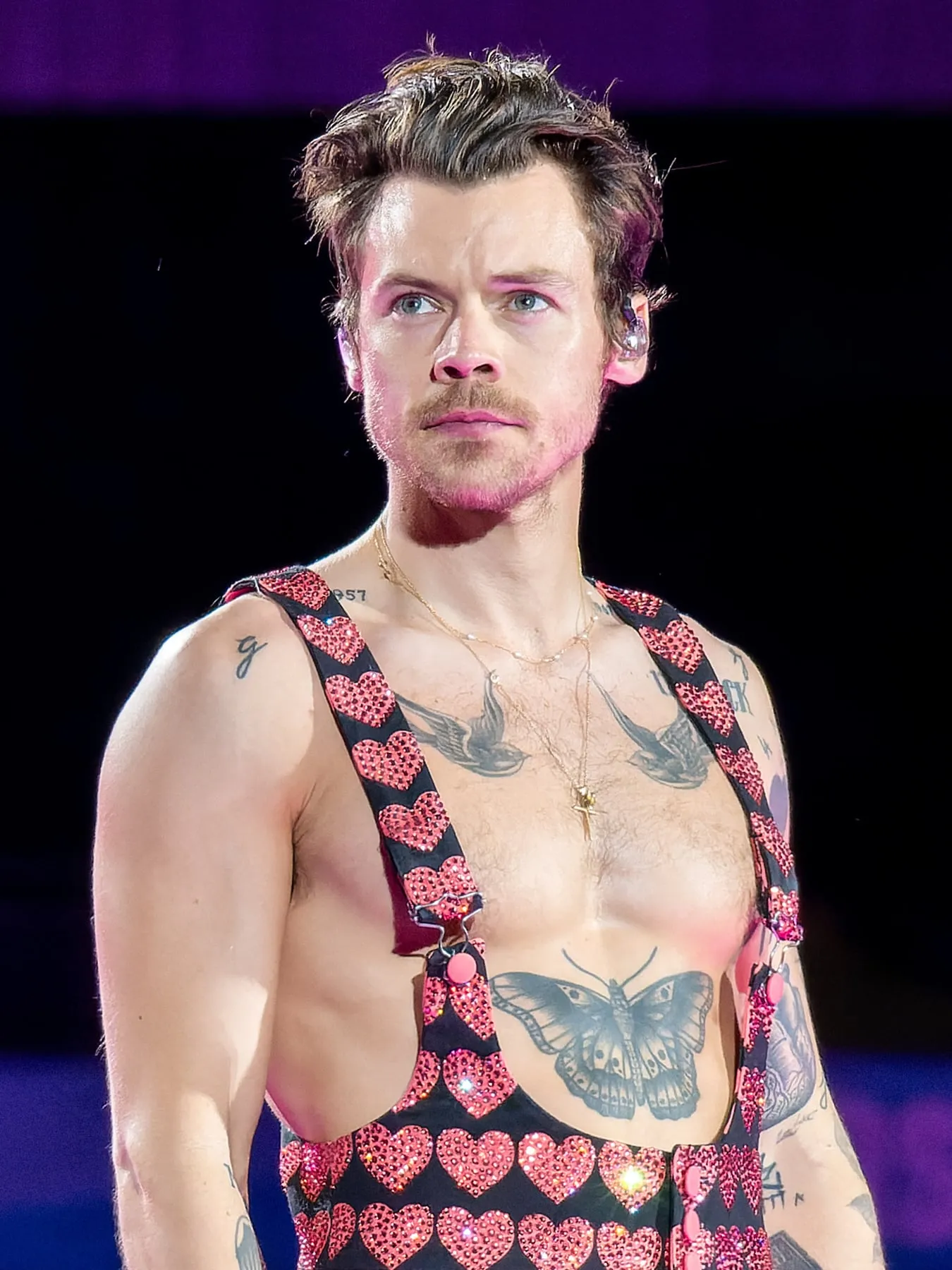
Photo by Raph_PH , licensed under CC BY 2.0 · Wikimedia Commons
Rank #155
Harry Styles
From Wikipedia
Harry Edward Styles is an English singer, songwriter, and actor. An influential figure in popular culture, he is known for his showmanship, artistry, and flamboyant fashion. Styles's musical career began in 2010 as part of One Direction, a boy band formed on the British music competition series The X Factor after each member of the band had been eliminated from the solo contest. They became one of the best-selling boy bands of all time before going on an indefinite hiatus in 2016. Styles released his eponymous debut solo album through Erskine and Columbia Records in 2017, which was led by the UK number-one single "Sign of the Times".
Discography & Previews
Browse through and click an album to open and play 30-second previews streamed from Apple Music.

Harry’s House
2022 · 13 tracks

Kiss All the Time. Disco, Occasionally.
2026 · 12 tracks
-
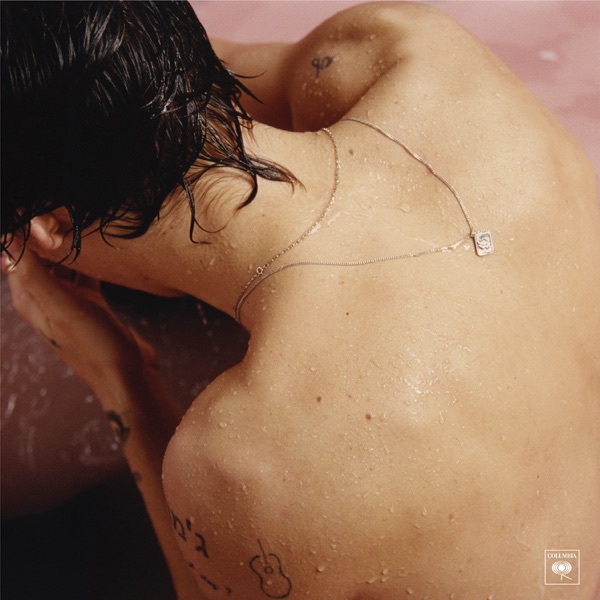
 Harry StylesHarry Styles201710 tracks
 -
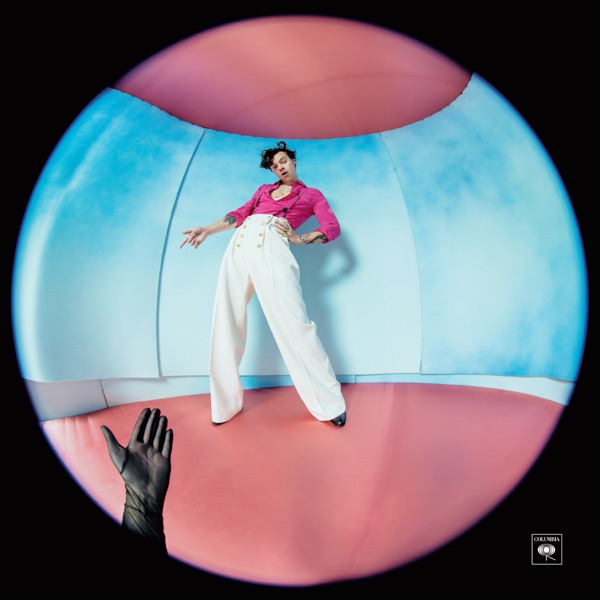
 Fine LineHarry Styles201912 tracks
 -
 Harry’s HouseHarry Styles202213 tracks
 -
 Kiss All the Time. Disco, Occasionally.Harry Styles202612 tracks
Deep Dive
Overview
Harry Edward Styles is an English singer, songwriter, and actor whose solo career represents a deliberate departure from the boy-band framework that launched him to international prominence. Since releasing his eponymous debut album in 2017, Styles has established himself as a serious recording artist with a distinct sonic identity rooted in rock and pop sensibilities. His career trajectory—from manufactured pop vehicle to autonomous creative voice—marks a significant case study in the evolution of contemporary rock and popular music.
Formation Story
Styles was born in 1994 in the United Kingdom, coming of age in the era when rock music’s mainstream cultural authority had already begun to splinter across digital platforms and genre boundaries. His path into music did not follow the traditional apprenticeship route of garage bands or local scenes; instead, it began through mass-market entertainment infrastructure. In 2010, Styles entered The X Factor, a British music competition series, as a solo contestant. After elimination from the solo competition, he was regrouped with four other eliminated contestants to form One Direction, a boy band assembled by the show’s producers. One Direction achieved rapid, unprecedented commercial success, becoming one of the best-selling boy bands of all time before entering an indefinite hiatus in 2016. That break created the space for Styles to develop his own artistic identity independent of the group’s pop-crafted formula.
Breakthrough Moment
In 2017, Styles released his eponymous debut album Harry Styles through Erskine and Columbia Records. The album’s lead single, “Sign of the Times,” reached number one on the UK charts, immediately signaling that Styles could achieve solo success without the machinery of One Direction. The self-titled debut established him as a credible solo artist and attracted an audience willing to follow him beyond the boy-band demographic. This breakthrough was significant not merely for its commercial success but for the shift in artistic perception it represented—Styles was no longer a manufactured act but a recording artist with genuine songwriting and production input.
Peak Era
Styles’ most creatively expansive period arrived with the release of Fine Line in 2019. Following this, his 2022 album Harry’s House cemented his status as a major contemporary rock and pop figure. These albums showcased an artist increasingly confident in his artistic vision, moving beyond the shock value of solo independence into substantive musical territory. The period from 2017 through the early 2020s represented Styles at his most commercially powerful and critically engaged, with each release demonstrating growth in songwriting depth and sonic sophistication.
Musical Style
Styles draws from a diverse palette that encompasses rock music, pop music, soft rock, traditional folk music, and Britpop—genres that reflect both his British heritage and his desire to escape the narrow genre constraints of boy-band pop. His approach favors layered production, memorable melodic hooks, and lyrical introspection characteristic of 1970s-inflected soft rock and contemporary indie-pop sensibilities. Vocally, Styles employs a warm, conversational tone rather than the melismatic technical display typical of competitive-show-bred performers. His fashion sense and stage presence draw heavily on the androgynous, flamboyant aesthetics of classic rock—David Bowie, T. Rex, and glam rock’s gender-fluid presentation—allowing him to use visual presentation as an integral part of his artistic statement. The guitar-forward arrangements and emphasis on organic instrumentation distance his work from the digital, dance-inflected production of One Direction-era boy-band pop.
Major Albums
Harry Styles (2017)
Styles’ debut solo album announced his breakaway from boy-band conventions through guitar-led rock-pop songwriting. The album’s commercial success and critical reception established the template for his solo career, proving his appeal transcended the One Direction fanbase.
Fine Line (2019)
The second album demonstrated marked artistic maturation, with more sophisticated production and lyrical complexity. Fine Line solidified Styles as a serious contemporary artist rather than a solo venture from a former band member.
Harry’s House (2022)
This third album reinforced Styles’ position as a major chart force and critical figure in contemporary rock and pop. The album continued his exploration of rock and folk-inflected pop with increasing refinement.
Kiss All the Time. Disco, Occasionally. (2026)
Styles’ forthcoming album signals a potential stylistic expansion into disco territory, suggesting continued artistic evolution and genre-blending ambitions.
Signature Songs
- “Sign of the Times” — The debut solo single that established Styles as a solo artist with immediate chart credibility and became his defining early solo statement.
- “Watermelon Sugar” — A standout track representing Styles’ ability to craft memorable, hook-driven pop-rock compositions with contemporary relevance.
Influence on Rock
Styles represents a significant contemporary case study in the relationship between manufactured pop stardom and artistic autonomy. His transition from boy-band member to solo artist preceded and arguably influenced similar moves by bandmates and peers, demonstrating that the boy-band framework, while commercially powerful, need not define an artist’s entire career. His embrace of androgynous fashion, gender-fluid visual presentation, and rock-inflected production choices have influenced younger artists navigating the tension between mainstream commercial viability and alternative aesthetic sensibilities. In the broader rock context, Styles has helped legitimize the path from pop competition shows to serious rock artistry, proving that the mechanisms of contemporary pop entertainment can serve as launching points rather than career ceilings for artists willing to pursue independent creative vision.
Legacy
At age 30, Styles remains an active and commercially vital figure in contemporary rock and pop music. His solo discography, though brief, has demonstrated sustained commercial success and critical engagement—a rarity for artists transitioning from boy-band contexts. His influence extends beyond purely musical spheres; he has become a cultural figure associated with progressive attitudes toward gender presentation, fashion, and sexual identity within mainstream rock and pop contexts. Streaming data and chart performance continue to position Styles among the most-streamed contemporary artists, ensuring his music reaches vast audiences. His ongoing artistic evolution, as suggested by forthcoming stylistic experiments, indicates he remains committed to growth and genre exploration rather than repeating previous commercial formulas.
Fun Facts
- Styles simultaneously pursued acting alongside his music career, appearing in films and expanding his presence beyond the recording industry.
- His showmanship and flamboyant fashion choices draw explicitly from classic rock iconography, positioning him within a lineage of theatrical rock performers rather than contemporary pop aesthetics.
- The transition from One Direction to solo artist occurred during a period of unprecedented streaming dominance, allowing him to maintain direct listener relationships independent of traditional radio and television gatekeeping.