
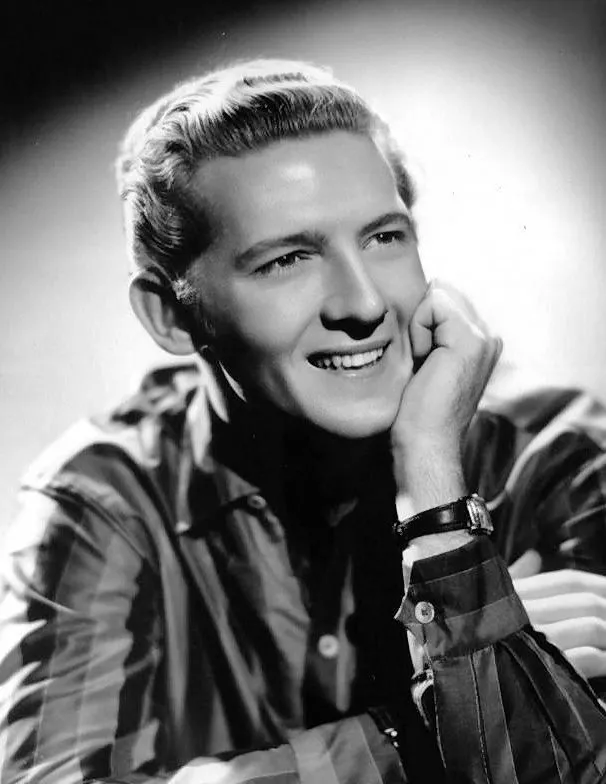
Photo by photographer:Maurice Seymour, Chicago , licensed under Public domain · Wikimedia Commons
Rank #156
Jerry Lee Lewis
From Wikipedia
Jerry Lee Lewis was an American pianist, singer, and songwriter. Nicknamed "The Killer", he was described as "rock 'n' roll's first great wild man". A pioneer of rock and roll and rockabilly music, Lewis made his first recordings in 1952 at Cosimo Matassa's J&M Studio in New Orleans, Louisiana, and early recordings in 1956 at Sun Records in Memphis, Tennessee. He later became known for his chart topping country music recordings from the 1960s and 1970s. "Crazy Arms" sold 300,000 copies in the Southern United States, but his 1957 hit "Whole Lotta Shakin' Goin' On" shot Lewis to worldwide fame. He followed this with the major hits "Great Balls of Fire", "Breathless", and "High School Confidential".
Discography & Previews
Browse through and click an album to open and play 30-second previews streamed from Apple Music.

Jerry Lee Lewis
1958 · 12 tracks
- 1 Don't Be Cruel ↗ 1:59
- 2 Goodnight Irene ↗ 2:56
- 3 Put Me Down ↗ 2:09
- 4 Who Will Buy the Wine ↗ 3:01
- 5 Ubangi Stomp ↗ 1:47
- 6 Crazy Arms ↗ 2:44
- 7 Jambalaya (On The Bayou) ↗ 2:01
- 8 Fools Like Me ↗ 2:52
- 9 High School Confidential ↗ 2:30
- 10 When the Saints Go Marching In ↗ 2:10
- 11 Matchbox ↗ 1:43
- 12 It'll Be Me ↗ 2:14

Jerry Lee’s Greatest!
1961 · 12 tracks

The Return of Rock
1965 · 12 tracks
- 1 I Believe In You ↗ 2:36
- 2 Maybelline ↗ 2:09
- 3 Flip, Flop and Fly ↗ 2:01
- 4 Roll Over Beethoven ↗ 2:50
- 5 Don't Let Go ↗ 2:29
- 6 Herman the Hermit ↗ 1:59
- 7 Baby, Hold Me Close ↗ 3:08
- 8 You Went Back On Your Word ↗ 2:04
- 9 Corrine, Corrina ↗ 2:04
- 10 Sexy Ways ↗ 2:27
- 11 Johnny B. Goode ↗ 2:12
- 12 Got You On My Mind ↗ 3:18

Country Songs for City Folks
1965 · 12 tracks
- 1 Green Green Grass of Home ↗ 2:44
- 2 Wolverton Mountain ↗ 2:59
- 3 Funny How Time Slips Away ↗ 2:59
- 4 North to Alaska (feat. Linda Gail Lewis) ↗ 2:01
- 5 The Wild Side of Life ↗ 3:13
- 6 Walk Right In ↗ 2:10
- 7 City Lights ↗ 2:29
- 8 Ring of Fire ↗ 2:17
- 9 Detroit City ↗ 2:47
- 10 Crazy Arms ↗ 2:31
- 11 King of the Road ↗ 2:17
- 12 Seasons of My Heart ↗ 4:01

Memphis Beat
1966 · 12 tracks
- 1 Memphis Beat ↗ 2:52
- 2 Mathilda ↗ 2:18
- 3 Drinkin' Wine, Spo-Dee-O-Dee ↗ 2:18
- 4 Hallelujah I Love Her So ↗ 2:32
- 5 She Thinks I Still Care ↗ 2:51
- 6 Just Because ↗ 2:00
- 7 Sticks and Stones ↗ 2:06
- 8 Whenever You're Ready ↗ 1:50
- 9 Lincoln Limousine ↗ 2:39
- 10 Big Boss Man ↗ 2:53
- 11 Too Young ↗ 3:01
- 12 The Urge ↗ 2:44

Soul My Way
1967 · 11 tracks
- 1 Turn On Your Love Light ↗ 2:34
- 2 It's a Hang Up Baby ↗ 2:18
- 3 Dream Baby (How Long Must I Dream) ↗ 2:29
- 4 Just Dropped In ↗ 2:28
- 5 Wedding Bells ↗ 2:33
- 6 He Took It Like a Man ↗ 1:54
- 7 Hey Baby ↗ 2:12
- 8 Treat Her Right ↗ 2:01
- 9 Holdin' On ↗ 3:06
- 10 Shotgun Man ↗ 2:45
- 11 I Betcha Gonna Like It ↗ 2:42

Another Place Another Time
1968 · 11 tracks
- 1 What's Made Milwaukee Famous (Has Made a Loser Out of Me) ↗ 2:38
- 2 Play Me a Song I Can Cry To ↗ 2:54
- 3 On the Back Row ↗ 2:50
- 4 Walking the Floor Over You ↗ 2:09
- 5 All Night Long ↗ 2:34
- 6 I'm a Lonesome Fugitive ↗ 3:02
- 7 Another Place, Another Time ↗ 2:27
- 8 Break My Mind ↗ 2:29
- 9 Before the Next Teardrop Falls ↗ 2:08
- 10 All the Good Is Gone ↗ 2:14
- 11 We Live In Two Different Worlds ↗ 2:14

She Still Comes Around (To Love What’s Left of Me)
1969 · 11 tracks
- 1 To Make Love Sweeter for You ↗ 2:53
- 2 Let's Talk About Us ↗ 1:59
- 3 I Can't Get Over You ↗ 3:07
- 4 Out of My Mind ↗ 2:24
- 5 Today I Started Loving You Again ↗ 2:10
- 6 She Still Comes Around (To Love What's Left Of Me) ↗ 2:31
- 7 Louisiana Man ↗ 1:48
- 8 Release Me ↗ 3:02
- 9 Listen, They're Playing My Song ↗ 2:47
- 10 There Stands the Glass ↗ 2:39
- 11 Echoes ↗ 2:33

Together
1969 · 11 tracks
- 1 Milwaukee Here I Come ↗ 2:05
- 2 Jackson ↗ 2:23
- 3 Don't Take It Out On Me ↗ 2:04
- 4 Cryin' Time ↗ 2:38
- 5 Sweet Thang ↗ 2:16
- 6 Secret Places ↗ 2:50
- 7 Don't Let Me Cross Over ↗ 2:58
- 8 Gotta Travel On ↗ 1:57
- 9 We Live In Two Different Worlds ↗ 2:14
- 10 Earth Up Above (Grand Ole Moon Up Above) ↗ 2:01
- 11 Roll Over Beethoven ↗ 1:59

Sings the Country Music Hall of Fame Hits Vol. 1
1969 · 12 tracks
- 1 I Wonder Where You Are Tonight ↗ 2:40
- 2 I'm So Lonesome I Could Cry ↗ 2:49
- 3 Jambalaya ↗ 2:14
- 4 Four Walls ↗ 2:43
- 5 Heartaches By the Number ↗ 2:34
- 6 Mom and Dad's Waltz ↗ 2:09
- 7 Sweet Dreams ↗ 3:07
- 8 Born to Lose ↗ 2:25
- 9 Oh Lonesome Me ↗ 2:49
- 10 You've Still Got a Place In My Heart ↗ 2:25
- 11 I Love You Because ↗ 2:24
- 12 Jackson ↗ 2:24

Sings the Country Music Hall of Fame Hits Vol. 2
1969 · 12 tracks
- 1 I Can't Stop Loving You ↗ 2:38
- 2 Fraulein ↗ 2:30
- 3 He'll Have to Go ↗ 2:22
- 4 More and More ↗ 2:27
- 5 Why Don't You Love Me (Like You Used to Do) ↗ 1:39
- 6 It Makes No Difference Now ↗ 2:27
- 7 Pick Me Up On Your Way Down ↗ 2:32
- 8 One Has My Name (The Other Has My Heart) ↗ 2:42
- 9 I Get the Blues When It Rains ↗ 2:16
- 10 Cold, Cold Heart ↗ 3:02
- 11 Burning Memories ↗ 2:09
- 12 Sweet Thang ↗ 2:17

She Even Woke Me Up to Say Goodbye
1970 · 11 tracks
- 1 Once More With Feeling ↗ 2:28
- 2 Workin' Man Blues ↗ 2:57
- 3 Waiting for a Train ↗ 2:00
- 4 Brown-Eyed Handsome Man ↗ 2:09
- 5 My Only Claim to Fame ↗ 2:16
- 6 Since I Met You Baby ↗ 2:50
- 7 She Even Woke Me Up to Say Goodbye ↗ 2:41
- 8 Wine Me Up ↗ 2:25
- 9 When the Grass Grows Over Me ↗ 2:44
- 10 You Went Out of Your Way (To Walk On Me) ↗ 1:57
- 11 Echoes ↗ 2:34

There Must Be More to Love Than This
1970 · 11 tracks
- 1 There Must Be More to Love Than This ↗ 2:45
- 2 Bottles and Barstools ↗ 2:50
- 3 Reuben James ↗ 2:45
- 4 I'd Be Talkin' All the Time ↗ 2:22
- 5 One More Time ↗ 2:24
- 6 Sweet Georgia Brown ↗ 2:30
- 7 Woman, Woman (Get Out of Our Way) ↗ 3:18
- 8 I Forgot More Than You'll Ever Know ↗ 2:43
- 9 Foolaid ↗ 2:33
- 10 Home Away from Home ↗ 2:34
- 11 Life Has Its Little Ups and Downs ↗ 2:41

Would You Take Another Chance on Me?
1971 · 11 tracks
- 1 Would You Take Another Chance On Me? ↗ 2:53
- 2 Another Hand Shakin' Goodbye ↗ 2:38
- 3 Swinging Doors ↗ 2:52
- 4 Thirteen At the Table ↗ 3:39
- 5 Big Blon' Baby ↗ 2:05
- 6 Lonesome Fiddle Man ↗ 2:33
- 7 Me and Bobby McGee ↗ 3:12
- 8 For the Good Times ↗ 3:45
- 9 Things That Matter Most to Me ↗ 3:14
- 10 The Hurtin' Part ↗ 2:27
- 11 The Goodbye of the Year ↗ 2:13

Touching Home
1971 · 11 tracks
- 1 When He Walks On You (Like You Walked On Me) ↗ 2:34
- 2 Time Changes Everything ↗ 2:27
- 3 Help Me Make It Through the Night ↗ 3:02
- 4 Mother, The Queen of My Heart ↗ 3:06
- 5 Hearts Were Made for Beating ↗ 2:38
- 6 Foolish Kind of Man ↗ 2:38
- 7 Touching Home ↗ 2:40
- 8 Please Don't Talk About Me When I'm Gone ↗ 2:28
- 9 You Helped Me Up (When the World Let Me Down) ↗ 2:18
- 10 When Baby Gets the Blues ↗ 2:51
- 11 Comin' Back for More ↗ 2:54

The “Killer” Rocks On
1972 · 12 tracks
- 1 Don't Be Cruel ↗ 1:58
- 2 You Can Have Her ↗ 2:23
- 3 Games People Play ↗ 2:33
- 4 Lonely Weekends ↗ 1:45
- 5 You Don't Miss Your Water ↗ 2:32
- 6 Turn On Your Love Light ↗ 2:30
- 7 Chantilly Lace ↗ 2:50
- 8 C.C. Rider ↗ 2:53
- 9 Walk a Mile In My Shoes ↗ 3:03
- 10 Me and Bobby McGee ↗ 3:12
- 11 Shotgun Man ↗ 2:44
- 12 I'm Walkin' ↗ 2:09

Who’s Gonna Play This Old Piano
1972 · 11 tracks
- 1 Who's Gonna Play This Old Piano? ↗ 3:22
- 2 She's Reachin' for My Mind ↗ 2:41
- 3 Too Many Rivers ↗ 3:02
- 4 We Both Know Which One of Us Went Wrong ↗ 3:38
- 5 Wall Around Heaven ↗ 3:09
- 6 No More Hanging On ↗ 3:15
- 7 Think About It, Darlin' ↗ 2:34
- 8 Bottom Dollar ↗ 3:03
- 9 No Traffic Out of Abilene ↗ 2:47
- 10 Parting Is Such Sweet Sorrow ↗ 3:02
- 11 The Mercy of a Letter ↗ 3:33
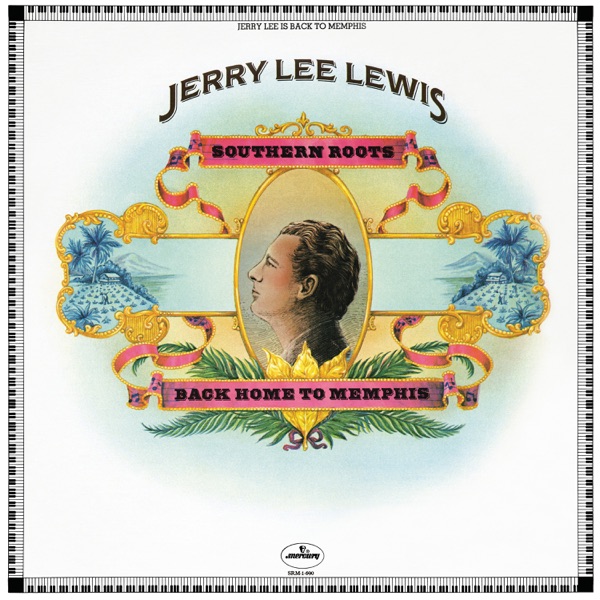
Southern Roots
1973 · 10 tracks

The Session Recorded in London With Great Guest Artists
1973 · 14 tracks
- 1 Johnny B. Goode ↗ 3:34
- 2 Trouble in Mind ↗ 5:50
- 3 Early Morning Rain ↗ 4:15
- 4 No Headstone on My Grave ↗ 5:25
- 5 Pledging My Love ↗ 2:25
- 6 Memphis ↗ 4:06
- 7 Drinking Wine, Spo-Dee-O-Dee ↗ 3:39
- 8 Music to the Man ↗ 4:39
- 9 Bad Moon Rising ↗ 2:41
- 10 Sea Cruise ↗ 3:57
- 11 Sixty Minute Man ↗ 3:40
- 12 Movin' on down the Line ↗ 3:31
- 13 What'd I Say ↗ 4:59
- 14 Rock & Roll Medley: Good Golly Miss Molly/Long Tall Sally/Jenny, Jenny ↗ 3:53

Sometimes a Memory Ain’t Enough
1973 · 11 tracks
- 1 Sometimes a Memory Ain't Enough ↗ 2:56
- 2 Ride Me Down Easy ↗ 2:51
- 3 Mama's Hands ↗ 3:46
- 4 What My Woman Can't Do ↗ 2:29
- 5 My Cricket and Me ↗ 2:11
- 6 I'm Left, You're Right, She's Gone ↗ 2:21
- 7 Honky Tonk Wine ↗ 4:38
- 8 Falling to the Bottom ↗ 2:38
- 9 I Think I Need to Pray ↗ 2:46
- 10 Mornin' After Baby Let Me Down ↗ 3:24
- 11 Keep Me from Blowing Away ↗ 2:38

I-40 Country
1974 · 11 tracks
- 1 He Can't Fill My Shoes ↗ 2:36
- 2 Tell Tale Signs ↗ 2:28
- 3 A Picture from Life's Other Side ↗ 3:43
- 4 I Hate Goodbyes ↗ 2:34
- 5 I've Forgot More About You (Than He'll Ever Know) ↗ 3:06
- 6 Tomorrow's Taking My Baby Away ↗ 3:20
- 7 Cold, Cold Morning Light ↗ 3:10
- 8 The Alcohol of Fame ↗ 2:30
- 9 Where Would I Be ↗ 3:04
- 10 Bluer Words ↗ 2:20
- 11 Room Full of Roses ↗ 2:36

Odd Man In
1975 · 11 tracks
- 1 Don't Boogie Woogie (When You Say Your Prayers Tonight) ↗ 2:38
- 2 Shake, Rattle and Roll ↗ 2:57
- 3 You Ought to See My Mind ↗ 2:25
- 4 I Don't Want to Be Lonely Tonight ↗ 3:16
- 5 That Kind of Fool ↗ 2:28
- 6 Goodnight Irene ↗ 3:44
- 7 A Damn Good Country Song ↗ 2:08
- 8 Jerry's Place ↗ 2:34
- 9 When I Take My Vacation to Heaven ↗ 3:08
- 10 Crawdad Song ↗ 3:10
- 11 Your Cheatin' Heart ↗ 2:46

Boogie Woogie Country Man
1975 · 11 tracks
- 1 I'm Still Jealous of You ↗ 3:08
- 2 Little Peace and Harmony ↗ 2:24
- 3 Jesus Is On the Main Line (Call Him Sometime) ↗ 2:10
- 4 Forever Forgiving ↗ 2:15
- 5 (Remember Me) I'm the One Who Loves You ↗ 2:56
- 6 Red Hot Memories (Ice Cold Beer) ↗ 2:15
- 7 I Can Still Hear the Music In the Restroom ↗ 2:32
- 8 Love Inflation ↗ 2:44
- 9 I Was Sorta Wonderin' ↗ 2:38
- 10 Thanks for Nothing ↗ 2:15
- 11 Boogie Woogie Country Man ↗ 3:45

Country Class
1976 · 11 tracks
- 1 Let's Put It Back Together Again ↗ 3:20
- 2 No One Will Ever Know ↗ 3:05
- 3 You Belong To Me ↗ 2:55
- 4 I Sure Miss Those Old Good Times ↗ 3:44
- 5 The Old Country Church ↗ 2:52
- 6 After the Fool You’ve Made of Me ↗ 2:14
- 7 Jerry Lee’s Rock and Roll Revival Show ↗ 2:50
- 8 Wedding Bells ↗ 2:40
- 9 Only Love Can Get You In My Door ↗ 4:29
- 10 The One Rose That's Left In My Heart ↗ 4:41
- 11 The Closest Thing To You ↗ 3:17

Country Memories
1977 · 11 tracks
- 1 Middle Age Crazy ↗ 3:56
- 2 Let's Say Goodbye Like We Said Hello (In a Friendly Kind of Way) ↗ 3:05
- 3 Who's Sorry Now ↗ 3:46
- 4 Jealous Heart ↗ 2:19
- 5 Georgia On My Mind ↗ 3:32
- 6 Come On In ↗ 2:35
- 7 As Long As We Live ↗ 2:16
- 8 (You'd Think By Now) I'd Be Over You ↗ 2:43
- 9 Country Memories ↗ 3:05
- 10 What's So Good About Goodbye ↗ 3:15
- 11 Tennessee Saturday Night ↗ 2:31

Keeps Rockin'
1978 · 11 tracks
- 1 I'll Find It Where I Can ↗ 2:51
- 2 Blue Suede Shoes ↗ 2:47
- 3 I Hate You ↗ 2:16
- 4 Arkansas Seesaw ↗ 2:39
- 5 Lucille ↗ 3:17
- 6 The Last Cheater's Waltz ↗ 3:17
- 7 Wild And Wooly Ways ↗ 2:14
- 8 Sweet Little Sixteen ↗ 3:16
- 9 Don't Let The Stars Get In Your Eyes ↗ 2:04
- 10 Pee Wee's Place ↗ 3:29
- 11 Before The Night Is Over ↗ 3:03
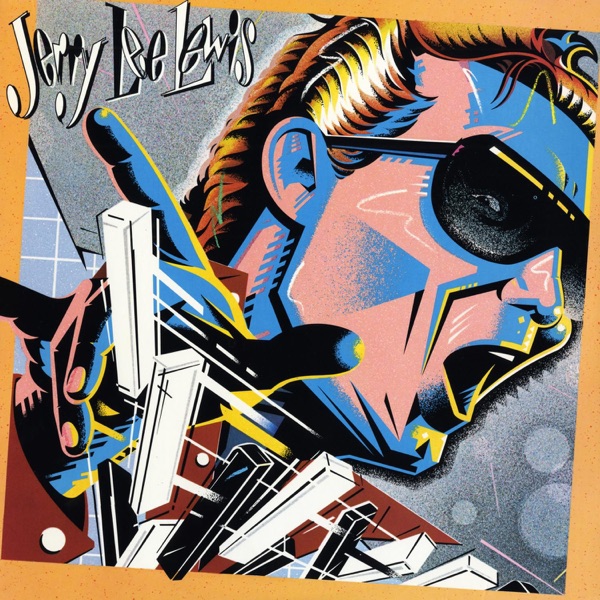
Jerry Lee Lewis
1979 · 10 tracks
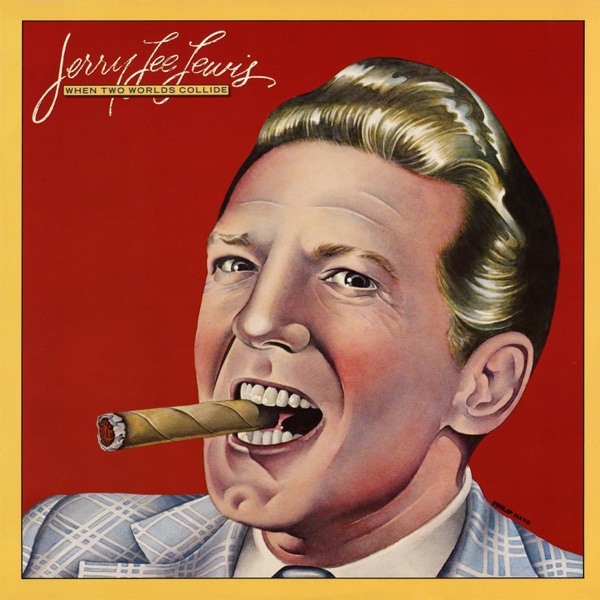
When Two Worlds Collide
1980 · 10 tracks
- 1 Rockin' Jerry Lee ↗ 2:34
- 2 Who Will Buy the Wine ↗ 2:55
- 3 Love Game ↗ 3:31
- 4 Alabama Jubilee ↗ 4:46
- 5 Good Time Charlie's Got the Blues ↗ 2:23
- 6 When Two Worlds Collide ↗ 2:28
- 7 Good News Travels Fast ↗ 2:50
- 8 I Only Want a Buddy Not a Sweetheart ↗ 3:42
- 9 Honky Tonk Stuff ↗ 3:00
- 10 Toot, Toot, Tootsie! (Good-Bye) ↗ 3:54

Killer Country
1980 · 10 tracks
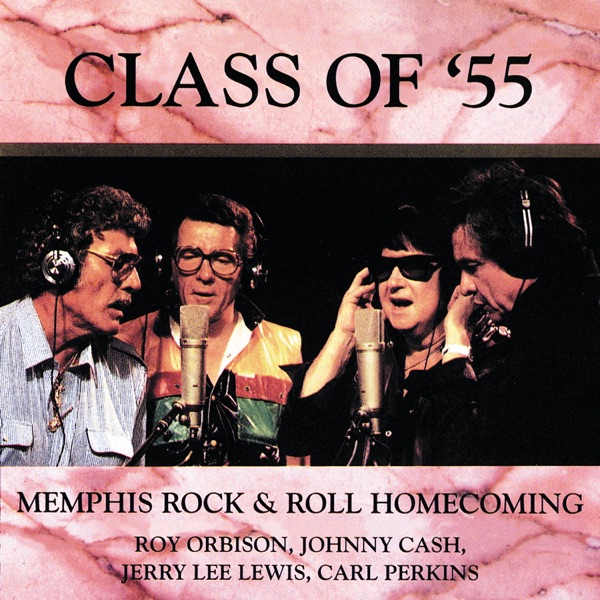
Class of ’55: Memphis Rock & Roll Homecoming
1986 · 10 tracks
Great Balls Of Fire
1994 · 1 track
- 1 Great Balls Of Fire/What'd I Say/Whole Lotta Shakin' Goin' On (Medley/Live On The Ed Sullivan Show, November 16, 1969) ↗ 3:03
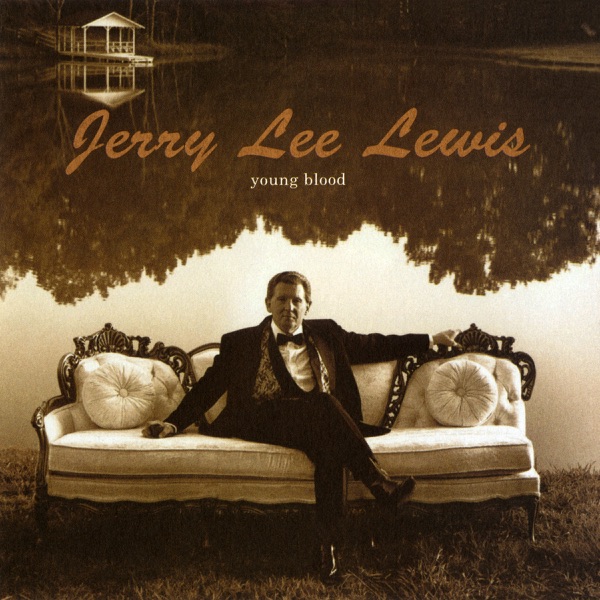
Young Blood
1995 · 14 tracks
- 1 I'll Never Get Out of This World Alive ↗ 2:12
- 2 Goosebumps ↗ 2:34
- 3 Things ↗ 2:44
- 4 Miss the Mississippi and You ↗ 3:39
- 5 Young Blood ↗ 2:20
- 6 Crown Victoria Custom '51 ↗ 3:04
- 7 High Blood Pressure ↗ 2:53
- 8 Restless Heart ↗ 2:47
- 9 Gotta Travel On ↗ 2:07
- 10 Down the Road a Piece ↗ 2:30
- 11 It Was the Whiskey Talkin' Not Me ↗ 3:40
- 12 Poison Love ↗ 3:45
- 13 One of Them Old Things ↗ 2:51
- 14 House of Blue Lights ↗ 1:50

The Killer
2003 · 60 tracks
- 1 Mean Woman Blues (Live At the Star-Club, Hamburg, Germany/1964) ↗ 4:01
- 1 Introduction (Live At Panther Hall, Fort Worth, TX/1966) ↗ 0:39
- 1 Blue Suede Shoes (Outtake - Live At Panther Hall, Fort Worth, TX/1966) ↗ 2:41
- 2 High School Confidential (Live At the Star-Club, Hamburg, Germany/1964) ↗ 2:25
- 2 Little Queenie (Live At Panther Hall, Fort Worth, TX/1966) ↗ 2:24
- 2 Crazy Arms (Outtake - Live At Panther Hall, Fort Worth, TX/1966) ↗ 3:37
- 3 Money (Live At the Star-Club, Hamburg, Germany/1964) ↗ 4:35
- 3 How's My Ex Treating You? (Live At Panther Hall, Fort Worth, TX/1966) ↗ 4:45
- 3 Lovin' Up a Storm (Outtake - Live At Panther Hall, Fort Worth, TX/1966) ↗ 3:16
- 4 Matchbox (Live At the Star-Club, Hamburg, Germany/1964) ↗ 2:46
- 4 Johnny B. Goode (Live At Panther Hall, Fort Worth, TX/1966) ↗ 3:23
- 4 Mean Woman Blues (Outtake - Live At Panther Hall, Fort Worth, TX/1966) ↗ 4:04
- 5 What'd I Say (Live At the Star-Club, Hamburg, Germany/1964) ↗ 5:20
- 5 Green Green Grass of Home (Live At Panther Hall, Fort Worth, TX/1966) ↗ 3:26
- 5 What'd I Say, Pts. 1 & 2 (Outtake - Live At Panther Hall, Fort Worth, TX/1966) ↗ 9:42
- 6 Great Balls of Fire (Live At the Star-Club, Hamburg, Germany/1964) ↗ 1:48
- 6 What'd I Say, Pt. 2 (Live At Panther Hall, Fort Worth, TX/1966) ↗ 6:02
- 6 Down the Line / I'm Movin' On (Outtake - Live At the International, Las Vegas/1970) ↗ 3:37
- 7 Good Golly, Miss Molly (Live At the Star-Club, Hamburg, Germany/1964) ↗ 2:20
- 7 You Win Again (Live At Panther Hall, Fort Worth, TX/1966) ↗ 3:58
- 7 Shoeshine Man (Outtake - Live At the International, Las Vegas/1970) ↗ 3:23
- 8 Lewis Boogie (Live At the Star-Club, Hamburg, Germany/1964) ↗ 1:55
- 8 I'll Sail My Ship Alone (Live At Panther Hall, Fort Worth, TX/1966) ↗ 3:29
- 8 Invitation to Your Party (Outtake - Live At the International, Las Vegas/1970) ↗ 2:08
- 9 Your Cheatin' Heart (Live At the Star-Club, Hamburg, Germany/1964) ↗ 3:04
- 9 Cryin' Time (Live At Panther Hall, Fort Worth, TX/1966) ↗ 2:51
- 9 San Antonio Rose (Outtake - Live At the International, Las Vegas/1970) ↗ 2:49
- 10 Hound Dog (Live At the Star-Club, Hamburg, Germany/1964) ↗ 2:29
- 10 Money (Live At Panther Hall, Fort Worth, TX/1966) ↗ 4:52
- 10 Homecoming (Outtake - Live At the International, Las Vegas/1970) ↗ 3:50
- 11 Long Tall Sally (Live At the Star-Club, Hamburg, Germany/1964) ↗ 1:53
- 11 Roll Over Beethoven (Live At Panther Hall, Fort Worth, TX/1966) ↗ 3:08
- 11 Once More With Feeling (Outtake - Live At the International, Las Vegas/1970) ↗ 2:35
- 12 Whole Lotta Shakin' Goin' On (Live At the Star-Club, Hamburg, Germany/1964) ↗ 4:28
- 12 She Even Woke Me Up to Say Goodbye (Live At the International, Las Vegas/1970) ↗ 3:19
- 12 Stagger Lee (Outtake - Live At the International, Las Vegas/1970) ↗ 2:41
- 13 Down the Line (Live At the Star-Club, Hamburg, Germany/1964) ↗ 3:01
- 13 Jambalaya (Live At the International, Las Vegas/1970) ↗ 1:56
- 13 Got You On My Mind Again (Outtake - Live At the International, Las Vegas/1970) ↗ 3:00
- 14 Jenny Jenny (Live At the Municipal Auditorium, Birmingham, Alabama/1964) ↗ 3:03
- 14 She Still Comes Around (To Love What's Left of Me) [Live At the International, Las Vegas/1970] ↗ 2:54
- 14 Great Balls of Fire (Outtake - Live At the International, Las Vegas/1970) ↗ 0:51
- 15 Who Will the Next Fool Be (Live At the Municipal Auditorium, Birmingham, Alabama/1964) ↗ 4:06
- 15 Drinkin' Champagne (Live At the International, Las Vegas/1970) ↗ 3:36
- 15 Whole Lotta Shakin' Goin' On (Outtake - Live At the International, Las Vegas/1970) ↗ 6:17
- 16 Memphis (Live At the Municipal Auditorium, Birmingham, Alabama/1964) ↗ 3:23
- 16 San Antonio Rose (Live At the International, Las Vegas/1970) ↗ 3:28
- 17 Hound Dog (Live At the Municipal Auditorium, Birmingham, Alabama/1964) ↗ 1:54
- 17 Once More With Feeling (Live At the International, Las Vegas/1970) ↗ 2:46
- 18 Mean Woman Blues (Live At the Municipal Auditorium, Birmingham, Alabama/1964) ↗ 3:04
- 18 Band Introduction (Live At Panther Hall, Fort Worth, TX/1966) ↗ 0:37
- 19 High Heel Sneakers (Live At the Municipal Auditorium, Birmingham, Alabama/1964) ↗ 3:38
- 19 When You Wore a Tulip (Live At the International, Las Vegas/1970) ↗ 3:07
- 20 No Particular Place to Go (Live At the Municipal Auditorium, Birmingham, Alabama/1964) ↗ 3:05
- 20 Take These Chains from My Heart (Live At the International, Las Vegas/1970) ↗ 2:54
- 21 Together Again (Live At the Municipal Auditorium, Birmingham, Alabama/1964) ↗ 3:33
- 21 The Ballad of Forty Dollars (Live At the International, Las Vegas/1970) ↗ 3:20
- 22 Long Tall Sally (Live At the Municipal Auditorium, Birmingham, Alabama/1964) ↗ 2:15
- 22 Flip, Flop and Fly (Live At the International, Las Vegas/1970) ↗ 2:04
- 23 Whole Lotta Shakin' Goin' On (Live At the Municipal Auditorium, Birmingham, Alabama/1964) ↗ 5:07

Live
2007 · 15 tracks
- 1 Keep My Motor Runnin' (Live) ↗ 3:02
- 2 You Win Again (Live) ↗ 3:08
- 3 Sweet Little 16 (Live) ↗ 3:35
- 4 39 and Holding (Live) ↗ 4:04
- 5 Think About It Darlin' (Live) ↗ 2:28
- 6 Rock & Roll Over (Teenage Queen) [Live] ↗ 3:23
- 7 Boogie Woogie Country Man (Live) ↗ 3:18
- 8 C.C. Rider (Live) ↗ 4:18
- 9 Chantilly Lace (Live) ↗ 2:40
- 10 I'll Find It Where I Can (Live) ↗ 2:58
- 11 In the Garden (Live) ↗ 4:06
- 12 No Headstone On My Grave (Live) ↗ 4:20
- 13 What'd I Say (Live) ↗ 3:52
- 14 Great Balls of Fire (Live) ↗ 1:50
- 15 Whole Lotta Shakin' Goin' On (Live) ↗ 5:08

Mean Old Man
2010 · 10 tracks
- 1 Mean Old Man (feat. Ron Wood) ↗ 2:47
- 2 Rockin' My Life Away (feat. Kid Rock & Slash) ↗ 2:16
- 3 Sweet Virginia (feat. Keith Richards) ↗ 3:50
- 4 You Can Have Her (feat. Eric Clapton & James Burton) ↗ 2:37
- 5 Roll Over Beethoven (feat. Ringo Starr, John Mayer & Jon Brion) ↗ 2:46
- 6 Bad Moon Rising (feat. John Fogerty) ↗ 2:18
- 7 Dead Flowers (feat. Mick Jagger) ↗ 3:52
- 8 You Are My Sunshine (feat. Sheryl Crow & Jon Brion) ↗ 3:35
- 9 Whiskey River (feat. Willie Nelson) ↗ 3:19
- 10 Middle Age Crazy (feat. Tim McGraw & Jon Brion) ↗ 3:44

Rock & Roll Time
2014 · 11 tracks


Old Tyme Country Music
— · 11 tracks
- 1 Waiting for a Train ↗ 1:46
- 2 Carry Me Back to Old Virginia ↗ 2:19
- 3 John Henry ↗ 2:28
- 4 Old Black Joe (feat. Gene Lowery Singers) ↗ 2:03
- 5 My Blue Heaven ↗ 1:58
- 6 You're the Only Star in My Blue Heaven ↗ 2:24
- 7 The Crawdad Song ↗ 1:48
- 8 Hand Me Down My Walking Cane ↗ 2:20
- 9 You Are My Sunshine ↗ 2:11
- 10 If the World Keeps on Turning ↗ 1:50
- 11 Deep Elem Blues ↗ 2:47
Jerry Lee Lewis
— · 10 tracks
-
 Jerry Lee LewisJerry Lee Lewis195812 tracks
 -
 Jerry Lee’s Greatest!Jerry Lee Lewis196112 tracks
 -
 The Return of RockJerry Lee Lewis196512 tracks
 -
 Country Songs for City FolksJerry Lee Lewis196512 tracks
 -
 Memphis BeatJerry Lee Lewis196612 tracks
 -
 Soul My WayJerry Lee Lewis196711 tracks
 -
 Another Place Another TimeJerry Lee Lewis196811 tracks
 -
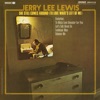 She Still Comes Around (To Love What’s Left of Me)Jerry Lee Lewis196911 tracks
 -
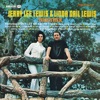 TogetherJerry Lee Lewis196911 tracks
 -
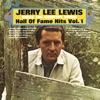 Sings the Country Music Hall of Fame Hits Vol. 1Jerry Lee Lewis196912 tracks
 -
 Sings the Country Music Hall of Fame Hits Vol. 2Jerry Lee Lewis196912 tracks
 -
 She Even Woke Me Up to Say GoodbyeJerry Lee Lewis197011 tracks
 -
 There Must Be More to Love Than ThisJerry Lee Lewis197011 tracks
 -
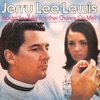 Would You Take Another Chance on Me?Jerry Lee Lewis197111 tracks
 -
 Touching HomeJerry Lee Lewis197111 tracks
 -
 The “Killer” Rocks OnJerry Lee Lewis197212 tracks
 -
 Who’s Gonna Play This Old PianoJerry Lee Lewis197211 tracks
 -
 Southern RootsJerry Lee Lewis197310 tracks
 -
 The Session Recorded in London With Great Guest ArtistsJerry Lee Lewis197314 tracks
 -
 Sometimes a Memory Ain’t EnoughJerry Lee Lewis197311 tracks
 -
 I-40 CountryJerry Lee Lewis197411 tracks
 -
 Odd Man InJerry Lee Lewis197511 tracks
 -
 Boogie Woogie Country ManJerry Lee Lewis197511 tracks
 -
 Country ClassJerry Lee Lewis197611 tracks
 -
 Country MemoriesJerry Lee Lewis197711 tracks
 -
 Keeps Rockin'Jerry Lee Lewis197811 tracks
 -
 Jerry Lee LewisJerry Lee Lewis197910 tracks
 -
 When Two Worlds CollideJerry Lee Lewis198010 tracks
 -
 Killer CountryJerry Lee Lewis198010 tracks
 -
 Class of ’55: Memphis Rock & Roll HomecomingJerry Lee Lewis198610 tracks
 -
 Great Balls Of FireJerry Lee Lewis19941 track
 -
 Young BloodJerry Lee Lewis199514 tracks
 -
 The KillerJerry Lee Lewis200360 tracks
 -
 LiveJerry Lee Lewis200715 tracks
 -
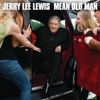 Mean Old ManJerry Lee Lewis201010 tracks
 -
 Rock & Roll TimeJerry Lee Lewis201411 tracks
 -
 BreathlessJerry Lee Lewis—2 tracks
 -
 Old Tyme Country MusicJerry Lee Lewis—11 tracks
 - Jerry Lee LewisJerry Lee Lewis—10 tracks
Deep Dive
Overview
Jerry Lee Lewis was an American pianist, singer, and songwriter whose career spanned from 1952 to 2022, establishing him as one of rock and roll’s foundational figures. Nicknamed “The Killer” for his explosive stage presence and virtuosic piano playing, Lewis emerged from the Memphis rockabilly scene of the 1950s to achieve worldwide fame with hits that defined the era. His influence stretched across rockabilly, country, blues, gospel, and rock, making him a crucial bridge between early rhythm-and-blues traditions and the mainstream rock landscape that followed.
Formation Story
Jerry Lee Lewis began his musical career in the American South during the early 1950s, a period when regional recording studios were becoming incubators for a new sound that would become rock and roll. His first recordings came in 1952 at Cosimo Matassa’s J&M Studio in New Orleans, Louisiana, a legendary venue where early rock and roll was being forged. By 1956, Lewis had relocated to Memphis, Tennessee, where he recorded at Sun Records—the studio that would become synonymous with his rise to prominence. Memphis in the mid-1950s was a crucible of musical innovation, drawing together gospel traditions, blues inheritance, and emerging country influences. It was in this environment that Lewis developed his distinctive approach: aggressive, athletic piano playing combined with a raw vocal style that carried equal parts country twang and blues feeling.
Breakthrough Moment
Lewis’s ascent to international fame came rapidly in 1957. His recording of “Whole Lotta Shakin’ Goin’ On” became a watershed moment, launching him from regional performer to worldwide phenomenon. The song’s success was immediate and sweeping, establishing the 22-year-old as rock and roll’s first great wild man. He capitalized on this momentum with a string of major hits that same year and into 1958, including “Great Balls of Fire” and “Breathless,” both of which showcased his ability to blend gospel-inflected piano work with teen-oriented rock and roll energy. “High School Confidential” extended his run of commercial success, cementing his position as one of the era’s defining personalities. The 1958 self-titled album Jerry Lee Lewis collected these early triumphs, serving as a snapshot of his explosive emergence.
Peak Era
The period from 1957 to the early 1960s represented Lewis’s most commercially dominant and culturally impactful stretch. These years saw him record the hits that would define early rock and roll for subsequent generations and establish templates that countless musicians would follow. His raw energy and technical prowess at the piano set him apart from many of his contemporaries. However, Lewis’s career trajectory shifted significantly in the early 1960s. Rather than fade from the music business, he reinvented himself, turning toward country music—a genre he had never entirely abandoned given his Southern roots and Memphis recording environment. This transition was documented in albums such as Jerry Lee’s Greatest! (1961) and Another Place Another Time (1968), which marked his successful entry into the country music market. By the 1970s, he had become a major country recording artist, releasing a prolific series of albums that demonstrated his versatility and enduring appeal across multiple genres.
Musical Style
Jerry Lee Lewis was fundamentally a pianist, and his approach to the instrument was unorthodox and percussive in a way that suited rock and roll’s emerging energy. He played with aggression and fluidity, drawing on stride piano, blues, and gospel traditions while adapting them to contemporary material. His vocals carried a natural rasp and an unmistakable country accent that gave his interpretations of rock and roll material a distinctive Southern flavor. Early in his career, his sound was classified as rockabilly—a fusion of country, blues, and rhythm-and-blues that emphasized electric instrumentation and a driving beat. As his career progressed, Lewis moved fluidly between rockabilly, honky-tonk country, blues, and soul, recording gospel music and country standards alongside revivals of rock and roll classics. This genre mobility was not a sign of artistic inconsistency but rather a reflection of the interconnected roots from which all these styles drew. His musicianship allowed him to navigate between idioms without losing a core identity defined by technical skill, emotional directness, and high-energy performance.
Major Albums
Jerry Lee Lewis (1958)
His debut album captured the young pianist at the peak of his early fame, collecting the hits that established him as a rock and roll force.
Another Place Another Time (1968)
This album marked his successful transition into country music, proving his ability to sustain a major career outside the rock and roll realm that had made him famous.
The Session Recorded in London With Great Guest Artists (1973)
Recorded across the Atlantic with notable collaborators, this album demonstrated Lewis’s continued relevance and his ability to command respect from established musicians.
Class of ‘55: Memphis Rock & Roll Homecoming (1986)
A reunion project celebrating the Memphis rock and roll legacy, this album paired Lewis with fellow Sun Records alumni and placed his career in historical perspective.
The Essential Jerry Lee Lewis [The Sun Sessions] (2013)
This compilation drew exclusively from his foundational Sun Records recordings, making his most historically important material accessible to new generations of listeners.
Signature Songs
- “Whole Lotta Shakin’ Goin’ On” (1957) — The song that launched Lewis to worldwide fame, combining his aggressive piano with infectious energy.
- “Great Balls of Fire” (1957) — A gospel-influenced rock and roll anthem that showcased his vocal passion and became one of the decade’s definitive recordings.
- “Breathless” (1958) — A showcase for Lewis’s technical prowess and his ability to sustain energy across a three-minute single.
- “High School Confidential” (1958) — A rock and roll novelty that became a standard of the era and appeared in a film of the same name.
- “Crazy Arms” (1956) — An early regional hit that sold 300,000 copies in the Southern United States before his national breakthrough.
- “What’s Made Milwaukee Famous (Has Made a Loser Out of Me)” (1968) — A country honky-tonk standard that demonstrated his success in the country market.
Influence on Rock
Jerry Lee Lewis’s impact on rock and roll cannot be overstated. He was among the first musicians to demonstrate that the piano could be a lead instrument in rock music, displacing the guitar from its nascent dominance and opening pathways for keyboard players in subsequent decades. His technical facility and aggressive approach influenced generations of rock pianists and broader approaches to rock performance. The wildness of his stage presence—the physical engagement with the instrument and the audience—set a template for rock performance that emphasized spectacle and raw energy rather than restraint. His success in transitioning from rockabilly to country music also demonstrated the fluidity between genres in American popular music, influencing how subsequent artists approached genre boundaries. Though his early career was shadowed by controversy that temporarily derailed his momentum, his resilience and reinvention in country music proved instructive for artists seeking second acts or genre shifts.
Legacy
Jerry Lee Lewis remained an active recording artist well into the 2010s, releasing Mean Old Man in 2010 and Rock & Roll Time in 2014, ensuring that his discography extended across six decades of recording. His later years saw extensive reissue campaigns and compilations, particularly The Essential Sun Sessions (2013) and The Essential Jerry Lee Lewis [The Sun Sessions], which made his foundational early recordings available in curated, accessible forms. These reissues introduced his work to audiences born long after his initial stardom, sustaining his cultural presence. Lewis died in 2022 at age 87, closing a chapter in rock and roll history that had begun when the genre itself was still being defined. His position as “rock and roll’s first great wild man” remains secure in music history, not as a relic of the 1950s but as a foundational architect of how rock music was performed, recorded, and understood. Streaming platforms have ensured that “Whole Lotta Shakin’ Goin’ On” and “Great Balls of Fire” remain continuously available to listeners worldwide, keeping his influence circulating in popular culture.
Fun Facts
- Lewis made his first recordings in 1952 at Cosimo Matassa’s J&M Studio in New Orleans, the same legendary studio where other early rock and roll pioneers worked, before his breakthrough came at Sun Records in Memphis.
- His album Duets: Jerry Lee Lewis and Friends (1978) represented an unusual collaborative approach late in his career, pairing him with guest artists on country and rock material.
- The 1986 album Class of ‘55: Memphis Rock & Roll Homecoming reunited Lewis with fellow Sun Records artists, celebrating the studio that launched his and their careers three decades earlier.
- Lewis released gospel material throughout his career, including In Loving Memories The Jerry Lee Lewis Gospel Album (1969), demonstrating that his musical roots extended beyond secular rock and country into sacred traditions.