
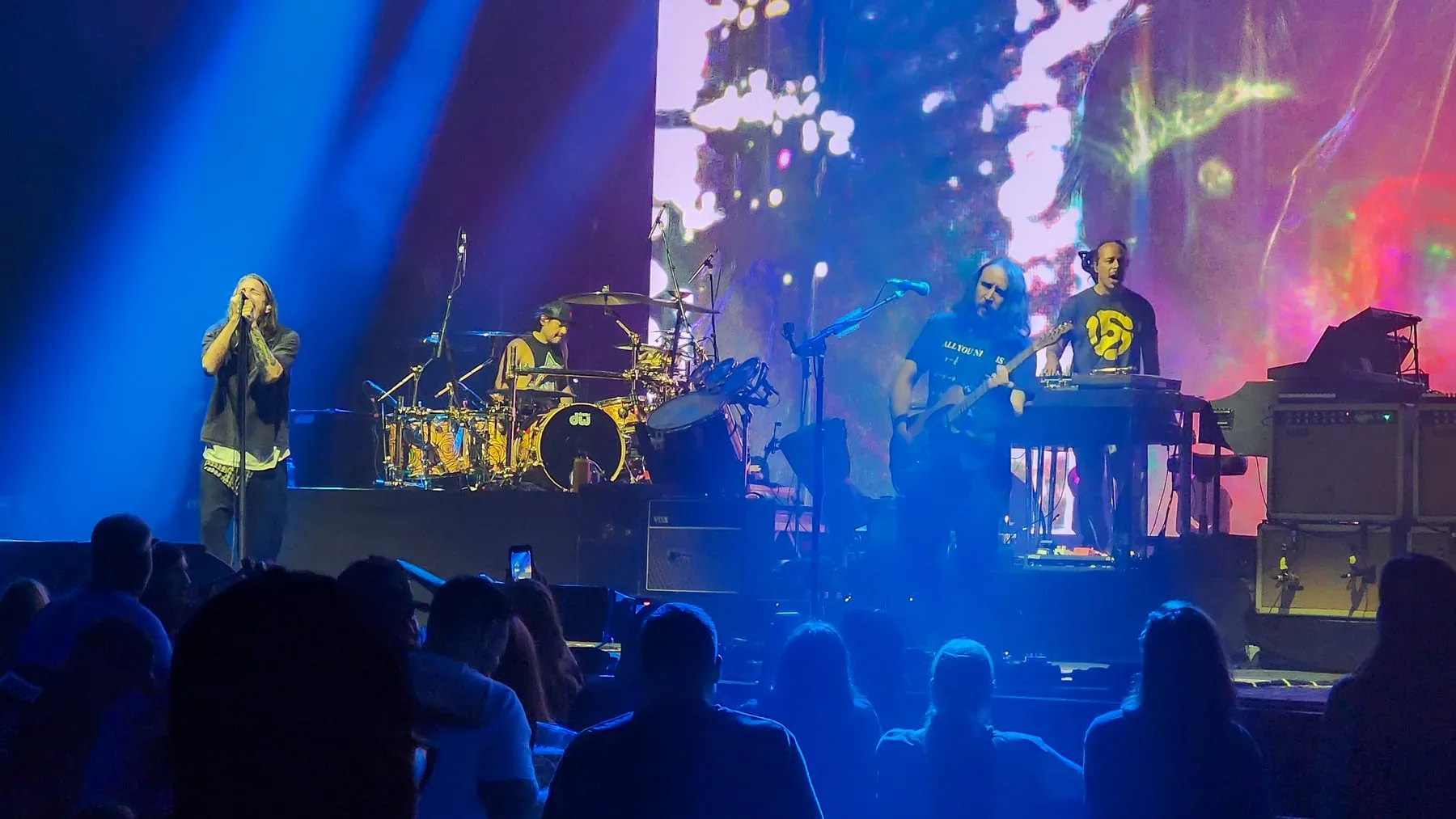
Photo by Crisco 1492 , licensed under CC BY-SA 4.0 · Wikimedia Commons
Rank #386
Incubus
From Wikipedia
Incubus is an American rock band from Calabasas, California. The band was formed in 1991 by vocalist Brandon Boyd, lead guitarist Mike Einziger, and drummer José Pasillas while enrolled in Calabasas High School and later expanded to include bassist Alex "Dirk Lance" Katunich, and Gavin "DJ Lyfe" Koppel; the latter two were eventually replaced by bassist Ben Kenney and DJ Kilmore, respectively. Nicole Row replaced Kenney in 2024.
Discography & Previews
Browse through and click an album to open and play 30-second previews streamed from Apple Music.
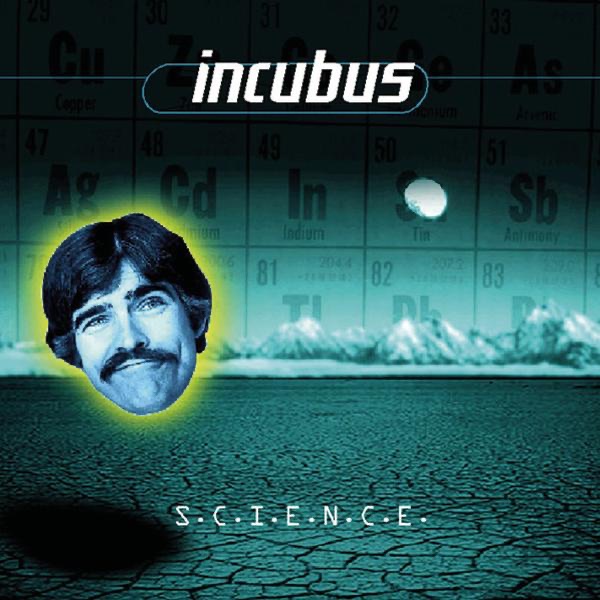
S.C.I.E.N.C.E.
1997 · 13 tracks
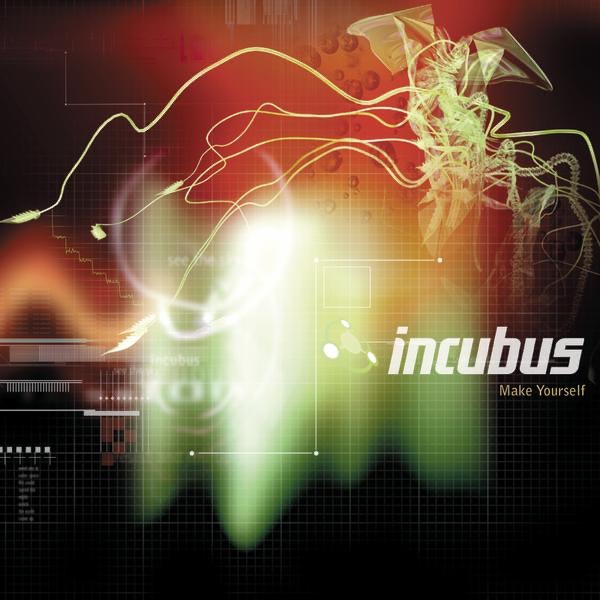
Make Yourself
1999 · 13 tracks

Morning View
2001 · 13 tracks

A Crow Left of the Murder…
2004 · 14 tracks
- 1 Megalomaniac ↗ 4:55
- 2 A Crow Left of the Murder ↗ 3:31
- 3 Agoraphobia ↗ 3:53
- 4 Talk Shows On Mute ↗ 3:48
- 5 Beware! Criminal ↗ 3:49
- 6 Sick Sad Little World ↗ 6:23
- 7 Pistola ↗ 4:23
- 8 Southern Girl ↗ 3:41
- 9 Priceless ↗ 4:06
- 10 Zee Deveel ↗ 3:52
- 11 Made for TV Movie ↗ 3:38
- 12 Smile Lines ↗ 3:59
- 13 Here In My Room ↗ 4:19
- 14 Leech ↗ 4:20

Light Grenades
2006 · 13 tracks
- 1 Quicksand ↗ 2:14
- 2 A Kiss to Send Us Off ↗ 4:16
- 3 Dig ↗ 4:17
- 4 Anna Molly ↗ 3:46
- 5 Love Hurts ↗ 3:57
- 6 Light Grenades ↗ 2:20
- 7 Earth to Bella (Pt. I) ↗ 2:28
- 8 Oil and Water ↗ 3:50
- 9 Diamonds and Coal ↗ 3:47
- 10 Rogues ↗ 3:57
- 11 Paper Shoes ↗ 4:17
- 12 Pendulous Threads ↗ 5:35
- 13 Earth to Bella (Pt. II) ↗ 2:58
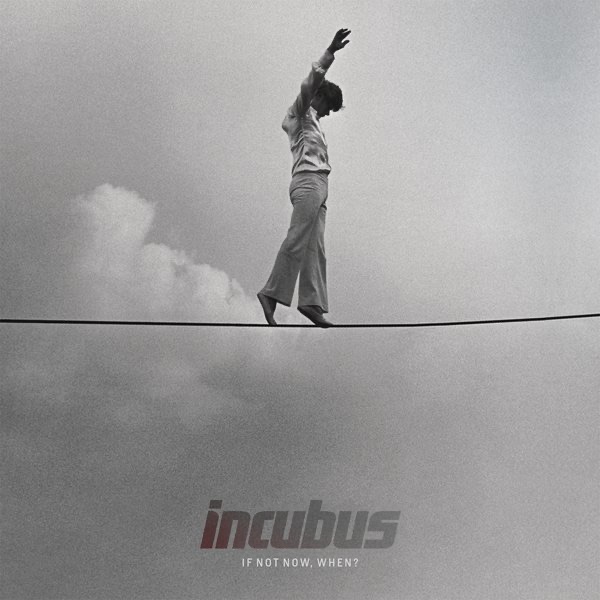

8
2017 · 11 tracks

Morning View XXIII
2024 · 13 tracks
- 1 Nice to Know You (Rerecorded) ↗ 6:33
- 2 Circles (Rerecorded) ↗ 4:58
- 3 Wish You Were Here (Rerecorded) ↗ 3:33
- 4 Just a Phase (Rerecorded) ↗ 5:15
- 5 11 am (Rerecorded) ↗ 4:07
- 6 Blood on the Ground (Rerecorded) ↗ 4:54
- 7 Mexico (Rerecorded) ↗ 4:23
- 8 Warning (Rerecorded) ↗ 4:42
- 9 Echo (Rerecorded) ↗ 4:41
- 10 Have You Ever (Rerecorded) ↗ 3:16
- 11 Are You In? (Rerecorded) ↗ 4:14
- 12 Under My Umbrella (Rerecorded) ↗ 3:41
- 13 Aqueous Transmission (Rerecorded) ↗ 6:48
-
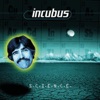 S.C.I.E.N.C.E.Incubus199713 tracks
 -
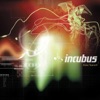 Make YourselfIncubus199913 tracks
 -
 Morning ViewIncubus200113 tracks
 -
 A Crow Left of the Murder…Incubus200414 tracks
 -
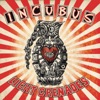 Light GrenadesIncubus200613 tracks
 -
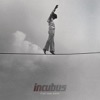 If Not Now, When?Incubus201111 tracks
 -
 8Incubus201711 tracks
 -
 Morning View XXIIIIncubus202413 tracks
Deep Dive
Overview
Incubus is an American rock band from Calabasas, California, that emerged from the 1990s alternative rock landscape and helped define a hybrid sound blending funk, metal, and rap-rock sensibilities. Formed in 1991 while the founding members were still enrolled in high school, the band evolved from a basement project into a major label act that sustained significant commercial and critical success across multiple decades. Their fusion of intricate guitar work, rhythmic experimentation, and vocalist Brandon Boyd’s versatile delivery positioned them as a distinctive voice within the alternative rock canon.
Formation Story
Incubus coalesced in 1991 in Calabasas, California, when Brandon Boyd, Mike Einziger, and José Pasillas began collaborating while students at Calabasas High School. The trio established the core songwriting and instrumental foundation that would define the band’s early direction. As the project developed, the band expanded to include bassist Alex “Dirk Lance” Katunich and DJ Gavin “DJ Lyfe” Koppel, rounding out the five-piece lineup. The Calabasas scene, situated in the Los Angeles metropolitan area, provided access to the broader Southern California rock and alternative music ecosystem while maintaining a degree of geographic and cultural remove that allowed the band to develop a distinctive identity.
Breakthrough Moment
Incubus released their debut album, Fungus Amongus, in 1995, establishing the instrumental and stylistic foundation for their later work. The band’s second album, S.C.I.E.N.C.E., arrived in 1997 and expanded on their fusion approach, drawing wider attention within the alternative rock community. Their genuine breakthrough came with Make Yourself in 1999, an album that combined their established funk-metal hybrid sound with more accessible songwriting and production. The success of Make Yourself elevated Incubus from regional alternative act to a band capable of competing for mainstream rock radio play and touring prominence across North America and beyond.
Peak Era
The period from 1999 through the early 2000s represented Incubus’s most commercially and creatively significant chapter. Following Make Yourself in 1999, the band released Morning View in 2001, consolidating their mainstream foothold and demonstrating their ability to refine their sound while maintaining the energetic, jazz-inflected arrangements that distinguished them from their peers. The band also released Unplugged in 2001, showcasing their material in an acoustic context and underscoring the musicianship underlying their studio productions. Subsequent albums including A Crow Left of the Murder… (2004) and Light Grenades (2006) sustained their presence on rock radio and in touring circuits, though without the cultural penetration of the earlier era.
Musical Style
Incubus synthesized alternative rock with funk and metal, creating a sound characterized by rhythmic complexity, dynamic guitar interplay, and the integration of DJ production elements. Mike Einziger’s lead guitar work combined the precision of heavy metal with the harmonic sophistication of rock fusion, while the rhythm section—built on José Pasillas’s drumming and the band’s successive bassists—provided the groove-oriented foundation essential to their funk-influenced approach. Brandon Boyd’s vocal delivery ranged from melodic singing to rhythmic rap-influenced delivery, adapting across the band’s catalog from harder rock songs to more introspective material. The inclusion of DJ elements via first Gavin Koppel and later DJ Kilmore added textural variety and rhythmic flexibility, distinguishing Incubus from traditional rock quartets and positioning them within the broader late-1990s trend of electronic integration into rock music.
Major Albums
Make Yourself (1999)
The album that established Incubus as a major alternative rock act, Make Yourself balanced heavy funk-metal arrangements with more polished production and accessible songwriting, becoming their breakthrough to mainstream rock radio and setting the template for their commercial success.
Morning View (2001)
Released the same year as Unplugged, Morning View refined the band’s sound with a more production-conscious approach while maintaining their signature rhythmic complexity and instrumental interplay.
A Crow Left of the Murder… (2004)
This album sustained Incubus’s touring presence and rock radio relevance into the mid-2000s, continuing their exploration of funk-metal fusion within a contemporary production framework.
Light Grenades (2006)
Released as Incubus consolidated their place in the touring rock infrastructure of the 2000s, Light Grenades maintained their established sound while demonstrating continued commercial viability.
Signature Songs
- “Pardon Me” — A defining track from Make Yourself, exemplifying the band’s blend of funk-influenced rhythm, intricate guitar work, and Boyd’s dynamic vocal delivery.
- “Drive” — Among the band’s most recognizable songs, showcasing their ability to craft accessible alternative rock without sacrificing instrumental sophistication.
- “Wish You Were Here” — A key track demonstrating Boyd’s emotional singing voice and the band’s more introspective compositional side.
- “Make Yourself” — The title track capturing the album’s aggressive funk-metal energy and establishing a centerpiece for the band’s live performances.
Influence on Rock
Incubus occupied a distinctive space within 1990s and 2000s alternative rock, helping sustain and develop the funk-metal hybrid that had gained traction in the late 1980s. Their integration of DJ production elements into a traditional rock band framework reflected broader trends in alternative music toward electronic texturing, while their emphasis on musicianship and instrumental interplay distinguished them from rap-rock acts that dominated certain segments of 1990s radio. The band’s long tenure and consistent touring presence helped maintain demand for funk-influenced alternative rock through the 2000s, providing a bridge between the heavy funk-metal of the 1980s and the continued presence of experimental guitar music within mainstream rock radio.
Legacy
Incubus maintained an active recording and touring presence across three decades, with their 2024 release Morning View XXIII marking a quarter-century of continued activity since their 1999 breakthrough. The band’s consistency in the touring circuit ensured their sustained presence in rock music infrastructure despite shifting radio formats and commercial trends. Their albums remain integrated into streaming platforms and classic rock rotations, and their early-2000s peak continues to register in cultural memory as representative of that era’s alternative rock landscape. The band’s evolution from high school students in Calabasas to sustained major label artists reflects both the durability of their core sound and the extended lifespan of alternative rock as a commercial category.
Fun Facts
- Incubus formed while all founding members were enrolled at Calabasas High School, establishing their creative partnership before entering the professional music industry.
- The band underwent significant lineup changes, with Alex “Dirk Lance” Katunich and Gavin “DJ Lyfe” Koppel eventually replaced by bassist Ben Kenney and DJ Kilmore, and most recently Nicole Row joining as bassist in 2024.
- Unplugged (2001) provided an acoustic counterpoint to their studio recordings, demonstrating that their arrangements could sustain alternative instrumentation while maintaining their compositional identity.