
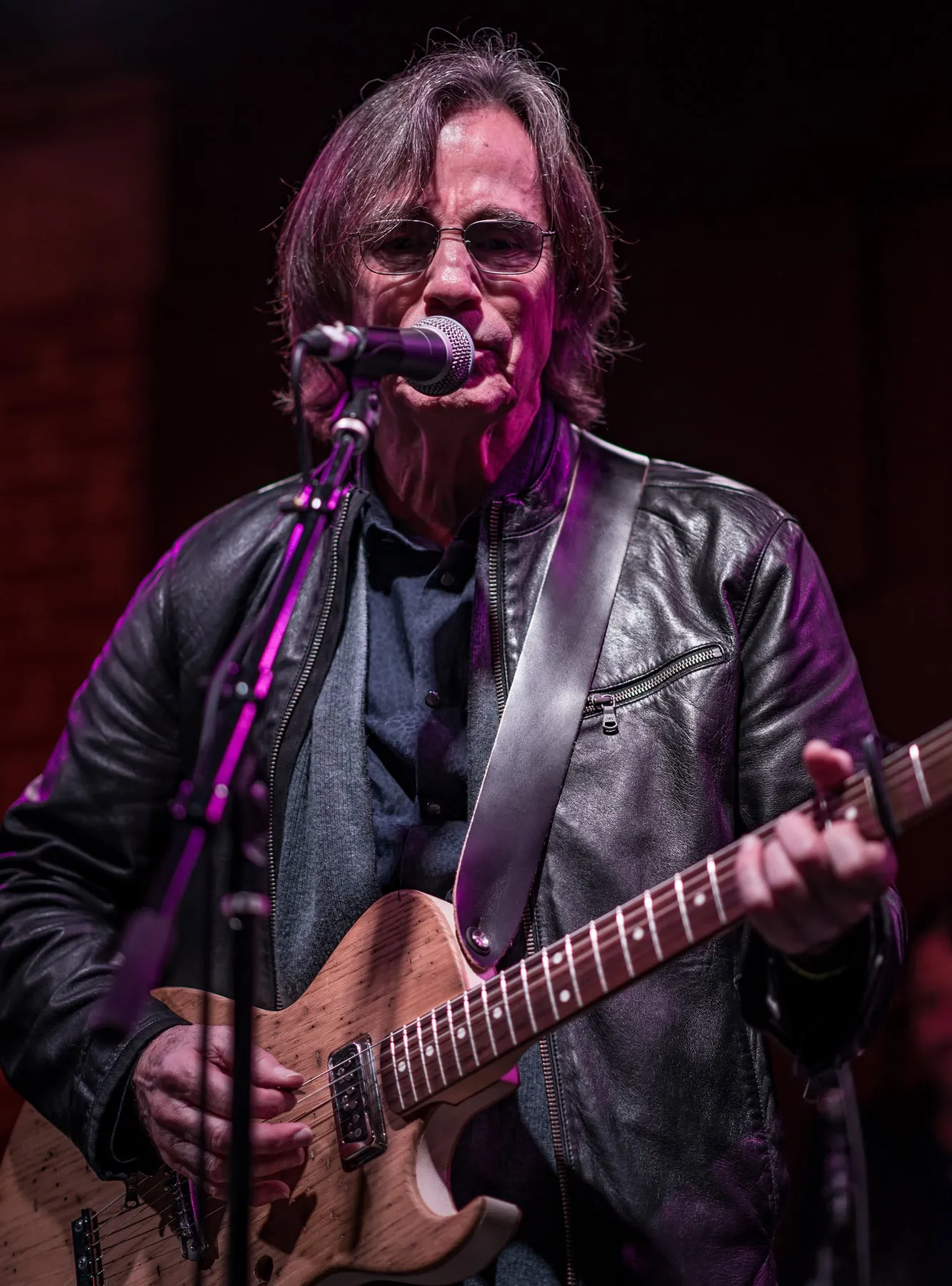
Photo by Justin Higuchi , licensed under CC BY 2.0 · Wikimedia Commons
Rank #384
Jackson Browne
From Wikipedia
Clyde Jackson Browne is an American rock musician, singer, songwriter, and political activist who has sold over 30 million albums in the United States.
Discography & Previews
Browse through and click an album to open and play 30-second previews streamed from Apple Music.
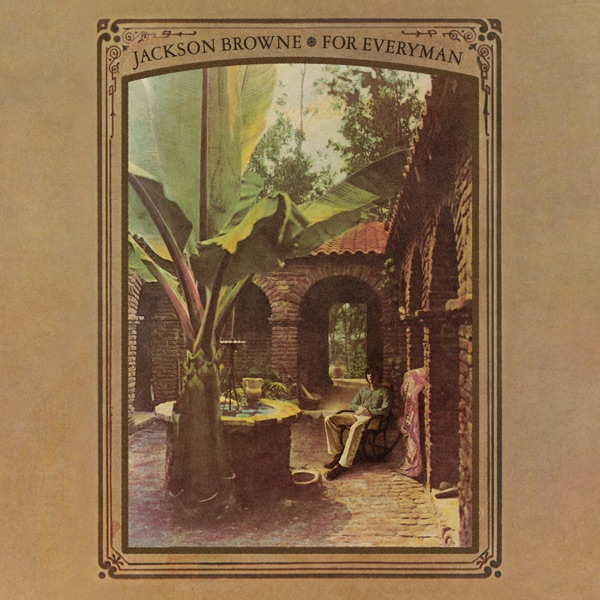
For Everyman
1973 · 10 tracks
- 1 Take It Easy (Remastered) ↗ 3:51
- 2 Our Lady of the Well (Remastered) ↗ 3:39
- 3 Colors of the Sun (Remastered) ↗ 4:17
- 4 I Thought I Was a Child (Remastered) ↗ 3:44
- 5 These Days (Remastered) ↗ 4:46
- 6 Red Neck Friend (Remastered) ↗ 3:59
- 7 The Times You've Come (Remastered) ↗ 3:39
- 8 Ready or Not (Remastered) ↗ 3:35
- 9 Sing My Songs to Me (Remastered) ↗ 3:24
- 10 For Everyman (Remastered) ↗ 6:12
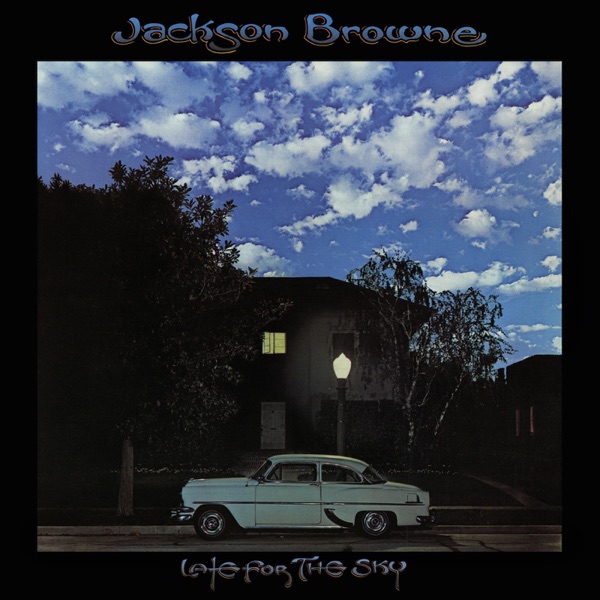
Late for the Sky
1974 · 8 tracks
- 1 Late For the Sky (Remastered) ↗ 5:42
- 2 Fountain of Sorrow (Remastered) ↗ 6:52
- 3 Farther On (Remastered) ↗ 5:21
- 4 The Late Show (Remastered) ↗ 5:15
- 5 The Road and the Sky (Remastered) ↗ 3:08
- 6 For a Dancer (Remastered) ↗ 4:46
- 7 Walking Slow (Remastered) ↗ 3:55
- 8 Before the Deluge (Remastered) ↗ 6:22

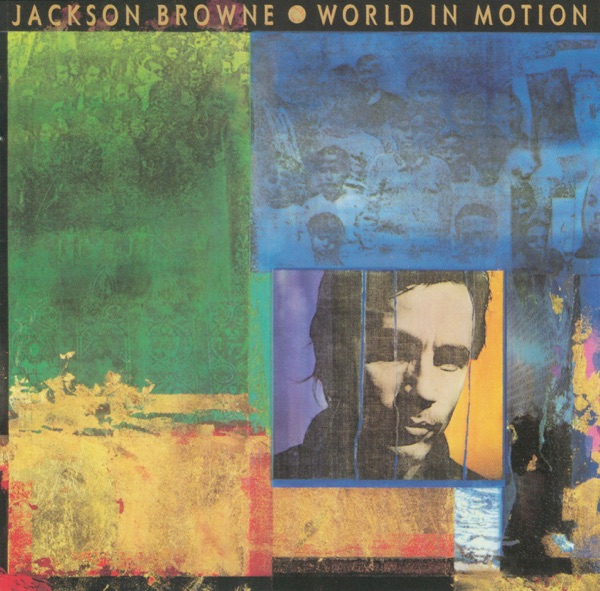
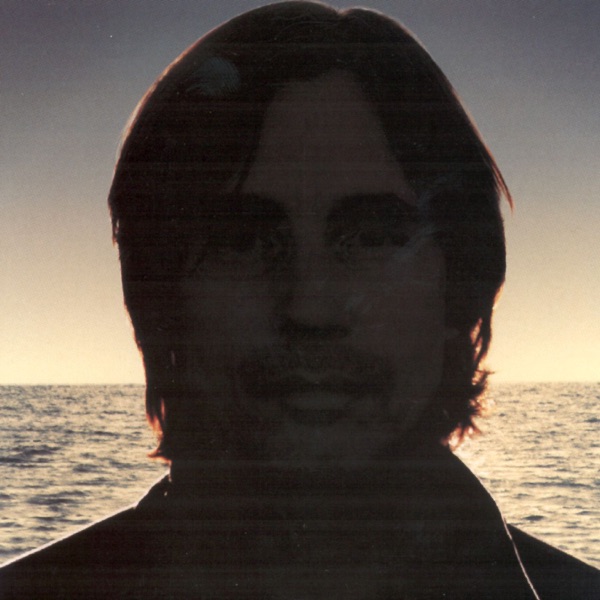
World in Motion
1989 · 10 tracks
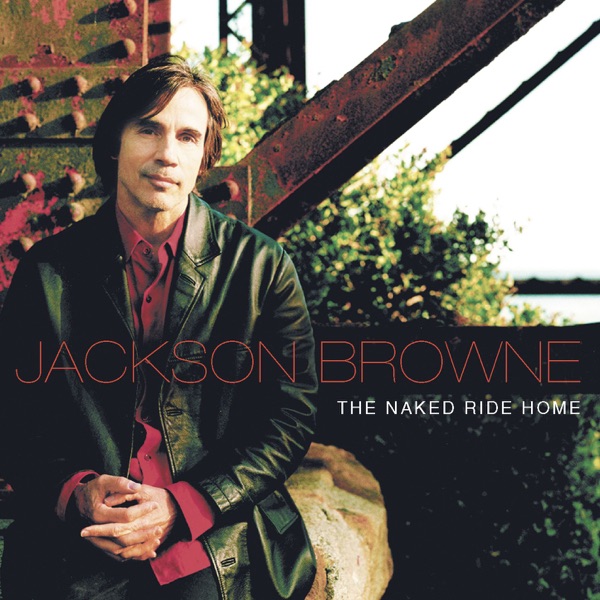
The Naked Ride Home
2002 · 10 tracks
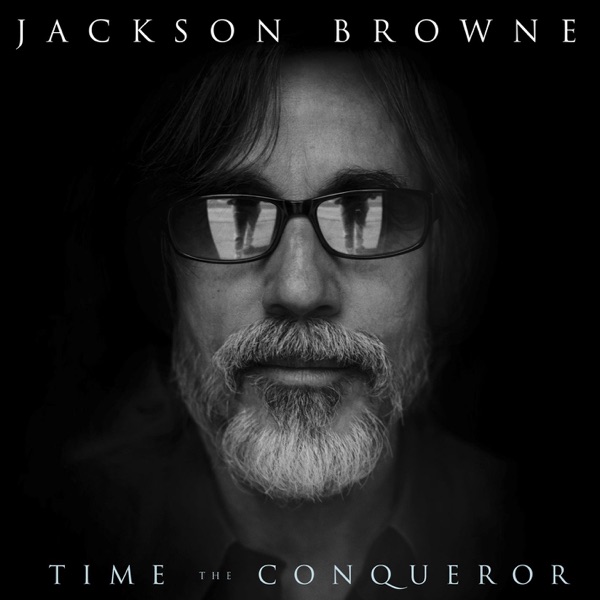
Time the Conqueror
2008 · 10 tracks
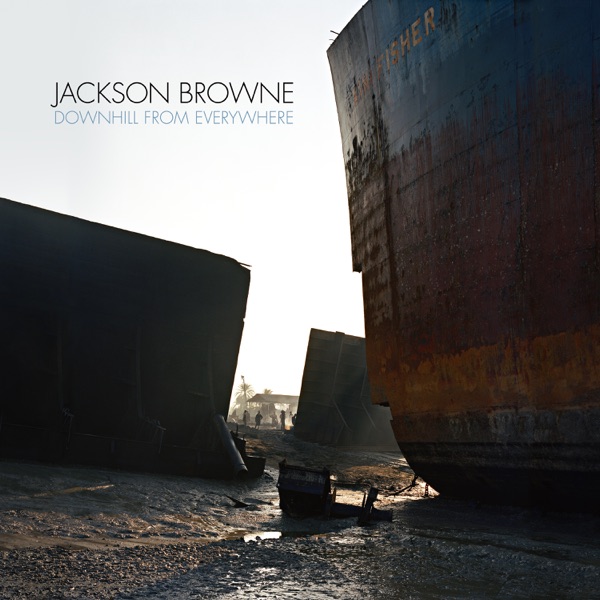
Downhill From Everywhere
2021 · 10 tracks
-
 For EverymanJackson Browne197310 tracks
 -
 Late for the SkyJackson Browne19748 tracks
 -
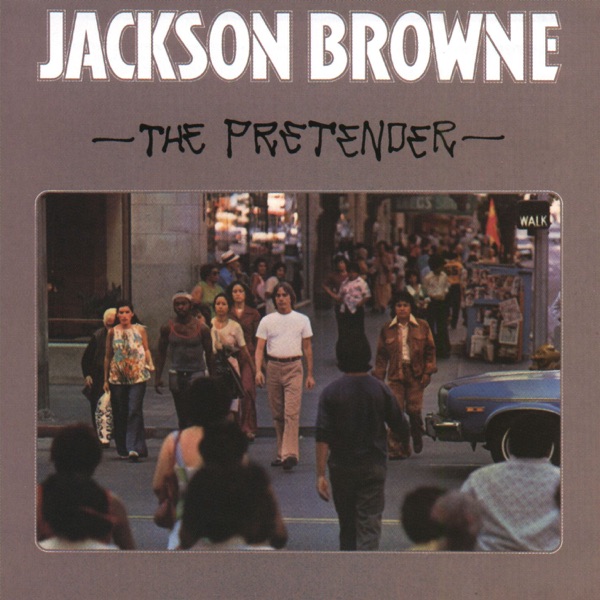
 The PretenderJackson Browne19768 tracks
 -
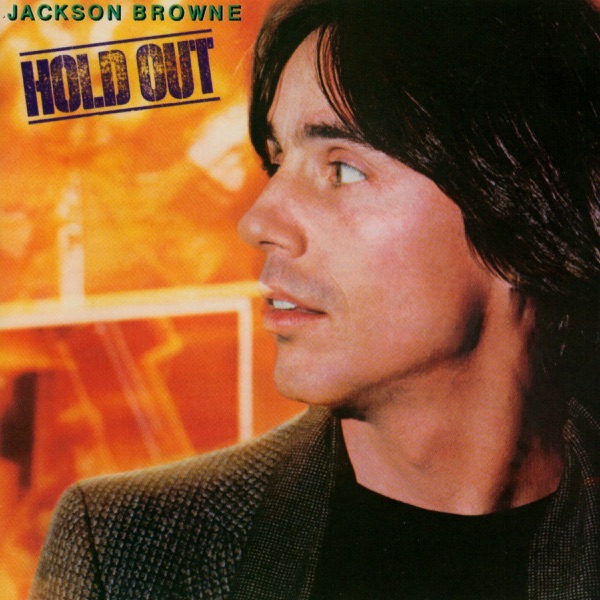
 Hold OutJackson Browne19807 tracks
 -
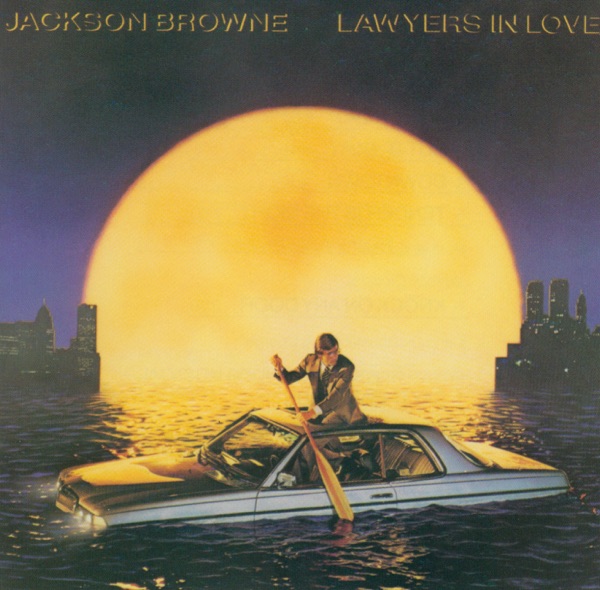
 Lawyers in LoveJackson Browne19838 tracks
 -
 Lives in the BalanceJackson Browne19868 tracks
 -
 World in MotionJackson Browne198910 tracks
 -
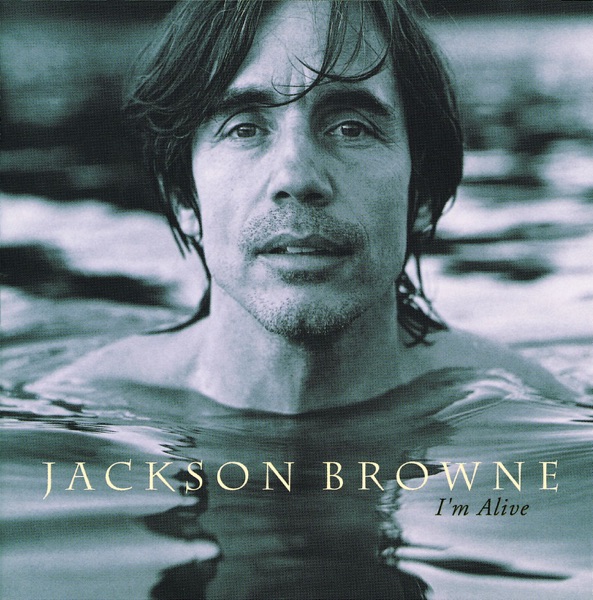
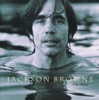 I’m AliveJackson Browne199310 tracks
 -
 Looking EastJackson Browne199610 tracks
 -
 The Naked Ride HomeJackson Browne200210 tracks
 -
 Time the ConquerorJackson Browne200810 tracks
 -
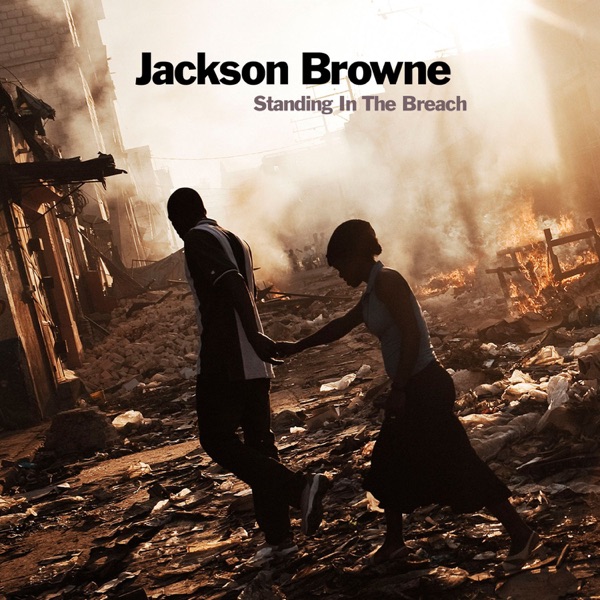
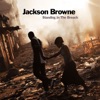 Standing in the BreachJackson Browne201410 tracks
 -
 Downhill From EverywhereJackson Browne202110 tracks
Deep Dive
Overview
Jackson Browne is an American rock musician, singer, songwriter, and political activist born in 1948 whose career spans more than fifty years. With over 30 million albums sold in the United States alone, he stands among the most commercially successful and critically respected singer-songwriters in rock history. His music, rooted in country and rock traditions, is defined by introspective lyricism, sophisticated arrangements, and a persistent engagement with social and political themes.
Formation Story
Born Clyde Jackson Browne in 1948, Browne came of age during a period when rock and country music were beginning to dissolve their genre boundaries. Growing up in the 1950s and 1960s, he absorbed the traditions of American popular song, country balladry, and the emerging singer-songwriter movement that would crystallize in the 1970s. Before launching his solo career, Browne worked as a session musician and songwriter, apprenticing himself in the craft of songwriting and learning the mechanics of professional recording. This foundational experience in the studio and as a working musician shaped both his technical sophistication and his understanding of how to translate personal narrative into song form.
Breakthrough Moment
Browne’s self-titled debut album, Jackson Browne, arrived in 1972 and immediately established him as a major voice in the emerging singer-songwriter tradition. The record showcased his gift for character-driven storytelling and emotional precision, drawing attention from both critics and fellow musicians. The following year, For Everyman (1973) solidified his commercial and artistic position, demonstrating that his debut was no anomaly. By the mid-1970s, Browne had moved beyond underground credibility into genuine mainstream success, positioning himself as one of the defining voices of the era.
Peak Era
Browne’s most creatively ambitious and commercially successful period came in the mid-to-late 1970s. Late for the Sky (1974) stands as perhaps his most acclaimed work, an album that deepened his lyrical complexity and emotional range while maintaining the accessibility that had attracted his initial audience. The album’s success was followed by The Pretender (1976), which consolidated his status as a major artist and showcased his ability to construct elaborate, narrative-driven compositions. This five-year span from 1972 to 1976 established the artistic template that would define his career: introspective, politically conscious rock music delivered with technical polish and emotional authenticity.
Musical Style
Jackson Browne’s sound synthesizes country music traditions with rock instrumentation and the harmonic sophistication of contemporary pop songwriting. His arrangements typically feature acoustic and electric guitars, piano, and sympathetic production that emphasizes lyrical clarity without sacrificing instrumental texture. Vocally, Browne eschews histrionics in favor of conversational delivery, allowing the emotional weight of his lyrics to emerge through phrasing and dynamic control rather than technical display. His songwriting habit is rooted in specific observation—characters, situations, and moral dilemmas drawn from American life—rather than abstract meditation. Over his career, his music has grown increasingly political and activist-oriented, though the core approach remains constant: the marriage of narrative specificity with melodic accessibility.
Major Albums
Jackson Browne (1972)
Browne’s debut established the artistic model he would refine throughout his career: introspective singer-songwriter rock marked by observational lyricism and tasteful arrangements that balance acoustic and electric instrumentation.
Late for the Sky (1974)
Wide regarded as his artistic peak, this album deepened his lyrical complexity and emotional range, demonstrating his mastery of extended narrative composition and subtle harmonic development.
The Pretender (1976)
Consolidating his commercial success with artistic ambition, The Pretender showcased Browne’s growing sophistication in constructing elaborate, character-driven songs that balanced personal introspection with social observation.
Hold Out (1980)
Browne’s sixth studio album marked a pivot toward more contemporary production approaches while maintaining his core strengths in melody and narrative songwriting.
Lives in the Balance (1986)
This album reflected Browne’s deepening commitment to political activism and social commentary, demonstrating how his artistic and political convictions had become increasingly inseparable.
Signature Songs
- “Doctor, My Eyes” — An early breakthrough that introduced his meditative vocal delivery and introspective sensibility to broader audiences.
- “For Everyman” — The title track showcases his narrative sophistication and ability to construct moral complexity within a pop format.
- “Late for the Sky” — A showcase for his harmonic sophistication and emotional subtlety, capturing intimate vulnerability without sentimentality.
- “These Days” — A meditation on aging and time that demonstrates his gift for drawing universal themes from personal experience.
- “The Pretender” — The album’s centerpiece, a lengthy composition that exemplifies his approach to extended narrative songwriting.
- “Lawyers in Love” — A satirical critique of materialism that reveals his growing political consciousness within accessible pop structures.
Influence on Rock
Jackson Browne’s influence on rock music operates primarily through the singer-songwriter tradition he helped refine and popularize in the 1970s. His emphasis on lyrical specificity, emotional honesty, and sophisticated production raised the standard for introspective rock music and demonstrated that commercial success and artistic integrity were not mutually exclusive. His work helped establish the template for the thinking person’s rock musician—an artist who could be both commercially viable and critically respected, both emotionally vulnerable and intellectually engaged. Later singer-songwriters and rock artists drawing on confessional or narrative traditions have worked within frameworks he helped establish.
Legacy
Jackson Browne’s legacy encompasses both his recorded output and his role as a political activist. Over five decades of recording and performing, he has maintained artistic credibility while building one of the most durable commercial careers in rock history. His albums remain in print and in circulation on streaming platforms, continuing to introduce new listeners to his work. His influence appears not only in direct stylistic imitation but in the general acceptance, by the contemporary rock mainstream, that intellectual engagement and political commitment are compatible with popular success. His sustained career, from 1972 through 2021, demonstrates the viability of the serious singer-songwriter in an entertainment landscape constantly shifting toward shorter attention spans and disposable content.
Fun Facts
- Browne recorded both The Naked Ride Home (2002) and a live album, 11-9-2003 Davenport, Iowa (2003), within a single calendar year, demonstrating his continued prolific output in the 2000s.
- His political activism has been consistent throughout his career, particularly around environmental and social justice causes, making him one of rock music’s more vocally engaged citizens.
- On Stage (The Legendary 1976 Chicago Broadcast) was released in 2011, more than three decades after the original performance, indicating the enduring interest in his work from different eras of his career.