

Photo by Manfred Werner ( Tsui ) , licensed under CC BY-SA 4.0 · Wikimedia Commons
Rank #323
James Blunt
From Wikipedia
James Blunt is an English singer, songwriter and musician. He is best known for his songs "You're Beautiful" and "Goodbye My Lover".
Discography & Previews
Browse through and click an album to open and play 30-second previews streamed from Apple Music.
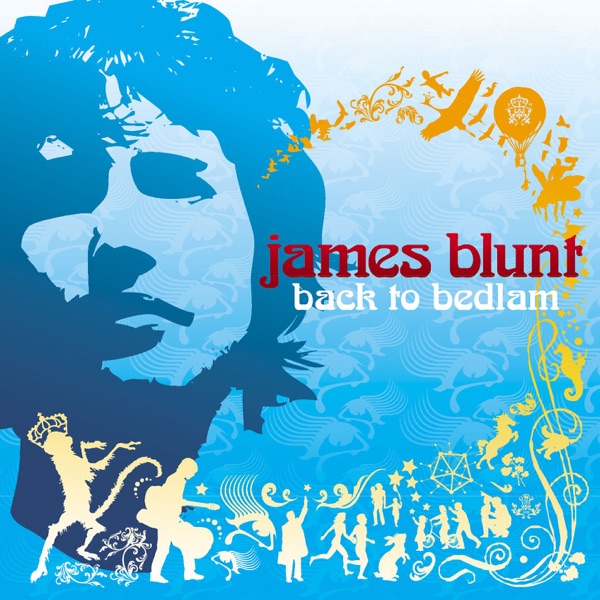
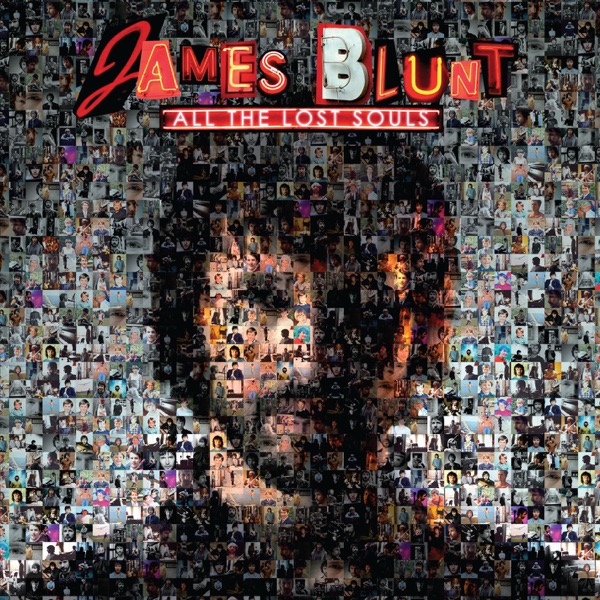
All the Lost Souls
2007 · 15 tracks
- 1 1973 ↗ 4:40
- 2 One of the Brightest Stars ↗ 3:11
- 3 I'll Take Everything ↗ 3:04
- 4 Same Mistake ↗ 4:58
- 5 Carry You Home ↗ 3:57
- 6 Give Me Some Love ↗ 3:37
- 7 I Really Want You (Radio Edit) ↗ 3:40
- 8 Shine On ↗ 4:26
- 9 Annie ↗ 3:29
- 10 I Can't Hear the Music ↗ 3:45
- 11 Love, Love, Love ↗ 3:48
- 12 Cuz I Love You (Live From Glastonbury 2008) ↗ 5:42
- 13 Young Folks (From Jo While Live Lounge) ↗ 3:51
- 14 Breakfast In America (Live) ↗ 4:38
- 15 Primavera In Anticipo (It Is My Song) [with James Blunt] ↗ 3:30
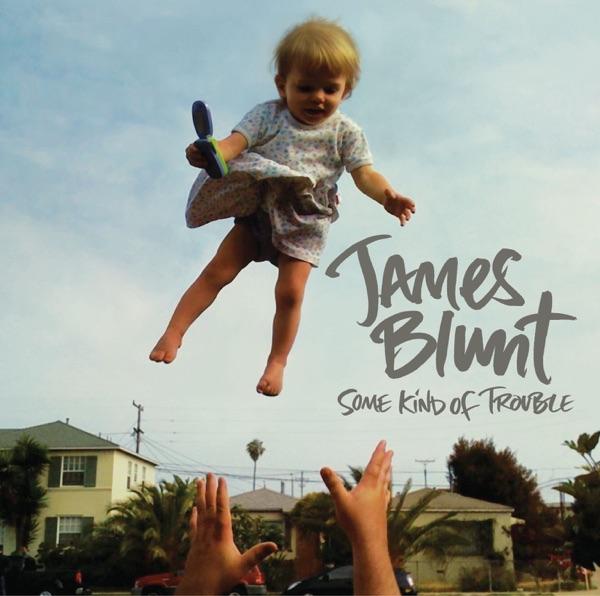
Some Kind of Trouble
2010 · 12 tracks
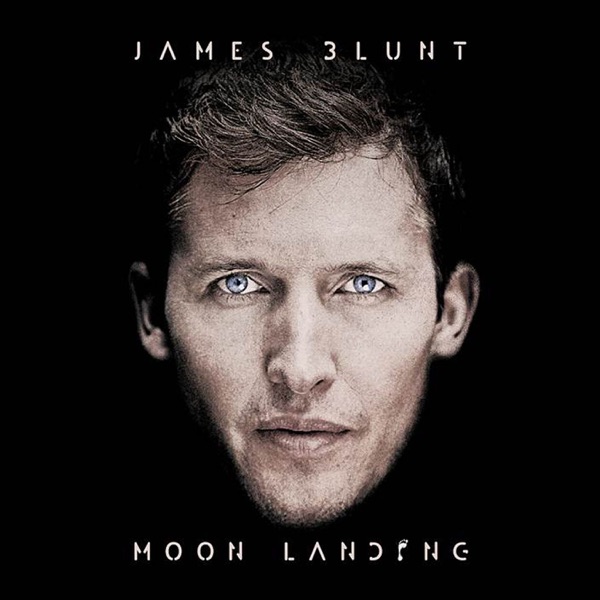
Moon Landing
2013 · 12 tracks

The Afterlove
2017 · 11 tracks


-
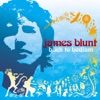 Back to BedlamJames Blunt200411 tracks
 -
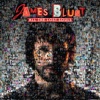 All the Lost SoulsJames Blunt200715 tracks
 -
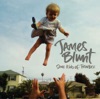 Some Kind of TroubleJames Blunt201012 tracks
 -
 Moon LandingJames Blunt201312 tracks
 -
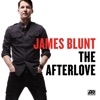 The AfterloveJames Blunt201711 tracks
 -
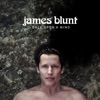 Once Upon a MindJames Blunt201911 tracks
 -
 Who We Used to BeJames Blunt202310 tracks
Deep Dive
Overview
James Blunt is an English singer, songwriter, and musician whose emergence in the mid-2000s marked a significant moment in the evolution of soft rock and contemporary singer-songwriter material. Born in 1974, Blunt became one of the defining voices of his era through intimate, emotionally direct songs that married British rock tradition with confessional lyrical vulnerability. His breakthrough single “You’re Beautiful” achieved global saturation, establishing him as a major commercial force while simultaneously making him a focal point in broader conversations about mainstream rock’s tonal shift toward introspection and melodic accessibility.
Formation Story
James Blunt’s path to music was unconventional, shaped by a formative period outside the traditional entertainment industry. Born in England in 1974, Blunt came of age during a period when classic rock and blues were dominant cultural reference points. Before pursuing music full-time, he served in the British Army, an experience that would later inform the perspective and maturity present in his songwriting. This background—military service before civilian artistic ambition—set him apart from peers whose entry into rock music followed more conventional pathways. Upon leaving the military, Blunt pursued his songwriting and performance ambitions with the professional discipline that military training imparted, eventually signing to Custard Records before his work gained wider attention through Atlantic Records and the Warner Music Group apparatus.
Breakthrough Moment
Blunt’s debut album Back to Bedlam, released in 2004, introduced his music to a broad audience and contained the single that would define his early career. “You’re Beautiful,” with its delicate piano foundation and emotionally restrained vocal delivery, became a global phenomenon, achieving saturation across radio formats and establishing Blunt as a major commercial artist. The album itself demonstrated a cohesive vision: introspective, melody-driven soft rock that prioritized lyrical narrative and emotional transparency. Back to Bedlam succeeded in transitioning Blunt from emerging artist to household name, positioning him as a significant voice in 2000s rock music and opening pathways for subsequent releases to reach international audiences.
Peak Era
Blunt’s most commercially successful and culturally prominent period extended through the late 2000s, spanning the releases of All the Lost Souls in 2007 and continuing through Some Kind of Trouble in 2010. These years represented the height of his visibility and commercial momentum, with multiple albums achieving strong chart performance and radio play across major markets. The consistency of his output—three albums in six years—demonstrated both his productivity and his ability to maintain audience engagement through a sustained body of work. During this window, Blunt established himself not as a one-hit artist but as a capable album creator capable of generating multiple standout tracks, solidifying his position within the broader landscape of 2000s rock.
Musical Style
James Blunt’s sound is rooted in soft rock and blues traditions while emphasizing piano-driven arrangements and introspective, often conversational vocal delivery. His approach to songwriting favors narrative specificity and emotional directness over abstract imagery, a trait that made his work both accessible and memorable to mainstream audiences. Blunt’s voice—clear, controlled, and deliberately unheroic in its restraint—became his signature instrument, deployed with precision rather than theatrical demonstration. The production aesthetic of his albums emphasizes melody and lyrical clarity, building from minimal instrumentation (acoustic guitar, piano) toward fuller arrangements while maintaining focus on vocal presence and songwriting substance. This approach aligned him with broader soft rock and singer-songwriter traditions while distinguishing him from the louder, more guitar-centric rock movements occurring simultaneously in underground and alternative contexts.
Major Albums
Back to Bedlam (2004)
Blunt’s debut introduced his signature sound and contained “You’re Beautiful,” the single that achieved global commercial saturation and established him as a major artist. The album demonstrated his ability to craft melodically engaging soft rock with substantive emotional content.
All the Lost Souls (2007)
His second album sustained commercial momentum while exploring similar thematic and sonic territory, further establishing Blunt as a consistent album artist rather than a one-song phenomenon.
Some Kind of Trouble (2010)
Released six years into his career, this album represented the continuation of his established aesthetic and commercial appeal during his peak commercial period.
Moon Landing (2013)
This release marked Blunt’s transition into the 2010s, maintaining his core sonic identity while reflecting artistic evolution across a decade of professional experience.
The Afterlove (2017)
Blunt’s fifth studio album continued his prolific output, spanning more than a decade of consistent recording and release activity.
Once Upon a Mind (2019)
This album demonstrated Blunt’s sustained creative output and commercial presence through the late 2010s, maintaining engagement with audiences established during his breakthrough period.
Signature Songs
- “You’re Beautiful” — The breakthrough single that achieved global saturation and defined Blunt’s career trajectory, a piano-led ballad of emotional restraint and melodic accessibility.
- “Goodbye My Lover” — The second major single from Back to Bedlam, equally prominent in establishing his commercial and artistic identity during his debut era.
Influence on Rock
James Blunt’s emergence and sustained commercial success reflected and reinforced broader shifts within 2000s rock music toward introspection, emotional transparency, and production accessibility. His work demonstrated commercial viability for soft rock and piano-driven singer-songwriter material at a moment when such sounds occupied complex cultural positions—simultaneously dismissed by rock purists and embraced by mainstream audiences. Blunt’s commercial dominance legitimized a particular aesthetic of contemporary rock: emotionally direct, melodically focused, and deliberately restrained in vocal and instrumental presentation. This approach influenced the landscape of mainstream rock songwriting and artist development, establishing templates for singer-songwriter success that subsequent artists would navigate and sometimes deliberately resist.
Legacy
James Blunt’s career spans two decades of continuous recording and performance, establishing him as a significant figure in 2000s rock music and demonstrating sustained commercial presence across multiple album cycles. His breakthrough in 2004 marked a definable moment in contemporary rock history, one that reflected broader audience tastes toward introspective, emotionally accessible material. The enduring presence of his songs in streaming platforms, radio rotation, and cultural memory attests to the durability of his melodic and emotional approach. While critical assessments of his work have varied, the sheer commercial achievement and longevity of his career position him as a consequential figure in understanding how rock music evolved in the early twenty-first century.
Fun Facts
- Blunt’s military background in the British Army remained a significant part of his identity and public narrative, distinguishing his backstory from typical rock musician trajectories.
- The global success of “You’re Beautiful” made it one of the most-played songs on radio throughout the 2000s, achieving cultural saturation across multiple continents.
- Blunt has maintained consistent output across two decades, releasing seven studio albums between 2004 and 2023, demonstrating unusual prolific consistency for a contemporary rock artist.