
Photo by Andi064 Andy Mac Giolla Eoin , licensed under CC BY-SA 3.0 · Wikimedia Commons
Rank #237
The Human League
From Wikipedia
The Human League are an English synth-pop band formed in Sheffield in 1977. Initially an experimental electronic outfit, the group signed to Virgin Records in 1979 and later attained widespread commercial success with their third album Dare in 1981 after restructuring their lineup. The album produced the hit singles "The Sound of the Crowd", "Love Action ", "Open Your Heart" and the UK and US number one "Don't You Want Me". The band received the Brit Award for Best British Breakthrough Act in 1982. Further hits followed throughout the 1980s and into the 1990s, including the non-album singles "Mirror Man" (1982) and "(Keep Feeling) Fascination" (1983), "The Lebanon" from the album Hysteria (1984), "Human" from the album Crash (1986) and "Tell Me When" from the album Octopus (1995).
Members
- Joanne Catherall
- Philip Oakey
Discography & Previews
Browse through and click an album to open and play 30-second previews streamed from Apple Music.
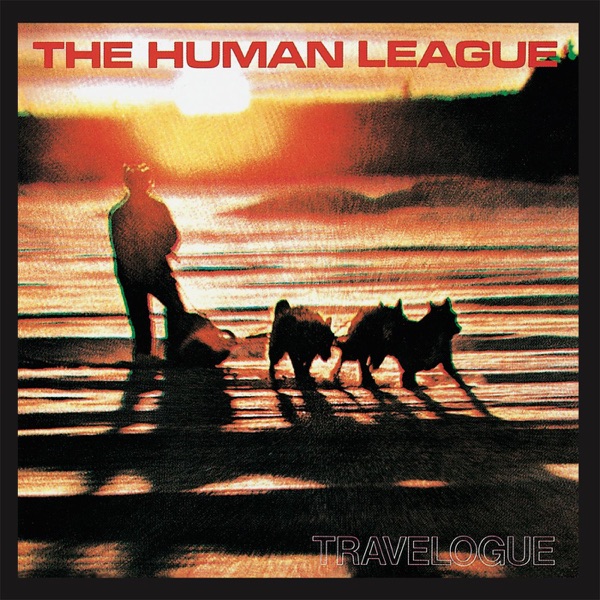
Travelogue
1980 · 17 tracks
- 1 The Black Hit of Space ↗ 4:12
- 2 Only After Dark ↗ 3:51
- 3 Life Kills ↗ 3:08
- 4 Dreams of Leaving ↗ 5:50
- 5 Toyota City ↗ 3:24
- 6 Crow and a Baby ↗ 3:43
- 7 The Touchables ↗ 3:21
- 8 Gordon's Gin ↗ 2:59
- 9 Being Boiled ↗ 4:22
- 10 W.X.J.L. Tonight ↗ 4:40
- 11 Marianne ↗ 3:19
- 12 Dancevision ↗ 2:22
- 13 Rock 'N' Roll / Night Clubbing ↗ 6:24
- 14 Tom Baker ↗ 4:02
- 15 Boys and Girls ↗ 3:15
- 16 I Don't Depend On You ↗ 4:36
- 17 Cruel ↗ 4:41


Hysteria
1984 · 15 tracks
- 1 I'm Coming Back ↗ 4:11
- 2 I Love You Too Much ↗ 3:27
- 3 Rock Me Again and Again and Again and Again and Again and Again (Six Times) ↗ 3:35
- 4 Louise ↗ 5:00
- 5 The Lebanon ↗ 5:05
- 6 Betrayed ↗ 4:06
- 7 The Sign ↗ 3:49
- 8 So Hurt ↗ 3:54
- 9 Life On Your Own ↗ 4:08
- 10 Don't You Know I Want You ↗ 3:14
- 11 Thirteen ↗ 5:03
- 12 The World Tonight ↗ 4:11
- 13 The Lebanon (Extended Version) ↗ 5:56
- 14 Life On Your Own (Extended Version) ↗ 5:48
- 15 The Sign (Extended Version) ↗ 5:15

Crash
1986 · 13 tracks
- 1 Money ↗ 3:54
- 2 Swang ↗ 4:36
- 3 Human ↗ 4:25
- 4 Jam ↗ 4:20
- 5 Are You Ever Coming Back? ↗ 4:54
- 6 I Need Your Loving ↗ 3:43
- 7 Party ↗ 4:29
- 8 Love On the Run ↗ 3:54
- 9 The Real Thing ↗ 4:17
- 10 Love Is All That Matters ↗ 6:10
- 11 Human (Extended Version) ↗ 5:04
- 12 I Need Your Loving (Extended Version) ↗ 7:16
- 13 Love Is All That Matters (Extended Version) ↗ 7:47

Romantic?
1990 · 10 tracks

Secrets
2001 · 16 tracks
- 1 All I Ever Wanted ↗ 3:32
- 2 Nervous ↗ 2:05
- 3 Love Me Madly? ↗ 4:08
- 4 Shameless ↗ 3:56
- 5 122.3 BPM ↗ 1:39
- 6 Never Give Your Heart ↗ 3:48
- 7 Ran ↗ 0:49
- 8 The Snake ↗ 4:25
- 9 Ringinglow ↗ 3:23
- 10 Liar ↗ 3:21
- 11 Lament ↗ 1:12
- 12 Reflections (Demons of the Mind) ↗ 6:38
- 13 Brute ↗ 2:27
- 14 Sin City ↗ 4:24
- 15 Release ↗ 1:58
- 16 You'll Be Sorry ↗ 4:01
-
 TravelogueThe Human League198017 tracks
 -
 DareThe Human League198110 tracks
 -
 HysteriaThe Human League198415 tracks
 -
 CrashThe Human League198613 tracks
 -
 Romantic?The Human League199010 tracks
 -
 OctopusThe Human League19959 tracks
 -
 SecretsThe Human League200116 tracks
Deep Dive
Overview
The Human League are an English synth-pop band formed in Sheffield in 1977 who transformed from experimental electronic experimentalists into one of the 1980s’ most commercially successful acts. Rising to prominence with their third album Dare in 1981, they became synonymous with the glossy, hook-driven synthesizer pop that defined the decade. Their breakthrough single “Don’t You Want Me” reached number one in both the UK and US, cementing their place in popular music history and launching a string of hits that would sustain them across two decades.
Formation Story
The Human League emerged from Sheffield’s electronic underground in 1977, a city better known at the time for steel production than musical innovation. The band began as an experimental electronic outfit, building their sound around synthesizers at a moment when guitar-based rock still dominated popular music. Founding members Philip Oakey and the production team behind the group’s early vision sought to push electronic music into uncharted territory, drawing on the post-punk ethos and the growing availability of affordable synthesizer technology. The early years saw the band develop a distinctive approach to electronic songwriting, rejecting both the instrumental complexity of progressive rock and the minimalism of some synth experimenters in favor of pop sensibility married to electronic texture.
Breakthrough Moment
The Human League’s path to mainstream success crystallized with the release of Dare in 1981, their third studio album and the first to fully harness their commercial potential. The album’s lead single “The Sound of the Crowd” introduced the band to a wider audience, followed by “Love Action” and “Open Your Heart,” each building momentum. The album’s masterstroke came with “Don’t You Want Me,” a meticulously crafted synth-pop single that achieved the rare feat of topping charts on both sides of the Atlantic. The song’s narrative structure, urgent synthesizer hooks, and vocal interplay between Oakey and guest vocalist Phil Oakey created an irresistible blueprint for 1980s pop. Dare became the commercial and critical landmark that transformed The Human League from cult electronic experimenters into mainstream superstars, establishing them as architects of the synth-pop sound that would dominate the decade.
Peak Era
The Human League’s commercial and creative peak spanned the mid-to-late 1980s, beginning immediately after Dare’s success and extending through the release of Crash in 1986. Following their 1982 Brit Award for Best British Breakthrough Act, the band continued mining synth-pop gold with non-album singles “Mirror Man” (1982) and “(Keep Feeling) Fascination” (1983), each showcasing the group’s ability to craft radio-friendly hooks without sacrificing electronic sophistication. Their fourth album, Hysteria (1984), demonstrated their staying power and evolution, producing the hit “The Lebanon” and proving that their success was no one-hit phenomenon. Crash (1986) further consolidated their position, delivering the single “Human” and confirming The Human League as consistent hit-makers. During this period, the band refined their approach to production and arrangement, balancing accessibility with the electronic textures that defined their sound.
Musical Style
The Human League’s sound is built on the foundation of synthesizers and electronic production, distinguishing them from the guitar-driven rock that dominated the 1970s and much of the 1980s. Their musical approach draws from post-punk’s experimental sensibility and new wave’s pop accessibility, creating a hybrid that emphasizes melody and arrangement over instrumental virtuosity. Philip Oakey’s vocals—often treated with studio effects and harmonized with other voices—became a signature element, delivering lyrics with emotional directness despite the technological apparatus surrounding them. The band’s songwriting frequently employs narrative structures and thematic coherence, moving beyond simple love songs to explore urban alienation, human connection, and emotional complexity. Their production techniques, refined over successive albums, layered synthesizer textures with drum machines and electronic percussion, creating a polished sound that was both futuristic and warmly human. This balance between electronic precision and emotional resonance became the template for much of 1980s pop music and influenced countless synth-pop bands that followed.
Major Albums
Reproduction (1979)
The Human League’s debut established their experimental credentials, showcasing electronic textures and post-punk sensibility before the commercial breakthroughs that would follow.
Travelogue (1980)
Their second album continued exploring electronic possibilities while gradually incorporating more conventional song structures, bridging their experimental origins and their eventual pop success.
Dare (1981)
The landmark third album that transformed The Human League into international stars, Dare synthesized their electronic vision with irresistible pop hooks, producing multiple hit singles and defining the sound of 1980s synth-pop.
Hysteria (1984)
This album demonstrated the band’s continued commercial and creative vitality, balancing the accessibility established by Dare with a more mature approach to production and songwriting.
Crash (1986)
Producing the hit “Human,” Crash further proved The Human League’s staying power and their ability to adapt their synth-pop formula across multiple albums without exhausting its possibilities.
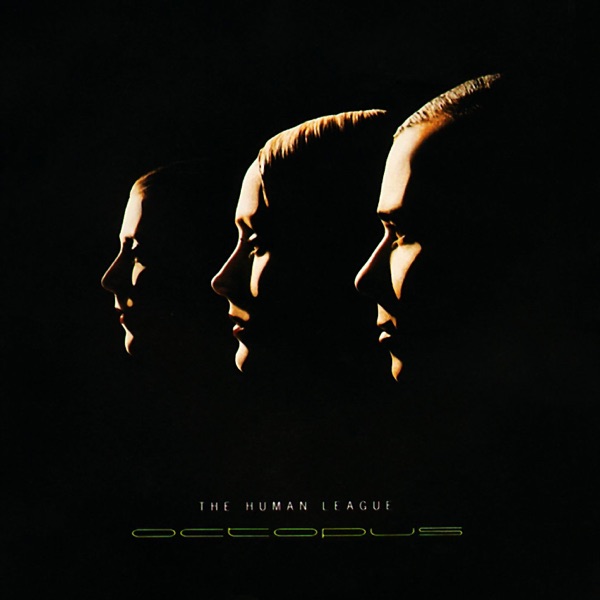
Octopus (1995)
A later-period album featuring the single “Tell Me When,” demonstrating the band’s continued relevance and their willingness to evolve their sound across more than a decade and a half of recording.
Signature Songs
- “Don’t You Want Me” (1981) — The definitive Human League single and arguably the most recognizable synth-pop record of the 1980s, featuring the iconic vocal exchange and indelible synthesizer hook.
- “The Sound of the Crowd” (1981) — The album opener and lead single from Dare, introducing the band’s breakthrough era with its propulsive electronic arrangement and narrative vocal delivery.
- “Love Action” (1981) — A Dare standout that demonstrated the band’s ability to build tension through production and arrangement, creating an irresistible dance-floor presence.
- “(Keep Feeling) Fascination” (1983) — A non-album single showcasing the band’s command of electronic texture and pop sensibility in equal measure.
- “Mirror Man” (1982) — Released as a non-album single, this track solidified The Human League’s hit-making consistency during their peak commercial period.
- “The Lebanon” (1984) — A single from Hysteria that proved the band could sustain their commercial success beyond their initial breakthrough.
- “Human” (1986) — The lead single from Crash, demonstrating the band’s continued ability to craft radio hits while maintaining their electronic identity.
Influence on Rock
The Human League’s influence on rock and pop music extended far beyond their own catalog, establishing a template for synth-pop that countless bands would follow throughout the 1980s and beyond. By proving that synthesizers and electronic production could anchor mainstream pop hits rather than existing at the margins of experimental music, they opened doors for artists working in electronic idioms to achieve genuine commercial success. Their meticulous approach to production and arrangement influenced the production values and sonic ambitions of 1980s pop broadly, from new wave acts to the emerging production-driven approach that would characterize much of the decade’s most successful music. The band’s longevity—maintaining commercial relevance through multiple album cycles—demonstrated that synth-pop was not a novelty phenomenon but a sustainable approach to popular songwriting. Their influence rippled through new wave, synthpop, and electronic music circles, establishing many of the aesthetic and production principles that would define 1980s pop and continue influencing electronic music production into subsequent decades.
Legacy
The Human League’s legacy rests on their transformation of synthesizer-based music from experimental margin to commercial mainstream, a shift that permanently altered popular music’s sonic landscape. Dare remains one of the defining albums of the 1980s, consistently cited alongside other landmark releases of the period and preserved as a touchstone of synth-pop achievement. The band’s continued activity and occasional revival of their hit-making formula ensured their cultural presence extended well beyond their peak commercial period. Their influence is visible in the ongoing appreciation for 1980s synth-pop and in the periodic resurgence of interest in electronic music production techniques and aesthetic values they helped pioneer. The Human League’s songs maintain significant streaming presence and radio play, introducing new generations to their sound and securing their position in the popular music canon. The band’s story—from Sheffield experimental pioneers to international pop stars—remains a defining narrative of how electronic technology and pop sensibility could converge to create music of lasting cultural impact.
Fun Facts
- The band’s formation in Sheffield, traditionally a center of heavy industry rather than musical innovation, made them unlikely candidates for international pop stardom and helped establish the city as an unexpected wellspring of electronic and post-punk creativity.
- Philip Oakey’s distinctive vocal approach on Dare was achieved through layering and studio processing, creating the impression of multiple voices even in ostensibly solo vocal passages.
- The non-album single “Mirror Man” (1982) demonstrated the band’s ability to generate hit singles outside their formal album releases, a common practice in the 1980s pop era.
- The Human League’s incorporation of electronic textures at a moment when punk and post-punk were still dominant forces in rock music positioned them as forward-thinking artists willing to embrace technology despite the era’s skepticism toward synthesizers in mainstream rock.