
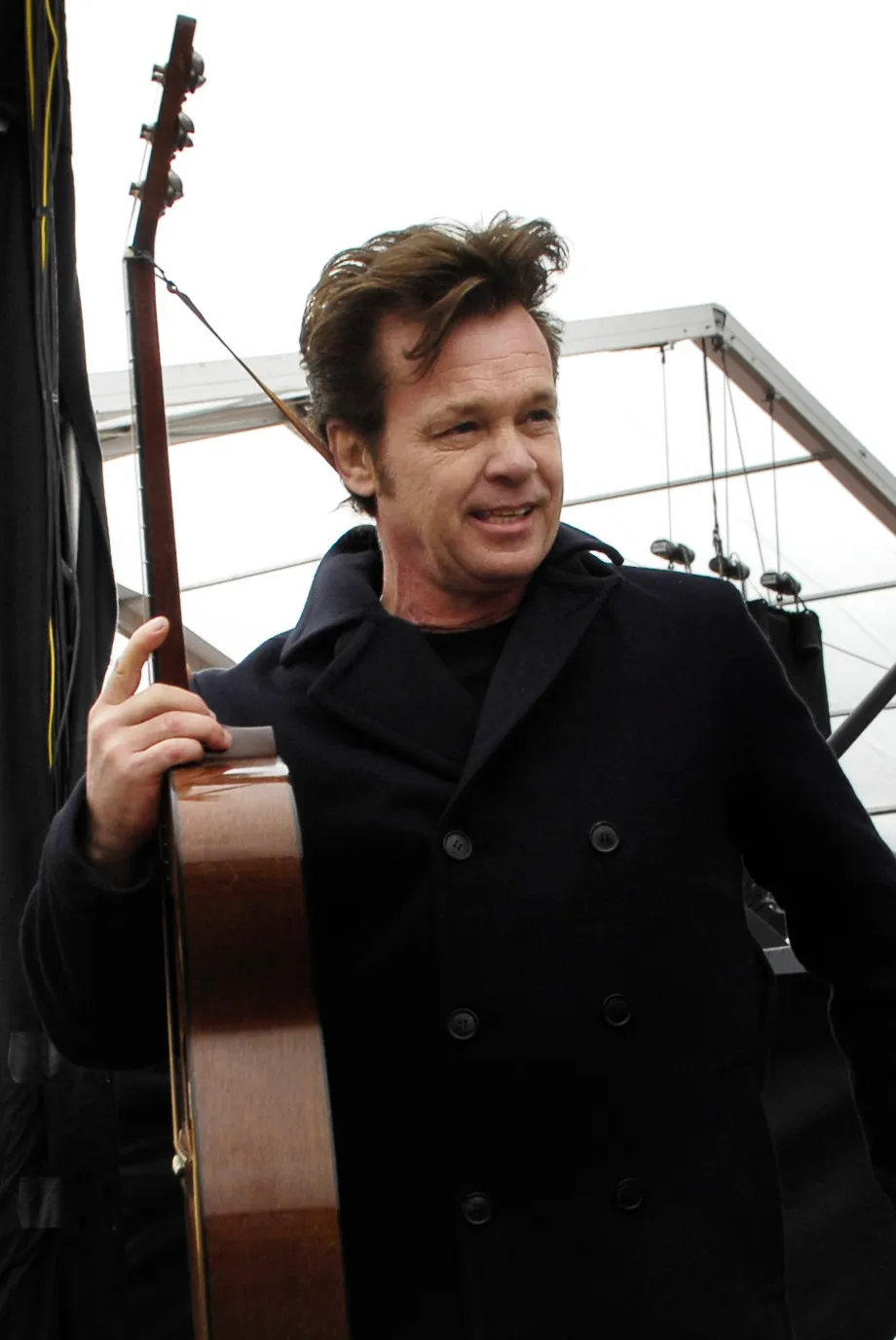
Photo by DoD photo by Staff Sgt. D. Myles Cullen, U.S. Air Force. , licensed under Public domain · Wikimedia Commons
Rank #459
John Mellencamp
From Wikipedia
John J. Mellencamp, previously known as Johnny Cougar, John Cougar, and John Cougar Mellencamp, is an American singer-songwriter. He is known for his brand of heartland rock, which emphasizes traditional instrumentation. He was inducted into the Rock and Roll Hall of Fame in 2008, followed by an induction into the Songwriters Hall of Fame in 2018.
Discography & Previews
Browse through and click an album to open and play 30-second previews streamed from Apple Music.

A Biography
1978 · 11 tracks

John Cougar
1979 · 11 tracks
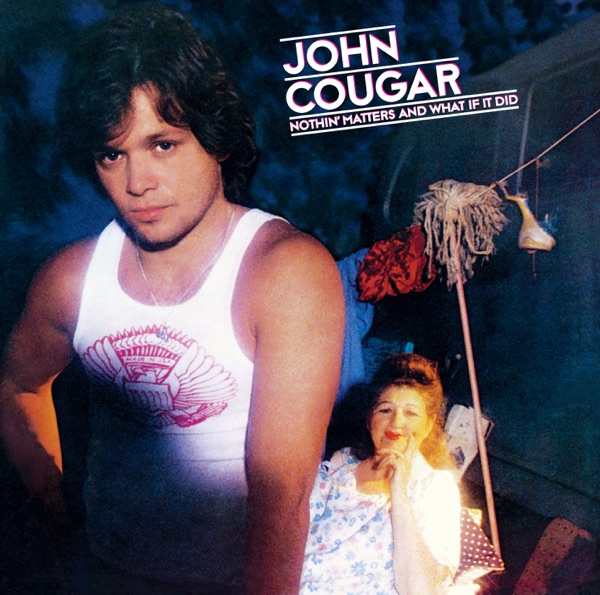
Nothin’ Matters and What If It Did
1980 · 12 tracks
- 1 Hot Night In a Cold Town ↗ 3:48
- 2 Ain't Even Done With the Night ↗ 4:39
- 3 Don't Misunderstand Me ↗ 3:34
- 4 This Time ↗ 4:18
- 5 Make Me Feel ↗ 4:07
- 6 To M.G. (Wherever She May Be) ↗ 4:53
- 7 Tonight ↗ 3:17
- 8 Cry Baby ↗ 0:25
- 9 Wild Angel ↗ 3:14
- 10 Peppermint Twist ↗ 0:29
- 11 Cheap Shot ↗ 3:01
- 12 Latest Game (Bonus Track) ↗ 3:55


Scarecrow
1985 · 13 tracks
- 1 Rain On the Scarecrow ↗ 3:46
- 2 Grandma's Theme ↗ 0:56
- 3 Small Town ↗ 3:42
- 4 Minutes to Memories ↗ 4:11
- 5 Lonely Ol' Night ↗ 3:45
- 6 The Face of the Nation ↗ 3:14
- 7 Justice and Independence '85 ↗ 3:32
- 8 Between a Laugh and a Tear ↗ 4:32
- 9 Rumbleseat ↗ 2:58
- 10 You've Got to Stand for Somethin' ↗ 4:33
- 11 R.O.C.K. in the U.S.A. (A Salute to '60s Rock) ↗ 2:54
- 12 The Kind of Fella I Am ↗ 2:55
- 13 Small Town (Acoustic Version) ↗ 4:11

The Lonesome Jubilee
1987 · 11 tracks
- 1 Paper In Fire ↗ 3:51
- 2 Down and Out In Paradise ↗ 3:37
- 3 Check It Out ↗ 4:19
- 4 The Real Life ↗ 3:58
- 5 Cherry Bomb ↗ 4:47
- 6 We Are the People ↗ 4:17
- 7 Empty Hands ↗ 3:44
- 8 Hard Times for an Honest Man ↗ 3:27
- 9 Hot Dogs and Hamburgers ↗ 4:04
- 10 Rooty Toot Toot ↗ 3:29
- 11 Blues from the Front Porch (Bonus Track) ↗ 1:58
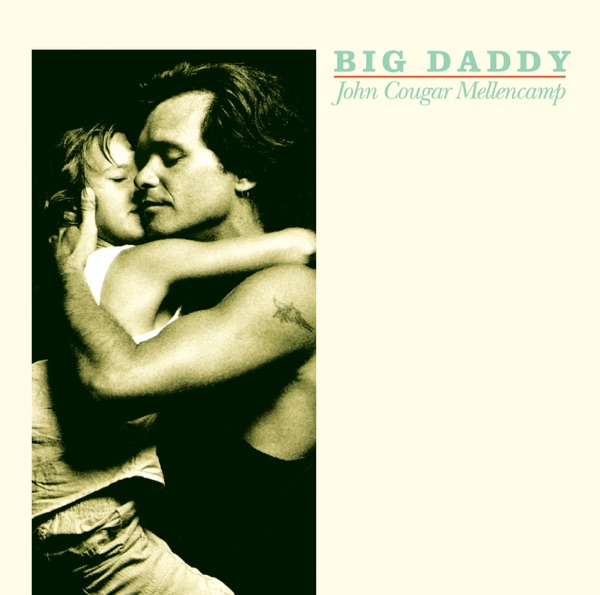
Big Daddy
1989 · 13 tracks
- 1 Big Daddy of Them All ↗ 3:31
- 2 To Live ↗ 3:19
- 3 Martha Say ↗ 3:41
- 4 Theo and Weird Henry ↗ 4:49
- 5 Jackie Brown ↗ 4:03
- 6 Pop Singer ↗ 2:48
- 7 Void In My Heart ↗ 2:30
- 8 Mansions In Heaven ↗ 3:06
- 9 Sometimes a Great Notion ↗ 3:33
- 10 Country Gentleman ↗ 3:17
- 11 J.M.'s Question ↗ 3:41
- 12 Let It All Hang Out (Bonus Track) ↗ 3:11
- 13 Jackie Brown (Acoustic Version) [Bonus Track] ↗ 4:22

Whenever We Wanted
1991 · 11 tracks

Human Wheels
1993 · 11 tracks
- 1 When Jesus Left Birmingham ↗ 5:15
- 2 Junior ↗ 4:09
- 3 Human Wheels ↗ 5:34
- 4 Beige To Beige ↗ 3:52
- 5 Case 795 (The Family) ↗ 5:14
- 6 Suzanne And The Jewels ↗ 3:55
- 7 Sweet Evening Breeze ↗ 4:51
- 8 What If I Came Knocking ↗ 5:07
- 9 French Shoes ↗ 3:43
- 10 To The River ↗ 3:35
- 11 When Jesus Left Birmingham (feat. Sounds of Blackness) [Bonus Track] ↗ 3:56

Dance Naked
1994 · 10 tracks

Mr. Happy Go Lucky
1996 · 13 tracks
- 1 Overture ↗ 1:56
- 2 Jerry ↗ 4:24
- 3 Key West Intermezzo (I Saw You First) ↗ 4:54
- 4 Just Another Day ↗ 3:28
- 5 This May Not Be the End of the World ↗ 5:30
- 6 Emotional Love ↗ 3:20
- 7 Mr. Bellows ↗ 4:26
- 8 The Full Catastrophe ↗ 3:12
- 9 Circling Around the Moon ↗ 5:48
- 10 Large World Turning ↗ 3:54
- 11 Jackamo Road ↗ 1:37
- 12 Life Is Hard ↗ 3:16
- 13 What If I Came Knocking (Bonus Track) ↗ 5:25
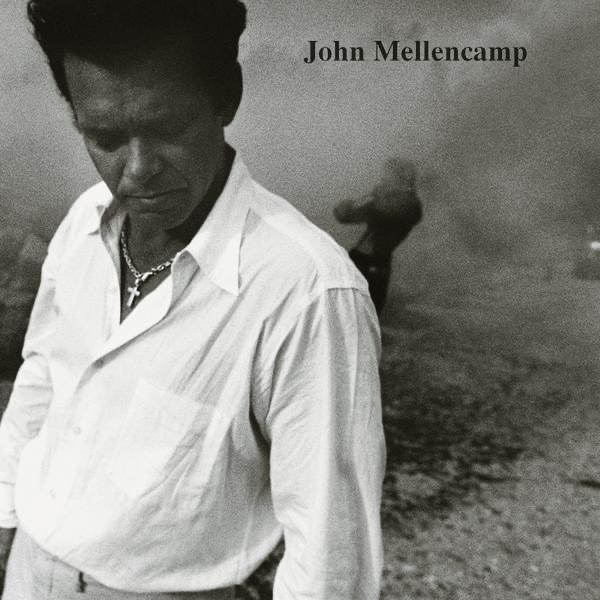
John Mellencamp
1998 · 12 tracks
- 1 Fruit Trader ↗ 3:57
- 2 Your Life Is Now ↗ 3:59
- 3 Positively Crazy ↗ 4:09
- 4 I'm Not Running Anymore ↗ 3:25
- 5 It All Comes True ↗ 3:57
- 6 Eden Is Burning ↗ 3:49
- 7 Where the World Began ↗ 3:29
- 8 Miss Missy ↗ 3:39
- 9 Chance Meeting At the Tarantula ↗ 4:06
- 10 Break Me Off Some ↗ 4:10
- 11 Summer of Love ↗ 4:01
- 12 Days of Farewell ↗ 3:13

Rough Harvest
1999 · 14 tracks
- 1 Love and Happiness ↗ 3:37
- 2 In My Time of Dying ↗ 3:03
- 3 Between a Laugh and a Tear ↗ 2:52
- 4 Human Wheels ↗ 5:15
- 5 Rain On the Scarecrow ↗ 3:19
- 6 Farewell Angelina ↗ 4:35
- 7 Key West Intermezzo (I Saw You First) ↗ 4:33
- 8 Jackie Brown ↗ 3:50
- 9 When Jesus Left Birmingham ↗ 3:35
- 10 The Full Catastrophe ↗ 3:17
- 11 Minutes to Memories ↗ 4:21
- 12 Under the Boardwalk ↗ 3:54
- 13 Wild Night (feat. Meshell Ndegeocello) [Live In Bellmont Mall Studios 1994] ↗ 3:34
- 14 Seventh Son (Bonus Track) ↗ 2:40
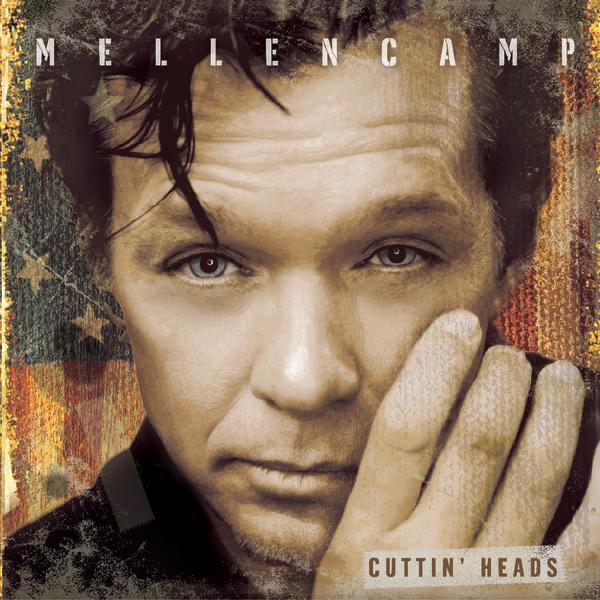

Trouble No More
2003 · 12 tracks
- 1 Stones In My Passway ↗ 3:13
- 2 Death Letter ↗ 6:10
- 3 Johnny Hart ↗ 4:27
- 4 Baltimore Oriole ↗ 3:50
- 5 Teardrops Will Fall ↗ 4:18
- 6 Diamond Joe ↗ 4:34
- 7 The End Of The World ↗ 3:20
- 8 Down In The Bottom ↗ 3:26
- 9 Lafayette ↗ 3:49
- 10 Joliet Bound ↗ 3:30
- 11 John The Revelator ↗ 3:16
- 12 To Washington ↗ 2:38

Freedom's Road
2007 · 11 tracks

Life, Death, Love and Freedom
2008 · 14 tracks
- 1 Longest Days ↗ 3:11
- 2 My Sweet Love ↗ 3:27
- 3 If I Die Sudden ↗ 3:45
- 4 Troubled Land ↗ 3:23
- 5 Young Without Lovers ↗ 2:49
- 6 John Cockers ↗ 3:51
- 7 Don't Need This Body ↗ 3:26
- 8 A Ride Back Home ↗ 3:12
- 9 Without A Shot ↗ 3:39
- 10 Jena ↗ 3:41
- 11 Mean ↗ 2:33
- 12 County Fair ↗ 3:41
- 13 For The Children ↗ 4:35
- 14 A Brand New Song ↗ 3:58

No Better Than This
2010 · 13 tracks
- 1 Save Some Time To Dream ↗ 4:30
- 2 The West End ↗ 3:57
- 3 Right Behind Me ↗ 4:00
- 4 A Graceful Fall ↗ 3:20
- 5 No Better Than This ↗ 3:12
- 6 Thinking About You ↗ 3:28
- 7 Coming Down The Road ↗ 4:45
- 8 No One Cares About Me ↗ 6:11
- 9 Love At First Sight ↗ 4:37
- 10 Don’t Forget About Me ↗ 3:14
- 11 Each Day Of Sorrow ↗ 2:36
- 12 Easter Eve ↗ 6:30
- 13 Clumsy Ol’ World ↗ 3:29

Plain Spoken
2014 · 10 tracks

Sad Clowns & Hillbillies
2017 · 13 tracks
- 1 Mobile Blue ↗ 3:03
- 2 Battle of Angels ↗ 3:58
- 3 Grandview (feat. Martina McBride) ↗ 3:52
- 4 Indigo Sunset (feat. Carlene Carter) ↗ 3:32
- 5 What Kind of Man Am I (feat. Carlene Carter) ↗ 4:10
- 6 All Night Talk Radio ↗ 5:09
- 7 Sugar Hill Mountain (feat. Carlene Carter) ↗ 3:08
- 8 You Are Blind ↗ 3:21
- 9 Damascus Road (feat. Carlene Carter) ↗ 4:16
- 10 Early Bird Cafe ↗ 4:07
- 11 Sad Clowns ↗ 2:42
- 12 My Soul's Got Wings (feat. Carlene Carter) ↗ 2:58
- 13 Easy Target ↗ 2:43
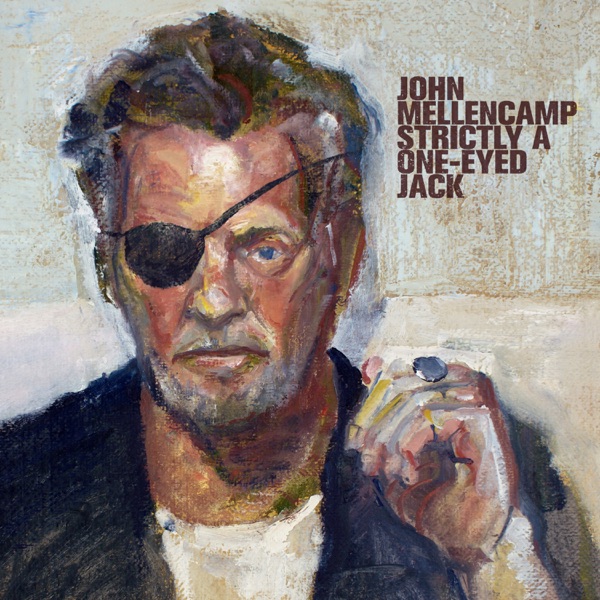
Strictly a One‐Eyed Jack
2022 · 12 tracks
- 1 I Always Lie To Strangers ↗ 3:36
- 2 Driving In The Rain ↗ 3:26
- 3 I Am A Man That Worries ↗ 4:34
- 4 Streets Of Galilee ↗ 2:49
- 5 Sweet Honey Brown ↗ 5:19
- 6 Did You Say Such A Thing ↗ 3:39
- 7 Gone So Soon ↗ 3:31
- 8 Wasted Days ↗ 4:31
- 9 Simply A One-Eyed Jack ↗ 4:42
- 10 Chasing Rainbows ↗ 3:27
- 11 Lie To Me ↗ 3:31
- 12 A Life Full Of Rain ↗ 5:38

Orpheus Descending
2023 · 11 tracks
-
 A BiographyJohn Mellencamp197811 tracks
 -
 John CougarJohn Mellencamp197911 tracks
 -
 Nothin’ Matters and What If It DidJohn Mellencamp198012 tracks
 -
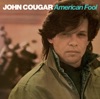 American FoolJohn Mellencamp198210 tracks
 -
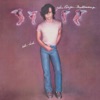 Uh‐HuhJohn Mellencamp198310 tracks
 -
 ScarecrowJohn Mellencamp198513 tracks
 -
 The Lonesome JubileeJohn Mellencamp198711 tracks
 -
 Big DaddyJohn Mellencamp198913 tracks
 -
 Whenever We WantedJohn Mellencamp199111 tracks
 -
 Human WheelsJohn Mellencamp199311 tracks
 -
 Dance NakedJohn Mellencamp199410 tracks
 -
 Mr. Happy Go LuckyJohn Mellencamp199613 tracks
 -
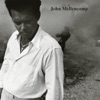 John MellencampJohn Mellencamp199812 tracks
 -
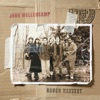 Rough HarvestJohn Mellencamp199914 tracks
 -
 Cuttin’ HeadsJohn Mellencamp200110 tracks
 -
 Trouble No MoreJohn Mellencamp200312 tracks
 -
 Freedom's RoadJohn Mellencamp200711 tracks
 -
 Life, Death, Love and FreedomJohn Mellencamp200814 tracks
 -
 No Better Than ThisJohn Mellencamp201013 tracks
 -
 Plain SpokenJohn Mellencamp201410 tracks
 -
 Sad Clowns & HillbilliesJohn Mellencamp201713 tracks
 -
 Strictly a One‐Eyed JackJohn Mellencamp202212 tracks
 -
 Orpheus DescendingJohn Mellencamp202311 tracks
Deep Dive
Overview
John Mellencamp stands as one of American rock music’s most prolific and artistically restless figures, a singer-songwriter whose career has spanned nearly five decades and produced a body of work rooted in heartland traditions and plain-spoken storytelling. Born in 1951 in Indiana, Mellencamp became the voice of working-class Midwest America, crafting songs that married pop accessibility with rock instrumentation and a deep respect for traditional American music forms. His induction into the Rock and Roll Hall of Fame in 2008, followed by the Songwriters Hall of Fame in 2018, cemented his status as a major force in popular music—a recognition that came only after a long journey marked by false starts, imposed identities, and eventual artistic autonomy.
Formation Story
Mellencamp emerged from the American Midwest during a time when regional identity in rock music was becoming increasingly homogenized by major-label machinery. Born and raised in Indiana, he came of age in a landscape shaped by folk traditions, small-town values, and the working lives of rural and industrial communities. He began writing and performing as a young musician in the 1970s, initially recording under various stage names imposed by record labels seeking a commercial identity that would fit the market. This early period—marked by albums such as Chestnut Street Incident in 1976 and A Biography in 1978—saw Mellencamp struggling to reconcile his authentic voice with the commercial strategies of the music industry. The journey from Johnny Cougar to John Cougar to John Cougar Mellencamp and finally to John Mellencamp reflected not just a fight for his real name, but a broader assertion of artistic control and authenticity.
Breakthrough Moment
Mellencamp’s breakthrough arrived in 1982 with American Fool, an album that marked a turning point in both his commercial fortunes and his artistic confidence. Released on Columbia Records, the album showcased a tighter, more focused approach to songwriting and production, presenting Mellencamp as a mature artist with something genuine to say about American life. The success of American Fool established him as a significant radio presence and gave him the platform and credibility to pursue his own vision. Following this breakthrough, he released Uh-Huh in 1983, consolidating his newfound commercial and critical standing. These albums proved that heartland rock—music built on acoustic guitars, honest lyrics, and a respect for traditional forms—could connect with mainstream audiences without compromise.
Peak Era
The period from 1983 through the early 1990s represented Mellencamp’s creative and commercial zenith. Scarecrow in 1985 demonstrated his growing sophistication as a songwriter and his willingness to address social and personal themes with nuance. The Lonesome Jubilee in 1987 further refined his sound, establishing a template of acoustic-driven rock that would define his mature period. Into the 1990s, albums such as Whenever We Wanted (1991), Human Wheels (1993), and Dance Naked (1994) continued to explore the themes and sonic territories he had staked out: the dignity of ordinary life, the tensions between ambition and authenticity, the textures of Americana. These records sold substantially and maintained his status as a touring force, yet they also revealed an artist more interested in artistic depth than chasing trends or seeking superstardom.
Musical Style
Mellencamp’s signature sound rests on the strategic use of traditional instrumentation—acoustic guitars, harmonica, fiddle, and organ—deployed in service of pop-rock song structures and memorable melodies. His heartland rock idiom draws from folk music, country-rock, and rhythm and blues, but filters these influences through a distinctly Midwestern sensibility. His vocal approach is direct and unpretentious, favoring clarity and emotional directness over technical display; he sings like someone telling a story to a friend rather than performing for an audience. Over his career, his production aesthetic shifted from the cleaner, more radio-friendly sound of his breakthrough years toward a rawer, more organic approach, particularly evident in his work from the 1990s onward. The instrumentation may vary from album to album—he has experimented with different arrangements and collaborators—but the core philosophy remains consistent: deploy enough musicianship to engage the ear, but never let technique overwhelm the song or the human voice at its center.
Major Albums
American Fool (1982)
The album that transformed Mellencamp from a struggling artist into a national presence, American Fool married confident songwriting with radio-ready production and established the template for his mature work.
Scarecrow (1985)
A deepening of his artistic ambitions, Scarecrow demonstrated Mellencamp’s capacity for introspection and social observation, solidifying his status as more than a pop-rock entertainer.
The Lonesome Jubilee (1987)
Refined and confident, this album showcased his evolution toward a more acoustic-centric sound while maintaining broad commercial appeal and emotional resonance.
Human Wheels (1993)
Released during a period of artistic reinvention, Human Wheels displayed his continued commitment to exploring American themes and traditional instrumentation without concession to changing fashions.
No Better Than This (2010)
Recorded in various historic studios across America, this album reflected Mellencamp’s deepening interest in capturing authentic sound and honoring the traditions from which his music draws.
Signature Songs
- “Pink Houses” — A portrait of small-town American life that became his first major radio hit and remains his most recognizable song.
- “Small Town” — An anthem celebrating Midwestern values and community that emerged from Scarecrow and became a staple of heartland identity in rock.
- “Jack & Diane” — A coming-of-age narrative delivered with infectious hooks and harmonica, establishing him as a major pop-rock force.
- “Cherry Bomb” — A youthful energy and innocence captured in a pop-rock framework that showcased his melodic gift.
- “Small Town Girl” — A character-driven narrative demonstrating his skill at storytelling through song.
Influence on Rock
Mellencamp’s influence lies primarily in his revival and sustained commitment to heartland rock at a moment when mainstream rock music was increasingly dominated by synthesizers, big production, and detachment. By insisting on acoustic instruments, traditional song forms, and lyrical content rooted in working-class American experience, he created space for a strain of rock music that honors rather than rejects folk and country traditions. His success proved there was an audience for this kind of music even in the MTV era, paving the way for other artists to pursue authenticity and regional identity without apology. His fight for artistic control—ultimately winning the right to use his real name and make his own creative decisions—also served as a model for subsequent generations of artists negotiating the balance between commercial viability and artistic integrity.
Legacy
Mellencamp’s induction into the Rock and Roll Hall of Fame in 2008 and the Songwriters Hall of Fame in 2018 represent formal recognition of a career built on prolific output and artistic consistency rather than revolutionary innovation. He remains active as a recording artist—Orpheus Descending in 2023 marked his most recent studio release—and continues to tour, maintaining a connection to live performance that has always been central to his artistry. His music has become embedded in American cultural memory, particularly in representations of Midwestern identity and small-town life. The streaming era has allowed his catalog to circulate continuously, ensuring that new listeners discover his work alongside generations who grew up with American Fool and Scarecrow. Beyond music, his longevity and refusal to abandon his core aesthetic in pursuit of chart trends have made him a figure of stability and principle in an industry often defined by ephemerality.
Fun Facts
- Mellencamp fought for years against the stage names imposed upon him by record labels, ultimately reclaiming his birth name and establishing it as his official performing identity.
- His engagement with American cultural traditions extends beyond music; he has pursued painting and visual art throughout his career.
- No Better Than This was recorded in historically significant venues across America, reflecting his deep commitment to honoring the places and traditions that shaped American music.
- He has maintained a notably strong touring presence throughout his career, performing regularly and keeping his connection to live audiences central to his artistic life.