
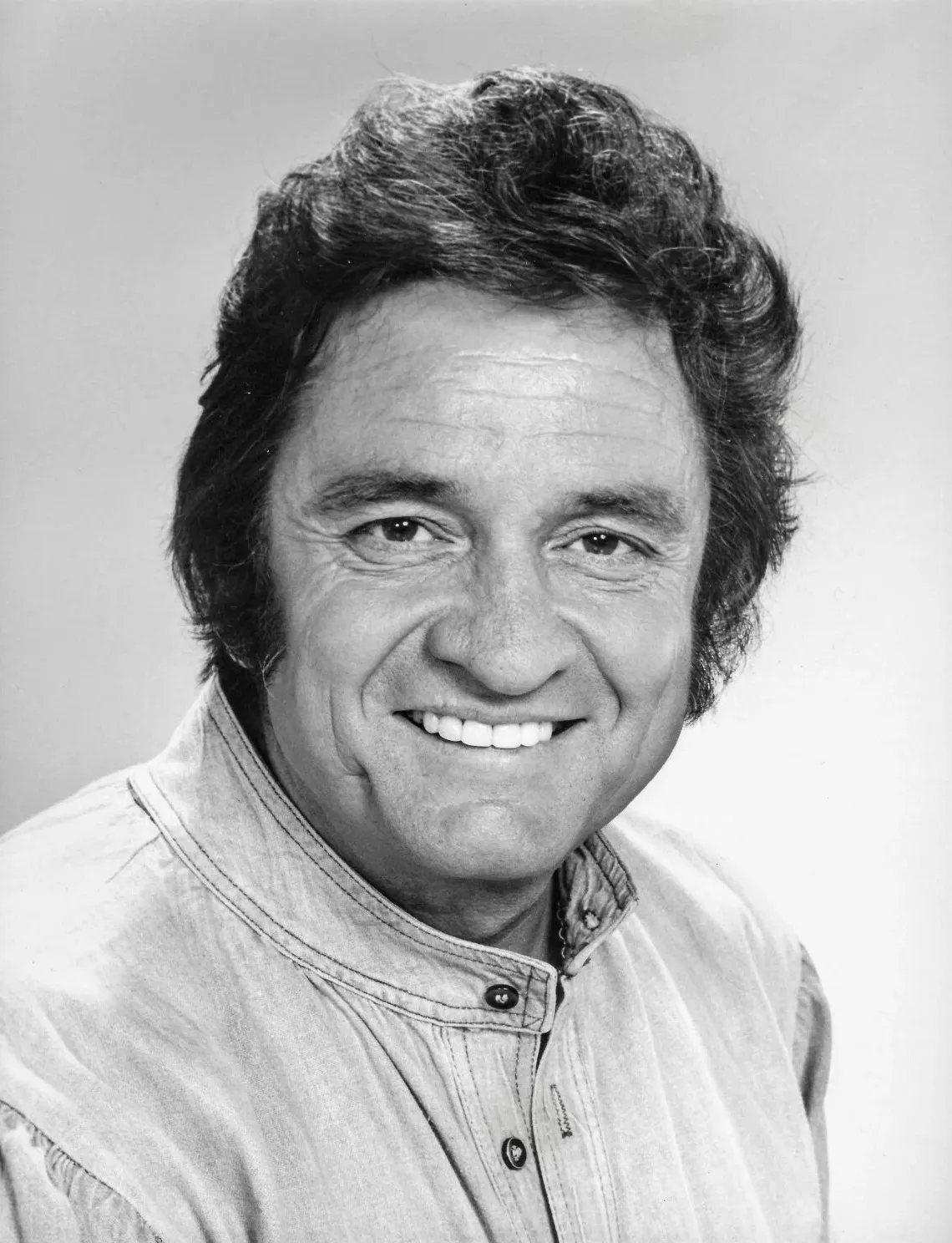
Photo by CBS Television , licensed under Public domain · Wikimedia Commons
Rank #41
Johnny Cash
From Wikipedia
John R. Cash was an American singer-songwriter. Most of his music contains themes of sorrow, moral tribulation, and redemption, especially songs from the later stages of his career. He was known for his deep, calm, bass-baritone voice, the distinctive sound of his backing band, the Tennessee Three, that was characterized by its train-like chugging guitar rhythms, a rebelliousness coupled with an increasingly somber and humble demeanor, and his free prison concerts. Cash wore a trademark all-black stage wardrobe, which earned him the nickname "Man in Black".
Discography & Previews
Browse through and click an album to open and play 30-second previews streamed from Apple Music.
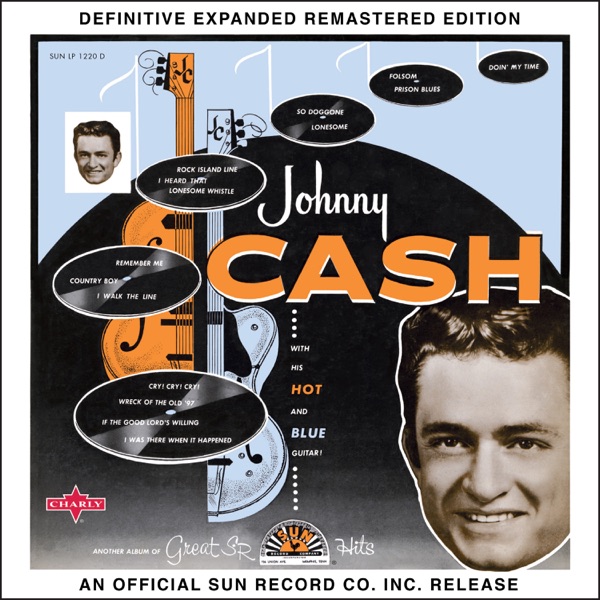
Johnny Cash With His Hot and Blue Guitar
1957 · 16 tracks
- 1 Rock Island Line ↗ 2:08
- 2 I Heard That Lonesome Whistle ↗ 2:22
- 3 Country Boy ↗ 1:50
- 4 If the Good Lord's Willing ↗ 1:40
- 5 Cry! Cry! Cry! ↗ 2:26
- 6 Remember Me (I'm the One Who Loves You) ↗ 1:57
- 7 So Doggone Lonesome ↗ 2:34
- 8 I Was There When It Happened ↗ 2:14
- 9 I Walk the Line ↗ 2:42
- 10 The Wreck of the Old '97 ↗ 1:48
- 11 Folsom Prison Blues ↗ 2:47
- 12 Doin' My Time ↗ 2:36
- 13 Country Boy (Demo, First Recording) ↗ 1:46
- 14 Cry! Cry! Cry! (Extended Take 1) ↗ 3:02
- 15 I Walk the Line (Take 1) ↗ 2:38
- 16 Folsom Prison Blues (Take 2) ↗ 2:32
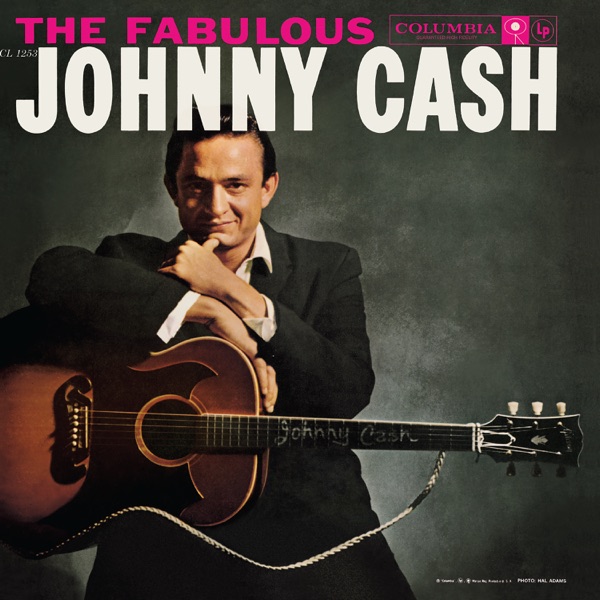
The Fabulous Johnny Cash
1958 · 12 tracks
- 1 Run Softly, Blue River (Mono) ↗ 2:20
- 2 Frankie's Man, Johnny (Mono) ↗ 2:18
- 3 That's All Over (Mono) ↗ 1:55
- 4 The Troubadour (Mono) ↗ 2:16
- 5 One More Ride (Mono) ↗ 2:02
- 6 That's Enough (Mono) ↗ 2:43
- 7 I Still Miss Someone (Mono) ↗ 2:36
- 8 Don't Take Your Guns to Town (Mono) ↗ 3:03
- 9 I'd Rather Die Young (Mono) ↗ 2:32
- 10 Pickin' Time (Mono) ↗ 1:59
- 11 Shepherd of My Heart (Mono) ↗ 2:15
- 12 Suppertime (Mono) ↗ 2:50
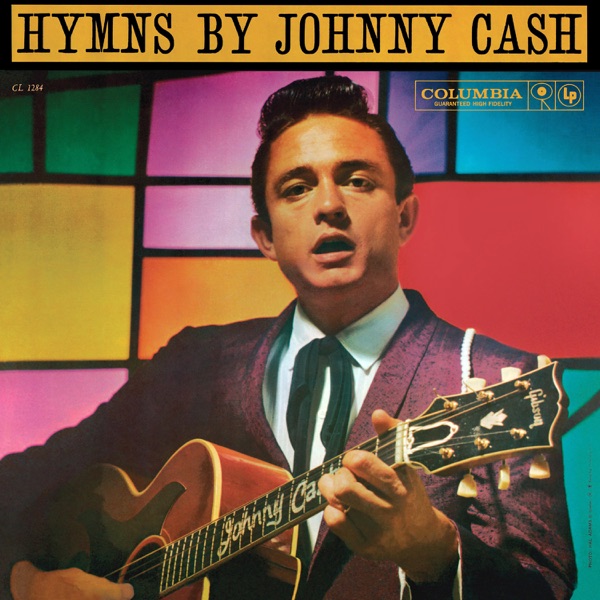
Hymns by Johnny Cash
1959 · 12 tracks
- 1 It Was Jesus (Mono) ↗ 2:05
- 2 I Saw a Man (Mono) ↗ 2:33
- 3 Are All the Children In (Mono) ↗ 1:54
- 4 The Old Account (Mono) ↗ 2:24
- 5 Lead Me Gently Home (Mono) ↗ 2:00
- 6 Swing Low, Sweet Chariot (Mono) ↗ 1:53
- 7 Snow In His Hair (Mono) ↗ 2:20
- 8 Lead Me Father (Mono) ↗ 2:27
- 9 I Call Him (Mono) ↗ 1:46
- 10 These Things Shall Pass (Mono) ↗ 2:16
- 11 He'll Be a Friend (Mono) ↗ 1:57
- 12 God Will (Mono) ↗ 2:19

Songs of Our Soil
1959 · 12 tracks
- 1 Drink to Me (Mono) ↗ 1:56
- 2 Five Feet High and Rising (Mono) ↗ 1:50
- 3 The Man On the Hill (Mono) ↗ 2:11
- 4 Hank and Joe and Me (Mono) ↗ 2:15
- 5 Clementine (Mono) ↗ 2:33
- 6 The Great Speckle Bird (Mono) ↗ 2:11
- 7 I Want to Go Home (Mono) ↗ 2:00
- 8 The Caretaker (Mono) ↗ 2:08
- 9 Old Apache Squaw (Mono) ↗ 1:48
- 10 Don't Step On Mother's Roses (Mono) ↗ 2:35
- 11 My Grandfather's Clock (Mono) ↗ 2:48
- 12 It Could Be You (Instead of Him) [Mono] ↗ 1:50


Now, There Was a Song!
1960 · 12 tracks
- 1 Seasons of My Heart (Mono) ↗ 2:32
- 2 I Feel Better All Over (Mono) ↗ 2:04
- 3 I Couldn't Keep from Crying (Mono) ↗ 2:09
- 4 Time Changes Everything (Mono) ↗ 1:51
- 5 My Shoes Keep Walking Back to You (Mono) ↗ 2:24
- 6 I'd Just Be Fool Enough (To Fall) [Mono] ↗ 2:08
- 7 Transfusion Blues (Mono) ↗ 2:35
- 8 Why Do You Punish Me (For Loving You) [Mono] ↗ 2:20
- 9 I Will Miss You When You Go (Mono) ↗ 2:02
- 10 I'm So Lonesome I Could Cry (Mono) ↗ 2:41
- 11 Just One More (Mono) ↗ 2:14
- 12 Honky-Tonk Girl (Mono) ↗ 1:57

The Lure of the Grand Canyon
1961 · 6 tracks

The Sound of Johnny Cash
1962 · 12 tracks
- 1 Lost On the Desert (Mono) ↗ 1:59
- 2 Accidentally On Purpose (Mono) ↗ 1:54
- 3 In the Jailhouse Now (Mono) ↗ 2:21
- 4 Mr. Lonesome (Mono) ↗ 2:15
- 5 You Won't Have Far to Go (Mono) ↗ 1:49
- 6 In Them Old Cottonfields Back Home (Mono) ↗ 2:33
- 7 Delia's Gone (Mono) ↗ 2:01
- 8 I Forgot More Than You'll Ever Know (Mono) ↗ 2:26
- 9 You Remembered Me (Mono) ↗ 2:04
- 10 I'm Free from the Chain Gang Now (Mono) ↗ 1:50
- 11 Let Me Down Easy (Mono) ↗ 1:46
- 12 Sing It Pretty, Sue (Mono) ↗ 1:58

Hymns From the Heart
1962 · 12 tracks
- 1 He'll Understand and Say Well Done (Mono) ↗ 2:25
- 2 God Must Have My Fortune Laid Away (Mono) ↗ 2:47
- 3 When I've Learned (Mono) ↗ 2:45
- 4 I Got Shoes (Mono) ↗ 1:58
- 5 Let the Lower Lights Be Burning (Mono) ↗ 2:11
- 6 If We Never Meet Again (Mono) ↗ 3:00
- 7 When I Take My Vacation In Heaven (Mono) ↗ 2:23
- 8 When He Reached Down His Hand for Me (Mono) ↗ 2:02
- 9 Taller Than Trees (Mono) ↗ 1:50
- 10 I Won't Have to Cross Jordan Alone (Mono) ↗ 2:56
- 11 My God Is Real (Mono) ↗ 1:57
- 12 These Hands (Mono) ↗ 2:12

Blood, Sweat and Tears
1963 · 9 tracks
- 1 The Legend of John Henry's Hammer (Mono) ↗ 8:26
- 2 Tell Him I'm Gone (with The Carter Family) [Mono] ↗ 3:02
- 3 Another Man Done Gone (Mono) ↗ 2:33
- 4 Busted (with The Carter Family) [Mono] ↗ 2:16
- 5 Casey Jones (Mono) ↗ 3:01
- 6 Nine Pound Hammer (with The Carter Family) [Mono] ↗ 3:15
- 7 Chain Gang (with The Carter Family) [Mono] ↗ 2:40
- 8 Waiting for a Train (Mono) ↗ 2:04
- 9 Roughneck (with The Carter Family) [Mono] ↗ 2:10

All Aboard The Blue Train
1963 · 12 tracks
- 1 Blue Train (feat. The Tennessee Two) ↗ 2:01
- 2 There You Go (feat. The Tennessee Two) ↗ 2:16
- 3 Train of Love (feat. The Tennessee Two) ↗ 2:22
- 4 Goodbye Little Darlin' (feat. The Tennessee Two) ↗ 2:14
- 5 I Heard That Lonesome Whistle (feat. The Tennessee Two) ↗ 2:24
- 6 Come in Stranger (feat. The Tennessee Two) ↗ 1:40
- 7 Rock Island Line (feat. The Tennessee Two) ↗ 2:10
- 8 Give My Love To Rose (feat. The Tennessee Two) ↗ 2:46
- 9 Hey Porter (feat. The Tennessee Two) ↗ 2:14
- 10 Folsom Prison Blues (feat. The Tennessee Two) ↗ 2:49
- 11 The Wreck of the Old 97 (feat. The Tennessee Two) ↗ 1:50
- 12 So Doggone Lonesome (feat. The Tennessee Two) ↗ 2:35

The Christmas Spirit
1963 · 12 tracks
- 1 The Christmas Spirit ↗ 5:01
- 2 I Heard the Bells on Christmas Day ↗ 2:31
- 3 Blue Christmas ↗ 2:25
- 4 The Gifts They Gave ↗ 3:34
- 5 Here Was a Man ↗ 2:44
- 6 Christmas As I Knew It ↗ 3:40
- 7 Silent Night ↗ 3:30
- 8 The Little Drummer Boy ↗ 2:35
- 9 Ringing the Bells for Jim ↗ 2:48
- 10 We Are the Shepherds ↗ 3:13
- 11 Who Kept the Sheep ↗ 1:58
- 12 The Ballad of the Harp Weaver ↗ 4:20
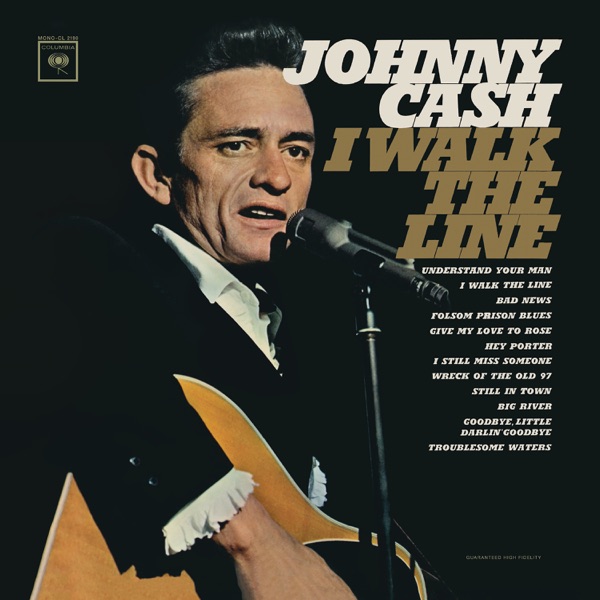
I Walk the Line
1964 · 12 tracks
- 1 I Walk the Line (Mono) ↗ 2:35
- 2 Bad News (Mono) ↗ 2:58
- 3 Folsom Prison Blues (Mono) ↗ 2:36
- 4 Give My Love to Rose (Mono) ↗ 2:22
- 5 Hey Porter (Mono) ↗ 2:20
- 6 I Still Miss Someone (Mono) ↗ 3:09
- 7 Understand Your Man (Mono) ↗ 2:44
- 8 Wreck of the Old '97 (Mono) ↗ 2:48
- 9 Still In Town (Mono) ↗ 2:37
- 10 Big River (Mono) ↗ 2:20
- 11 Goodbye, Little Darlin', Goodbye (Mono) ↗ 2:26
- 12 Troublesome Waters (Mono) ↗ 3:51
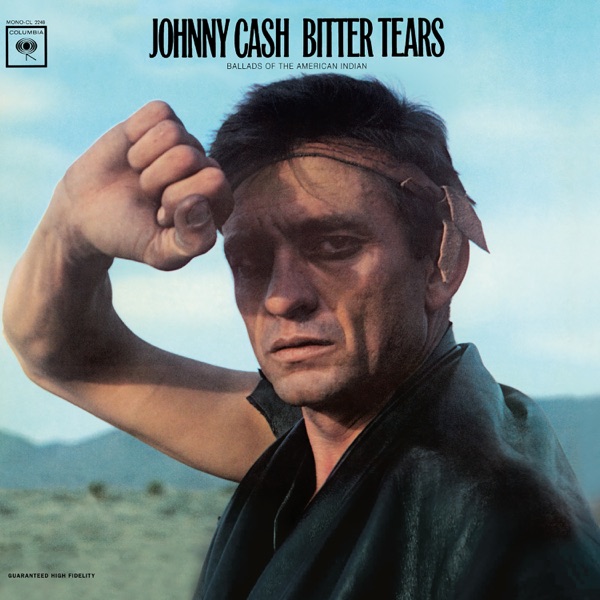
Bitter Tears: Ballads of the American Indian
1964 · 8 tracks

Keep on the Sunny Side
1964 · 12 tracks
- 1 Keep On the Sunny Side (Mono) ↗ 2:27
- 2 The Banks of the Ohio (Mono) ↗ 4:04
- 3 My Clinch Mountain Home (Mono) ↗ 2:55
- 4 Lonesome Valley (Mono) ↗ 2:03
- 5 Worried Man Blues (Mono) ↗ 2:38
- 6 Will the Circle Be Unbroken? (Mono) ↗ 2:42
- 7 The Wabash Cannon Ball (Mono) ↗ 2:31
- 8 Broken-Hearted Lover (Mono) ↗ 2:22
- 9 Brown Eyes (Mono) ↗ 3:24
- 10 I'm Working On a Building (Mono) ↗ 2:40
- 11 Gathering Flowers from the Hillside (Mono) ↗ 2:34
- 12 When the Roses Bloom Again (Mono) ↗ 2:36
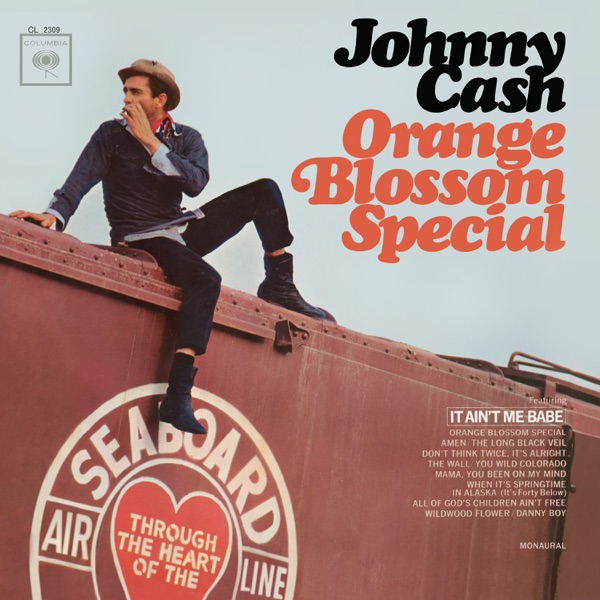
Orange Blossom Special
1965 · 12 tracks
- 1 Orange Blossom Special (Mono) ↗ 3:09
- 2 The Long Black Veil (Mono) ↗ 3:09
- 3 It Ain't Me Babe (Mono) ↗ 3:07
- 4 The Wall (Mono) ↗ 2:13
- 5 Don't Think Twice, It's All Right (Mono) ↗ 3:00
- 6 You Wild Colorado (Mono) ↗ 1:49
- 7 Mama, You Been On My Mind (Mono) ↗ 3:06
- 8 When It's Springtime In Alaska (It's Forty Below) [Mono] ↗ 2:39
- 9 All of God's Children Ain't Free (Mono) ↗ 2:15
- 10 Danny Boy (Mono) ↗ 5:11
- 11 Wildwood Flower (Mono) ↗ 2:14
- 12 Amen (Mono) ↗ 2:06

Everybody Loves a Nut
1966 · 11 tracks
- 1 Everybody Loves a Nut (Mono) ↗ 2:04
- 2 The One On the Right Is On the Left (Mono) ↗ 2:46
- 3 A Cup of Coffee (Mono) ↗ 4:40
- 4 The Bug That Tried to Crawl Around the World (Mono) ↗ 2:53
- 5 The Singing Star's Queen (Mono) ↗ 2:56
- 6 Austin Prison (Mono) ↗ 2:07
- 7 Dirty Old Egg-Sucking Dog (Mono) ↗ 2:06
- 8 Take Me Home (Mono) ↗ 2:38
- 9 Please Don't Play Red River Valley (Mono) ↗ 2:51
- 10 The Boa Constrictor (Mono) ↗ 1:44
- 11 Joe Bean (Mono) ↗ 3:05

Happiness Is You
1966 · 11 tracks
- 1 Happiness Is You (Mono) ↗ 2:58
- 2 Guess Things Happen That Way (Mono) ↗ 1:54
- 3 Ancient History (Mono) ↗ 2:18
- 4 You Comb Her Hair (Mono) ↗ 2:39
- 5 She Came from the Mountains (Mono) ↗ 4:59
- 6 For Lovin' Me (Mono) ↗ 2:36
- 7 No One Will Ever Know (Mono) ↗ 2:24
- 8 Is This My Destiny (Mono) ↗ 2:30
- 9 A Wound Time Can't Erase (Mono) ↗ 2:35
- 10 Happy to Be With You (Mono) ↗ 3:13
- 11 Wabash Cannon Ball (Mono) ↗ 2:40

Carryin’ On With Johnny Cash & June Carter
1967 · 11 tracks
- 1 Long-Legged Guitar Pickin' Man (Mono) ↗ 2:36
- 2 Shantytown (Mono) ↗ 2:20
- 3 It Ain't Me Babe (Mono) ↗ 3:04
- 4 Fast Boat to Sydney (Mono) ↗ 2:29
- 5 Pack Up Your Sorrows (Mono) ↗ 2:28
- 6 I Got a Woman (Mono) ↗ 3:15
- 7 Jackson (Mono) ↗ 2:46
- 8 Oh, What a Good Thing We Had (Mono) ↗ 2:44
- 9 You'll Be All Right (Mono) ↗ 1:47
- 10 No, No, No (Mono) ↗ 1:49
- 11 What'd I Say (Mono) ↗ 2:48

From Sea to Shining Sea
1968 · 12 tracks
- 1 From Sea to Shining Sea (Mono) ↗ 1:37
- 2 The Whirl and the Suck (Mono) ↗ 3:06
- 3 Call Daddy from the Mine (Mono) ↗ 3:02
- 4 The Frozen Four-Hundred-Pound Fair-to-Middlin' Cotton Picker (Mono) ↗ 2:31
- 5 The Walls of a Prison (Mono) ↗ 3:58
- 6 The Masterpiece (Mono) ↗ 2:45
- 7 You and Tennessee (Mono) ↗ 3:07
- 8 Another Song to Sing (Mono) ↗ 1:59
- 9 The Flint Arrowhead (Mono) ↗ 2:53
- 10 Cisco Clifton's Fillin' Station (Mono) ↗ 2:42
- 11 Shrimpin' Sailin' (Mono) ↗ 3:06
- 12 From Sea to Shining Sea (Finale) [Mono] ↗ 0:54

The Holy Land
1969 · 21 tracks
- 1 Prologue ↗ 0:55
- 2 Land of Israel ↗ 2:51
- 3 A Mother's Love (Narrative) ↗ 1:31
- 4 This Is Nazareth ↗ 0:45
- 5 Nazarene ↗ 2:05
- 6 Town of Cana (Narrative) ↗ 1:35
- 7 He Turned the Water Into Wine (with The Carter Family & The Statler Brothers) ↗ 2:48
- 8 My Wife June at Sea of Galilee (Narrative) ↗ 1:32
- 9 Beautiful Words (Narrative) ↗ 1:53
- 10 Our Guide Jacob At Mount Tabor ↗ 1:54
- 11 The Ten Commandments ↗ 4:01
- 12 Daddy Sang Bass ↗ 2:20
- 13 At the Wailing Wall (Narrative) ↗ 0:46
- 14 Come to the Wailing Wall (Narrative) ↗ 2:47
- 15 In Bethlehem (Narrative) ↗ 1:48
- 16 In Garden of Gethsemane (Narrative) ↗ 1:57
- 17 The Fourth Man ↗ 2:08
- 18 On the Via Dolorosa (Narrative) ↗ 3:54
- 19 Church of the Holy Sepulchre (Narrative) ↗ 1:06
- 20 At Calvary (Narrative) ↗ 2:33
- 21 God Is Not Dead ↗ 2:45
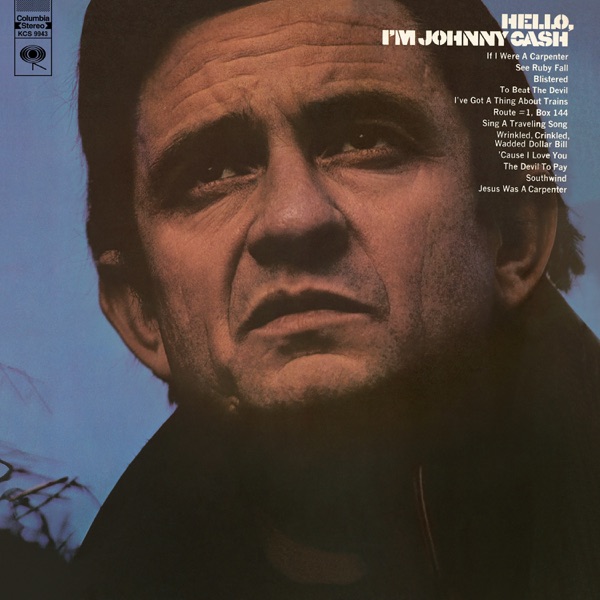
Hello, I’m Johnny Cash
1970 · 12 tracks
- 1 Southwind ↗ 3:16
- 2 The Devil to Pay ↗ 3:28
- 3 'Cause I Love You ↗ 2:33
- 4 See Ruby Fall ↗ 2:51
- 5 Route #1, Box 144 ↗ 2:28
- 6 Sing a Traveling Song ↗ 3:10
- 7 If I Were a Carpenter ↗ 3:01
- 8 To Beat the Devil ↗ 4:19
- 9 Blistered ↗ 2:23
- 10 Wrinkled, Crinkled, Wadded Dollar Bill ↗ 2:31
- 11 I've Got a Thing About Trains ↗ 2:47
- 12 Jesus Was a Carpenter ↗ 3:59

Man in Black
1971 · 10 tracks
- 1 The Preacher Said, "Jesus Said" ↗ 3:41
- 2 Orphan of the Road ↗ 3:39
- 3 You've Got a New Light Shining In Your Eyes ↗ 2:07
- 4 If Not For Love ↗ 3:08
- 5 Man In Black ↗ 2:55
- 6 Singin' In Viet Nam Talkin' Blues ↗ 3:01
- 7 Ned Kelly ↗ 2:20
- 8 Look For Me ↗ 2:23
- 9 Dear Mrs. ↗ 3:46
- 10 I Talk to Jesus Every Day ↗ 2:04


Johnny Cash and His Woman
1973 · 10 tracks

Any Old Wind That Blows
1973 · 11 tracks

The Junkie and the Juicehead Minus Me
1974 · 12 tracks
- 1 The Junkie and the Juicehead (Minus Me) ↗ 2:59
- 2 Don't Take Your Guns to Town ↗ 2:46
- 3 Broken Freedom Song ↗ 2:59
- 4 I Do Believe ↗ 2:29
- 5 Ole Slewfoot ↗ 2:15
- 6 Keep On the Sunny Side ↗ 2:14
- 7 Father and Daughter (Father and Son) ↗ 3:00
- 8 Crystal Chandeliers and Burgundy ↗ 2:22
- 9 Friendly Gates ↗ 2:18
- 10 Billy & Rex & Oral & Bob ↗ 2:24
- 11 Jesus ↗ 2:18
- 12 Lay Back With My Woman ↗ 2:23
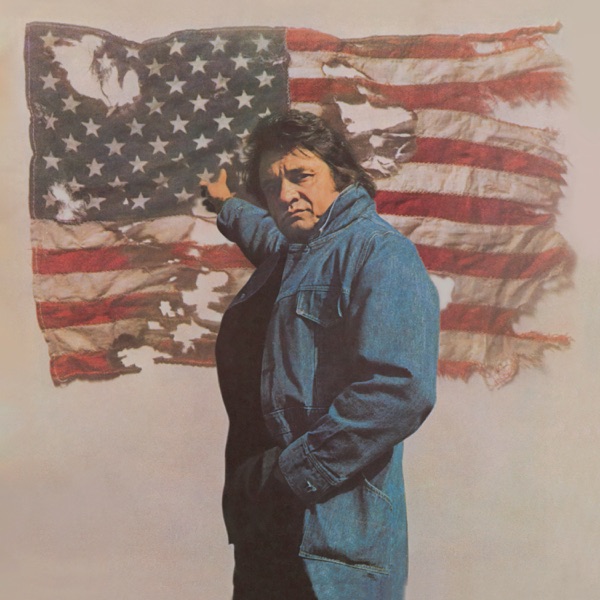
Ragged Old Flag
1974 · 12 tracks
- 1 Ragged Old Flag ↗ 3:07
- 2 Don't Go Near the Water ↗ 2:51
- 3 All I Do Is Drive ↗ 2:10
- 4 Southern Comfort ↗ 2:09
- 5 King Of the Hill ↗ 2:43
- 6 Pie In the Sky ↗ 2:24
- 7 Lonesome To the Bone ↗ 2:41
- 8 While I've Got It On My Mind ↗ 2:18
- 9 Good Morning Friend ↗ 2:04
- 10 I'm a Worried Man ↗ 2:10
- 11 Please Don't Let Me Out ↗ 2:41
- 12 What On Earth Will You Do (For Heaven's Sake) ↗ 2:08

Johnny Cash Sings Precious Memories
1975 · 11 tracks
- 1 Precious Memories ↗ 2:53
- 2 Rock of Ages ↗ 2:20
- 3 The Old Rugged Cross ↗ 2:48
- 4 Softly and Tenderly ↗ 2:48
- 5 In the Sweet By and By ↗ 2:47
- 6 Just As I Am ↗ 3:10
- 7 Farther Along ↗ 3:06
- 8 When the Roll Is Called Up Yonder ↗ 2:05
- 9 Amazing Grace ↗ 2:27
- 10 At the Cross ↗ 2:50
- 11 Have Thine Own Way Lord ↗ 2:52
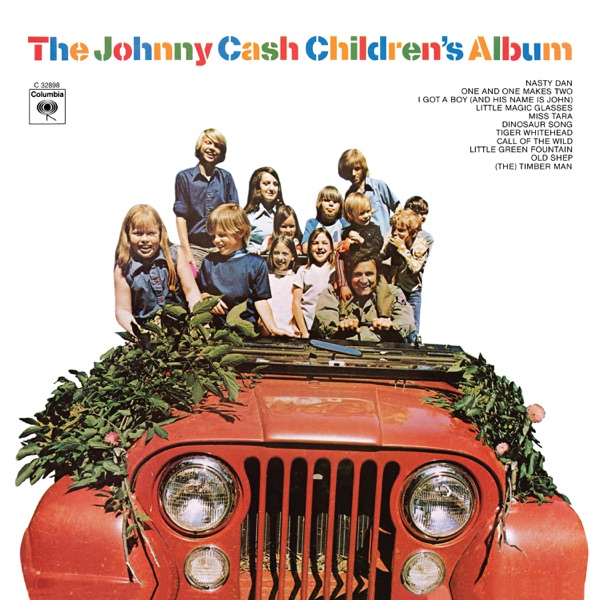
The Johnny Cash Children’s Album
1975 · 11 tracks
- 1 Nasty Dan ↗ 2:08
- 2 One and One Makes Two ↗ 2:24
- 3 I Got a Boy (And His Name Is John) [with June Carter Cash] ↗ 2:55
- 4 Little Magic Glasses ↗ 2:22
- 5 Miss Tara ↗ 2:08
- 6 Dinosaur Song ↗ 1:29
- 7 Tiger Whitehead ↗ 3:14
- 8 Call of the Wild ↗ 2:54
- 9 Little Green Fountain ↗ 1:51
- 10 Old Shep ↗ 2:25
- 11 (The) Timber Man ↗ 2:46
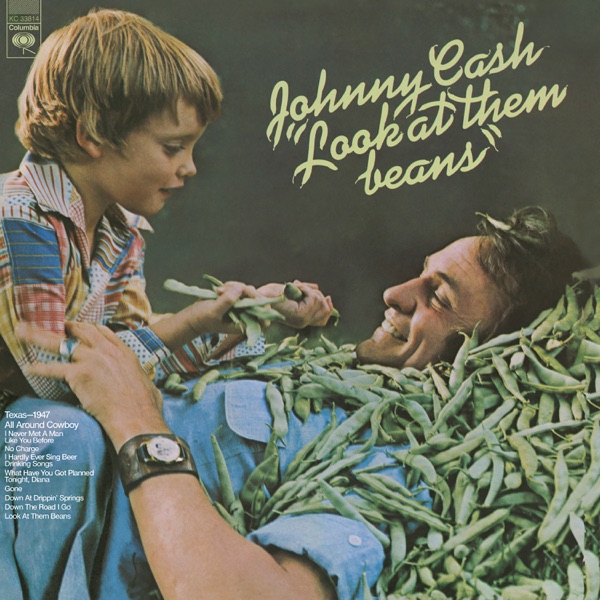
Look at Them Beans
1975 · 10 tracks
- 1 Texas-1947 ↗ 3:12
- 2 What Have You Got Planned Tonight, Diana ↗ 4:01
- 3 Look At Them Beans ↗ 2:57
- 4 No Charge ↗ 3:14
- 5 I Hardly Ever Sing Beer Drinking Songs ↗ 2:38
- 6 Down the Road I Go ↗ 2:24
- 7 I Never Met a Man Like You Before ↗ 3:02
- 8 All Around Cowboy ↗ 2:45
- 9 Gone ↗ 3:41
- 10 Down At Drippin' Springs ↗ 2:16

John R. Cash
1975 · 10 tracks
- 1 My Old Kentucky Home ↗ 2:48
- 2 Hard Times Comin' ↗ 2:40
- 3 The Lady Came From Baltimore ↗ 2:43
- 4 Lonesome to the Bone ↗ 2:34
- 5 The Night They Drove Old Dixie Down ↗ 3:28
- 6 Clean Your Own Tables ↗ 3:37
- 7 Jesus Was Our Saviour (Cotton Was Our King) ↗ 2:49
- 8 Reason to Believe ↗ 2:09
- 9 Cocaine Carolina ↗ 2:40
- 10 Smokey Factory Blues ↗ 3:21
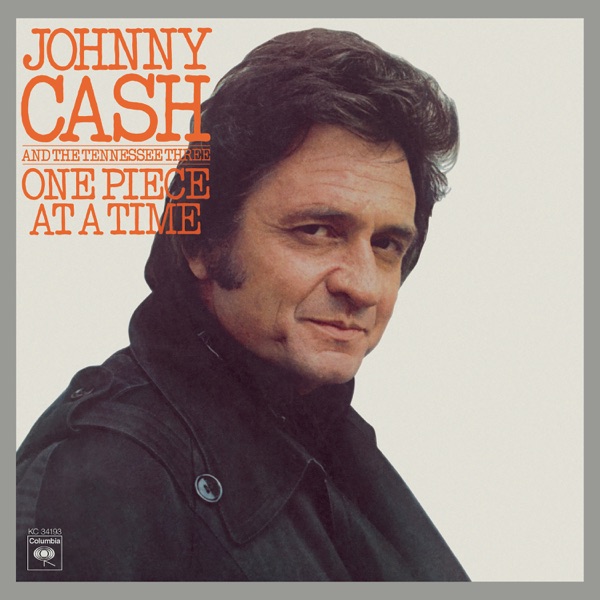
One Piece at a Time
1976 · 10 tracks

The Rambler
1977 · 16 tracks
- 1 Hit the Road and Go ↗ 2:36
- 2 Dialogue #1 ↗ 2:34
- 3 If It Wasn't for the Wabash River ↗ 2:06
- 4 Dialogue #2 ↗ 2:24
- 5 Lady ↗ 2:49
- 6 Dialogue #3 ↗ 2:28
- 7 After the Ball ↗ 2:49
- 8 Dialogue #4 ↗ 2:03
- 9 No Earthly Good ↗ 2:46
- 10 Dialogue #5 ↗ 1:52
- 11 A Wednesday Car ↗ 2:13
- 12 Dialogue #6 ↗ 0:54
- 13 My Cowboy's Last Ride ↗ 2:31
- 14 Dialogue #7 ↗ 2:47
- 15 Calilou ↗ 3:22
- 16 Dialogue #8 ↗ 1:23

The Last Gunfighter Ballad
1977 · 10 tracks
- 1 I Will Dance With You ↗ 3:34
- 2 The Last Gunfighter Ballad ↗ 2:47
- 3 Far Side Banks of Jordan ↗ 2:41
- 4 Ridin' On the Cotton Belt ↗ 3:26
- 5 Give It Away ↗ 2:57
- 6 You're So Close to Me ↗ 2:54
- 7 City Jail ↗ 3:09
- 8 Cindy, I Love You ↗ 2:10
- 9 Ballad of Barbara ↗ 3:48
- 10 That Silver Haired Daddy of Mine ↗ 2:48


I Would Like to See You Again
1978 · 11 tracks
- 1 I Would Like to See You Again ↗ 2:52
- 2 Lately ↗ 1:58
- 3 I Wish I Was Crazy Again ↗ 2:43
- 4 Who's Gene Autry? ↗ 3:50
- 5 Hurt So Bad ↗ 2:34
- 6 I Don't Think I Could Take You Back Again ↗ 2:48
- 7 Abner Brown ↗ 3:37
- 8 After Taxes ↗ 3:01
- 9 There Ain't No Good Chain Gang ↗ 3:16
- 10 That's the Way It Is ↗ 3:00
- 11 I'm Alright Now ↗ 2:40
Silver
1979 · 10 tracks
- 1 The L & N Don't Stop Here Anymore ↗ 3:14
- 2 Lonesome to the Bone ↗ 2:36
- 3 Bull Rider ↗ 3:09
- 4 I'll Say It's True (with George Jones) ↗ 2:47
- 5 (Ghost) Riders In the Sky ↗ 3:45
- 6 Cocaine Blues ↗ 3:18
- 7 Muddy Waters ↗ 3:26
- 8 West Canterbury Subdivision Blues ↗ 3:45
- 9 Lately I Been Leanin' Toward the Blues ↗ 2:33
- 10 I'm Gonna Sit On the Porch and Pick On My Old Guitar ↗ 3:00

Rockabilly Blues
1980 · 10 tracks
- 1 Cold Lonesome Morning ↗ 3:24
- 2 Without Love ↗ 2:29
- 3 W-O-M-A-N ↗ 3:24
- 4 The Cowboy Who Started the Fight ↗ 3:50
- 5 The Twentieth Century Is Almost Over ↗ 3:41
- 6 Rockabilly Blues (Texas 1955) ↗ 3:20
- 7 The Last Time ↗ 3:16
- 8 She's a Go-er ↗ 2:29
- 9 It Ain't Nothing New Babe ↗ 4:04
- 10 One Way Rider (feat. June Carter Cash) ↗ 3:18

Classic Christmas
1980 · 10 tracks
- 1 Joy to the World ↗ 2:06
- 2 Away in a Manger ↗ 3:06
- 3 O Little Town of Bethlehem ↗ 3:27
- 4 Silent Night, Holy Night ↗ 3:01
- 5 It Came Upon a Midnight Clear ↗ 3:39
- 6 Hark the Herald Angels Sing ↗ 2:30
- 7 I Heard the Bells on Christmas Day ↗ 2:20
- 8 O Come All Ye Faithful ↗ 2:57
- 9 Little Gray Donkey ↗ 4:42
- 10 The Christmas Guest ↗ 4:38

The Baron
1981 · 10 tracks

The Adventures of Johnny Cash
1982 · 10 tracks

Johnny 99
1983 · 10 tracks

Rainbow
1985 · 10 tracks
- 1 I'm Leaving Now ↗ 2:17
- 2 Here Comes That Rainbow Again ↗ 2:50
- 3 They're All the Same ↗ 3:09
- 4 Easy Street ↗ 2:46
- 5 Have You Ever Seen the Rain ↗ 2:31
- 6 You Beat All I Ever Saw ↗ 2:56
- 7 Unwed Fathers ↗ 3:13
- 8 Love Me Like You Used To ↗ 2:43
- 9 Casey's Last Ride ↗ 3:19
- 10 Borderline (A Musical Whodunit) ↗ 2:59
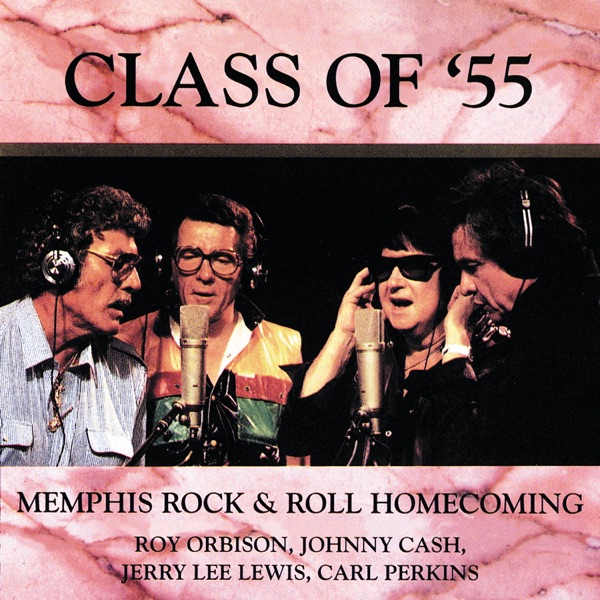
Class of ’55: Memphis Rock & Roll Homecoming
1986 · 10 tracks

Heroes
1986 · 10 tracks
- 1 Folks Out On the Road ↗ 2:47
- 2 I'm Never Gonna Roam Again ↗ 2:55
- 3 American By Birth ↗ 2:32
- 4 Field of Diamonds ↗ 2:35
- 5 Heroes ↗ 4:14
- 6 Even Cowgirls Get the Blues ↗ 3:02
- 7 Love Is the Way ↗ 2:29
- 8 The Ballad of Forty Dollars ↗ 3:07
- 9 I Will Always Love You (In My Own Crazy Way) ↗ 3:58
- 10 One Too Many Mornings ↗ 2:39

Johnny Cash Is Coming to Town
1987 · 10 tracks
- 1 The Big Light ↗ 2:42
- 2 The Ballad Of Barbara ↗ 4:22
- 3 I'd Rather Have You ↗ 3:11
- 4 Let Him Roll ↗ 4:29
- 5 The Night Hank Williams Came To Town (feat. Waylon Jennings) ↗ 3:25
- 6 Sixteen Tons ↗ 2:45
- 7 Letters From Home ↗ 3:20
- 8 W. Lee O'Daniel (And The Light Crust Dough Boys) [feat. The Light Crust Doughboys] ↗ 2:45
- 9 Heavy Metal (Don't Mean Rock And Roll To Me) ↗ 2:49
- 10 My Ship Will Sail ↗ 2:45

Classic Cash: Hall of Fame Series
1988 · 20 tracks
- 1 Get Rhythm (1988 Version) ↗ 2:33
- 2 Tennessee Flat Top Box (1988 Version) ↗ 3:09
- 3 Long Black Veil (1988 Version) ↗ 3:16
- 4 A Thing Called Love (1988 Version) ↗ 2:17
- 5 I Still Miss Someone (1988 Version) ↗ 3:00
- 6 Cry, Cry, Cry (1988 Version) ↗ 2:26
- 7 Blue Train (1988 Version) ↗ 2:05
- 8 Sunday Morning Coming Down (1988 Version) ↗ 3:56
- 9 Five Feet High And Rising (1988 Version) ↗ 1:47
- 10 Peace In The Valley (1988 Version) ↗ 2:56
- 11 Don't Take Your Guns To Town (1988 Version) ↗ 2:58
- 12 Home Of The Blues (1988 Version) ↗ 3:15
- 13 Guess Things Happen That Way (1988 Version) ↗ 1:45
- 14 I Got Stripes (1988 Version) ↗ 2:01
- 15 I Walk The Line (1988 Version) ↗ 2:35
- 16 Ring Of Fire (1988 Version) ↗ 2:45
- 17 Ballad Of Ira Hayes (1988 Version) ↗ 2:53
- 18 The Ways Of A Woman In Love (1988 Version) ↗ 2:38
- 19 Folsom Prison Blues (1988 Version) ↗ 2:47
- 20 Supper Time (1988 Version) ↗ 2:21

Water From the Wells of Home
1988 · 12 tracks
- 1 Ballad Of A Teenage Queen (feat. Rosanne Cash & The Everly Brothers) ↗ 2:48
- 2 As Long As I Live (feat. Jessi Colter, Emmylou Harris, Waylon Jennings & Roy Acuff) ↗ 3:00
- 3 Where Did We Go Right (feat. June Carter & The Carter Family) ↗ 2:57
- 4 The Last Of The Drifters (feat. Tom T. Hall) ↗ 3:20
- 5 Call Me The Breeze (feat. John Carter Cash) ↗ 3:26
- 6 That Old Wheel (feat. Hank Williams, Jr.) ↗ 2:51
- 7 Sweeter Than The Flowers (feat. Jessi Colter, Emmylou Harris & Waylon Jennings) ↗ 2:57
- 8 A Croft In Clachan (The Ballad Of Rob MacDunn) [feat. Glen Campbell] ↗ 4:04
- 9 New Moon Over Jamaica (feat. Paul McCartney, Linda McCartney, June Carter & Tom T. Hall) ↗ 3:13
- 10 Water From The Wells Of Home (feat. John Carter Cash) ↗ 2:59
- 11 Ballad Of A Teenage Queen (feat. Rosanne Cash & The Everly Brothers) [Alternate Mix] ↗ 2:47
- 12 That Old Wheel (feat. Hank Williams, Jr.) [Alternate Mix] ↗ 2:50

Boom Chicka Boom
1989 · 17 tracks
- 1 A Backstage Pass ↗ 3:24
- 2 Cat's in the Cradle ↗ 3:18
- 3 Farmer's Almanac ↗ 3:49
- 4 Don't Go Near The Water ↗ 2:29
- 5 Family Bible ↗ 2:49
- 6 Harley ↗ 4:10
- 7 I Love You Love You ↗ 2:54
- 8 Hidden Shame ↗ 4:00
- 9 Monteagle Mountain ↗ 3:12
- 10 That's One You Owe Me ↗ 3:04
- 11 Veteran's Day ↗ 3:02
- 12 I Shall Be Free ↗ 3:29
- 13 I Draw The Line ↗ 3:29
- 14 A Backstage Pass (Early Version) ↗ 3:22
- 15 Harley (Early Version) ↗ 4:09
- 16 That's One You Owe Me (Early Version) ↗ 3:04
- 17 Veteran's Day (Early Version) ↗ 2:58

The Mystery of Life
1991 · 11 tracks
- 1 The Greatest Cowboy Of Them All ↗ 3:34
- 2 I'm An Easy Rider ↗ 2:37
- 3 The Mystery Of Life ↗ 3:11
- 4 Hey Porter ↗ 2:21
- 5 Beans For Breakfast ↗ 3:18
- 6 Goin' By The Book ↗ 3:20
- 7 Wanted Man ↗ 2:52
- 8 I'll Go Somewhere And Sing My Songs Again (feat. Tom T. Hall) ↗ 3:11
- 9 The Hobo Song ↗ 3:33
- 10 Angel And The Badman ↗ 2:24
- 11 The Wanderer (feat. Johnny Cash) [From “Faraway, So Close!” Soundtrack] ↗ 5:17

American Recordings
1994 · 13 tracks
- 1 Delia's Gone ↗ 2:18
- 2 Let the Train Blow the Whistle ↗ 2:16
- 3 The Beast in Me ↗ 2:46
- 4 Drive On ↗ 2:24
- 5 Why Me Lord ↗ 2:21
- 6 Thirteen ↗ 2:30
- 7 Oh, Bury Me Not (Introduction: A Cowboy's Prayer) ↗ 3:53
- 8 Bird on a Wire ↗ 4:02
- 9 Tennessee Stud ↗ 2:55
- 10 Down There By the Train ↗ 5:35
- 11 Redemption ↗ 3:04
- 12 Like a Soldier ↗ 2:50
- 13 The Man Who Couldn't Cry ↗ 5:01
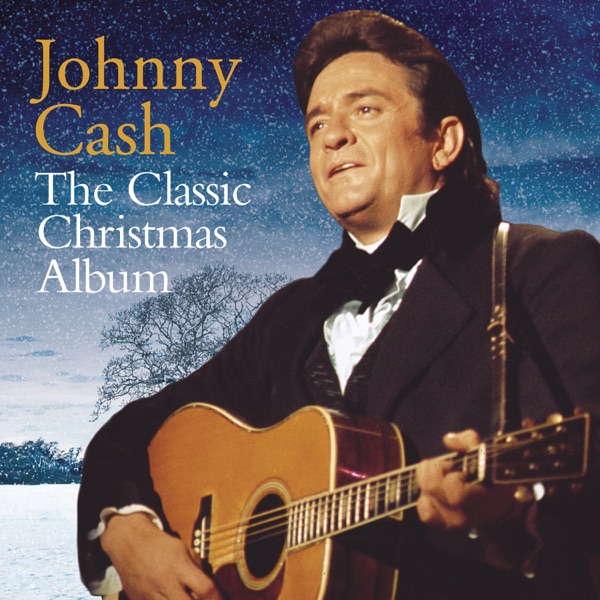
Christmas Album
1996 · 16 tracks
- 1 Christmas as I Knew It ↗ 2:48
- 2 Christmas Time's a-Comin' ↗ 2:14
- 3 That Christmasy Feeling ↗ 2:14
- 4 Christmas with You ↗ 2:06
- 5 Blue Christmas ↗ 2:22
- 6 The Little Drummer Boy ↗ 2:34
- 7 The Gifts They Gave ↗ 3:32
- 8 King of Love ↗ 2:42
- 9 Merry Christmas Mary ↗ 1:56
- 10 I Heard the Bells On Christmas Day ↗ 2:29
- 11 Joy to the World ↗ 2:06
- 12 It Came Upon a Midnight Clear ↗ 3:39
- 13 Ringing the Bells for Jim ↗ 2:45
- 14 The Christmas Guest ↗ 4:38
- 15 The Christmas Spirit ↗ 5:00
- 16 Silent Night ↗ 2:02

Unchained
1996 · 14 tracks
- 1 Rowboat ↗ 3:44
- 2 Sea of Heartbreak ↗ 2:43
- 3 Rusty Cage ↗ 2:49
- 4 The One Rose (That's Left In My Heart) ↗ 2:26
- 5 Country Boy ↗ 2:31
- 6 Memories Are Made of This ↗ 2:19
- 7 Spiritual ↗ 5:07
- 8 The Kneeling Drunkard's Plea ↗ 2:31
- 9 Southern Accents ↗ 4:41
- 10 Mean Eyed Cat ↗ 2:32
- 11 Meet Me In Heaven ↗ 3:22
- 12 I Never Picked Cotton ↗ 2:39
- 13 Unchained ↗ 2:52
- 14 I've Been Everywhere ↗ 3:18


American III: Solitary Man
2000 · 14 tracks
- 1 I Won't Back Down ↗ 2:08
- 2 Solitary Man ↗ 2:24
- 3 That Lucky Old Sun (Just Rolls Around Heaven All Day) ↗ 2:34
- 4 One ↗ 3:52
- 5 Nobody ↗ 3:13
- 6 I See a Darkness ↗ 3:42
- 7 The Mercy Seat ↗ 4:34
- 8 Would You Lay With Me (In a Field of Stone) ↗ 2:40
- 9 Field of Diamonds ↗ 3:15
- 10 Before My Time ↗ 2:54
- 11 Country Trash ↗ 1:47
- 12 Mary of the Wild Moor ↗ 2:31
- 13 I'm Leavin' Now ↗ 3:06
- 14 Wayfaring Stranger ↗ 3:20

American IV: The Man Comes Around
2002 · 15 tracks
- 1 The Man Comes Around ↗ 4:27
- 2 Hurt ↗ 3:37
- 3 Give My Love to Rose ↗ 3:27
- 4 Bridge Over Troubled Water ↗ 3:55
- 5 I Hung My Head ↗ 3:53
- 6 First Time Ever I Saw Your Face ↗ 3:52
- 7 Personal Jesus ↗ 3:19
- 8 In My Life ↗ 2:57
- 9 Sam Hall ↗ 2:39
- 10 Danny Boy ↗ 3:19
- 11 Desperado ↗ 3:13
- 12 I'm So Lonesome I Could Cry ↗ 3:03
- 13 Tear Stained Letter ↗ 3:39
- 14 Streets of Laredo ↗ 3:33
- 15 We'll Meet Again ↗ 2:59
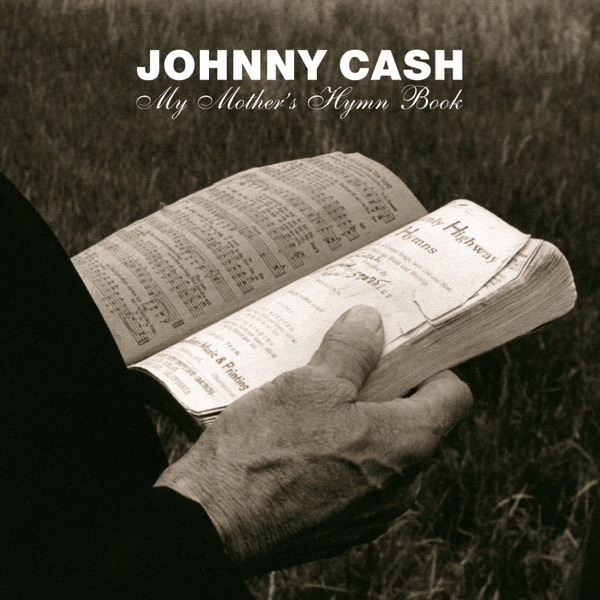
My Mother’s Hymn Book
2004 · 15 tracks
- 1 Where We'll Never Grow Old ↗ 3:30
- 2 I Shall Not Be Moved ↗ 2:40
- 3 I Am a Pilgrim ↗ 2:27
- 4 Do Lord ↗ 2:12
- 5 When the Roll Is Called Up Yonder ↗ 1:36
- 6 If We Never Meet Again This Side of Heaven ↗ 2:29
- 7 I'll Fly Away ↗ 1:53
- 8 Where the Soul of Man Never Dies ↗ 2:14
- 9 Let the Lower Lights Be Burning ↗ 3:14
- 10 When He Reached Down ↗ 2:14
- 11 In the Sweet By and By ↗ 2:25
- 12 I'm Bound for the Promised Land ↗ 2:14
- 13 In the Garden ↗ 3:16
- 14 Softly and Tenderly ↗ 3:16
- 15 Just As I Am ↗ 2:38
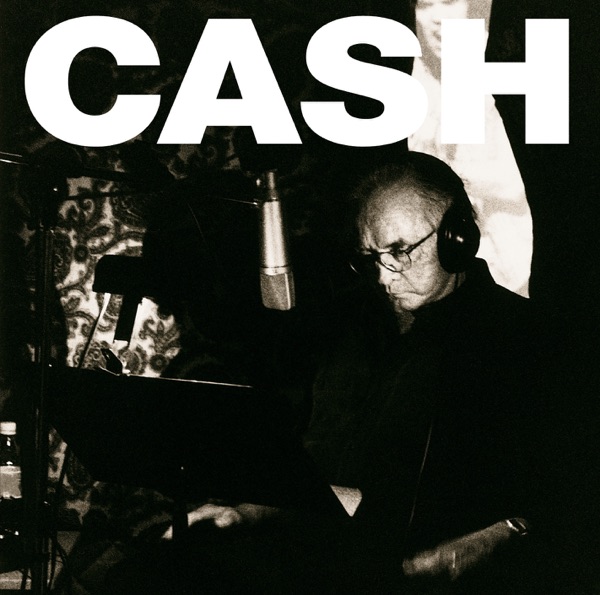
American V: A Hundred Highways
2006 · 12 tracks
- 1 Help Me ↗ 2:51
- 2 God's Gonna Cut You Down ↗ 2:39
- 3 Like The 309 ↗ 4:34
- 4 If You Could Read My Mind ↗ 4:30
- 5 Further On Up the Road ↗ 3:25
- 6 On the Evening Train ↗ 4:17
- 7 I Came To Believe ↗ 3:45
- 8 Love's Been Good To Me ↗ 3:18
- 9 A Legend In My Time ↗ 2:37
- 10 Rose of My Heart ↗ 3:18
- 11 Four Strong Winds ↗ 4:35
- 12 I'm Free From the Chain Gang Now ↗ 3:01
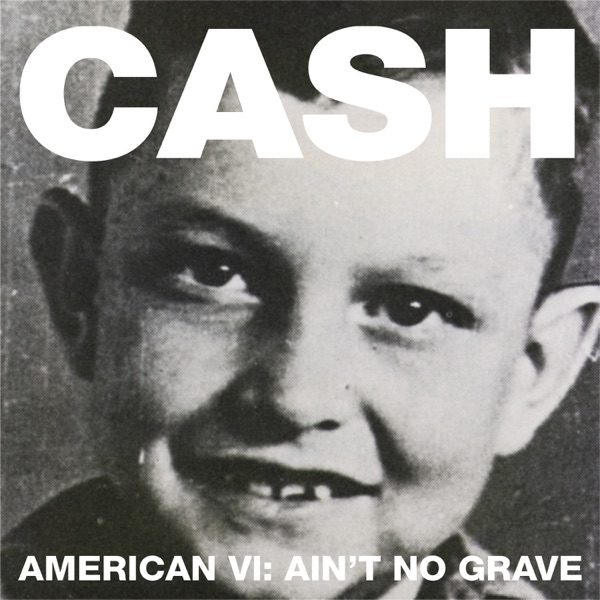
American VI: Ain’t No Grave
2010 · 10 tracks
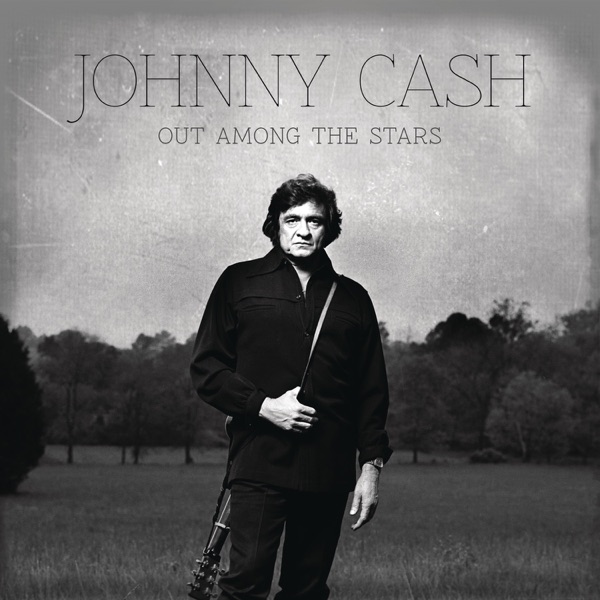
Out Among the Stars
2014 · 13 tracks
- 1 Out Among the Stars ↗ 3:02
- 2 Baby Ride Easy (with June Carter Cash) ↗ 2:43
- 3 She Used to Love Me a Lot ↗ 3:11
- 4 After All ↗ 2:50
- 5 I'm Movin' On (with Waylon Jennings) ↗ 3:09
- 6 If I Told You Who It Was ↗ 3:05
- 7 Call Your Mother ↗ 3:18
- 8 I Drove Her Out of My Mind ↗ 3:01
- 9 Tennessee ↗ 3:27
- 10 Rock and Roll Shoes ↗ 2:42
- 11 Don't You Think It's Come Our Time (with June Carter Cash) ↗ 2:17
- 12 I Came to Believe ↗ 3:29
- 13 She Used to Love Me a Lot (The JC/EC Version) ↗ 3:23

Johnny Cash and the Royal Philharmonic Orchestra
2020 · 12 tracks
- 1 Man In Black (with The Royal Philharmonic Orchestra) ↗ 3:19
- 2 Galway Bay (with The Royal Philharmonic Orchestra) ↗ 3:02
- 3 Girl from the North Country (with The Royal Philharmonic Orchestra) ↗ 4:45
- 4 I Came to Believe (with The Royal Philharmonic Orchestra) ↗ 3:43
- 5 A Thing Called Love (with The Royal Philharmonic Orchestra) ↗ 2:34
- 6 The Loving Gift (with The Royal Philharmonic Orchestra) ↗ 2:25
- 7 I Walk the Line (with The Royal Philharmonic Orchestra) ↗ 3:10
- 8 Farther Along (feat. Duane Eddy) [with The Royal Philharmonic Orchestra] ↗ 3:56
- 9 Flesh and Blood (with The Royal Philharmonic Orchestra) ↗ 2:27
- 10 The Gambler (with The Royal Philharmonic Orchestra) ↗ 3:42
- 11 Ring of Fire (with The Royal Philharmonic Orchestra) ↗ 2:46
- 12 The Highway Man (with The Royal Philharmonic Orchestra) ↗ 3:24
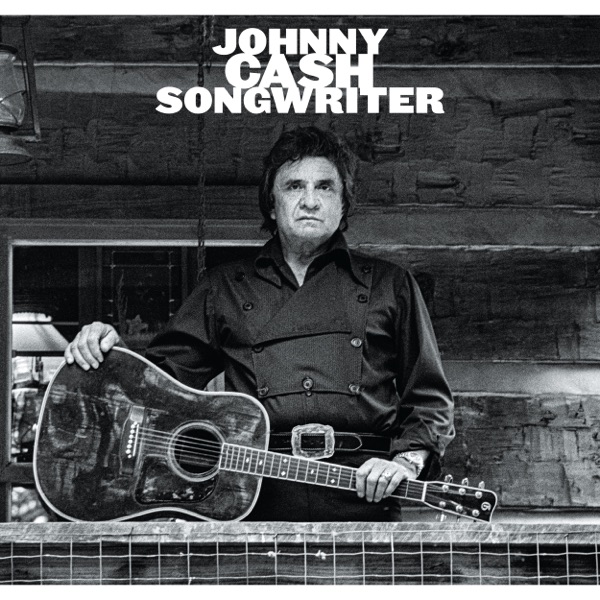
Songwriter
2024 · 11 tracks
- 1 Hello Out There ↗ 3:03
- 2 Spotlight (feat. Dan Auerbach) ↗ 2:47
- 3 Drive On ↗ 3:21
- 4 I Love You Tonite ↗ 3:20
- 5 Have You Ever Been To Little Rock? ↗ 2:43
- 6 Well Alright ↗ 2:12
- 7 She Sang "Sweet Baby James" ↗ 3:20
- 8 Poor Valley Girl ↗ 2:16
- 9 Soldier Boy ↗ 2:49
- 10 Sing It Pretty Sue ↗ 2:17
- 11 Like A Soldier ↗ 2:45
-
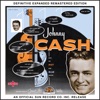 Johnny Cash With His Hot and Blue GuitarJohnny Cash195716 tracks
 -
 The Fabulous Johnny CashJohnny Cash195812 tracks
 -
 Hymns by Johnny CashJohnny Cash195912 tracks
 -
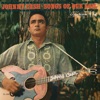 Songs of Our SoilJohnny Cash195912 tracks
 -
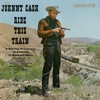 Ride This TrainJohnny Cash19608 tracks
 -
 Now, There Was a Song!Johnny Cash196012 tracks
 -
 The Lure of the Grand CanyonJohnny Cash19616 tracks
 -
 The Sound of Johnny CashJohnny Cash196212 tracks
 -
 Hymns From the HeartJohnny Cash196212 tracks
 -
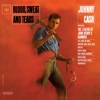 Blood, Sweat and TearsJohnny Cash19639 tracks
 -
 All Aboard The Blue TrainJohnny Cash196312 tracks
 -
 The Christmas SpiritJohnny Cash196312 tracks
 -
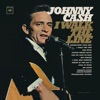 I Walk the LineJohnny Cash196412 tracks
 -
 Bitter Tears: Ballads of the American IndianJohnny Cash19648 tracks
 -
 Keep on the Sunny SideJohnny Cash196412 tracks
 -
 Orange Blossom SpecialJohnny Cash196512 tracks
 -
 Everybody Loves a NutJohnny Cash196611 tracks
 -
 Happiness Is YouJohnny Cash196611 tracks
 -
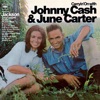 Carryin’ On With Johnny Cash & June CarterJohnny Cash196711 tracks
 -
 From Sea to Shining SeaJohnny Cash196812 tracks
 -
 The Holy LandJohnny Cash196921 tracks
 -
 Hello, I’m Johnny CashJohnny Cash197012 tracks
 -
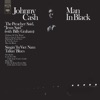 Man in BlackJohnny Cash197110 tracks
 -
 A Thing Called LoveJohnny Cash197210 tracks
 -
 Johnny Cash and His WomanJohnny Cash197310 tracks
 -
 Any Old Wind That BlowsJohnny Cash197311 tracks
 -
 The Junkie and the Juicehead Minus MeJohnny Cash197412 tracks
 -
 Ragged Old FlagJohnny Cash197412 tracks
 -
 Johnny Cash Sings Precious MemoriesJohnny Cash197511 tracks
 -
 The Johnny Cash Children’s AlbumJohnny Cash197511 tracks
 -
 Look at Them BeansJohnny Cash197510 tracks
 -
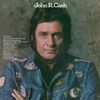 John R. CashJohnny Cash197510 tracks
 -
 One Piece at a TimeJohnny Cash197610 tracks
 -
 The RamblerJohnny Cash197716 tracks
 -
 The Last Gunfighter BalladJohnny Cash197710 tracks
 -
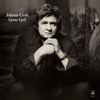 Gone GirlJohnny Cash197810 tracks
 -
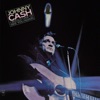 I Would Like to See You AgainJohnny Cash197811 tracks
 -
 SilverJohnny Cash197910 tracks
 -
 Rockabilly BluesJohnny Cash198010 tracks
 -
 Classic ChristmasJohnny Cash198010 tracks
 -
 The BaronJohnny Cash198110 tracks
 -
 The Adventures of Johnny CashJohnny Cash198210 tracks
 -
 Johnny 99Johnny Cash198310 tracks
 -
 RainbowJohnny Cash198510 tracks
 -
 Class of ’55: Memphis Rock & Roll HomecomingJohnny Cash198610 tracks
 -
 HeroesJohnny Cash198610 tracks
 -
 Johnny Cash Is Coming to TownJohnny Cash198710 tracks
 -
 Classic Cash: Hall of Fame SeriesJohnny Cash198820 tracks
 -
 Water From the Wells of HomeJohnny Cash198812 tracks
 -
 Boom Chicka BoomJohnny Cash198917 tracks
 -
 The Mystery of LifeJohnny Cash199111 tracks
 -
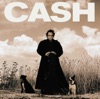 American RecordingsJohnny Cash199413 tracks
 -
 Christmas AlbumJohnny Cash199616 tracks
 -
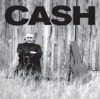 UnchainedJohnny Cash199614 tracks
 -
 Blue TrainJohnny Cash199610 tracks
 -
 American III: Solitary ManJohnny Cash200014 tracks
 -
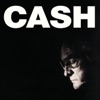 American IV: The Man Comes AroundJohnny Cash200215 tracks
 -
 My Mother’s Hymn BookJohnny Cash200415 tracks
 -
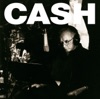 American V: A Hundred HighwaysJohnny Cash200612 tracks
 -
 American VI: Ain’t No GraveJohnny Cash201010 tracks
 -
 Out Among the StarsJohnny Cash201413 tracks
 -
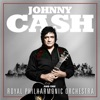 Johnny Cash and the Royal Philharmonic OrchestraJohnny Cash202012 tracks
 -
 SongwriterJohnny Cash202411 tracks
Deep Dive
Overview
Johnny Cash was an American singer-songwriter whose career spanned from the 1950s through the early 2000s, making him one of the most enduring figures in American music. Born John R. Cash in 1932, he became known for his deep, calm bass-baritone voice and a body of work saturated with themes of sorrow, moral tribulation, and redemption. More than any other artist of his era, Cash bridged rockabilly, country, folk, blues, and rock and roll, refusing easy categorization while maintaining an uncompromising artistic vision. His trademark all-black stage wardrobe earned him the nickname “the Man in Black,” a visual identity that became as iconic as his voice itself.
Formation Story
Cash emerged from the American South in the 1950s, a period when country music and rock and roll were beginning to coalesce. His early recordings arrived during the same era that produced Elvis Presley and Carl Perkins, but Cash carved a distinct path. He developed his backing band, the Tennessee Three, whose train-like chugging guitar rhythms became as recognizable as his vocal timbre. The Tennessee Three’s stripped-down arrangement—guitar, bass, and drums working in tight unison—gave Cash’s early records a propulsive, percussive energy that set them apart from both mainstream country and early rock and roll. This sound, combined with Cash’s storytelling gifts and his refusal to adopt the polished crooning common to country radio of the time, established him as a figure willing to embrace both rural tradition and modern restlessness.
Breakthrough Moment
Cash’s initial success came swiftly. His earliest albums, including Johnny Cash With His Hot and Blue Guitar (1957) and The Fabulous Johnny Cash (1958), introduced his signature sound to national audiences. Throughout the late 1950s and early 1960s, he released a steady stream of records that established him as a chart presence, moving between Columbia Records and other labels while experimenting with concept albums and diverse material. The album I Walk the Line (1964), which bore the title of one of his most enduring songs, crystallized his artistic identity and commercial appeal. Around the same time, his ballad albums and narrative song cycles like Bitter Tears: Ballads of the American Indian (1964) demonstrated that Cash was interested in using country music as a vehicle for social commentary and historical reflection.
Peak Era
Cash’s most significant creative and commercial peak occurred in the late 1960s and early 1970s. The 1970 album Hello, I’m Johnny Cash marked a turning point toward introspection and artistic renewal. Man in Black (1971) became his defining statement—both as an album title and as a consolidation of his public persona. Throughout the 1970s, Cash continued to record albums that reflected his spiritual concerns, his identification with outsiders and the dispossessed, and his deepening exploration of American history and mythology. Albums like Ragged Old Flag (1974) and The Last Gunfighter Ballad (1977) showed an artist in full command of his voice and his thematic preoccupations. This era also saw him perform benefit concerts for prisoners, deepening his connection to incarcerated populations and establishing his free prison concerts as a defining aspect of his public work.
Musical Style
Cash’s musical identity cannot be reduced to a single genre. His early recordings drew from rockabilly and rhythm and blues, evident in the percussive drive of the Tennessee Three and the rhythmic drive of his vocal delivery. Yet he was equally at home with folk balladry, gospel, and traditional country narrative. His voice—a deep, resonant bass-baritone that conveyed both vulnerability and authority—became the through-line connecting these disparate influences. Lyrically, Cash favored direct storytelling, often drawing on historical subjects, biblical themes, and accounts of hardship and moral struggle. His songwriting and song choices reflected a restless intelligence; he moved between spirituals, outlaw narratives, love songs, and social commentary without seeking commercial calculation. The production of his records typically emphasized clarity and simplicity: the Tennessee Three’s chugging rhythm, a lead guitar line, and Cash’s voice up front, creating an aesthetic that valued directness over arrangement complexity.
Major Albums
The Fabulous Johnny Cash (1958)
Established Cash’s signature sound and vocal authority, showcasing the Tennessee Three’s driving rhythms and his gift for both uptempo rockabilly and slower, deeply felt ballads.
I Walk the Line (1964)
Consolidated his artistic identity around the title track and other narrative-driven songs, demonstrating his ability to sustain listener attention across thematically unified material.
Man in Black (1971)
A career statement that embraced his public persona and deepened his exploration of social outsiders, redemption, and spiritual struggle; marked the beginning of his most creatively vital phase.
American Recordings (1994)
A late-career collaboration that stripped his music back to voice and acoustic guitar, introducing Cash to a new generation and demonstrating the enduring power of his songwriting and vocal instrument.
American IV: The Man Comes Around (2002)
Released in the final years of his life, this album featured Cash reinterpreting songs across genres and a haunting cover of Nine Inch Nails’ “Hurt,” showing an artist still capable of emotional depth and artistic relevance.
Signature Songs
- “I Walk the Line” — An uncompromising declaration of fidelity wrapped in a propulsive rhythm that became Cash’s most recognizable song and a staple of American popular culture.
- “Folsom Prison Blues” — A first-person narrative of incarceration that became synonymous with Cash’s advocacy for prisoners and his willingness to sing from the perspective of society’s cast-offs.
- “Ring of Fire” — An uptempo love song co-written with June Carter Cash, showcasing Cash’s ability to deliver joy and celebration alongside his darker material.
- “Man in Black” — A statement of solidarity with the poor and dispossessed, transforming his stage wardrobe into a political and moral statement.
- “Cocaine Blues” — An early rockabilly narrative of crime and consequence that demonstrated Cash’s talent for dramatic storytelling over driving rhythm.
Influence on Rock
Cash’s influence on rock music extended far beyond country. His refusal to accept genre boundaries, his embrace of outlaw personas and social critique, and his unflinching artistic integrity made him a touchstone for rock musicians across generations. His prison concerts and his identification with marginalized populations established a template for artist activism that influenced rock musicians who sought to use their platforms for social ends. The sparse, direct production aesthetic of his later work—particularly the American Recordings series—anticipated and influenced the stripped-down approaches adopted by alt-country and Americana artists in the 1990s and 2000s. His legacy of tackling serious social and spiritual themes through vernacular song forms shaped how subsequent generations of rock and country artists approached their own narrative and thematic ambitions.
Legacy
Cash’s death in 2003 ended a career that had spanned over five decades and influenced multiple generations of musicians. The American Recordings series, particularly the final installments released posthumously, secured his place in the cultural memory as an artist whose voice and vision never diminished, even as his health declined. His later reinterpretation of contemporary songs demonstrated that Cash remained artistically relevant and willing to engage with new material, a quality that has sustained his streaming presence and cultural currency well into the 21st century. The release of posthumous collections and archival albums—including American V: A Hundred Highways (2006) and American VI: Ain’t No Grave (2010)—ensured that his catalog continued to reach listeners. His influence traces through contemporary country, folk, and rock music, and his identification with prisoners and social outsiders remains a defining aspect of his legacy.
Fun Facts
- Cash recorded concept albums exploring American history, including Johnny Cash Sings the Ballads of the True West (1965) and America: A 200-Year Salute in Story and Song (1972), demonstrating his ambition to use country music as a vehicle for historical narrative.
- His collaboration with June Carter Cash, documented in albums like Carryin’ On With Johnny Cash & June Carter (1967), was both a professional partnership and a personal relationship that became central to his life and work.
- Cash’s 1980 album Rockabilly Blues revisited the musical idiom of his youth, proving that his connection to rockabilly remained vital even as his career had evolved across multiple decades and genres.
- The album Class of ‘55: Memphis Rock & Roll Homecoming (1986) reunited Cash with other pioneers of rockabilly and early rock and roll, acknowledging his place within that founding generation of American rock music.