
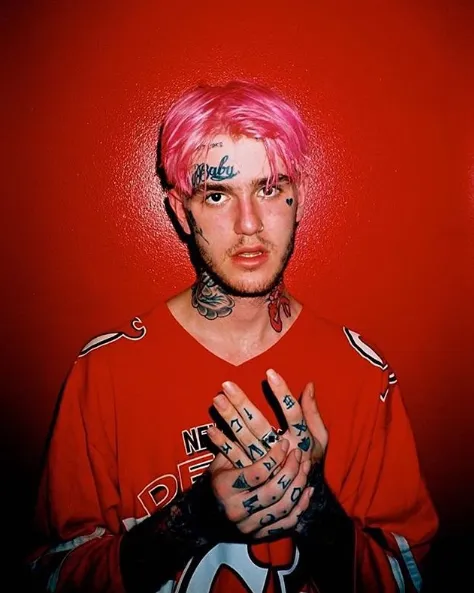
Photo by Photograph: Miller Rodríguez ( Pretty Puke ) , licensed under CC BY-SA 3.0 · Wikimedia Commons
Rank #399
Lil Peep
From Wikipedia
Gustav Elijah Åhr, known professionally as Lil Peep, was an American rapper and singer-songwriter. He was a member of the hip-hop collective GothBoiClique, and is credited as being a leading figure of the emo rap sub-genre, and an inspiration in alternative youth subcultures.
Discography & Previews
Browse through and click an album to open and play 30-second previews streamed from Apple Music.
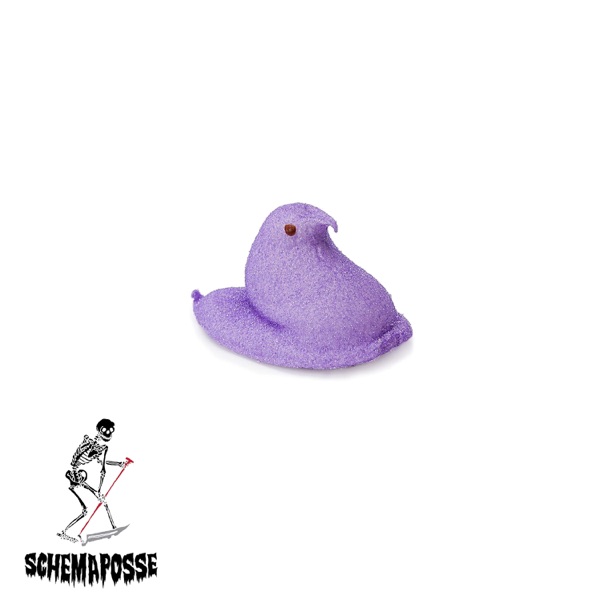


HELLBOY
2016 · 16 tracks
- 1 hellboy ↗ 2:57
- 2 drive by (feat. Xavier Wulf) ↗ 2:55
- 3 OMFG ↗ 3:18
- 4 the song they played (when i crashed into the wall) [feat. Lil Tracy] ↗ 2:15
- 5 f****d up ↗ 2:36
- 6 cobain (feat. Lil Tracy) ↗ 2:30
- 7 gucci mane ↗ 2:18
- 8 interlude ↗ 3:20
- 9 worlds away ↗ 2:07
- 10 red drop shawty (feat. KirbLaGoop) ↗ 2:45
- 11 girls (feat. Horsehead) ↗ 4:00
- 12 nose ring ↗ 2:50
- 13 we think too much ↗ 3:19
- 14 the last thing i wanna do ↗ 2:27
- 15 walk away as the door slams (feat. Lil Tracy) ↗ 2:41
- 16 move on, be strong ↗ 2:02

Crybaby
2016 · 10 tracks

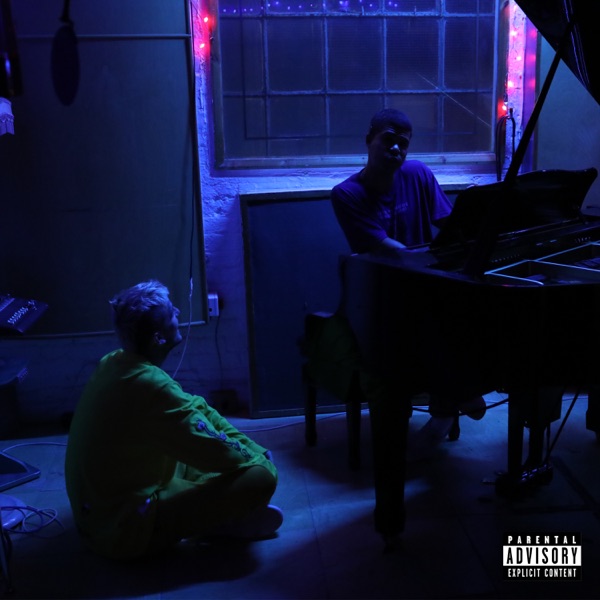
DIAMONDS
2023 · 21 tracks
- 1 Smokin' ↗ 4:14
- 2 IDGAF 2 ↗ 3:09
- 3 Favorite Drug ↗ 3:55
- 4 Hypnotized ↗ 3:45
- 5 Ballin' ↗ 2:30
- 6 Really Loving You ↗ 2:50
- 7 November ↗ 2:35
- 8 Guiltiness ↗ 3:06
- 9 Prove My Love ↗ 4:30
- 10 Sidelines ↗ 2:08
- 11 I've Been Waiting (OG Version) ↗ 4:34
- 12 Rent To Pay ↗ 3:46
- 13 I Sell Cocaine ↗ 4:10
- 14 That Juice ↗ 2:46
- 15 Twisted ↗ 2:37
- 16 Nasty Names ↗ 4:25
- 17 Kiss Me ↗ 3:48
- 18 Cry Baby 2 ↗ 3:26
- 19 Hocus Pocus ↗ 3:00
- 20 Cruise With You ↗ 3:24
- 21 Diamond Piano Freestyle (Outro) ↗ 12:52

absolute in doubt
— · 1 track
- 1 absolute in doubt (feat. Wicca Phase Springs Eternal) ↗ 3:47
-
 LiL PEEP; PART ONELil Peep201511 tracks
 -
 LIVE FOREVERLil Peep20151 track
 -
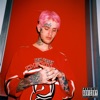 HELLBOYLil Peep201616 tracks
 -
 CrybabyLil Peep201610 tracks
 -
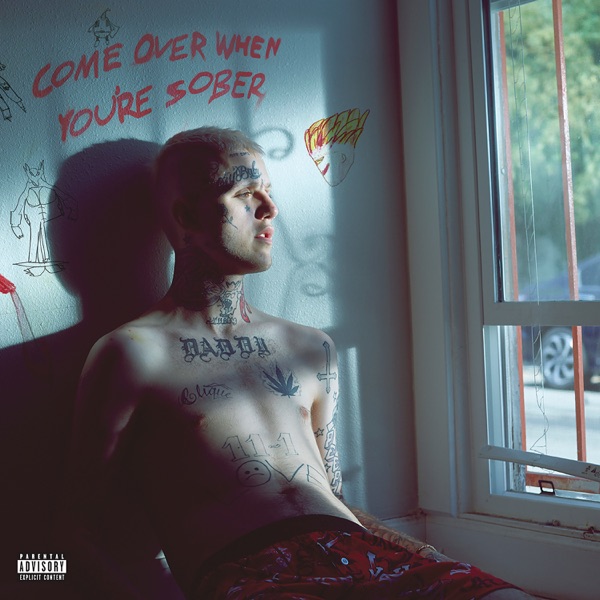
 Come Over When You’re Sober, Pt. 1Lil Peep20177 tracks
 -
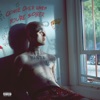 Come Over When You’re Sober, Pt. 2Lil Peep201811 tracks
 -
 DIAMONDSLil Peep202321 tracks
 -
 absolute in doubtLil Peep—1 track
Deep Dive
Overview
Gustav Elijah Åhr, known professionally as Lil Peep, was an American rapper and singer-songwriter who emerged as a defining figure in emo rap during the mid-2010s. Though his career spanned only a handful of years before his death in 2017, Lil Peep reshaped the boundaries between rap, rock, and alternative music at a moment when those genres were converging among younger audiences. He synthesized lo-fi production, pop-punk sensibilities, trap beats, and emotionally unguarded lyricism into a sound that felt both deeply personal and immediately recognizable—a musical identity that would outlive him and influence an entire generation of artists.
Formation Story
Lil Peep grew up navigating the digital underground of online music communities and social media. He emerged from and became a central figure in GothBoiClique, a loose hip-hop collective that rejected mainstream rap’s conventional aesthetics and lyrical swagger in favor of melancholic, introspective material. Rather than following the established pathway of mixtape releases leading to major-label deals, Lil Peep built his following through SoundCloud, Spotify, and Instagram—platforms that allowed him to bypass traditional gatekeeping and reach listeners directly. His early releases, including LiL PEEP; PART ONE and LIVE FOREVER (both 2015), came out rapidly and cheaply produced, a strategy that capitalized on streaming’s economics and the speed of online fan culture.
Breakthrough Moment
Lil Peep’s transition from cult underground figure to broader cultural presence accelerated through HELLBOY (2016) and Crybaby (2016), albums that refined his signature approach while maintaining the lo-fi aesthetic that made him distinctive. These projects circulated heavily on SoundCloud and Spotify, where his visual and sonic brand—combining goth imagery, rock-influenced melodies, and rap flows—resonated powerfully with listeners aged 13–25. By 2016, he had cultivated a devoted fanbase through consistent releases and social media presence, though mainstream recognition remained limited. The release of Come Over When You’re Sober, Pt. 1 in 2017 marked a shift toward more polished production and wider distribution, positioning him on the cusp of mainstream breakthrough when his life was cut short.
Peak Era
Lil Peep’s most creatively fertile and culturally visible period was 2015–2017, when he released a succession of albums that established the sonic and thematic blueprint for emo rap. HELLBOY and Crybaby represented the apex of his creative output within the underground context, blending trap-influenced beats with melodic hooks, rock-inflected guitar work, and vocals that shifted between rapped verses and sung choruses. His production philosophy favored lo-fi aesthetics—compressed drums, reverb-heavy vocals, and lo-fidelity recording—that rejected the polished studio sound of mainstream hip-hop. This period saw him transition from prolific bedroom producer to a more intentional artist, though he never abandoned the immediacy and emotional rawness that defined his early work.
Musical Style
Lil Peep’s sound occupied a deliberate fusion of rap rock, alternative rock, and emo rap that defied easy categorization. His production choices drew from lo-fi hip-hop’s intimate aesthetic while incorporating elements of trap music—primarily the hi-hat rolls and 808 basslines—alongside guitar textures that evoked rock and pop-punk. Vocally, he alternated between rapid-fire rap delivery and singing in a high, sometimes vulnerable register, refusing to maintain the aggressive machismo typical of mainstream hip-hop. His songwriting prioritized emotional transparency over clever wordplay or boasting, addressing themes of depression, heartbreak, and existential uncertainty with a directness that had largely disappeared from rock and rap by the 2010s. The production across his catalog remained intentionally rough, favoring bedroom-recorded aesthetics over studio polish, which paradoxically made the music feel more authentic and accessible to his primarily young, digitally native audience.
Major Albums
HELLBOY (2016)
Lil Peep’s third full-length consolidated his signature sound with greater clarity and craft than earlier work, establishing the sonic template for emo rap that would influence countless artists. The album balanced trap production with melodic hooks and demonstrated his ability to structure songs for emotional impact.
Crybaby (2016)
Released the same year as HELLBOY, Crybaby deepened his exploration of vulnerability and emotional directness, with lo-fi production that felt confessional and immediate. It further cemented his status as the primary voice of emo rap’s emerging mainstream.
Come Over When You’re Sober, Pt. 1 (2017)
Lil Peep’s final album released during his lifetime, Come Over When You’re Sober, Pt. 1 marked a step toward more polished production while retaining the emotional core of his earlier work. It represented his attempt to reach broader audiences without abandoning his core identity.
LIVE FOREVER (2015)
An early-career project that helped establish Lil Peep’s visual and sonic brand during a period of rapid creative output. Despite its brevity and lo-fi production, the album captured the directness and accessibility that made him distinctive.
Signature Songs
- Benz Truck — A track showcasing Lil Peep’s ability to blend melancholic beats with surprisingly catchy hooks, establishing his crossover appeal.
- Save That Shit — Demonstrates his gift for pairing introspective lyrics with trap-influenced production and memorable melodic moments.
- The Brightside — A signature example of his vulnerable vocal delivery and lo-fi production philosophy.
- Awful Things — Features the sung-rap duality that defined his approach, bridging rock and rap idioms seamlessly.
Influence on Rock
Lil Peep’s impact on contemporary rock and alternative music lies not in technical innovation but in his cultural and psychological reframing of what rap rock and emo music could express. By synthesizing emo’s emotional transparency with rap’s rhythmic flexibility and rock’s melodic directness, he created a template that younger artists adopted and expanded. His work demonstrated that there was an enormous, largely untapped audience of young listeners eager for music that acknowledged mental health struggles, romantic vulnerability, and existential doubt—themes that had been sidelined in mainstream rock and hip-hop. Artists like Juice WRLD, XXXTentacion, and Trippie Redd directly extended his approach, while his influence rippled through pop-punk and alternative rock, encouraging a generation of musicians to prioritize authenticity and emotional rawness over genre purity or commercial calculation.
Legacy
Lil Peep’s death in November 2017 at age 21 transformed him from an influential underground figure into a tragic symbol of a generation grappling with mental health crises and substance abuse. In death, his streaming numbers surged dramatically, and subsequent releases including Come Over When You’re Sober, Pt. 2 (2018) and DIAMONDS (2023) ensured his voice remained present in the cultural conversation. His aesthetic—the blend of goth imagery, rock instrumentation, and rap vocals—became a dominant visual and sonic language in alternative youth culture. Retrospectively, Lil Peep is recognized as a foundational figure in emo rap and a crucial bridge between rock and hip-hop at a moment when those genres were proving permeable. His influence extends beyond music to fashion, visual art, and the broader countercultural identity of Gen Z, cementing his status as an artist whose impact far exceeded his brief time in the public eye.
Fun Facts
- Lil Peep was born in Albuquerque, New Mexico, but grew up in New York and later became deeply embedded in online music communities rather than traditional geographic music scenes.
- His rapid release strategy—dropping multiple albums and projects within months—reflected both his prolific creative drive and the streaming era’s economics, where consistent content mattered more than album cycles.
- The GothBoiClique collective, of which he was a central member, deliberately rejected mainstream hip-hop aesthetics in favor of goth, emo, and rock influences, prefiguring a broader cultural shift in underground rap.
- His visual presentation—combining goth makeup, dyed hair, and rock-influenced fashion—was as central to his identity as his music, influencing alternative fashion trends among young people worldwide.