
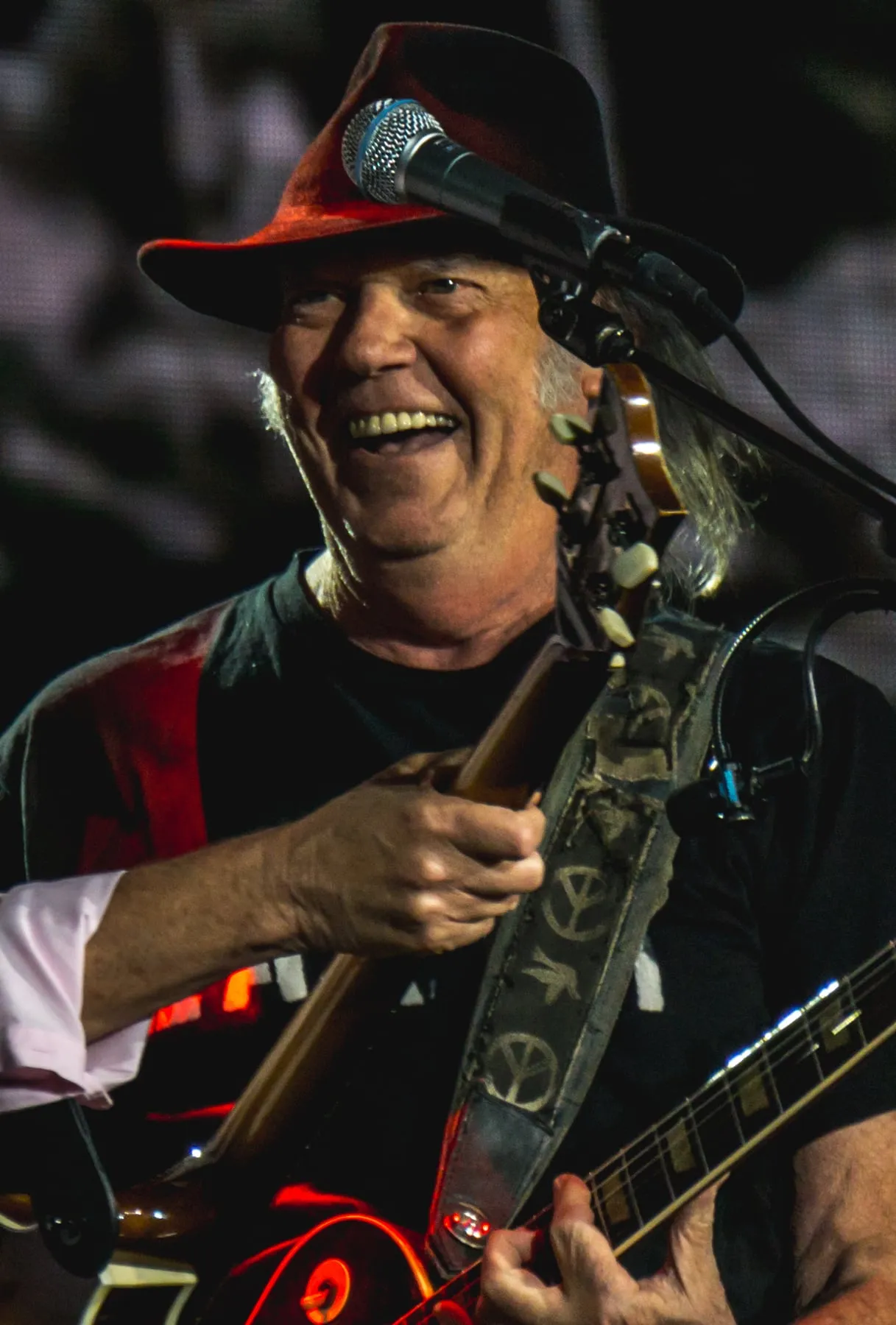
Photo by Raph_PH , licensed under CC BY 2.0 · Wikimedia Commons
Rank #17
Neil Young
From Wikipedia
Neil Percival Young is a Canadian and American singer-songwriter. Son of journalist and author Scott Young, Young embarked on a music career in Winnipeg in the 1960s. He then moved to Los Angeles, forming the folk rock group Buffalo Springfield. His solo career, often backed by the band Crazy Horse, includes critically acclaimed albums such as Everybody Knows This Is Nowhere (1969), After the Gold Rush (1970), Harvest (1972), On the Beach (1974), and Rust Never Sleeps (1979). Young was also a part-time member of Crosby, Stills, Nash & Young, with whom he recorded the chart-topping 1970 album Déjà Vu.
Discography & Previews
Browse through and click an album to open and play 30-second previews streamed from Apple Music.
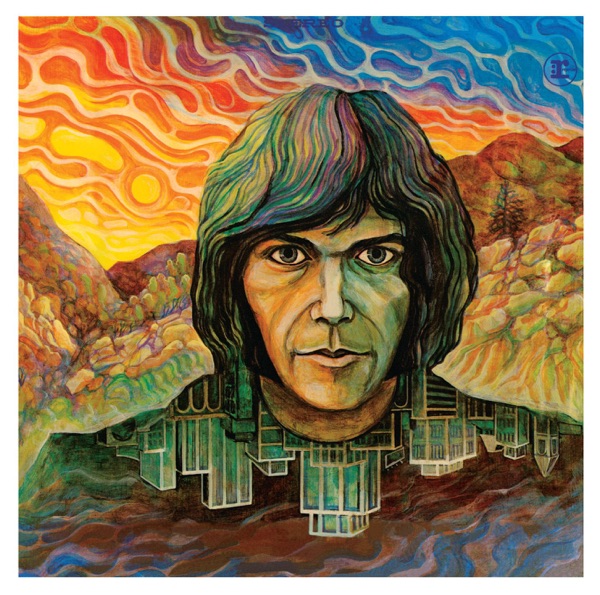
Neil Young
1968 · 10 tracks
- 1 The Emperor of Wyoming ↗ 2:18
- 2 The Loner ↗ 3:52
- 3 If I Could Have Her Tonight ↗ 2:20
- 4 I've Been Waiting for You ↗ 2:31
- 5 The Old Laughing Lady ↗ 5:56
- 6 String Quartet from Whiskey Boot Hill ↗ 1:05
- 7 Here We Are In the Years ↗ 3:17
- 8 What Did You Do to My Life? ↗ 2:27
- 9 I've Loved Her So Long ↗ 2:46
- 10 The Last Trip to Tulsa ↗ 9:27

After the Gold Rush
1970 · 11 tracks
- 1 Tell Me Why ↗ 2:59
- 2 After the Gold Rush ↗ 3:47
- 3 Only Love Can Break Your Heart ↗ 3:10
- 4 Southern Man ↗ 5:31
- 5 Till the Morning Comes ↗ 1:28
- 6 Oh, Lonesome Me ↗ 3:50
- 7 Don't Let It Bring You Down ↗ 3:00
- 8 Birds ↗ 2:33
- 9 When You Dance I Can Really Love ↗ 3:46
- 10 I Believe In You ↗ 3:27
- 11 Cripple Creek Ferry ↗ 1:34

Harvest
1972 · 10 tracks

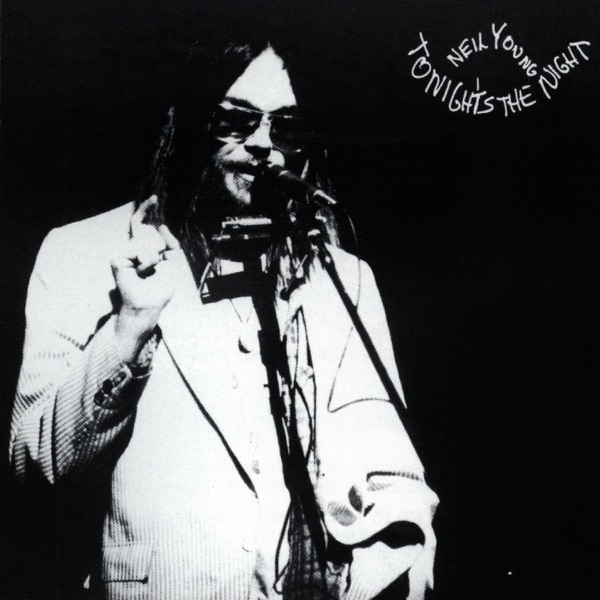
Tonight’s the Night
1975 · 12 tracks
- 1 Tonight's the Night ↗ 4:41
- 2 Speakin' Out ↗ 4:57
- 3 World On a String ↗ 2:25
- 4 Borrowed Tune ↗ 3:25
- 5 Come On Baby Let's Go Downtown ↗ 3:35
- 6 Mellow My Mind ↗ 3:10
- 7 Roll Another Number (For the Road) ↗ 3:04
- 8 Albuquerque ↗ 4:01
- 9 New Mama ↗ 2:13
- 10 Lookout Joe ↗ 3:54
- 11 Tired Eyes ↗ 4:36
- 12 Tonight's the Night, Pt. II ↗ 4:52

Chrome Dreams
1977 · 12 tracks
- 1 Pocahontas (Indigo Ranch, Malibu, 8/11/1976) ↗ 3:23
- 2 Will to Love (Broken Arrow Ranch, 4/25/1976) ↗ 7:11
- 3 Star of Bethlehem (Quadrafonic Sound Studios, Nashville, 12/13/1974) ↗ 2:43
- 4 Like a Hurricane (Broken Arrow Ranch, 11/29/1975) ↗ 8:21
- 5 Too Far Gone (Broken Arrow Ranch, 9/5/1975) ↗ 2:44
- 6 Hold Back the Tears (Indigo Ranch, Malibu, 2/6/1977) ↗ 5:15
- 7 Homegrown (Broken Arrow Ranch, 11/19/1975) ↗ 2:23
- 8 Captain Kennedy (Indigo Ranch, Malibu, 8/11/1976) ↗ 2:54
- 9 Stringman (Live at Hammersmith Apollo, London, 3/31/1976) ↗ 3:32
- 10 Sedan Delivery (Point Dume, CA, 5/22/1975) ↗ 5:21
- 11 Powderfinger (Indigo Ranch, Malibu, 8/11/1976) ↗ 3:23
- 12 Look Out for My Love (Broken Arrow Ranch, 1/20/1976) ↗ 4:01


Everybody’s Rockin’
1983 · 10 tracks



Freedom
1989 · 12 tracks
- 1 Rockin' In the Free World (Acoustic Version) [Live] ↗ 3:40
- 2 Crime In the City (Sixty to Zero, Pt. I) ↗ 8:45
- 3 Don't Cry ↗ 4:16
- 4 Hangin' On a Limb ↗ 4:19
- 5 Eldorado ↗ 6:05
- 6 The Ways of Love ↗ 4:29
- 7 Someday ↗ 5:42
- 8 On Broadway ↗ 4:59
- 9 Wrecking Ball ↗ 5:10
- 10 No More ↗ 6:06
- 11 Too Far Gone ↗ 2:49
- 12 Rockin' In the Free World ↗ 4:42


Sleeps With Angels
1994 · 12 tracks


Are You Passionate?
2002 · 11 tracks

Greendale
2003 · 10 tracks
- 1 Falling from Above (Live) ↗ 7:42
- 2 Double E (Live) ↗ 5:32
- 3 Devil's Sidewalk (Live) ↗ 6:23
- 4 Leave The Driving (Live) ↗ 6:34
- 5 Carmichael (Live) ↗ 10:40
- 6 Bandit (Live) ↗ 6:35
- 7 Grandpa's Interview (Live) ↗ 13:24
- 8 Bringin' Down Dinner (Live) ↗ 3:17
- 9 Sun Green (Live) ↗ 12:19
- 10 Be The Rain (Live) ↗ 8:19
Greendale (A Film By Neil Young)
2004 · 10 tracks
- 1 Falling from Above (Live) ↗ 7:42
- 2 Double E (Live) ↗ 5:32
- 3 Devil's Sidewalk (Live) ↗ 6:23
- 4 Leave The Driving (Live) ↗ 6:34
- 5 Carmichael (Live) ↗ 10:40
- 6 Bandit (Live) ↗ 6:35
- 7 Grandpa's Interview (Live) ↗ 13:24
- 8 Bringin' Down Dinner (Live) ↗ 3:17
- 9 Sun Green (Live) ↗ 12:19
- 10 Be The Rain (Live) ↗ 8:19

Living With War
2006 · 10 tracks


A Letter Home
2014 · 12 tracks
- 1 A Letter Home Intro ↗ 2:17
- 2 Changes ↗ 3:56
- 3 Girl From the North Country ↗ 3:31
- 4 Needle of Death ↗ 4:57
- 5 Early Morning Rain ↗ 4:24
- 6 Crazy ↗ 2:16
- 7 Reason to Believe ↗ 2:47
- 8 On the Road Again ↗ 2:23
- 9 If You Could Read My Mind ↗ 4:04
- 10 Since I Met You Baby ↗ 2:13
- 11 My Hometown ↗ 4:08
- 12 I Wonder If I Care As Much ↗ 2:32

Storytone
2014 · 10 tracks
- 1 Plastic Flowers (Orchestral) ↗ 4:06
- 2 Who's Gonna Stand Up? (Orchestral) ↗ 4:24
- 3 I Want To Drive My Car (Band) ↗ 3:11
- 4 Glimmer (Orchestral) ↗ 5:01
- 5 Say Hello To Chicago (Big Band) ↗ 4:58
- 6 Tumbleweed (Orchestral) ↗ 3:38
- 7 Like You Used To Do (Band) ↗ 2:41
- 8 I'm Glad I Found You (Orchestral) ↗ 3:43
- 9 When I Watch You Sleeping (Orchestral) ↗ 5:31
- 10 All Those Dreams (Orchestral) ↗ 4:18



World Record
2022 · 11 tracks
- 1 Love Earth ↗ 4:04
- 2 Overhead ↗ 3:41
- 3 I Walk with You (Earth Ringtone) ↗ 3:58
- 4 This Old Planet (Changing Days) ↗ 2:31
- 5 The World (Is In Trouble Now) ↗ 3:16
- 6 Break the Chain ↗ 4:07
- 7 The Long Day Before ↗ 2:18
- 8 Walkin' On The Road (To The Future) ↗ 2:57
- 9 The Wonder Won't Wait ↗ 3:18
- 10 Chevrolet ↗ 15:16
- 11 This Old Planet (Reprise) ↗ 1:19


-
 Neil YoungNeil Young196810 tracks
 -
 After the Gold RushNeil Young197011 tracks
 -
 HarvestNeil Young197210 tracks
 -
 On the BeachNeil Young19748 tracks
 -
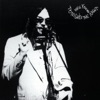 Tonight’s the NightNeil Young197512 tracks
 -
 American Stars ’n BarsNeil Young19779 tracks
 -
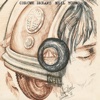 Chrome DreamsNeil Young197712 tracks
 -
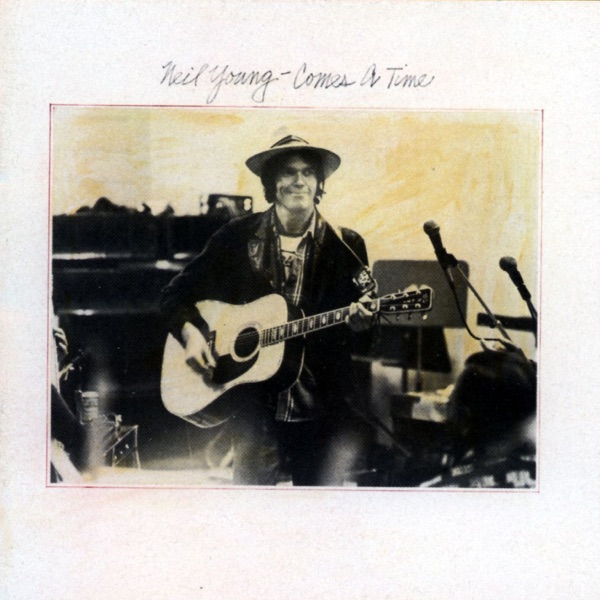
 Comes a TimeNeil Young197810 tracks
 -
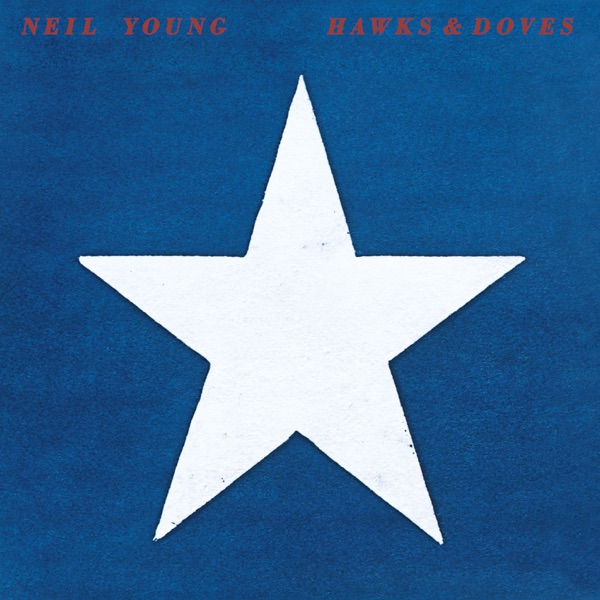
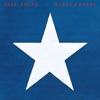 Hawks & DovesNeil Young19809 tracks
 -
 Re·ac·torNeil Young19818 tracks
 -
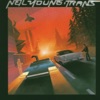 TransNeil Young19829 tracks
 -
 Everybody’s Rockin’Neil Young198310 tracks
 -
 Old WaysNeil Young198510 tracks
 -
 Landing on WaterNeil Young198610 tracks
 -
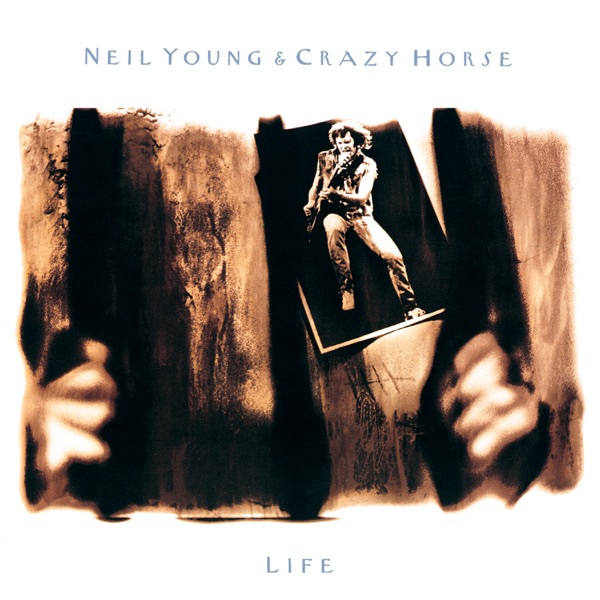
 LifeNeil Young19879 tracks
 -
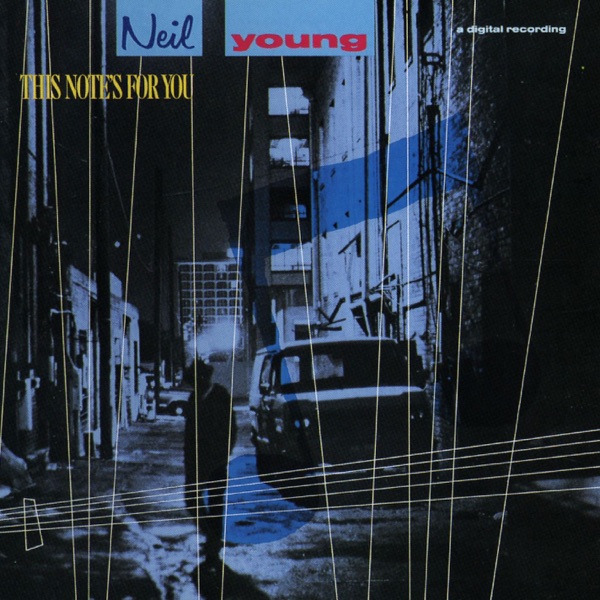
 This Note’s for YouNeil Young198810 tracks
 -
 FreedomNeil Young198912 tracks
 -
 Ragged GloryNeil Young199010 tracks
 -
 Harvest MoonNeil Young199210 tracks
 -
 Sleeps With AngelsNeil Young199412 tracks
 -
 Mirror BallNeil Young199511 tracks
 -
 Broken ArrowNeil Young19968 tracks
 -
 Silver & GoldNeil Young200010 tracks
 -
 Are You Passionate?Neil Young200211 tracks
 -
 GreendaleNeil Young200310 tracks
 - Greendale (A Film By Neil Young)Neil Young200410 tracks
-
 Prairie WindNeil Young200510 tracks
 -
 Living With WarNeil Young200610 tracks
 -
 Living With War: In the BeginningNeil Young20069 tracks
 -
 Chrome Dreams IINeil Young200710 tracks
 -
 Fork in the RoadNeil Young200910 tracks
 -
 Le NoiseNeil Young20108 tracks
 -
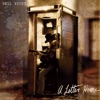 A Letter HomeNeil Young201412 tracks
 -
 StorytoneNeil Young201410 tracks
 -
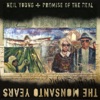 The Monsanto YearsNeil Young20159 tracks
 -
 Peace TrailNeil Young201610 tracks
 -
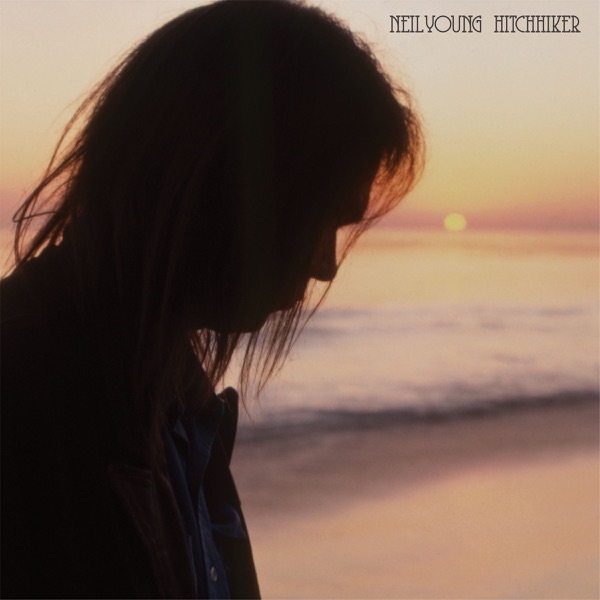
 HitchhikerNeil Young201710 tracks
 -
 The VisitorNeil Young201710 tracks
 -
 ColoradoNeil Young201910 tracks
 -
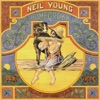 HomegrownNeil Young202012 tracks
 -
 BarnNeil Young202110 tracks
 -
 World RecordNeil Young202211 tracks
 -
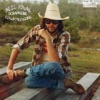 Oceanside CountrysideNeil Young202410 tracks
 -
 Early DazeNeil Young202410 tracks
 -
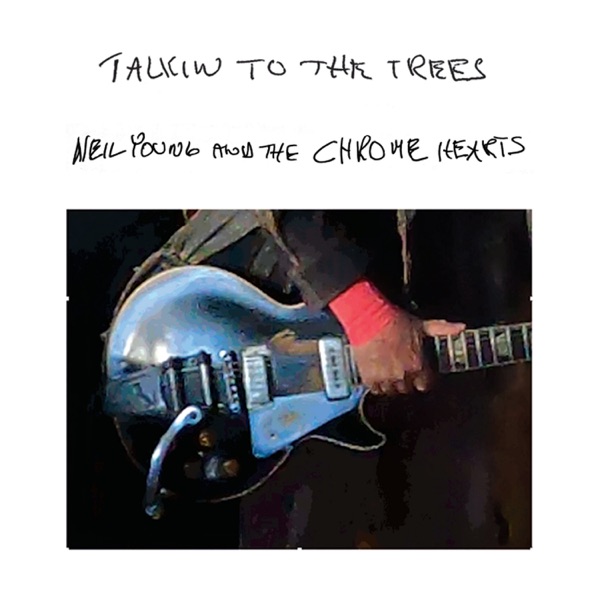
 Talkin to the TreesNeil Young202510 tracks
Deep Dive
Overview
Neil Young is a Canadian-American singer-songwriter whose solo career, spanning from 1968 to the present day, has positioned him among rock’s most prolific and stylistically restless figures. Born in 1945, Young emerged from Winnipeg in the 1960s and built a body of work that refuses easy categorization—moving fluidly between folk rock, country rock, hard rock, Southern rock, experimental rock, and blues across more than fifty studio albums. His commercial and critical peaks in the early 1970s produced some of rock’s most enduring records, while his willingness to pursue sonic experimentation and thematic depth across subsequent decades has cemented his status as a generative force in contemporary rock.
Formation Story
Neil Young began his music career in Winnipeg during the 1960s, the son of journalist and author Scott Young. Drawing on the folk and rock idioms emerging from North America’s youth culture, Young developed a fingerstyle guitar technique and a distinctive vocal delivery marked by emotional restraint and timbre rather than technical display. His early years in Winnipeg provided the foundation for a career rooted in storytelling and sonic authenticity. In the mid-1960s, Young relocated to Los Angeles, where he co-founded the folk rock group Buffalo Springfield alongside Stephen Stills, Richie Furay, and others. That band dissolved by 1968, leaving Young to pursue an independent solo path while maintaining collaborative relationships with musicians he had met in Los Angeles.
Breakthrough Moment
Young’s solo debut, Neil Young (1968), introduced his sparse guitar work and introspective songwriting but reached limited audiences. His breakthrough came swiftly with Everybody Knows This Is Nowhere (1969), which paired Young’s guitar with the hard rock instrumental foundation of Crazy Horse—the backing band that would become his most frequent and creatively fruitful collaborator. The album’s raw energy and Young’s distinctive lead guitar playing and vocal presence established both a commercial foothold and a critical reputation for uncompromising artistry. This album laid the groundwork for the sustained success that followed, signaling that Young was a singular talent capable of commanding listener attention without radio-friendly concessions.
Peak Era
Young’s golden period extended from 1970 to 1972, a span encompassing three landmark albums that would anchor his legacy. After the Gold Rush (1970) introduced a more expansive production approach while retaining Young’s emotional clarity and distinctive guitar voicing. Harvest (1972) became his best-selling album, blending country-rock instrumentation with deeply personal songwriting and reaching audiences far beyond the rock underground. The intervening period saw Young also serve as a part-time member of Crosby, Stills, Nash & Young, contributing to the 1970 chart-topping album Déjà Vu, demonstrating his ability to function both as a solo artist and as a collaborative presence within supergroup contexts. These years cemented Young’s position as a major artistic force and commercial success, validating his refusal to restrict himself to a single sonic or thematic territory.
Musical Style
Young’s sonic identity centers on his guitar work—fingerstyle passages that emphasize melodic clarity, distorted lead lines that prioritize emotional gesture over technical virtuosity, and an ability to modulate between acoustic and electric textures within single songs or albums. His vocal delivery, marked by a thin, sometimes wavering timbre, conveys introspection and vulnerability rather than power or showmanship. Across his discography, Young has drawn from rockabilly, country, folk rock, hard rock, and blues, moving between these idioms not as a dilettante but as a serious artist exploring distinct emotional and narrative terrain through each approach. Crazy Horse, his most consistent backing outfit, provides a raw, driving instrumental foundation that complements Young’s restraint, generating dynamic contrast through the band’s powerful rhythm section and loud-soft dynamics. Young’s production choices—from the sparse arrangements of After the Gold Rush to the heavily processed textures of Trans (1982) to the live-in-studio rawness of Ragged Glory (1990)—reflect a consistent curiosity about how recording and arrangement shape meaning.
Major Albums
After the Gold Rush (1970)
Young’s most commercially successful album of the early 1970s, blending introspective songwriting with fuller production and establishing his reputation beyond the counterculture underground.
Harvest (1972)
Young’s best-selling album, featuring country-rock arrangements and deeply personal songs that reached mainstream radio while maintaining artistic integrity and emotional depth.
On the Beach (1974)
A darker, more complex work that marked Young’s artistic maturation, moving beyond early-70s accessibility toward more challenging arrangements and oblique lyrical approaches.
Rust Never Sleeps (1979)
A part-acoustic, part-electric statement that showcased Young’s ability to sustain listener engagement across shifting sonic territories while delivering some of his most direct and powerful songwriting.
Ragged Glory (1990)
A raw, guitar-driven record made with Crazy Horse that renewed Young’s creative engagement with hard rock and demonstrated his refusal to rest on early-career accomplishments.
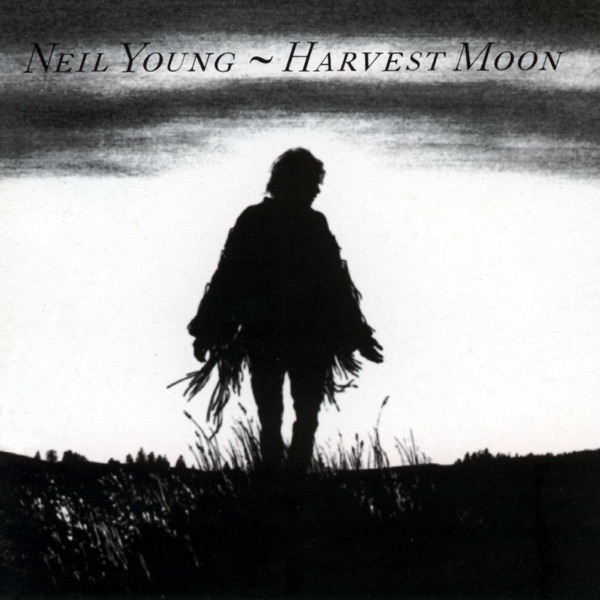
Harvest Moon (1992)
Young’s belated spiritual sequel to Harvest, proving his ability to revisit earlier emotional and sonic territory without simply recycling it, while maintaining artistic relevance into his fifth decade.
Signature Songs
- Cinnamon Girl — A propulsive hard rock showcase for Young’s guitar work and Crazy Horse’s rhythmic power, demonstrating the raw energy of his early-70s peak.
- Heart of Gold — Young’s only major radio hit and commercial apex, a country-rock song that defined his accessibility without compromising artistic vision.
- Cortez the Killer — An extended composition from Zuma (1975) that exemplifies Young’s ability to sustain emotional and instrumental tension across longer formal frameworks.
- The Needle and the Damage Done — A fingerstyle acoustic ballad addressing substance addiction with unflinching specificity, showcasing Young’s capacity for intimate songwriting.
- Rockin’ in the Free World — A late-career anthem that renewed Young’s cultural relevance while maintaining thematic complexity beneath its accessible surface.
Influence on Rock
Young’s refusal to remain confined to a single style, production approach, or audience demographic has made him a generative model for subsequent rock artists across multiple genres. His influence extends through grunge and alternative rock—particularly via his raw guitar tone and emotional authenticity—and through country-rock via his integration of rural American themes with rock instrumentation and attitude. Young’s sustained creative output across five decades, often pursuing commercial risk and artistic experimentation even during periods of waning radio support, has established a template for rock-artist longevity rooted in internal artistic compulsion rather than market calculation. His guitar work influenced generations of rock and alternative players, while his willingness to address political and environmental themes in rock music created space for socially engaged songwriting beyond protest-song conventions.
Legacy
Young remains active as a recording and performing artist well into his late seventies and early eighties, with new studio albums released regularly—including Peace Trail (2016), Barn (2021), and Oceanside Countryside (2024)—demonstrating a commitment to creative engagement that extends far beyond his commercially dominant decades. His official archive website and ongoing reissue program have made his vast catalog increasingly accessible, allowing listeners to engage with deep cuts and alternate versions alongside canonical works. The breadth of his studio output—now exceeding fifty official albums—positions Young among rock’s most prolific recording artists, a body of work that continues to reward sustained critical and listener engagement. His persistence in exploring sonic and thematic territory without regard for fashion or commercial pressure has solidified his status as a foundational figure in post-1960s rock music, influencing not only what rock musicians play but how they approach the relationship between artistic autonomy and listener expectations.
Fun Facts
- Young co-founded Buffalo Springfield in Los Angeles in the mid-1960s alongside Stephen Stills, establishing the collaborative relationships that would define his early solo career.
- Crazy Horse, Young’s most frequent backing band, became so integral to his artistic identity that multiple albums credit the band prominently alongside Young’s name, blurring traditional distinctions between solo and group work.
- Young has maintained artistic control over his master recordings through his independent label arrangements, unusual for rock artists of his generation, and has used this control to pursue unconventional reissue and archival strategies.
- His prolific recording pace accelerated significantly in the 2010s and 2020s, with multiple studio albums released in single years, suggesting an artist energized rather than diminished by advanced age.