

Photo by A derivative work by CityFeedback , from a variety of images creditted above , licensed under CC BY-SA 2.0 · Wikimedia Commons
Rank #43
R.E.M.
From Wikipedia
R.E.M. was an American rock band formed in Athens, Georgia, in 1980 by drummer Bill Berry, guitarist Peter Buck, bassist Mike Mills, and lead vocalist Michael Stipe, who were students at the University of Georgia. R.E.M. was noted for Buck's arpeggiated "jangle" guitar playing; Stipe's distinctive vocal style, unique stage presence, and cryptic lyrics; Mills's countermelodic bass lines and backing vocals; and Berry's tight, economical drumming. In the early 1990s, other alternative rock acts such as Nirvana, Pixies, and Pavement named R.E.M. as a pioneer of the genre. After Berry left in 1997, the remaining members continued with mixed critical and commercial success. The band broke up amicably in 2011, having sold more than 90 million albums worldwide and becoming one of the world's best-selling music acts.
Members
- Bill Berry (1980–1997)
- Michael Stipe (1980–2011)
- Mike Mills (1980–2011)
- Peter Buck (1980–2011)
- Jefferson Holt (1981–1996)
- Bertis Downs IV (1982–2011)
Discography & Previews
Browse through and click an album to open and play 30-second previews streamed from Apple Music.

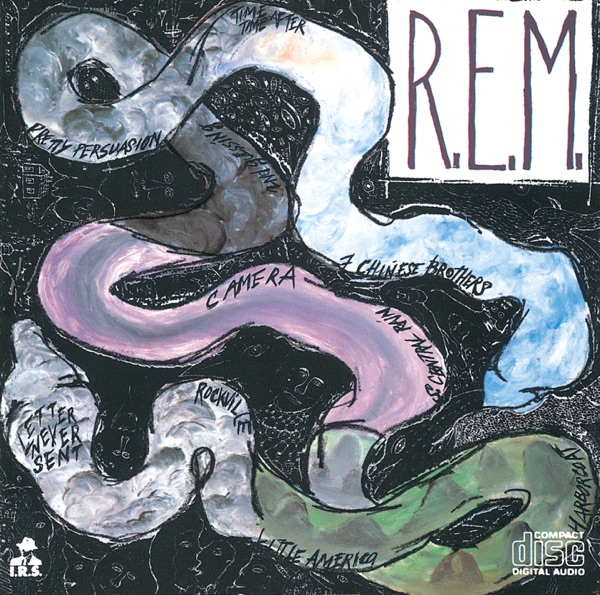
Reckoning
1984 · 10 tracks

Fables of the Reconstruction
1985 · 11 tracks

Lifes Rich Pageant
1986 · 12 tracks
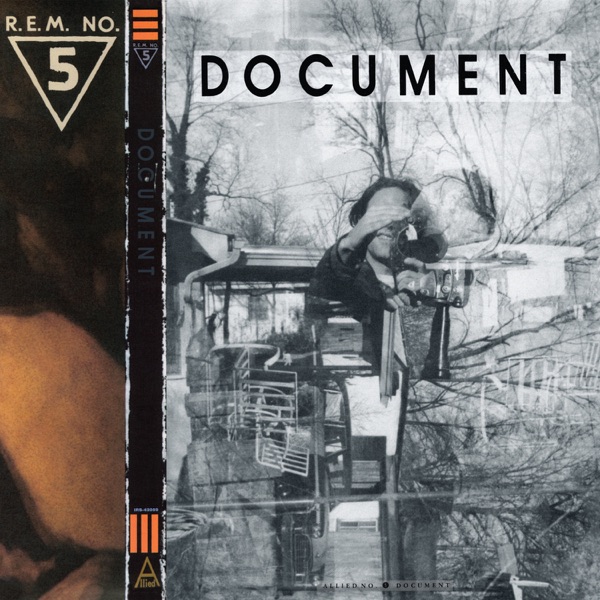
Document
1987 · 11 tracks
- 1 Finest Worksong ↗ 3:48
- 2 Welcome To the Occupation ↗ 2:46
- 3 Exhuming McCarthy ↗ 3:19
- 4 Disturbance At the Heron House ↗ 3:32
- 5 Strange ↗ 2:32
- 6 It's the End of the World As We Know It (And I Feel Fine) ↗ 4:07
- 7 The One I Love ↗ 3:17
- 8 Fireplace ↗ 3:24
- 9 Lightnin' Hopkins ↗ 3:20
- 10 King of Birds ↗ 4:08
- 11 Oddfellows Local 151 ↗ 5:23

Green
1988 · 11 tracks
- 1 Pop Song 89 (Remastered 2013) ↗ 3:06
- 2 Get Up (Remastered 2013) ↗ 2:40
- 3 You Are The Everything (Remastered 2013) ↗ 3:48
- 4 Stand (Remastered 2013) ↗ 3:13
- 5 World Leader Pretend (Remastered 2013) ↗ 4:22
- 6 The Wrong Child (Remastered 2013) ↗ 3:39
- 7 Orange Crush (Remastered 2013) ↗ 3:54
- 8 Turn You Inside-Out (Remastered 2013) ↗ 4:19
- 9 Hairshirt (Remastered 2013) ↗ 3:57
- 10 I Remember California (Remastered 2013) ↗ 5:02
- 11 Untitled (Remastered 2013) ↗ 3:14
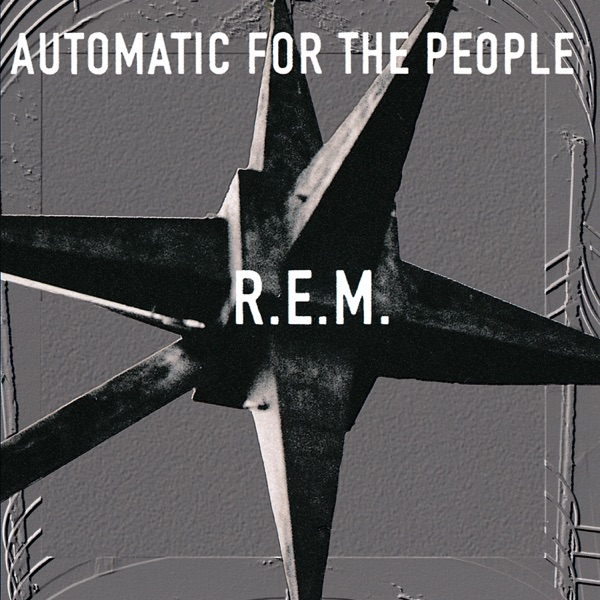
Automatic for the People
1992 · 12 tracks
- 1 Drive ↗ 4:31
- 2 Try Not to Breathe ↗ 3:51
- 3 The Sidewinder Sleeps Tonite ↗ 4:09
- 4 Everybody Hurts ↗ 5:20
- 5 New Orleans Instrumental No. 1 ↗ 2:16
- 6 Sweetness Follows ↗ 4:21
- 7 Monty Got a Raw Deal ↗ 3:18
- 8 Ignoreland ↗ 4:27
- 9 Star Me Kitten ↗ 3:17
- 10 Man on the Moon ↗ 5:14
- 11 Nightswimming ↗ 4:18
- 12 Find the River ↗ 3:53

Monster
1994 · 12 tracks
- 1 What’s the Frequency, Kenneth? (Remastered) ↗ 4:00
- 2 Crush With Eyeliner (Remastered) ↗ 4:39
- 3 King of Comedy (Remastered) ↗ 3:41
- 4 I Don’t Sleep, I Dream (Remastered) ↗ 3:27
- 5 Star 69 (Remastered) ↗ 3:09
- 6 Strange Currencies (Remastered) ↗ 3:52
- 7 Tongue (Remastered) ↗ 4:13
- 8 Bang and Blame (Remastered) ↗ 5:28
- 9 I Took Your Name (Remastered) ↗ 4:02
- 10 Let Me In (Remastered) ↗ 3:28
- 11 Circus Envy (Remastered) ↗ 4:15
- 12 You (Remastered) ↗ 4:55
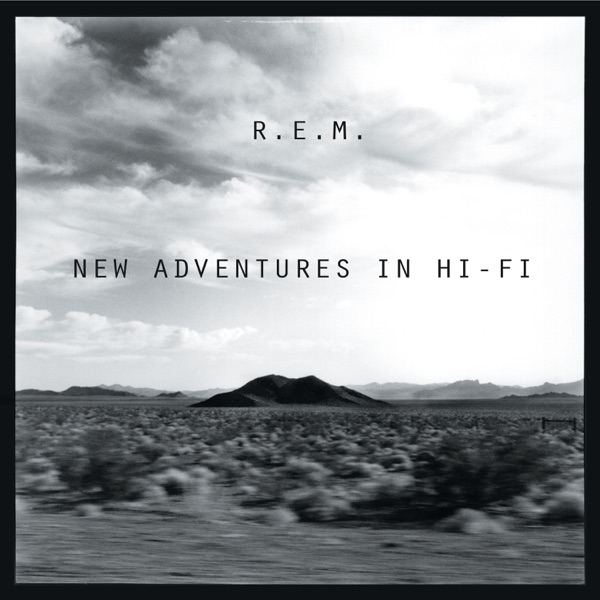
New Adventures in Hi‐Fi
1996 · 14 tracks
- 1 How the West Was Won and Where It Got Us ↗ 4:31
- 2 The Wake-Up Bomb ↗ 5:08
- 3 New Test Leper ↗ 5:27
- 4 Undertow ↗ 5:09
- 5 E-Bow the Letter ↗ 5:25
- 6 Leave ↗ 7:18
- 7 Departure ↗ 3:29
- 8 Bittersweet Me ↗ 4:05
- 9 Be Mine ↗ 5:33
- 10 Binky the Doormat ↗ 5:02
- 11 Zither ↗ 2:34
- 12 So Fast, So Numb ↗ 4:12
- 13 Low Desert ↗ 3:32
- 14 Electrolite ↗ 4:06
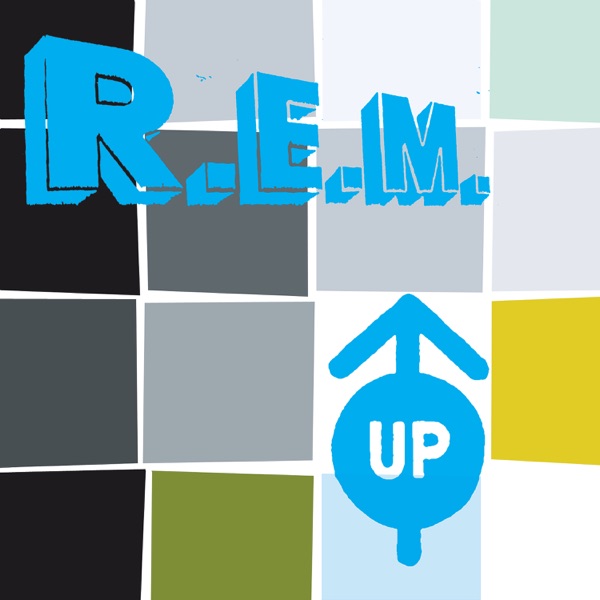
Up
1998 · 14 tracks
- 1 Airportman ↗ 4:13
- 2 Lotus ↗ 4:32
- 3 Suspicion ↗ 5:37
- 4 Hope ↗ 5:02
- 5 At My Most Beautiful ↗ 3:35
- 6 The Apologist ↗ 4:30
- 7 Sad Professor ↗ 4:04
- 8 You're in the Air ↗ 5:24
- 9 Walk Unafraid ↗ 4:34
- 10 Why Not Smile ↗ 4:03
- 11 Daysleeper ↗ 3:40
- 12 Diminished / I'm Not over You ↗ 6:01
- 13 Parakeet ↗ 4:12
- 14 Falls to Climb ↗ 5:07

Reveal
2001 · 12 tracks
- 1 The Lifting ↗ 4:39
- 2 I've Been High ↗ 3:27
- 3 All the Way to Reno (You're Gonna Be a Star) ↗ 4:44
- 4 She Just Wants to Be ↗ 5:22
- 5 Disappear ↗ 4:11
- 6 Saturn Return ↗ 4:55
- 7 Beat a Drum ↗ 4:21
- 8 Imitation of Life ↗ 3:57
- 9 Summer Turns to High ↗ 3:32
- 10 Chorus and the Ring ↗ 4:31
- 11 I'll Take the Rain ↗ 5:52
- 12 Beachball ↗ 4:15
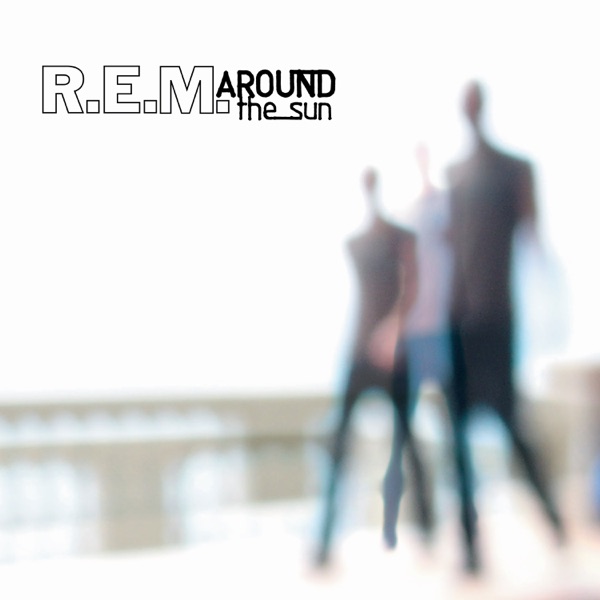
Around the Sun
2004 · 13 tracks
- 1 Leaving New York ↗ 4:49
- 2 Electron Blue ↗ 4:12
- 3 The Outsiders (feat. Q-Tip) ↗ 4:15
- 4 Make It All Okay ↗ 3:44
- 5 Final Straw ↗ 4:08
- 6 I Wanted to Be Wrong ↗ 4:35
- 7 Wanderlust ↗ 3:04
- 8 Boy In the Well ↗ 5:22
- 9 Aftermath ↗ 3:56
- 10 High Speed Train ↗ 5:03
- 11 The Worst Joke Ever ↗ 3:38
- 12 The Ascent of Man ↗ 4:07
- 13 Around the Sun ↗ 4:29

Accelerate
2008 · 11 tracks
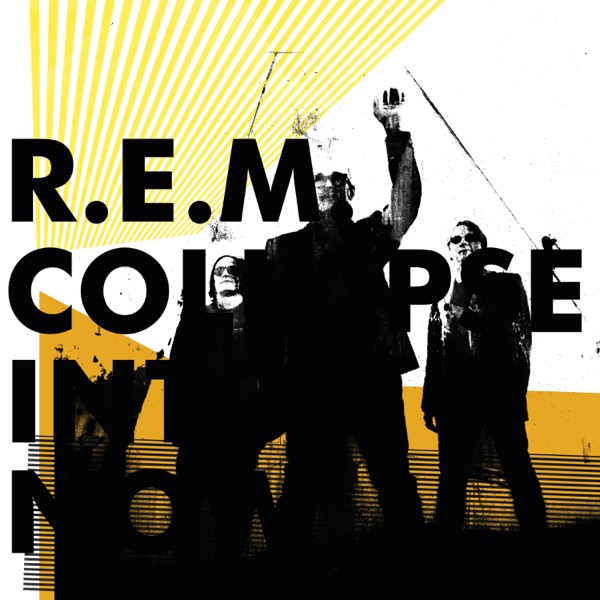
Collapse Into Now
2011 · 12 tracks
- 1 Discoverer ↗ 3:31
- 2 All the Best ↗ 2:48
- 3 Überlin ↗ 4:15
- 4 Oh My Heart ↗ 3:21
- 5 It Happened Today ↗ 3:49
- 6 Every Day Is Yours To Win ↗ 3:26
- 7 Mine Smell Like Honey ↗ 3:13
- 8 Walk It Back ↗ 3:24
- 9 Alligator_Aviator_Autopilot_Antimatter ↗ 2:45
- 10 That Someone Is You ↗ 1:44
- 11 Me, Marlon Brando, Marlon Brando and I ↗ 3:03
- 12 Blue ↗ 5:46
-
 MurmurR.E.M.198312 tracks
 -
 ReckoningR.E.M.198410 tracks
 -
 Fables of the ReconstructionR.E.M.198511 tracks
 -
 Lifes Rich PageantR.E.M.198612 tracks
 -
 DocumentR.E.M.198711 tracks
 -
 GreenR.E.M.198811 tracks
 -
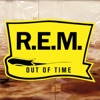 Out of TimeR.E.M.199111 tracks
 -
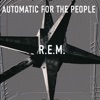 Automatic for the PeopleR.E.M.199212 tracks
 -
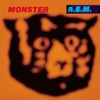 MonsterR.E.M.199412 tracks
 -
 New Adventures in Hi‐FiR.E.M.199614 tracks
 -
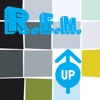 UpR.E.M.199814 tracks
 -
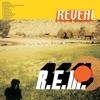 RevealR.E.M.200112 tracks
 -
 Around the SunR.E.M.200413 tracks
 -
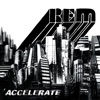 AccelerateR.E.M.200811 tracks
 -
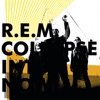 Collapse Into NowR.E.M.201112 tracks
Deep Dive
Overview
R.E.M. was an American rock band formed in Athens, Georgia, in 1980 that became one of the most influential acts in alternative rock history. The band—comprising drummer Bill Berry, guitarist Peter Buck, bassist Mike Mills, and lead vocalist Michael Stipe—emerged from the University of Georgia’s student body and developed a sound rooted in folk rock and college radio experimentation that would shape alternative rock’s trajectory throughout the 1980s and 1990s. By the time the band disbanded amicably in 2011, they had sold more than 90 million albums worldwide, a testament to their sustained commercial and critical relevance across three decades.
Formation Story
R.E.M. coalesced in Athens in 1980 around four University of Georgia students who shared a hunger for musical experimentation beyond the mainstream rock of their era. Michael Stipe, Peter Buck, Mike Mills, and Bill Berry began performing together in the Athens club scene, quickly developing a distinctive identity through Buck’s intricate arpeggiated guitar work, Stipe’s cryptic lyricism and unconventional vocal delivery, Mills’s countermelodic bass lines and harmonies, and Berry’s tight, economical drumming. The band’s early lineup included Jefferson Holt from 1981 onward, who became integral to their organizational infrastructure, and Bertis Downs IV, who joined in 1982 and remained with the band through its final years in 2011. Athens, a college town with a nascent underground music community, proved fertile ground for the band’s initial development; they built a loyal local following before their reach expanded beyond the American South.
Breakthrough Moment
R.E.M.’s wider recognition began with the release of their debut album Murmur in 1983, a recording that showcased Buck’s distinctive “jangle” guitar style and Stipe’s enigmatic vocal presence. The album resonated particularly with college radio listeners and alternative music audiences, establishing the band as figureheads of the emerging college rock movement. Reckoning, released in 1984, reinforced their trajectory with a slightly more direct songwriting approach while maintaining the atmospheric production qualities that defined their early work. By the mid-1980s, R.E.M. had transitioned from a regional phenomenon to a nationally recognized act whose aesthetic—intricate instrumentation paired with oblique, poetic lyrics—was influencing how alternative rock could sound in the mainstream.
Peak Era
R.E.M.’s most commercially successful and creatively ambitious period spanned the early 1990s. Out of Time, released in 1991, marked a turning point, becoming their first album to achieve massive mainstream success and extensive radio play. This was followed by Automatic for the People in 1992, widely regarded as one of their finest achievements and a defining document of early-1990s alternative rock. Monster, released in 1994, continued their commercial momentum with a heavier, more rock-oriented sound that departed from some of the atmospheric textures of their earlier work. This three-album stretch cemented R.E.M. as one of rock music’s preeminent acts, and their influence during this period was acknowledged explicitly by emerging alternative rock bands including Nirvana, Pixies, and Pavement, who cited R.E.M. as a pioneer of the genre they were helping to define.
Musical Style
R.E.M.’s sound was built on the foundation of folk rock melodicism and college rock experimentation, synthesizing influences from post-punk and 1960s pop into a distinctly contemporary package. Peter Buck’s twelve-string electric guitar work, characterized by rapid arpeggios and jangly, crystalline tones, provided the textural backbone of most recordings; this “jangle” approach became so synonymous with the band that it influenced countless alternative acts throughout the subsequent decades. Michael Stipe’s voice—often described as idiosyncratic, ranging from mumbled, indecipherable phrasing in early work to increasingly intelligible delivery in later albums—functioned as an instrument in its own right, refusing conventional vocal heroics in favor of emotional subtlety and interpretive vulnerability. Mike Mills’s bass playing moved beyond simple rhythm section duties, offering countermelodic lines that enriched harmonic complexity and providing crucial backing vocal harmonies. Bill Berry’s drumming, though technically restrained compared to more bombastic rock drummers, possessed a precision and economy that locked the arrangements together with understated power. As the band evolved from the 1980s into the 1990s and beyond, they incorporated increasingly diverse production approaches, from the atmospheric shimmer of their early albums to the heavier electric textures of Monster to the electronic and experimental elements that appeared on later records like Up (1998).
Major Albums
Murmur (1983)
R.E.M.’s debut established their signature sound—Buck’s arpeggiated guitars, Stipe’s cryptic vocals, and Mills’s harmonic bass work—while announcing the band as a major force in college rock and alternative music.
Document (1987)
The final album of the 1980s, Document demonstrated the band’s growing songwriting confidence and showcased a more direct approach to arrangement while retaining their atmospheric production sensibility.
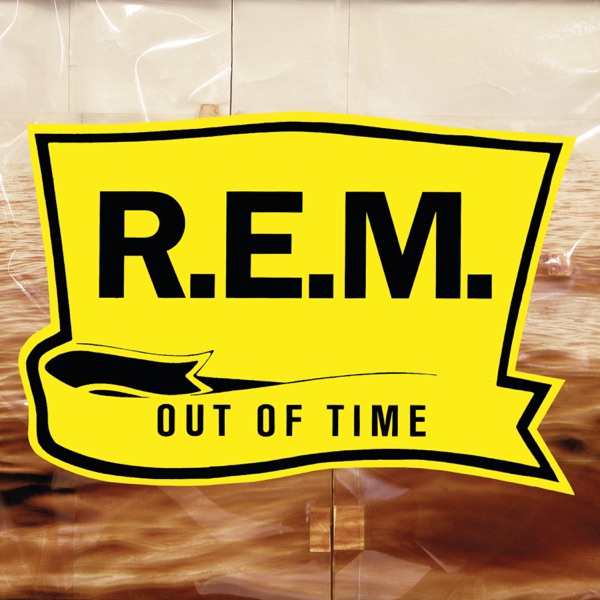
Out of Time (1991)
A watershed moment for R.E.M., this album achieved massive mainstream success and introduced the band to audiences far beyond college radio, establishing them as major players in contemporary rock music.
Automatic for the People (1992)
Released in 1992, this work stands as one of R.E.M.’s finest albums, blending orchestral arrangements, introspective songwriting, and emotional depth to create a defining alternative rock statement of the early 1990s.
Monster (1994)
A heavier, more guitar-driven work that moved the band toward explicit rock territory, Monster demonstrated their willingness to shift sonic approach while maintaining their core identity.
New Adventures in Hi‐Fi (1996)
Released in 1996, this album arrived during a period of significant transition for the band and reflected their continued artistic restlessness and commitment to sonic exploration.
Signature Songs
- “Radio Free Europe” — An early track that exemplified the band’s jangly guitar approach and cryptic lyricism, becoming a college radio staple and touchstone of their aesthetic.
- “It’s the End of the World as We Know It (and I Feel Fine)” — A propulsive, lyrically dense composition from Document that became one of their most recognizable songs.
- “Losing My Religion” — From Out of Time, a melancholic arrangement built around mandolin and strings that achieved substantial mainstream radio success.
- “Man on the Moon” — A reflective piece from Automatic for the People that showcased Stipe’s increasingly intelligible and emotionally direct vocal approach.
- “Nightswimming” — From Automatic for the People, a sparse, intimate composition that became a fan favorite and demonstrated the band’s skill at restraint and emotional nuance.
Influence on Rock
R.E.M. fundamentally altered the trajectory of American rock music by proving that alternative and college rock aesthetics could achieve mainstream commercial success without sacrificing artistic integrity or experimental inclination. The band arrived at a moment when new wave, post-punk, and indie rock were increasingly influencing mainstream taste, and they synthesized these influences with folk rock’s melodic DNA to create a template that shaped the 1990s alternative rock boom. When Nirvana, Pixies, and Pavement—the bands who would define grunge and post-grunge rock—explicitly named R.E.M. as formative influences, they were crediting a group that had already demonstrated that intelligent, oblique, guitar-driven rock could command radio play and stadium audiences. The band’s influence extended beyond direct sonic emulation to a broader philosophy: that rock music could be intellectually challenging, lyrically abstract, and aesthetically experimental while remaining emotionally resonant and commercially viable.
Legacy
R.E.M.’s disbandment in 2011 came after 31 years of continuous activity and reflected the members’ decision to end the band while they could do so “as friends” rather than endure diminishing returns or internal friction. The band’s final album, Collapse Into Now, arrived in 2011 and served as a capstone to their extensive catalog. Their influence permeates contemporary rock, and their records remain central to how alternative rock history is understood and taught; the band’s evolution from college radio curiosity to mainstream force is the template against which subsequent alternative acts are measured. R.E.M. sold over 90 million albums worldwide, making them one of the world’s best-selling music acts and ensuring that their recordings remain consistently available across streaming platforms and physical media. Their impact on how rock music could sound in the post-punk and alternative eras—the validation of the jangle-pop aesthetic, the legitimacy of cryptic lyricism, the possibility of emotional vulnerability in rock contexts—continues to resonate with musicians and listeners across generations.
Fun Facts
- Bill Berry, the band’s original drummer, departed in 1997 after suffering a brain aneurysm, after which the remaining three members continued the band with session and touring musicians filling the drumming role.
- The band maintained deep roots in Athens, Georgia throughout their entire career, reflecting a commitment to their hometown that distinguished them from many arena-rock contemporaries who relocated to Los Angeles or New York.
- R.E.M. was signed to I.R.S. Records early in their career before moving to Warner Bros. Records, eventually releasing material through multiple labels including New West Records and Concord toward the end of their career.
- Michael Stipe’s vocal delivery on early R.E.M. recordings was so mumbled and indecipherable that many listeners initially could not understand the lyrics, yet this very quality became a signature element of the band’s aesthetic and mystique.