
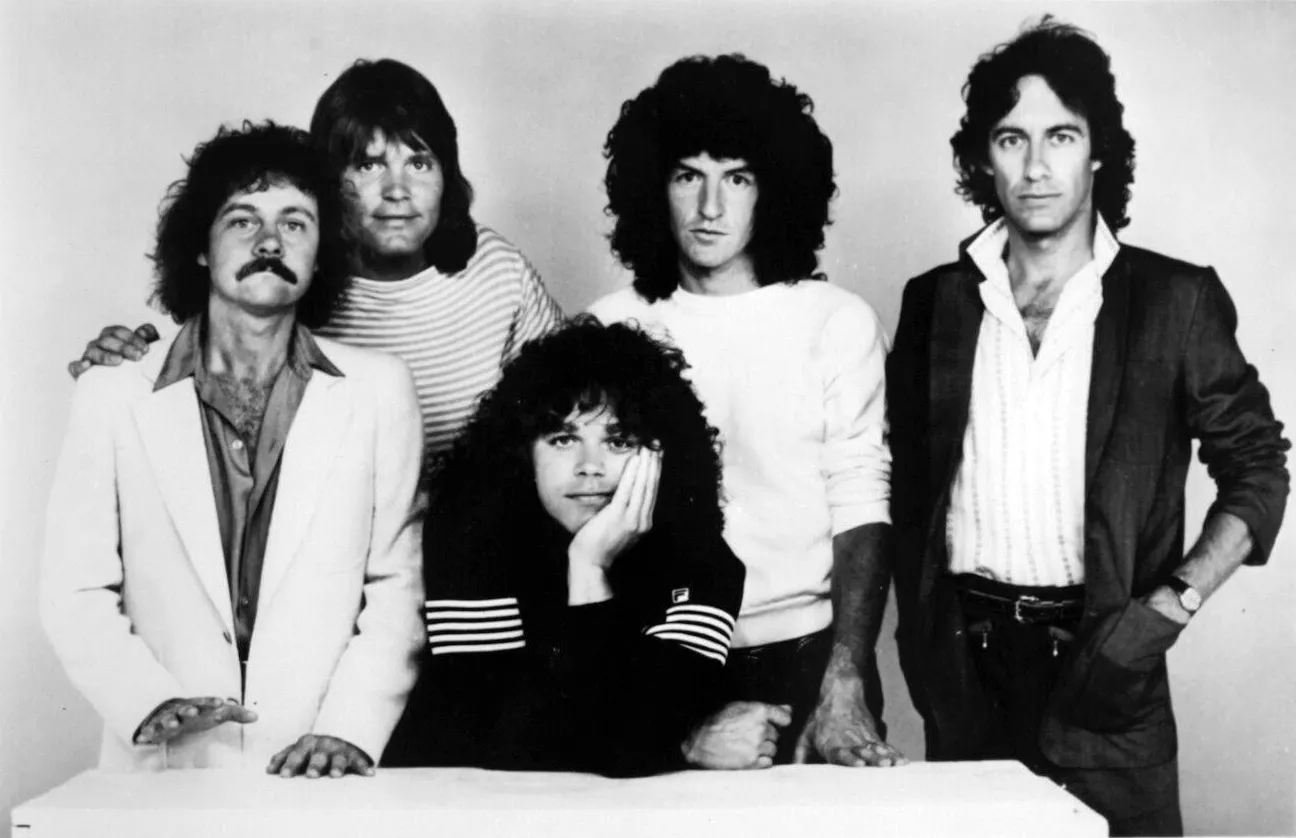
Photo by Epic Records , licensed under Public domain · Wikimedia Commons
Rank #281
REO Speedwagon
From Wikipedia
REO Speedwagon, or simply REO, was an American rock band formed in Champaign, Illinois, in 1967. The band cultivated a following during the 1970s and achieved significant commercial success throughout the 1980s. Their best-selling album, Hi Infidelity (1980), contained four US Top 40 hits and sold more than 10 million copies.
Members
- Dave Amato
Discography & Previews
Browse through and click an album to open and play 30-second previews streamed from Apple Music.


Lost in a Dream
1974 · 10 tracks


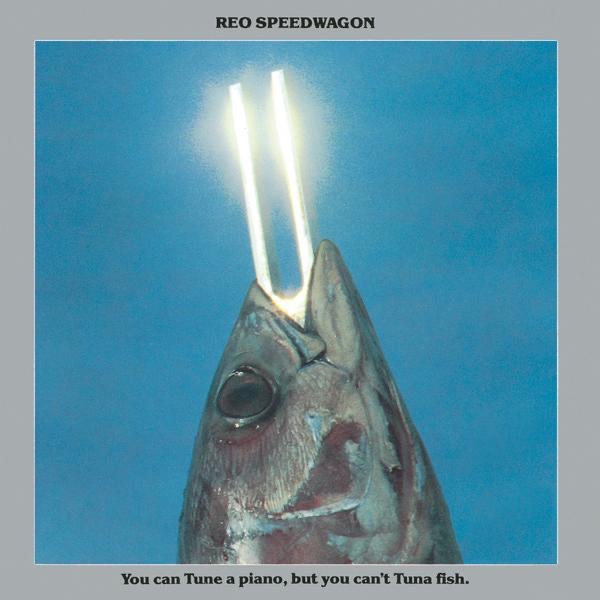
You Can Tune a Piano, but You Can’t Tuna Fish
1978 · 9 tracks
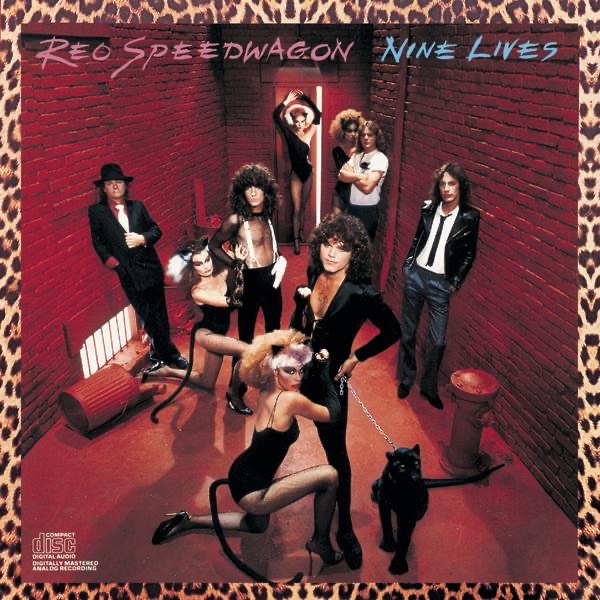
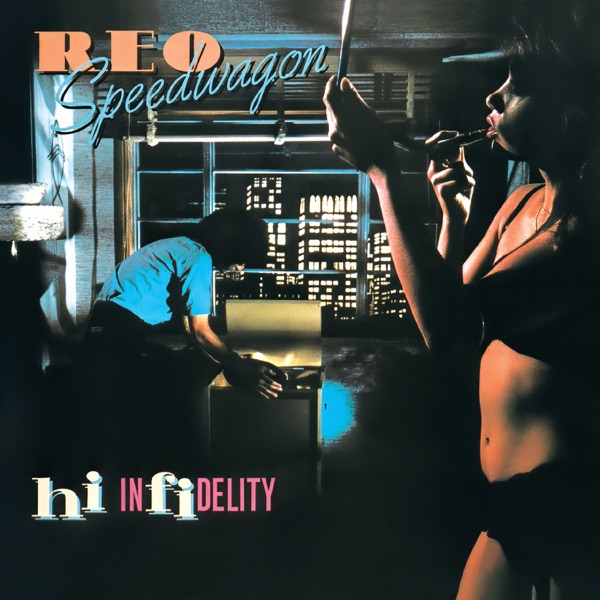
Hi Infidelity
1980 · 10 tracks
- 1 Don't Let Him Go (2024 Remaster) ↗ 3:45
- 2 Keep On Loving You (2024 Remaster) ↗ 3:21
- 3 Follow My Heart (2024 Remaster) ↗ 3:48
- 4 In Your Letter (2024 Remaster) ↗ 3:16
- 5 Take It On the Run (2024 Remaster) ↗ 4:00
- 6 Tough Guys (2024 Remaster) ↗ 3:50
- 7 Out of Season (2024 Remaster) ↗ 3:06
- 8 Shakin' It Loose (2024 Remaster) ↗ 2:25
- 9 Someone Tonight (2024 Remaster) ↗ 2:40
- 10 I Wish You Were There (2024 Remaster) ↗ 4:27


Life as We Know It
1987 · 10 tracks

The Earth, a Small Man, His Dog and a Chicken
1990 · 11 tracks

Building the Bridge
1996 · 11 tracks
- 1 Can't Stop Rockin' ↗ 3:53
- 2 Haven't We Lost Enough (I Still Love You) ↗ 4:12
- 3 Building the Bridge ↗ 4:44
- 4 When I Get Home ↗ 4:34
- 5 Then I Met You ↗ 4:53
- 6 Look the Other Way ↗ 3:30
- 7 After Tonight ↗ 4:45
- 8 Hey, Wait a Minute ↗ 5:22
- 9 One True Man ↗ 4:43
- 10 She's Gonna Love Me ↗ 4:03
- 11 Ballad of the Illinois Opry ↗ 4:10

Find Your Own Way Home
2007 · 10 tracks

Not So Silent Night: Christmas With REO Speedwagon
2009 · 18 tracks
- 1 I Believe In Santa Claus (Remix 2017) ↗ 3:38
- 2 The First Noel ↗ 0:58
- 3 Winter Wonderland ↗ 3:03
- 4 Silent Night ↗ 3:42
- 5 Deck the Halls ↗ 3:25
- 6 Little Drummer Boy ↗ 3:49
- 7 The White Snows of Winter ↗ 2:56
- 8 Angels We Have Heard On High (Gloria) ↗ 4:17
- 9 Children Go Where I Send Thee ↗ 4:04
- 10 I'll Be Home For Christmas ↗ 3:47
- 11 God Rest Ye, Merry Gentlemen ↗ 3:51
- 12 Happy Xmas (War Is Over) ↗ 4:23
- 13 Blue Christmas ↗ 3:57
- 14 Joy To the World ↗ 3:44
- 15 Sleigh Ride ↗ 3:48
- 16 Hark! The Herald Angels Sing ↗ 4:13
- 17 I Believe In Santa Claus (2009 Version) ↗ 2:45
- 18 We Three Kings ↗ 3:21
-
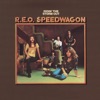 Ridin' the Storm OutREO Speedwagon197310 tracks
 -
 Lost in a DreamREO Speedwagon197410 tracks
 -
 This Time We Mean ItREO Speedwagon197510 tracks
 -
 R.E.O.REO Speedwagon19768 tracks
 -
 You Can Tune a Piano, but You Can’t Tuna FishREO Speedwagon19789 tracks
 -
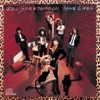 Nine LivesREO Speedwagon19799 tracks
 -
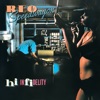 Hi InfidelityREO Speedwagon198010 tracks
 -
 Good TroubleREO Speedwagon198210 tracks
 -
 Wheels Are Turnin’REO Speedwagon19849 tracks
 -
 Life as We Know ItREO Speedwagon198710 tracks
 -
 The Earth, a Small Man, His Dog and a ChickenREO Speedwagon199011 tracks
 -
 Building the BridgeREO Speedwagon199611 tracks
 -
 Find Your Own Way HomeREO Speedwagon200710 tracks
 -
 Not So Silent Night: Christmas With REO SpeedwagonREO Speedwagon200918 tracks
Deep Dive
Overview
REO Speedwagon emerged from Champaign, Illinois, in 1967 as a rock band that would define the sound and commercial trajectory of arena rock in the 1980s. Though the band built a loyal regional following throughout the 1970s, their apex came with the 1980 release of Hi Infidelity, one of the best-selling albums in rock history. With more than 10 million copies sold worldwide and four US Top 40 hits, Hi Infidelity became a cultural phenomenon that demonstrated the enduring commercial viability of mid-tempo rock craftsmanship in an era dominated by synthesizer-driven new wave and punk’s cultural aftershocks.
Formation Story
REO Speedwagon was formed in Champaign, Illinois, in 1967, during a period when rock music was rapidly fragmenting into competing regional styles and subgenres. The band’s origins lay in the American heartland, far from the established recording centers of Los Angeles and New York. They took their name from a 1915 REO Speed Wagon truck model—a choice reflecting both American automotive heritage and a straightforward, unpretentious identity. In the late 1960s, as psychedelic rock, proto-punk, and hard rock each staked claims to rock’s future, REO Speedwagon positioned itself within the tradition of honest, guitar-driven rock and roll that emphasized melody, accessibility, and live performance over experimentation.
Breakthrough Moment
During the 1970s, REO Speedwagon cultivated a dedicated following through relentless touring and consistent album releases. The band issued a steady stream of studio albums beginning with their 1971 self-titled debut R.E.O. Speedwagon, followed by R.E.O./T.W.O. (1972), Ridin’ the Storm Out (1973), Lost in a Dream (1974), This Time We Mean It (1975), and R.E.O. (1976). Despite professional execution and growing regional popularity, national stardom remained elusive throughout the decade. The breakthrough arrived decisively with Hi Infidelity in 1980, which became a massive commercial success and repositioned the band from cult favorites to international stars. The album’s four US Top 40 hits and sales exceeding 10 million copies made it one of the era’s defining releases and proved that straightforward, emotionally direct rock could still command a massive mainstream audience.
Peak Era
The 1980s and early 1990s represented REO Speedwagon’s period of greatest visibility and commercial momentum. Following Hi Infidelity’s phenomenal success, the band released Good Trouble in 1982 and Wheels Are Turnin’ in 1984, albums that sustained their presence in the marketplace and on rock radio. The release of Life as We Know It in 1987 further cemented their status as reliable purveyors of rock music for a maturing audience. Throughout this decade-plus span, REO Speedwagon became synonymous with arena rock touring, establishing themselves as one of the decade’s most consistent live attractions. Their ability to fill large venues and maintain album sales placed them among the commercially dominant rock acts of the 1980s, even as critical tastes shifted and alternative rock began its ascent in the late decade.
Musical Style
REO Speedwagon’s sound rested on a foundation of traditional rock instrumentation—guitars, bass, drums, keyboards, and vocals—deployed with straightforward professionalism and an emphasis on melodic hooks and emotional directness. Unlike the virtuosic complexity of progressive rock or the raw aggression of heavy metal, REO Speedwagon favored mid-tempo ballads and uptempo rock numbers built on accessible songwriting and strong vocal melodies. The band’s arrangements typically centered on powerful, soaring choruses designed for radio play and arena singalongs. While synthesizers became increasingly prominent in 1980s rock production, REO Speedwagon maintained a relatively organic, guitar-forward approach even as production values grew more polished. Their style drew from the tradition of American heartland rock—the kind of honest, unpretentious songcraft associated with bands and artists working outside the coasts’ trendier circles. This accessibility and directness, rather than stylistic innovation, became the band’s calling card and the source of their broad appeal across demographic groups and geographic regions.
Major Albums
Hi Infidelity (1980)
REO Speedwagon’s commercial breakthrough and one of the best-selling rock albums of all time, Hi Infidelity delivered four US Top 40 hits and demonstrated massive mainstream appeal for arena rock in the 1980s. The album’s success transformed the band from regional act to international stars and dominated popular music for an extended chart run.
Wheels Are Turnin’ (1984)
Released during the band’s peak commercial period, Wheels Are Turnin’ maintained REO Speedwagon’s presence in the 1980s rock market and reinforced their status as reliable practitioners of accessible, radio-friendly rock music.
Good Trouble (1982)
This follow-up to Hi Infidelity sustained the band’s momentum in the early 1980s and proved that their 1980 success was not a one-album phenomenon, establishing them as consistent album sellers throughout the decade.
R.E.O. Speedwagon (1971)
The band’s self-titled debut introduced their straightforward approach to rock music and established the foundation for their sustained touring and recording career throughout the 1970s.
Life as We Know It (1987)
Released during the band’s continued arena rock prominence, this album demonstrated their ability to remain relevant and commercially viable into the latter half of the 1980s.
Signature Songs
- “Can’t Fight This Feeling” — A quintessential 1980s power ballad from Hi Infidelity that became one of the band’s most recognizable and commercially successful recordings.
- “Keep on Loving You” — Another Hi Infidelity standout that exemplified the album’s formula of emotional directness and radio-friendly accessibility.
- “Roll with the Changes” — A mid-tempo rock number that became synonymous with the band’s live performances and touring repertoire.
- “Ridin’ the Storm Out” — The title track from their 1973 album, representing the band’s 1970s touring and recording period.
Influence on Rock
REO Speedwagon’s commercial success with Hi Infidelity proved that traditional rock music—guitars, drums, bass, direct songwriting, and strong melodies—could still dominate mainstream charts in the early 1980s, even as punk, new wave, and synthesizer-based pop exerted competing forces. The album’s massive sales demonstrated that a broad audience existed for straightforward, emotionally accessible rock music made outside the prevailing avant-garde trends. This validated the viability of what came to be called arena rock, a category encompassing bands and artists whose primary appeal rested on live performance, radio-friendly hooks, and emotional directness rather than stylistic innovation. REO Speedwagon’s sustained career—continuing to tour and record for decades after Hi Infidelity—also established a template for veteran rock acts to maintain professional relevance and touring income through dedicated fan bases and live performance excellence.
Legacy
REO Speedwagon endured as one of American rock’s most persistent touring acts, with active recording and performance schedules extending well into the 21st century. The band released Building the Bridge in 1996, Find Your Own Way Home in 2007, and a Christmas album, Not So Silent Night, in 2009, demonstrating their continued commitment to recording new material alongside extensive touring. Their longevity and continued ability to draw arena audiences established them as reliable representatives of classic rock’s staying power. Hi Infidelity’s cultural impact and commercial success ensured that REO Speedwagon would remain fixtures on classic rock radio and streaming platforms, accessible to both original fans and successive generations discovering the album through its sustained chart presence and ubiquitous cultural circulation. The band’s consistency, professionalism, and refusal to pursue trendy stylistic shifts made them emblematic of a certain strain of American rock integrity—not avant-garde, not ironic, simply honest and audience-focused.
Fun Facts
- The band’s name derives from a 1915 REO Speed Wagon truck model, reflecting a deliberate embrace of American automotive heritage as part of their identity.
- REO Speedwagon’s 1978 album You Can Tune a Piano, but You Can’t Tuna Fish displayed the band’s willingness to employ humor and wordplay in their album titling, even as their songwriting remained emotionally sincere.
- The band maintained their Champaign, Illinois roots as their base of operations throughout their career, remaining geographically tied to the American Midwest even as their commercial success became international in scope.