
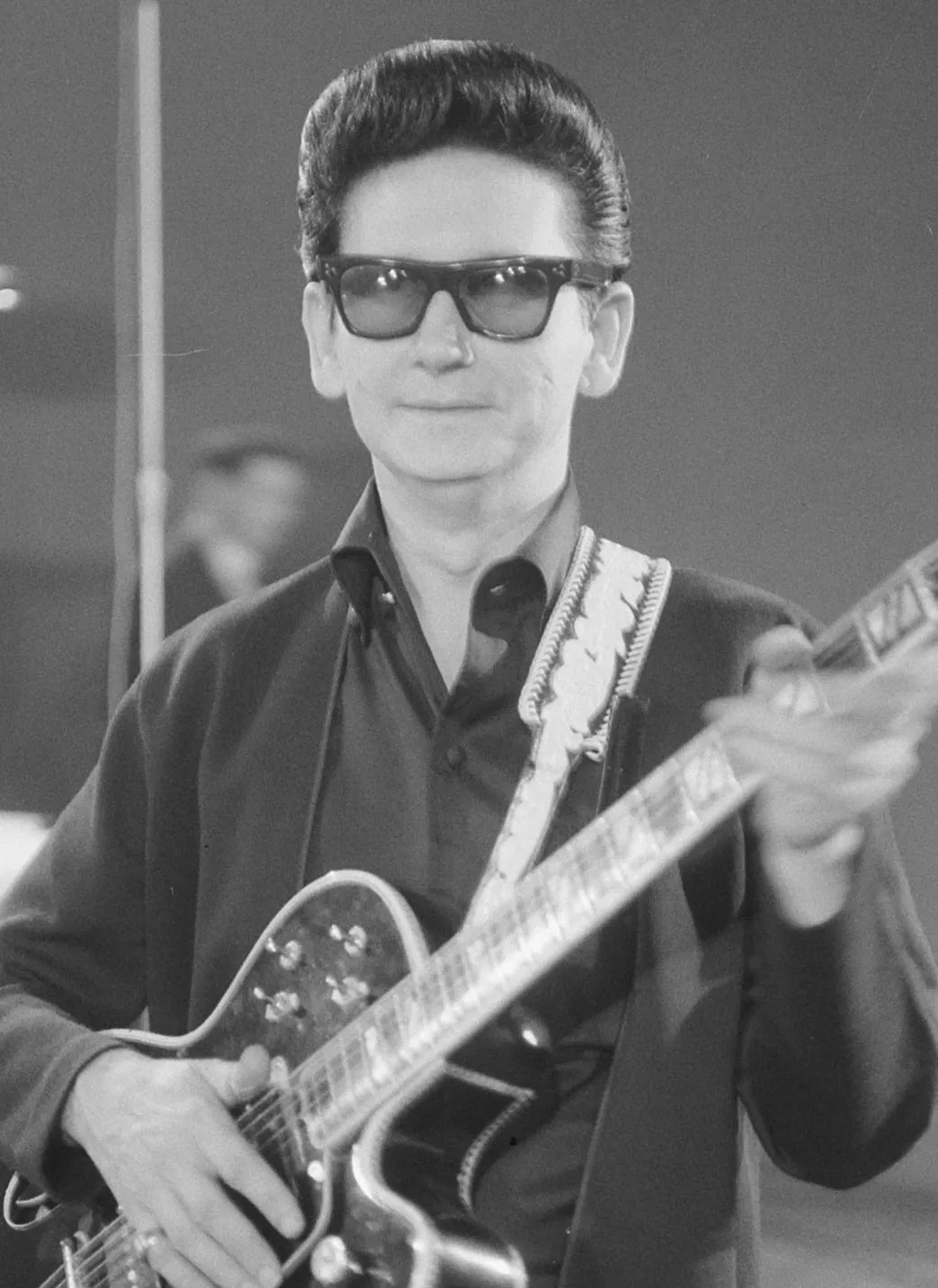
Photo by Jack de Nijs for Anefo , licensed under CC0 · Wikimedia Commons
Rank #282
Roy Orbison
From Wikipedia
Roy Kelton Orbison was an American singer, songwriter and guitarist known for his distinctive and powerful voice, complex song structures, and dark, emotional ballads. Orbison's most successful periods were in the early 1960s and the late 1980s. Many of Orbison's songs conveyed vulnerability at a time when most male performers projected strength. He performed with minimal motion and in black clothes, matching his dyed black hair and dark sunglasses.
Discography & Previews
Browse through and click an album to open and play 30-second previews streamed from Apple Music.

At the Rock House
1961 · 12 tracks
- 1 This Kind of Love ↗ 2:16
- 2 Devil Doll (feat. The Roses) ↗ 2:09
- 3 You're My Baby ↗ 2:05
- 4 Trying To Get To You ↗ 2:49
- 5 It's Too Late ↗ 2:07
- 6 Rock House ↗ 2:03
- 7 You're Gonna Cry ↗ 2:15
- 8 I Never Knew ↗ 2:29
- 9 Sweet and Easy to Love (feat. The Roses) ↗ 2:10
- 10 Mean Little Mama ↗ 2:06
- 11 Ooby Dooby (feat. The Teen Kings) ↗ 2:11
- 12 Problem Child ↗ 2:27
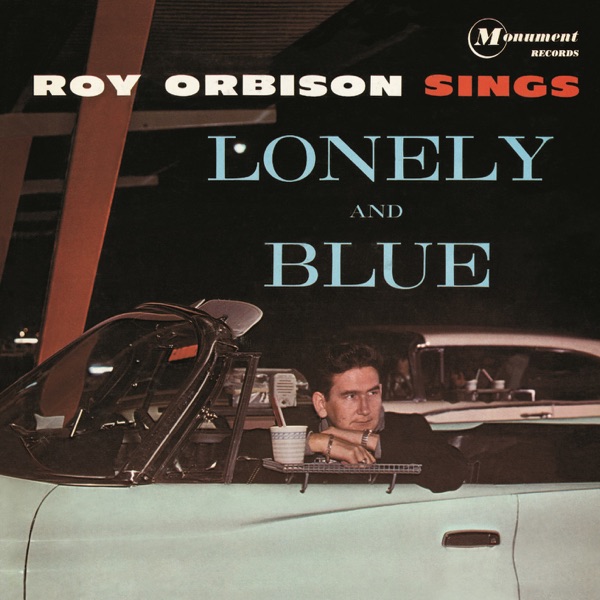
Lonely and Blue
1961 · 12 tracks
- 1 Only the Lonely ↗ 2:28
- 2 Bye Bye Love ↗ 2:16
- 3 Cry ↗ 2:44
- 4 Blue Avenue ↗ 2:22
- 5 I Can't Stop Loving You ↗ 2:46
- 6 Come Back to Me (My Love) ↗ 2:30
- 7 Blue Angel ↗ 2:53
- 8 Raindrops ↗ 1:56
- 9 (I'd Be) A Legend In My Time (1960 Version) ↗ 3:11
- 10 I'm Hurtin' ↗ 2:46
- 11 Twenty-Two Days ↗ 3:09
- 12 I'll Say It's My Fault ↗ 2:21


In Dreams
1963 · 12 tracks

There Is Only One Roy Orbison
1965 · 12 tracks
- 1 Ride Away ↗ 3:28
- 2 You Fool You ↗ 2:10
- 3 Two of a Kind ↗ 2:37
- 4 This Is Your Song ↗ 2:18
- 5 I'm In a Blue, Blue Mood ↗ 1:51
- 6 If You Can't Say Something Nice ↗ 2:21
- 7 Claudette ↗ 2:01
- 8 Afraid to Sleep ↗ 2:15
- 9 Sugar and Honey ↗ 2:22
- 10 Summer Love ↗ 2:29
- 11 Big As I Can Dream ↗ 2:08
- 12 Wondering ↗ 2:16
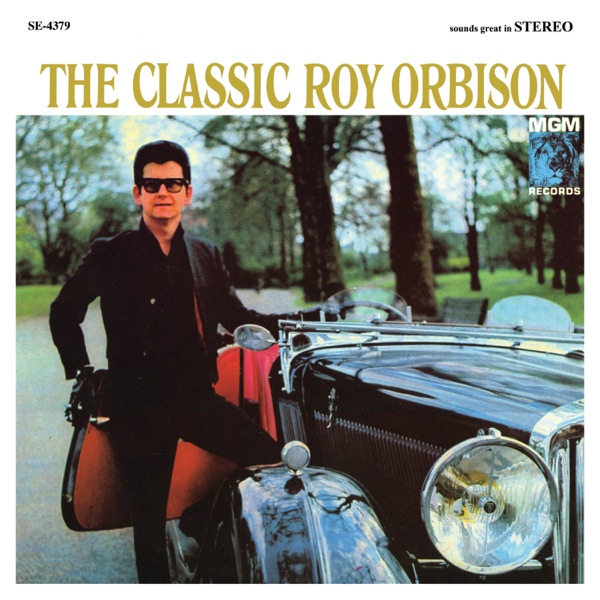
The Classic Roy Orbison
1966 · 12 tracks
- 1 You'll Never Be Sixteen Again ↗ 2:55
- 2 Pantomime ↗ 3:00
- 3 Twinkle Toes ↗ 2:39
- 4 Losing You ↗ 2:42
- 5 City Life ↗ 2:47
- 6 Wait ↗ 2:24
- 7 Growing Up ↗ 2:47
- 8 Where Is Tomorrow ↗ 2:45
- 9 (No) I'll Never Get Over You ↗ 2:10
- 10 Going Back to Gloria ↗ 2:45
- 11 Just Another Name for Rock and Roll ↗ 2:10
- 12 Never Love Again ↗ 2:11
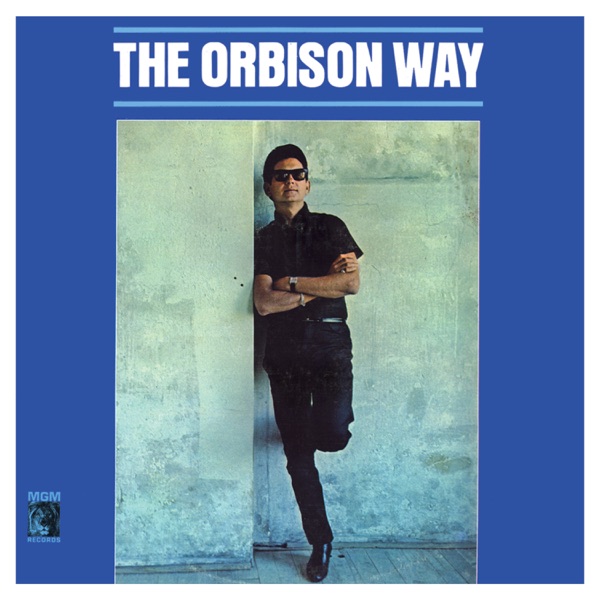
The Orbison Way
1966 · 12 tracks
- 1 Crawling Back ↗ 3:18
- 2 It Ain't No Big Thing ↗ 2:24
- 3 Time Changed Everything ↗ 2:11
- 4 This Is My Land ↗ 3:08
- 5 The Loner ↗ 2:25
- 6 Maybe ↗ 2:26
- 7 Breakin' Up Is Breakin' My Heart ↗ 2:11
- 8 Go Away ↗ 3:08
- 9 A New Star ↗ 2:59
- 10 Never ↗ 2:21
- 11 It Wasn't Very Long Ago ↗ 2:36
- 12 Why Hurt the One Who Loves You ↗ 2:38
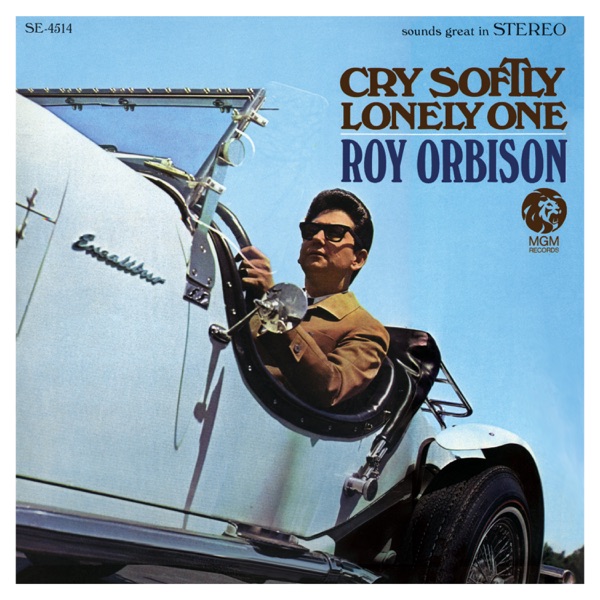
Cry Softly Lonely One
1967 · 11 tracks

Sings Don Gibson
1967 · 12 tracks
- 1 (I'd Be) A Legend In My Time (1967 Version) ↗ 2:19
- 2 (Yes) I'm Hurting ↗ 2:16
- 3 The Same Street ↗ 2:18
- 4 Far, Far Away ↗ 2:10
- 5 Big Hearted Me ↗ 1:52
- 6 Sweet Dreams ↗ 3:07
- 7 Oh, Such a Stranger ↗ 3:20
- 8 Blue, Blue Day ↗ 2:11
- 9 What About Me ↗ 2:08
- 10 Give Myself a Party ↗ 2:30
- 11 Too Soon to Know ↗ 2:48
- 12 Lonesome Number One ↗ 2:24


Hank Williams the Roy Orbison Way
1970 · 11 tracks
- 1 Kaw-Liga ↗ 3:00
- 2 Hey, Good Lookin' ↗ 2:40
- 3 Jambalaya (On the Bayou) ↗ 2:13
- 4 (Last Night) I Heard You Crying In Your Sleep ↗ 2:34
- 5 You Win Again ↗ 2:42
- 6 Your Cheatin' Heart ↗ 2:19
- 7 Cold, Cold Heart ↗ 2:43
- 8 A Mansion On the Hill ↗ 2:54
- 9 I Can't Help It (If I'm Still In Love with You) ↗ 3:18
- 10 There'll Be No Teardrops Tonight ↗ 3:03
- 11 I'm So Lonesome I Could Cry ↗ 3:01
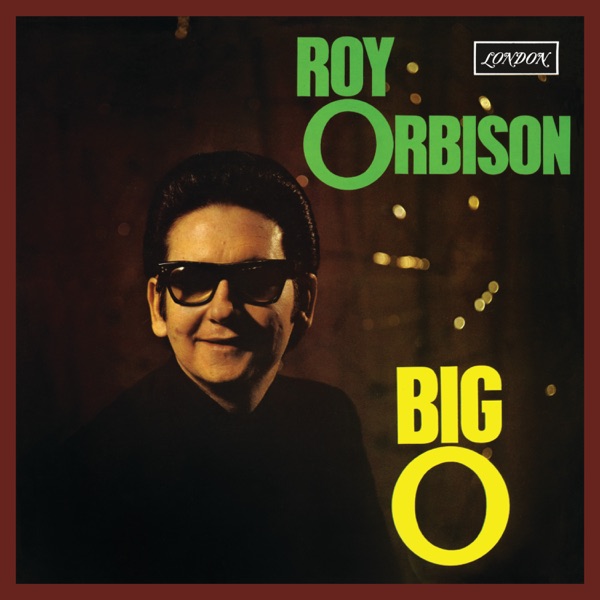
Big O
1970 · 12 tracks
- 1 Break My Mind ↗ 3:15
- 2 Help Me, Rhonda ↗ 2:56
- 3 Only You ↗ 2:40
- 4 Go, Go, Go (Down the Line) ↗ 2:27
- 5 Money ↗ 3:01
- 6 When I Stop Dreaming ↗ 2:32
- 7 Loving Touch ↗ 2:48
- 8 Land of a Thousand Dances ↗ 3:12
- 9 Scarlet Ribbons (For Her Hair) ↗ 2:59
- 10 She Won't Hang Her Love Out (On the Line) ↗ 2:11
- 11 Casting My Spell On You ↗ 2:04
- 12 Penny Arcade ↗ 3:07
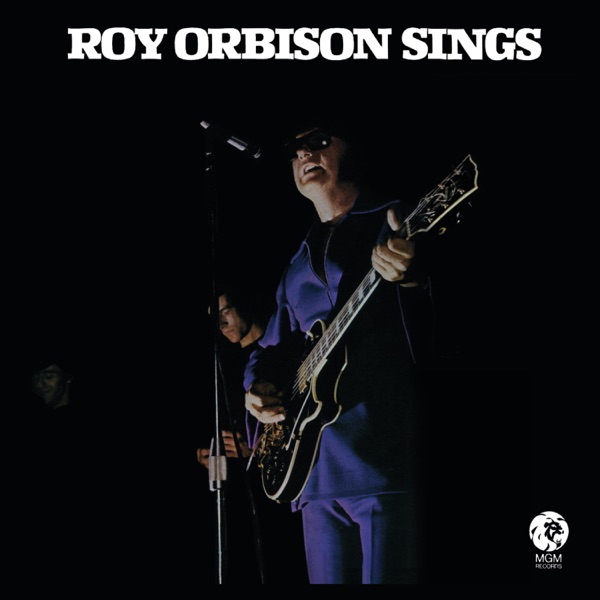
Roy Orbison Sings
1972 · 11 tracks
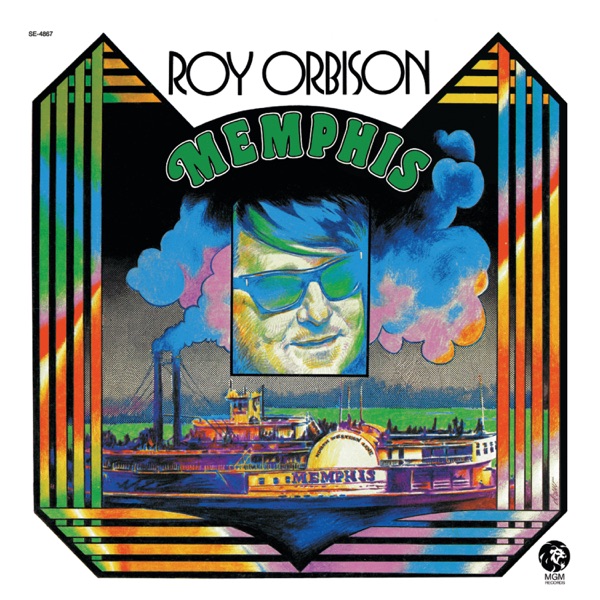
Memphis
1972 · 11 tracks
- 1 Memphis, Tennessee ↗ 2:48
- 2 Why a Woman Cries ↗ 4:23
- 3 Run, Baby, Run (Back Into My Arms) ↗ 3:19
- 4 Take Care of Your Woman ↗ 2:48
- 5 I'm the Man On Susie's Mind ↗ 3:04
- 6 I Can't Stop Loving You ↗ 2:56
- 7 Run the Engines Up High ↗ 2:50
- 8 It Ain't No Big Thing (But It's Growing) ↗ 3:08
- 9 I Fought the Law ↗ 2:28
- 10 The Three Bells ↗ 3:45
- 11 Danny Boy ↗ 6:10

Milestones
1973 · 11 tracks
- 1 I Wanna Live ↗ 2:38
- 2 You Don't Know Me ↗ 3:26
- 3 California Sunshine Girl ↗ 3:40
- 4 Words ↗ 3:17
- 5 Blue Rain (Coming Down) ↗ 3:20
- 6 Drift Away ↗ 3:50
- 7 You Lay So Easy On My Mind ↗ 3:04
- 8 The World You Live In ↗ 2:39
- 9 Sweet Caroline ↗ 3:06
- 10 I've Been Loving You Too Long (To Stop Now) ↗ 3:38
- 11 The Morning After ↗ 3:02
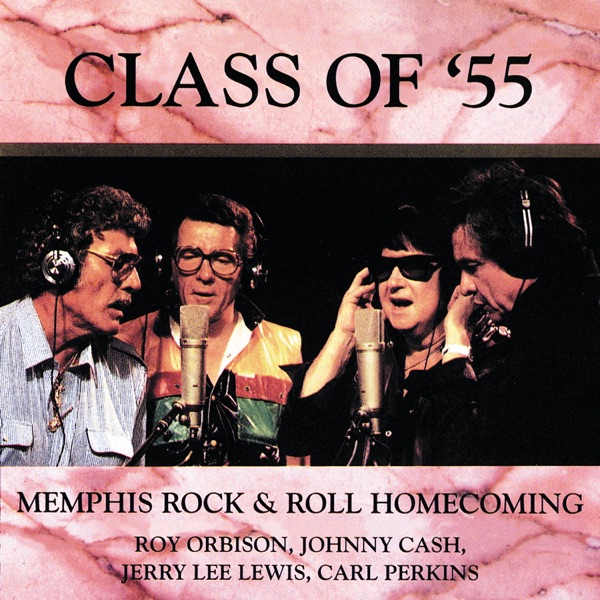
Class of ’55: Memphis Rock & Roll Homecoming
1986 · 10 tracks
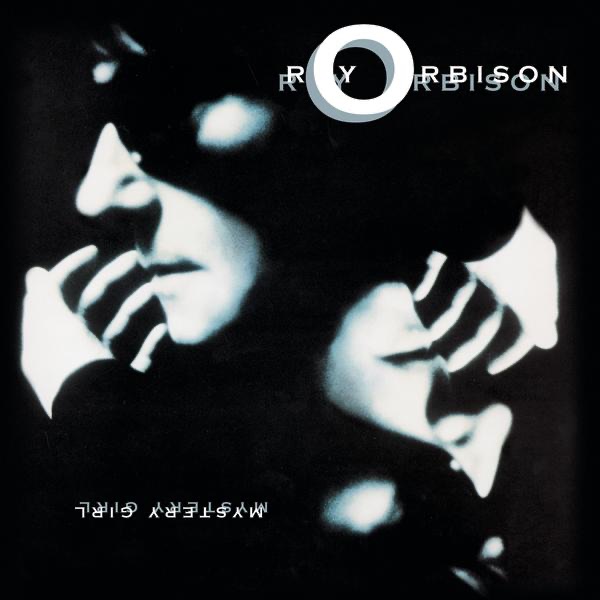
Mystery Girl
1988 · 11 tracks
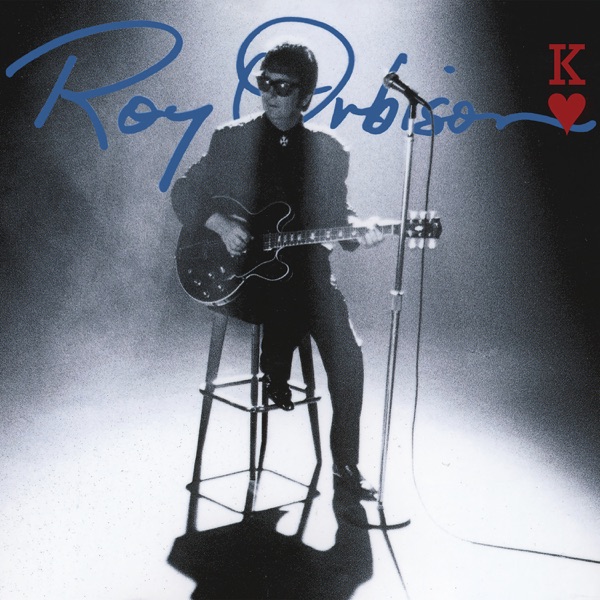
King of Hearts
1992 · 10 tracks
- 1 You're The One (2022 Remaster) ↗ 3:01
- 2 Heartbreak Radio (2022 Remaster) ↗ 2:58
- 3 We'll Take The Night (2022 Remaster) ↗ 4:56
- 4 Crying (2022 Remaster) ↗ 3:49
- 5 After The Love Has Gone (2022 Remaster) ↗ 4:40
- 6 Love In Time (2022 Remaster) ↗ 5:32
- 7 I Drove All Night (2022 Remaster) ↗ 3:47
- 8 Wild Hearts Run Out Of Time (2022 Remaster) ↗ 3:33
- 9 Coming Home (2022 Remaster) ↗ 4:02
- 10 Careless Heart (2022 Remaster) ↗ 5:15
Rock House
2014 · 12 tracks
- 1 This Kind of Love ↗ 2:16
- 2 Devil Doll (feat. The Roses) ↗ 2:09
- 3 You're My Baby ↗ 2:05
- 4 Trying To Get To You ↗ 2:49
- 5 It's Too Late ↗ 2:07
- 6 Rock House ↗ 2:03
- 7 You're Gonna Cry ↗ 2:15
- 8 I Never Knew ↗ 2:29
- 9 Sweet and Easy to Love (feat. The Roses) ↗ 2:10
- 10 Mean Little Mama ↗ 2:06
- 11 Ooby Dooby (feat. The Teen Kings) ↗ 2:11
- 12 Problem Child ↗ 2:27
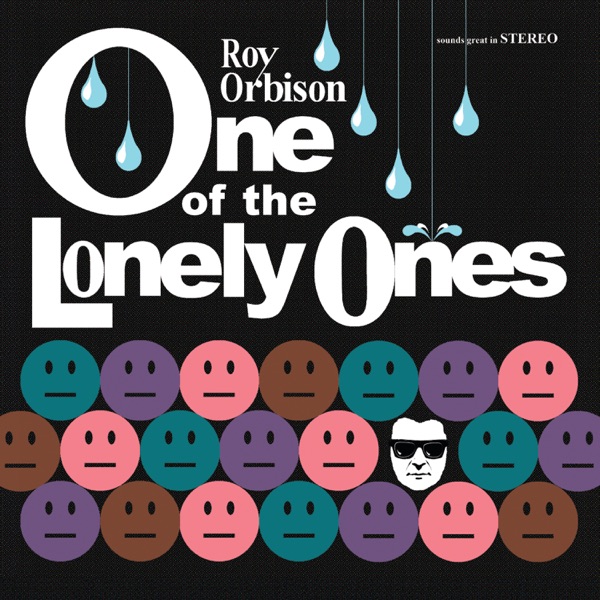
One of the Lonely Ones
2015 · 12 tracks
- 1 You'll Never Walk Alone ↗ 2:07
- 2 Say No More ↗ 3:00
- 3 Leaving Makes the Rain Come Down ↗ 2:52
- 4 Sweet Memories ↗ 2:49
- 5 Laurie ↗ 2:33
- 6 One of the Lonely Ones ↗ 2:37
- 7 Child Woman, Woman Child ↗ 3:23
- 8 The Defector ↗ 2:04
- 9 Give Up ↗ 3:07
- 10 Little Girl (In the Big City) ↗ 3:07
- 11 After Tonight ↗ 3:22
- 12 I Will Always ↗ 2:42
-
 At the Rock HouseRoy Orbison196112 tracks
 -
 Lonely and BlueRoy Orbison196112 tracks
 -
 CryingRoy Orbison196212 tracks
 -
 In DreamsRoy Orbison196312 tracks
 -
 There Is Only One Roy OrbisonRoy Orbison196512 tracks
 -
 The Classic Roy OrbisonRoy Orbison196612 tracks
 -
 The Orbison WayRoy Orbison196612 tracks
 -
 Cry Softly Lonely OneRoy Orbison196711 tracks
 -
 Sings Don GibsonRoy Orbison196712 tracks
 -
 Roy Orbison’s Many MoodsRoy Orbison196911 tracks
 -
 Hank Williams the Roy Orbison WayRoy Orbison197011 tracks
 -
 Big ORoy Orbison197012 tracks
 -
 Roy Orbison SingsRoy Orbison197211 tracks
 -
 MemphisRoy Orbison197211 tracks
 -
 MilestonesRoy Orbison197311 tracks
 -
 RegenerationRoy Orbison197610 tracks
 -
 Class of ’55: Memphis Rock & Roll HomecomingRoy Orbison198610 tracks
 -
 Mystery GirlRoy Orbison198811 tracks
 -
 King of HeartsRoy Orbison199210 tracks
 - Rock HouseRoy Orbison201412 tracks
-
 One of the Lonely OnesRoy Orbison201512 tracks
Deep Dive
Overview
Roy Kelton Orbison (1936–1988) stands as one of rock music’s most distinctive and emotionally complex figures. Born in Texas, Orbison carved a career spanning over four decades that saw him move fluidly between rockabilly, country, and pop balladeering—always maintaining a sound unmistakably his own. His significance lies not in prolific hit-making alone, but in his refusal to project the masculine invulnerability that dominated male rock performance in the 1950s and 1960s. Where his contemporaries sang of conquest and bravado, Orbison made vulnerability and emotional anguish central to the rock idiom.
Formation Story
Roy Orbison grew up in West Texas and Oklahoma during the rise of country music and early rock and roll. He came of age in a region steeped in both Western swing and the emerging rockabilly sound of the early 1950s. His entry into professional music came through the natural channels of the era—local performances, radio exposure, and the recording infrastructure that had sprung up around Sun Records and its contemporaries. By the late 1950s, Orbison had begun establishing himself as a performer with a singular approach: where rockabilly typically favored uptempo energy and swagger, Orbison gravitated toward arrangements that emphasized drama, orchestration, and emotional depth even within the genre’s confines.
Breakthrough Moment
Orbison’s commercial and artistic breakthrough arrived in the early 1960s. His albums Lonely and Blue (1961) and Crying (1962) established the template that would define his peak years: lush orchestrations, complex song structures, and a vocal approach that treated each lyric as an emotional confession. The title track of Crying became one of his signature achievements, showcasing his ability to build tension through arrangement and dynamic vocal control. These albums, released on Monument Records, demonstrated that there was substantial audience appetite for male rock performers who could express pain, loss, and yearning without irony or detachment. By 1963, with the release of In Dreams, Orbison had solidified his position as a major recording artist.
Peak Era
Orbison’s most successful period spanned the early-to-mid 1960s, from roughly 1961 through 1965. During this window, he released In Dreams (1963) and There Is Only One Roy Orbison (1965), albums that found him working at the height of his creative powers. His approach to production—employing strings, backing vocals, and carefully controlled dynamics—gave his records a cinematic quality that set them apart from the leaner rock and roll of the era. His stage presence reinforced this artistic identity: dressed entirely in black, wearing dark sunglasses indoors and out, moving with minimal physical gesture, he created a visual and sonic aesthetic that was both immediately recognizable and deliberately isolated. This was a man performing the interior life, not the external conquest.
Musical Style
Orbison’s sound emerged from rockabilly but departed significantly from its typical sonic signature. Where rockabilly emphasized driving rhythm, simple instrumentation, and straightforward energy, Orbison layered his recordings with orchestral arrangements, backing vocal groups, and production choices that emphasized space and echo. His voice—described as distinctive and powerful—operated across a wide range and with considerable emotional control. He would shift from tender, almost whispered passages to full-voiced declarations of loss or longing within a single song. His songwriting favored complex structures, often building to emotional crescendos rather than radio-friendly simplicity. Rhythmically, his records drew from country and rockabilly foundations but were orchestrated and arranged in ways that suggested influence from pop balladry and even classical music. This hybrid approach—rock and country roots filtered through sophisticated production and arrangement—became his identifying sound.
Major Albums
Lonely and Blue (1961)
Orbison’s early breakthrough, establishing his ability to craft emotionally direct material with sophisticated arrangements and demonstrating that rockabilly territory could accommodate genuine vulnerability.
Crying (1962)
Titled after one of his most enduring recordings, this album solidified Orbison as a major artist and showcased his gift for building emotional intensity through orchestration and vocal dynamics.
In Dreams (1963)
An artistic peak featuring elaborate arrangements and complex songwriting that confirmed Orbison’s status as a sophisticated recording artist capable of rivaling any contemporary pop or rock performer in terms of arrangement and production ambition.
There Is Only One Roy Orbison (1965)
Released at the height of his powers, this album demonstrated the full range of his artistic approach and included some of his most assured vocal and compositional work.
Mystery Girl (1988)
Orbison’s final studio album, released in the year of his death, marked a significant late-career resurgence and demonstrated his continued relevance and artistic vitality in the late 1980s.
Signature Songs
- Crying — Orbison’s most iconic recording, featuring his characteristic shift from intimate vulnerability to soaring vocal power, building to an emotional climax through orchestral arrangement.
- In Dreams — A showcase for his ability to move between tender introspection and passionate assertion within a single performance.
- Only the Lonely — Encapsulating his emotional approach and demonstrating how rockabilly DNA could be transformed through orchestration and vulnerability.
- Running Scared — Featuring dramatic string arrangements and dynamic vocal control that exemplify his approach to turning emotional anxiety into rock material.
- The Orbison Way — Highlighting his skill at reinterpreting material and making it his own through distinctive vocal and arrangement choices.
Influence on Rock
Orbison’s influence on rock music operates on multiple levels. Most directly, he demonstrated that male rock performers could center emotional vulnerability without losing commercial viability or artistic credibility. This opened conceptual space for subsequent performers across multiple genres who wished to access and express genuine emotional complexity. His orchestral and arrangement-forward approach to rock recording influenced the direction of pop-rock production throughout the 1960s and beyond, suggesting that rock could be both commercially sophisticated and emotionally serious. His visual aesthetic—the black clothes, sunglasses, minimal motion—created a template for a certain kind of rock performer: the gentleman in shadow, the emotionally serious artist in an industry often pushing spectacle and exhibitionism.
Legacy
Roy Orbison’s long-term legacy rests on his status as a foundational figure in the establishment of emotional complexity as a legitimate rock and pop value. His death in 1988 came at a moment when his work was finding renewed recognition; the release of Mystery Girl that same year signaled his continued artistic engagement. Subsequent decades have seen steady reissue activity and anthologies—including In Dreams: The Greatest Hits (1987), Class of ‘55: Memphis Rock & Roll Homecoming (1986), and numerous compilations and retrospectives—that have kept his work in circulation. His influence traces through performers and songwriters working across rock, country, and pop who have drawn on his example of combining genre accessibility with emotional substance and sophisticated production. Streaming platforms have made his catalog continuously available to new listeners, and his iconic visual and sonic identity remains instantly recognizable across generations.
Fun Facts
- Orbison performed in black clothes, black hair, and dark sunglasses as part of a deliberate aesthetic choice that became instantly associated with his image and separated him visually from most rock performers of his era.
- He recorded for a diverse array of labels throughout his career, including Sun Records, Monument Records, MGM Records, London Records, and Virgin Records, reflecting both his long career span and shifts in the recording industry.
- His 1986 album Class of ‘55: Memphis Rock & Roll Homecoming represented a significant late-career collaborative project, positioning him alongside other enduring figures from the early rock era.
- Though rockabilly-rooted, Orbison also recorded tribute albums and reinterpretations of material from other artists and traditions, demonstrating the flexibility of his approach and his respect for songwriting craft across genres.