
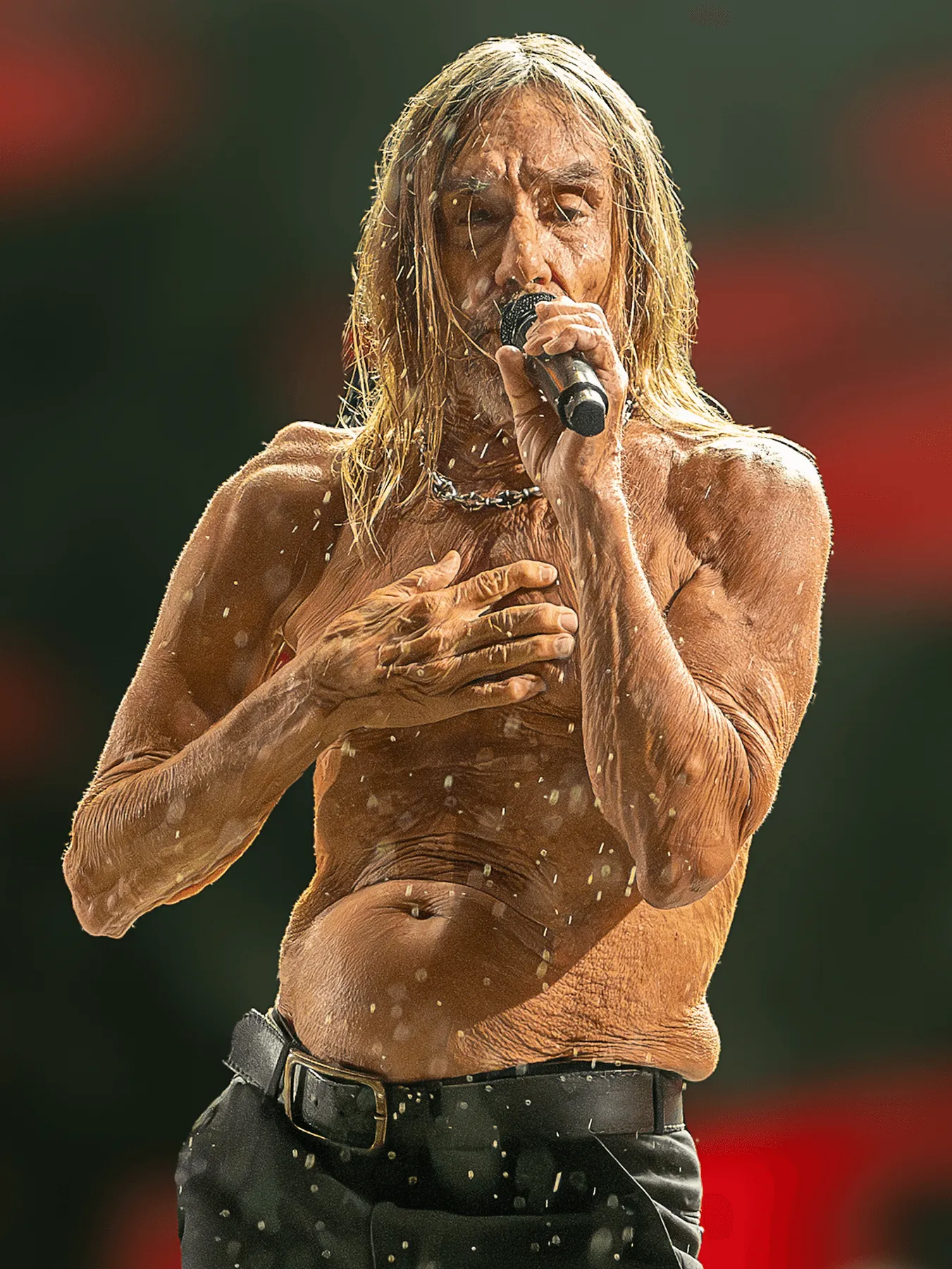
Photo by Dirk Annemans , licensed under CC BY-SA 4.0 · Wikimedia Commons
Rank #123
Iggy Pop
From Wikipedia
James Newell Osterberg Jr., known professionally as Iggy Pop, is an American singer, songwriter, musician, and actor who was the lead vocalist of the proto-punk band the Stooges. Regarded as the "Godfather of Punk", he is noted for his outrageous and unpredictable stage antics, poetic lyrics, and unique voice. He was named one of the 50 Great Voices by NPR, inducted into the Rock and Roll Hall of Fame as a member of the Stooges in 2010, and received a Grammy Lifetime Achievement Award in 2020 for his solo career.
Discography & Previews
Browse through and click an album to open and play 30-second previews streamed from Apple Music.

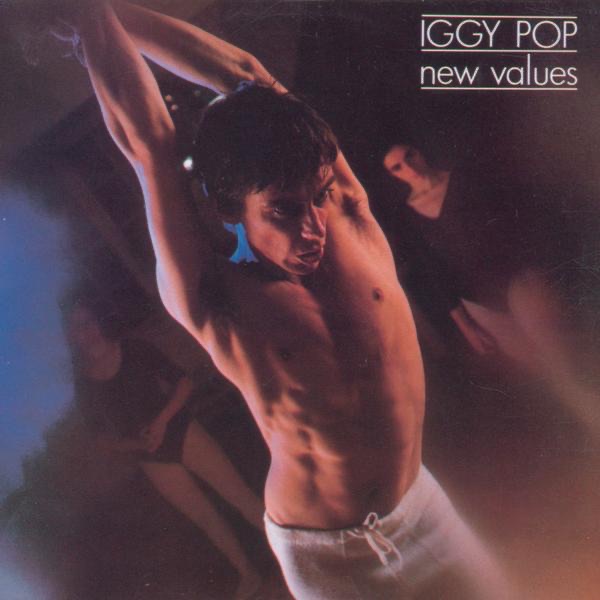
New Values
1979 · 12 tracks
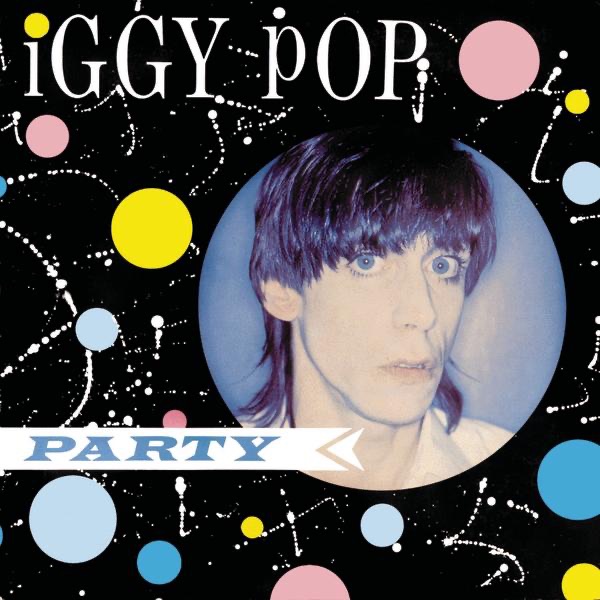
Party
1981 · 12 tracks
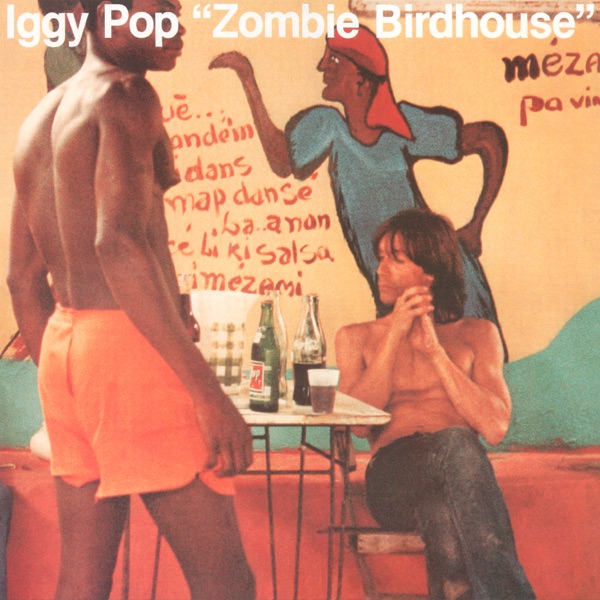
Zombie Birdhouse
1982 · 13 tracks
- 1 Run Like a Villain ↗ 3:05
- 2 The Villagers ↗ 3:54
- 3 Angry Hills ↗ 3:02
- 4 Life of Work ↗ 3:57
- 5 The Ballad of Cookie McBride ↗ 3:01
- 6 Ordinary Bummer ↗ 2:44
- 7 Eat or Be Eaten ↗ 3:17
- 8 Bulldozer ↗ 2:20
- 9 Platonic ↗ 2:42
- 10 The Horse Song ↗ 2:54
- 11 Watching the News ↗ 4:14
- 12 Street Crazies ↗ 3:59
- 13 Pain and Suffering ↗ 2:59

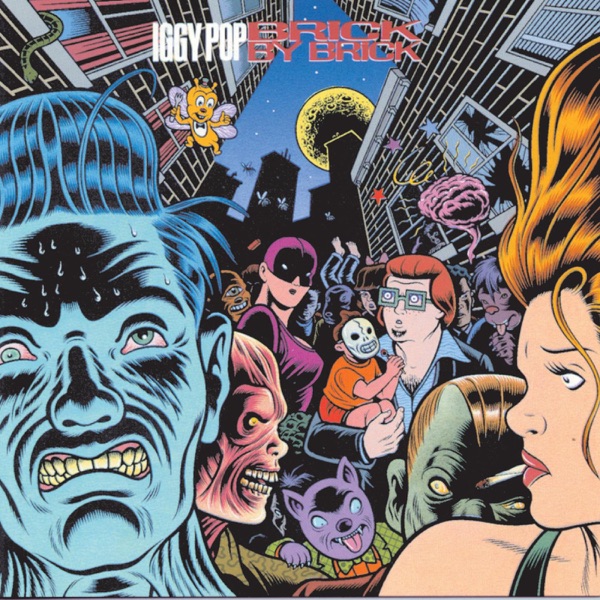
Brick by Brick
1990 · 14 tracks
- 1 Home ↗ 4:01
- 2 Main Street Eyes ↗ 3:41
- 3 I Won't Crap Out ↗ 4:03
- 4 Candy ↗ 4:13
- 5 Butt Town ↗ 3:34
- 6 The Undefeated ↗ 5:05
- 7 Moonlight Lady ↗ 3:31
- 8 Something Wild ↗ 4:01
- 9 Neon Forest ↗ 7:06
- 10 Starry Night ↗ 4:02
- 11 P***y Power ↗ 2:47
- 12 My Baby Wants to Rock and Roll ↗ 4:46
- 13 Brick By Brick ↗ 3:31
- 14 Livin' On the Edge of the Night ↗ 3:38
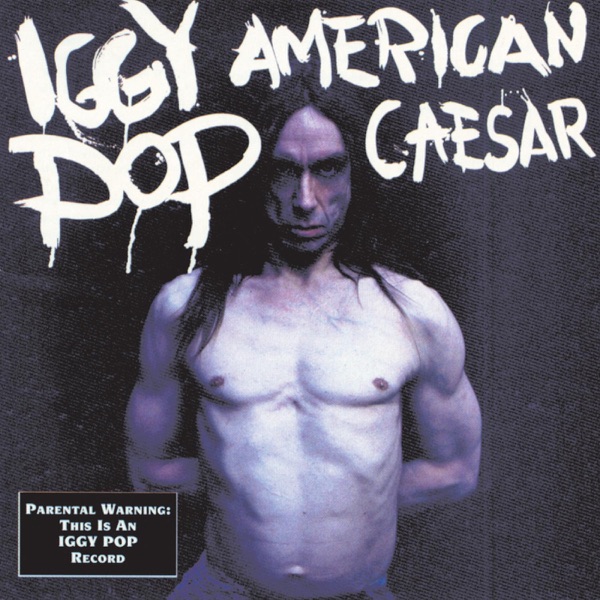
American Caesar
1993 · 16 tracks
- 1 Character ↗ 1:08
- 2 Wild America ↗ 5:45
- 3 Mixin' the Colors ↗ 4:50
- 4 Jealousy ↗ 6:04
- 5 Hate ↗ 7:01
- 6 It's Our Love ↗ 4:10
- 7 Plastic and Concrete ↗ 2:55
- 8 F****n' Alone ↗ 4:59
- 9 Highway Song ↗ 3:45
- 10 Beside You ↗ 4:30
- 11 Sickness ↗ 3:15
- 12 Boogie Boy ↗ 4:47
- 13 Perforation Problems ↗ 3:17
- 14 Social Life ↗ 4:13
- 15 Louie Louie ↗ 3:48
- 16 Caesar ↗ 7:12

Avenue B
1999 · 13 tracks
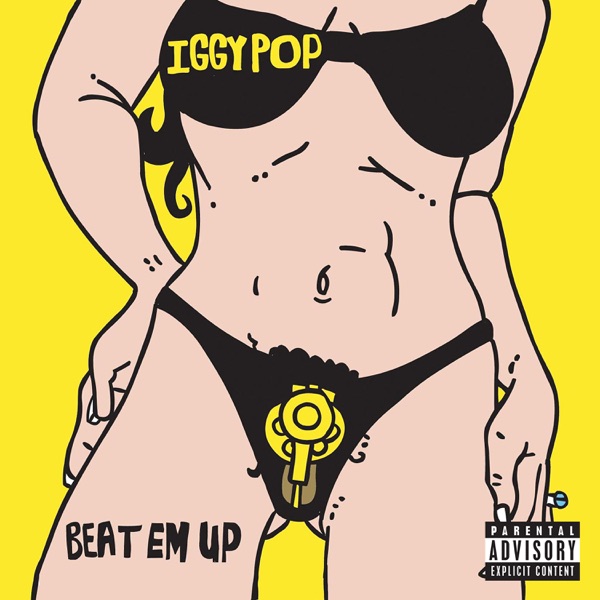
Beat ’Em Up
2001 · 16 tracks
- 1 Mask ↗ 2:54
- 2 L.O.S.T. ↗ 3:24
- 3 Howl ↗ 5:06
- 4 Football ↗ 3:53
- 5 Savior ↗ 4:37
- 6 Beat 'Em Up ↗ 4:27
- 7 Talking Snake ↗ 4:28
- 8 The Jerk ↗ 3:44
- 9 Death Is Certain ↗ 4:39
- 10 Go for the Throat ↗ 3:57
- 11 Weasels ↗ 3:00
- 12 Drink New Blood ↗ 4:33
- 13 It's All Shit ↗ 4:57
- 14 Ugliness ↗ 5:37
- 15 V.I.P. ↗ 7:12
- 16 Sterility ↗ 4:59
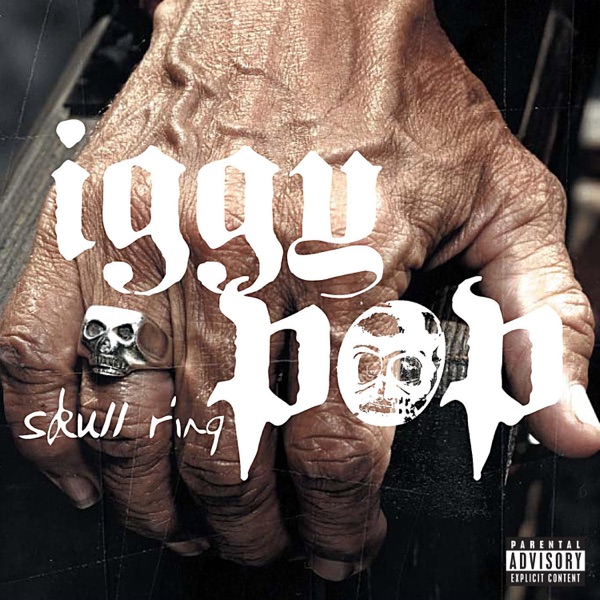
Skull Ring
2003 · 17 tracks
- 1 Little Electric Chair ↗ 4:41
- 2 Perverts in the Sun (feat. The Trolls) ↗ 3:18
- 3 Skull Ring ↗ 3:52
- 4 Superbabe (feat. The Trolls) ↗ 4:09
- 5 Loser ↗ 2:41
- 6 Private Hell (feat. Green Day) ↗ 2:50
- 7 Little Know It All (feat. Sum 41) ↗ 3:33
- 8 Whatever (feat. The Trolls) ↗ 3:16
- 9 Dead Rock Star ↗ 4:40
- 10 Rock Show ↗ 2:09
- 11 Here Comes the Summer (feat. The Trolls) ↗ 4:53
- 12 Motor Inn (feat. Peaches & Feedom) ↗ 4:11
- 13 Inferiority Complex (feat. The Trolls) ↗ 4:13
- 14 Supermarket (feat. Green Day) ↗ 3:02
- 15 Til Wrong Feels Right ↗ 3:13
- 16 Blood on Your Cool (feat. The Trolls) ↗ 3:20
- 17 Nervous Exhaustion (feat. The Trolls) ↗ 3:14

Préliminaires
2009 · 12 tracks
- 1 Les Feuilles Mortes ↗ 3:55
- 2 I Want to Go to the Beach ↗ 2:53
- 3 King of the Dogs ↗ 2:02
- 4 Je sais que tu sais ↗ 3:12
- 5 Spanish Coast ↗ 3:58
- 6 Nice to Be Dead ↗ 2:49
- 7 How Insensitive ↗ 3:03
- 8 Party Time ↗ 2:08
- 9 He's Dead, She's Alive ↗ 2:00
- 10 A Machine for Loving ↗ 3:16
- 11 She's a Business ↗ 3:11
- 12 Les feuilles mortes (Marc's Theme) ↗ 3:53
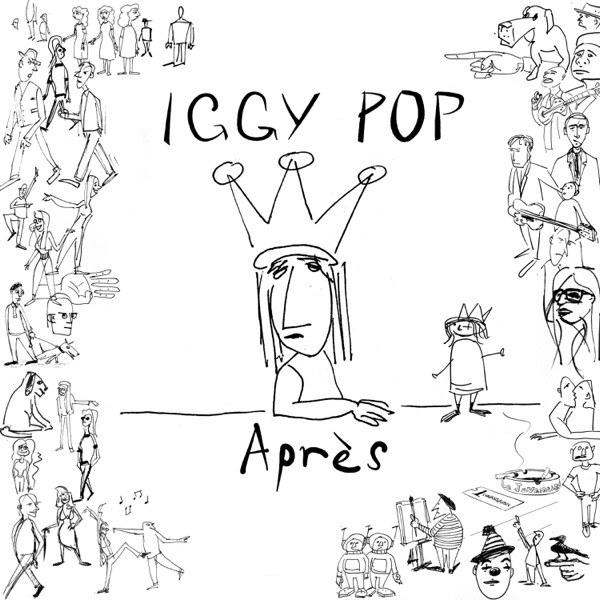
Après
2012 · 11 tracks
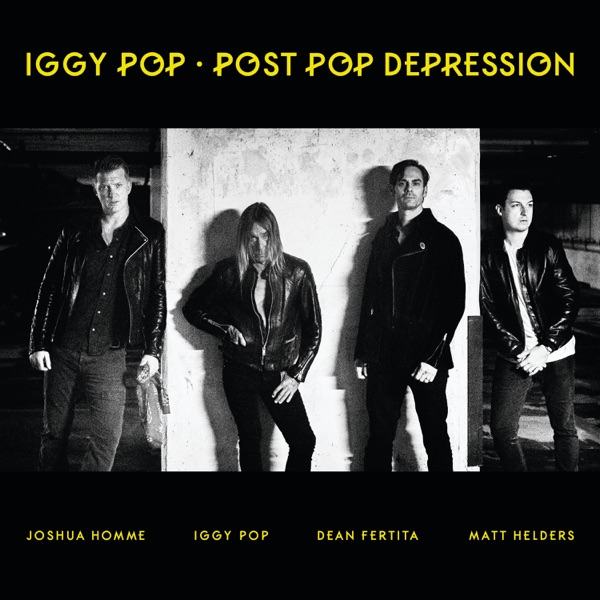

Lust for Live
2018 · 17 tracks
- 1 Iggy Speaks - Jim Morrison (Live 1977) ↗ 0:57
- 2 Lust for Life (Live in Manchester 9/25/77) ↗ 3:44
- 3 Iggy Speaks - Passing Interview (Live 1977) ↗ 1:20
- 4 The Passenger (Live in Manchester 9/25/77) ↗ 8:29
- 5 Iggy Speaks - Mutual Bowie (Live 1977) ↗ 2:18
- 6 Gloria (Live 1977) ↗ 4:46
- 7 Iggy Speaks - Mohammed Ali (Live 1977) ↗ 4:51
- 8 Modern Guy (Live 1977) ↗ 5:28
- 9 Iggy Speaks - Record Company (Live 1977) ↗ 2:52
- 10 I've Gotta Right (Live 1977) ↗ 3:46
- 11 Iggy Speaks - I've Broke a Bottle (Live 1977) ↗ 8:07
- 12 Fall in Love with Me (Live 1977) ↗ 7:33
- 13 Neighbourhood Threat (Live in Manchester 9/25/77) ↗ 4:43
- 14 Iggy Speaks - I Want to Be Something More (Live 1977) ↗ 1:32
- 15 TV Eye (Live 1977) ↗ 1:15
- 16 Raw Power (Live 1977) ↗ 4:11
- 17 Night Clubbing (Live 1977) ↗ 7:02


-
 The IdiotIggy Pop19778 tracks
 -
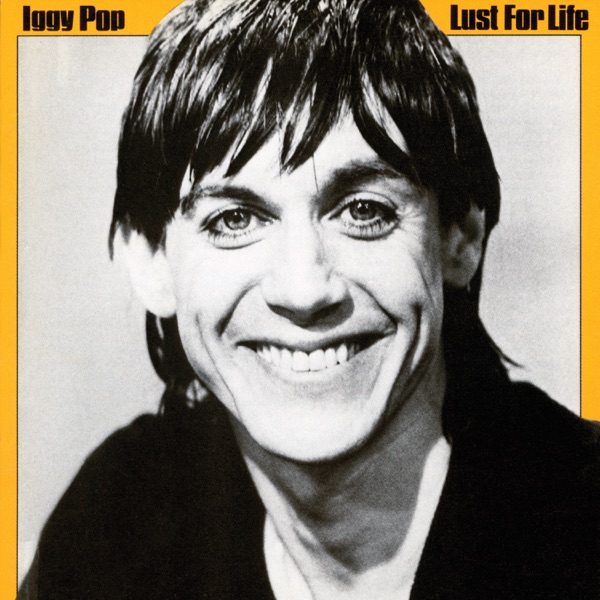
 Lust for LifeIggy Pop19779 tracks
 -
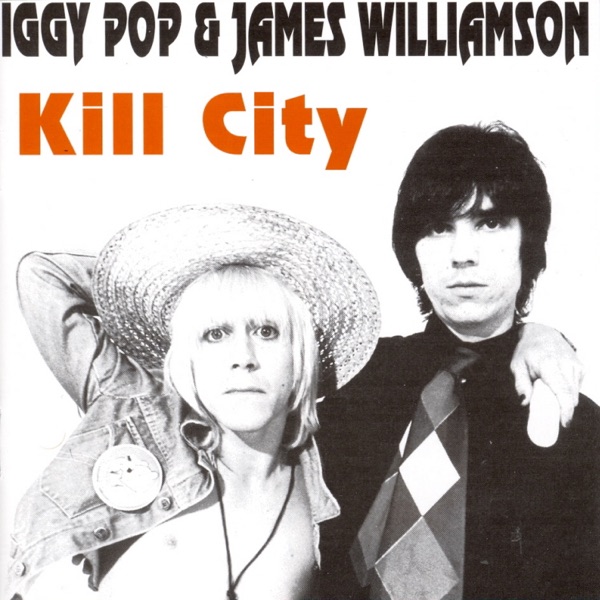
 Kill CityIggy Pop197711 tracks
 -
 New ValuesIggy Pop197912 tracks
 -
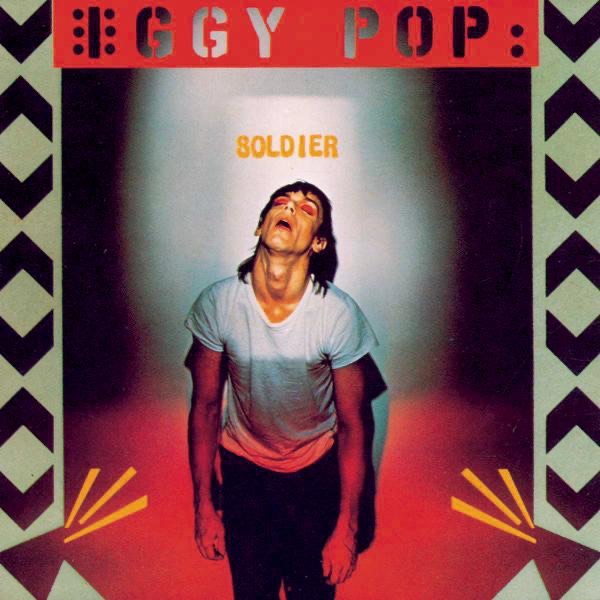
 SoldierIggy Pop198011 tracks
 -
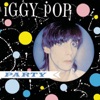 PartyIggy Pop198112 tracks
 -
 Zombie BirdhouseIggy Pop198213 tracks
 -
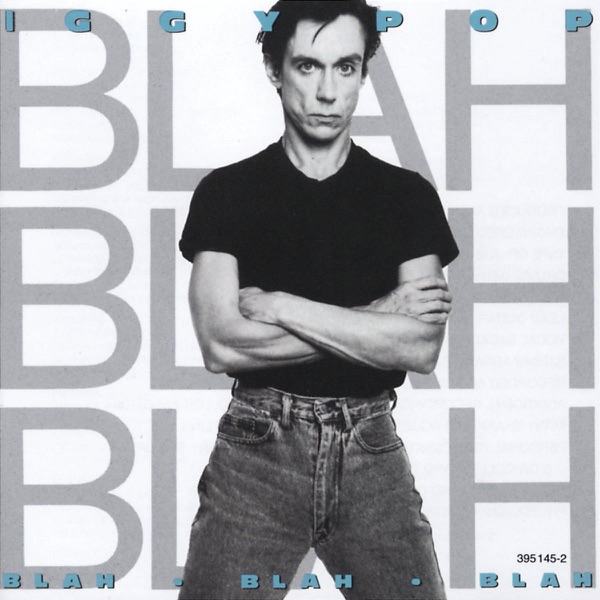
 Blah‐Blah‐BlahIggy Pop198610 tracks
 -
 InstinctIggy Pop198810 tracks
 -
 Brick by BrickIggy Pop199014 tracks
 -
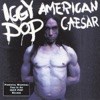 American CaesarIggy Pop199316 tracks
 -
 Avenue BIggy Pop199913 tracks
 -
 Beat ’Em UpIggy Pop200116 tracks
 -
 Skull RingIggy Pop200317 tracks
 -
 PréliminairesIggy Pop200912 tracks
 -
 AprèsIggy Pop201211 tracks
 -
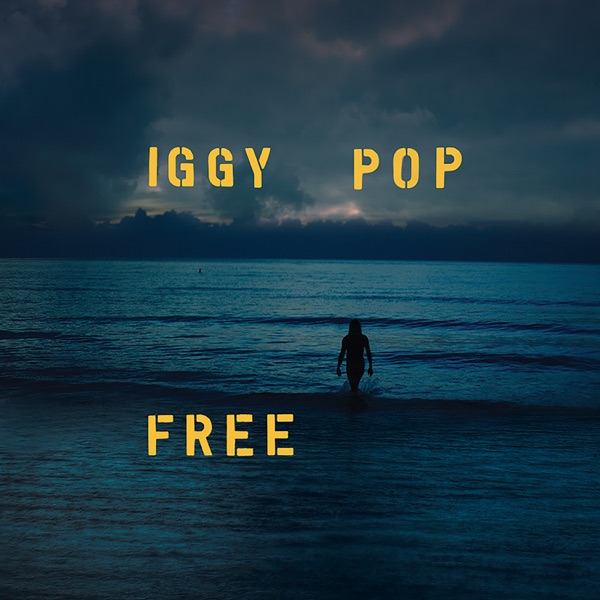
 Post Pop DepressionIggy Pop20169 tracks
 -
 Lust for LiveIggy Pop201817 tracks
 -
 FreeIggy Pop201910 tracks
 -
 The Acid LandsIggy Pop20203 tracks
 -
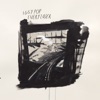 Every LoserIggy Pop202311 tracks
Deep Dive
Overview
Iggy Pop—born James Newell Osterberg Jr. in 1947—stands as one of rock music’s most fearless and uncompromising figures. Known as the “Godfather of Punk,” he emerged first as the volatile frontman of the proto-punk band the Stooges before launching a prolific solo career that has spanned nearly five decades. Pop’s influence extends far beyond a single era or sound; his unpredictable stage antics, raw poetic sensibility, and distinctive vocal delivery have defined a template for transgressive rock performance and artistic restlessness that continues to reverberate through contemporary music.
Formation Story
Iggy Pop came of age in the American Midwest during the 1960s, absorbing the raw energy of garage rock and the chaotic optimism of rock and roll’s early decades. He gravitated toward music as a vehicle for uninhibited self-expression, channeling a deep unease and restless ambition into the live performance. Before establishing himself as a solo artist, Pop crystallized his vision through the Stooges, the proto-punk outfit that would earn him initial notoriety and a cult following. When that chapter reached its creative and commercial exhaustion by the mid-1970s, Pop was faced with a choice: fade into obscurity or reinvent. He chose reinvention, embarking on a solo trajectory that would prove as unpredictable and generative as his work with the band.
Breakthrough Moment
The turning point in Pop’s solo career came in 1977, when he released two landmark albums in rapid succession: The Idiot and Lust for Life. Both records benefited from a crucial collaboration with David Bowie, who co-produced and provided instrumental and vocal support. The Idiot, released first, introduced a more austere, electronic-inflected aesthetic; Lust for Life, which followed months later, captured Pop at a more accessible yet still unpolished zenith. The title track “Lust for Life” became his most recognizable solo work, a propulsive, defiant anthem that proved a former punk frontman could achieve mainstream radio presence without compromising artistic integrity. These two records announced that Iggy Pop was not a footnote to the Stooges but a vital solo artist in his own right.
Peak Era
The period from 1977 through the early 1980s represents Pop’s commercial and critical apex as a solo performer. Beyond The Idiot and Lust for Life, he released Kill City (also in 1977), New Values (1979), Soldier (1980), and Party (1981), each exploring different facets of rock and electronic music. The collaboration with Bowie and the electronic production choices on these early records positioned Pop at the intersection of punk rawness and art-rock sophistication—a space few artists could occupy credibly. By the mid-1980s, the landscape had shifted; Blah-Blah-Blah (1986) marked a turn toward a more conventional rock sound, reflecting the changing commercial climate and Pop’s own evolving artistic interests.
Musical Style
Iggy Pop’s sound as a solo artist encompasses a wider stylistic range than his Stooges work, though it is unified by his unforgettable vocal presence and a refusal to settle into formula. His voice—sometimes spoken, sometimes sung in a half-shout, often deliberately off-key—cuts through arrangements with a rawness that no production technique can mask. In the late 1970s, particularly on The Idiot and Lust for Life, he embraced electronic instrumentation and synthesizers alongside traditional rock instrumentation, creating a hybrid aesthetic that prefigured post-punk and new wave. Over subsequent decades, Pop has moved between hard rock, garage rock inflections, and experimental production choices, always returning to a core sensibility rooted in blues-derived swagger and punk-derived refusal of pretense. His songwriting gravitates toward narrative clarity, sexual frankness, and existential vulnerability—lyrics that are simultaneously poetic and utterly direct.
Major Albums
The Idiot (1977)
Pop’s official solo debut remains one of his most influential recordings, shaped by Bowie’s production and a cool, austere electronic palette that contradicted punk orthodoxy while deepening its emotional core.
Lust for Life (1977)
A more energetic and accessible companion to The Idiot, anchored by its title track and marked by collaborations that proved Pop could sustain a solo career without the Stooges’ raw power.
New Values (1979)
The first album made largely without Bowie’s direct involvement, it showcased Pop’s songwriting maturity and his willingness to integrate more conventional rock structures into his distinctive artistic vision.
Soldier (1980)
A harder-edged record that found Pop exploring aggressive rock sonorities and demonstrating sustained creative hunger despite changing commercial tides.
Blah-Blah-Blah (1986)
Marking a stylistic shift toward mainstream rock accessibility, this album broadened his sonic palette while maintaining his inimitable vocal character and unvarnished lyrical approach.
Signature Songs
- “Lust for Life” — The defining Pop solo anthem, a propulsive declaration of appetite and survival that became his calling card.
- “The Idiot” — A stark, introspective title track that introduced listeners to the art-rock direction of his post-Stooges work.
- “China Girl” — A collaboration with Bowie showcasing Pop’s gift for erotically charged, unsettling rock songwriting.
- “Nightclubbing” — A cold, hypnotic track epitomizing the electronic aesthetic of his late-1970s peak.
Influence on Rock
Iggy Pop’s solo career cemented what his Stooges years had initiated: a redefinition of rock performance as an act of total commitment, physical abandon, and emotional risk. His willingness to embrace electronic production and art-rock experimentation at a moment when punk ideology demanded purity opened a path for post-punk and new wave artists. Generations of rockers—from Joy Division to Kanye West to contemporary alternative acts—have drawn from Pop’s template of vocal rawness, lyrical directness, and refusal to be confined by genre. His solo recordings proved that punk was not simply a reversion to three-chord simplicity but a philosophical stance that could coexist with sophisticated production and avant-garde ambition. In this sense, Pop’s solo career expanded the aesthetic possibilities available to rock musicians.
Legacy
Iggy Pop’s standing in rock history was formally enshrined by his induction into the Rock and Roll Hall of Fame as a member of the Stooges in 2010 and by a Grammy Lifetime Achievement Award in 2020 recognizing his solo contributions. NPR named him one of the 50 Great Voices, an honor acknowledging not virtuosity in the traditional sense but the unmistakable and transformative power of his delivery. His discography—encompassing over two dozen studio albums from 1977 onward—remains widely available on streaming platforms, ensuring that new listeners encounter his work regularly. Though his commercial reach has fluctuated, Pop has never ceased recording or performing, maintaining a relentless work ethic into his seventh decade. His later albums, from Post Pop Depression (2016) onward, continue to attract critical attention and demonstrate an artist refusing any retreat into nostalgia or retrospection.
Fun Facts
- Pop’s birth name, James Newell Osterberg Jr., reflects his Midwestern roots; “Iggy” evolved from a childhood nickname and became inseparable from his artistic identity.
- His 1977 output of three albums—The Idiot, Lust for Life, and Kill City—in a single year remains extraordinary productivity for a solo artist establishing himself in a new chapter.
- Despite his association with punk nihilism, Pop has maintained continuous creative output across five decades, releasing albums as recently as 2023 (Every Loser), a testament to his artistic durability.
- His stage presence, legendary for anarchic energy and physical danger, has influenced not only rock musicians but performance artists and actors across disciplines, extending his cultural impact beyond music.