
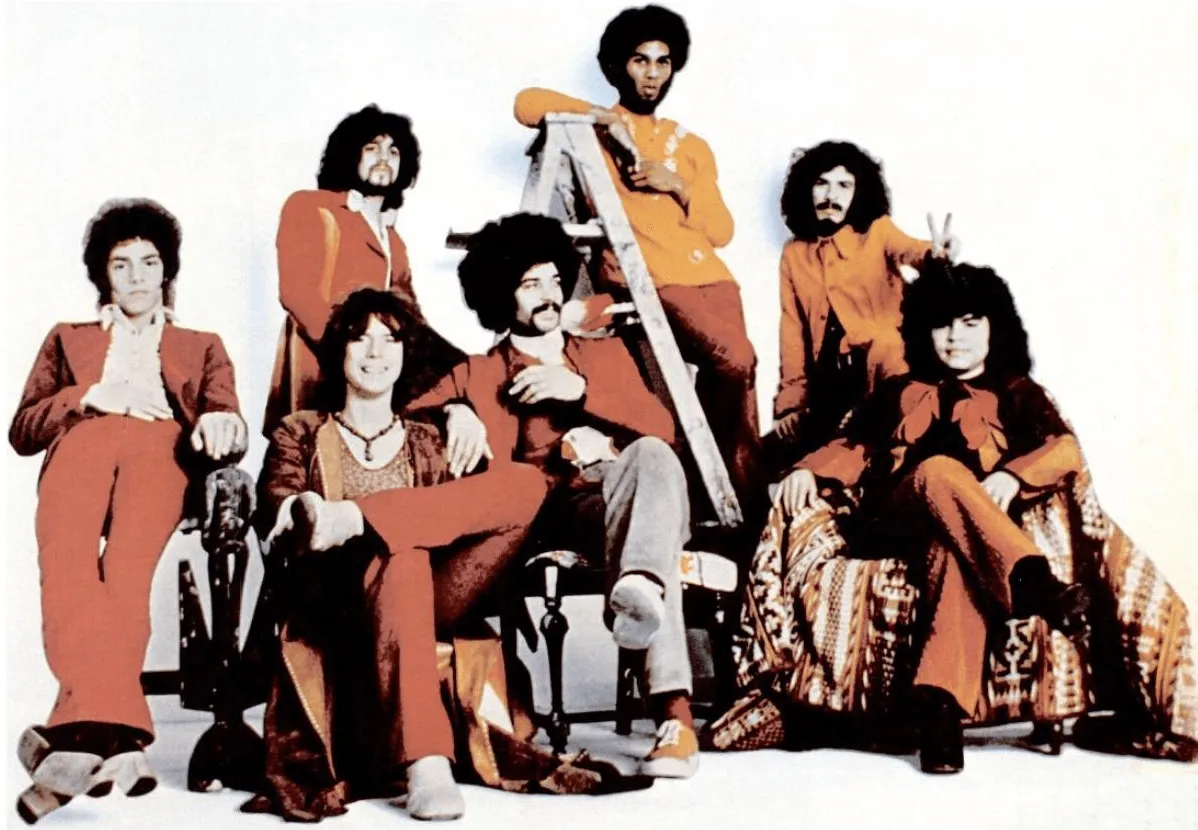
Photo by Columbia Records , licensed under Public domain · Wikimedia Commons
Rank #68
Santana
From Wikipedia
Santana is an American rock band formed in San Francisco, California in 1966 by Mexican-born American guitarist Carlos Santana. The band has had various recording and performing line-ups in its history, with Santana being the only consistent member. After signing with Columbia Records, the band's appearance at the Woodstock Festival in 1969 increased their profile and they went on to record the critically acclaimed and commercially successful albums Santana (1969), Abraxas (1970) and Santana III (1971). These were recorded by the group's "classic" line-up, comprising organist and lead vocalist Gregg Rolie, percussionists José "Chepito" Areas and Michael Carabello, drummer Michael Shrieve and bassist David Brown. Hit songs of this period include "Evil Ways" (1970), "Black Magic Woman" (1970), "Oye Como Va" (1971) and the instrumental "Samba Pa Ti" (1970).
Members
- Carlos Santana (1966–present)
- Gregg Rolie (1966–2016)
- Michael Carabello (1966–2016)
- David Brown (1967–1976)
- José Areas (1969–1989)
- Michael Shrieve (1969–2016)
- David Margen (1977–1982)
- Benjamin Rietveld (1990–present)
- Karl Perazzo (1991–present)
- Tony Lindsay (1995–2015)
- Bill Ortiz (1999–2016)
- Jeff Cressman (1999–2016)
- Andy Vargas (2000–present)
- Tommy Anthony (2005–present)
- David K. Mathews (2011–present)
- Paoli Mejías (2013–present)
- Pepe Jimenez (2013–2015)
- Ray Greene (2016–present)
Discography & Previews
Browse through and click an album to open and play 30-second previews streamed from Apple Music.


Caravanserai
1972 · 10 tracks
- 1 Eternal Caravan of Reincarnation ↗ 4:31
- 2 Waves Within ↗ 3:54
- 3 Look Up (To See What's Coming Down) ↗ 2:57
- 4 Just In Time to See the Sun ↗ 2:13
- 5 Song of the Wind ↗ 6:09
- 6 All the Love of the Universe ↗ 7:37
- 7 Future Primitive ↗ 4:13
- 8 Stone Flower ↗ 6:13
- 9 La Fuente del Ritmo ↗ 4:31
- 10 Every Step of the Way ↗ 9:02


Borboletta
1974 · 12 tracks
- 1 Spring Manifestations (Sound Effects) ↗ 1:05
- 2 Canto de los Flores ↗ 3:47
- 3 Life Is Anew ↗ 4:16
- 4 Give and Take ↗ 5:46
- 5 One With the Sun ↗ 4:24
- 6 Aspirations ↗ 5:11
- 7 Practice What You Preach ↗ 4:32
- 8 Mirage ↗ 4:44
- 9 Here and Now ↗ 3:03
- 10 Flor de Canela ↗ 2:20
- 11 Promise of a Fisherman ↗ 8:04
- 12 Borboletta ↗ 2:52



Zebop!
1981 · 12 tracks


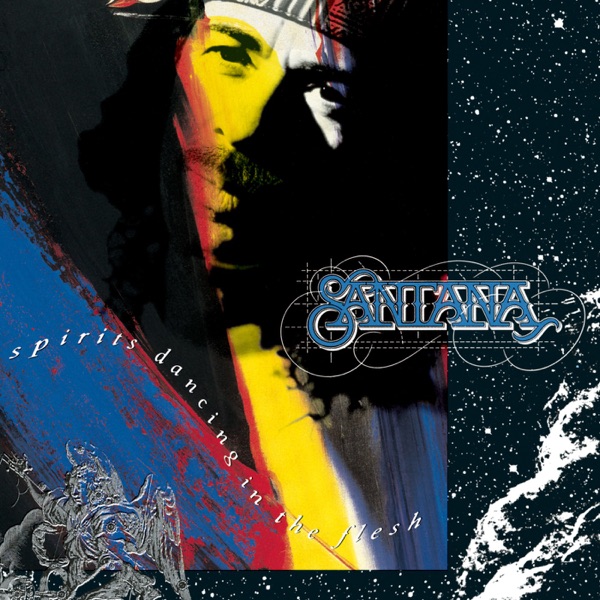
Spirits Dancing in the Flesh
1990 · 10 tracks
- 1 Let There Be Light / Spirits Dancing In the Flesh ↗ 7:21
- 2 Gypsy Woman ↗ 4:23
- 3 It's a Jungle Out There ↗ 4:33
- 4 Soweto (Africa Libre) ↗ 5:08
- 5 Choose ↗ 4:15
- 6 Peace On Earth / Mother Earth / Third Stone from the Sun ↗ 4:24
- 7 Full Moon ↗ 4:34
- 8 Who's That Lady ↗ 4:14
- 9 Jin-Go-Lo-Ba ↗ 4:52
- 10 Goodness and Mercy ↗ 4:33

Milagro
1992 · 12 tracks
- 1 Milagro ↗ 7:37
- 2 Somewhere in Heaven ↗ 9:56
- 3 Saja / Right On ↗ 8:51
- 4 Your Touch ↗ 6:34
- 5 Life Is for Living ↗ 4:40
- 6 Red Prophet ↗ 5:35
- 7 Agua Que Va Caer ↗ 4:23
- 8 Make Somebody Happy ↗ 4:14
- 9 Free All the People (South Africa) ↗ 6:04
- 10 Gypsy / Grajonca ↗ 7:09
- 11 We Don't Have to Wait ↗ 4:35
- 12 A Dios ↗ 1:21

Supernatural
1999 · 14 tracks
- 1 (Da Le) Yaleo ↗ 5:52
- 2 Love of My Life (feat. Dave Matthews & Carter Beauford) ↗ 5:48
- 3 Put Your Lights On (feat. Everlast) ↗ 4:47
- 4 Africa Bamba ↗ 4:41
- 5 Smooth (feat. Rob Thomas) ↗ 4:55
- 6 Do You Like the Way (feat. Lauryn Hill & Cee-Lo) ↗ 5:54
- 7 Maria Maria (feat. The Product G&B) [Radio Mix] ↗ 4:22
- 8 Migra ↗ 5:27
- 9 Corazón Espinado (feat. Maná) ↗ 4:35
- 10 Wishing It Was (feat. Eagle-Eye Cherry) ↗ 4:51
- 11 El Farol ↗ 4:51
- 12 Primavera ↗ 6:16
- 13 The Calling (feat. Eric Clapton) ↗ 7:49
- 14 Day of Celebration ↗ 4:28
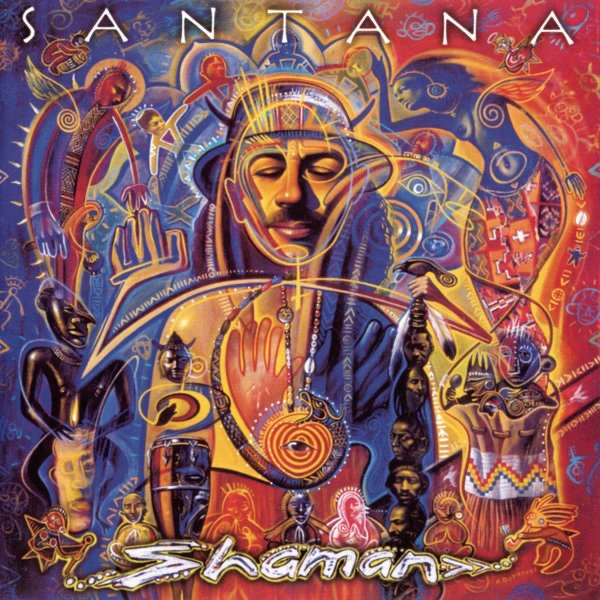
Shaman
2002 · 16 tracks
- 1 Adouma ↗ 4:15
- 2 Nothing At All (feat. Musiq) ↗ 4:29
- 3 The Game of Love (feat. Michelle Branch) [Main / Radio Mix] ↗ 4:14
- 4 You Are My Kind (feat. Seal) ↗ 4:17
- 5 Amoré (Sexo) [feat. Macy Gray] ↗ 3:52
- 6 Foo Foo ↗ 6:28
- 7 Victory Is Won ↗ 5:21
- 8 America (feat. P.O.D.) ↗ 4:35
- 9 Sideways (feat. Citizen Cope) ↗ 4:40
- 10 Why Don't You & I ↗ 4:34
- 11 Feels Like Fire (feat. Dido) ↗ 4:40
- 12 Let Me Love You Tonight ↗ 5:35
- 13 Aye Aye Aye ↗ 4:43
- 14 Hoy Es Adiós (feat. Alejandro Lerner) ↗ 4:37
- 15 One of These Days (feat. Ozomatli) ↗ 5:52
- 16 Novus (feat. Placido Domingo) ↗ 4:11

All That I Am
2005 · 13 tracks
- 1 Hermes ↗ 4:08
- 2 El Fuego ↗ 4:16
- 3 I'm Feeling You (feat. Michelle Branch & The Wreckers) ↗ 4:31
- 4 My Man (feat. Mary J. Blige & Big Boi) ↗ 4:37
- 5 Just Feel Better (feat. Steven Tyler) ↗ 4:13
- 6 I Am Somebody (feat. will.i.am) ↗ 4:02
- 7 Con Santana (feat. Ismaila & Sixu Toure a.k.a. Toure Kunda) ↗ 3:19
- 8 Twisted (feat. Anthony Hamilton) ↗ 5:11
- 9 Trinity (feat. Kirk Hammett & Robert Randolph) ↗ 3:36
- 10 Cry Baby Cry (feat. Sean Paul & Joss Stone) ↗ 3:52
- 11 Brown Skin Girl (feat. Bo Bice) ↗ 4:43
- 12 I Don't Wanna Lose Your Love (feat. Los Lonely Boys) ↗ 4:00
- 13 Da Tu Amor ↗ 4:02
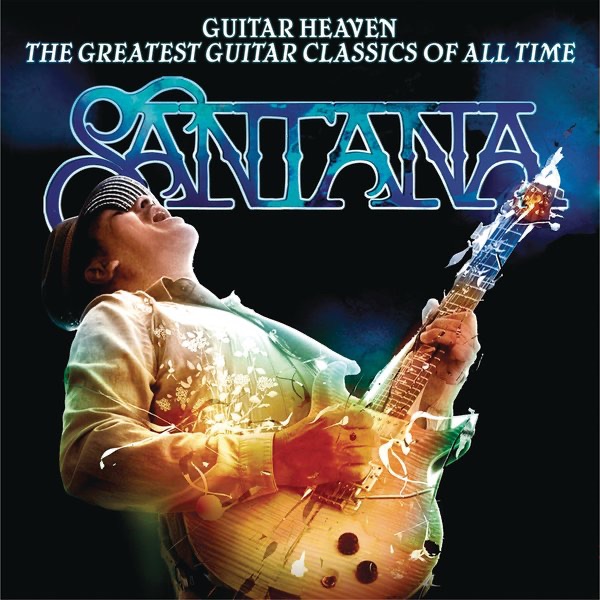
Guitar Heaven: The Greatest Guitar Classics of All Time
2010 · 14 tracks
- 1 Whole Lotta Love (feat. Chris Cornell) ↗ 3:51
- 2 Can't You Hear Me Knocking (feat. Scott Weiland) ↗ 5:39
- 3 Sunshine of Your Love (feat. Rob Thomas) ↗ 4:43
- 4 While My Guitar Gently Weeps (feat. India.Arie) ↗ 6:03
- 5 Photograph (feat. Chris Daughtry) ↗ 4:04
- 6 Back In Black (feat. Nas) ↗ 4:21
- 7 Riders On the Storm (feat. Ray Manzarek & Chester Bennington) ↗ 5:24
- 8 Smoke On the Water (feat. Jacoby Shaddix) ↗ 5:07
- 9 Dance the Night Away (feat. Pat Monahan) ↗ 3:23
- 10 Bang a Gong (feat. Gavin Rossdale) ↗ 3:41
- 11 Little Wing (feat. Joe Cocker) ↗ 4:52
- 12 I Ain't Superstitious (feat. Jonny Lang) ↗ 3:58
- 13 Fortunate Son (feat. Scott Stapp) ↗ 3:46
- 14 Under the Bridge (feat. Andy Vargas) ↗ 5:10

Shape Shifter
2012 · 13 tracks
- 1 Shape Shifter ↗ 6:16
- 2 Dom ↗ 3:51
- 3 Nomad ↗ 4:48
- 4 Metatron ↗ 2:39
- 5 Angelica Faith ↗ 5:03
- 6 Never the Same Again ↗ 5:01
- 7 In the Light of a New Day ↗ 5:06
- 8 Spark of the Divine ↗ 1:03
- 9 Macumba In Budapest ↗ 4:01
- 10 Mr. Szabo ↗ 6:20
- 11 Eres La Luz ↗ 4:51
- 12 Canela ↗ 5:22
- 13 Ah, Sweet Dancer ↗ 3:08

Corazón
2014 · 12 tracks
- 1 Saideira (feat. Samuel Rosa) [Spanish Version] ↗ 3:55
- 2 La Flaca (feat. Juanes) ↗ 4:11
- 3 Mal Bicho (feat. Los Fabulosos Cadillacs) ↗ 3:38
- 4 Oye 2014 (feat. Pitbull) ↗ 3:23
- 5 Iron Lion Zion (feat. Ziggy Marley & ChocQuibTown) ↗ 4:30
- 6 Una Noche en Nápoles (feat. Lila Downs, Niña Pastori & Soledad) ↗ 4:30
- 7 Besos de Lejos (feat. Gloria Estefan) ↗ 4:17
- 8 Margarita (feat. Romeo Santos) ↗ 4:01
- 9 Indy (feat. Miguel) ↗ 3:26
- 10 Feel It Coming Back (feat. Diego Torres) ↗ 4:09
- 11 Yo Soy la Luz (feat. Wayne Shorter & Cindy Blackman Santana) ↗ 4:06
- 12 I See Your Face ↗ 1:19

Santana IV
2016 · 16 tracks
- 1 Yambu ↗ 3:27
- 2 Shake It ↗ 4:45
- 3 Anywhere You Want to Go ↗ 5:05
- 4 Fillmore East ↗ 7:44
- 5 Love Makes the World Go Round (feat. Ronald Isley) ↗ 4:20
- 6 Freedom In Your Mind (feat. Ronald Isley) ↗ 5:30
- 7 Choo Choo ↗ 4:10
- 8 All Aboard ↗ 2:03
- 9 Sueños ↗ 5:15
- 10 Caminando ↗ 4:21
- 11 Blues Magic ↗ 4:26
- 12 Echizo ↗ 3:54
- 13 Leave Me Alone ↗ 4:01
- 14 You and I ↗ 4:20
- 15 Come As You Are ↗ 4:52
- 16 Forgiveness ↗ 7:22
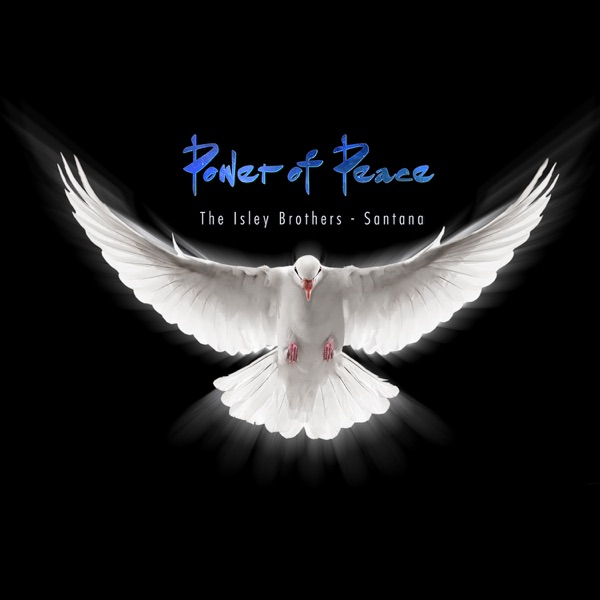
Power of Peace
2017 · 13 tracks
- 1 Are You Ready ↗ 3:27
- 2 Total Destruction to Your Mind ↗ 4:24
- 3 Higher Ground ↗ 5:13
- 4 God Bless the Child ↗ 7:10
- 5 I Remember ↗ 5:34
- 6 Body Talk ↗ 5:22
- 7 Gypsy Woman ↗ 7:03
- 8 I Just Want to Make Love to You ↗ 4:05
- 9 Love, Peace, Happiness ↗ 3:13
- 10 What the World Needs Now Is Love Sweet Love ↗ 5:29
- 11 Mercy Mercy Me (The Ecology) ↗ 4:03
- 12 Let the Rain Fall On Me ↗ 6:28
- 13 Let There Be Peace On Earth ↗ 4:37

Africa Speaks
2019 · 11 tracks
- 1 Africa Speaks (feat. Buika) ↗ 4:48
- 2 Batonga (feat. Buika) ↗ 5:43
- 3 Oye Este Mi Canto (feat. Buika) ↗ 5:59
- 4 Yo Me Lo Merezco (feat. Buika) ↗ 6:13
- 5 Blue Skies (feat. Buika & Laura Mvula) ↗ 9:08
- 6 Paraísos Quemados (feat. Buika) ↗ 5:59
- 7 Breaking Down The Door (feat. Buika) ↗ 4:30
- 8 Los Invisibles (feat. Buika) ↗ 5:55
- 9 Luna Hechicera (feat. Buika) ↗ 4:48
- 10 Bembele (feat. Buika) ↗ 5:52
- 11 Candombe Cumbele (feat. Buika) ↗ 5:37

Blessings and Miracles
2021 · 15 tracks
- 1 Ghost of Future Pull/New Light ↗ 1:25
- 2 Santana Celebration ↗ 3:18
- 3 Rumbalero ↗ 3:56
- 4 Joy ↗ 3:47
- 5 Move ↗ 2:45
- 6 Whiter Shade of Pale (feat. Steve Winwood) ↗ 4:54
- 7 Break (feat. Ally Brooke) ↗ 5:16
- 8 She’s Fire ↗ 3:33
- 9 Peace Power (feat. Corey Glover) ↗ 4:40
- 10 America For Sale (feat. Kirk Hammett & Marc Osegueda) ↗ 6:14
- 11 Breathing Underwater ↗ 3:34
- 12 Mother Yes ↗ 4:35
- 13 Song For Cindy ↗ 3:49
- 14 Angel Choir/All Together (feat. Chick Corea & Gayle Moran Corea) ↗ 3:17
- 15 Ghost of Future Pull II ↗ 1:47
-
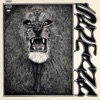 SantanaSantana19699 tracks
 -
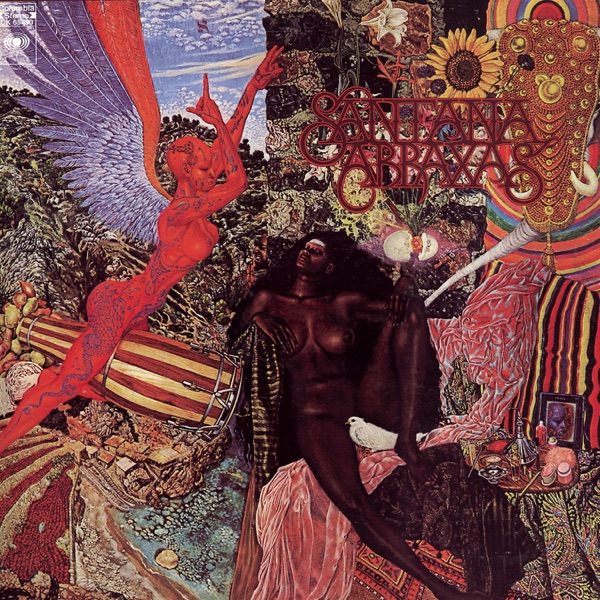
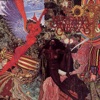 AbraxasSantana19709 tracks
 - SantanaSantana19719 tracks
-
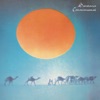 CaravanseraiSantana197210 tracks
 -
 WelcomeSantana19739 tracks
 -
 BorbolettaSantana197412 tracks
 -
 AmigosSantana19767 tracks
 -
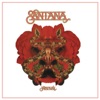 FestiválSantana197611 tracks
 -
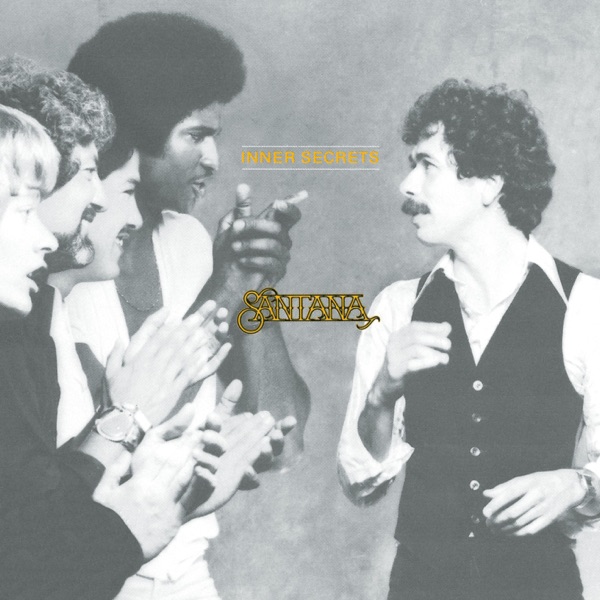
 Inner SecretsSantana19789 tracks
 -
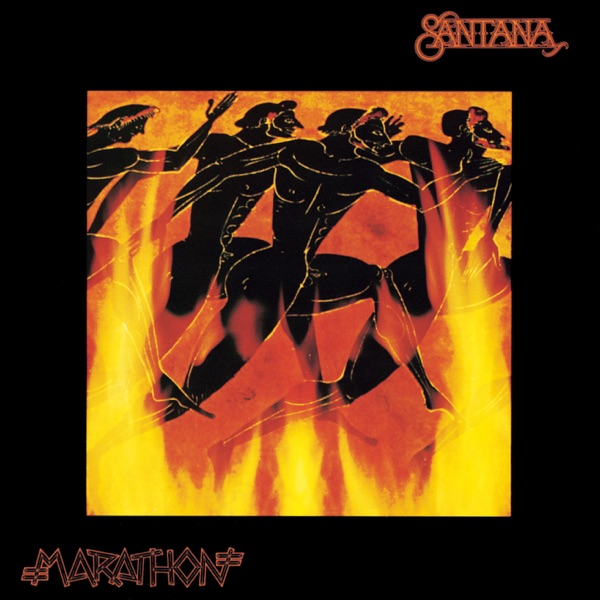
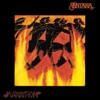 MarathonSantana197911 tracks
 -
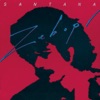 Zebop!Santana198112 tracks
 -
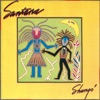 ShangóSantana198211 tracks
 -
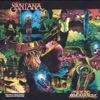 Beyond AppearancesSantana198510 tracks
 -
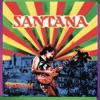 FreedomSantana198710 tracks
 -
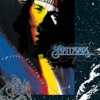 Spirits Dancing in the FleshSantana199010 tracks
 -
 MilagroSantana199212 tracks
 -
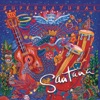 SupernaturalSantana199914 tracks
 -
 ShamanSantana200216 tracks
 -
 All That I AmSantana200513 tracks
 -
 Guitar Heaven: The Greatest Guitar Classics of All TimeSantana201014 tracks
 -
 Shape ShifterSantana201213 tracks
 -
 CorazónSantana201412 tracks
 -
 Santana IVSantana201616 tracks
 -
 Power of PeaceSantana201713 tracks
 -
 Africa SpeaksSantana201911 tracks
 -
 Blessings and MiraclesSantana202115 tracks
Deep Dive
Overview
Santana is an American rock band formed in San Francisco in 1966 by Mexican-born guitarist Carlos Santana. The group emerged as one of rock’s most distinctive acts by fusing electric rock with Latin American percussion, keyboards, and rhythmic sensibilities—a fusion that had no real precedent in mainstream rock at the time. From their debut in 1969 through a sustained run of commercially successful and artistically vital albums in the 1970s and beyond, Santana became synonymous with a sound that transcended genre boundaries and helped establish Latin rock as a major force in popular music.
Formation Story
Carlos Santana formed the band in San Francisco in 1966, drawing on his Mexican heritage and the city’s fertile musical environment. The classic lineup that would define the band’s early era coalesced around a core group: organist and lead vocalist Gregg Rolie, percussionists José “Chepito” Areas and Michael Carabello, drummer Michael Shrieve, and bassist David Brown. This lineup brought together the instrumental palette that would become Santana’s signature—interweaving Latin percussion, congas, timbales, and cowbell with rock’s electric guitar and rhythm section. The mid-1960s San Francisco scene provided fertile ground for such experimentation, with the city’s fusion of rock, jazz, and international music influences creating space for a band willing to dissolve traditional genre boundaries.
Breakthrough Moment
Santana’s appearance at the Woodstock Festival in August 1969 proved the decisive turning point in their career. The performance introduced the band to a national audience at a moment when rock music was expanding its sonic and cultural boundaries. Following Woodstock, the band signed with Columbia Records and released their self-titled debut album, Santana, in 1969. The record, along with the hit single “Evil Ways” (1970), established them as a major commercial force. The subsequent release of Abraxas in 1970 cemented their status, generating further hit singles including “Black Magic Woman” (1970) and the instrumental “Samba Pa Ti” (1970). These early successes proved that a rock audience existed for music that blended Latin rhythmic complexity with electric rock instrumentation and songwriting.
Peak Era
The period from 1969 to 1971 marked Santana’s creative and commercial peak. Santana (1969), Abraxas (1970), and Santana III (1971) formed a trilogy that established the band’s core sound and made them one of the decade’s defining acts. During these years, Santana achieved both critical acclaim and substantial commercial success, with the band’s records selling millions of copies and their concerts drawing large audiences. The signature “Oye Como Va” (1971) exemplified their approach: a adaptation of a composition steeped in Latin tradition, reframed through electric instrumentation and rock sensibilities. The classic lineup remained intact throughout this period, their combination of technical skill and cultural authenticity making each album a fully realized statement. After 1971, while the band remained commercially active and continued to tour, their output became more exploratory and less commercially dominant, though albums like Caravanserai (1972) and Welcome (1973) demonstrated ongoing artistic ambition.
Musical Style
Santana’s sound rested on a fundamental innovation: the integration of Latin American percussion instruments and rhythmic frameworks into a rock band setting. Rather than treating Latin elements as exotic flavoring, the band made them structurally central to their compositions. Conga drums, timbales, and cowbell provided the rhythmic foundation, while Michael Shrieve’s rock drumming anchored the Western rock traditions. Carlos Santana’s guitar work—fluid, melodic, and deeply expressive—became the voice atop this rhythmic bed, often deployed as a lead instrument rather than purely as accompaniment. Gregg Rolie’s organ contributed harmonic warmth and keyboard-driven textures that bridged soul, jazz, and rock idioms. The band’s arrangements typically built around repeating Latin grooves and percussion breaks that could stretch and develop, creating a hypnotic, trance-inducing quality quite different from the verse-chorus-verse structures dominant in rock radio at the time. This fusion of rock amplification and energy with Afro-Caribbean and Latin American musical traditions created something genuinely new in the mainstream rock landscape of the late 1960s and 1970s.
Major Albums
Santana (1969)
The debut introduced the classic lineup and established the band’s core sonic identity, featuring “Evil Ways” and establishing Santana as major commercial and artistic forces in rock.
Abraxas (1970)
Often considered the band’s commercial and artistic peak, this record yielded multiple hit singles including “Black Magic Woman” and “Samba Pa Ti,” proving the mass-market appeal of their Latin-rock fusion.
Santana III (1971)
The final album by the original classic lineup, continuing the band’s artistic momentum with the signature single “Oye Como Va” and demonstrating their continued compositional growth.
Caravanserai (1972)
Following the departure of several classic-era members, this album found the band exploring more abstract and jazz-influenced directions, signaling an evolution beyond their early commercial formula.
Supernatural (1999)
Released nearly three decades after their initial peak, this album became a major commercial resurgence, demonstrating the band’s enduring appeal and ability to work with contemporary collaborators.
Signature Songs
- “Evil Ways” (1970) — The first major hit that brought Santana to mainstream radio, a funk-inflected rock song with Latin percussion that became definitional for the band’s sound.
- “Black Magic Woman” (1970) — A cover that showcased the band’s ability to reframe existing material through their Latin-rock lens, becoming one of their most recognizable songs.
- “Samba Pa Ti” (1970) — An instrumental featuring Carlos Santana’s expressive, singing guitar tone over a hypnotic Latin groove, exemplifying the band’s mastery of rhythm-driven composition.
- “Oye Como Va” (1971) — A Latin standard adapted into a rock context, demonstrating how the band could honor traditional Latin music while electrifying it for rock audiences.
Influence on Rock
Santana’s fusion of rock and Latin American musical traditions opened a permanent new pathway in rock music. Prior to their emergence, the integration of Latin music into rock was peripheral; Santana made it central and commercially viable on a massive scale. Their success legitimized Latin rock as a major genre, encouraging countless musicians to explore similar fusions and establishing the conga drum and timbales as standard rock instruments rather than exotic novelties. Beyond Latin rock specifically, the band influenced rock’s broader openness to global musical traditions and demonstrated that rhythmic complexity and repetition—hallmarks of Latin and African music—could be as compelling in rock contexts as the traditional song structures that had dominated the form. Their approach to group instrumentation, particularly the emphasis on multiple percussion voices creating a composed rhythmic foundation, influenced everything from funk to progressive rock to world music fusions that followed.
Legacy
Santana’s 1999 album Supernatural proved that the band remained culturally significant and commercially viable decades after their initial peak. The record demonstrated that audiences continued to embrace their core sound while also finding value in their work with contemporary collaborators. Carlos Santana’s continued presence as the band’s sole constant member across more than five decades of recording and touring—from 1967 to the present—underscores the project’s longevity. The classic albums from 1969–1971 remain in steady rotation on classic rock radio and streaming services, their cultural footprint as durable as any rock music from that era. The band’s synthesis of rock amplification with Latin American musical traditions helped establish a template that remains influential in popular music, with Latin rock continuing as a vital genre in the twenty-first century.
Fun Facts
- The band’s Woodstock performance, which catalyzed their international breakthrough, came when they had barely begun touring and before their debut album was released, making their immediate success following the festival all the more remarkable.
- Carlos Santana was born in Mexico and grew up in Tijuana and other locations before the family relocated to San Francisco, making his bicultural background foundational to the band’s cross-cultural musical vision.
- The classic lineup remained stable from 1969 through 1971, with Michael Shrieve becoming one of rock’s most distinctive drummers during this exceptionally productive three-year period.