
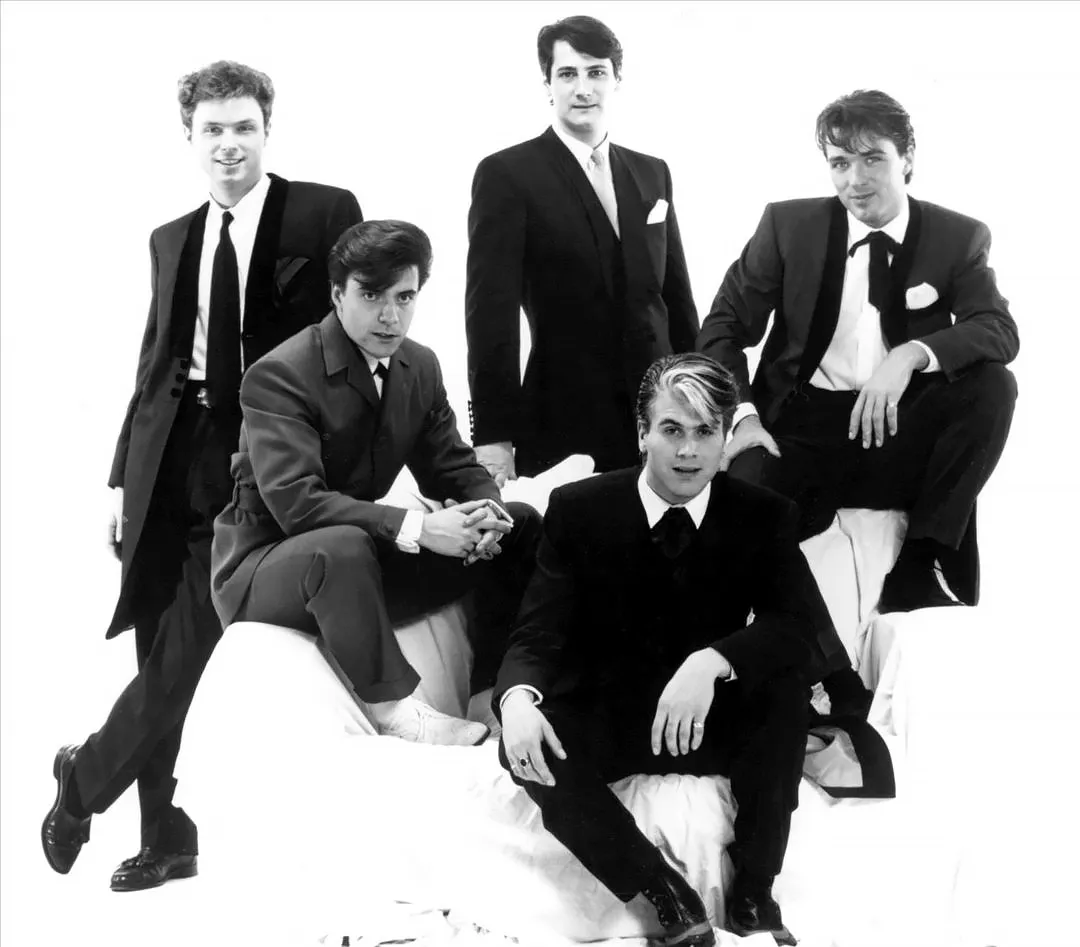
Photo by Distributed by Chrysalis Records (U.S.) , licensed under Public domain · Wikimedia Commons
Rank #258
Spandau Ballet
From Wikipedia
Spandau Ballet were an English new wave band formed in Islington, London, in 1979. Inspired by the capital's post-punk underground dance scene, they emerged at the start of the 1980s as The Applause, playing "European dance music" as the house band for the "Blitz Kids" club night. They became one of the most successful groups of the New Romantic era of British pop, were members of the new pop movement, and were part of the Second British Invasion of the Billboard Top 40 in the 1980s, selling 25 million albums and having 23 hit singles worldwide. The band have had eight UK top 10 albums, including three greatest hits compilations and an album of re-recorded material. Their musical influences ranged from punk rock and soul music to the American crooners Frank Sinatra and Tony Bennett.
Discography & Previews
Browse through and click an album to open and play 30-second previews streamed from Apple Music.
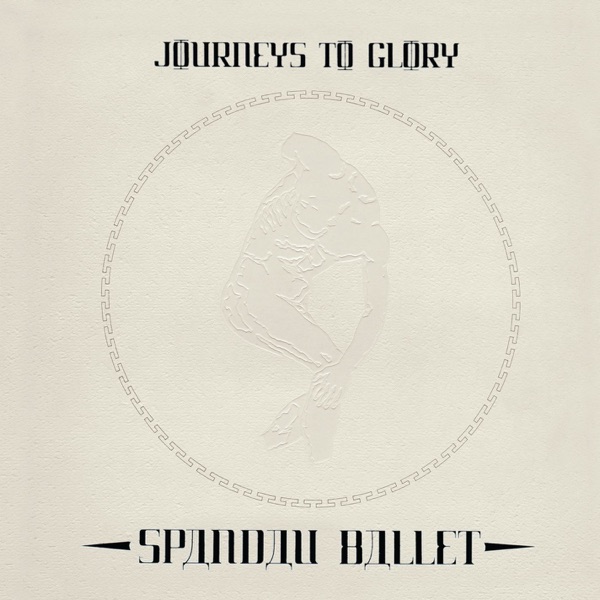
Journeys to Glory
1981 · 8 tracks
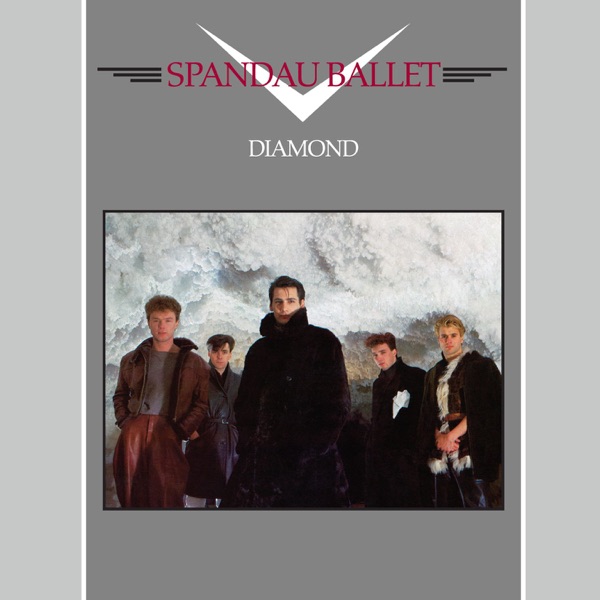
Diamond
1982 · 8 tracks
- 1 Chant No 1 (I Don't Need This Pressure On) [Remastered] ↗ 4:09
- 2 Instinction (Remastered) ↗ 4:52
- 3 Paint Me Down (Remastered) ↗ 3:47
- 4 Coffee Club (Remastered) ↗ 5:36
- 5 She Loved Like Diamond (Remastered) ↗ 2:54
- 6 Pharaoh (Remastered) ↗ 6:37
- 7 Innocence and Science (Remastered) ↗ 4:28
- 8 Missionary (Remastered) ↗ 7:02

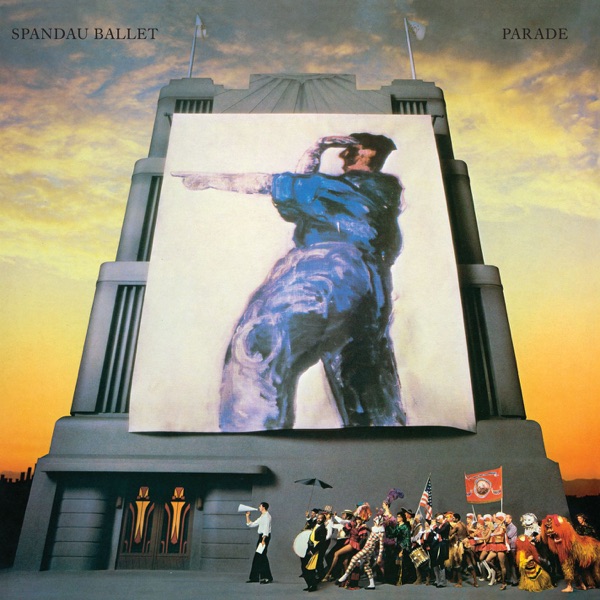
Parade
1984 · 8 tracks
- 1 Only When You Leave (Remastered) ↗ 5:11
- 2 Highly Strung (Remastered) ↗ 4:11
- 3 I'll Fly For You (Remastered) ↗ 5:35
- 4 Nature of the Beast (Remastered) ↗ 5:17
- 5 Revenge For Love (Remastered) ↗ 4:23
- 6 Always In the Back of My Mind (Remastered) ↗ 4:30
- 7 With the Pride (Remastered) ↗ 5:31
- 8 Round and Round (Remastered) ↗ 5:35

Through the Barricades
1986 · 16 tracks
- 1 Barricades (Introduction) [Remastered] ↗ 1:17
- 2 Cross the Line (Remastered) ↗ 4:08
- 3 Man in Chains (Remastered) ↗ 5:41
- 4 How Many Lies? (Remastered) ↗ 5:21
- 5 Virgin (Remastered) ↗ 4:23
- 6 Fight for Ourselves (Remastered) ↗ 4:23
- 7 Swept (Remastered) ↗ 4:53
- 8 Snakes and Lovers (Remastered) ↗ 4:35
- 9 Through the Barricades (Remastered) ↗ 6:00
- 10 Fight for Ourselves (Extended Remix) [Remastered] ↗ 7:27
- 11 Fight... The Heartache (Remastered) ↗ 4:12
- 12 Through the Barricades (Extended Version) [Remastered] ↗ 7:09
- 13 Cross the Line (Extended Version) [Remastered] ↗ 6:17
- 14 How Many Lies? (Instrumental) [Remastered] ↗ 5:24
- 15 Fight... The Heartache (Alternate Version) ↗ 3:15
- 16 Through the Barricades (One Track Vocal Guide Demo) ↗ 4:52
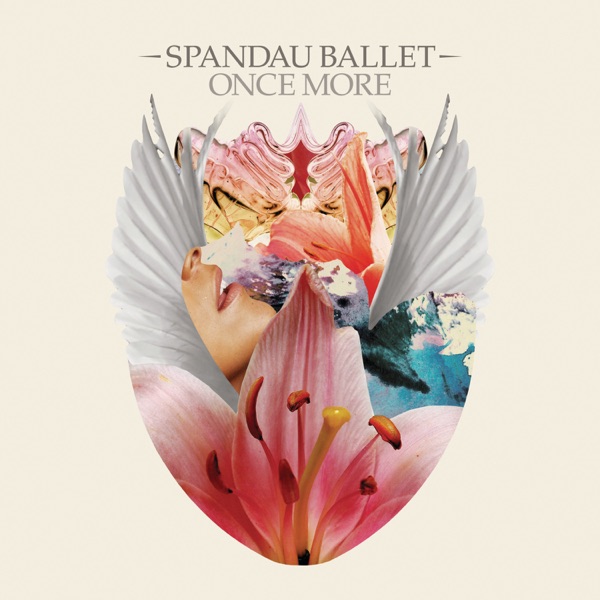
Once More
2009 · 13 tracks
- 1 Once More ↗ 4:06
- 2 Cut a Long Story Short (New 2009 Studio Recording) ↗ 3:50
- 3 Gold (New 2009 Studio Recording) ↗ 4:16
- 4 True (New 2009 Studio Recording) ↗ 5:44
- 5 Chant No 1 (New 2009 Studio Recording) ↗ 3:33
- 6 I'll Fly for You (New 2009 Studio Recording) ↗ 5:21
- 7 Only When You Leave (New 2009 Studio Recording) ↗ 5:08
- 8 Through the Barricades (New 2009 Studio Recording) ↗ 4:47
- 9 She Loved Like Diamond (New 2009 Studio Recording) ↗ 3:24
- 10 Communication (New 2009 Studio Recording) ↗ 3:15
- 11 Lifeline (New 2009 Studio Recording) ↗ 4:05
- 12 With the Pride (New 2009 Studio Recording) ↗ 3:25
- 13 Love Is All ↗ 4:06
-
 Journeys to GlorySpandau Ballet19818 tracks
 -
 DiamondSpandau Ballet19828 tracks
 -
 TrueSpandau Ballet19831 track
 -
 ParadeSpandau Ballet19848 tracks
 -
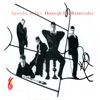 Through the BarricadesSpandau Ballet198616 tracks
 -
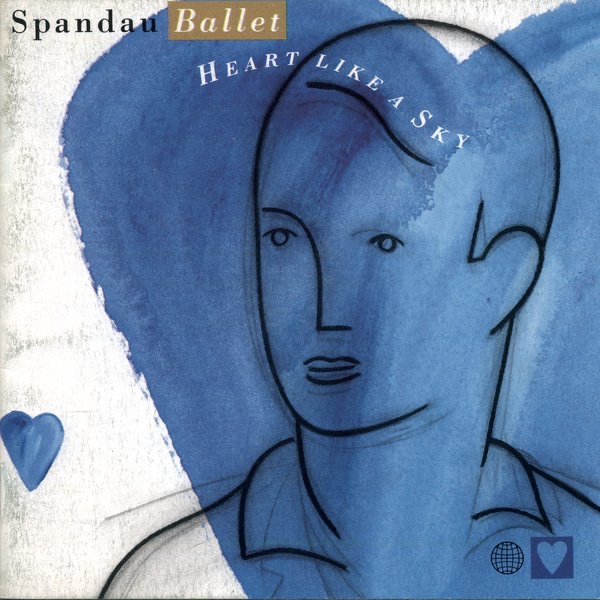
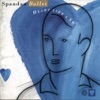 Heart Like a SkySpandau Ballet19899 tracks
 -
 Once MoreSpandau Ballet200913 tracks
Deep Dive
Overview
Spandau Ballet were an English new wave band formed in Islington, London, in 1979, who became one of the most successful groups of the New Romantic era of British pop. Emerging from the capital’s post-punk underground dance scene, they sold 25 million albums and achieved 23 hit singles worldwide, helping to spearhead the Second British Invasion of the Billboard Top 40 in the 1980s. Their fusion of new wave energy with blue-eyed soul and dance sensibilities positioned them at the forefront of early-1980s popular music.
Formation Story
Spandau Ballet coalesced in London in 1979, drawing inspiration from the city’s vibrant post-punk underground dance culture. The band initially performed under the name The Applause, functioning as the house band for the influential Blitz Kids club night, where they played what they termed “European dance music.” This residency at the epicenter of London’s emerging New Romantic scene was foundational to their identity and gave them direct access to an audience hungry for stylish, danceable new music. The band’s origins in this specific London milieu—the convergence of punk’s raw energy with disco and electronic experimentation—shaped both their sound and their visual aesthetic from the outset.
Breakthrough Moment
Spandau Ballet’s transition from club darlings to national and international stars crystallized with the release of their third studio album, True, in 1983. This record represented a creative and commercial peak, establishing them as major players in the new pop movement and consolidating their status as New Romantic icons. The album’s success cemented their ability to translate underground club credibility into mainstream chart dominance, a feat that positioned them among the era’s defining acts and broadened their reach far beyond London’s dance underground.
Peak Era
The band’s most successful and creatively vital period spanned the early-to-mid 1980s, encompassing their second through fourth studio albums: Diamond (1982), True (1983), and Parade (1984). During these years, Spandau Ballet achieved their highest chart positions, accumulated their most significant hit singles, and demonstrated an expanding range in songwriting and arranging. This four-year window established the aesthetic and commercial template that would define their career—slick production, sophisticated arrangements, and an ability to balance dancefloor energy with pop melody that appealed to both club audiences and radio listeners.
Musical Style
Spandau Ballet’s sound blended new wave’s propulsive energy and electronic elements with influences drawn from soul music, punk rock, and the smooth vocal phrasing of American crooners Frank Sinatra and Tony Bennett. This unusual mixture—contemporary dance production layered with classical pop sensibility—resulted in songs that were simultaneously of-the-moment and classically structured. The band’s arrangements typically featured synth-driven textures, prominent bass lines suitable for dance floors, and vocals that emphasized melody and clarity over punk abrasiveness. Their willingness to incorporate orchestral touches and ballad structures into tracks otherwise rooted in new wave and dance music distinguished them from more strictly electronic contemporaries and broadened their emotional range.
Major Albums
Journeys to Glory (1981)
Their debut studio album announced the band’s arrival with songs crafted for both club and radio play, establishing the foundational blend of dance rhythm and new wave sensibility that would define their approach.
Diamond (1982)
The second album refined and expanded upon the debut’s formula, demonstrating growing confidence in songwriting and production as Spandau Ballet moved toward chart prominence.
True (1983)
Widely regarded as their commercial and artistic zenith, True showcased the band at their most assured, with fully realized arrangements and some of their most enduring hit singles, securing their position as major figures in the new pop movement.
Parade (1984)
Their fourth album maintained commercial momentum while exploring additional stylistic directions, cementing the band’s staying power beyond a single breakthrough moment.
Through the Barricades (1986)
Released in the latter part of their initial run, this album represented a continuation of their new wave and pop-soul synthesis, though with the band beginning to reassess their direction.
Signature Songs
- “True” — The title track from their defining 1983 album, a ballad that exemplified their ability to marry orchestral arrangement with new wave production values.
- “Lifeline” — A dancefloor staple that showcased the band’s skills in crafting club-ready hooks without sacrificing melodic sophistication.
- “I’ll Fly for You” — A song that demonstrated their range, balancing new romantic sensibility with pop accessibility.
- “Gold” — Among their most recognizable songs, illustrating their gift for anthemic melody and aspirational lyricism.
Influence on Rock
Spandau Ballet’s success helped validate the commercial viability of new wave and new romantic music during a period when punk’s initial shock was receding and electronic music was becoming increasingly mainstream. Their role in the Second British Invasion demonstrated that British acts could dominate American pop charts not by imitating American rock traditions but by developing distinctly British dance and pop sensibilities rooted in post-punk’s forward-thinking approach. Bands who emerged in their wake or were influenced by their template found a roadmap for combining underground credibility with mainstream crossover potential—a balance that has remained influential in pop and electronic music into subsequent decades.
Legacy
Spandau Ballet’s eight UK top 10 albums, including three greatest hits compilations and a re-recorded material collection, attest to their sustained commercial and cultural presence. The band has remained active into the present day, undertaking reunion tours and continuing to record, as evidenced by the 2009 release of Once More. Their body of work stands as a definitive artifact of early-1980s British pop and remains a touchstone of the New Romantic era. Streaming platforms continue to introduce their catalog to new audiences, while their influence persists in contemporary new wave revival acts and in the broader lineage of electronic pop music that traces back to the post-punk underground from which they emerged.
Fun Facts
- The band’s previous moniker, The Applause, was retired when they adopted the Spandau Ballet name, leaving behind the straightforward band nomenclature of their club-night house band days.
- Spandau Ballet recorded across two major record labels during their initial era—Chrysalis Records and Epic Records—shifting between them as their career evolved.
- The band sold 25 million albums globally while accumulating 23 hit singles, a ratio reflecting both deep catalog appreciation and consistent radio and chart presence throughout the 1980s and beyond.