

Photo by Brian Marks , licensed under CC BY 2.0 · Wikimedia Commons
Rank #306
Steve Winwood
From Wikipedia
Stephen Lawrence Winwood is an English musician and songwriter whose genres include blue-eyed soul, rhythm and blues, blues rock, and pop rock. Though primarily a guitarist, keyboard player, and vocalist prominent for his distinctive soulful high tenor voice, Winwood also plays instruments including mandolin, bass, drums and percussion.
Discography & Previews
Browse through and click an album to open and play 30-second previews streamed from Apple Music.

The London Howlin’ Wolf Sessions
1971 · 13 tracks
- 1 Rockin' Daddy (feat. Eric Clapton, Steve Winwood, Bill Wyman, Charlie Watts & Hubert Sumlin) ↗ 3:47
- 2 I Ain't Superstitious (feat. Eric Clapton, Steve Winwood, Bill Wyman & Charlie Watts) ↗ 3:32
- 3 Sitting On Top Of The World (feat. Eric Clapton, Steve Winwood, Bill Wyman & Charlie Watts) ↗ 3:55
- 4 Worried About My Baby (feat. Eric Clapton, Steve Winwood, Bill Wyman & Charlie Watts) ↗ 2:59
- 5 What A Woman (feat. Eric Clapton, Steve Winwood, Bill Wyman, Charlie Watts & Hubert Sumlin) ↗ 3:03
- 6 Poor Boy (feat. Eric Clapton, Steve Winwood, Bill Wyman & Charlie Watts) ↗ 3:08
- 7 Built For Comfort (feat. Eric Clapton, Steve Winwood, Bill Wyman & Charlie Watts) ↗ 2:12
- 8 Who's Been Talking? (feat. Eric Clapton, Steve Winwood, Bill Wyman, Charlie Watts & Hubert Sumlin) ↗ 3:07
- 9 The Red Rooster (feat. Eric Clapton, Steve Winwood, Bill Wyman & Charlie Watts) [False Start With Dialog] ↗ 2:04
- 10 Red Rooster (feat. Eric Clapton, Steve Winwood, Bill Wyman, Charlie Watts & Hubert Sumlin) ↗ 3:59
- 11 Do The Do (feat. Eric Clapton, Steve Winwood, Bill Wyman, Charlie Watts & Hubert Sumlin) ↗ 2:24
- 12 Highway 49 (feat. Eric Clapton, Steve Winwood, Bill Wyman, Charlie Watts & Hubert Sumlin) ↗ 2:50
- 13 Wang Dang Doodle (feat. Eric Clapton, Steve Winwood, Bill Wyman & Charlie Watts) ↗ 4:31


Junction Seven
1997 · 11 tracks
- 1 Spy In the House of Love ↗ 4:47
- 2 Angel of Mercy ↗ 5:03
- 3 Just Wanna Have Some Fun ↗ 4:57
- 4 Let Your Love Come Down ↗ 5:48
- 5 Real Love ↗ 5:22
- 6 Fill Me Up ↗ 4:27
- 7 Gotta Get Back To My Baby ↗ 4:53
- 8 Someone Like You ↗ 4:39
- 9 Family Affair ↗ 5:18
- 10 Plenty Lovin' ↗ 5:57
- 11 Lord of the Street ↗ 6:27

About Time
2003 · 14 tracks
- 1 Different Light ↗ 6:35
- 2 Cigano (For the Gypsies) ↗ 6:20
- 3 Take It to the Final Hour ↗ 5:36
- 4 Why Can't We Live Together ↗ 6:39
- 5 Domingo Morning ↗ 5:06
- 6 Now That You're Alive ↗ 5:29
- 7 Bully ↗ 5:40
- 8 Phoenix Rising ↗ 7:26
- 9 Horizon ↗ 4:31
- 10 Walking On ↗ 4:54
- 11 Silvia (Who is She?) ↗ 11:28
- 12 Dear Mr Fantasy (Live) [Bonus Track] ↗ 8:09
- 13 Why Can't We Live Together (Live) [Bonus Track] ↗ 6:32
- 14 Voodoo Chile (Bonus Track) ↗ 14:49
-
 The London Howlin’ Wolf SessionsSteve Winwood197113 tracks
 -
 Steve WinwoodSteve Winwood19776 tracks
 -
 Arc of a DiverSteve Winwood19807 tracks
 -
 Talking Back to the NightSteve Winwood19829 tracks
 -
 Back in the High LifeSteve Winwood19868 tracks
 -
 Roll With ItSteve Winwood19888 tracks
 -
 Refugees of the HeartSteve Winwood19908 tracks
 -
 Junction SevenSteve Winwood199711 tracks
 -
 About TimeSteve Winwood200314 tracks
 -
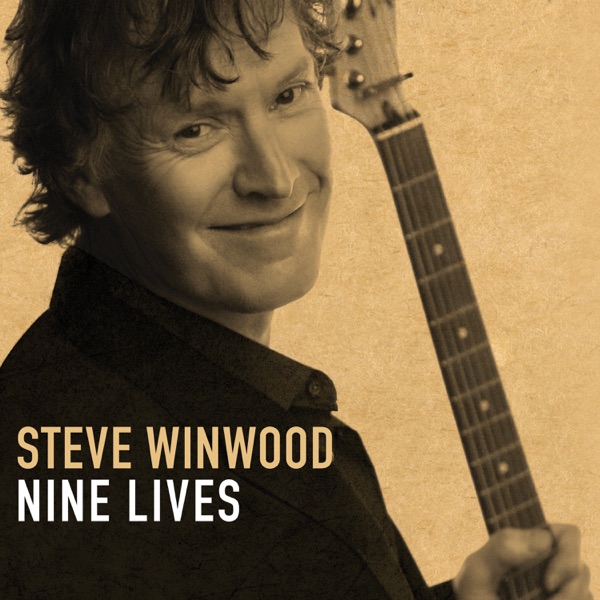
 Nine LivesSteve Winwood20089 tracks
Deep Dive
Overview
Steve Winwood is an English musician and songwriter whose career spans from the late 1960s through the present day, encompassing roles as a bandleader, session player, and solo artist. His voice—a distinctive soulful high tenor—paired with his mastery of guitar, keyboards, bass, and percussion, positioned him as one of British rock’s most versatile instrumentalists and vocalists. Working primarily within blues rock, psychedelic rock, blue-eyed soul, and progressive rock idioms, Winwood built a reputation for craftsmanship and emotional depth across multiple genres.
Formation Story
Born Stephen Lawrence Winwood in 1948, Winwood emerged from the British Midlands during an era when American blues and soul records were reshaping British rock music. He came of age as a multi-instrumentalist at a time when the boundaries between rock, soul, and blues were fluid and permeable. His early years were marked by intensive study of blues traditions and soul music—genres that would define his approach to melody, phrasing, and production throughout his career. Winwood’s hunger to work directly with the roots of black American music established him as a serious musician while still in his teens, setting the stage for a solo career that would eventually span decades and multiple record labels, principally Fontana Records and Island Records.
Breakthrough Moment
Winwood’s debut solo album, The London Howlin’ Wolf Sessions, arrived in 1971 and signaled his commitment to direct engagement with blues history and tradition. Rather than a conventional debut, the album was a collaborative project grounded in respect for the blues idiom, establishing Winwood as a musician concerned with authenticity and historical context. The project attracted attention within blues and rock circles, but widespread commercial recognition came later. His sustained solo output and label relationships throughout the 1970s and 1980s allowed him to build a dedicated international following, culminating in broader mainstream visibility by the mid-1980s.
Peak Era
Winwood’s creative and commercial apex emerged in the mid-to-late 1980s. Arc of a Diver (1980) demonstrated his ability to craft sophisticated pop-rock while maintaining blues and soul at its core. The albums that followed—Talking Back to the Night (1982), Back in the High Life (1986), and Roll With It (1988)—solidified his reputation as a hitmaker capable of balancing radio-friendly production with substantive musicianship. This period showed Winwood moving toward a more polished, contemporary production style while preserving the soulfulness and keyboard-driven arrangements that had always distinguished his work. The years from 1980 through 1990 represented his most commercially successful stretch, generating a global audience and establishing him as a standard-bearer for thoughtful, groove-oriented rock.
Musical Style
Winwood’s sound is defined by his command of keyboards, a high-register vocal delivery with considerable emotional nuance, and an approach to rhythm derived from blues, soul, and funk traditions. His guitar work—often understated and supportive—functions within arrangements that privilege keyboards, layered vocals, and complex rhythmic structures. From his earliest solo sessions through his 1980s peak and beyond, Winwood cultivated a production aesthetic that blended live musicianship with studio sophistication, favoring organic textures over heavy synthesizer layering despite recording during the synth-pop era. His ability to play mandolin, bass, drums, and percussion alongside guitar and keyboards made him a one-man band in the studio, though he typically worked with collaborators. Stylistically, he drew from blues-rock traditions while embracing progressive rock’s formal complexity and pop music’s accessibility—a synthesis that allowed him to appeal to FM radio, college radio, and serious music listeners simultaneously.
Major Albums
Arc of a Diver (1980)
Winwood’s fourth solo album marked a turning point toward more sophisticated pop-rock production. The album showcased his ability to build emotionally resonant songs on keyboards and programmed rhythm, signaling a move toward the contemporary sound that would define the 1980s.
Back in the High Life (1986)
This album represented Winwood at his commercial and artistic peak. The project demonstrated his mastery of contemporary production techniques while maintaining the blues-soul sensibility that had always anchored his work, resulting in his most widely heard collection.
Roll With It (1988)
Continuing the commercial momentum of Back in the High Life, this album reinforced Winwood’s position as a major recording artist with global reach. The record balanced accessible songwriting with the sophisticated arrangement and production values that characterized his mature work.
Refugees of the Heart (1990)
Winwood’s early-1990s statement demonstrated his ongoing creative engagement despite the era’s shifts in production styles and musical fashion. The album served as a bridge between his 1980s commercial success and later chapters of his career.
About Time (2003)
Released after a multi-year gap from studio recording, this album signaled Winwood’s return to active songwriting and recording. The project reflected his accumulated experience across blues, soul, rock, and jazz traditions.
Nine Lives (2008)
Winwood’s most recent studio album showcased his continued command of his instruments and arrangements, demonstrating that his ability to synthesize blues, soul, and rock remained intact into his sixth decade of life.
Signature Songs
- Arc of a Diver — A showcase for his keyboard work and high-register vocal delivery, establishing his 1980s signature sound.
- Back in the High Life Again — His most commercially successful single, exemplifying the accessible but sophisticated pop-rock approach that defined his peak era.
- Roll With It — A funk-inflected groove demonstrating his command of rhythm and keyboards during the late 1980s.
- Higher Love — A widely recognized composition highlighting his gift for melody and emotional vocal expression.
Influence on Rock
Winwood’s career demonstrated the viability of a musician who could move fluidly between rock, blues, soul, and pop without sacrificing authenticity or artistic seriousness. His influence resides less in genre-creation than in modeling a certain kind of musical literacy and instrumentalism—the skilled multi-instrumentalist songwriter-arranger who prioritizes emotional communication and groove-based musicianship over technical virtuosity for its own sake. His sustained presence in rock music across five decades provided a continuity between 1960s British blues-rock traditions and contemporary popular music, influencing subsequent generations of keyboard-driven rock artists who valued soul and blues foundations alongside contemporary production.
Legacy
Steve Winwood’s legacy rests on a body of work that bridged multiple musical idioms while maintaining consistent artistic values across changing fashions. His status as a blue-eyed soul practitioner and blues-rock interpreter who worked in the genuine lineage of American traditions—rather than as a tourist or novelty—earned him respect among musicians and serious listeners. His albums remain in print and in steady rotation on streaming services, introducing new listeners to his approach across six decades of recording. Winwood’s career arc from young session player through bandleader to solo artist of international standing exemplifies the model of the serious professional musician capable of sustained relevance and creative output over a lifetime.
Fun Facts
- Winwood has played mandolin, bass, drums, and percussion in addition to his primary instruments of guitar and keyboards, making him a genuinely multi-instrumental composer and arranger.
- His distinctive high tenor voice was shaped by extensive study of soul and blues vocal traditions, particularly the work of American soul singers.
- Winwood recorded The London Howlin’ Wolf Sessions as a direct tribute to the blues, signaling his commitment to honoring the idiom’s roots and history.