
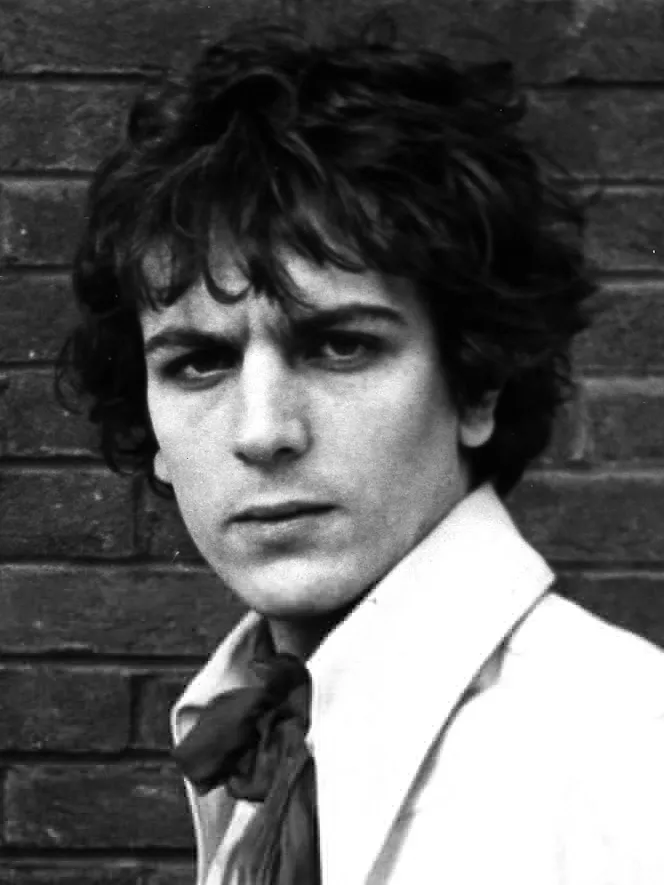
Photo by Hit Parader magazine This is a retouched picture , which means that it has been digitally altered from its original version. Modifications made by Dcameron814 . , licensed under Public domain · Wikimedia Commons
Rank #332
Syd Barrett
From Wikipedia
Roger Keith "Syd" Barrett was an English singer, guitarist and songwriter who co-founded the rock band Pink Floyd in 1965. Until his departure in 1968, he was Pink Floyd's frontman and primary songwriter, known for his whimsical style of psychedelia and stream-of-consciousness writing. As a guitarist, he was influential for his free-form playing and for employing effects such as dissonance, distortion, echo and feedback.
Discography & Previews
Browse through and click an album to open and play 30-second previews streamed from Apple Music.
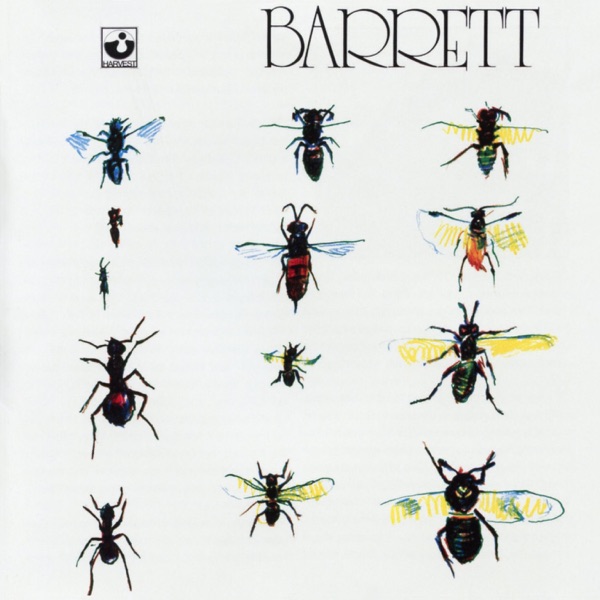
Barrett
1970 · 19 tracks
- 1 Baby Lemonade ↗ 4:06
- 2 Love Song ↗ 3:00
- 3 Dominoes ↗ 4:03
- 4 It Is Obvious ↗ 2:54
- 5 Rats ↗ 2:54
- 6 Maisie ↗ 2:47
- 7 Gigolo Aunt ↗ 5:43
- 8 Waving My Arms In the Air ↗ 2:07
- 9 I Never Lied to You ↗ 1:48
- 10 Wined and Dined ↗ 2:54
- 11 Wolfpack ↗ 3:42
- 12 Effervescing Elephant ↗ 1:51
- 13 Baby Lemonade (Take 1) ↗ 3:46
- 14 Waving My Arms In the Air (Take 1) ↗ 2:13
- 15 I Never Lied to You (Take 1) ↗ 1:48
- 16 Love Song (Take 1) ↗ 2:32
- 17 Dominoes (Take 1) ↗ 0:41
- 18 Dominoes (Take 2) ↗ 2:36
- 19 It Is Obvious (Take 2) ↗ 3:51
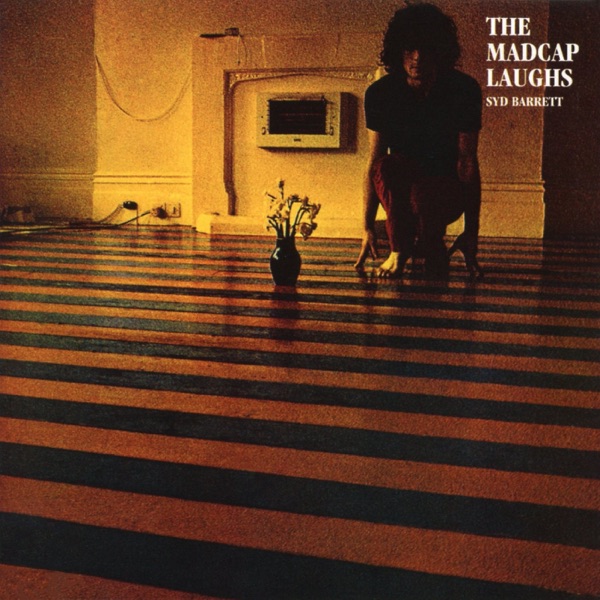
The Madcap Laughs
1970 · 19 tracks
- 1 Terrapin ↗ 5:03
- 2 No Good Trying ↗ 3:22
- 3 Love You ↗ 2:26
- 4 No Man's Land ↗ 2:59
- 5 Dark Globe ↗ 1:59
- 6 Here I Go ↗ 3:09
- 7 Octopus ↗ 3:44
- 8 Golden Hair ↗ 1:56
- 9 Long Gone ↗ 2:47
- 10 She Took a Long Cold Look ↗ 1:55
- 11 Feel ↗ 2:18
- 12 If It's In You ↗ 2:23
- 13 Late Night ↗ 3:11
- 14 Octopus (Takes 1 & 2) ↗ 3:09
- 15 It's No Good Trying (Take 5) ↗ 6:23
- 16 Love You (Take 1) ↗ 2:29
- 17 Love You (Take 3) ↗ 2:11
- 18 She Took a Long Cold Look at Me (Take 4) ↗ 2:45
- 19 Golden Hair (Take 5) ↗ 2:28
-
 BarrettSyd Barrett197019 tracks
 -
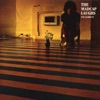 The Madcap LaughsSyd Barrett197019 tracks
Deep Dive
Overview
Roger Keith “Syd” Barrett stands as one of rock music’s most enigmatic and influential figures, despite a recording career spanning barely five years. As the co-founder and primary creative force of Pink Floyd from 1965 to 1968, Barrett defined the sound and visual language of mid-1960s psychedelia through his stream-of-consciousness songwriting and radically unconventional guitar playing. His brief solo recording period, captured across two albums released in 1970, revealed an artist whose unfiltered imagination and emotional directness set him apart from his peers. Barrett’s legacy extends far beyond his compact discography: his approaches to guitar effects, studio experimentation, and songwriting informed multiple generations of rock musicians and helped establish psychedelic rock as a serious artistic vehicle.
Formation Story
Syd Barrett was born in Cambridge, England in 1946, growing up in a town with a modest but active music scene. He took up the guitar in his teens and became absorbed in the blues and early rock and roll of artists like Chuck Berry and Link Wray, whose work introduced him to the raw expressive possibilities of the instrument. By the mid-1960s, as psychedelia began to emerge from San Francisco and London’s underground, Barrett found himself at the convergence of art school culture, folk clubs, and experimental rock. In 1965, he co-founded Pink Floyd with Roger Waters, Rick Wright, and Nick Mason, emerging from Cambridge’s nascent rock circuit at a moment when London’s counterculture was beginning to coalesce around clubs like the UFO and the Middle Earth.
Breakthrough Moment
Pink Floyd’s rise was meteoric. By 1967, with Barrett as frontman and principal songwriter, the band had become the house band of London’s underground scene, their psychedelic sound and elaborate light shows capturing the era’s experimental spirit. Their debut single “Arnold Layne” (1967) brought them national attention, followed by the album The Piper at the Gates of Dawn later that year, which established Barrett’s reputation as a songwriter of considerable originality and quirk. The band’s performances became legendary for their unpredictability and visual spectacle, with Barrett’s guitar work—characterized by sudden shifts between delicate fingerpicking and visceral distortion—becoming a defining element of the emerging psychedelic rock sound. However, the pressures of touring and the intensity of the psychedelic moment took their toll, and by 1968, Barrett’s mental health had deteriorated significantly, leading to his departure from Pink Floyd.
Peak Era
Barrett’s active recording period lasted from 1965 until his departure from Pink Floyd in early 1968, a span of roughly three years that defined his most prolific and visible phase. During this time, he authored the bulk of The Piper at the Gates of Dawn and contributed “Interstellar Overdrive” and other key tracks to Pink Floyd’s developing repertoire. His guitar playing in this period ranged from intricate, folk-influenced fingerpicking to explosive, feedback-drenched passages that previewed decades of experimental rock guitar to come. Though his time in the spotlight was brief, the concentration of innovation and invention within it was remarkable; every album and public performance from 1967 to 1968 expanded the boundaries of what rock music could express.
Musical Style
Barrett’s musicianship was rooted in blues and early rock and roll but channeled through an art-school sensibility that rejected conventional song structures and lyrical coherence. As a guitarist, he was instrumental in popularizing the studio manipulation of rock instruments, employing dissonance, distortion, echo, and feedback not as momentary effects but as integral compositional elements. His playing could shift within a single song from fingerpicked arpeggios to abrasive, almost orchestral waves of sound, reflecting a compositional approach that prioritized emotional authenticity and imaginative freedom over predictability. Vocally, he brought a reedy, sometimes fragile tone that contrasted strikingly with the heavier production around him, giving his songs an intimate quality despite their experimental surroundings. His songwriting drew from a wide palette: whimsical, stream-of-consciousness lyrics that seemed to emerge from free association; childlike melodies set against disorienting arrangements; and an overall aesthetic that fused psychedelic rock with outsider art sensibilities.
Major Albums
The Madcap Laughs (1970)
Recorded following Barrett’s departure from Pink Floyd and released in 1970, The Madcap Laughs captured Barrett in an unfiltered, often vulnerable state. Sparse and intimate, with Barrett on vocals and guitar accompanied by minimal accompaniment, the album showcased the songwriter and guitarist stripped of Pink Floyd’s orchestration, revealing both his melodic gifts and his fragility. The album stands as a raw document of an artist working through personal turbulence in real time.
Barrett (1970)
Barrett’s second studio album, released later in 1970, marked a slightly fuller production approach than its predecessor, though it remained intensely personal. The album deepened the exploration of whimsical, sometimes cryptic songwriting paired with unconventional guitar work, cementing Barrett’s reputation as a singular artistic voice despite—or because of—his withdrawal from the mainstream.
Signature Songs
- “Arnold Layne” — Pink Floyd’s breakthrough single, with its unusual subject matter and infectious psychedelic guitar hook, announced Barrett as a songwriter unafraid of oddity and invention.
- “See Emily Play” — A whimsical, folk-tinged psychedelic pop song that showcased Barrett’s gift for melody and his ability to convey narrative through impressionistic lyrics.
- “Interstellar Overdrive” — An instrumental-driven composition that demonstrated Barrett’s guitar vocabulary, building from sparse picking to overwhelming feedback and distortion.
- “Lucifer Sam” — A stream-of-consciousness track with surreal lyrics and a hypnotic groove, exemplifying Barrett’s ability to blend folk tradition with avant-garde sensibility.
- “Dark Globe” — A solo-era song capturing Barrett’s introspective songwriter voice, built on fingerpicked guitar and elliptical, emotionally direct lyrics.
Influence on Rock
Syd Barrett’s impact on rock music has grown rather than diminished since his early withdrawal from the public eye. His approaches to guitar effects and studio experimentation helped establish psychedelic rock not as a novelty but as a legitimate artistic language; artists across progressive rock, art rock, experimental rock, and indie rock have drawn directly from his playbook. His willingness to let emotional and imaginative impulse override conventional songwriting rules influenced countless songwriters to trust instinct over formula. Moreover, his brief, intense career and subsequent retreat from the spotlight established a template—one followed by artists across genres—for the romantic figure of the uncompromising artist, the person who cannot or will not sustain themselves within mainstream structures. The guitar effects and compositional approaches he pioneered became foundational to progressive rock and, decades later, to alternative rock and indie rock aesthetics.
Legacy
Syd Barrett’s status in rock music rests not on duration but on depth and originality. His recordings with Pink Floyd have remained continuously available and influential, examined and reissued repeatedly as each generation discovers the band’s early work. His solo albums, initially dismissed or pitied as the work of an artist in decline, have been reassessed as honestly executed art, capturing genuine songwriting talent and emotional complexity. Beyond recordings, Barrett’s visual identity—his colorful, unconventional appearance and the elaborate performances surrounding Pink Floyd’s early shows—made him a symbol of 1960s counterculture and art-rock aspiration. His influence permeates rock music in ways both direct and subtle: in the willingness of artists to embrace strangeness and nonconformity, in the studio techniques that became standard practice, and in the understanding that brevity and intensity can outweigh longevity. That he spent the latter decades of his life largely out of public view, living quietly in Cambridge, only deepened the mythology, making him a figure whose historical importance has, paradoxically, grown as his public presence receded.
Fun Facts
- Barrett was the primary songwriter for Pink Floyd’s 1967 debut The Piper at the Gates of Dawn, which is considered one of the foundational albums of psychedelic rock despite his departure from the band shortly after.
- His guitar techniques, including innovative use of feedback and distortion as compositional tools rather than accidental byproducts, were adopted and developed further by generations of rock musicians.
- The two solo albums released in 1970, The Madcap Laughs and Barrett, both emerged from sessions that reflected his isolation and mental health struggles following his exit from Pink Floyd, yet both contain evidence of his distinctive songwriting sensibility.