
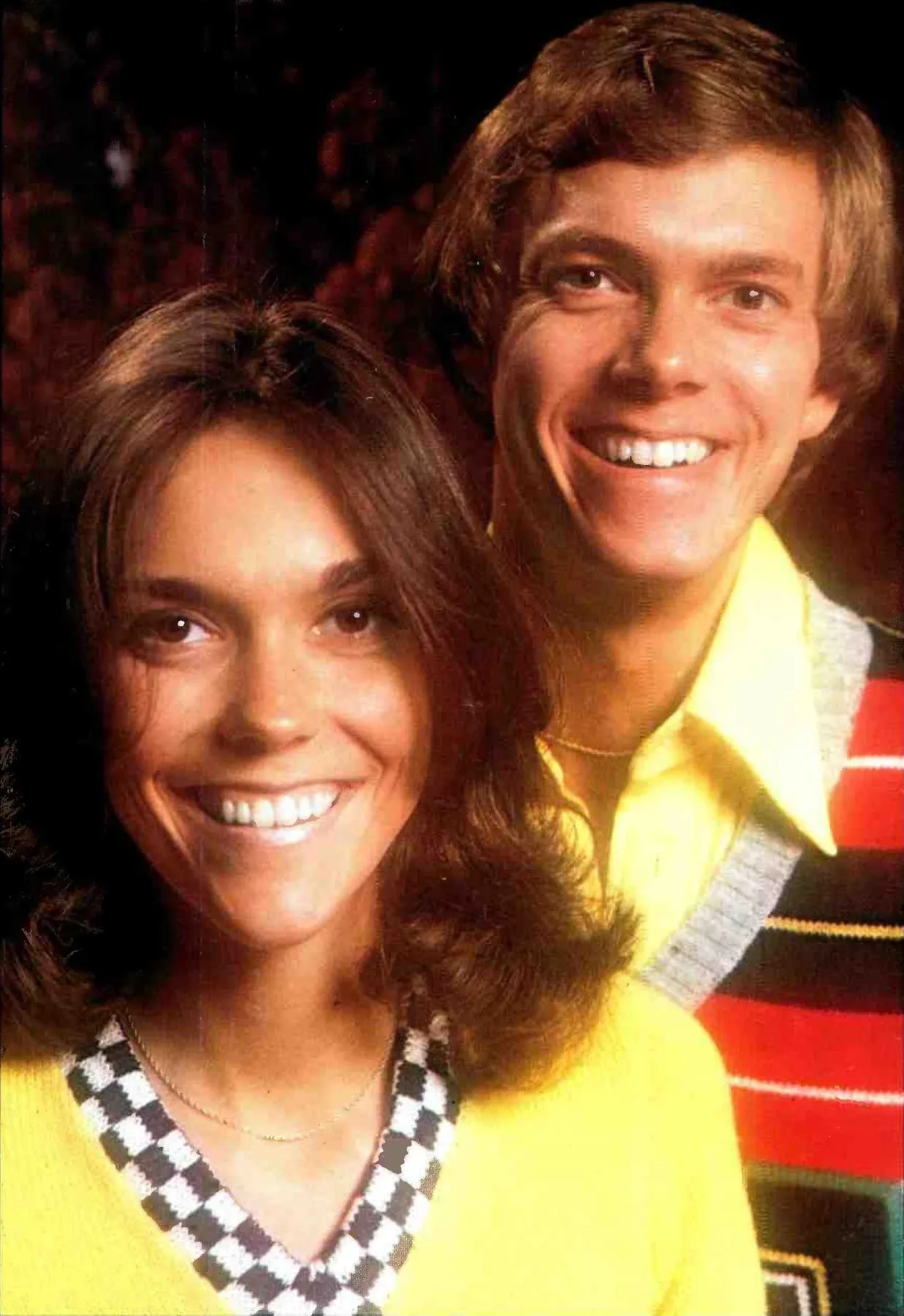
Photo by A&M Records , licensed under Public domain · Wikimedia Commons
Rank #172
The Carpenters
From Wikipedia
The Carpenters were an American vocal and instrumental duo consisting of siblings Karen (1950–1983) and Richard Carpenter. They produced a distinctive soft musical style, combining Karen's contralto vocals with Richard's harmonizing, arranging, and composition. During their 14-year career, the Carpenters recorded 10 albums along with many singles and several television specials.
Members
- Karen Carpenter
- Richard Carpenter
- Wesley Jacobs
Discography & Previews
Browse through and click an album to open and play 30-second previews streamed from Apple Music.
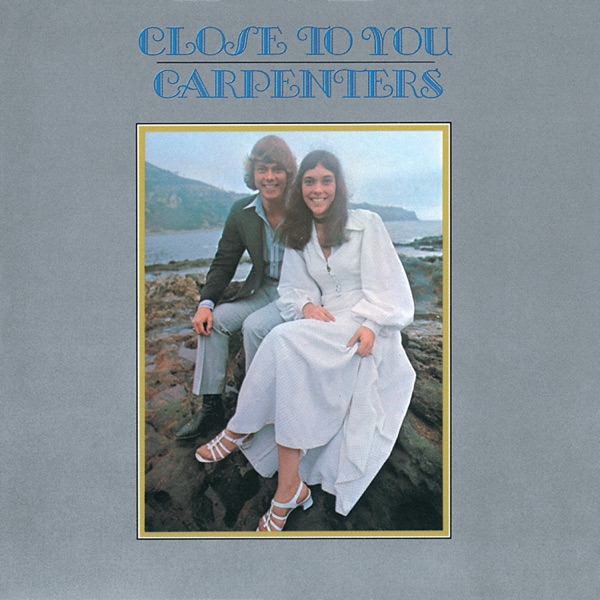
Close to You
1970 · 12 tracks
- 1 We've Only Just Begun ↗ 3:05
- 2 Love Is Surrender ↗ 1:59
- 3 Maybe It's You ↗ 3:06
- 4 Reason To Believe ↗ 3:06
- 5 Help ↗ 3:05
- 6 (They Long To Be) Close To You ↗ 4:36
- 7 Baby It's You ↗ 2:54
- 8 I'll Never Fall In Love Again ↗ 3:01
- 9 Crescent Noon ↗ 4:13
- 10 Mr. Guder ↗ 3:15
- 11 I Kept On Loving You ↗ 2:18
- 12 Another Song ↗ 4:23

Carpenters
1971 · 10 tracks
- 1 Rainy Days And Mondays ↗ 3:39
- 2 Saturday ↗ 1:18
- 3 Let Me Be The One ↗ 2:26
- 4 (A Place To) Hide Away ↗ 3:41
- 5 For All We Know (From "Lovers And Other Strangers" Soundtrack) ↗ 2:39
- 6 Superstar ↗ 3:52
- 7 Druscilla Penny ↗ 2:15
- 8 One Love ↗ 3:25
- 9 Bacharach/David Medley: Knowing When To Leave/Make It Easy On Yourself/There's Always Something There To Remind Me/I'll Never Fall In Love Again/Walk On By/Do You Know The Way To San Jose ↗ 5:28
- 10 Sometimes ↗ 2:54
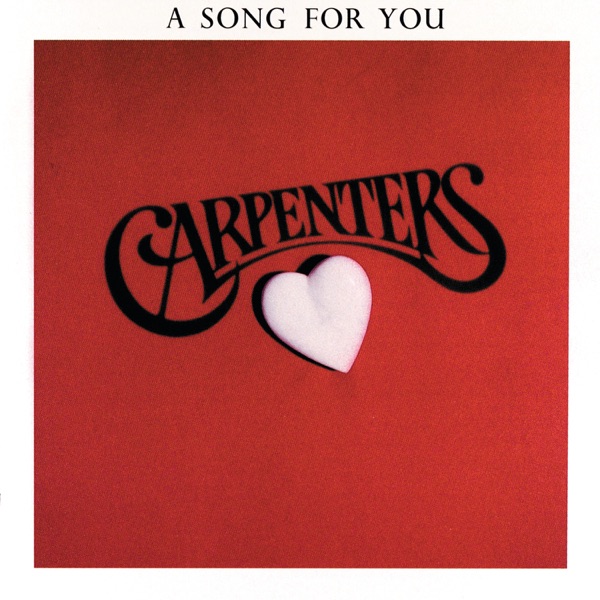
A Song for You
1972 · 13 tracks
- 1 A Song for You ↗ 4:42
- 2 Top of the World ↗ 2:59
- 3 Hurting Each Other ↗ 2:49
- 4 It's Going To Take Some Time ↗ 2:56
- 5 Goodbye to Love ↗ 3:58
- 6 Intermission ↗ 0:27
- 7 Bless the Beasts and Children ↗ 3:09
- 8 Flat Baroque ↗ 1:48
- 9 Piano Picker ↗ 2:02
- 10 I Won't Last a Day Without You ↗ 3:53
- 11 Crystal Lullaby ↗ 3:55
- 12 Road Ode ↗ 3:44
- 13 A Song for You (Reprise) ↗ 0:56

Now & Then
1973 · 15 tracks
- 1 Sing ↗ 3:19
- 2 This Masquerade ↗ 4:51
- 3 Heather ↗ 2:51
- 4 Jambalaya (On the Bayou) ↗ 3:43
- 5 I Can't Make Music ↗ 3:19
- 6 Yesterday Once More ↗ 3:54
- 7 Fun, Fun, Fun ↗ 1:41
- 8 The End of the World ↗ 2:26
- 9 Da Doo Ron Ron ↗ 1:47
- 10 Dead Man's Curve ↗ 1:32
- 11 Johnny Angel ↗ 1:32
- 12 The Night Has a Thousand Eyes ↗ 2:19
- 13 Our Day Will Come ↗ 1:59
- 14 One Fine Day ↗ 1:39
- 15 Yesterday Once More (Reprise) ↗ 1:00
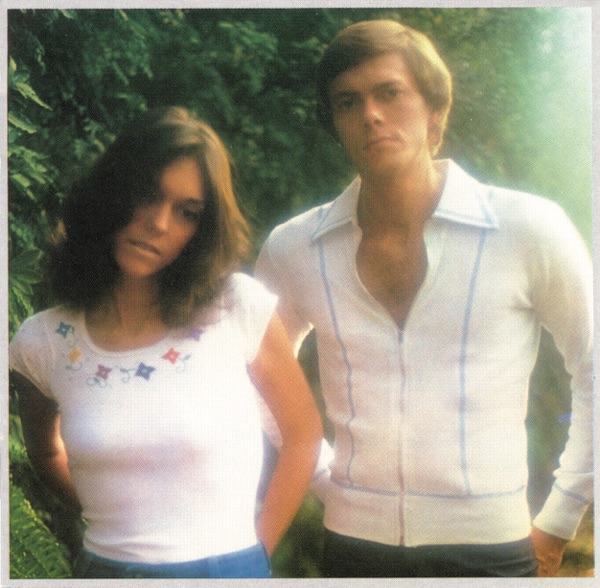

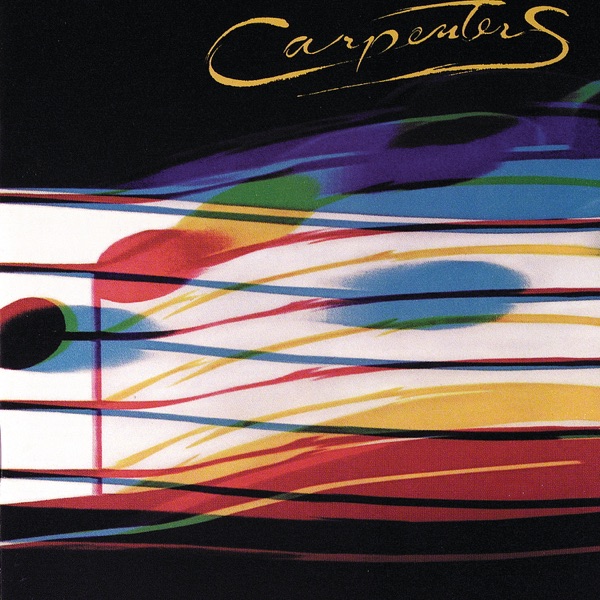
Passage
1977 · 8 tracks
- 1 B'wana She No Home ↗ 5:36
- 2 All You Get From Love Is A Love Song ↗ 3:47
- 3 I Just Fall In Love Again ↗ 4:05
- 4 On The Balcony Of The Casa Rosada/Don't Cry For Me Argentina ↗ 8:13
- 5 Sweet, Sweet Smile ↗ 3:02
- 6 Two Sides ↗ 3:28
- 7 Man Smart Woman Smarter ↗ 4:22
- 8 Calling Occupants Of Interplanetary Craft (The Recognized Anthem Of World Contact Day) ↗ 7:06
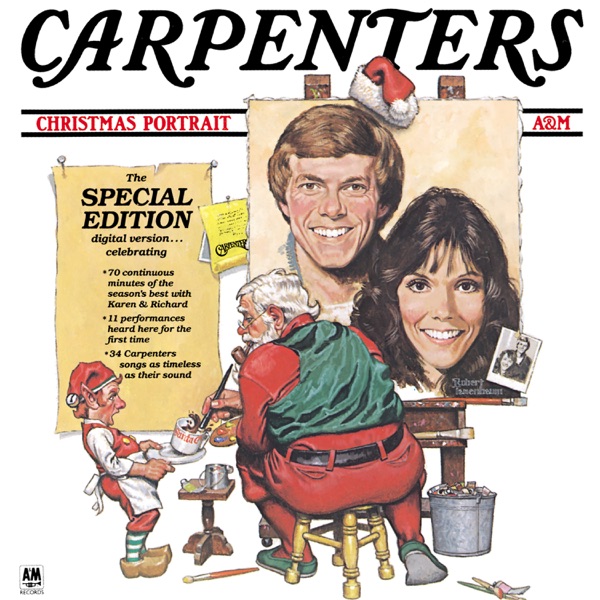
Christmas Portrait
1978 · 21 tracks
- 1 It Came Upon a Midnight Clear ↗ 0:44
- 2 Overture (An Old Fashioned Christmas) ↗ 8:15
- 3 An Old Fashioned Christmas ↗ 2:12
- 4 Christmas Waltz ↗ 2:13
- 5 Sleigh Ride ↗ 2:39
- 6 It's Christmas Time / Sleep Well, Little Children ↗ 2:53
- 7 Have Yourself a Merry Little Christmas ↗ 3:55
- 8 Santa Claus Is Comin' To Town ↗ 1:05
- 9 Christmas Song (Chestnuts Roasting On an Open Fire) ↗ 3:39
- 10 Carol of the Bells ↗ 1:40
- 11 Merry Christmas Darling (Remix) ↗ 3:07
- 12 Christ Is Born ↗ 3:13
- 13 O Holy Night ↗ 3:10
- 14 (There's No Place Like) Home For the Holidays ↗ 2:36
- 15 Medley: Here Comes Santa Claus / Frosty the Snowman / Rudolph the Red-Nosed Reindeer / Good King Wenceslas ↗ 3:43
- 16 Medley: Winter Wonderland / Silver Bells / White Christmas ↗ 5:31
- 17 Ave Maria ↗ 2:33
- 18 Selections From "Nutcracker": Overture Miniature / Dance of the Sugar Plum Fairies / Valse des fleurs (Edit) ↗ 5:27
- 19 Little Altar Boy ↗ 3:44
- 20 I'll Be Home For Christmas ↗ 3:50
- 21 Silent Night ↗ 3:21

Made in America
1981 · 10 tracks
- 1 Those Good Old Dreams ↗ 4:13
- 2 Strength of a Woman ↗ 3:58
- 3 (Want You) Back In My Life Again ↗ 3:41
- 4 When You've Got What It Takes ↗ 3:41
- 5 Somebody's Been Lyin' ↗ 4:24
- 6 I Believe You ↗ 3:54
- 7 Touch Me When We're Dancing ↗ 3:20
- 8 When It's Gone ↗ 5:00
- 9 Beechwood 4-5789 ↗ 3:06
- 10 Because We Are In Love (The Wedding Song) ↗ 5:02
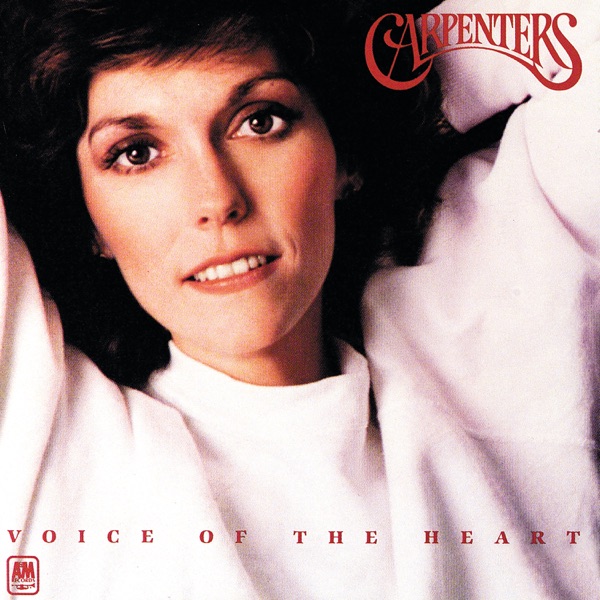
Voice of the Heart
1983 · 10 tracks

Lovelines
1989 · 12 tracks
- 1 Lovelines ↗ 4:29
- 2 Where Do I Go from Here? ↗ 4:24
- 3 The Uninvited Guest ↗ 4:24
- 4 If We Try ↗ 3:44
- 5 When I Fall in Love ↗ 3:08
- 6 Kiss Me the Way You Did Last Night ↗ 4:04
- 7 Remember When Lovin' Took All Night ↗ 3:47
- 8 You're the One ↗ 4:14
- 9 Honolulu City Lights ↗ 3:20
- 10 Slow Dance ↗ 3:33
- 11 If I Had You ↗ 3:58
- 12 Little Girl Blue ↗ 3:24
-
 Close to YouThe Carpenters197012 tracks
 -
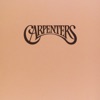 CarpentersThe Carpenters197110 tracks
 -
 A Song for YouThe Carpenters197213 tracks
 -
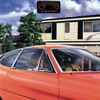 Now & ThenThe Carpenters197315 tracks
 -
 HorizonThe Carpenters197510 tracks
 -
 A Kind of HushThe Carpenters197610 tracks
 -
 PassageThe Carpenters19778 tracks
 -
 Christmas PortraitThe Carpenters197821 tracks
 -
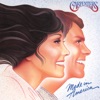 Made in AmericaThe Carpenters198110 tracks
 -
 Voice of the HeartThe Carpenters198310 tracks
 -
 LovelinesThe Carpenters198912 tracks
Deep Dive
Overview
The Carpenters were an American vocal and instrumental duo consisting of siblings Karen and Richard Carpenter, active from 1969 through 1983 and again posthumously. Over their 14-year original run, they crafted a distinctly polished soft musical style that merged Karen’s contralto vocals with Richard’s sophisticated arranging, composition, and harmony work. The duo recorded ten studio albums and numerous singles, establishing themselves as one of the defining acts in easy listening and adult contemporary music during the 1970s. Their influence extended beyond their era, as their records continue to resonate with audiences seeking warmth and precision in popular song.
Formation Story
The Carpenters emerged from Downey, California, a suburb of Los Angeles, where Richard and Karen grew up in a musical household. Richard had already begun composing and arranging before the duo’s official formation in 1969. The pair’s collaboration combined Richard’s meticulous production sensibility with Karen’s naturally rich, low vocal register, a rare asset in popular music that became their sonic signature. Wesley Jacobs joined as an early collaborator, rounding out their instrumental and arrangement work. The duo signed with A&M Records early in their career, a label partnership that would define their output through the 1980s.
Breakthrough Moment
The Carpenters’ breakthrough arrived decisively with their 1970 album Close to You, which introduced their polished, orchestral approach to mainstream audiences. The album’s success established the template they would refine across subsequent releases: lush string arrangements, impeccable vocal harmonies, and Richard’s careful songwriting and production choices. This immediate commercial success distinguished them from many contemporaries and set the trajectory for their most prolific and acclaimed period.
Peak Era
The early and mid-1970s constituted The Carpenters’ peak creative and commercial window. Albums such as Carpenters (1971), A Song for You (1972), Now & Then (1973), and Horizon (1975) demonstrated their ability to sustain both artistic quality and popular appeal across consecutive releases. During this four-year span, the duo refined their approach, balancing original compositions with carefully curated covers, all wrapped in Richard’s meticulous arrangements. Their output during this era proved durable; the songs recorded in these years remained central to their catalog for decades.
Musical Style
The Carpenters’ sound was defined by contrasts: Karen’s unusually deep, warm contralto voice was set against lush orchestral backings and precise vocal layering. Richard’s arrangements typically featured layered strings, tasteful woodwinds, and measured rhythmic accompaniment that prioritized clarity and emotional directness over flash or technical showmanship. They worked within the idiom of easy listening, adult contemporary, and soft rock—genres that had come to maturity in the late 1960s and early 1970s. Melodically, their songs favored accessible, singable lines; harmonically, they leaned on conventional but expertly executed chord progressions. The production was studio-bound and crafted rather than raw; every element served the song and Karen’s voice. This disciplined, conservative approach contrasted sharply with the rock radicalism occurring elsewhere in the 1970s, yet it found and held a vast audience.
Major Albums
Close to You (1970)
The album that established their commercial formula and introduced Karen’s contralto to mass audiences, anchored by the title track and its orchestral sensitivity.
Carpenters (1971)
Their eponymous third release deepened their stylistic command, showcasing Richard’s compositional maturity and the duo’s vocal blend at full confidence.
A Song for You (1972)
A standout in their catalog, balancing original material with interpretive covers and cementing their position as interpreters of contemporary songcraft.
Horizon (1975)
Released at the midpoint of their original career, it demonstrated sustained commercial strength and artistic consistency across a full album cycle.
Passage (1977)
A late-peak release that continued their soft-pop dominance before the 1980s brought shifts in popular taste and production trends.
Signature Songs
- “Close to You” — The title track from their breakthrough album, instantly recognizable for its lush string arrangement and Karen’s serene vocal delivery.
- “We’ve Only Just Begun” — An enduring soft-pop standard that exemplifies their gift for accessible, optimistic melody.
- “A Song for You” — A showcase for Karen’s vocal range and emotional restraint, demonstrating their ability to transform contemporary material.
- “Superstar” — Their interpretation of a contemporary composition, highlighting the duo’s taste in repertoire selection.
- “Rainy Days and Mondays” — A melancholic showcase for Karen’s contralto and the duo’s knack for capturing introspective emotional terrain.
- “Top of the World” — A radio-friendly track that balanced commercial accessibility with musical refinement.
Influence on Rock
The Carpenters’ influence operated primarily within the easy listening and adult contemporary spheres, though they shaped the broader landscape of accessible popular music in the 1970s. Their demonstration that commercially successful rock and pop could be polished, arranged, and emotionally restrained—rather than raw or provocative—proved significant for subsequent generations of soft-rock and pop artists. They validated the studio as a primary creative tool rather than a mere recording medium, influencing how producers and arrangers approached vocal music. Their success also reaffirmed the market viability of the vocal duo format in an era when guitar-driven rock dominated critical discourse. Beyond direct stylistic imitation, they established a template for production precision and emotional clarity that resonated with artists working in adult contemporary, easy listening, and sophisticated pop throughout the following decades.
Legacy
The Carpenters’ active career ended in 1983 with Karen’s death at age thirty-two, an event that stunned their fanbase and truncated a group at the height of their cultural presence. Subsequent decades have seen modest posthumous releases and reissues, including An Old-Fashioned Christmas (1984) and Lovelines (1989), which compiled and reworked archival material. Their original albums have remained continuously available and streaming-friendly, sustaining steady listenership among both longtime admirers and new audiences discovering their meticulous craftsmanship. The duo’s work has been revisited and often reassessed by critics and musicians seeking examples of high-fidelity pop production and emotionally direct songwriting. Richard Carpenter has occasionally overseen reissues and compilations, keeping the catalog in circulation. The Carpenters remain a touchstone for anyone studying 1970s soft pop, easy listening, and the role of sophisticated vocal arrangements in popular music.
Fun Facts
- Karen Carpenter was one of the few contralto voices to achieve mainstream popular success, a rarity in an era when soprano and mezzo-soprano voices dominated commercial pop radio.
- Richard Carpenter composed or co-wrote many of the duo’s most successful songs despite their frequent reliance on covers and material by other songwriters.
- The duo’s albums were recorded largely at A&M Studios in Los Angeles, where they developed close working relationships with the label’s production infrastructure.
- Their television specials in the 1970s were among the most-watched variety programs of their era, cementing their status as mainstream entertainment fixtures beyond radio and album sales.