
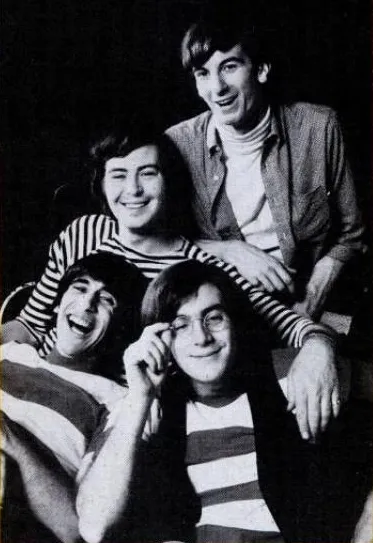
Photo by Kama Sutra Records , licensed under Public domain · Wikimedia Commons
Rank #416
The Lovin' Spoonful
From Wikipedia
The Lovin' Spoonful is a Canadian-American folk-rock band formed in Greenwich Village, New York City, in 1964. The band were among the most popular groups in the United States for a short period in the mid-1960s and their music and image influenced many of the contemporary rock acts of their era. Beginning in July 1965 with their debut single "Do You Believe in Magic", the band had seven consecutive singles reach the Top Ten of the US charts in the eighteen months that followed, including the number-two hits "Daydream" and "Did You Ever Have to Make Up Your Mind?" and the chart-topping "Summer in the City".
Members
- Jan Carl
- Jerry Yester
- Joe Butler
- John Sebastian
- Mike Arturi
- Phil Smith
- Steve Boone
- Zal Yanovsky
Discography & Previews
Browse through and click an album to open and play 30-second previews streamed from Apple Music.

Do You Believe in Magic
1965 · 17 tracks
- 1 Do You Believe In Magic? ↗ 2:06
- 2 Blues In the Bottle ↗ 2:11
- 3 Sportin' Life ↗ 4:04
- 4 My Gal ↗ 2:35
- 5 You Baby ↗ 2:54
- 6 Fishin' Blues ↗ 1:59
- 7 Did You Ever Have to Make Up Your Mind? ↗ 1:59
- 8 Wild About My Lovin' ↗ 2:34
- 9 The Other Side of This Life ↗ 2:28
- 10 Younger Girl ↗ 2:17
- 11 On the Road Again ↗ 1:50
- 12 Night Owl Blues ↗ 3:01
- 13 Alley Oop ↗ 2:15
- 14 Younger Girl (Alternate Take) ↗ 2:38
- 15 Blues In the Bottle (Alternate Take) ↗ 3:01
- 16 Wild About My Lovin' (Alternate Take) ↗ 2:36
- 17 The Other Side of This Life (Alternate Take) ↗ 2:31
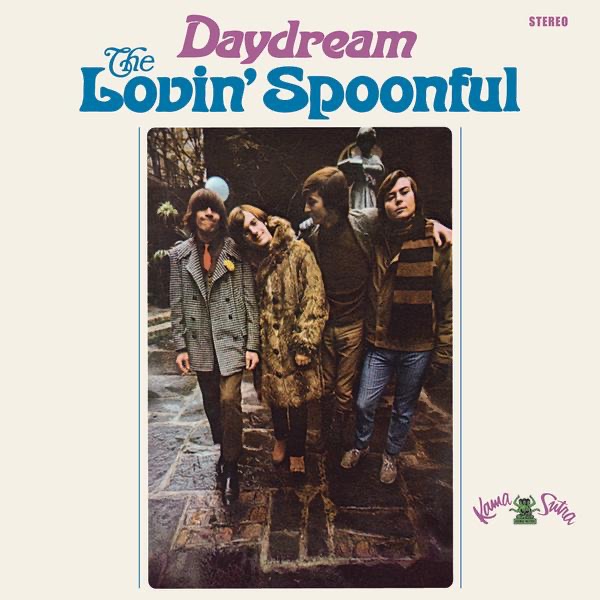
Daydream
1966 · 17 tracks
- 1 Daydream ↗ 2:19
- 2 There She Is ↗ 1:55
- 3 It's Not Time Now ↗ 2:46
- 4 Warm Baby ↗ 2:00
- 5 Day Blues ↗ 3:12
- 6 Let the Boy Rock 'N' Roll ↗ 2:31
- 7 Jug Band Music ↗ 2:50
- 8 Didn't Want to Have to Do It ↗ 2:36
- 9 You Didn't Have to Be So Nice ↗ 2:26
- 10 Bald Headed Lena ↗ 2:22
- 11 Butchie's Tune ↗ 2:35
- 12 Big Noise from Speonk ↗ 2:17
- 13 Fishin' Blues (Alternate Take) ↗ 2:30
- 14 Didn't Want to Have to Do It (Demo Version) ↗ 2:47
- 15 Jug Band Music (Alternate Instrumental) ↗ 2:52
- 16 Daydream (Demo Version) ↗ 3:18
- 17 Night Owl Blues (Alternate Take) ↗ 4:40
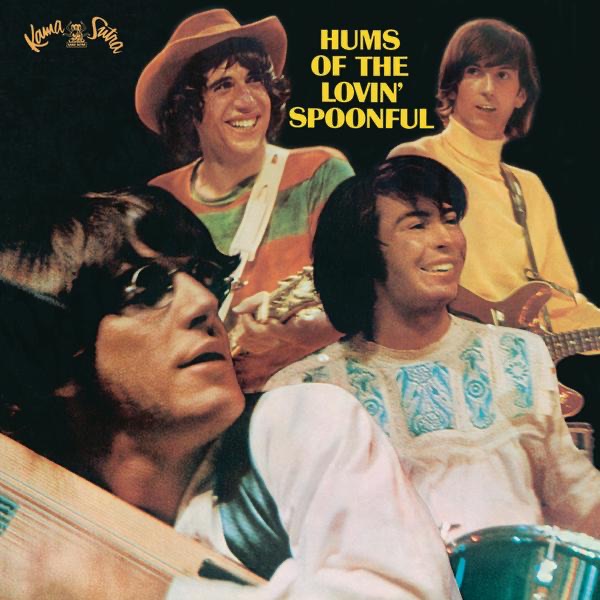
Hums of The Lovin’ Spoonful
1966 · 17 tracks
- 1 Lovin' You ↗ 2:27
- 2 Bes' Friends ↗ 1:53
- 3 Voodoo In My Basement ↗ 2:27
- 4 Darlin' Companion ↗ 2:20
- 5 Henry Thomas ↗ 1:43
- 6 Full Measure ↗ 2:40
- 7 Rain On the Roof ↗ 2:11
- 8 Coconut Grove ↗ 2:41
- 9 Nashville Cats ↗ 2:34
- 10 4 Eyes ↗ 2:51
- 11 Summer In the City ↗ 2:40
- 12 Darlin' Companion (Solo Demo) ↗ 2:21
- 13 Rain On the Roof (Instrumental) ↗ 2:15
- 14 4 Eyes (Alternate Vocal) [Extended Version] ↗ 3:38
- 15 Full Measure (Instrumental) ↗ 2:41
- 16 Voodoo In My Basement (Instrumental) ↗ 2:38
- 17 Darlin' Companion (Alternate Vocal) [Alternate Mix] ↗ 2:26
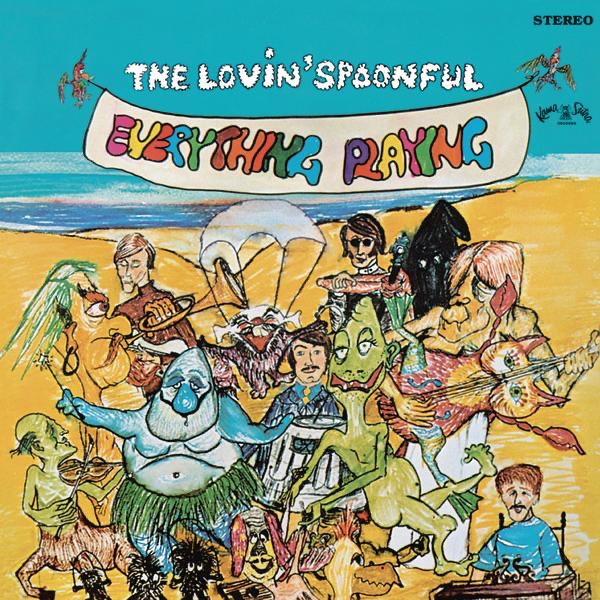
Everything Playing
1967 · 14 tracks
- 1 She Is Still a Mystery ↗ 2:59
- 2 Priscilla Millionaira ↗ 3:11
- 3 Boredom ↗ 2:23
- 4 Six O'Clock ↗ 2:41
- 5 Forever ↗ 4:22
- 6 Younger Generation ↗ 2:40
- 7 Money ↗ 1:53
- 8 Old Folks ↗ 3:04
- 9 Only Pretty, What a Pity ↗ 3:00
- 10 Try a Little Bit ↗ 3:03
- 11 Close Your Eyes ↗ 2:43
- 12 She Is Still a Mystery (Alternate Version) ↗ 3:09
- 13 Only Pretty, What a Pity (Alternate Version) ↗ 2:56
- 14 Try a Little Bit (Alternate Version) ↗ 3:02
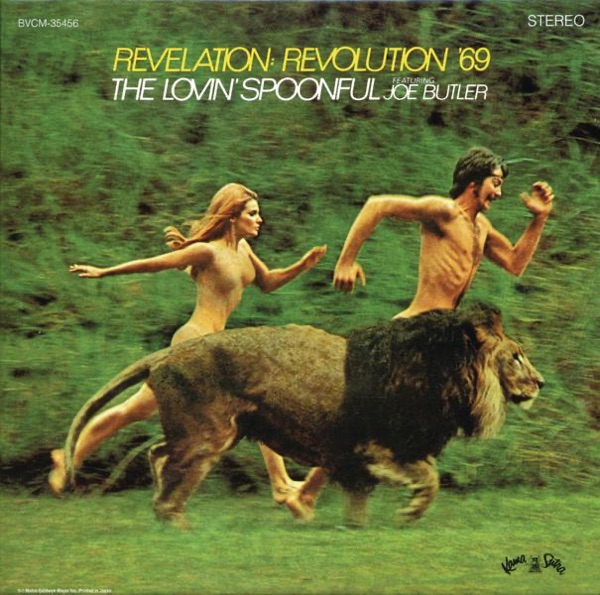
Revelation: Revolution '69
1969 · 13 tracks
- 1 Amazing Air ↗ 2:53
- 2 Never Going Back ↗ 2:52
- 3 The Prophet ↗ 2:48
- 4 Only Yesterday ↗ 2:46
- 5 War Games ↗ 6:59
- 6 (Till I) Run With You ↗ 1:54
- 7 Jug of Wine ↗ 2:46
- 8 Revelation: Revolution '69 ↗ 2:22
- 9 Me About You ↗ 3:48
- 10 Words ↗ 2:19
- 11 Revelation: Revolution '69 (Alternate Mix) ↗ 2:28
- 12 Revelation: Revolution '69 (Alternate Vocal) ↗ 2:17
- 13 Me About You (Single Version) ↗ 2:49
-
 Do You Believe in MagicThe Lovin' Spoonful196517 tracks
 -
 DaydreamThe Lovin' Spoonful196617 tracks
 -
 Hums of The Lovin’ SpoonfulThe Lovin' Spoonful196617 tracks
 -
 Everything PlayingThe Lovin' Spoonful196714 tracks
 -
 Revelation: Revolution '69The Lovin' Spoonful196913 tracks
Deep Dive
Overview
The Lovin’ Spoonful were a Canadian-American folk-rock band formed in Greenwich Village, New York City, in 1965, who achieved extraordinary commercial success during the mid-1960s. Between July 1965 and late 1966, they became one of the most dominant pop forces in America, placing seven consecutive singles in the US Top Ten—a feat few acts of any era can claim. Their music blended folk-derived songwriting with an accessible pop sensibility, creating a sound that proved both critically respectable and instantly commercial.
Formation Story
The Lovin’ Spoonful coalesced in Greenwich Village during 1965, emerging from the same folk scene that was rapidly transforming into rock and pop across New York. The band’s core lineup included John Sebastian, Zal Yanovsky, Joe Butler, and Steve Boone, though additional members including Jerry Yester, Phil Smith, and others passed through or joined the fold. Greenwich Village in the mid-1960s was an incubator for musical innovation and fusion; the Spoonful embodied a particular strand of this creativity—one that embraced electricity and pop hooks without abandoning folk’s storytelling tradition and acoustic foundation. Their rapid formation and subsequent chart dominance suggested a group with not only musical chemistry but shrewd instincts for what American radio audiences wanted to hear.
Breakthrough Moment
The Lovin’ Spoonful’s entry into the national consciousness arrived with startling speed. Their debut single, “Do You Believe in Magic,” issued in July 1965 on the Kama Sutra label, announced their arrival and set the template for immediate success. Within eighteen months of that single, they had achieved what few acts accomplish: seven consecutive Top Ten hits. The run included “Daydream” and “Did You Ever Have to Make Up Your Mind?”—both of which reached number two on the US charts—and “Summer in the City,” which became their only number-one single. The velocity of these chart appearances and the consistency of their commercial performance during 1965 and 1966 established them as among the most popular groups in the United States.
Peak Era
The Lovin’ Spoonful’s creative and commercial zenith corresponded precisely with their album releases between 1965 and 1967. Their debut, Do You Believe in Magic (1965), arrived hot on the heels of their first hit and capitalized on immediate popularity. They quickly followed with Daydream and Hums of The Lovin’ Spoonful in 1966, both releases that sustained their dominance on the charts and further established their musical identity. By 1967, with Everything Playing, the band had consolidated their influence and demonstrated an ability to evolve their sound while maintaining the melodic accessibility that had made them stars. This eighteen-month to two-year window—roughly 1965 through early 1967—represented not only their commercial peak but also their era of greatest cultural influence, when their music and image shaped how millions of Americans experienced pop and rock.
Musical Style
The Lovin’ Spoonful’s sound occupied a deliberate middle ground between folk authenticity and pop radio accessibility. Built on acoustic and electric guitar interplay, their records featured clear melodies, often sung in a conversational, amiable vocal style that invited listeners rather than demanding their attention. The band drew from folk traditions and songwriting approaches while embracing pop production and the radio-friendly single as an art form in itself. Unlike some folk-to-rock transitions of the era, which pursued psychedelia or heavy amplification, the Spoonful remained fundamentally melodic and grounded in the song itself. Their arrangements typically favored clarity over complexity, allowing individually crafted pop hooks to sit at the center of each track. This approach—sophisticated enough to engage serious listeners yet simple enough for mass appeal—became their signature.
Major Albums
Do You Believe in Magic (1965)
The debut that announced the band’s arrival and contained their breakthrough single of the same name, establishing the formula of joyful, accessible pop-rock that would define their early years.
Daydream (1966)
Capitalizing on massive chart momentum, this album featured the number-two title hit “Daydream” and further solidified their position as the era’s defining pop-rock act.
Hums of The Lovin’ Spoonful (1966)
Released the same year as Daydream, this record demonstrated the band’s ability to sustain quality and commercial appeal across multiple releases in rapid succession.
Everything Playing (1967)
By their third full year, the band had refined their craft and expanded their sonic palette, showing signs of growth and creative evolution beyond simple pop mechanics.
Signature Songs
- “Do You Believe in Magic” — The debut single that introduced the band’s infectious pop-folk sound and launched them into national prominence.
- “Summer in the City” — Their only number-one hit, a horn-accented summer anthem that became their most enduring chart success.
- “Daydream” — A breezy, number-two hit that epitomized the band’s accessible melodic approach.
- “Did You Ever Have to Make Up Your Mind?” — Another chart-topping moment that showcased their skill at the three-minute pop song.
- “You Didn’t Have to Be So Nice” — A signature ballad that revealed the band’s capacity for gentler, more introspective material.
Influence on Rock
The Lovin’ Spoonful demonstrated that folk-rock could achieve mainstream, chart-dominating success without compromise—a lesson that echoed through the second half of the 1960s and beyond. They proved that intelligent songwriting, melody-first arrangements, and folk-derived authenticity could coexist with commercial radio appeal and massive sales. In doing so, they influenced countless pop and rock acts of their era and demonstrated a viable path for singer-songwriters and bands seeking both artistic credibility and popular success. Their work helped legitimize folk-rock as a sustainable commercial genre, paving the way for similar artists who sought to bridge folk and pop audiences.
Legacy
The Lovin’ Spoonful’s impact on 1960s rock and pop music remains substantial, though their peak was remarkably concentrated in time—a matter of roughly two years of uninterrupted chart dominance and cultural presence. Decades after their initial success, the band remained active and occasionally performed, with the official Lovin’ Spoonful website maintaining their presence in the digital era. Their albums have been repeatedly reissued and remain accessible on streaming platforms, ensuring that new generations encounter their music. The band’s catalog, though relatively modest in size given the brevity of their peak years, endures as a high-water mark of 1960s pop-rock craft and commercial appeal.
Fun Facts
- The band emerged from and remained rooted in Greenwich Village, one of the era’s primary hubs for folk, blues, and early rock music.
- Their run of seven consecutive Top Ten singles in eighteen months places them among the most commercially successful acts of the mid-1960s.
- “Summer in the City” became an iconic summer song, a status it has maintained across multiple decades and cultural shifts.
- The band recorded a studio album, Revelation: Revolution ‘69, in 1969, demonstrating their continued recording activity into the early 1970s.