
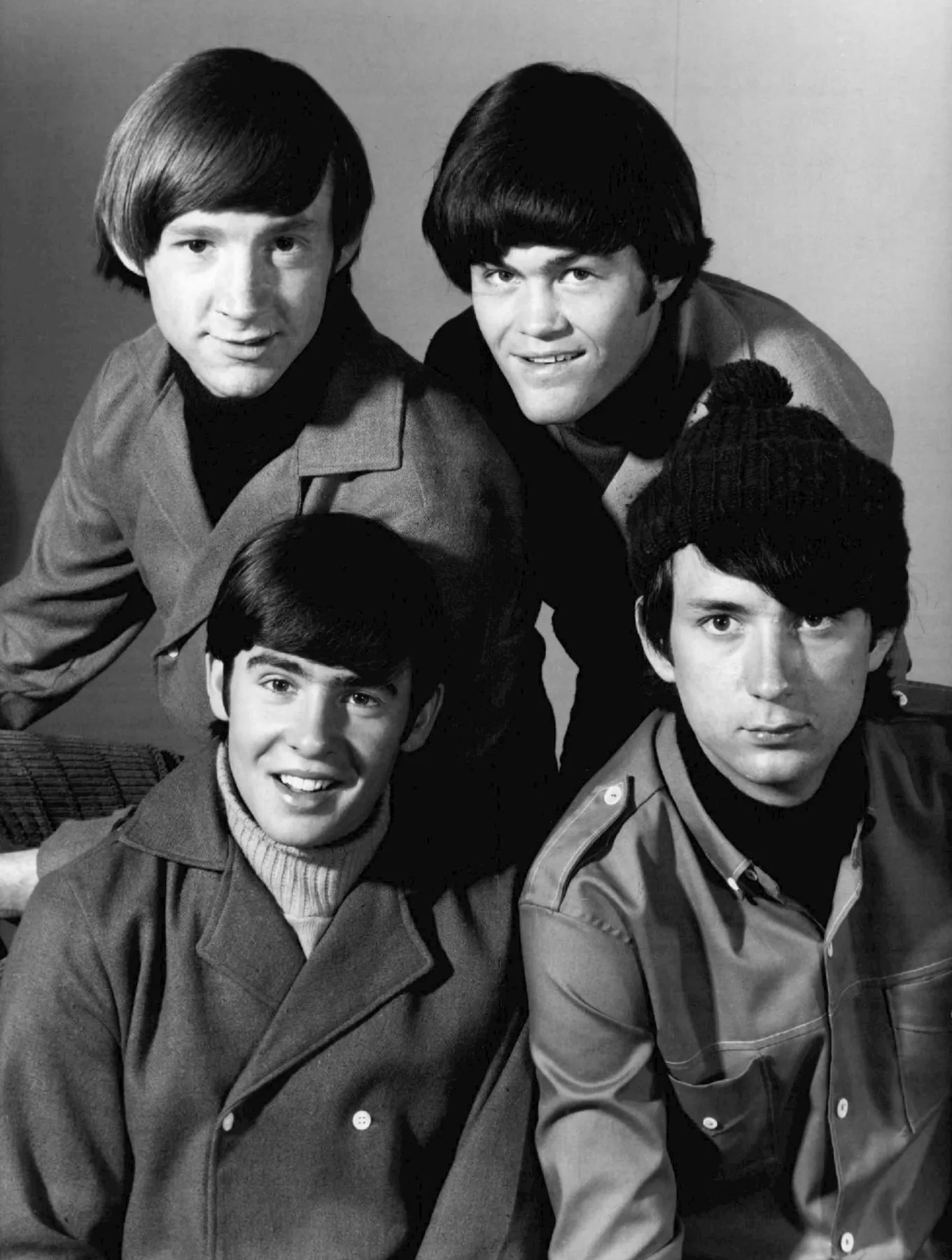
Photo by NBC Television. The photo was also used to answer fan mail during the height of their popularity. The card had no copyright marks either. , licensed under Public domain · Wikimedia Commons
Rank #442
The Monkees
From Wikipedia
The Monkees were an American pop rock band, formed in Los Angeles in the mid-1960s, whose lineup consisted of Micky Dolenz, Davy Jones, Michael Nesmith, and Peter Tork. One of the most commercially successful bands of the late 1960s, the group was conceived in 1965 by television producers Bob Rafelson and Bert Schneider for the NBC situation comedy series of the same name. Music credited to the band was released on LP, as well as being included in the show, which aired from 1966 to 1968.
Members
- Davy Jones
- Michael Nesmith
- Micky Dolenz
- Peter Tork
Discography & Previews
Browse through and click an album to open and play 30-second previews streamed from Apple Music.

The Monkees
1966 · 12 tracks
- 1 (Theme From) The Monkees ↗ 2:23
- 2 Saturday's Child ↗ 2:47
- 3 I Wanna Be Free ↗ 2:29
- 4 Tomorrow's Gonna Be Another Day ↗ 2:43
- 5 Papa Gene's Blues ↗ 2:03
- 6 Take a Giant Step ↗ 2:34
- 7 Last Train to Clarksville ↗ 2:49
- 8 This Just Doesn't Seem to Be My Day ↗ 2:10
- 9 Let's Dance On ↗ 2:34
- 10 I'll Be True to You ↗ 2:52
- 11 Sweet Young Thing ↗ 2:00
- 12 Gonna Buy Me a Dog ↗ 2:43

Pisces, Aquarius, Capricorn & Jones Ltd.
1967 · 13 tracks
- 1 Salesman ↗ 2:37
- 2 She Hangs Out ↗ 2:58
- 3 The Door Into Summer ↗ 2:50
- 4 Love Is Only Sleeping ↗ 2:32
- 5 Cuddly Toy ↗ 2:39
- 6 Words ↗ 2:54
- 7 Hard to Believe ↗ 2:36
- 8 What Am I Doing Hangin' 'Round? ↗ 3:09
- 9 Peter Percival Patterson's Pet Pig Porky ↗ 0:27
- 10 Pleasant Valley Sunday ↗ 3:16
- 11 Daily Nightly ↗ 2:33
- 12 Don't Call On Me ↗ 2:52
- 13 Star Collector ↗ 4:24

More of the Monkees
1967 · 12 tracks
- 1 She ↗ 2:40
- 2 When Love Comes Knockin' (At Your Door) ↗ 1:49
- 3 Mary, Mary ↗ 2:18
- 4 Hold On Girl ↗ 2:29
- 5 Your Auntie Grizelda ↗ 2:29
- 6 (I'm Not Your) Steppin' Stone ↗ 2:25
- 7 Look Out (Here Comes Tomorrow) ↗ 2:16
- 8 The Kind of Girl I Could Love ↗ 1:53
- 9 The Day We Fall In Love ↗ 2:25
- 10 Sometime In the Morning ↗ 2:30
- 11 Laugh ↗ 2:30
- 12 I'm a Believer ↗ 2:45

Headquarters
1967 · 14 tracks
- 1 You Told Me ↗ 2:25
- 2 I'll Spend My Life with You ↗ 2:27
- 3 Forget That Girl ↗ 2:26
- 4 Band 6 ↗ 0:41
- 5 You Just May Be the One ↗ 2:03
- 6 Shades of Gray ↗ 3:23
- 7 I Can't Get Her Off My Mind ↗ 2:26
- 8 For Pete's Sake ↗ 2:12
- 9 Mr. Webster ↗ 2:08
- 10 Sunny Girlfriend ↗ 2:34
- 11 Zilch ↗ 1:07
- 12 No Time ↗ 2:09
- 13 Early Morning Blues and Greens ↗ 2:36
- 14 Randy Scouse Git ↗ 2:32

The Birds, The Bees, & The Monkees
1968 · 12 tracks
- 1 Dream World ↗ 3:21
- 2 Auntie's Municipal Court ↗ 4:03
- 3 We Were Made for Each Other ↗ 2:25
- 4 Tapioca Tundra ↗ 3:07
- 5 Daydream Believer ↗ 3:01
- 6 Writing Wrongs ↗ 5:08
- 7 I'll Be Back Up On My Feet ↗ 2:27
- 8 The Poster ↗ 2:21
- 9 P.O. Box 9847 ↗ 3:16
- 10 Magnolia Simms ↗ 3:48
- 11 Valleri ↗ 2:22
- 12 Zor and Zam ↗ 2:07

Instant Replay
1969 · 12 tracks
- 1 Through the Looking Glass ↗ 2:43
- 2 Don't Listen to Linda ↗ 2:47
- 3 I Won't Be the Same Without Her ↗ 2:41
- 4 Just a Game ↗ 1:49
- 5 Me Without You ↗ 2:10
- 6 Don't Wait for Me ↗ 2:40
- 7 You and I ↗ 2:14
- 8 While I Cry ↗ 2:59
- 9 Tear Drop City ↗ 2:00
- 10 The Girl I Left Behind Me ↗ 2:45
- 11 A Man Without a Dream ↗ 3:01
- 12 Shorty Blackwell ↗ 5:40

The Monkees Present
1969 · 12 tracks
- 1 Little Girl ↗ 2:00
- 2 Good Clean Fun ↗ 2:18
- 3 If I Knew ↗ 2:21
- 4 Bye Bye Baby Bye Bye ↗ 2:23
- 5 Never Tell a Woman Yes ↗ 3:46
- 6 Looking for the Good Times ↗ 2:04
- 7 Ladies Aid Society ↗ 2:42
- 8 Listen to the Band ↗ 2:47
- 9 French Song ↗ 2:24
- 10 Mommy and Daddy ↗ 2:15
- 11 Oklahoma Backroom Dancer ↗ 2:38
- 12 Pillow Time ↗ 2:28

Changes
1970 · 12 tracks
- 1 Oh My My ↗ 3:02
- 2 Ticket On a Ferry Ride ↗ 3:31
- 3 You're So Good to Me ↗ 2:34
- 4 It's Got to Be Love ↗ 2:25
- 5 Acapulco Sun ↗ 2:55
- 6 99 Pounds ↗ 2:28
- 7 Tell Me Love ↗ 2:39
- 8 Do You Feel It Too? ↗ 2:37
- 9 I Love You Better ↗ 2:27
- 10 All Alone In the Dark ↗ 2:52
- 11 Midnight Train ↗ 2:08
- 12 I Never Thought It Peculiar ↗ 2:26

Pool It!
1987 · 12 tracks
- 1 Heart and Soul ↗ 3:55
- 2 (I'd Go The) Whole Wide World ↗ 2:56
- 3 Long Way Home ↗ 3:50
- 4 Secret Heart ↗ 3:46
- 5 Gettin' In ↗ 3:03
- 6 (I'll) Love Your Forever ↗ 3:22
- 7 Every Step of the Way ↗ 3:21
- 8 Don't Bring Me Down ↗ 3:39
- 9 Midnight ↗ 4:28
- 10 She's Movin' In With Rico ↗ 3:21
- 11 Since You Went Away ↗ 2:36
- 12 Counting On You ↗ 3:46

Justus
1996 · 12 tracks
- 1 Circle Sky ↗ 3:34
- 2 Never Enough ↗ 3:01
- 3 Oh, What a Night ↗ 3:11
- 4 You and I ("Justus") ↗ 2:58
- 5 Unlucky Stars ↗ 3:12
- 6 Admiral Mike ↗ 3:25
- 7 Dyin' of a Broken Heart ↗ 3:09
- 8 Regional Girl ↗ 3:16
- 9 Run Away from Life ↗ 2:44
- 10 I Believe You ↗ 3:41
- 11 It's My Life ↗ 3:42
- 12 It's Not Too Late ↗ 4:06

Good Times!
2016 · 13 tracks
- 1 Good Times ↗ 2:46
- 2 You Bring the Summer ↗ 3:00
- 3 She Makes Me Laugh ↗ 3:01
- 4 Our Own World ↗ 2:45
- 5 Gotta Give It Time ↗ 2:18
- 6 Me & Magdalena ↗ 3:34
- 7 Whatever's Right ↗ 2:00
- 8 Love to Love ↗ 2:30
- 9 Little Girl ↗ 2:42
- 10 Birth of an Accidental Hipster ↗ 3:31
- 11 Wasn't Born to Follow ↗ 2:54
- 12 I Know What I Know ↗ 3:31
- 13 I Was There (And I'm Told I Had a Good Time) ↗ 2:16

Christmas Party
2018 · 13 tracks
- 1 Unwrap You at Christmas ↗ 3:32
- 2 What Would Santa Do ↗ 3:15
- 3 Mele Kalikimaka ↗ 2:25
- 4 House of Broken Gingerbread ↗ 2:52
- 5 The Christmas Song ↗ 3:40
- 6 Christmas Party ↗ 3:05
- 7 Jesus Christ ↗ 2:38
- 8 I Wish It Could Be Christmas Every Day ↗ 3:31
- 9 Silver Bells ↗ 3:27
- 10 Wonderful Christmastime ↗ 3:34
- 11 Snowfall ↗ 2:55
- 12 Angels We Have Heard on High ↗ 2:48
- 13 Merry Christmas, Baby ↗ 2:58
-
 The MonkeesThe Monkees196612 tracks
 -
 Pisces, Aquarius, Capricorn & Jones Ltd.The Monkees196713 tracks
 -
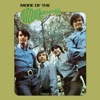 More of the MonkeesThe Monkees196712 tracks
 -
 HeadquartersThe Monkees196714 tracks
 -
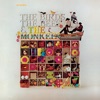 The Birds, The Bees, & The MonkeesThe Monkees196812 tracks
 -
 Instant ReplayThe Monkees196912 tracks
 -
 The Monkees PresentThe Monkees196912 tracks
 -
 ChangesThe Monkees197012 tracks
 -
 Pool It!The Monkees198712 tracks
 -
 JustusThe Monkees199612 tracks
 -
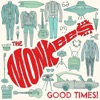 Good Times!The Monkees201613 tracks
 -
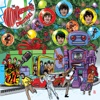 Christmas PartyThe Monkees201813 tracks
Deep Dive
Overview
The Monkees were an American pop rock band formed in Los Angeles in 1966, created not in the traditional sense of musicians finding each other, but as a manufactured ensemble devised by television producers for an NBC situation comedy. The band consisted of Micky Dolenz, Davy Jones, Michael Nesmith, and Peter Tork. Despite—or perhaps because of—their artificial origins, the Monkees became one of the most commercially successful acts of the late 1960s, selling millions of records and establishing a cultural phenomenon that extended far beyond the television screen. Their music ranged from bubblegum pop to psychedelic rock, and the group managed a genuine artistic maturation even within the constraints of their commercial mandate.
Formation Story
The Monkees emerged from a deliberate marketplace calculation rather than organic creative partnership. Television producers Bob Rafelson and Bert Schneider conceived the group in 1965 with the express purpose of creating a television vehicle for NBC. They sought four young men who could act, perform, and embody the spirit of the British Invasion for an American teen audience at a moment when the Beatles’ cultural dominance was reshaping popular music. Micky Dolenz, Davy Jones, Michael Nesmith, and Peter Tork were selected from auditions, chosen as much for their screen presence and marketability as for musical ability. The band debuted in 1966 as both a television ensemble and a recording act, with their NBC series airing from 1966 to 1968. The show’s success cemented their position in American popular culture, and their records were promoted alongside episodes, creating an unprecedented cross-media marketing synergy.
Breakthrough Moment
The Monkees achieved near-instantaneous commercial breakthrough. Their self-titled debut album, released in 1966, established them as a chart force, and the singles derived from it reached audiences worldwide. The band’s early recordings, often featuring session musicians and outside songwriters, were carefully constructed to appeal to the teenage market their television show targeted. Albums including Pisces, Aquarius, Capricorn & Jones Ltd. (1967), More of the Monkees (1967), and Headquarters (1967)—all released in rapid succession—demonstrated their ability to sustain commercial momentum. The television show’s popularity translated directly into record sales, allowing the Monkees to dominate the charts in a way few manufactured acts have achieved before or since.
Peak Era
The Monkees’ peak commercial and creative period spanned 1966 through 1968, coinciding with the run of their television series. During these years, they released multiple albums and appeared on screens across America, building a devoted fan base. Despite initial reliance on session musicians and outside producers, the band members increasingly sought to play their own instruments and shape their own sound. Headquarters (1967) marked a significant shift toward greater artistic control, with the band members performing more of the music themselves. This period saw the group navigate the transition from novelty television act to recording artists with genuine musical ambitions. By 1968, with albums like The Birds, The Bees, & The Monkees (1968), the Monkees were demonstrating creative range and studio sophistication, even as the television series that launched them was ending.
Musical Style
The Monkees’ sound evolved significantly across their recording career. In their earliest work, they were positioned as a pop rock act with bubblegum sensibilities—catchy, radio-friendly melodies designed for maximum commercial appeal. The production was highly polished and often featured string arrangements, backup vocalists, and the instrumental expertise of session musicians. As the 1960s progressed and the band members gained confidence in their musical abilities, the Monkees began incorporating elements of psychedelia, folk rock, and experimental studio production. Albums from 1967 onward showed willingness to explore more complex arrangements and studio techniques, reflecting broader trends in rock music during the Summer of Love and beyond. Their vocal approach remained pop-oriented, with each member bringing different tonal qualities to group harmonies, while the instrumentation ranged from straightforward rock band setup to orchestral arrangements and studio experimentation. The band’s material reflected both their mass-market positioning and the genuine musical exploration happening in rock at the time.
Major Albums
The Monkees (1966)
The debut album established the template for the group’s commercial success, featuring catchy pop rock songs designed for both radio play and television exposure.
Headquarters (1967)
Marking increased creative control by the band members themselves, this album represented a turning point toward greater artistic autonomy and studio sophistication.
Pisces, Aquarius, Capricorn & Jones Ltd. (1967)
Released during the height of the television show’s popularity, this album balanced commercial pop sensibilities with studio innovation.
The Birds, The Bees, & The Monkees (1968)
This album demonstrated the band’s continued evolution and commercial strength even as their television series concluded.
Instant Replay (1969)
Released after the end of the television series, this album showed the Monkees continuing to record and perform despite the loss of their weekly television platform.
Signature Songs
- “I’m a Believer” — One of the band’s most recognizable recordings, exemplifying their infectious pop rock appeal.
- “Daydream Believer” — A standout track that became synonymous with the band’s popular image.
- “Last Train to Clarksville” — An early single that helped establish the Monkees’ presence on the charts.
- “Pleasant Valley Sunday” — A mid-period track showcasing the band’s evolution in songwriting and arrangement.
Influence on Rock
The Monkees’ impact on rock music extends beyond their commercial success. As a manufactured band, they challenged assumptions about how rock groups should form and operate, proving that acts created for commercial purposes could achieve genuine artistic credibility. The band’s willingness to play their own instruments and exercise greater creative control over Headquarters and subsequent releases demonstrated that even manufactured acts could evolve into legitimate artists. Their television show influenced the relationship between pop music and visual media, establishing a model for how rock acts could build fan bases through multimedia exposure. The Monkees also demonstrated the viability of pop rock as a commercially sustainable genre during a period when rock music was fragmenting into numerous subgenres. Musicians across subsequent decades have acknowledged the band’s craftsmanship and the sophistication of their recordings, particularly as understanding of 1960s studio production has deepened.
Legacy
The Monkees have maintained a lasting presence in popular culture since their 1960s heyday. The band reunited for tours and new recordings in subsequent decades, with albums like Pool It! (1987), Justus (1996), and Good Times! (2016) demonstrating continued creative engagement. Their catalog has been reissued and preserved by major reissue labels, ensuring that their recordings remain accessible to both longtime fans and new listeners. The original television series has achieved cult status and continues to reach audiences through home video and streaming platforms, introducing new generations to the band’s visual aesthetic and music. The Monkees’ records remain in consistent rotation on classic rock radio and streaming services, cementing their position as a significant act from the 1960s pop rock era. Their story—of a manufactured band that evolved into a creatively legitimate act—has become a notable chapter in rock music history, complicating simplistic narratives about authenticity and commercial calculation in popular music.
Fun Facts
- The Monkees’ television series was directly inspired by the success of the Beatles’ films, with producers seeking to replicate that crossover appeal for American television audiences.
- Michael Nesmith wore a knit cap during much of the television series run, a wardrobe choice that became so identified with him that fans associated it with his musical identity.
- The band continued recording and performing for decades after their original run, with reunion tours and new album releases demonstrating the enduring appeal of the group.
- Individual members pursued solo careers alongside their work with the Monkees, with Michael Nesmith in particular achieving recognition as a solo artist and television producer.