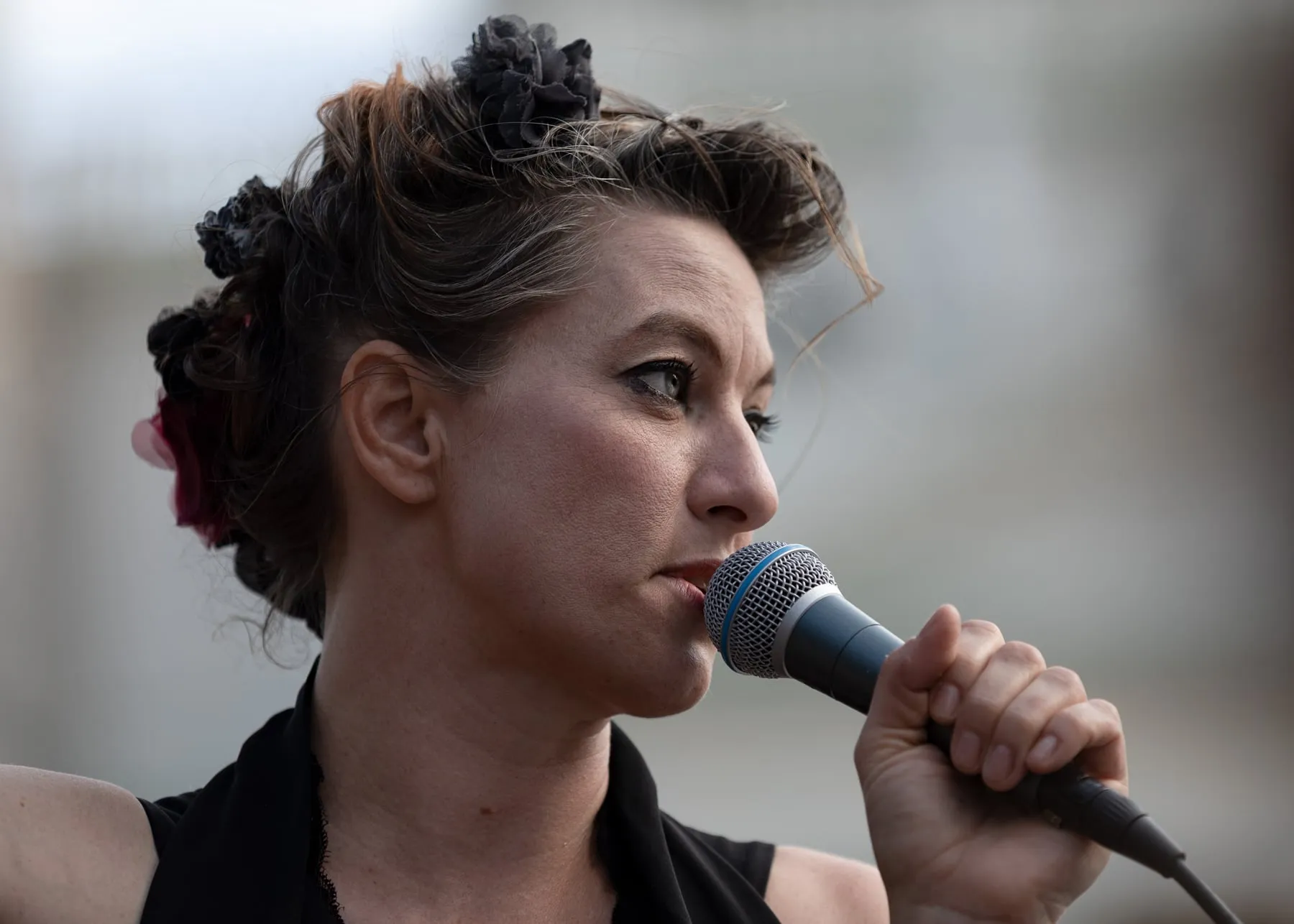
Photo by Manfred Werner (Tsui) , licensed under CC BY-SA 4.0 · Wikimedia Commons
Rank #296
Amanda Palmer
From Wikipedia
Amanda MacKinnon Palmer is an American singer, songwriter, musician, and performance artist who was the lead vocalist, pianist, and lyricist of the duo the Dresden Dolls She performs as a solo artist and was also a member of the duo Evelyn Evelyn and the lead singer and songwriter of Amanda Palmer and the Grand Theft Orchestra. She has gained a cult fanbase and was one of the first musical artists to popularize the use of crowdfunding websites.
Discography & Previews
Browse through and click an album to open and play 30-second previews streamed from Apple Music.
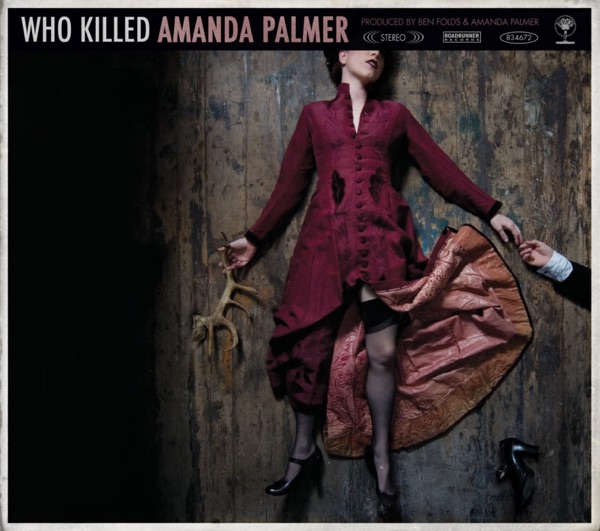
Who Killed Amanda Palmer
2008 · 12 tracks
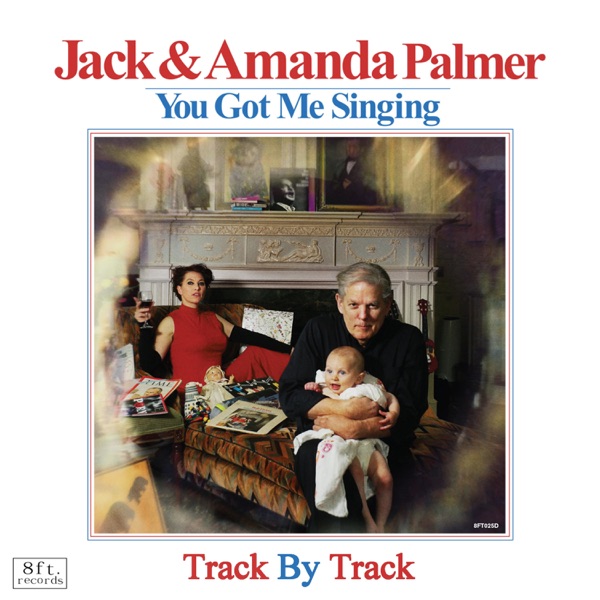
You Got Me Singing
2016 · 11 tracks
- 1 You Got Me Singing (Commentary) ↗ 2:18
- 2 Wynken, Blynken and Nod (Commentary) ↗ 3:08
- 3 Again (Commentary) ↗ 0:48
- 4 1952 Vincent Black Lightning (Commentary) ↗ 1:36
- 5 Louise Was Not Half Bad (Commentary) ↗ 0:56
- 6 Black Boys on Mopeds / In the Heat of the Summer (Commentary) ↗ 2:28
- 7 All I Could Do (Commentary) ↗ 0:58
- 8 Pink Emerson Radio (Commentary) ↗ 1:12
- 9 Skye Boat Song (Commentary) ↗ 1:38
- 10 Glacier (Commentary) ↗ 1:23
- 11 I Love You so Much (Commentary) ↗ 1:33

Piano Is Evil
2016 · 13 tracks
- 1 Bottomfeeder ↗ 6:20
- 2 The Bed Song ↗ 6:51
- 3 The Killing Type ↗ 4:22
- 4 Grown Man Cry ↗ 5:55
- 5 Smile (Pictures or It Didn't Happen) ↗ 6:06
- 6 Trout Heart Replica ↗ 7:49
- 7 Berlin ↗ 6:51
- 8 Do It With a Rockstar ↗ 4:35
- 9 Massachusetts Avenue ↗ 5:20
- 10 Melody Dean ↗ 4:14
- 11 Want It Back ↗ 3:49
- 12 Olly Olly Oxen Free ↗ 4:32
- 13 Lost ↗ 4:59


There Will Be No Intermission
2019 · 20 tracks
- 1 All the Things ↗ 1:23
- 2 The Ride ↗ 10:13
- 3 Congratulations ↗ 0:38
- 4 Drowning in the Sound ↗ 5:45
- 5 Hold on Tight, Darling ↗ 0:41
- 6 The Thing About Things ↗ 5:35
- 7 Life's Such a Bitch Isn’t It ↗ 0:33
- 8 Judy Blume ↗ 6:45
- 9 Feeding the Dark ↗ 0:20
- 10 Bigger on the Inside ↗ 8:29
- 11 There Will Be No Intermission ↗ 1:02
- 12 Machete ↗ 6:10
- 13 You Know the Statistics ↗ 0:38
- 14 Voicemail for Jill ↗ 5:34
- 15 You'd Think I’d Shot Their Children ↗ 1:43
- 16 A Mother's Confession ↗ 10:38
- 17 They're Saying Not to Panic ↗ 0:27
- 18 Look Mummy, No Hands ↗ 5:30
- 19 Intermission Is Relative ↗ 0:55
- 20 Death Thing ↗ 5:00
-
 Who Killed Amanda PalmerAmanda Palmer200812 tracks
 -
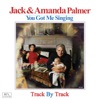 You Got Me SingingAmanda Palmer201611 tracks
 -
 Piano Is EvilAmanda Palmer201613 tracks
 -
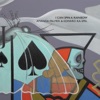 I Can Spin a RainbowAmanda Palmer20179 tracks
 -
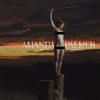 There Will Be No IntermissionAmanda Palmer201920 tracks
Deep Dive
Overview
Amanda Palmer is an American singer, songwriter, musician, and performance artist whose career has straddled rock music, theatrical spectacle, and digital innovation. Born in 1976, Palmer emerged from the Boston underground as the lead vocalist, pianist, and creative force behind The Dresden Dolls before launching a prolific solo career that redefined how independent artists could fund and distribute their work. Her influence extends beyond music into the realms of performance art, crowd engagement, and digital-era music business, making her a pivotal figure in how rock and alternative music adapted to the internet age.
Formation Story
Amanda MacKinnon Palmer grew up in the United States during the 1980s and 1990s, absorbing influences from theatrical rock, performance art, and the emerging alternative rock landscape. She came to music through piano and songwriting, combining classical training with an avant-garde sensibility that placed her outside the mainstream from the start. Rather than following the traditional rock band template of drums, bass, and guitar, Palmer gravitated toward the piano as her primary instrument and used her voice as a dramatic tool. Her early fascination with theatre and visual presentation shaped her approach to performance, blending rock songwriting with the physicality and emotional intensity of stage performance art.
Breakthrough Moment
Palmer first gained significant attention as the frontwoman of The Dresden Dolls, a duo that emerged from the Boston music scene and built a devoted cult following through relentless touring and theatrical live shows. The band’s hybrid approach—part cabaret, part punk rock, entirely unconventional—resonated with audiences seeking alternatives to mainstream rock and pop. However, her true breakthrough as a solo artist and a figure of broader cultural significance came through her embrace of crowdfunding. By 2012, Palmer launched a Kickstarter campaign to fund her album and tour, becoming one of the first major musical artists to popularize the use of crowdfunding websites. This campaign raised over one million dollars and demonstrated that artists could bypass traditional record label infrastructure and connect directly with their fanbase, fundamentally shifting the economics of independent music production.
Peak Era
Palmer’s peak creative and commercial period as a solo artist began in the early 2010s and extended through the late 2010s, marked by a series of albums released under her own name and collaborative projects. Her solo work combined the piano-driven songwriting and theatrical intensity she had honed with The Dresden Dolls with increasingly personal and experimental arrangements. The period between 2008 and 2019 saw her release five studio albums—Who Killed Amanda Palmer (2008), You Got Me Singing (2016), Piano Is Evil (2016), I Can Spin a Rainbow (2017), and There Will Be No Intermission (2019)—each documenting her evolving approach to composition, production, and performance. These years solidified her reputation not merely as a musician but as a visionary figure reshaping the relationship between artists and audiences in the digital era.
Musical Style
Amanda Palmer’s sound is built on the piano as the primary melodic and harmonic instrument, an unusual choice in rock music that immediately sets her apart. Her vocals are expressive and theatrical, emphasizing emotional immediacy and narrative clarity over technical polish. Lyrically, she writes with introspection and dark humour, often exploring themes of identity, connection, mortality, and the human condition. Her musical lineage connects to alternative rock of the 1990s and early 2000s, but with stronger roots in theatrical rock and cabaret than in the guitar-driven indie rock of her contemporaries. Over her solo career, her arrangements have ranged from sparse piano-and-voice configurations to fuller orchestral and band arrangements, with production styles shifting between raw and intimate recordings and more polished studio treatments. This stylistic flexibility—coupled with her background in performance art—allows her to shift between balladic vulnerability and aggressive energy within single songs.
Major Albums
Who Killed Amanda Palmer (2008)
Palmer’s first major solo album, marked by piano-centric songwriting and production that emphasized her voice and compositional voice without the duo context of The Dresden Dolls. The album established her solo identity and deepened her connection with her existing fanbase while introducing her music to audiences unfamiliar with her earlier work.
You Got Me Singing (2016)
Released in 2016, this album demonstrated Palmer’s continued evolution as a recording artist and her willingness to explore new collaborative and production approaches within the alternative rock framework that had always defined her work.
Piano Is Evil (2016)
Also released in 2016, this project represented Palmer’s exploration of the piano as both anchor and provocation, engaging directly with her primary instrument in title and approach and reinforcing the centrality of keys to her compositional process.
There Will Be No Intermission (2019)
Palmer’s final album in the supplied discography, released in 2019, captured her continued artistic ambition and willingness to expand her sonic palette while remaining rooted in the piano-driven, emotionally direct approach that defined her solo career.
Signature Songs
- “Coin Operated Boy” — One of her most recognizable songs from The Dresden Dolls era, a darkly humorous piano-driven track that became an anthem for her devoted fanbase and exemplifies her blend of whimsy and melancholy.
- “The Killing Type” — A theatrical showcase for her vocal range and ability to shift between vulnerability and sharp wit within a single narrative frame.
- “Ukulele Anthem” — Demonstrates her willingness to strip arrangements down to their essence and still convey emotional complexity through minimal instrumentation.
- “In My Mind” — A reflective, introspective composition that highlights her gift for exploring internal emotional landscapes through piano and voice.
Influence on Rock
Amanda Palmer’s primary influence on rock music and culture lies not in a single musical innovation but in her redefinition of the relationship between artists and audiences in the digital age. By pioneering the use of crowdfunding for major musical projects, she demonstrated that artists could retain creative control and build sustainable careers without ceding power to record labels or corporate gatekeepers. Her Kickstarter success in 2012 opened a template that countless musicians have since followed, fundamentally altering how independent and mid-tier artists fund albums, tours, and projects. Beyond economics, Palmer’s unwavering commitment to theatrical performance, genre-blending, and emotional honesty in songwriting influenced a generation of alternative rock musicians to resist genre categorization and embrace performance as an integral part of their artistic identity. Her willingness to engage directly with fans through social media and unconventional promotional methods prefigured broader shifts in how contemporary musicians build and maintain their audiences.
Legacy
Amanda Palmer’s legacy extends across music, performance art, and music industry practice. Her role in popularizing crowdfunding as a viable path for musicians has had measurable impact on thousands of independent artists who have since used similar platforms to fund their work. Her solo discography—spanning from 2008 to 2019—remains in circulation on streaming platforms and continues to reach new audiences, particularly those interested in piano-driven alternative rock and theatre-influenced songwriting. Palmer’s influence on performance-oriented rock music, her commitment to narrative and emotional depth in songwriting, and her pioneering work in direct artist-audience engagement through digital platforms cement her position as a significant figure in late-twentieth and early-twenty-first-century rock music. Her career demonstrates that commercial success and artistic integrity are not mutually exclusive, and that audiences will support artists who maintain an authentic and distinctive vision.
Fun Facts
- Amanda Palmer was the lead vocalist and pianist of The Dresden Dolls, a cabaret-punk duo that became one of the most successful underground acts of the 2000s before she transitioned to her prolific solo career.
- Palmer’s 2012 Kickstarter campaign for an album and tour raised over one million dollars, making her one of the first major musical artists to demonstrate the viability of crowdfunding for established musicians and opening the door for countless artists to follow.
- In addition to her solo work, Palmer formed Evelyn Evelyn, a collaborative duo, and led Amanda Palmer and the Grand Theft Orchestra, showcasing her versatility in collaborative and ensemble contexts across alternative rock and experimental music.
- Palmer has maintained an official website at amandapalmer.net, directly engaging with her fanbase and controlling distribution of her music and content independent of traditional media gatekeepers.