
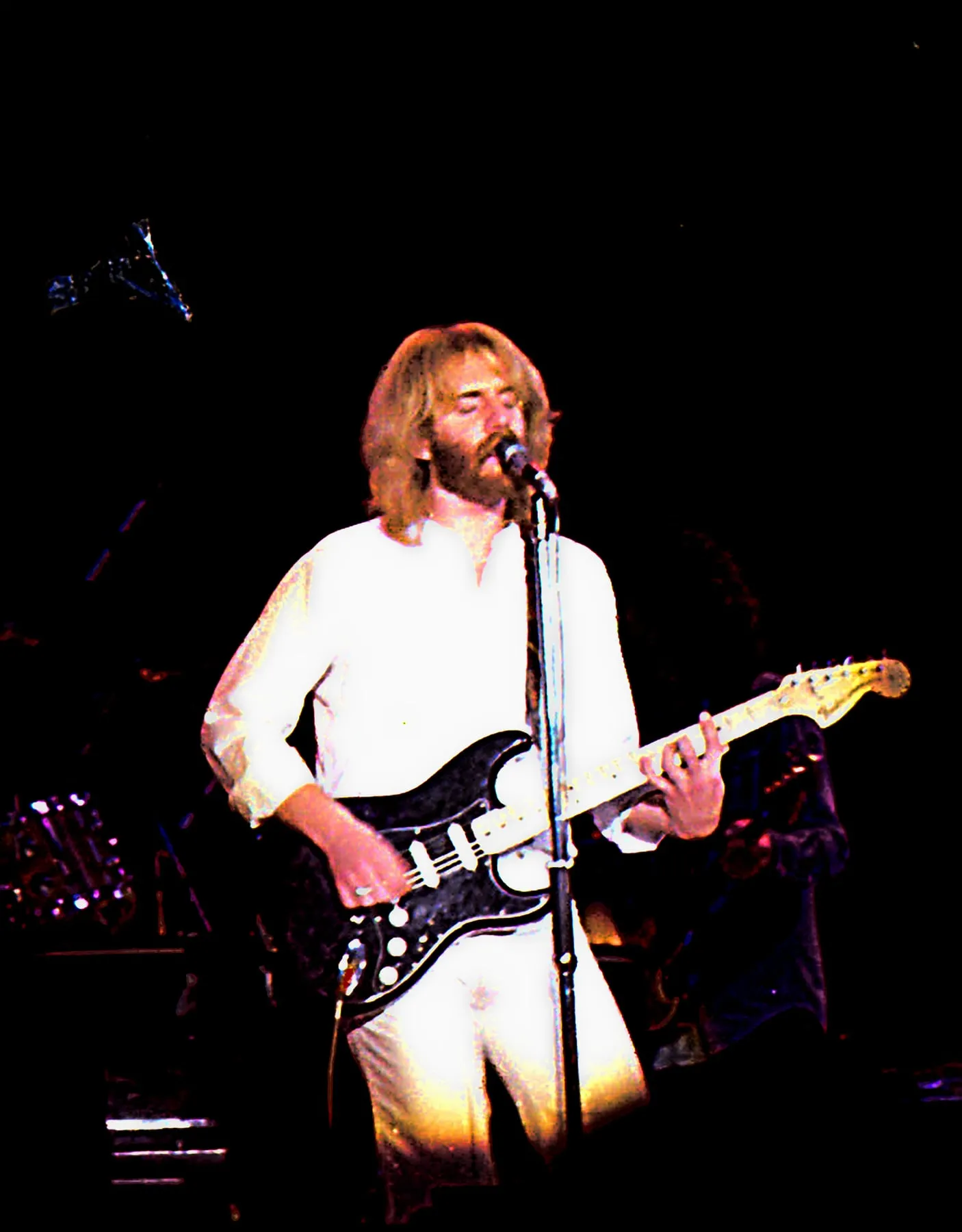
Photo by Arthur Winailan , licensed under CC BY-SA 4.0 · Wikimedia Commons
Rank #349
Andrew Gold
From Wikipedia
Andrew Maurice Gold was an American multi-instrumentalist, singer, songwriter, and record producer who influenced much of the Los Angeles-dominated pop/soft rock sound in the 1970s. Gold performed on scores of records by other artists, especially Linda Ronstadt, and had his own success with the U.S. top 40 hits "Lonely Boy" (1977) and "Thank You for Being a Friend" (1978), as well as the UK top five hit "Never Let Her Slip Away" (1978). In the 1980s, he had further international chart success as one half of Wax, a collaboration with 10cc's Graham Gouldman.
Discography & Previews
Browse through and click an album to open and play 30-second previews streamed from Apple Music.
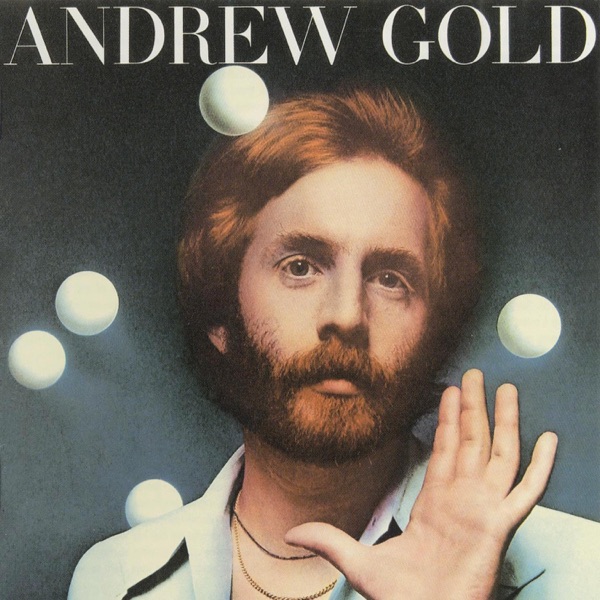
Andrew Gold
1975 · 16 tracks
- 1 That's Why I Love You ↗ 3:11
- 2 Heartaches In Heartaches ↗ 3:13
- 3 Love Hurts ↗ 3:48
- 4 A Note from You ↗ 2:49
- 5 Resting In Your Arms ↗ 3:14
- 6 I'm a Gambler ↗ 2:27
- 7 Endless Flight ↗ 4:58
- 8 Hang My Picture Straight ↗ 3:23
- 9 Ten Years Behind Me ↗ 4:04
- 10 I'm Coming Home ↗ 3:11
- 11 Within a Word ↗ 2:04
- 12 Sometime When a Man's On His Own ↗ 2:48
- 13 Broken Pin Ball Machine ↗ 3:16
- 14 To Be Someone ↗ 4:18
- 15 Ten Years Behind Me (Demo) ↗ 4:06
- 16 Hang My Picture Straight (Live At the Santa Monica Civic Auditorium, Santa Monica, CA 1975) ↗ 3:06
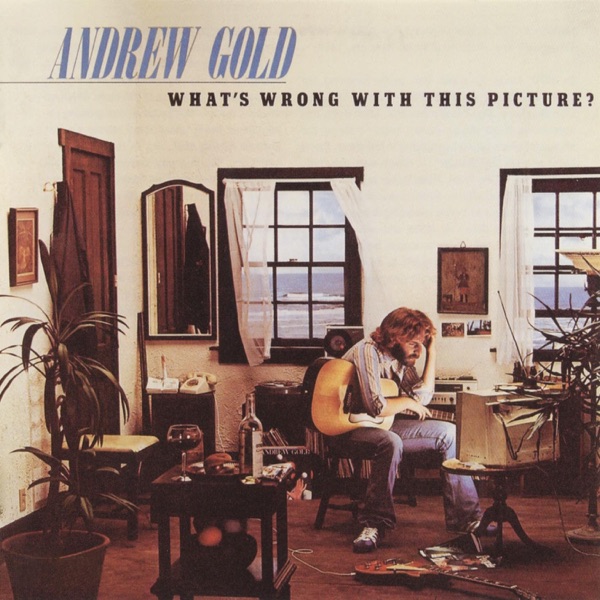
What’s Wrong With This Picture?
1976 · 16 tracks
- 1 Hope You Feel Good ↗ 4:48
- 2 Passing Thing ↗ 4:07
- 3 Do Way Diddy ↗ 2:50
- 4 Learning the Game ↗ 4:07
- 5 Angel Woman ↗ 1:37
- 6 Must Be Crazy ↗ 4:11
- 7 Lonely Boy ↗ 4:25
- 8 Firefly ↗ 3:22
- 9 Stay ↗ 4:44
- 10 Go Back Home Again ↗ 3:09
- 11 One of Them Is Me ↗ 4:01
- 12 Lonely Boy ↗ 4:21
- 13 Firefly (Early Unfinished Version) ↗ 3:12
- 14 Gorilla Jam ↗ 1:19
- 15 Feel It ↗ 4:19
- 16 Hope You Feel Good (Live At the Universal Amphitheater, Los Angeles, CA 1976) ↗ 4:45

All This and Heaven Too
1978 · 15 tracks
- 1 How Can This Be Love ↗ 4:00
- 2 Oh Urania (Take Me Away) ↗ 4:20
- 3 Still You Linger On ↗ 3:23
- 4 Never Let Her Slip Away ↗ 3:28
- 5 Always for You ↗ 4:37
- 6 Thank You for Being a Friend ↗ 4:41
- 7 Looking for My Love ↗ 3:38
- 8 Genevieve ↗ 5:05
- 9 I'm On My Way ↗ 3:40
- 10 You're Free ↗ 4:07
- 11 Gambler ↗ 3:54
- 12 Thank You for Being a Friend (Outtake) ↗ 1:32
- 13 Dr. Robert (Live At the Roxy, Los Angeles, CA 1978) ↗ 3:17
- 14 Genevieve (Alternative Version) ↗ 5:40
- 15 Still You Linger On (Alternative Version) ↗ 4:49
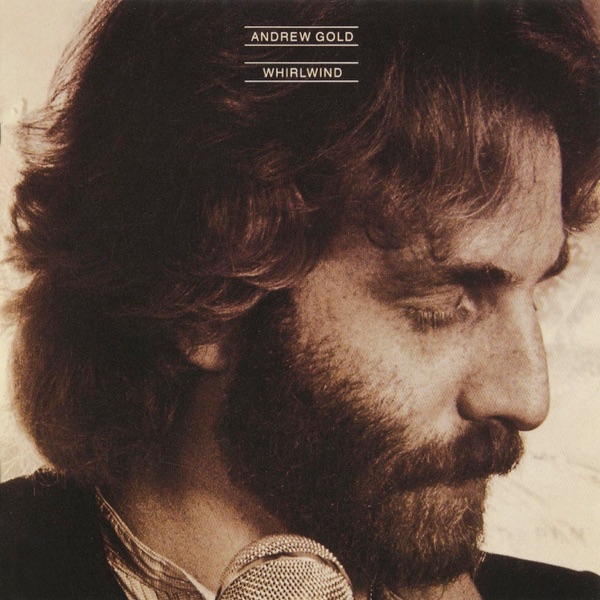
Whirlwind
1979 · 13 tracks
- 1 Kiss This One Goodbye ↗ 4:03
- 2 Whirlwind ↗ 4:16
- 3 Sooner or Later ↗ 3:32
- 4 Leave Her Alone ↗ 3:31
- 5 Little Company ↗ 4:16
- 6 Brand New Face ↗ 4:44
- 7 Nine to Five ↗ 4:04
- 8 Stranded On the Edge ↗ 4:06
- 9 Make Up Your Mind ↗ 5:07
- 10 Gambler ↗ 3:49
- 11 Endless Flight (Live) ↗ 5:16
- 12 The In Crowd ↗ 5:59
- 13 Traffic Jam ↗ 1:26

Halloween Howls: Fun & Scary Music
1996 · 12 tracks
- 1 It Must Be Halloween ↗ 2:57
- 2 The Monster Mash ↗ 3:41
- 3 Spooky, Scary Skeletons ↗ 2:08
- 4 Trick Or Treat ↗ 3:26
- 5 The Addams Family ↗ 1:25
- 6 Ghostbusters ↗ 4:07
- 7 Gimme a Smile (The Pumpkin Song) ↗ 4:00
- 8 Don't Scream (It's Only Halloween) ↗ 3:32
- 9 The Creature From the Tub ↗ 3:47
- 10 Halloween Party ↗ 3:10
- 11 Witches, Witches, Witches ↗ 3:06
- 12 In Our Haunted House ↗ 5:59

…Since 1951
1998 · 13 tracks
- 1 Can Anybody See You ↗ 4:11
- 2 Cyberspace ↗ 4:47
- 3 Back on Top ↗ 4:37
- 4 The King of Showbiz ↗ 4:52
- 5 First Time in Love ↗ 3:43
- 6 Ready to Go Home ↗ 4:38
- 7 That Belongs to You ↗ 4:12
- 8 Teardrops ↗ 4:47
- 9 The Secret ↗ 4:41
- 10 Can't Get Used to Losing You ↗ 4:19
- 11 Baby's Got a Gun ↗ 4:17
- 12 Whatcha Think About That ↗ 4:00
- 13 Safe and Sound ↗ 3:37


The Spence Manor Suite
2000 · 15 tracks
- 1 Never Hold a Candle To Love ↗ 3:01
- 2 Love Made Me Do It ↗ 2:56
- 3 Sorry To Let You Down ↗ 3:29
- 4 Over My Head ↗ 3:54
- 5 Forever I Do ↗ 4:22
- 6 Making Up Again ↗ 2:45
- 7 Hypothetically ↗ 2:31
- 8 Wind Beneath My Tyres ↗ 3:20
- 9 That's How I'll Remember You ↗ 3:29
- 10 The Hurtin' Kind ↗ 2:57
- 11 Katie ↗ 3:21
- 12 Angels ↗ 3:54
- 13 Can't Help Forgiving You ↗ 3:35
- 14 Nowhere Now ↗ 3:23
- 15 Are You Out There? ↗ 6:43

Intermission
2000 · 14 tracks
- 1 Ain't It Just ↗ 5:02
- 2 Big Fat Daddy ↗ 2:17
- 3 The Night Show ↗ 4:37
- 4 Crawl into the Light ↗ 5:33
- 5 Highwire ↗ 3:54
- 6 Driven to Extremes ↗ 3:15
- 7 Hannah ↗ 3:00
- 8 I Think I Love You ↗ 3:52
- 9 Sure Got Quiet in Here ↗ 3:33
- 10 Don't Talk About Forever ↗ 4:23
- 11 Good Luck ↗ 3:51
- 12 Drama Queen ↗ 5:13
- 13 It Happened to Me ↗ 3:46
- 14 A Little Mercy ↗ 4:14

Something New: Unreleased Gold
2020 · 16 tracks
- 1 Something New (Band Version) ↗ 3:40
- 2 Come Down to Me (Solo Demo) ↗ 3:32
- 3 What You Do Is What You See (Solo Demo) ↗ 3:34
- 4 The World Tomorrow Brings (Solo Demo) ↗ 4:30
- 5 You Are Somewhere Within Me (Solo Demo) ↗ 4:23
- 6 Sometimes When a Man’s on His Own (Solo Demo) ↗ 2:50
- 7 Prisoner (Band Version) ↗ 2:25
- 8 Ten Years Behind Me (Solo Demo) ↗ 3:08
- 9 Timothy Corey (Solo Demo) ↗ 3:37
- 10 Almost Love (Solo Demo) ↗ 3:42
- 11 Penny Arcade (Solo Demo) ↗ 3:39
- 12 Don’t Bring Me Down (Solo Demo) ↗ 4:04
- 13 Resting in Your Love (Band Version) ↗ 3:12
- 14 Joseph (Solo Demo) ↗ 2:55
- 15 A Note from You (Alternate Band Version) ↗ 2:57
- 16 To Be Someone (Solo Demo) ↗ 3:47

Something New: The Solo Demos
2020 · 12 tracks
- 1 Come Down to Me (Solo Demo) ↗ 3:32
- 2 What You Do Is What You See (Solo Demo) ↗ 3:34
- 3 The World Tomorrow Brings (Solo Demo) ↗ 4:30
- 4 You Are Somewhere Within Me (Solo Demo) ↗ 4:23
- 5 Sometimes When a Man’s on His Own (Solo Demo) ↗ 2:50
- 6 Ten Years Behind Me (Solo Demo) ↗ 3:08
- 7 Timothy Corey (Solo Demo) ↗ 3:37
- 8 Almost Love (Solo Demo) ↗ 3:42
- 9 Penny Arcade (Solo Demo) ↗ 3:39
- 10 Don’t Bring Me Down (Solo Demo) ↗ 4:04
- 11 Joseph (Solo Demo) ↗ 2:55
- 12 To Be Someone (Solo Demo) ↗ 3:47
-
 Andrew GoldAndrew Gold197516 tracks
 -
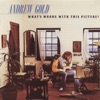 What’s Wrong With This Picture?Andrew Gold197616 tracks
 -
 All This and Heaven TooAndrew Gold197815 tracks
 -
 WhirlwindAndrew Gold197913 tracks
 -
 Halloween Howls: Fun & Scary MusicAndrew Gold199612 tracks
 -
 …Since 1951Andrew Gold199813 tracks
 -
 Warm BreezesAndrew Gold199910 tracks
 -
 The Spence Manor SuiteAndrew Gold200015 tracks
 -
 IntermissionAndrew Gold200014 tracks
 -
 Something New: Unreleased GoldAndrew Gold202016 tracks
 -
 Something New: The Solo DemosAndrew Gold202012 tracks
Deep Dive
Overview
Andrew Gold was an American multi-instrumentalist, singer, and songwriter whose career spanned from the mid-1970s through the early 2010s. Born in 1951, he became one of the defining session musicians and producers of the Los Angeles pop and soft rock scene, appearing on dozens of recordings by other artists while maintaining his own string of commercial successes. His peak years—roughly 1975 to 1980—established him as both a behind-the-scenes architect of the era’s radio-friendly sound and a recording artist in his own right, with chart hits in the United States and United Kingdom.
Formation Story
Andrew Maurice Gold emerged from the vibrant Los Angeles music ecosystem of the early 1970s, a city that had become a nexus for folk-rock and pop-rock experimentation. His background as a multi-instrumentalist—fluent across several instruments—positioned him perfectly for the session-musician economy that dominated the region. Rather than fronting a traditional band, Gold charted a path as a solo artist who could move fluidly between being a supporting player on other people’s records and stepping into the spotlight with his own material. His versatility and musicianship made him an invaluable presence in studios throughout Los Angeles, where the folk-rock idiom was evolving into softer, more commercially palatable pop-rock forms.
Breakthrough Moment
Gold’s initial entry into recording came through his solo debut Andrew Gold in 1975, released on Asylum Records. However, his transition from session musician to recognized solo artist crystallized with the release of What’s Wrong With This Picture? in 1976, which laid the groundwork for his commercial breakthrough. The momentum built with his third album, All This and Heaven Too (1978), which spawned multiple U.S. and international hits. His single “Lonely Boy” (1977) climbed the U.S. top 40, establishing him as a performer with popular appeal. The following year, “Thank You for Being a Friend” (1978) further solidified his chart presence, becoming one of his signature recordings. The same year also brought “Never Let Her Slip Away” (1978), which achieved UK top five status, proving Gold’s commercial reach extended across the Atlantic.
Peak Era
The period from 1975 to 1980 marked Gold’s most prolific and commercially successful years as a solo artist. During this span, he released four studio albums—Andrew Gold (1975), What’s Wrong With This Picture? (1976), All This and Heaven Too (1978), and Whirlwind (1979)—that collectively demonstrated his evolution as a songwriter and recording artist. These records were firmly rooted in the soft rock and pop-rock idioms that defined mid-to-late 1970s radio, yet they carried Gold’s distinctive melodic sensibility. The success of singles like “Lonely Boy” and “Thank You for Being a Friend” secured his position in the commercial landscape, even as his session work behind the scenes continued to influence the broader Los Angeles pop sound. His work during this era reflected the polish and accessibility that defined the era’s most successful pop-rock acts.
Musical Style
Andrew Gold’s sound was grounded in folk-rock instrumentation and sensibility, but filtered through the sophisticated production values and pop-song structures that dominated 1970s Los Angeles recording. As a multi-instrumentalist, he brought a hands-on approach to his recordings, often performing multiple instruments himself, which gave his records a cohesive and self-authored quality. His vocal style was warm and conversational, well-suited to the introspective, melodically strong songs that formed the core of his catalog. Gold’s songwriting favored accessible melodic hooks and emotionally direct lyrics, avoiding the art-rock complexity that some of his contemporaries pursued in favor of clarity and radio-friendly accessibility. His production work—both on his own records and those of collaborators—reflected a commitment to crisp, clean recording that allowed melody and arrangement to shine without unnecessary ornamentation. This approach aligned him with the broader soft-rock and pop-rock aesthetic that Linda Ronstadt and other Los Angeles-based artists were defining during the 1970s.
Major Albums
Andrew Gold (1975)
Gold’s solo debut established the template for his commercial approach: melody-driven pop-rock grounded in folk-rock sensibilities, with accessible arrangements designed for radio play.
What’s Wrong With This Picture? (1976)
His second album refined his songwriting and production approach, laying groundwork for the chart success that would follow in the subsequent two years.
All This and Heaven Too (1978)
This third album proved to be his commercial peak, generating multiple hit singles including “Lonely Boy” and “Thank You for Being a Friend,” establishing him as a mainstream recording artist.
Whirlwind (1979)
Released at the tail end of his most commercially active period, Whirlwind continued in the pop-rock vein that had established his success, though his chart dominance would diminish in the 1980s.
Signature Songs
- “Lonely Boy” (1977) — A U.S. top 40 hit that introduced Gold’s conversational vocal style and pop-rock sensibility to a broad audience.
- “Thank You for Being a Friend” (1978) — Perhaps Gold’s most enduring composition, the song became a mainstream hit and demonstrated his gift for direct, emotionally accessible melodies.
- “Never Let Her Slip Away” (1978) — The track achieved UK top five status, proving Gold’s international commercial reach and versatility within the pop-rock idiom.
Influence on Rock
Andrew Gold’s influence on rock and pop music operated on two distinct but interrelated levels. First, his prolific session work in the Los Angeles studios of the 1970s contributed significantly to the era’s defining sound—a polished, melodically sophisticated form of pop-rock that drew from folk-rock roots while embracing modern recording technology. His collaborations with Linda Ronstadt and other major artists of the era shaped the soft-rock aesthetic that dominated FM radio and record charts throughout the decade. Second, his own recordings contributed to a particular strain of pop-rock songwriting centered on accessible melody, clear production, and emotional directness. Though he never achieved the superstar status of some of his contemporaries, Gold’s presence as both a session musician and solo artist helped establish the template for professional Los Angeles pop-rock production that influenced countless artists working in similar idioms throughout the 1970s and beyond.
Legacy
Andrew Gold’s career, while not achieving lasting mainstream cultural prominence after the 1980s, represented an important model of the professional session musician-turned-solo-artist that characterized much of 1970s Los Angeles music production. His hits “Lonely Boy” and “Thank You for Being a Friend” remain recognizable touchstones of 1970s pop-rock, even as Gold himself faded from popular memory. In the 1980s, Gold partnered with Graham Gouldman of the band 10cc to form Wax, extending his recording presence into a new decade and exploring different creative directions. His extensive catalog—spanning studio albums, session work, and production credits—represents a significant body of work within the folk-rock and pop-rock traditions. The subsequent releases of unreleased material, including Something New: Unreleased Gold and Something New: The Solo Demos (both 2020), indicate renewed interest in his archival catalog. Gold’s death in 2011 marked the end of a career that, while not achieving mythic status in rock history, documented an important chapter in the professional ecosystem of Los Angeles recording during its commercial and creative peak.
Fun Facts
- Gold performed as a session musician on scores of recordings by other artists, particularly Linda Ronstadt, making him one of the most prolific uncredited contributors to 1970s pop-rock production.
- His collaboration with 10cc’s Graham Gouldman as the duo Wax brought him international chart success in the 1980s, extending his commercial relevance into a new decade after his solo peak had passed.
- Gold’s official website and the posthumous release of unreleased recordings suggest an active archival and fan engagement effort that has kept his legacy alive in the digital era.