
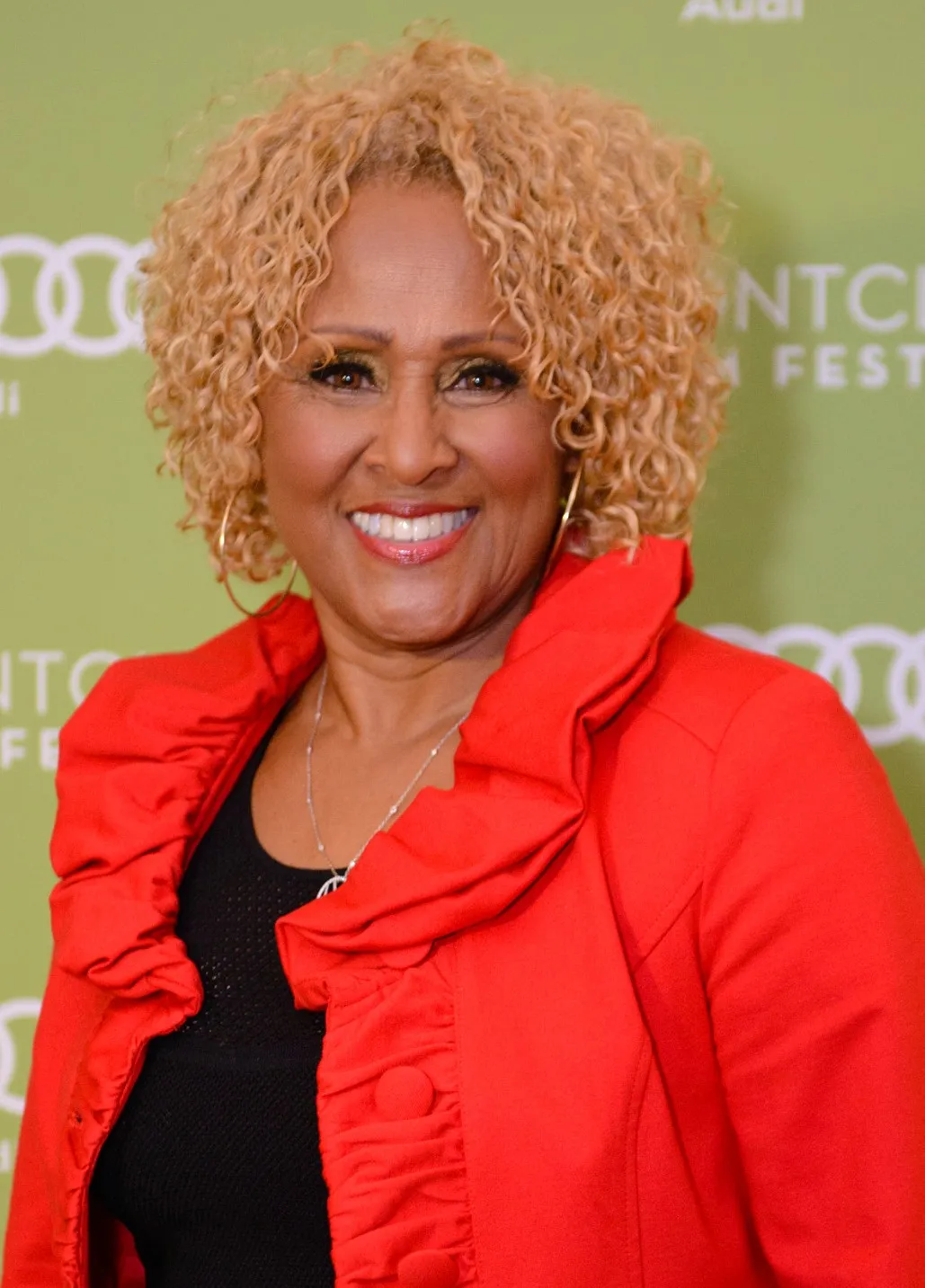
Photo by Montclair Film Festival , licensed under CC BY 2.0 · Wikimedia Commons
Rank #378
Darlene Love
From Wikipedia
Darlene Wright, known professionally as Darlene Love, is an American R&B and soul singer and actress. She was the lead singer of the girl group the Blossoms and also a solo recording artist.
Discography & Previews
Browse through and click an album to open and play 30-second previews streamed from Apple Music.

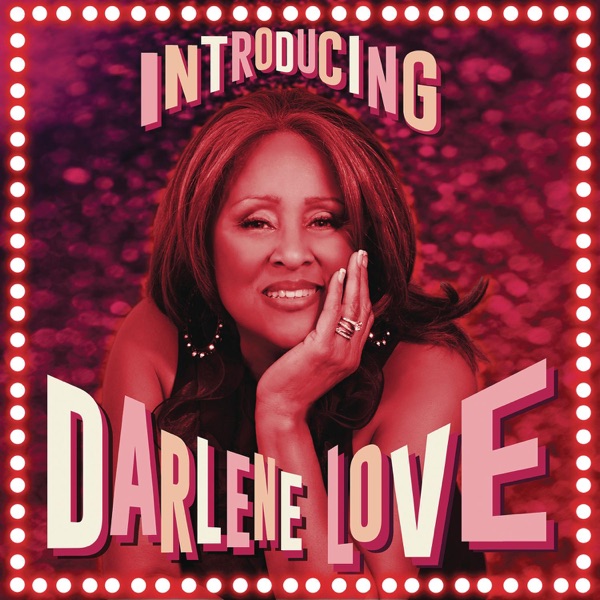
Introducing Darlene Love
2015 · 14 tracks
- 1 Among The Believers ↗ 3:27
- 2 Forbidden Nights ↗ 3:47
- 3 Love Kept Us Foolin' Around ↗ 3:39
- 4 Little Liar ↗ 3:55
- 5 Still Too Soon To Know (feat. Bill Medley) ↗ 3:36
- 6 Who Under Heaven ↗ 6:37
- 7 Night Closing In ↗ 4:20
- 8 Painkiller ↗ 4:23
- 9 Just Another Lonely Mile ↗ 4:25
- 10 Last Time ↗ 4:38
- 11 River Deep, Mountain High ↗ 4:34
- 12 Sweet Freedom ↗ 3:15
- 13 Marvelous ↗ 5:41
- 14 Jesus Is the Rock (That Keeps Me Rollin') ↗ 6:15
-
 Paint Another PictureDarlene Love20129 tracks
 -
 Introducing Darlene LoveDarlene Love201514 tracks
Deep Dive
Overview
Darlene Love stands as a foundational figure in American R&B and soul music, a vocalist whose career spans from the 1950s into the twenty-first century. Born Darlene Wright in 1941, she first gained prominence as the lead singer of the girl group the Blossoms before establishing herself as a solo recording artist across multiple decades and record labels. Her voice—warm, powerful, and deeply rooted in soul tradition—helped define the sound of mid-century popular music and contributed to the broader cultural landscape that rock music emerged from and drew upon.
Formation Story
Darlene Wright’s journey into professional music began in the 1950s, when she joined the Blossoms, a female vocal group that would become one of the era’s most recorded ensembles. The group operated during a formative period in American popular music, when R&B and soul vocal groups represented the cutting edge of both technical vocal artistry and emotional expression. As the lead voice of the Blossoms, Wright helped establish the group’s reputation for tight harmonies and emotional depth, performing and recording in an era when girl groups were central to the pop and R&B landscape. This foundation—performing alongside other vocalists, mastering intricate arrangements, and delivering emotionally charged performances—shaped her understanding of music and performance that would define her solo career.
Breakthrough Moment
While the Blossoms achieved significant success as a collective, Darlene Love’s transition to solo recording work marked a new chapter in her career. As a solo artist beginning in the late 1950s and 1960s, she recorded across several major labels including Philles Records, OKeh Records, MGM Records, Challenge Records International, and Reprise Records. This extensive roster of labels reflects both the breadth of her career and the competitive landscape of mid-century recording, where artists moved between companies seeking the right fit for their vision and commercial prospects. Her work as a solo artist allowed her to develop her distinctive vocal personality while drawing on the experience and credibility she had established as a member of one of rock and roll’s foundational girl groups.
Peak Era
Darlene Love’s most active recording period occurred during the 1950s and 1960s, when both her work with the Blossoms and her solo efforts positioned her as a key voice in American popular music. This era saw her recording across multiple genres—pop, jazz, rock, and soul—and working with an impressive variety of record labels that sought to capture her talents. The mid-twentieth century represented both the height of the girl-group era and a transitional moment in rock music history, with vocal-based pop and soul giving way to guitar-driven rock even as these earlier traditions remained vital and influential. Love’s career spanned this transformation, allowing her to work in both idioms and witness firsthand the evolution of American popular music.
Musical Style
Darlene Love’s vocal approach synthesized elements of jazz phrasing, R&B tradition, and pop sensibility into a cohesive and emotionally direct style. Her voice possessed a natural warmth and maturity that distinguished her from many of her contemporaries, and her phrasing often emphasized emotional authenticity over technical flash. As both a group vocalist in the Blossoms and as a solo artist, she contributed to recordings that spanned pop music, jazz standards, rock numbers, and soul ballads—a versatility that reflected both her own technical capabilities and the pluralistic approach to recording that characterized the mid-century music industry. Her work helped bridge the gap between the vocal jazz tradition and the emerging rock and roll sound, demonstrating that these categories were not as rigidly separated as later periodization might suggest.
Major Albums
It’s Christmas, of Course (2007)
A late-career holiday recording that brought Love’s mature vocal artistry to seasonal material, demonstrating her enduring ability to connect with audiences decades into her professional life.
Paint Another Picture (2012)
This album found Love revisiting and refreshing her approach to standards and contemporary material, showcasing a vocalist still engaged with the craft and willing to interpret songs from multiple eras.
Introducing Darlene Love (2015)
A retrospective project that reframed her career history, “Introducing” positioned Love’s artistry for contemporary listeners while honoring the depth of her contributions to American music.
Signature Songs
- “His She Mine” — A recording that exemplified her emotional directness and ability to inhabit a song’s emotional landscape.
- “Today I Sing the Blues” — A performance showcasing her soul and R&B roots and her command of blues-inflected phrasing.
- “Precious, Lord, Take My Hand” — Demonstrated her ability to connect with spiritual and traditional material through a contemporary lens.
- “(Today I’m a) Man” — Highlighted her versatility in rock and pop contexts.
Influence on Rock
Darlene Love’s career illuminates the often-overlooked contribution of R&B and soul vocalists—particularly women—to the development of rock music. The girl-group tradition that Love helped define through her work with the Blossoms provided a direct lineage to the vocal sophistication and emotional intensity that would characterize rock music even as the genre moved toward guitar-based instrumentation and male-dominated performances. Rock musicians and singers of subsequent generations drew from the vocal traditions that Love and her contemporaries maintained and advanced. Her work across multiple record labels and genres demonstrated the fluidity of mid-century popular music, a period when categories like “rock,” “R&B,” “pop,” and “soul” were still settling into their modern meanings.
Legacy
Darlene Love’s career, spanning from the 1950s into the twenty-first century, represents a continuous engagement with American popular music across one of its most transformative periods. Her performances with the Blossoms remain part of the foundational recording heritage of rock and roll, while her solo work demonstrated sustained artistic presence across multiple decades. Living into her eighties while continuing to perform and record—evidenced by studio albums released in 2007, 2012, and 2015—Love’s enduring presence serves as both a testament to her artistry and a reminder of the many women vocalists whose contributions shaped modern music. Her official website and continued engagement with audiences through contemporary platforms reflect a career that has evolved with technology and cultural change while maintaining its essential focus on vocal artistry and emotional communication.
Fun Facts
- Darlene Love recorded across an unusually broad range of labels during her career, including Philles Records, OKeh Records, MGM Records, Challenge Records International, Reprise Records, Bell Records, and Ode Records, reflecting both her marketability and the competitive dynamics of the mid-century recording industry.
- Her work spanned multiple musical genres—pop, jazz, rock, and soul—in an era when such genre flexibility was more common than it would become in later decades.
- Love maintained an active recording career into her seventies, releasing new studio albums in 2007, 2012, and 2015, demonstrating an artist’s ability to remain creatively engaged across a lifetime.