

Photo by Kevin Foley Photography , licensed under CC BY-SA 4.0 · Wikimedia Commons
Rank #348
Eddie Money
From Wikipedia
Edward Joseph Money was an American singer and songwriter who had his greatest commercial success in the 1970s and 1980s. Money had eleven Top 40 singles, starting with "Baby Hold On" in 1977 and including the Billboard Top 10 hits "Take Me Home Tonight" (1986) and "Walk on Water" (1988). Critic Neil Genzlinger of The New York Times called him a working-class rocker. In 1987, he was nominated for a Grammy Award for Best Male Rock Vocal Performance for "Take Me Home Tonight".
Discography & Previews
Browse through and click an album to open and play 30-second previews streamed from Apple Music.
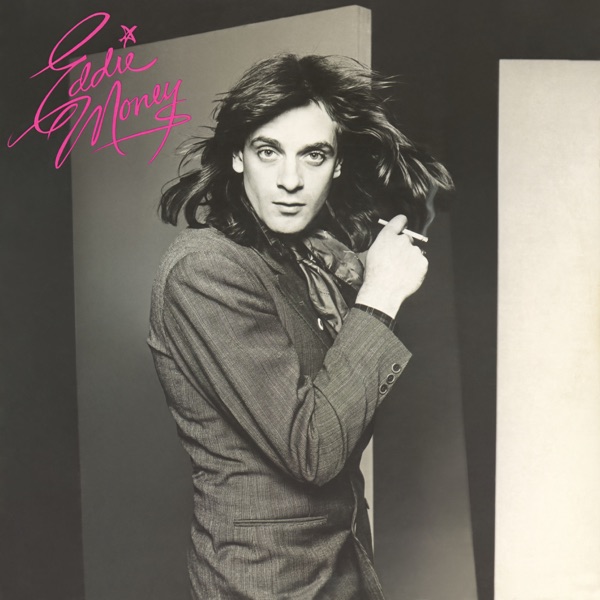
Eddie Money
1977 · 10 tracks
- 1 Two Tickets to Paradise ↗ 4:00
- 2 You've Really Got a Hold On Me ↗ 3:54
- 3 Wanna Be a Rock 'n' Roll Star ↗ 4:05
- 4 Save A Little Room In Your Heart ↗ 4:59
- 5 So Good To Be In Love Again ↗ 4:16
- 6 Baby Hold On ↗ 3:34
- 7 Don't Worry ↗ 3:48
- 8 Jealousys ↗ 4:02
- 9 Got To Get Another Girl ↗ 3:30
- 10 Gamblin' Man ↗ 4:00


No Control
1982 · 11 tracks
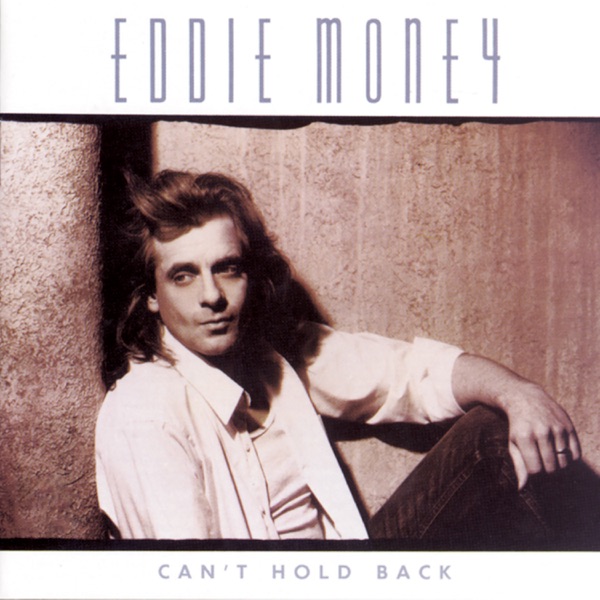
Can’t Hold Back
1986 · 10 tracks

Right Here
1991 · 10 tracks
-
 Eddie MoneyEddie Money197710 tracks
 -
 Life for the TakingEddie Money197810 tracks
 -
 Playing for KeepsEddie Money19809 tracks
 -
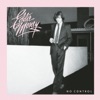 No ControlEddie Money198211 tracks
 -
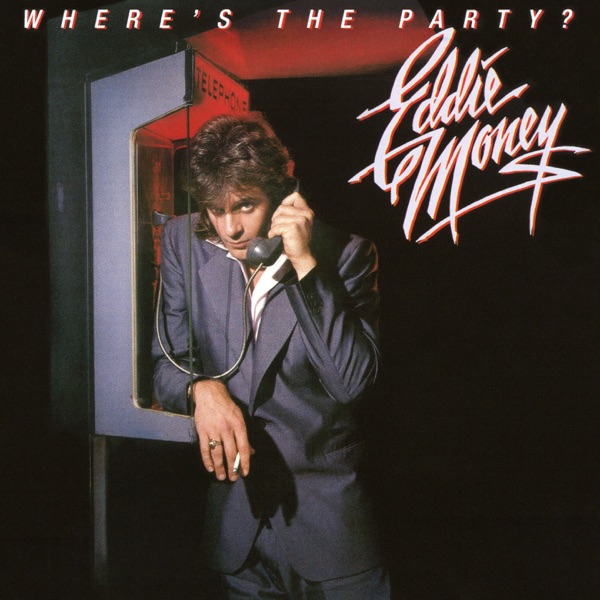
 Where’s the Party?Eddie Money19839 tracks
 -
 Can’t Hold BackEddie Money198610 tracks
 -
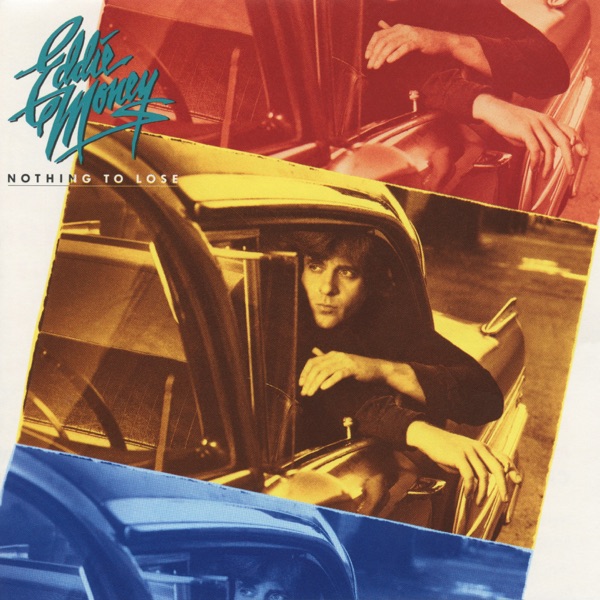
 Nothing to LoseEddie Money198810 tracks
 -
 Right HereEddie Money199110 tracks
Deep Dive
Overview
Eddie Money was an American rock musician whose commercial peak came during the 1970s and 1980s, when his blue-collar sensibility and straightforward rock sound connected with a broad mainstream audience. Over four decades of recording and performing, Money produced eleven Top 40 singles and two Billboard Top 10 hits, cementing his place in the classic rock canon as a durable, unpretentious working-class rocker. His career arc—from early breakthrough through sustained commercial success to elder-statesman status—reflects both the enduring appeal of his music and his refusal to chase trends.
Formation Story
Edward Joseph Money was born in 1949 and developed his musical identity within the post-war American rock and roll tradition. Growing up in an era when rock was consolidating itself as the dominant popular music form, Money absorbed the straightforward energy and storytelling approach that defined working-class rock music. His path to a recording career was neither overnight nor marked by avant-garde experimentation; instead, he built a reputation as a reliable, energetic performer whose appeal lay in directness and accessibility. By the mid-1970s, Money was positioned to capitalize on the growing mainstream appetite for rock music that spoke to ordinary American experience without irony or pretense.
Breakthrough Moment
Money’s commercial breakthrough came in 1977 with his debut album Eddie Money, which produced the hit single “Baby Hold On.” The song established the template for his commercial identity: a catchy, radio-friendly rock tune with strong melodic hooks and lyrics that addressed themes of romance and working-class life. “Baby Hold On” introduced Money to a national audience and secured his foothold in the classic rock format. The success of his debut album and single set the stage for a sustained run of commercial activity that would define his career through the 1980s.
Peak Era
Money’s peak commercial and creative period stretched from the mid-1980s into the late 1980s, anchored by two major successes. Can’t Hold Back (1986) yielded “Take Me Home Tonight,” a duet that became his signature song and reached the Billboard Top 10, earning Money a Grammy nomination for Best Male Rock Vocal Performance in 1987. Nothing to Lose (1988) continued his momentum with another Top 10 hit, “Walk on Water,” demonstrating his sustained ability to craft radio-friendly rock songs that resonated with listeners. This four-year span represented Money’s most commercially successful period and reinforced his status as a consistent hitmaker in the mainstream rock landscape.
Musical Style
Eddie Money’s sound was rooted in straightforward rock music—the kind that prioritized melody, rhythm, and accessibility over experimentation or technical virtuosity. His approach reflected the lineage of working-class rock that emerged from 1950s and 1960s rock and roll, filtered through 1970s arena rock sensibilities. Money’s vocals carried a conversational quality that made his songs feel immediate and personal, as if he were speaking directly to the listener about everyday concerns and romantic situations. His songwriting favored clear hooks, memorable choruses, and lyrics that avoided abstraction in favor of concrete, relatable scenarios. The production values across his albums, released primarily through Columbia Records, emphasized commercial polish and radio compatibility without sacrificing the fundamental rock energy that underpinned his appeal.
Major Albums
Eddie Money (1977)
Money’s debut introduced his core sound and produced “Baby Hold On,” establishing him as a viable commercial rock artist and launching a career that would span four decades.
Life for the Taking (1978)
The follow-up maintained momentum from his debut, solidifying Money’s position in the marketplace and demonstrating his ability to sustain commercial interest beyond a single hit.
Can’t Hold Back (1986)
This album marked Money’s return to the upper reaches of the charts and featured “Take Me Home Tonight,” his biggest hit and a Grammy-nominated performance that redefined his career in the mid-1980s.
Nothing to Lose (1988)
Building on the success of Can’t Hold Back, this album continued Money’s commercial hot streak with “Walk on Water,” proving his staying power in an evolving rock landscape.
Signature Songs
- “Baby Hold On” (1977) — The breakthrough single that introduced Eddie Money to mainstream audiences and established his commercial identity as a working-class rocker.
- “Take Me Home Tonight” (1986) — His biggest hit and Grammy-nominated duet that captured the height of his commercial success and radio presence.
- “Walk on Water” (1988) — A Top 10 hit that demonstrated Money’s sustained ability to craft radio-friendly rock anthems throughout the late 1980s.
Influence on Rock
Eddie Money’s influence operated primarily within the context of mainstream rock radio rather than avant-garde or underground spheres. His career helped sustain the viability of straightforward, working-class-oriented rock music during the 1980s, when much of rock’s critical attention was focused on new wave, punk, and alternative movements. Money’s success proved that there remained a substantial audience for unpretentious, melody-driven rock that spoke to ordinary experience. His approach—radio-friendly, commercially savvy, but fundamentally rooted in rock’s core values—influenced subsequent generations of working-class rock artists who prioritized accessibility and authenticity over critical hipness.
Legacy
Eddie Money’s legacy rests on his longevity and his refusal to compromise his core identity in pursuit of critical validation or genre novelty. Over more than four decades, from his 1977 debut through his final studio recordings in 2009, Money maintained a consistent presence as a working-class rock voice. His eleven Top 40 singles and two Billboard Top 10 hits placed him firmly within the classic rock canon, where his songs remain staples of rock radio programming. Money’s career demonstrated that commercial success and artistic integrity were not mutually exclusive, and that rock music could speak to ordinary American experience without apology or irony. His 2019 death marked the end of a significant chapter in post-1970s popular music history.
Fun Facts
- Money’s 2009 album Covered continued his recording activity late in his career, demonstrating his commitment to creating new music even after decades of commercial success.
- His Grammy nomination in 1987 for “Take Me Home Tonight” recognized his ability to achieve both commercial and critical recognition during his peak commercial period.
- Money recorded consistently across more than three decades, releasing twelve studio albums from 1977 through 2009 and maintaining an active touring presence throughout his career.