
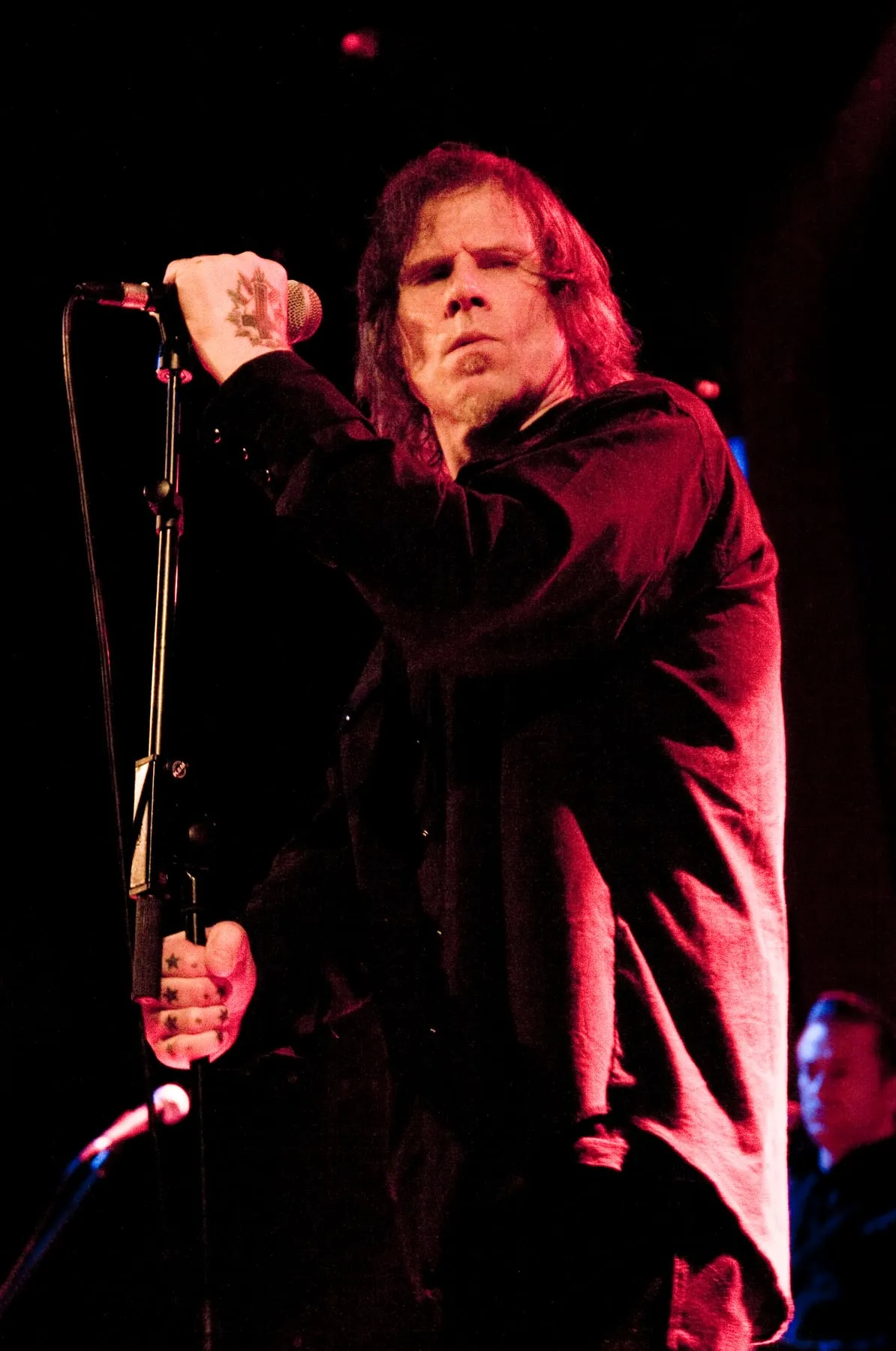
Photo by By alterna2 , licensed under CC BY 2.0 · Wikimedia Commons
Rank #142
Mark Lanegan
From Wikipedia
Mark William Lanegan was an American singer and songwriter. First becoming prominent as the lead singer for the early grunge band Screaming Trees, he was also known as a member of Queens of the Stone Age and The Gutter Twins. He released twelve solo studio albums as well as three collaboration albums with Isobel Campbell and two with Duke Garwood. He was known for his baritone voice, which was described as being "as scratchy as a three-day beard yet as supple and pliable as moccasin leather" and has been compared to Tom Waits, Leonard Cohen and Nick Cave.
Discography & Previews
Browse through and click an album to open and play 30-second previews streamed from Apple Music.
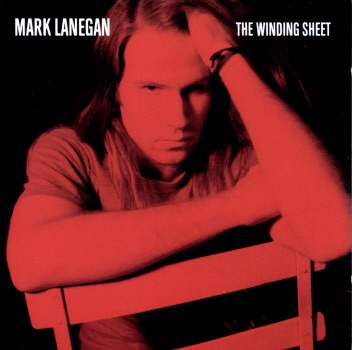
The Winding Sheet
1990 · 13 tracks
- 1 Mockingbirds ↗ 2:30
- 2 Museum ↗ 2:50
- 3 Undertow ↗ 2:52
- 4 Ugly Sunday ↗ 3:56
- 5 Down in the Dark ↗ 3:21
- 6 Wild Flowers ↗ 2:59
- 7 Eyes of a Child ↗ 4:01
- 8 The Winding Sheet ↗ 5:32
- 9 Woe ↗ 2:05
- 10 Ten Feet Tall ↗ 2:50
- 11 Where Did You Sleep Last Night ↗ 3:59
- 12 Juarez ↗ 1:21
- 13 I Love You Little Girl ↗ 2:04
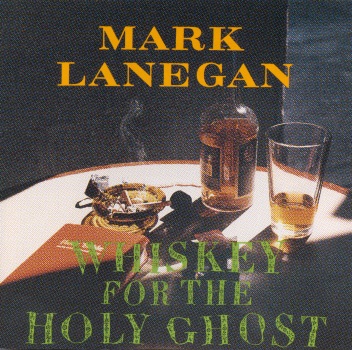
Whiskey for the Holy Ghost
1993 · 13 tracks

I’ll Take Care of You
1999 · 11 tracks
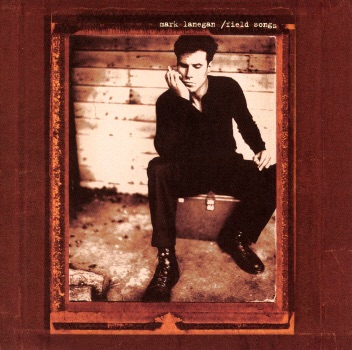
Field Songs
2001 · 12 tracks

Ballad of the Broken Seas
2006 · 12 tracks
- 1 Deus Ibi Est ↗ 2:52
- 2 Black Mountain ↗ 3:08
- 3 The False Husband ↗ 3:52
- 4 Ballad of the Broken Seas ↗ 2:41
- 5 Revolver ↗ 2:41
- 6 Ramblin' Man ↗ 3:27
- 7 (Do You Wanna) Come Walk with Me? ↗ 3:26
- 8 Saturday's Gone ↗ 4:36
- 9 It's Hard to Kill a Bad Thing ↗ 2:52
- 10 Honey Child What Can I Do? ↗ 3:44
- 11 Dusty Wreath ↗ 3:44
- 12 The Circus is Leaving Town ↗ 5:35

Sunday at Devil Dirt
2008 · 12 tracks
- 1 Seafaring Song ↗ 3:30
- 2 The Raven ↗ 4:57
- 3 Salvation ↗ 3:18
- 4 Who Built the Road ↗ 2:53
- 5 Come on Over (Turn Me On) ↗ 4:39
- 6 Back Burner ↗ 6:34
- 7 The Flame That Burns ↗ 3:36
- 8 Shotgun Blues ↗ 3:50
- 9 Keep Me in Mind Sweetheart ↗ 2:34
- 10 Something to Believe ↗ 3:32
- 11 Trouble ↗ 4:47
- 12 Sally, Don't You Cry ↗ 2:42

Hawk
2010 · 13 tracks
- 1 We Die and See Beauty Reign ↗ 2:56
- 2 You Won't Let Me Down Again ↗ 3:30
- 3 Snake Song ↗ 2:48
- 4 Come Undone ↗ 5:44
- 5 No Place to Fall ↗ 3:17
- 6 Get Behind Me ↗ 5:09
- 7 Time of the Season ↗ 4:28
- 8 Hawk ↗ 2:28
- 9 Sunrise ↗ 2:32
- 10 To Hell & Back Again ↗ 4:46
- 11 Cool Water ↗ 3:38
- 12 Eyes of Green ↗ 1:51
- 13 Lately ↗ 4:48

Imitations
2013 · 12 tracks
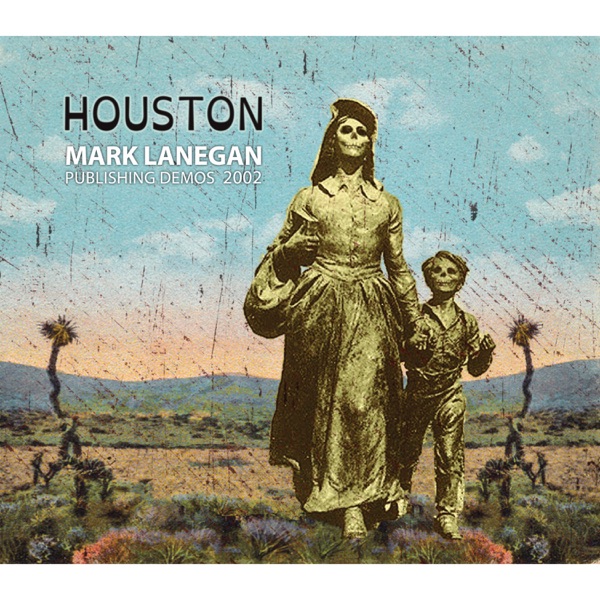
Houston: Publishing Demos 2002
2015 · 12 tracks
- 1 No Cross to Carry ↗ 2:10
- 2 Two Horses ↗ 4:15
- 3 When It's in You (Methamphetamine Blues) ↗ 3:52
- 4 High Life ↗ 2:18
- 5 I'll Go Where You Send Me ↗ 3:12
- 6 Grey Goes Black ↗ 1:50
- 7 The Primitives ↗ 2:03
- 8 Blind ↗ 3:49
- 9 Halcyon Daze ↗ 2:50
- 10 Nothing Much to Mention ↗ 2:25
- 11 A Suite for Dying Love ↗ 4:14
- 12 Way to Tomorrow ↗ 5:41

With Animals
2018 · 12 tracks

Straight Songs of Sorrow
2020 · 15 tracks
- 1 I Wouldn't Want To Say ↗ 5:46
- 2 Apples From a Tree ↗ 1:55
- 3 This Game of Love ↗ 4:48
- 4 Ketamine ↗ 2:41
- 5 Bleed All Over ↗ 3:36
- 6 Churchbells, Ghosts ↗ 4:54
- 7 Internal Hourglass Discussion ↗ 3:49
- 8 Stockholm City Blues ↗ 3:39
- 9 Skeleton Key ↗ 7:05
- 10 Daylight In the Nocturnal House ↗ 3:06
- 11 Ballad of a Dying Rover ↗ 4:37
- 12 Hanging On (For DRC) ↗ 2:10
- 13 Burying Ground ↗ 4:46
- 14 At Zero Below ↗ 4:41
- 15 Eden Lost and Found ↗ 2:46
-
 The Winding SheetMark Lanegan199013 tracks
 -
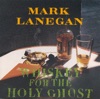 Whiskey for the Holy GhostMark Lanegan199313 tracks
 -
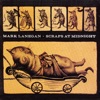 Scraps at MidnightMark Lanegan199810 tracks
 -
 I’ll Take Care of YouMark Lanegan199911 tracks
 -
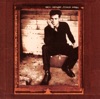 Field SongsMark Lanegan200112 tracks
 -
 Ballad of the Broken SeasMark Lanegan200612 tracks
 -
 Sunday at Devil DirtMark Lanegan200812 tracks
 -
 HawkMark Lanegan201013 tracks
 -
 Black PuddingMark Lanegan201312 tracks
 -
 ImitationsMark Lanegan201312 tracks
 -
 Houston: Publishing Demos 2002Mark Lanegan201512 tracks
 -
 With AnimalsMark Lanegan201812 tracks
 -
 Straight Songs of SorrowMark Lanegan202015 tracks
Deep Dive
Overview
Mark Lanegan was an American singer and songwriter whose career spanned from the late 1980s until his death in 2022. First known as the lead vocalist for Screaming Trees, one of the Pacific Northwest’s defining grunge bands, Lanegan carved out a distinct identity as a solo artist and collaborator, releasing twelve studio albums under his own name alongside three collaboration albums with Isobel Campbell and two with Duke Garwood. His baritone voice—described as “as scratchy as a three-day beard yet as supple and pliable as moccasin leather”—became one of rock’s most recognizable instruments, drawing comparisons to Tom Waits, Leonard Cohen, and Nick Cave.
Formation Story
Mark William Lanegan emerged from Ellensburg, Washington, a town that fostered a distinctive Pacific Northwest sound in the 1980s. Before achieving prominence, he sang in the early grunge outfit Screaming Trees, where his deep, weathered vocal timbre distinguished the band within a scene dominated by higher-pitched alternative rock singers. His work with Screaming Trees established him as a capable interpreter of both original material and covers, a skill that would define his solo career. The grunge movement’s commercial explosion in the early 1990s provided both a platform and a launching point for Lanegan to pursue a solo career that would ultimately prove more prolific and artistically diverse than his work with any single ensemble.
Breakthrough Moment
Lanegan’s solo debut, The Winding Sheet (1990), announced his arrival as a solo artist and established the template for much of his later work. Released on Sub Pop, the label synonymous with Seattle grunge, the album showcased his baritone in intimate, often sparse arrangements that emphasized lyrical depth and vocal character over bombastic production. The record demonstrated that Lanegan possessed the songwriting chops and artistic vision to sustain a solo career independent of Screaming Trees’ commercial appeal. Whiskey for the Holy Ghost (1993) deepened this foundation, solidifying his reputation as a serious artist capable of sustaining critical attention in an era when grunge was fragmenting into nostalgia and caricature.
Peak Era
Lanegan’s most creatively fertile period extended through the late 1990s and 2000s. Scraps at Midnight (1998), I’ll Take Care of You (1999), and Field Songs (2001) formed a triptych of artistic maturity, each refining his approach to songwriting and arrangement. During this same period, he joined Queens of the Stone Age, one of rock’s most visually and sonically adventurous acts, bringing his distinctive vocal presence to their dense, rhythmically propulsive sound. This dual engagement—maintaining a solo career while collaborating with one of rock’s most dynamic contemporary bands—showcased Lanegan’s versatility and enduring creative energy. Ballad of the Broken Seas (2006) and Sunday at Devil Dirt (2008) extended this era into the late 2000s, demonstrating that his artistic reach remained undiminished despite the industry’s shifting commercial landscape.
Musical Style
Lanegan’s vocal style defied easy categorization. His baritone possessed a rough, lived-in quality—textured by decades of smoking and singing—yet capable of surprising tenderness and nuance. Musically, his solo work drew from folk, blues, and country traditions, often arranged with minimal instrumentation to highlight his voice as the primary melodic and emotional vehicle. Unlike many grunge-era singers, Lanegan rarely relied on vocal distortion or screaming; instead, he favored phrasing and tone color to convey intensity and vulnerability. His songwriting emphasized direct lyrical expression and emotionally complex narratives, often exploring themes of loss, addiction, and redemption. Production choices varied across his catalog, from the spare arrangements of his earliest work to the more layered, orchestral textures of later albums like Hawk (2010), yet his voice remained the constant anchor, grounding each iteration of his sound in his particular vocal authority.
Major Albums
The Winding Sheet (1990)
Lanegan’s solo debut established his identity as a vocalist of depth and introspection, featuring sparse arrangements that prioritize lyrical clarity and baritone timbre over rock bombast. The album proved that his prominence in Screaming Trees was not merely circumstantial but rooted in genuine artistic vision.
Whiskey for the Holy Ghost (1993)
This second album deepened Lanegan’s exploration of folk and blues traditions, demonstrating increasing sophistication in songwriting and arrangement. The title itself signals the album’s preoccupation with spirituality, addiction, and redemption.
I’ll Take Care of You (1999)
Released at the end of the 1990s, this album marked a consolidation of Lanegan’s artistic identity midway through his career, balancing his folk-country leanings with more contemporary production approaches.
Hawk (2010)
This album represents a peak moment of Lanegan’s solo work, featuring orchestral arrangements and collaborative production that showcased the full emotional range of his baritone voice while maintaining the lyrical directness characteristic of his best work.
Imitations (2013)
Released alongside the original Black Pudding, Imitations revealed Lanegan’s ongoing interest in reinterpreting and reimagining his own material, demonstrating that his artistic practice remained restless and self-critical throughout his career.
Straight Songs of Sorrow (2020)
One of Lanegan’s final albums, this work distilled his artistic approach to its essence—his voice, direct songwriting, and the emotional weight of lived experience communicated with minimal mediation.
Signature Songs
- “Mockingbirds” — A sparse, haunting ballad that showcases Lanegan’s baritone in intimate acoustic setting.
- “Ballad of the Broken Seas” — Title track demonstrating his gift for combining folk sensibilities with contemporary rock production.
- “Burning” — An emotionally direct song highlighting his ability to convey vulnerability through vocal restraint.
- “The river rises” — Characteristic example of his use of natural imagery to explore internal psychological states.
- “Harvest Moon” — A cover interpretation showing his skill at inhabiting and transforming existing material.
Influence on Rock
Lanegan’s influence extended beyond grunge into alternative rock and indie music more broadly. His baritone voice and sparse arrangement approach offered a counter-example to the vocal histrionics prevalent in 1990s rock, demonstrating that restraint and tonal richness could carry equal emotional weight. His collaborations with artists as diverse as Queens of the Stone Age and Isobel Campbell established him as a versatile interpreter willing to adapt his voice to varied musical contexts without sacrificing his essential identity. For singers emerging in the 1990s and 2000s, Lanegan’s example proved that grunge credentials need not limit artistic ambition or genre exploration.
Legacy
Mark Lanegan died in 2022, leaving behind a discography that spanned three decades and demonstrated consistent artistic integrity. His twelve solo studio albums, collaboration projects with Isobel Campbell and Duke Garwood, and his role in Screaming Trees and Queens of the Stone Age established him as one of grunge’s most important and least commercially compromised voices. Streaming platforms have sustained his music’s reach, while reissues and retrospective listening have reinforced his status as a major figure in alternative rock history. His baritone voice remains instantly identifiable and endlessly imitable in rock music, yet his particular combination of folk sensibility, blues-informed phrasing, and contemporary arrangement sensibilities established a template that remains influential among singer-songwriters working in alternative and indie contexts.
Fun Facts
- Lanegan released collaboration albums exclusively with Isobel Campbell (three albums) and Duke Garwood (two albums), approaching collaborative work as a sustained artistic partnership rather than occasional guest appearances.
- His album Dark Mark Does Christmas 2020 and Dark Mark vs Skeleton Joe (2021) demonstrated his willingness to engage in playful, experimental projects even late in his career.
- In addition to his recording work, Lanegan maintained an active presence on Sub Pop, the label that launched his solo career, underscoring his deep roots in the Pacific Northwest independent music ecosystem.
- Houston: Publishing Demos 2002 (2015), released more than a decade after its recording, illustrated how Lanegan’s archive contained material worthy of retrospective release and critical reconsideration.