

Photo by Nuță Lucian from Cluj-Napoca, Romania , licensed under CC BY 2.0 · Wikimedia Commons
Rank #349
Eros Ramazzotti
From Wikipedia
Eros Walter Luciano Ramazzotti is an Italian pop and rock singer, songwriter and record producer. He is popular in Italy and most European countries, and throughout the Spanish-speaking world, as he has released most of his albums in both Italian and Spanish.
Discography & Previews
Browse through and click an album to open and play 30-second previews streamed from Apple Music.

Héroes de hoy
1986 · 9 tracks
- 1 Ahora Tú (Spanish Version of "Adesso tu") ↗ 4:00
- 2 Completamente Enamorados (Spanish Version of "Un nuovo amore") ↗ 4:11
- 3 Un cuore con le ali ↗ 3:52
- 4 Fuggo dal nulla ↗ 3:46
- 5 Con gli occhi di un bambino ↗ 4:18
- 6 Emociones cuantas emociones ↗ 4:34
- 7 E mi ribello ↗ 4:21
- 8 Lacrime di gioventù ↗ 4:50
- 9 Heroes de Hoy (Spanish Version of "Nuovi eroi") ↗ 4:21
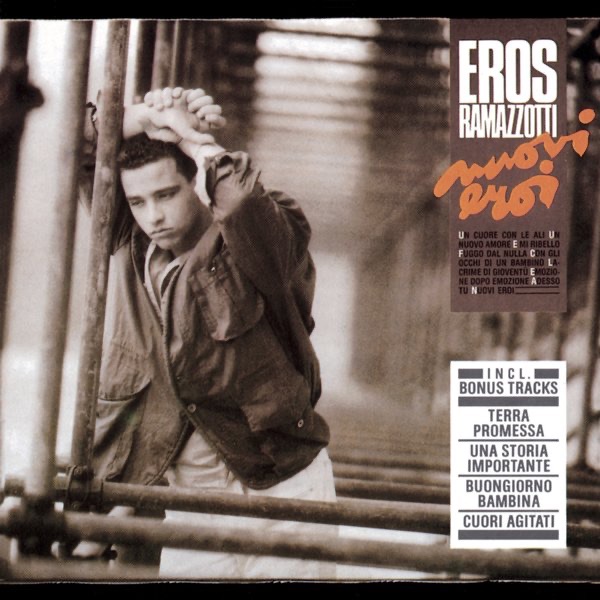
Nuovi eroi
1986 · 13 tracks
- 1 Un Cuore Con Le Ali ↗ 3:53
- 2 Un Nuovo Amore ↗ 4:13
- 3 E Mi Ribello ↗ 4:23
- 4 Fuggo Dal Nulla ↗ 3:47
- 5 Con Gli Occhi Di Un Bambino ↗ 4:20
- 6 Lacrime Di Gioventù ↗ 4:52
- 7 Emozione Dopo Emozione ↗ 4:37
- 8 Adesso Tu ↗ 5:05
- 9 Nuovi Eroi ↗ 4:11
- 10 Una Storia Importante ↗ 4:12
- 11 Cuori Agitati ↗ 3:45
- 12 Buongiorno Bambina ↗ 4:16
- 13 Terra Promessa ↗ 3:46
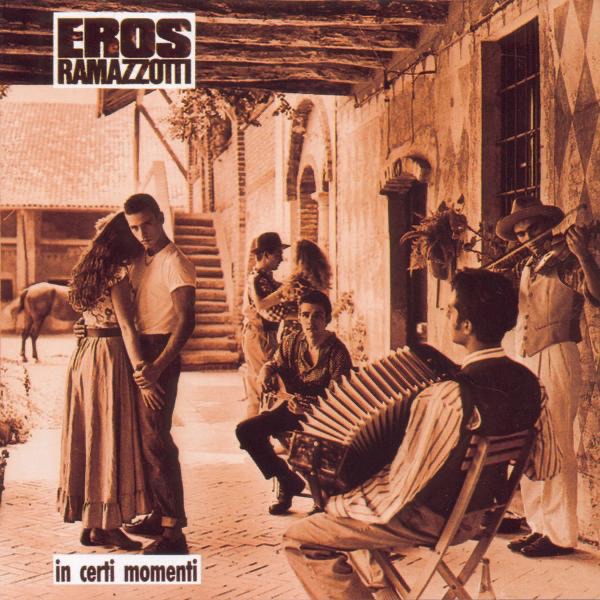
In certi momenti
1987 · 10 tracks

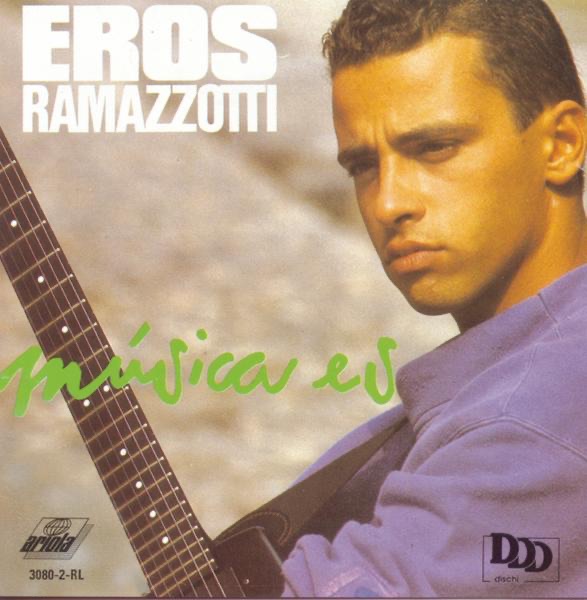
Música es
1988 · 7 tracks
- 1 Música Es (Spanish Version of "Música E'") ↗ 11:00
- 2 Asi Son los Amigos (Spanish Version of "In Segno D'Amicizia") ↗ 3:54
- 3 Somos de Hoy (Spanish Version of "Uno Di Noi") ↗ 3:52
- 4 Completamente Enamorados (Spanish Version of "Un Nuovo Amore") ↗ 4:12
- 5 Por Ti Me Casare (Spanish Version of "Ti Sposerò Perché") ↗ 4:02
- 6 Y Me Rebello (Spanish Version of "E Mi Ribello") ↗ 4:22
- 7 Nada Sin Ti (Spanish Version of "Solo Con Te") ↗ 5:05
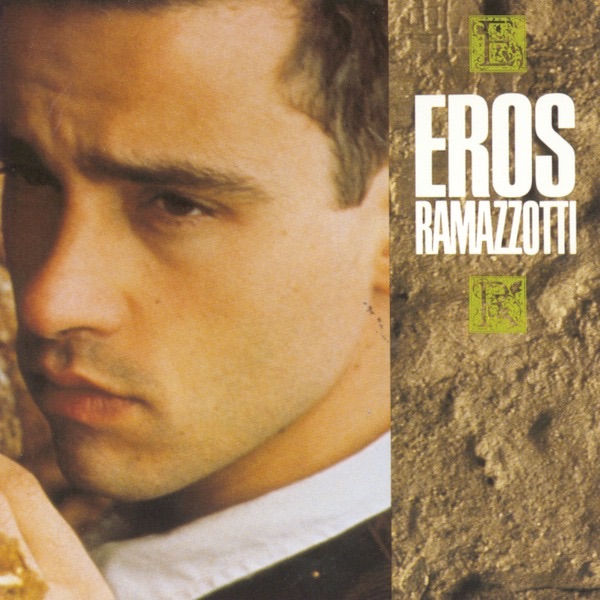
In ogni senso
1990 · 16 tracks
- 1 Se Bastasse Una Canzone ↗ 5:07
- 2 C'è Una Strada In Cielo ↗ 4:22
- 3 Amore Contro ↗ 4:24
- 4 Dammi La Luna ↗ 3:52
- 5 Taxi Story ↗ 4:01
- 6 Dolce Barbara ↗ 4:06
- 7 Amarti E' L'immenso Per Me ↗ 4:24
- 8 Canzoni Lontane ↗ 4:49
- 9 Cara Prof ↗ 3:58
- 10 Cantico ↗ 5:49
- 11 Oggi Che Giorno E' ↗ 4:35
- 12 Andare... In ogni senso ↗ 2:21
- 13 La Luce Buona Delle Stelle ↗ 4:15
- 14 Ma Che Bello Questo Amore ↗ 4:09
- 15 Adesso Tu ↗ 5:03
- 16 Una Storia Importante ↗ 4:07
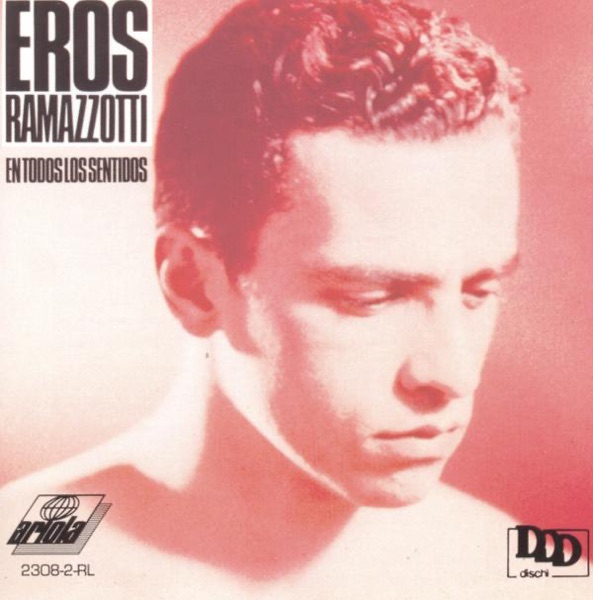
En todos los sentidos
1990 · 12 tracks
- 1 Si Bastasen Un Par De Canciones (Se bastasse una canzone) ↗ 5:10
- 2 Una Calle al Cielo ↗ 4:24
- 3 Amor en Contra ↗ 4:25
- 4 Toma la Luna ↗ 3:53
- 5 Taxi Story ↗ 4:02
- 6 Un Atardecer Víolénto ↗ 4:08
- 7 Amarte Es Total ↗ 4:30
- 8 Canciónes Lejanas ↗ 4:51
- 9 Querida Profe ↗ 4:01
- 10 Cantico ↗ 5:51
- 11 Dime Que Día Es ↗ 4:37
- 12 Sonar Es Gratis ↗ 2:24
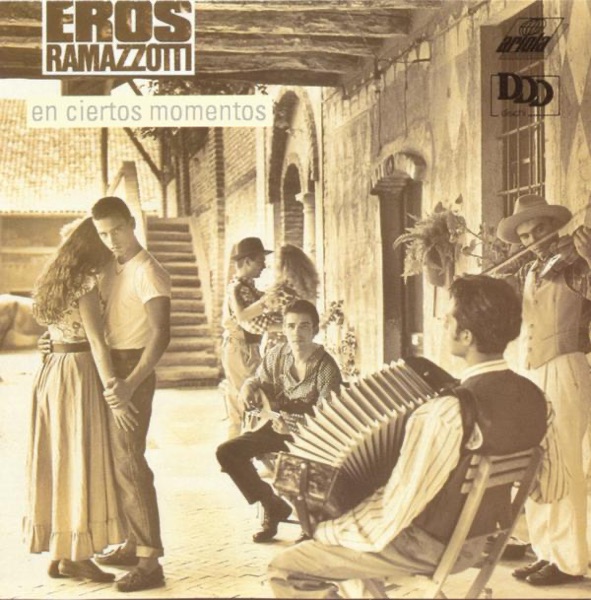
En ciertos momentos
1992 · 14 tracks
- 1 Mi Vida Es un Absurdo (Questo mio vivere un pò fuori) ↗ 4:20
- 2 Ok Ya Voy (Ok ci sto) ↗ 3:57
- 3 La Luce Buona Delle Stelle ↗ 4:14
- 4 El Juego de la No Verdad (Il gioco della verità) ↗ 4:37
- 5 Fantástico Amor (Ma che bello questo amore) ↗ 4:10
- 6 Chão, Papa (Ciao Pà) ↗ 5:01
- 7 Las Cosas Que He Visto (Cose che ho visto) ↗ 4:11
- 8 Dialogo (Libero dialogo) ↗ 4:36
- 9 Ojos de Esperanza (Occhi di sperenza) ↗ 3:16
- 10 Mientras el Cuerpo Resista (Senza perderci di vista) ↗ 4:15
- 11 Una Historia Importante (Una Storia Importante) ↗ 4:11
- 12 Ahora Tú (Adessó tu) ↗ 4:00
- 13 Un Nuovo Amore ↗ 4:11
- 14 Emociones Cuantas Emociones ↗ 4:34

Tutte storie
1993 · 13 tracks
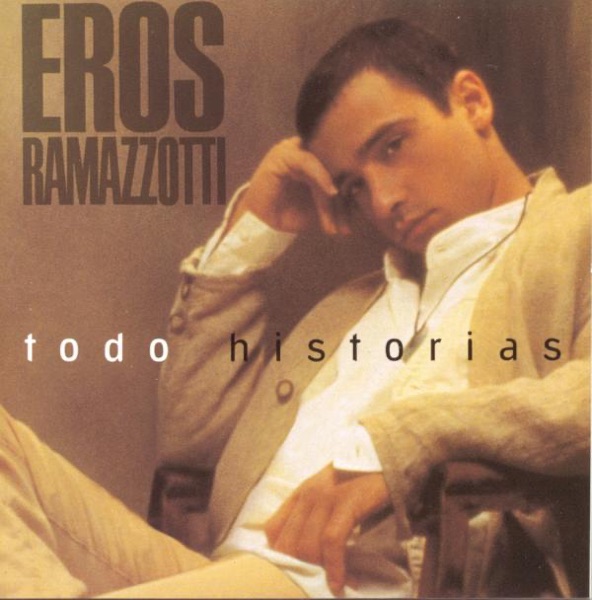
Todo historias
1993 · 13 tracks
- 1 Cosas de la Vida ↗ 4:49
- 2 A Medio Camino ↗ 5:48
- 3 Otra Como Tú (Spanish Version of "Un'Altra Te") ↗ 4:41
- 4 Recuerdos ↗ 5:24
- 5 En Compania (Spanish Version of "In Compagnia") ↗ 4:44
- 6 Un Fuerte No (Spanish Version of "Un Grosso No") ↗ 5:39
- 7 Fábula ↗ 4:37
- 8 Ya No Hay Fantasia (Spanish Version of "Non C'è Più Fantasia") ↗ 3:52
- 9 Nostalsong (Spanish Version of "Nostalsong") ↗ 4:30
- 10 Nada de Malo (Spanish Version of "Niente Di Male") ↗ 4:05
- 11 Exodos (Spanish Version of "Esodi") ↗ 4:37
- 12 La Ultima Revolucion (Spanish Version of "L'Ultima Revoluzione") ↗ 4:13
- 13 Silver y Missie (Spanish Version of "Silver E Missie") ↗ 4:36

Donde hay música
1996 · 12 tracks
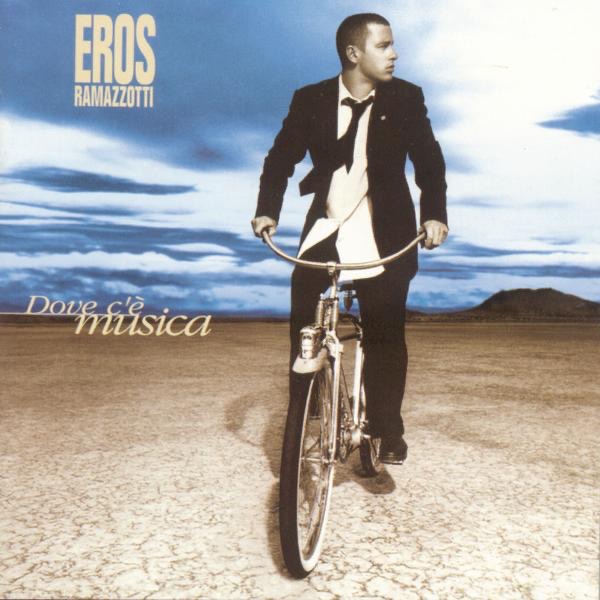
Dove c’è musica
1996 · 12 tracks
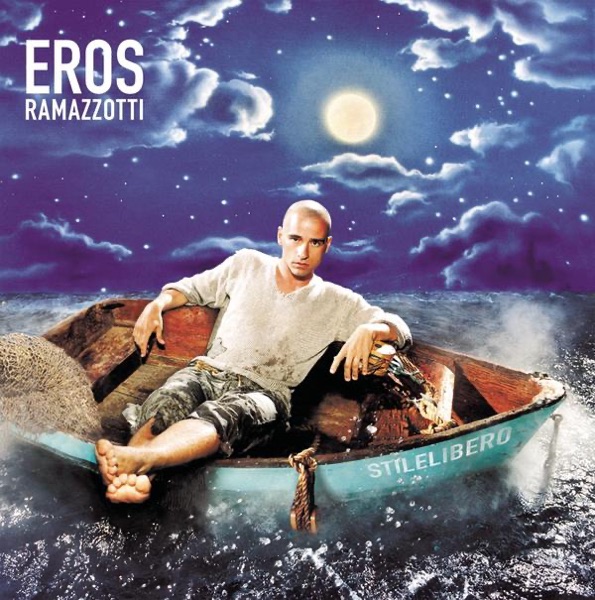
Stilelibero
2000 · 12 tracks
- 1 L'ombra Del Gigante ↗ 4:41
- 2 Fuoco Nel Fuoco ↗ 4:03
- 3 Lo Spirito Degli Alberi ↗ 4:13
- 4 Un Angelo Non È ↗ 4:39
- 5 L'aquila E Il Condor ↗ 4:28
- 6 Più che puoi (With Cher) ↗ 4:14
- 7 Il Mio Amore Per Te ↗ 4:17
- 8 E Ancor Mi Chiedo ↗ 4:23
- 9 Improvvisa Luce Ad Est ↗ 4:42
- 10 Nell'azzurrità ↗ 4:16
- 11 Amica Donna Mia ↗ 4:03
- 12 Per Me Per Sempre ↗ 3:54
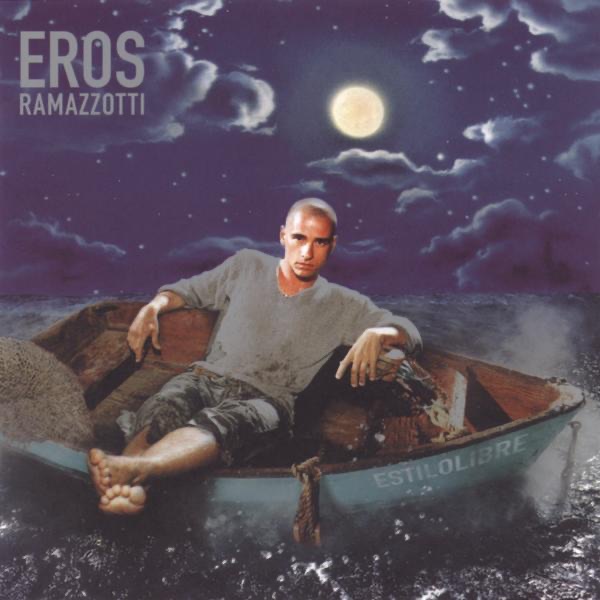
Estilolibre
2000 · 12 tracks
- 1 La Sombra del Gigante ↗ 4:42
- 2 Fuego en el Fuego ↗ 4:01
- 3 El Alma de los Árbolés ↗ 4:12
- 4 Un Ángel No Es ↗ 4:39
- 5 El Águila y el Condor ↗ 4:27
- 6 Più Che Puoi ↗ 4:11
- 7 Mi Amor Por Ti ↗ 4:14
- 8 Quiero Saberlo ↗ 4:22
- 9 Y en el Este una Luz ↗ 4:41
- 10 Azul Sin Par ↗ 4:16
- 11 Mujer Amiga Mía ↗ 4:00
- 12 Para Mí Será Por Siempre ↗ 3:55
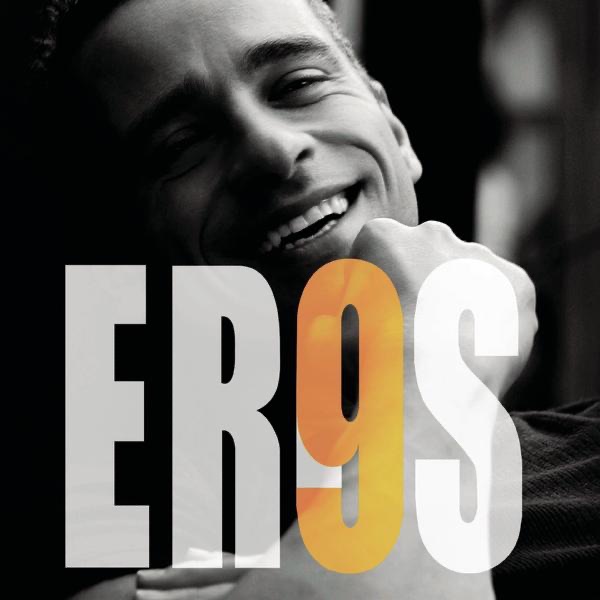
9
2003 · 13 tracks
- 1 Un Attimo Di Pace ↗ 4:37
- 2 Solo Ieri ↗ 4:11
- 3 Un'emozione Per Sempre ↗ 3:58
- 4 Ti Vorrei Rivivere ↗ 4:30
- 5 Il Buio Ha I Tuoi Occhi ↗ 4:01
- 6 Un'ancora Nel Vento ↗ 4:09
- 7 Piccola Pietra ↗ 4:06
- 8 Mamara ↗ 4:01
- 9 L'uomo Che Guardava Le Nuvole ↗ 3:42
- 10 Canzone Per Lei ↗ 3:41
- 11 Non Ti Prometto Niente ↗ 4:07
- 12 Falsa Partenza ↗ 4:03
- 13 C'e Una Melodia ↗ 2:22
9
2003 · 13 tracks
- 1 Un Attimo Di Pace ↗ 4:37
- 2 Solo Ieri ↗ 4:11
- 3 Un'emozione Per Sempre ↗ 3:58
- 4 Ti Vorrei Rivivere ↗ 4:30
- 5 Il Buio Ha I Tuoi Occhi ↗ 4:01
- 6 Un'ancora Nel Vento ↗ 4:09
- 7 Piccola Pietra ↗ 4:06
- 8 Mamara ↗ 4:01
- 9 L'uomo Che Guardava Le Nuvole ↗ 3:42
- 10 Canzone Per Lei ↗ 3:41
- 11 Non Ti Prometto Niente ↗ 4:07
- 12 Falsa Partenza ↗ 4:03
- 13 C'e Una Melodia ↗ 2:22

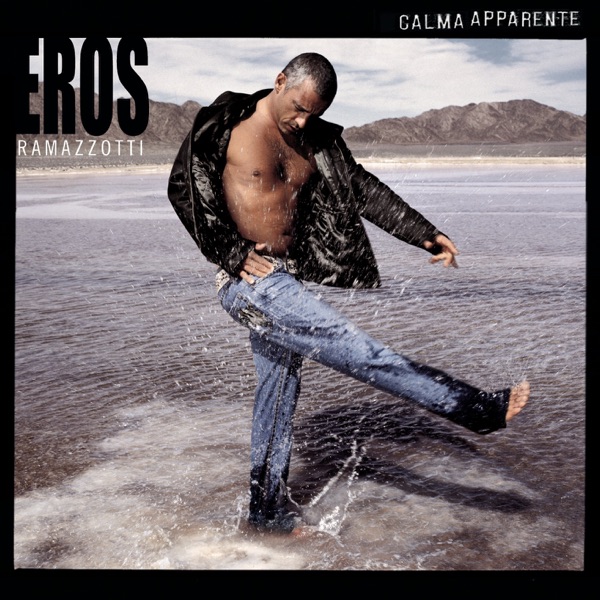
Calma aparente
2005 · 13 tracks
- 1 Nuestra Vida (La Nostra Vita) ↗ 4:39
- 2 El Equilibrista (L'Equilibrista) ↗ 3:53
- 3 Como un Nino (Bambino Nel Tempo) ↗ 4:41
- 4 Tu Eres (Tu Sei) ↗ 4:00
- 5 Solaridad (Solarità) ↗ 3:54
- 6 Esta Pasando Noviembre (Sta Passando Novembre) ↗ 4:11
- 7 Una Nueva Edad (Una Nuova Età) ↗ 3:48
- 8 Nomades de Amor (Nomadi D'Amore) ↗ 4:01
- 9 No Es Amor (Non E' Amore) ↗ 4:01
- 10 El Ultimo Metro (L'Ultimo Metrò) ↗ 4:29
- 11 I Belong to You (El Ritmo de la Pasion) ↗ 4:26
- 12 Vivo Sin Ti (Beata Solitudine) ↗ 4:08
- 13 Calma Aparente (Calma Apparente) ↗ 4:39
Calma apparente
2005 · 13 tracks
- 1 La nostra vita ↗ 4:39
- 2 L'equilibrista ↗ 3:53
- 3 Bambino nel tempo ↗ 4:41
- 4 Tu sei ↗ 4:00
- 5 Solarità ↗ 3:54
- 6 Sta passando novembre ↗ 4:11
- 7 Una nuova età ↗ 3:48
- 8 Nomadi d'amore ↗ 4:01
- 9 Non è amore ↗ 4:01
- 10 L'ultimo metrò ↗ 4:29
- 11 I Belong to You (Il ritmo della passione) ↗ 4:26
- 12 Beata solitudine ↗ 4:08
- 13 Calma apparente ↗ 4:39
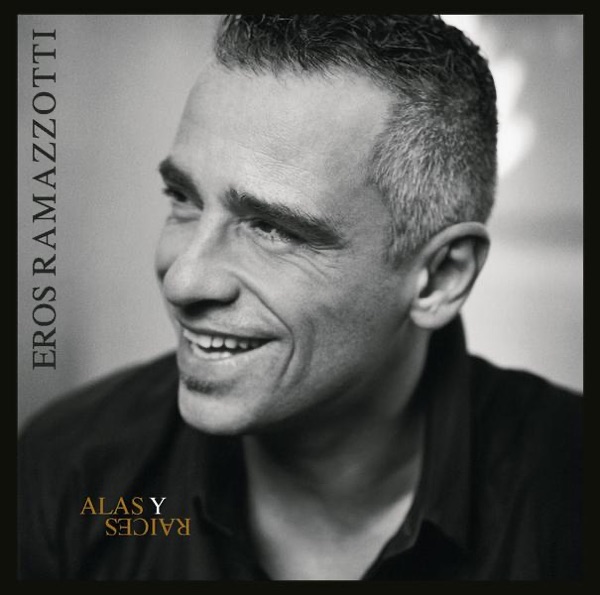
Alas y raíces
2009 · 11 tracks
- 1 Apuntes y Notas (Appunti e note) ↗ 3:55
- 2 El Camino (Il cammino) ↗ 3:47
- 3 Dimelo a Mi (Parla con me) ↗ 3:59
- 4 El Horizonte (L'orizzonte) ↗ 3:46
- 5 Afectos Personales (Affetti personali) ↗ 3:30
- 6 Contra el Víento (Controvento) ↗ 3:46
- 7 Alas y Raices (Ali e radici) ↗ 4:18
- 8 Flor Inesperada (Bucaneve) ↗ 4:10
- 9 Nosotros Incluidos (Nessuno escluso) ↗ 3:45
- 10 No Podemos Cerrar los Ojos (Non possiamo chiudere gli occhi) ↗ 3:50
- 11 Como un Tesoro (Come gioielli) ↗ 3:54

Noi
2012 · 15 tracks
- 1 Noi ↗ 3:53
- 2 Un angelo disteso al sole ↗ 3:24
- 3 Questa nostra stagione ↗ 3:37
- 4 Io sono te (I Am You) [feat. Andy García] ↗ 3:32
- 5 Fino all'estasi (feat. Nicole Scherzinger) ↗ 3:46
- 6 Abbracciami ↗ 3:17
- 7 Balla solo la tua musica ↗ 3:51
- 8 Infinitamente ↗ 3:48
- 9 Polaroid ↗ 3:34
- 10 Sotto lo stesso cielo ↗ 3:40
- 11 Una tempesta di stelle ↗ 3:52
- 12 Testa o cuore (feat. Club Dogo) ↗ 4:05
- 13 Così (feat. Il Volo) ↗ 4:18
- 14 Solamente uno (feat. Hooverphonic) ↗ 3:06
- 15 Noi (Acoustic Version) ↗ 3:11

Somos
2012 · 15 tracks
- 1 Ahora Somos ↗ 3:54
- 2 Un Ángel Como el Sol Tú Eres ↗ 3:24
- 3 Este Tiempo Tan Nuestro ↗ 3:37
- 4 Yo Soy Tú (feat. Andy García) ↗ 3:32
- 5 Hasta el Éxtasis (feat. Nicolé Scherzinger) ↗ 3:46
- 6 Abrázame ↗ 3:17
- 7 Baila Solo Con Tu Música ↗ 3:51
- 8 Amigo Mío ↗ 3:48
- 9 Dos Minutos ↗ 3:34
- 10 Bajo el Mismo Cielo ↗ 3:40
- 11 Una Tormenta de Estrellas ↗ 3:52
- 12 Testa o Cuore (feat. Club Dogo) ↗ 4:05
- 13 Así (feat. Il Volo) ↗ 4:18
- 14 Uno Más (feat. Hooverphonic) ↗ 3:06
- 15 Ahora Somos (Acoustic Version) ↗ 3:11

Perfetto
2015 · 14 tracks
- 1 Alla Fine Del Mondo ↗ 3:56
- 2 Il Tempo Non Sente Ragione ↗ 4:05
- 3 Perfetto ↗ 3:53
- 4 Sbandando ↗ 3:58
- 5 Sogno N.3 ↗ 3:54
- 6 Rosa Nata Ieri ↗ 3:52
- 7 Vivi E Vai ↗ 3:54
- 8 Un'Altra Estate ↗ 4:09
- 9 L'Amore E' Un Modo Di Vivere ↗ 3:56
- 10 Il Viaggio ↗ 3:45
- 11 Tu Gelosia ↗ 3:51
- 12 Sei Un Pensiero Speciale ↗ 3:48
- 13 Buon Natale (Se Vuoi) ↗ 4:06
- 14 Tra Vent'Anni ↗ 3:41

Perfecto
2015 · 14 tracks
- 1 Al Fin del Mundo ↗ 3:56
- 2 El Tiempo No Atiende a Razones ↗ 4:05
- 3 Perfecto ↗ 3:53
- 4 Girando ↗ 3:58
- 5 Sueño N.3 ↗ 3:54
- 6 Flor Nacida Ayer ↗ 3:52
- 7 Vívela ↗ 3:54
- 8 Aquel Verano ↗ 4:09
- 9 El Amor Es un Modo de Vivir ↗ 3:56
- 10 El Viaje ↗ 3:45
- 11 Los Celos ↗ 3:51
- 12 Una Idea Especial ↗ 3:48
- 13 Feliz Navidad (Si Tú Quieres) ↗ 4:06
- 14 Tras Veinte Años ↗ 3:42

Vita ce n’è
2018 · 15 tracks
- 1 Per il resto tutto bene ↗ 3:25
- 2 Vita ce n'è ↗ 3:11
- 3 Vale per sempre (feat. Alessia Cara) ↗ 3:24
- 4 Siamo ↗ 3:38
- 5 In primo piano ↗ 3:41
- 6 Ti dichiaro amore ↗ 3:36
- 7 Per le strade una canzone (feat. Luis Fonsi) ↗ 3:31
- 8 Una vita nuova ↗ 3:32
- 9 Ho bisogno di te ↗ 3:22
- 10 Due volontà ↗ 3:33
- 11 Nati per amare ↗ 4:17
- 12 Dall'altra parte dell'infinito ↗ 3:58
- 13 Buonamore ↗ 3:43
- 14 Avanti così ↗ 3:26
- 15 Per il resto tutto bene (feat. Helene Fischer) ↗ 3:25

Hay vida
2018 · 14 tracks
- 1 Por el Resto Todo Bien ↗ 3:25
- 2 Hay Vida ↗ 3:11
- 3 Vale Por Siempre (feat. Alessia Cara) ↗ 3:24
- 4 Somos ↗ 3:38
- 5 En Primer Plano ↗ 3:41
- 6 Te Declaro Amor ↗ 3:36
- 7 Por las Calles las Canciones (feat. Luis Fonsi) ↗ 3:31
- 8 Una Vida Nueva ↗ 3:32
- 9 Necesito de Ti ↗ 3:22
- 10 Dos Voluntades ↗ 3:33
- 11 Nacidos Para Amarnos ↗ 4:17
- 12 Al Otro Lado del Infinito ↗ 3:58
- 13 Buen Amor ↗ 3:43
- 14 Sigamos Así ↗ 3:26
-
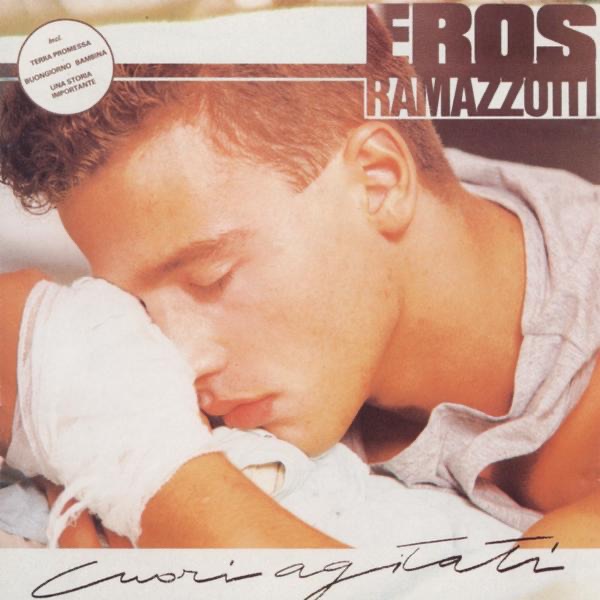
 Cuori agitatiEros Ramazzotti198510 tracks
 -
 Héroes de hoyEros Ramazzotti19869 tracks
 -
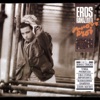 Nuovi eroiEros Ramazzotti198613 tracks
 -
 In certi momentiEros Ramazzotti198710 tracks
 -
 Musica èEros Ramazzotti19888 tracks
 -
 Música esEros Ramazzotti19887 tracks
 -
 In ogni sensoEros Ramazzotti199016 tracks
 -
 En todos los sentidosEros Ramazzotti199012 tracks
 -
 En ciertos momentosEros Ramazzotti199214 tracks
 -
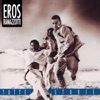 Tutte storieEros Ramazzotti199313 tracks
 -
 Todo historiasEros Ramazzotti199313 tracks
 -
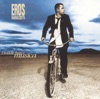 Donde hay músicaEros Ramazzotti199612 tracks
 -
 Dove c’è musicaEros Ramazzotti199612 tracks
 -
 StileliberoEros Ramazzotti200012 tracks
 -
 EstilolibreEros Ramazzotti200012 tracks
 -
 9Eros Ramazzotti200313 tracks
 - 9Eros Ramazzotti200313 tracks
-
 Calma aparenteEros Ramazzotti200513 tracks
 -
 Calma apparenteEros Ramazzotti200513 tracks
 -
 Alas y raícesEros Ramazzotti200911 tracks
 -
 Ali e radiciEros Ramazzotti200911 tracks
 -
 NoiEros Ramazzotti201215 tracks
 -
 SomosEros Ramazzotti201215 tracks
 -
 PerfettoEros Ramazzotti201514 tracks
 -
 PerfectoEros Ramazzotti201514 tracks
 -
 Vita ce n’èEros Ramazzotti201815 tracks
 -
 Hay vidaEros Ramazzotti201814 tracks
Deep Dive
Overview
Eros Ramazzotti is an Italian pop and rock singer, songwriter, and record producer born in 1963 whose career spans four decades of continuous output across European and Spanish-speaking markets. Rising from Italy’s music scene in the mid-1980s, Ramazzotti built a distinctive presence in pop rock through melodic songwriting and emotional vocal delivery. His strategic bilingual approach—releasing the majority of his albums in both Italian and Spanish—established him as a rare bridge between Italian and Latin American popular music, yielding substantial commercial success in territories where most Italian artists found limited traction.
Formation Story
Eros Walter Luciano Ramazzotti was born in 1963 in Italy during the post-war pop explosion. He emerged as a recording artist in 1985, arriving at a moment when Italian pop music was seeking fresh voices beyond the dominant singer-songwriter tradition. The Italian music industry of the mid-1980s was fragmenting between disco holdovers, emerging synth-pop, and a revival of sentimental balladeering—a space where Ramazzotti’s temperament as a vocalist and his ear for accessible melodies found immediate resonance. His early decision to record in both Italian and Spanish was prescient; it allowed him to develop parallel careers in Europe and the Spanish-speaking world rather than chasing English-language crossover, a path few Italian pop artists had successfully navigated.
Breakthrough Moment
Ramazzotti’s first release, Cuori agitati (1985), introduced his core sound: pop-rock inflected with balladic sensibility and introspective lyricism. The following year he issued both Héroes de hoy and Nuovi eroi (1986), the latter a Spanish and Italian pairing that would become a template for his future releases. By In certi momenti (1987) and Musica è / Música es (1988), Ramazzotti had consolidated a loyal following in Italy and was beginning to penetrate Spanish markets. These early records established his reputation as a reliable craftsman of emotional pop-rock, setting the stage for broader European recognition throughout the 1990s.
Peak Era
Ramazzotti’s most creatively and commercially vital stretch extended through the 1990s and into the early 2000s. In ogni senso and its Spanish counterpart En todos los sentidos (1990) deepened his artistic voice, while Tutte storie / Todo historias (1993) marked a consolidation of his melodic gift. The release of Dove c’è musica / Donde hay música (1996) reinforced his status as a consistent presence on European and Latin American charts. Subsequent albums such as Stilelibero / Estilolibre (2000) and 9 (2003) demonstrated his willingness to evolve production approaches while retaining the emotional core that defined his appeal. This era cemented Ramazzotti as one of Italy’s most commercially viable pop exports in markets outside the English-speaking world.
Musical Style
Ramazzotti’s sound combines pop-rock melodicism with pop music’s accessibility and alternative rock’s emotional directness. His voice carries a warm baritone quality suited to introspective material; he favors lyrical themes of love, relationships, and personal reflection rather than bombast or novelty. Structurally, his songs privilege memorable hooks and sing-along choruses over instrumental virtuosity, placing him squarely in the melodic pop-rock tradition. The production across his catalog reflects the eras in which albums were made—1980s-inflected synth presence in early records, cleaner digital arrangements by the 1990s, and contemporary production by the 2000s—but the songwriting sensibility has remained consistent: accessible yet sophisticated, emotional without sentimentality, and designed for repeated listening. His consistent bilingual release strategy means many songs exist in subtly different arrangements and lyrical framings depending on language, allowing him to tailor emotional nuance to each audience.
Major Albums
Musica è / Música es (1988)
Released in tandem as Italian and Spanish versions, this album solidified Ramazzotti’s dual-market strategy and introduced the production polish that would define his mature sound, establishing the format he would follow throughout his career.
In ogni senso / En todos los sentidos (1990)
A turning point in artistic depth, these albums demonstrated Ramazzotti’s growing confidence as a songwriter and his ability to sustain emotional arc across a full record, particularly resonating in both Italian and Spanish-speaking Europe.
Tutte storie / Todo historias (1993)
Peaking during the height of his creative powers, this bilingual release showcased Ramazzotti’s gift for crafting narratively rich pop-rock songs with universal romantic and personal themes.
Stilelibero / Estilolibre (2000)
Marking the transition into a new decade, these albums found Ramazzotti integrating contemporary production techniques while maintaining the melodic sensibility that had sustained his career through the 1990s.
Ali e radici / Alas y raíces (2009)
Released after a brief relative quiet period, this album reaffirmed Ramazzotti’s ongoing creative vitality and his continued appeal across European and Spanish-language markets.
Signature Songs
- From early albums — The foundational cuts on Musica è and In certi momenti established Ramazzotti as a craftsman of emotionally direct pop-rock with memorable vocal hooks.
- Mid-career ballads — Material from Tutte storie and Dove c’è musica represented his peak popularity across Italian radio and European markets.
- Bilingual versions — Key tracks existed in substantively different Spanish and Italian versions, allowing Ramazzotti to customize emotional and lyrical emphasis for distinct audiences.
- Later works — Songs from Stilelibero and Ali e radici demonstrated his sustained ability to craft contemporary pop-rock without abandoning the warmth that defined his voice.
Influence on Rock
While Ramazzotti has not fundamentally altered rock music’s trajectory, he has demonstrated a significant alternative model for European pop-rock longevity: sustained multilingual recording and non-English-language focus. His career proved that Italian artists could build lasting fame in Spanish-speaking markets without sacrificing artistic identity or chasing Anglo-American pop trends. In this respect, Ramazzotti paved a pathway for other European artists to view Latin America and Spain as primary markets rather than secondary territories. His consistent, high-volume output—rarely allowing more than two to three years between releases—and his refusal to abandon melody for trend-chasing provided a template for aging European pop stars seeking to maintain relevance without reinvention.
Legacy
Eros Ramazzotti remains an active recording and touring artist, with recent releases such as Latido infinito / Battito infinito (2022) and Una storia importante (2025) demonstrating his continued productivity into the sixth decade of his life. His cultural impact is primarily European and Latin American rather than global; his streaming presence remains strong in Italy, Spain, and Spanish-language territories, where his catalog circulates as a touchstone of 1990s European pop-rock. While he has not achieved the hallmark recognitions of major rock acts—Grammy dominance, rock hall induction, generational influence on younger artists—his sustained commercial viability across four decades and two language markets represents a quiet form of longevity that few pop artists achieve. His catalog stands as a monument to the European pop-rock tradition of the late twentieth century and as evidence that meaningful artistic careers can be built outside the English-language rock mainstream.
Fun Facts
- Ramazzotti’s deliberate bilingual release strategy predates by decades the contemporary streaming era’s emphasis on multilingual appeal; he was duplicating entire albums in Italian and Spanish as early as 1986 when such redundancy seemed commercially irrational.
- His record labels—RCA, Bertelsmann Music Group, and Arista Records—spanned multiple corporate entities across his career, reflecting the consolidation of the music industry across the 1990s and 2000s.
- Despite decades of prominence in European and Latin American markets, Ramazzotti has remained relatively unknown in English-speaking markets, a testament to the power of language and regional distribution in shaping global music hierarchies.