
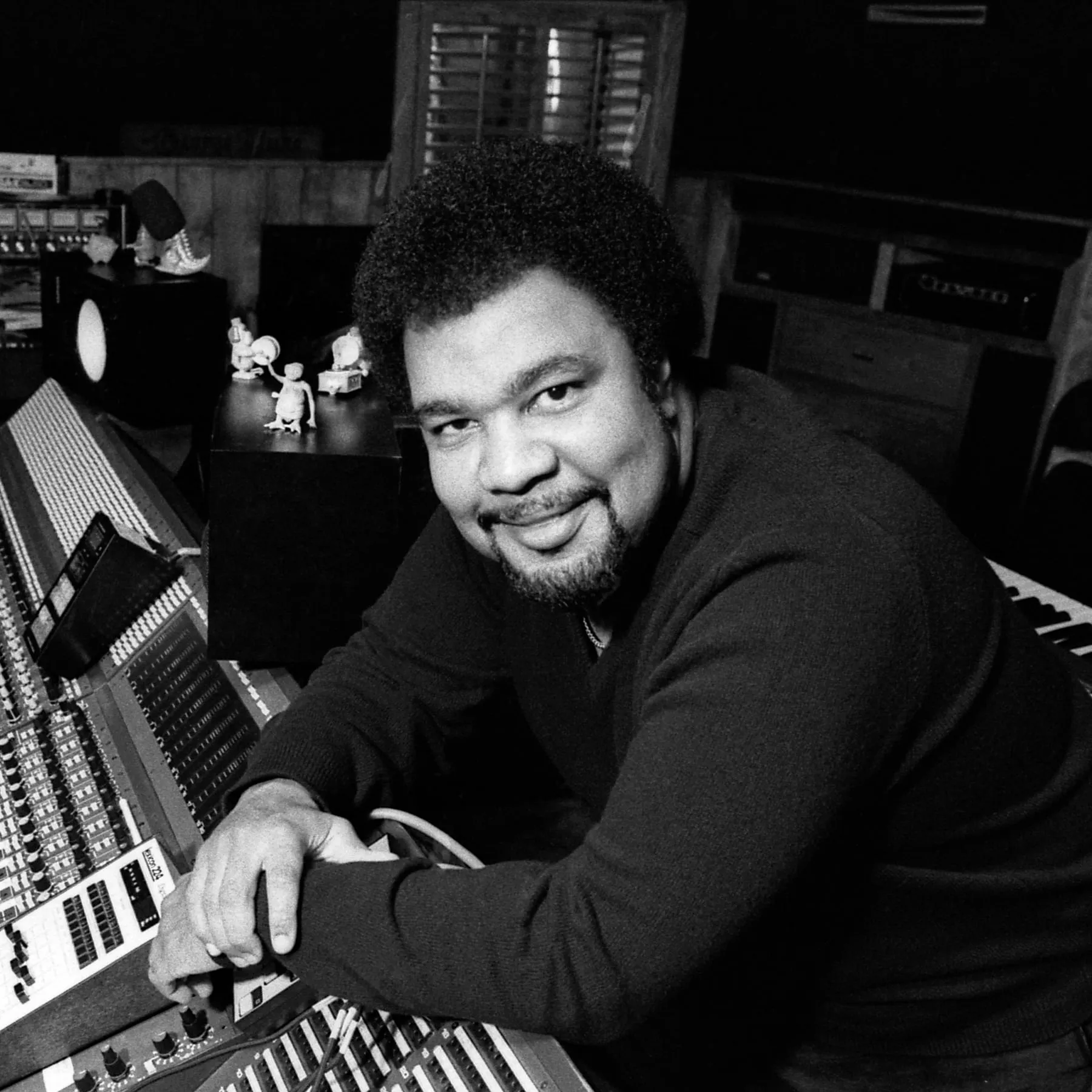
Photo by Ken Lubas, Los Angeles Times, edited by MenkinAlRire (retouched and cropped) , licensed under CC BY 4.0 · Wikimedia Commons
Rank #500
George Duke
From Wikipedia
George Martin Duke was an American keyboardist, composer, singer-songwriter and record producer. He worked with numerous artists as arranger, music director, writer and co-writer, record producer and as a professor of music. He first made a name for himself with the album The Jean-Luc Ponty Experience with the George Duke Trio. He is known for his 32 solo albums, as well as for his collaborations with other musicians like Stanley Clarke and Dianne Reeves, but particularly with composer, guitarist and bandleader Frank Zappa.
Discography & Previews
Browse through and click an album to open and play 30-second previews streamed from Apple Music.


The Inner Source
1973 · 16 tracks
- 1 Au Right ↗ 3:25
- 2 Love Reborn ↗ 7:23
- 3 Peace ↗ 7:30
- 4 My Soul ↗ 4:39
- 5 Feels so Good ↗ 6:58
- 6 Manya ↗ 3:30
- 7 Sweet Bite ↗ 3:31
- 8 The Followers ↗ 5:13
- 9 The Inner Source ↗ 6:11
- 10 Life ↗ 5:44
- 11 Some Time Ago ↗ 5:10
- 12 So There You Go ↗ 5:09
- 13 Solus ↗ 9:00
- 14 Nigerian Numberuma ↗ 2:47
- 15 Twenty-Five ↗ 4:57
- 16 Always Constant ↗ 6:48


Liberated Fantasies
1976 · 9 tracks
- 1 Don't Be Shy (with Al "Embamba" Johnson & Leon "Ndugu" Chancler) ↗ 2:59
- 2 Seeing You (with Al "Embamba" Johnson, Leon "Ndugu" Chancler, Janet Ferguson Hoff & Napoleon Murphy Brock) ↗ 4:30
- 3 Back to Where We Never Left (with Al "Embamba" Johnson & Leon "Ndugu" Chancler) ↗ 6:26
- 4 What The... (with Al "Embamba" Johnson & Leon "Ndugu" Chancler) ↗ 0:30
- 5 Tryin' & Cryin' (with Al "Embamba" Johnson, Leon "Ndugu" Chancler & Napoleon Murphy Brock) ↗ 5:48
- 6 I C'n Hear That (with Al "Embamba" Johnson, Leon "Ndugu" Chancler & Emil Richards) ↗ 5:19
- 7 After the Love (with Al "Embamba" Johnson, Leon "Ndugu" Chancler & David Amaro) ↗ 2:33
- 8 Tzina (with Al "Embamba" Johnson & Leon "Ndugu" Chancler) ↗ 2:30
- 9 Liberated Fantasies (with Leon "Ndugu" Chancler) ↗ 9:24


Don't Let Go
1978 · 14 tracks
- 1 We Give Our Love ↗ 4:34
- 2 Morning Sun ↗ 4:17
- 3 Percussion Interlude ↗ 2:03
- 4 Dukey Stick ↗ 6:08
- 5 Starting Again ↗ 4:31
- 6 Yeah, We Going ↗ 3:42
- 7 The Way I Feel ↗ 4:46
- 8 Movin' On ↗ 4:24
- 9 Don't Let Go ↗ 3:27
- 10 Preface ↗ 1:30
- 11 The Future ↗ 3:26
- 12 Dukey Stick (Part One) ↗ 3:34
- 13 Dukey Stick (Part Two) ↗ 4:42
- 14 Dukey Stick (12" Special Disco Version) ↗ 8:06


Master of the Game
1979 · 11 tracks
- 1 Look What You Find ↗ 4:45
- 2 Every Little Step I Take ↗ 3:49
- 3 Games ↗ 3:14
- 4 I Want You for Myself ↗ 6:37
- 5 In the Distance ↗ 2:19
- 6 I Love You More ↗ 3:06
- 7 Dog-Man ↗ 4:38
- 8 Everybody's Talkin' ↗ 4:18
- 9 Part 1-The Alien Challenges The Stick/Part 2-The Alien Succumbs To The Macho Intergalactic Funkativity Of The Funkblasters ↗ 9:21
- 10 I Want You for Myself (U.S. Single Edit) ↗ 3:52
- 11 Every Little Step I Take (U.S. Single Edit) ↗ 3:41
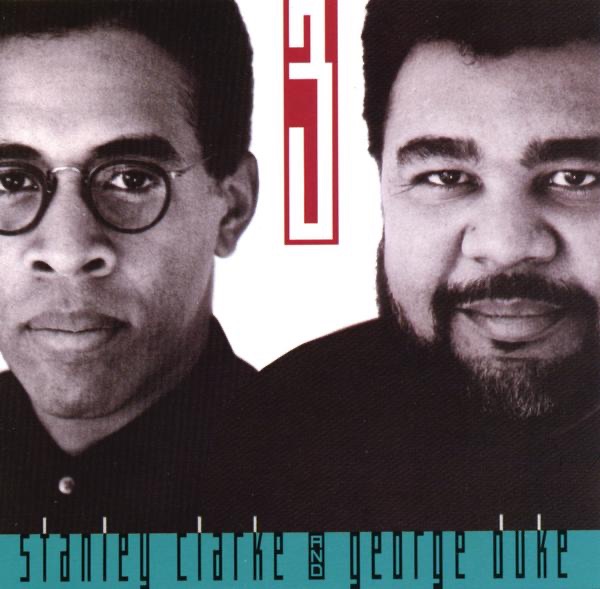
The Clarke / Duke Project
1981 · 12 tracks
- 1 Pit Bulls (An Endangered Species) ↗ 4:18
- 2 Oh Oh ↗ 4:59
- 3 No Place to Hide ↗ 5:03
- 4 Somebody Else ↗ 5:28
- 5 Mothership Connection ↗ 5:10
- 6 Right By My Side (feat. Gerald Alston) ↗ 5:11
- 7 From the Deepest Corner of My Heart ↗ 1:18
- 8 Lady ↗ 4:22
- 9 Find Out Who You Are ↗ 4:39
- 10 Quiet Time ↗ 1:03
- 11 Finger Prints ↗ 3:48
- 12 Always ↗ 1:07

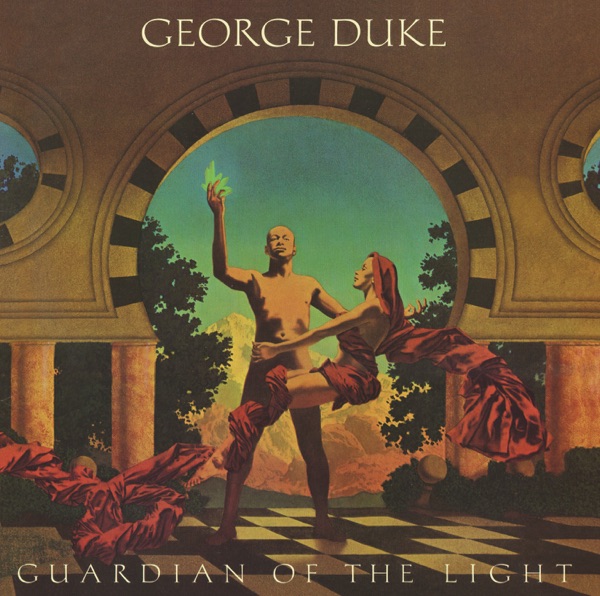
Guardian of the Light
1983 · 16 tracks
- 1 Overture ↗ 1:38
- 2 Light ↗ 3:23
- 3 Shane ↗ 3:14
- 4 Born to Love You ↗ 3:11
- 5 Silly Fightin' ↗ 5:07
- 6 You (Are the Light) ↗ 4:16
- 7 The War Fugue Interlude ↗ 1:13
- 8 Reach Out ↗ 4:57
- 9 Give Me Your Love ↗ 4:19
- 10 Stand ↗ 2:14
- 11 Soon ↗ 2:43
- 12 Celebrate ↗ 3:54
- 13 Fly Away ↗ 4:00
- 14 Reach Out ↗ 6:52
- 15 Celebrate (Instrumental) ↗ 3:50
- 16 Brazilian Love Affair ↗ 7:24

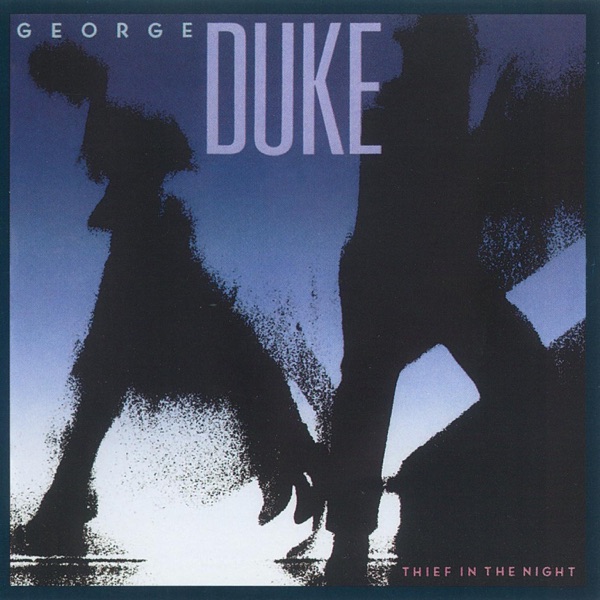
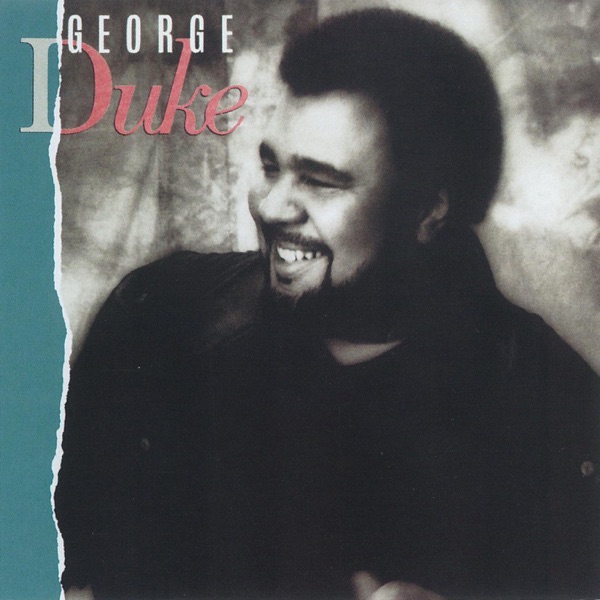

Night After Night
1989 · 13 tracks
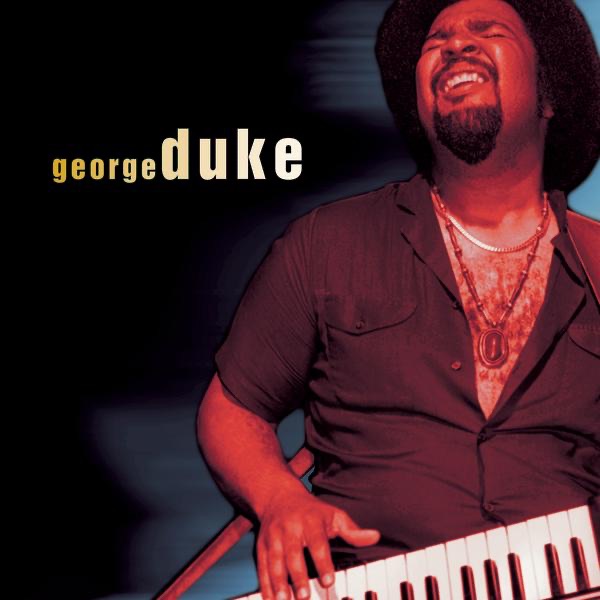

Snapshot
1992 · 14 tracks
- 1 From the Void (Intro) ↗ 0:51
- 2 History (I Remember) ↗ 5:37
- 3 Snapshot ↗ 5:40
- 4 No Rhyme, No Reason ↗ 5:49
- 5 6 O'Clock ↗ 4:37
- 6 Ooh Baby ↗ 5:02
- 7 Fame ↗ 5:47
- 8 Geneva ↗ 5:29
- 9 Speak Low ↗ 4:08
- 10 Keeping Love Alive ↗ 5:44
- 11 Until Sunrise ↗ 5:55
- 12 Bus Tours ↗ 4:43
- 13 In the Meantime (Interlude) ↗ 0:28
- 14 The Morning After ↗ 5:49
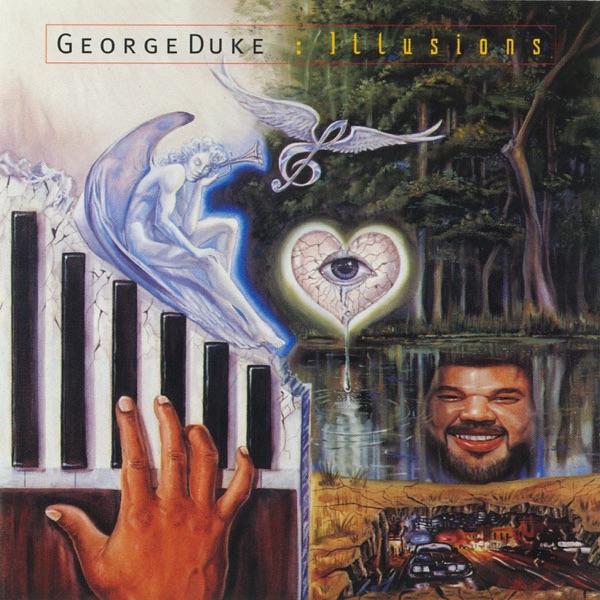
Illusions
1995 · 13 tracks
- 1 Genesis ↗ 1:34
- 2 500 Miles to Go ↗ 5:01
- 3 411 ↗ 5:12
- 4 Love Can Be So Cold ↗ 5:43
- 5 Illusions ↗ 5:02
- 6 The Simple Things ↗ 5:19
- 7 Life and Times ↗ 6:09
- 8 Look What We Started Now ↗ 5:56
- 9 C'est la Vie ↗ 4:52
- 10 Buffalo Soldiers ↗ 4:53
- 11 Money ↗ 5:19
- 12 No Greater Love ↗ 4:48
- 13 So I'll Pretend ↗ 7:27
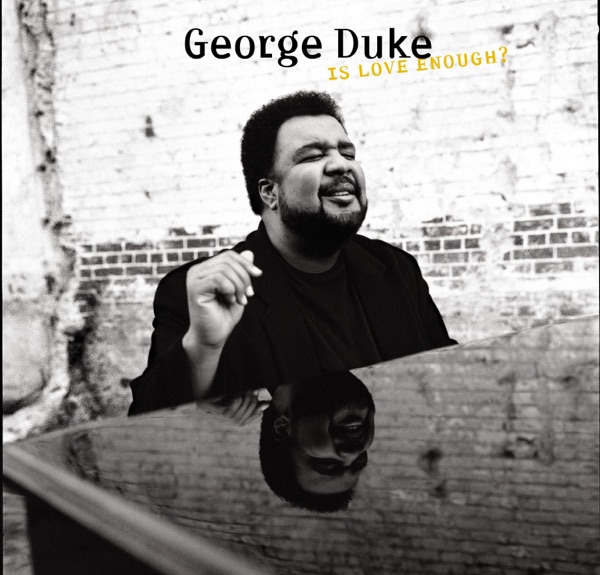
Is Love Enough?
1997 · 16 tracks
- 1 Into the Future (Prelude) [Instrumental] ↗ 2:06
- 2 Is Love Enough? ↗ 5:21
- 3 It's Summertime ↗ 5:25
- 4 Love Songs ↗ 5:38
- 5 It's Our World ↗ 4:25
- 6 Fill the Need ↗ 5:34
- 7 Kinda Low ↗ 6:17
- 8 Time and Space (Interlude) [Instrumental] ↗ 1:27
- 9 Back In the Day (Instrumental) ↗ 4:54
- 10 This Place I Call Home ↗ 4:22
- 11 How About You ↗ 4:47
- 12 Laid Back Sunday ↗ 4:57
- 13 Thinkin' 'Bout You ↗ 5:03
- 14 I'm Falling ↗ 5:34
- 15 Whatever Happened To ... ↗ 4:44
- 16 Back from the Future (Postlude) [Instrumental] ↗ 1:26

COOL
2000 · 13 tracks
- 1 Marin City ↗ 5:21
- 2 Wake Up and Smell the Coffee ↗ 4:44
- 3 She's Amazing (With Chante Moore) ↗ 4:44
- 4 If You Will (With Flora Purim) ↗ 5:03
- 5 Never Be Another (feat. Anointed) ↗ 4:37
- 6 Ancient Source (With Kim Johnson) ↗ 6:02
- 7 Only You Understand ↗ 4:18
- 8 If He Ain't Mr. Right (Then He's Mr. Wrong) ↗ 5:32
- 9 Sexy Cool ↗ 4:58
- 10 All About You (With the Johnson Sisters) ↗ 3:49
- 11 Whatever It Takes ↗ 3:45
- 12 The Times We've Known (With Perri) ↗ 6:20
- 13 At a Glance ↗ 7:15
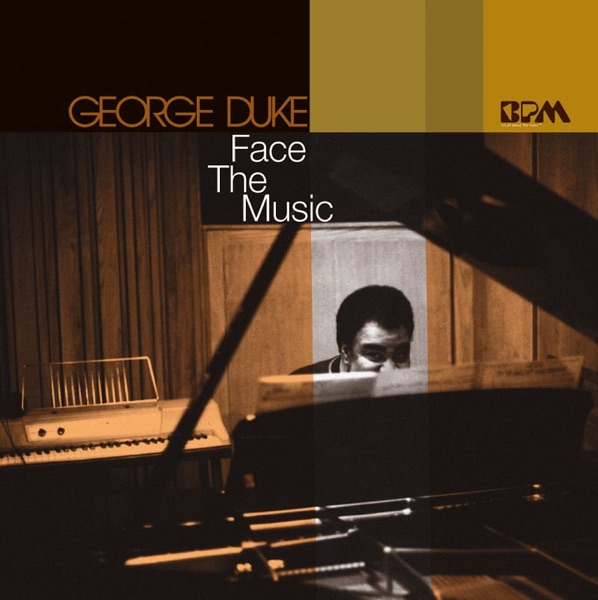
Face the Music
2003 · 11 tracks
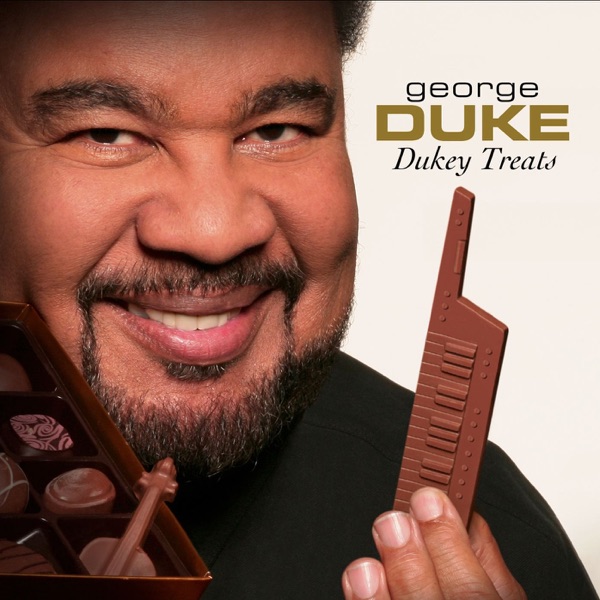
Dukey Treats
2008 · 12 tracks


DreamWeaver
2013 · 13 tracks
- 1 DreamWeaver ↗ 1:28
- 2 Stones of Orion ↗ 6:27
- 3 Trippin' ↗ 4:22
- 4 AshTray ↗ 3:59
- 5 Missing You ↗ 5:44
- 6 Transition 1 / Change the World ↗ 6:08
- 7 Jazzmatazz ↗ 4:45
- 8 Round the Way Girl ↗ 4:11
- 9 Transition 2 / Brown Sneakers ↗ 6:23
- 10 You Never Know ↗ 4:04
- 11 Ball & Chain ↗ 5:59
- 12 Burnt Sausage Jam ↗ 15:30
- 13 Happy Trails ↗ 5:02
-
 Save the CountryGeorge Duke19709 tracks
 -
 Faces in ReflectionGeorge Duke19739 tracks
 -
 The Inner SourceGeorge Duke197316 tracks
 -
 FeelGeorge Duke197410 tracks
 -
 The Aura Will PrevailGeorge Duke19759 tracks
 -
 Liberated FantasiesGeorge Duke19769 tracks
 -
 From Me to YouGeorge Duke197710 tracks
 -
 Reach for ItGeorge Duke197711 tracks
 -
 Don't Let GoGeorge Duke197814 tracks
 -
 Follow the RainbowGeorge Duke197910 tracks
 -
 Master of the GameGeorge Duke197911 tracks
 -
 The Clarke / Duke ProjectGeorge Duke198112 tracks
 -
 Dream OnGeorge Duke198211 tracks
 -
 Guardian of the LightGeorge Duke198316 tracks
 -
 RendezvousGeorge Duke198410 tracks
 -
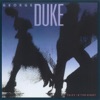 Thief in the NightGeorge Duke19859 tracks
 -
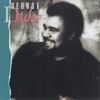 George DukeGeorge Duke198610 tracks
 -
 Night After NightGeorge Duke198913 tracks
 -
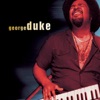 3George Duke199011 tracks
 -
 SnapshotGeorge Duke199214 tracks
 -
 IllusionsGeorge Duke199513 tracks
 -
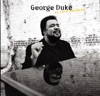 Is Love Enough?George Duke199716 tracks
 -
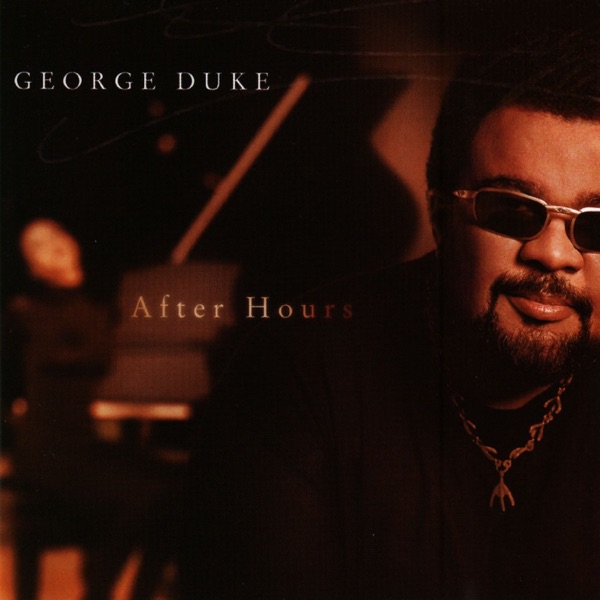
 After HoursGeorge Duke199811 tracks
 -
 COOLGeorge Duke200013 tracks
 -
 Face the MusicGeorge Duke200311 tracks
 -
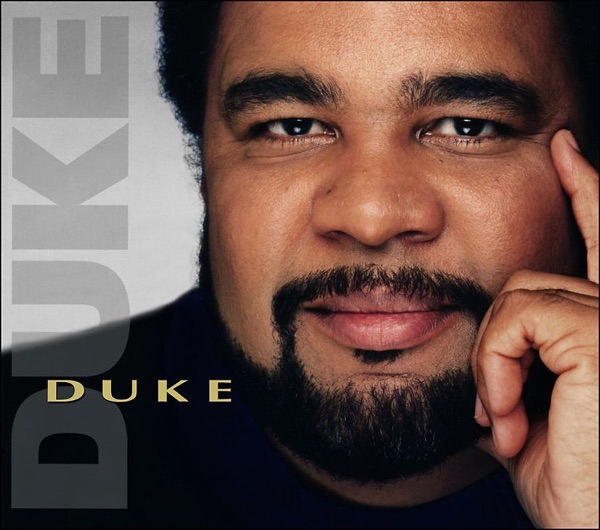
 DukeGeorge Duke200511 tracks
 -
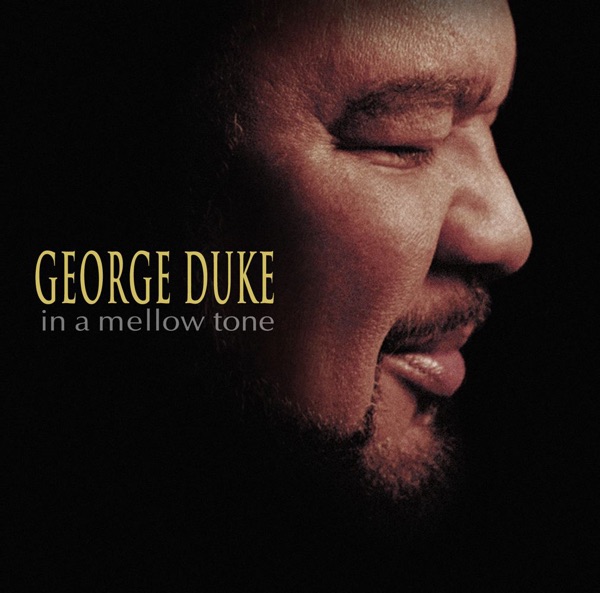
 In a Mellow ToneGeorge Duke200611 tracks
 -
 Dukey TreatsGeorge Duke200812 tracks
 -
 Deja VuGeorge Duke201010 tracks
 -
 DreamWeaverGeorge Duke201313 tracks
Deep Dive
Overview
George Martin Duke was an American keyboardist, composer, singer-songwriter, and record producer whose career spanned from the early 1970s until his death in 2013. Duke emerged as a central figure in fusion and experimental rock, earning recognition both for his 32 solo albums and for his role as arranger, music director, and collaborator with artists ranging from Frank Zappa to Stanley Clarke to Dianne Reeves. His work synthesized post-bop jazz, funk, and rock into a sound that privileged technical virtuosity and harmonic sophistication without sacrificing accessibility or groove.
Formation Story
Born in 1946, George Duke came of age during the post-war expansion of American jazz and the emergence of soul and rock as dominant popular forms. He gravitated toward the keyboard and studied music formally, developing both classical technique and improvisational fluency. By the late 1960s, Duke had begun recording and performing in the Los Angeles session and fusion circuit, positioning himself as a musician capable of navigating multiple idioms—jazz harmony, rock rhythm, and orchestral arrangement—with equal facility. This technical and stylistic range would define his entire career and make him invaluable to producers and bandleaders seeking a musician who could anchor sessions across genres.
Breakthrough Moment
Duke’s early visibility came through The Jean-Luc Ponty Experience with the George Duke Trio, which established him as a bandleader and improviser in his own right within the fusion sphere. His debut solo album, Save the Country (1970), signaled his arrival as a recording artist with his own artistic vision. Throughout the early-to-mid 1970s, he released a succession of albums—Faces in Reflection and The Inner Source (both 1973), Feel (1974), The Aura Will Prevail and I Love the Blues, She Heard My Cry (1975)—that showcased his expanding ambitions as a composer and bandleader. This sustained output established Duke as a prolific artist and drew increasing attention from rock and jazz audiences alike.
Peak Era
Duke’s most commercially successful and creatively fertile period extended from the mid-1970s through the early 1980s. Albums such as Liberated Fantasies (1976), From Me to You and Reach for It (1977), Don’t Let Go and The Dream (1978), Follow the Rainbow and Master of the Game (1979), and A Brazilian Love Affair (1980) demonstrated his willingness to explore genre boundaries—from funk-inflected fusion to soul, from Brazilian rhythmic textures to funk-rock grooves. Critically, this era also saw the launch of The Clarke / Duke Project (1981) with bassist Stanley Clarke, an explicit commercial and artistic partnership that produced a second installment, The Clarke / Duke Project II (1983). These collaborative albums amplified Duke’s profile and solidified his standing as a major force in fusion and studio music.
Musical Style
Duke’s sound was rooted in the keyboard—synthesizer, electric piano, and organ—deployed with both melodic sophistication and percussive drive. His harmonic language drew from post-bop jazz, where dense chords and chromatic movement replaced simpler diatonic frameworks, yet he anchored compositions in funk and soul grooves that kept his music from drifting into pure abstraction. His voice, employed in singing and background vocals, added a humanistic warmth to otherwise intricate arrangements. As a producer and arranger, Duke favored layered textures, multiple keyboard voices, and full orchestration; he was equally comfortable scoring for horns and strings as he was constructing a solo vehicle for his own virtuoso playing. Over his career, his sound evolved from the harder-edged fusion of the early 1970s toward smoother, more production-oriented pop-soul and urban contemporary styles in the 1980s and beyond, reflecting both his own changing aesthetic and broader shifts in radio-friendly production. His collaborations with Zappa emphasized his range: Zappa valued Duke for his ability to execute complex compositional ideas and for his own improvisational fearlessness in experimental and avant-garde settings.
Major Albums
The Inner Source (1973)
Demonstrated Duke’s ability to blend funk, soul, and jazz-fusion idioms into cohesive albums; established the formula of instrumental interplay and accessible melodies that would define his solo output.
I Love the Blues, She Heard My Cry (1975)
Showcased Duke’s bluesy sensibility and his skill as both a bandleader and vocalist, blending R&B and funk with jazz sophistication.
A Brazilian Love Affair (1980)
Explored Duke’s interest in Latin and Brazilian rhythmic and harmonic colors, combining his fusion approach with world-music influences.
The Clarke / Duke Project (1981)
A landmark collaboration with bassist Stanley Clarke that achieved both critical and commercial success, pairing two virtuosos in an exploration of funk-fusion and soul-jazz hybrids.
Master of the Game (1979)
Represented Duke at his commercial peak, combining funk grooves, sophisticated arrangements, and memorable melodic hooks for a broad audience.
Signature Songs
- Reach for It (1977) — A funk-fusion groove that balanced virtuosic keyboard playing with an irresistible R&B-inflected beat, becoming one of Duke’s most recognizable works.
- My Love — A soul-influenced composition showcasing Duke’s abilities as a vocalist and bandleader in slower, more intimate settings.
- I Love the Blues, She Heard My Cry — The title track exemplifying Duke’s integration of blues phrasing and harmonic language within a contemporary fusion context.
- Brazilian Stomp — Featured on A Brazilian Love Affair, demonstrating his exploration of Latin grooves and percussion-driven textures.
Influence on Rock
George Duke occupied a crucial position in 1970s and 1980s fusion, bridging the gap between avant-garde experimentation and mainstream popular music. His partnership with Frank Zappa placed him at the intersection of rock and experimental composition, while his solo work and collaborations with Clarke extended fusion into funk and soul territory, proving that complex musicianship and commercial viability were not mutually exclusive. Duke’s visibility as a bandleader and his prolific recording output influenced keyboardists and producers who came after, establishing a template for how a virtuoso could sustain a career across multiple genres and idioms without sacrificing artistic credibility. His example demonstrated that fusion artists could also thrive in R&B and pop contexts, a crossover that became increasingly common in the 1980s and 1990s.
Legacy
George Duke remained active as a recording artist, performer, and educator throughout his life until his death in 2013. His catalog of 32 studio albums represents one of the most consistent and prolific outputs in fusion and jazz-adjacent rock music. His collaborations with Stanley Clarke remain touchstones of 1980s fusion accessibility, while his work with Frank Zappa continues to be revisited by musicians and scholars examining the intersection of rock, jazz, and experimental composition. Duke’s streaming presence and continued vinyl reissues ensure that his work remains available to new audiences discovering fusion and 1970s-80s keyboard virtuosity. His legacy as a keyboardist, arranger, and production partner places him among the essential figures who shaped the sound of popular music during the genre-fluid era from the 1970s onward.
Fun Facts
- Duke served as a professor of music, passing on his technical knowledge and collaborative ethos to generations of students beyond his studio work.
- His 32 solo albums span over four decades, demonstrating a commitment to continuous artistic creation and evolution that few musicians of his era sustained.
- The Clarke / Duke Project partnership produced two commercially successful albums and stands as one of the most celebrated bassist-keyboardist collaborations in fusion history.