
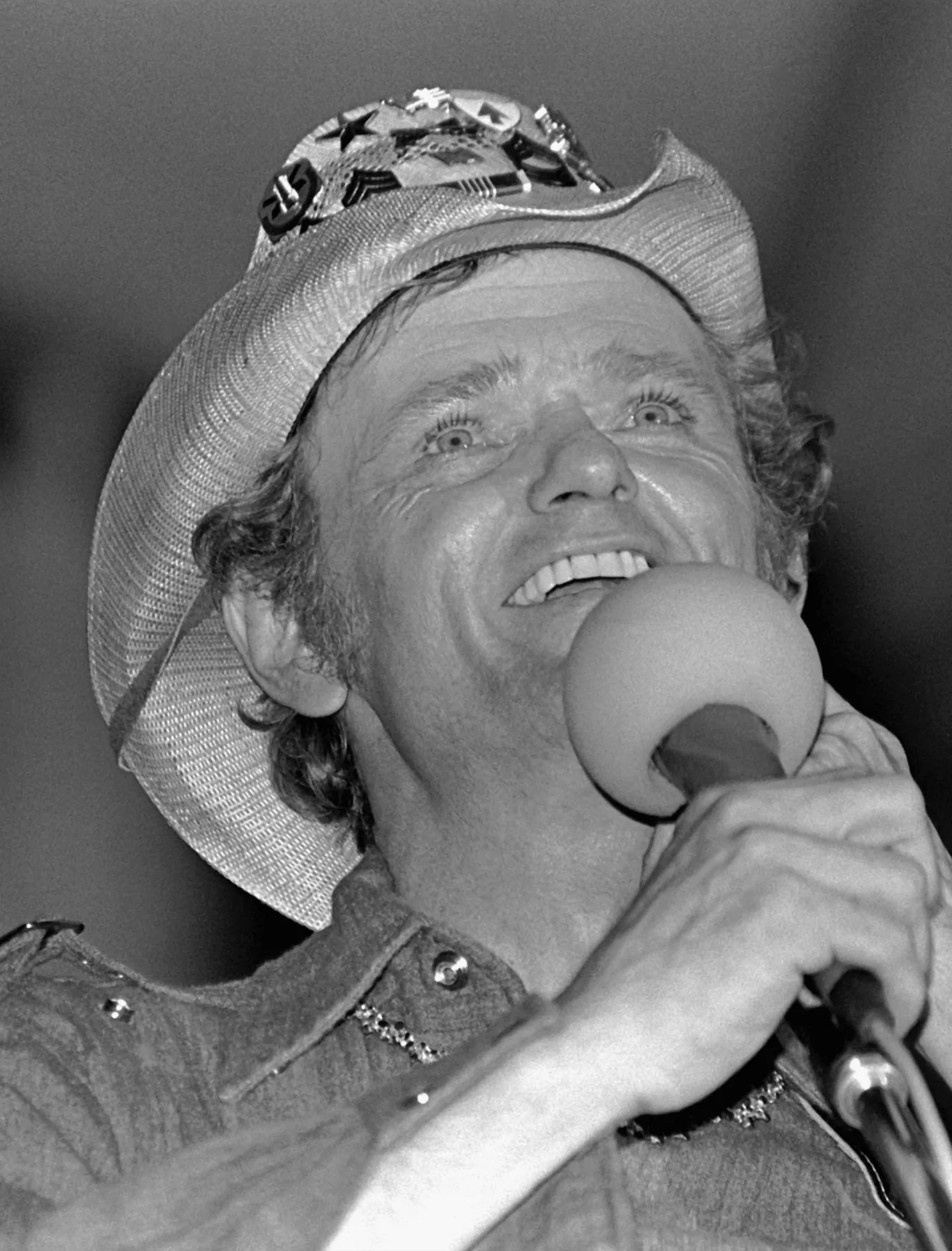
Photo by SSGT Lee Schading , licensed under Public domain · Wikimedia Commons
Rank #428
Jerry Reed
From Wikipedia
Jerry Reed Hubbard, known professionally as Jerry Reed, was an American country singer, guitarist, composer, songwriter, and actor who appeared in more than a dozen films. His signature songs included "Guitar Man", "U.S. Male", "A Thing Called Love", "Alabama Wild Man", "Amos Moses", "When You're Hot, You're Hot", "Ko-Ko Joe", "Lord, Mr. Ford", "East Bound and Down", "The Bird", and "She Got the Goldmine ".
Discography & Previews
Browse through and click an album to open and play 30-second previews streamed from Apple Music.

Nashville Underground
1968 · 11 tracks
- 1 Remembering ↗ 2:53
- 2 A Thing Called Love ↗ 2:23
- 3 You Wouldn't Know a Good Thing ↗ 2:49
- 4 Save Your Dreams ↗ 1:59
- 5 Almost Crazy ↗ 2:45
- 6 You've Been Cryin' Again ↗ 2:11
- 7 Fine on My Mind ↗ 2:43
- 8 Tupelo Mississippi Flash ↗ 2:49
- 9 Wabash Cannonball ↗ 2:34
- 10 Hallelujah I Love Her So ↗ 2:54
- 11 John Henry ↗ 2:23
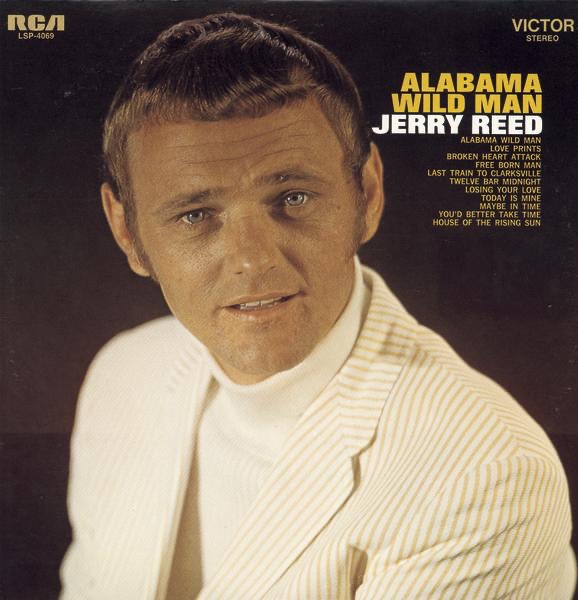
Alabama Wild Man
1968 · 11 tracks
- 1 Alabama Wild Man ↗ 2:41
- 2 Love Prints ↗ 2:25
- 3 Broken Heart Attack ↗ 2:06
- 4 Free Born Man ↗ 2:33
- 5 Last Train to Clarksville ↗ 2:12
- 6 Twelve Bar Midnight ↗ 2:22
- 7 Losing Your Love ↗ 2:43
- 8 Today Is Mine ↗ 3:44
- 9 Maybe In Time ↗ 2:23
- 10 House of the Rising Sun ↗ 2:40
- 11 You'd Better Take Time ↗ 2:23
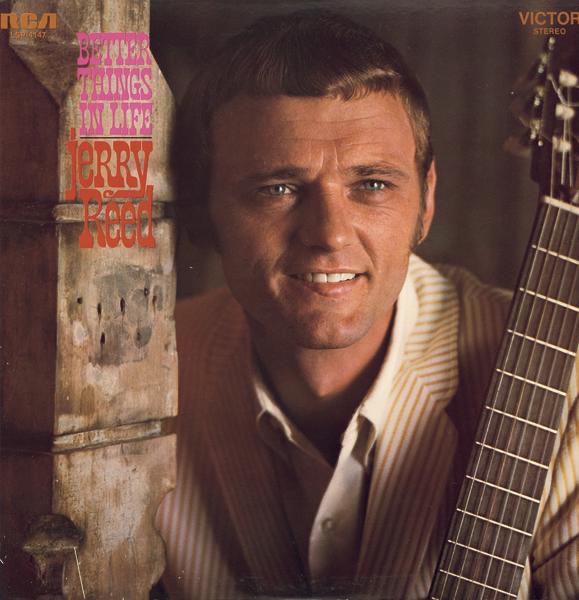
Better Things in Life
1969 · 12 tracks
- 1 Roving Gambler ↗ 2:16
- 2 Pride Today ↗ 3:22
- 3 The Likes of Me ↗ 2:19
- 4 Blues Land ↗ 2:18
- 5 Coming Up Roses ↗ 2:58
- 6 Johnny Wants to Be a Star ↗ 2:30
- 7 There's Better Things In Life ↗ 3:29
- 8 Oh What a Woman ↗ 3:07
- 9 Patches of Blue ↗ 2:23
- 10 Swinging '69 ↗ 1:56
- 11 Someday You'll Call My Name ↗ 2:19
- 12 I'm a Happy Man ↗ 2:48
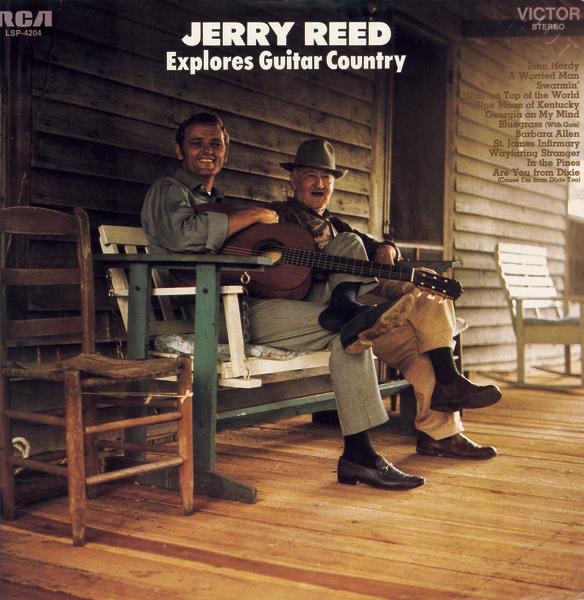
Explores Guitar Country
1969 · 12 tracks
- 1 Georgia On My Mind ↗ 2:45
- 2 Sittin' On Top of the World ↗ 2:47
- 3 Are You from Dixie (Cause I'm from Dixie Too) ↗ 2:10
- 4 St. James Infirmary ↗ 2:38
- 5 Bluegrass (With Guts) ↗ 1:50
- 6 Blue Moon of Kentucky ↗ 2:22
- 7 Wayfaring Stranger ↗ 3:19
- 8 In the Pines ↗ 2:36
- 9 Swarmin' ↗ 1:37
- 10 John Hardy ↗ 2:12
- 11 Barbara Allen ↗ 3:50
- 12 A Worried Man ↗ 2:27

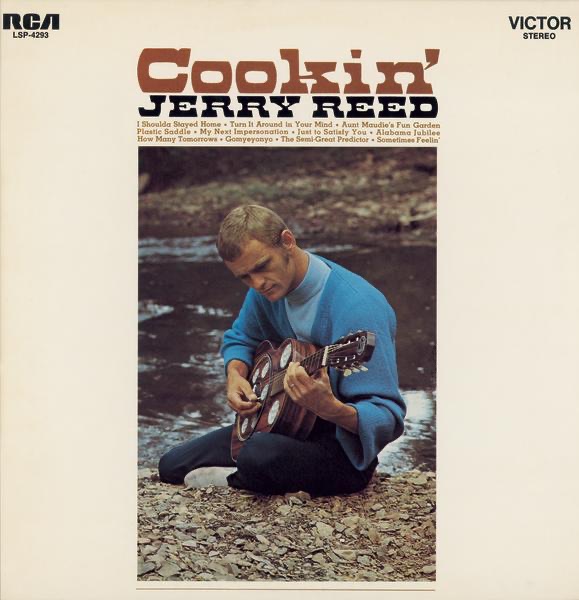
Cookin’
1970 · 11 tracks
- 1 Turn It Around In Your Mind ↗ 2:21
- 2 How Many Tomorrows ↗ 2:29
- 3 Sometimes Feelin' ↗ 2:30
- 4 Just to Satisfy You ↗ 2:42
- 5 Plastic Saddle ↗ 2:24
- 6 I Shoulda Stayed Home ↗ 2:12
- 7 Alabama Jubilee ↗ 2:59
- 8 Aunt Maudie's Fun Garden ↗ 2:40
- 9 The Semi-Great Predictor ↗ 4:06
- 10 My Next Impersonation ↗ 2:26
- 11 Gomyeyonyo ↗ 2:17
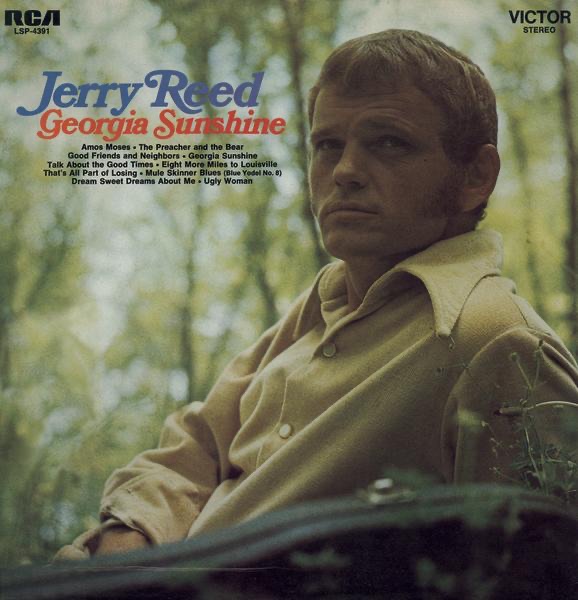
Georgia Sunshine
1970 · 10 tracks
- 1 Georgia Sunshine ↗ 2:40
- 2 Good Friends and Neighbors ↗ 3:15
- 3 Mule Skinner Blues (Blue Yodel No. 8) ↗ 3:12
- 4 That's All Part of Losing ↗ 2:23
- 5 Eight More Miles to Louisville ↗ 2:13
- 6 Amos Moses ↗ 2:19
- 7 Dream Sweet Dreams About Me ↗ 2:57
- 8 The Preacher and the Bear ↗ 2:43
- 9 Ugly Woman ↗ 2:13
- 10 Talk About the Good Times ↗ 2:28

Ko‐Ko Joe
1971 · 10 tracks

When You’re Hot, You’re Hot
1971 · 11 tracks
- 1 When You're Hot, You're Hot ↗ 2:17
- 2 Thank You Girl ↗ 2:52
- 3 Don't Think Twice, It's All Right ↗ 2:42
- 4 She Understands Me ↗ 2:12
- 5 Turned On (Instrumental) ↗ 2:24
- 6 Amos Moses ↗ 2:19
- 7 I'll Be Around (In All The Old Places) ↗ 2:31
- 8 Big Daddy ↗ 2:33
- 9 With You (Missing You) ↗ 2:17
- 10 My Kinda Love ↗ 2:31
- 11 Ruby, Don't Take Your Love To Town ↗ 2:47
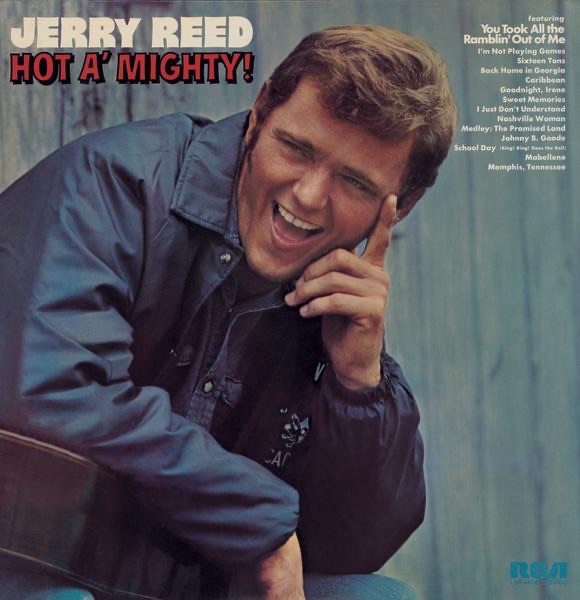
Hot A’ Mighty!
1972 · 10 tracks
- 1 Goodnight, Irene ↗ 2:56
- 2 The Promised Land / Johnny B. Goode / School Day (Ring, Ring! Goes the Bell) / Maybellene / Memphis, Tennessee ↗ 3:14
- 3 Sweet Memories ↗ 2:54
- 4 You Took All the Rambling Out of Me (Remastered) ↗ 2:13
- 5 Back Home In Georgia ↗ 3:00
- 6 I'm Not Playing Games ↗ 2:39
- 7 Nashville Woman ↗ 2:31
- 8 Sixteen Tons ↗ 2:36
- 9 Caribbean ↗ 2:35
- 10 I Just Don't Understand ↗ 2:55
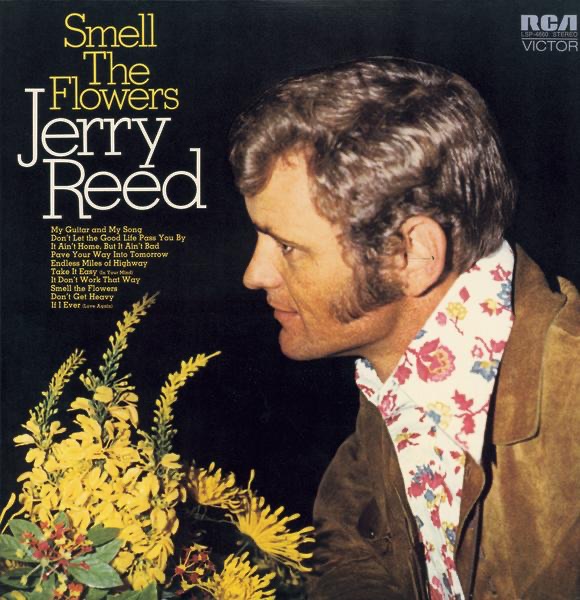
Smell the Flowers
1972 · 10 tracks
- 1 Smell the Flowers ↗ 2:29
- 2 Don't Get Heavy ↗ 2:06
- 3 Endless Miles of Highway ↗ 2:12
- 4 Take It Easy (In Your Mind) ↗ 2:47
- 5 It Don't Work That Way ↗ 2:19
- 6 If I Ever (Love Again) ↗ 2:17
- 7 My Guitar and My Song ↗ 2:21
- 8 Don't Let the Good Life Pass You By ↗ 2:33
- 9 It Ain't Home, But It Ain't Bad ↗ 2:17
- 10 Pave Your Way Into Tomorrow ↗ 1:59
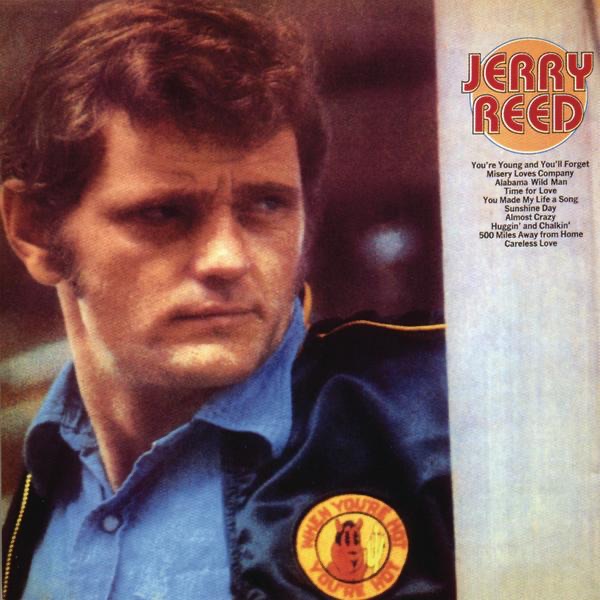
Jerry Reed
1972 · 10 tracks
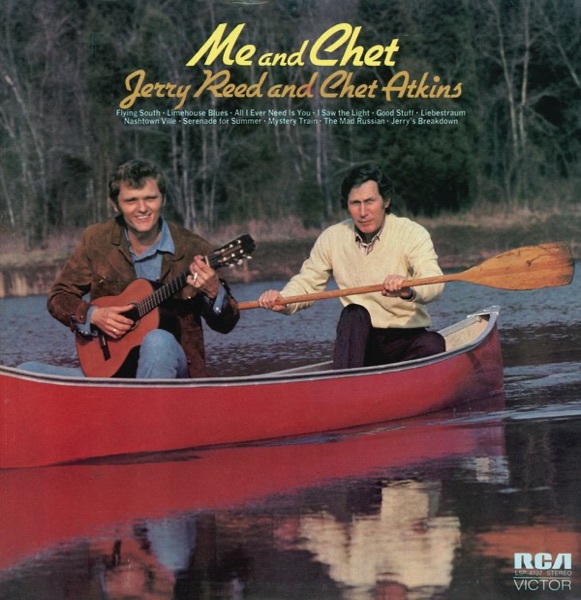
Me and Chet
1972 · 11 tracks
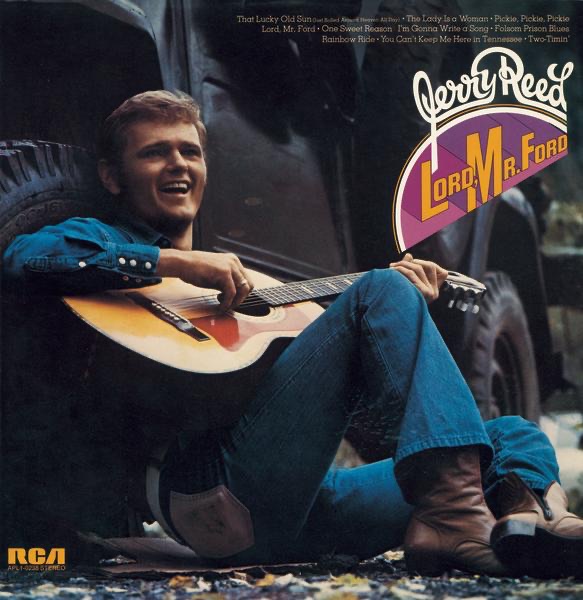
Lord, Mr. Ford
1973 · 10 tracks
- 1 Lord, Mr. Ford ↗ 3:17
- 2 Folsom Prison Blues ↗ 2:50
- 3 Rainbow Ride ↗ 2:33
- 4 Two Timin' ↗ 2:58
- 5 That Lucky Old Sun (Just Rolled Around Heaven All Day) ↗ 2:56
- 6 You Can't Keep Me Here In Tennessee ↗ 2:48
- 7 The Lady Is a Woman ↗ 2:49
- 8 Pickie, Pickie, Pickie ↗ 2:07
- 9 One Sweet Reason ↗ 3:14
- 10 I'm Gonna Write a Song ↗ 2:14

The Uptown Poker Club
1973 · 10 tracks

A Good Woman's Love
1974 · 10 tracks
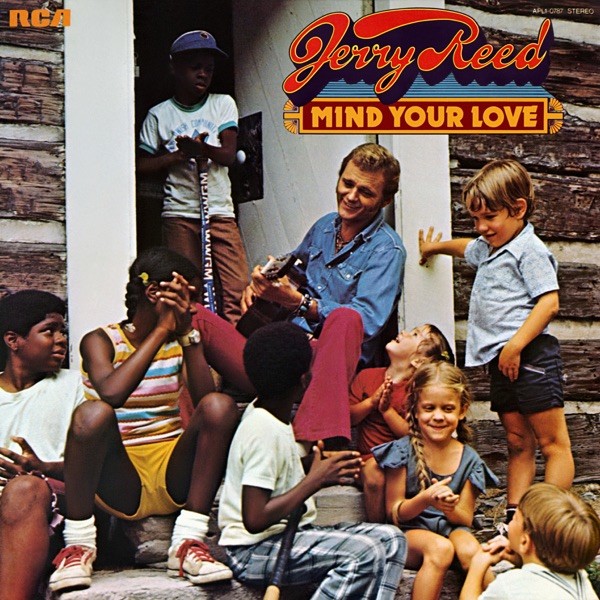


Rides Again
1977 · 10 tracks
- 1 The Bully of the Town (Lookin' For) ↗ 2:28
- 2 It's My Time ↗ 2:42
- 3 We've Called It Everything Else ↗ 2:35
- 4 Somethin' Bout You Baby I Like ↗ 2:45
- 5 Right String But the Wrong Yo Yo ↗ 2:19
- 6 With His Pants In His Hands ↗ 2:50
- 7 The Phantom of the Opry ↗ 2:40
- 8 Semolita ↗ 2:58
- 9 So Fine ↗ 2:24
- 10 (I'm Just a) Redneck In a Rock and Roll Bar ↗ 2:47
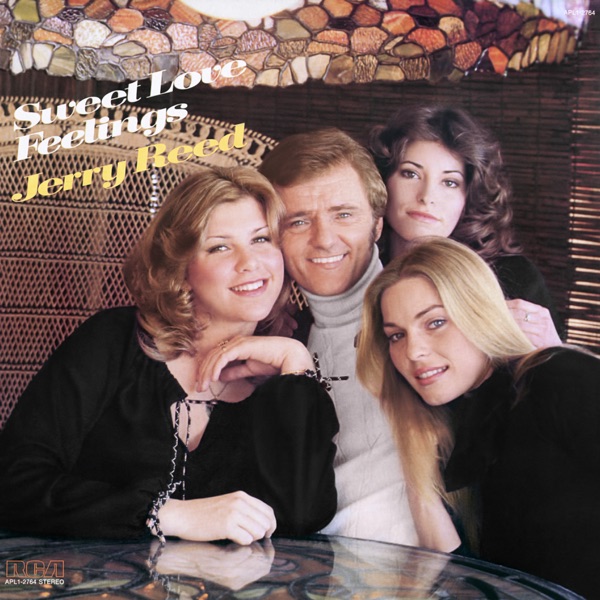
Sweet Love Feelings
1978 · 10 tracks

Half Singin’ & Half Pickin’
1979 · 10 tracks
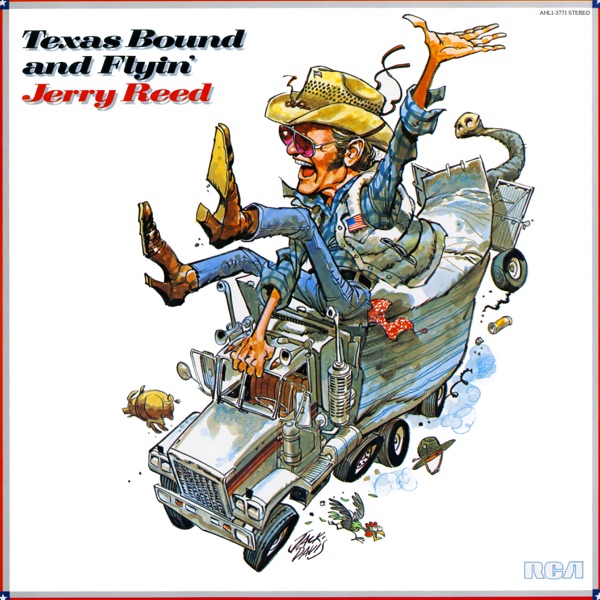
Texas Bound and Flyin’
1980 · 10 tracks
- 1 Texas Bound and Flyin' (from the Motion Picture "Smokey and the Bandit II") ↗ 3:22
- 2 That's the Chance I'll Have to Take ↗ 2:37
- 3 East Bound and Down (from the Motion Picture "Smokey and the Bandit") ↗ 2:48
- 4 If Love's Not Around the House ↗ 2:21
- 5 Sugar Foot Rag ↗ 2:21
- 6 Caffein, Nicotine, Benzedrine (And Wish Me Luck) ↗ 2:28
- 7 Concrete Sailor ↗ 3:36
- 8 Semi-Happy ↗ 3:10
- 9 Detroit City ↗ 3:06
- 10 The Friendly Family Inn ↗ 2:35

Dixie Dreams
1981 · 10 tracks
- 1 Bayou Woman ↗ 2:59
- 2 Good Friends Make Good Lovers ↗ 2:57
- 3 Love Me Tonight ↗ 3:43
- 4 Rhythm and Blues ↗ 2:40
- 5 Dixie Dreams ↗ 3:26
- 6 The Testimony of Soddy Hoe ↗ 4:07
- 7 One Way Rider ↗ 3:05
- 8 Hooray for Chuck Berry ↗ 2:35
- 9 The Devil Went Down to Georgia ↗ 3:38
- 10 Dreaming Fairytales (Instrumental) ↗ 2:29

The Man With the Golden Thumb
1982 · 10 tracks
- 1 The Man with the Golden Thumb ↗ 3:43
- 2 Love Is Muddy Water ↗ 3:46
- 3 (Shu Doo Pa Poo Poop) Love Being Your Fool ↗ 3:27
- 4 The Best I Ever Had ↗ 3:09
- 5 Patches ↗ 3:19
- 6 She Got the Goldmine (I Got the Shaft) ↗ 3:21
- 7 The Hobo ↗ 4:16
- 8 "44" ↗ 3:59
- 9 It Tears Me Up ↗ 2:51
- 10 Stray Dogs and Stray Women ↗ 3:05

The Bird
1982 · 10 tracks
- 1 Down on the Corner ↗ 3:33
- 2 Hard Times ↗ 3:50
- 3 I Want to Love You Right ↗ 3:34
- 4 Good Time Saturday Night ↗ 4:19
- 5 Medley: The Bird / Whiskey River / On the Road Again / He Stopped Loving Her Today ↗ 3:21
- 6 Red River ↗ 3:16
- 7 I'm a Slave ↗ 3:50
- 8 I'm In Love with Loving You ↗ 3:08
- 9 I Get Off On It ↗ 3:25
- 10 She Got the Goldmine (I Got the Shaft) ↗ 3:16

Ready
1983 · 10 tracks
- 1 She's Ready for Someone to Love Her ↗ 3:51
- 2 Ole What's His Name ↗ 4:59
- 3 Good Ole Boys ↗ 2:46
- 4 Promises ↗ 3:16
- 5 I'm a Slave ↗ 3:51
- 6 Nobody Ever Loved Me ↗ 3:32
- 7 One Jump Ahead of the Storm ↗ 3:15
- 8 All American Country Boy ↗ 2:41
- 9 Raised On Rock and Roll ↗ 3:48
- 10 Don't It Make You Wanta Go Home ↗ 3:36

Sneakin’ Around
1992 · 11 tracks
-
 Nashville UndergroundJerry Reed196811 tracks
 -
 Alabama Wild ManJerry Reed196811 tracks
 -
 Better Things in LifeJerry Reed196912 tracks
 -
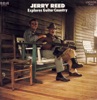 Explores Guitar CountryJerry Reed196912 tracks
 -
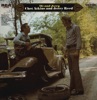 Me and JerryJerry Reed197010 tracks
 -
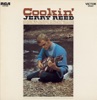 Cookin’Jerry Reed197011 tracks
 -
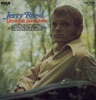 Georgia SunshineJerry Reed197010 tracks
 -
 Ko‐Ko JoeJerry Reed197110 tracks
 -
 When You’re Hot, You’re HotJerry Reed197111 tracks
 -
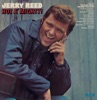 Hot A’ Mighty!Jerry Reed197210 tracks
 -
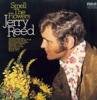 Smell the FlowersJerry Reed197210 tracks
 -
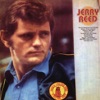 Jerry ReedJerry Reed197210 tracks
 -
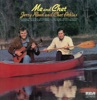 Me and ChetJerry Reed197211 tracks
 -
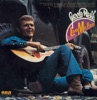 Lord, Mr. FordJerry Reed197310 tracks
 -
 The Uptown Poker ClubJerry Reed197310 tracks
 -
 A Good Woman's LoveJerry Reed197410 tracks
 -
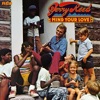 Mind Your LoveJerry Reed197510 tracks
 -
 Red Hot PickerJerry Reed197510 tracks
 -
 Both BarrelsJerry Reed197610 tracks
 -
 East Bound and DownJerry Reed197710 tracks
 -
 Rides AgainJerry Reed197710 tracks
 -
 Sweet Love FeelingsJerry Reed197810 tracks
 -
 Half Singin’ & Half Pickin’Jerry Reed197910 tracks
 -
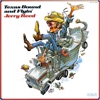 Texas Bound and Flyin’Jerry Reed198010 tracks
 -
 Dixie DreamsJerry Reed198110 tracks
 -
 The Man With the Golden ThumbJerry Reed198210 tracks
 -
 The BirdJerry Reed198210 tracks
 -
 ReadyJerry Reed198310 tracks
 -
 Sneakin’ AroundJerry Reed199211 tracks
 -
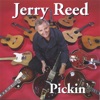 Pickin'Jerry Reed199810 tracks
Deep Dive
Overview
Jerry Reed Hubbard was an American country singer, guitarist, composer, and actor whose career spanned from the 1950s through 2008. Known professionally as Jerry Reed, he emerged as one of country music’s most distinctive voices, distinguished by his virtuosic fingerpicking technique and his ability to straddle multiple genres—from rockabilly and truck-driving country to swamp rock and outlaw country. His signature recordings, including “Guitar Man,” “U.S. Male,” “Amos Moses,” and “When You’re Hot, You’re Hot,” established him as a major force in country music during the late 1960s and 1970s, while his acting appearances in more than a dozen films broadened his reach beyond the music industry.
Formation Story
Jerry Reed was born in 1937 in the American South, emerging from a rich tradition of country, blues, and folk music that shaped the region. Growing up in an era when rockabilly, country, and rhythm-and-blues were beginning to cross-pollinate, Reed gravitated toward the guitar as both a technical instrument and a vehicle for storytelling. His early influences came from the guitar traditions of country music and the developing sounds of rockabilly and rock and roll in the 1950s. By the late 1950s and early 1960s, Reed had established himself as a working musician and songwriter, developing the fingerpicking style and compositional voice that would define his career. He recorded initially with National Recording Corporation before moving to RCA Records and later Capitol Records, allowing him to build a catalog that drew from country, bluegrass, folk, and rock idioms with equal fluency.
Breakthrough Moment
Jerry Reed’s breakthrough came with his 1967 album The Unbelievable Guitar and Voice of Jerry Reed, which announced his arrival as a major talent on the country scene. The title itself reflected the unusual combination of instrumental virtuosity and vocal credibility that set him apart from contemporaries. His early RCA recordings in 1968 and 1969—Nashville Underground, Alabama Wild Man, and Better Things in Life—demonstrated his range and established a growing fanbase. By the early 1970s, Reed had achieved national recognition with a string of successful albums and singles that showcased his distinctive sound. The 1971 albums Ko‐Ko Joe and When You’re Hot, You’re Hot solidified his commercial status, with the latter title track becoming one of his signature pieces and evidence of his ability to craft memorable, hook-driven country records.
Peak Era
Jerry Reed’s peak commercial and creative period occurred in the mid-1970s, particularly from 1973 to 1980. During these years, he recorded some of his most enduring work, including Lord, Mr. Ford (1973), Both Barrels (1976), and East Bound and Down (1977). The 1977 album East Bound and Down became closely associated with his cinematic work and his status as a crossover artist in American popular culture. This era saw Reed working at the intersection of traditional country craft and contemporary commercial appeal, crafting albums that balanced novelty records, uptempo novelty songs, and ballads that displayed his emotional range. His output remained prolific—often recording multiple albums per year—and his willingness to explore diverse material, from Jim Croce covers to thematic concept albums, kept his recordings fresh and commercially viable.
Musical Style
Jerry Reed’s sound was built on an exceptionally distinctive fingerpicking guitar technique that served as both his calling card and his primary voice. Rather than relying solely on vocals, Reed’s guitar became the dominant narrative instrument in many of his recordings, executing rapid, syncopated runs that drew from country, blues, and folk traditions while incorporating rhythmic and percussive elements. His vocal delivery was conversational and storytelling-oriented, with a slightly nasal, expressive tone that conveyed humor, irony, and emotional authenticity depending on the material. Reed moved fluidly across genres—from rockabilly’s raw energy to truck-driving country’s narrative focus to swamp rock’s deliberate, groove-based approach. His compositional style typically favored memorable, singable melodies paired with clever or humorous lyrics, though he proved equally comfortable with poignant ballads. The instrumentation on his records evolved with recording technology and fashion, ranging from sparse acoustic and electric guitar settings to fuller arrangements incorporating bass, drums, and supplemental instruments that framed rather than obscured his guitar work.
Major Albums
Nashville Underground (1968)
One of Reed’s earliest significant RCA releases, Nashville Underground introduced national audiences to his distinctive blend of country tradition and contemporary sound, establishing the commercial and artistic template he would refine throughout the early 1970s.
Ko‐Ko Joe (1971)
This album showcased Reed’s ability to craft memorable, uptempo novelty records while maintaining credibility as a serious musician and guitarist, featuring the title track as one of his signature songs.
When You’re Hot, You’re Hot (1971)
The album bearing his famous catchphrase title captured Reed at a moment of commercial confidence, balancing playful recordings with demonstrations of his technical mastery and emotional range.
Lord, Mr. Ford (1973)
A concept-leaning record that reflected Reed’s interest in thematic material and contemporary subject matter, this album marked a shift toward more sophisticated songwriting and production.
East Bound and Down (1977)
Released during his peak crossover period, this album became culturally emblematic of Reed’s wider American presence, particularly through film and television appearances.
The Bird (1982)
This later-career album showed Reed continuing to refine his approach, demonstrating that his guitar technique and compositional sensibility remained vital into his mature years.
Signature Songs
- “Guitar Man” — A signature showcase of Reed’s fingerpicking technique and his ability to make the guitar sing in a conversational, almost vocal manner.
- “U.S. Male” — A novelty record that became one of his most identifiable hits, demonstrating his ear for commercial hooks and humorous storytelling.
- “Amos Moses” — A character-driven narrative song featuring Reed’s distinctive guitar work and his gift for creating memorable, idiosyncratic personalities in song.
- “When You’re Hot, You’re Hot” — The catchphrase title track that became Reed’s personal motto and one of his most recognizable recordings.
- “Ko-Ko Joe” — A driving, rhythmic record that displayed Reed’s ability to create groove-oriented material within a country framework.
- “East Bound and Down” — An uptempo novelty record that achieved cultural prominence through Reed’s film work and became synonymous with his crossover appeal.
- “The Bird” — A later recording that showed Reed’s continuing ability to craft novelty material while showcasing his guitar virtuosity.
Influence on Rock
While Jerry Reed’s primary identity was country, his influence extended into rock and rockabilly circles through his exceptional guitar technique and genre-crossing approach. His fingerpicking method and his demonstrations that country music could accommodate electric innovation and technical complexity influenced musicians working in rock, country rock, and bluegrass fusion. Reed proved that commercial success and artistic credibility need not be mutually exclusive, and that novelty and humor could coexist with serious musicianship. His crossover into acting and film work—particularly in more than a dozen films—demonstrated that country musicians could achieve broader cultural visibility and that country material could soundtrack American popular cinema. His collaborative recordings with other artists and his willingness to interpret material across genre boundaries established a model for country artists seeking wider audiences without abandoning their musical roots.
Legacy
Jerry Reed’s career, spanning from the 1950s to his death in 2008, demonstrated the longevity and adaptability possible in country music when an artist combines technical mastery with commercial sensibility and creative flexibility. His prolific output across more than four decades—producing albums at a steady rate from 1967 through 2008—established him as a reliable and consistent voice in American country music. Reed’s particular combination of virtuosic guitar playing, quirky personality, and willingness to record novelty and humorous material alongside serious songs created a distinctive legacy that resists easy categorization. His numerous film and television appearances, coupled with his recorded legacy across RCA Records and Capitol Records, ensured that his music reached audiences beyond traditional country radio listeners. In the decades following his death, Reed’s influence has been recognized among guitarists and musicians studying country fingerpicking technique and the compositional approach of blending humor, narrative, and musicianship.
Fun Facts
- Jerry Reed recorded collaborative albums with other country artists, including Me and Jerry (1970) and Me and Chet (1972), demonstrating his status as a respected peer among major country musicians.
- His prolific recording schedule sometimes resulted in multiple album releases in a single year, such as 1970 and 1972, reflecting both his productivity and the record industry’s expectations for established country acts.
- Reed recorded a full album of Jim Croce covers in 1980, Jerry Reed Sings Jim Croce, showing his respect for songwriting across genre boundaries and his ability to interpret contemporary material.
- His career spanned continuous recording from 1967 through 2008, with The Gallant Few released in the year of his death, representing nearly four decades of active recording work.