
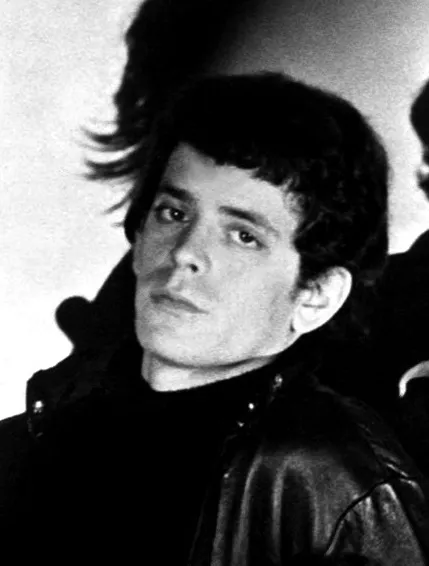
Photo by Photographer unknown. Published by Verve Records , a subsidiary of MGM Records at the time. , licensed under Public domain · Wikimedia Commons
Rank #21
Lou Reed
From Wikipedia
Lewis Allan Reed was an American musician, songwriter and poet. He was the guitarist, singer, and principal songwriter for the rock band the Velvet Underground and had a solo career that spanned five decades. Although not commercially successful during its existence, the Velvet Underground came to be regarded as one of the most influential bands in the history of underground and alternative rock music. Reed's distinctive deadpan voice, poetic and transgressive lyrics, and experimental guitar playing were trademarks throughout his long career.
Discography & Previews
Browse through and click an album to open and play 30-second previews streamed from Apple Music.



Rock and Roll Heart
1976 · 12 tracks
- 1 I Believe In Love ↗ 2:45
- 2 Banging On My Drum ↗ 2:12
- 3 Follow the Leader ↗ 2:14
- 4 You Wear It So Well ↗ 4:52
- 5 Ladies Pay ↗ 4:23
- 6 Rock and Roll Heart ↗ 3:06
- 7 Chooser and the Chosen One ↗ 2:48
- 8 Senselessly Cruel ↗ 2:08
- 9 Claim to Fame ↗ 2:52
- 10 Vicious Circle ↗ 2:54
- 11 A Sheltered Life ↗ 2:20
- 12 Temporary Thing ↗ 5:15


Growing Up in Public
1980 · 11 tracks
- 1 How Do You Speak to an Angel ↗ 4:08
- 2 My Old Man ↗ 3:14
- 3 Keep Away ↗ 3:33
- 4 Growing Up In Public ↗ 3:03
- 5 Standing On Ceremony ↗ 3:32
- 6 So Alone ↗ 4:11
- 7 Love Is Here to Stay ↗ 3:12
- 8 The Power of Positive Drinking ↗ 2:15
- 9 Smiles ↗ 2:45
- 10 Think It Over ↗ 3:26
- 11 Teach the Gifted Children ↗ 3:22
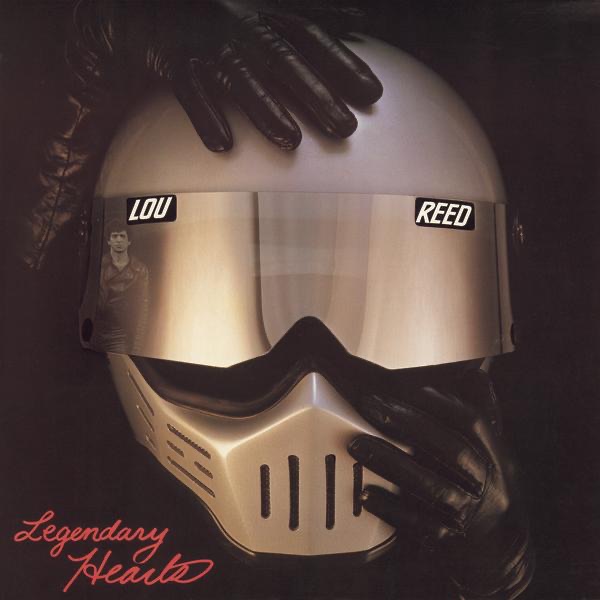
Legendary Hearts
1983 · 11 tracks
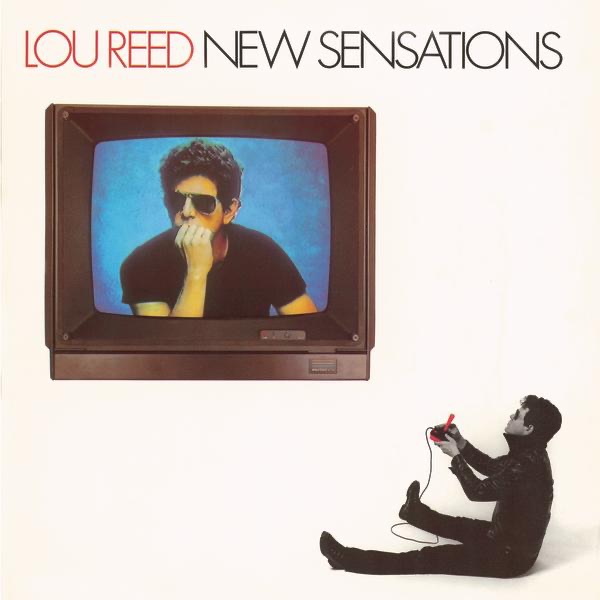
New Sensations
1984 · 11 tracks
- 1 I Love You, Suzanne ↗ 3:17
- 2 Endlessly Jealous ↗ 3:59
- 3 My Red Joystick ↗ 3:36
- 4 Turn to Me ↗ 4:23
- 5 New Sensations ↗ 5:49
- 6 Doin' the Things That We Want To ↗ 3:56
- 7 What Becomes a Legend Most ↗ 3:40
- 8 Fly Into the Sun ↗ 3:08
- 9 My Friend George ↗ 3:58
- 10 High In the City ↗ 3:28
- 11 The Great Defender (Down At the Arcade) ↗ 3:41
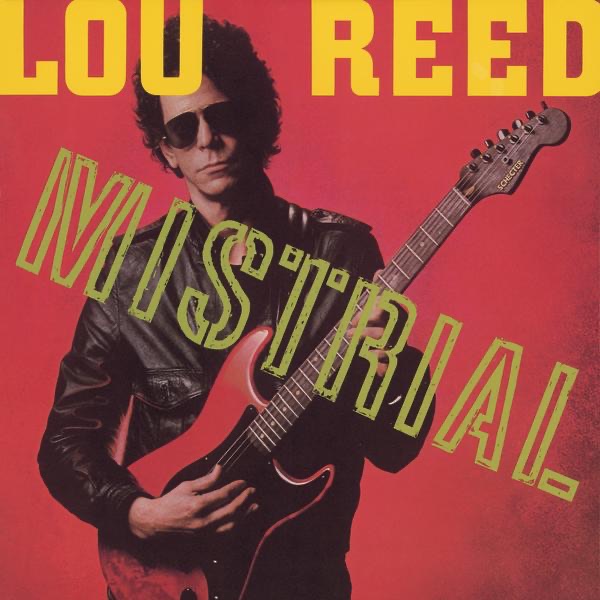

New York
1989 · 14 tracks
- 1 Romeo Had Juliette ↗ 3:10
- 2 Halloween Parade ↗ 3:33
- 3 Dirty Blvd. ↗ 3:29
- 4 Endless Cycle ↗ 4:02
- 5 There Is No Time ↗ 3:46
- 6 Last Great American Whale ↗ 3:42
- 7 Beginning of a Great Adventure ↗ 4:58
- 8 Busload of Faith ↗ 4:50
- 9 Sick of You ↗ 3:25
- 10 Hold On ↗ 3:24
- 11 Good Evening Mr. Waldheim ↗ 4:36
- 12 Xmas In February ↗ 2:57
- 13 Strawman ↗ 5:53
- 14 Dime Store Mystery ↗ 5:02
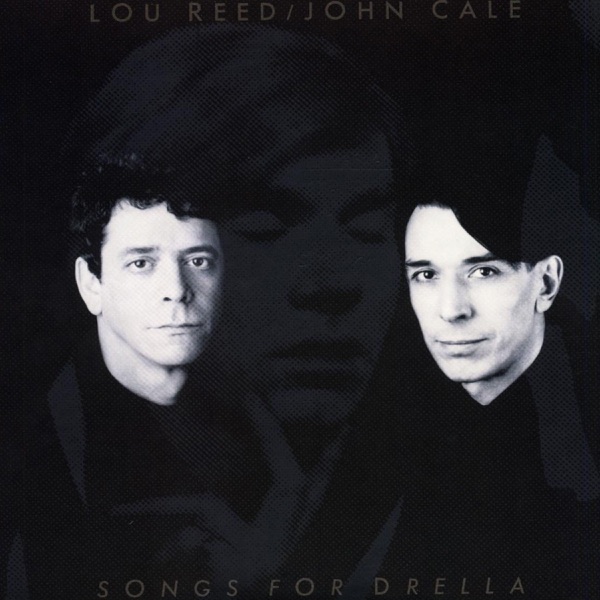
Songs for Drella
1990 · 15 tracks
- 1 Smalltown ↗ 2:03
- 2 Open House ↗ 4:18
- 3 Style It Takes ↗ 2:54
- 4 Work ↗ 2:37
- 5 Trouble With Classicists ↗ 3:41
- 6 Starlight ↗ 3:28
- 7 Faces and Names ↗ 4:12
- 8 Images ↗ 3:31
- 9 Slip Away (A Warning) ↗ 3:05
- 10 It Wasn't Me ↗ 3:30
- 11 I Believe ↗ 3:18
- 12 Nobody But You ↗ 3:46
- 13 A Dream ↗ 6:33
- 14 Forever Changed ↗ 4:52
- 15 Hello It's Me ↗ 3:03
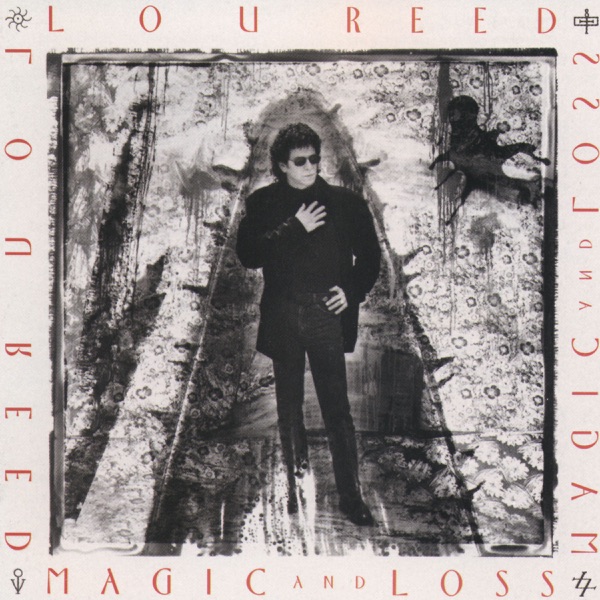
Magic and Loss
1992 · 14 tracks
- 1 Dorita - The Spirit ↗ 1:07
- 2 What's Good - The Thesis ↗ 3:22
- 3 Power and Glory - The Situation ↗ 4:23
- 4 Magician - Internally ↗ 6:23
- 5 Sword of Damocles - Externally ↗ 3:42
- 6 Goodby Mass - In a Chapel Bodily Termination ↗ 4:26
- 7 Cremation - Ashes to Ashes ↗ 2:54
- 8 Dreamin' - Escape ↗ 5:07
- 9 No Chance - Regret ↗ 3:15
- 10 Warrior King - Revenge ↗ 4:27
- 11 Harry's Circumcision - Reverie Gone Astray ↗ 5:29
- 12 Gassed and Stoked - Loss ↗ 4:19
- 13 Power and Glory Part II - Magic - Transformation ↗ 2:57
- 14 Magic and Loss - The Summation ↗ 6:38

Set the Twilight Reeling
1996 · 11 tracks
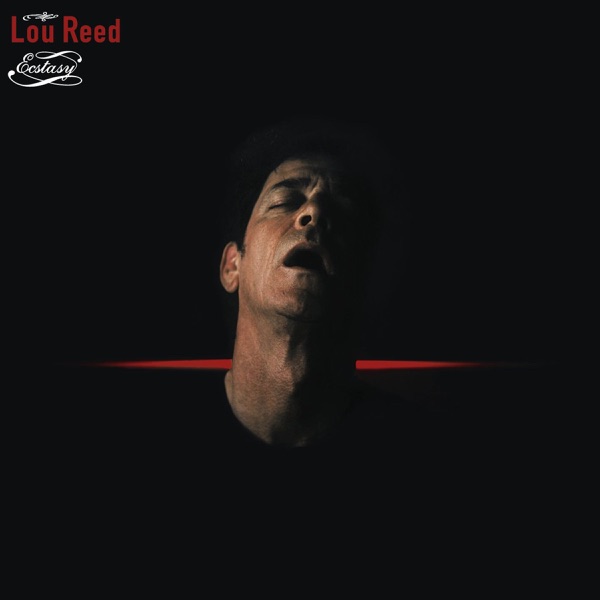
Ecstasy
2000 · 14 tracks
- 1 Paranoia Key of E ↗ 4:31
- 2 Mystic Child ↗ 5:03
- 3 Mad ↗ 4:30
- 4 Ecstasy ↗ 4:26
- 5 Modern Dance ↗ 4:10
- 6 Tatters ↗ 5:56
- 7 Future Farmers of America ↗ 3:03
- 8 Turning Time Around ↗ 4:22
- 9 White Prism ↗ 4:01
- 10 Rock Minuet ↗ 6:56
- 11 Baton Rouge ↗ 4:55
- 12 Like a Possum ↗ 18:04
- 13 Rouge ↗ 1:02
- 14 Big Sky ↗ 6:35
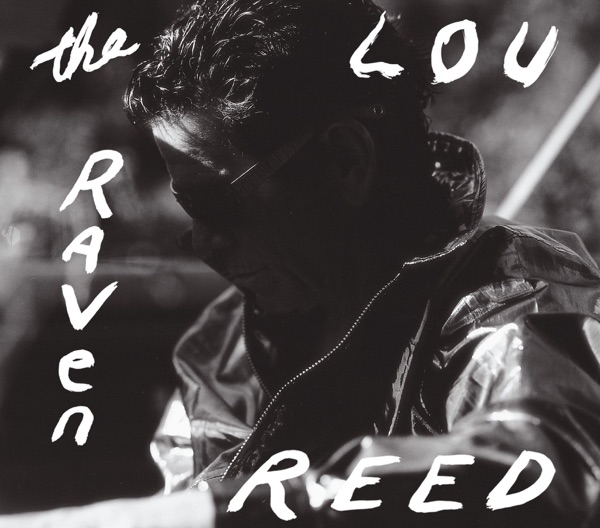
The Raven
2003 · 21 tracks
- 1 Overture ↗ 1:06
- 2 Edgar Allan ↗ 3:21
- 3 Call On Me (feat. Laurie Anderson) ↗ 2:08
- 4 The Valley of Unrest ↗ 2:27
- 5 A Thousand Departed Friends ↗ 4:55
- 6 Change ↗ 2:19
- 7 The Bed ↗ 3:32
- 8 Perfect Day (feat. Antony) ↗ 3:28
- 9 The Raven ↗ 6:30
- 10 Balloon ↗ 1:01
- 11 Broadway Song ↗ 3:13
- 12 Blind Rage ↗ 3:27
- 13 Burning Embers ↗ 3:21
- 14 Vanishing Act ↗ 5:23
- 15 Guilty (feat. Ornette Coleman) ↗ 4:55
- 16 I Wanna Know (The Pit and the Pendulum) [feat. Blind Boys of Alabama] ↗ 6:59
- 17 Science of the Mind ↗ 1:36
- 18 Hop Frog (feat. David Bowie) ↗ 1:47
- 19 Tripitena's Speech ↗ 2:19
- 20 Who Am I? (Tripitena's Song) ↗ 4:30
- 21 Guardian Angel ↗ 6:52

-
 TransformerLou Reed197211 tracks
 -
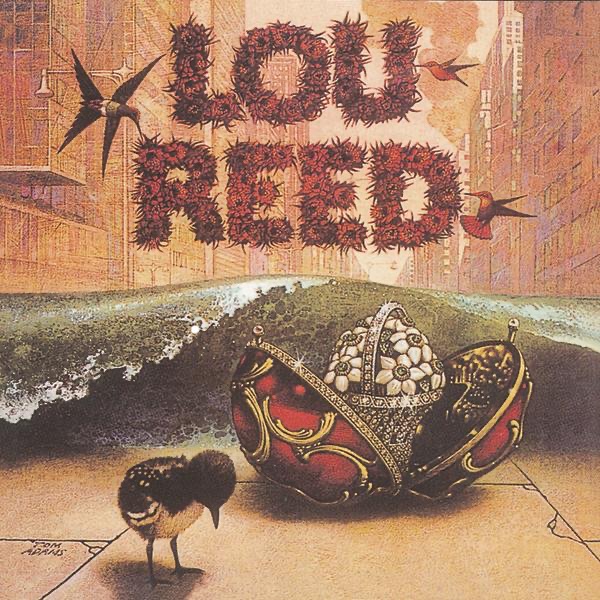
 Lou ReedLou Reed197210 tracks
 -
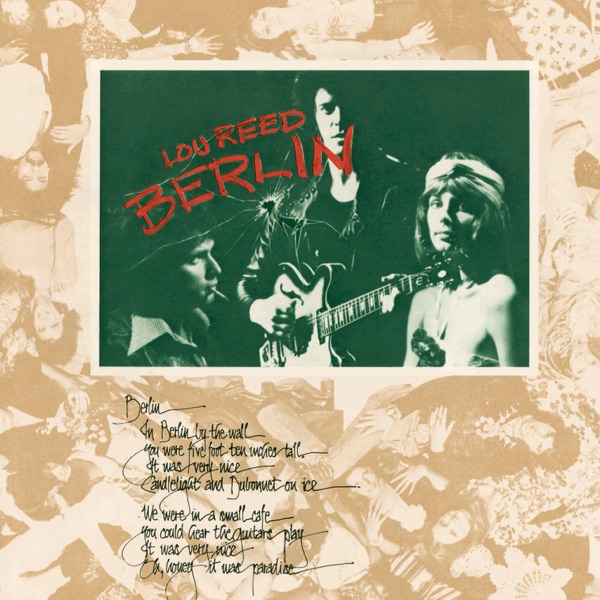
 BerlinLou Reed197310 tracks
 -
 Sally Can’t DanceLou Reed19748 tracks
 -
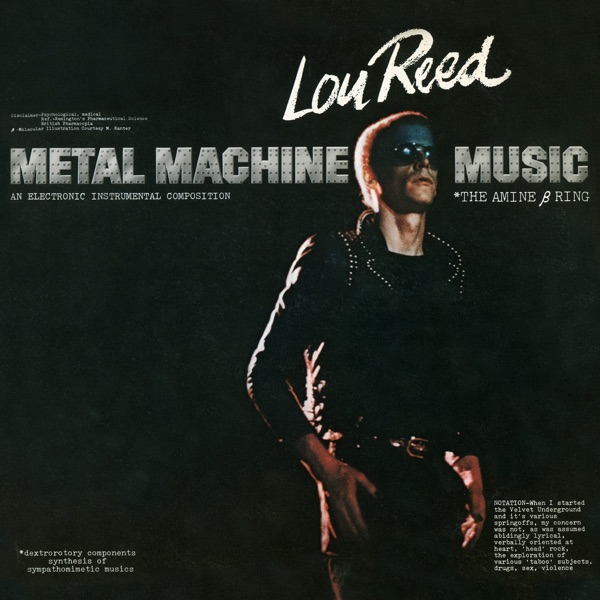
 Metal Machine MusicLou Reed19754 tracks
 -
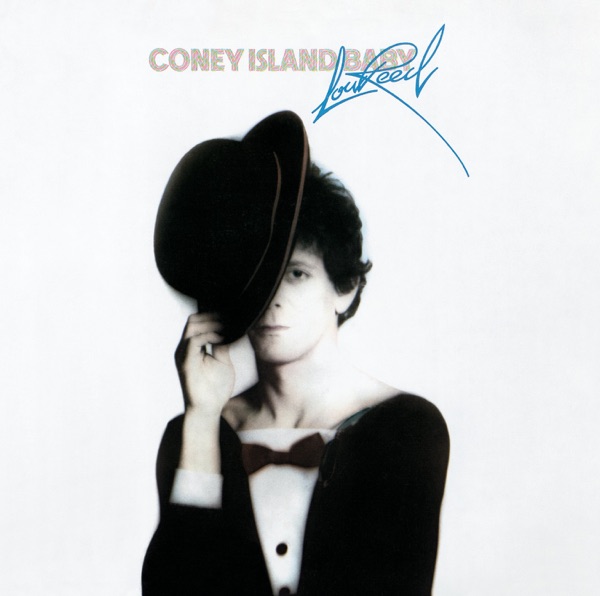
 Coney Island BabyLou Reed19758 tracks
 -
 Rock and Roll HeartLou Reed197612 tracks
 -
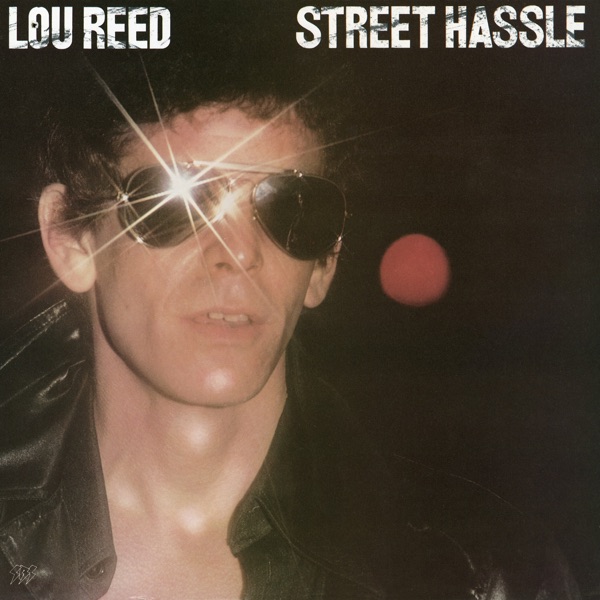
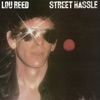 Street HassleLou Reed19788 tracks
 -
 The BellsLou Reed19799 tracks
 -
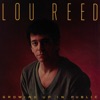 Growing Up in PublicLou Reed198011 tracks
 -
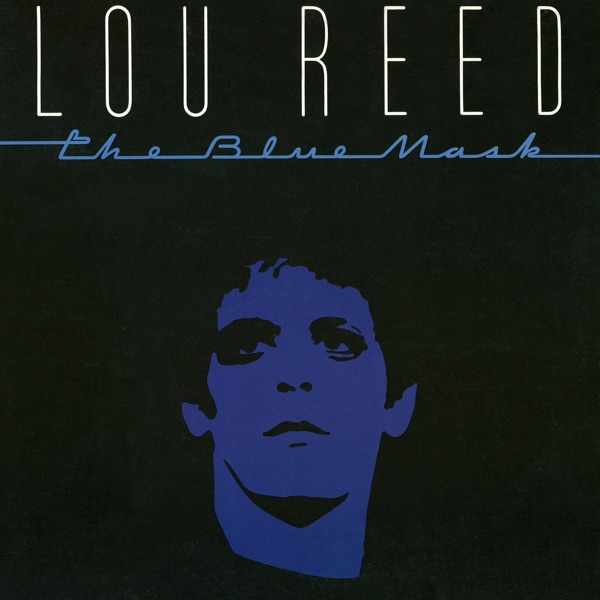
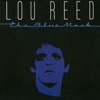 The Blue MaskLou Reed198210 tracks
 -
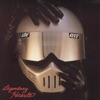 Legendary HeartsLou Reed198311 tracks
 -
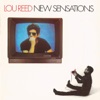 New SensationsLou Reed198411 tracks
 -
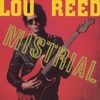 MistrialLou Reed198610 tracks
 -
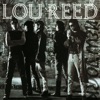 New YorkLou Reed198914 tracks
 -
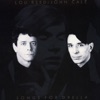 Songs for DrellaLou Reed199015 tracks
 -
 Magic and LossLou Reed199214 tracks
 -
 Set the Twilight ReelingLou Reed199611 tracks
 -
 EcstasyLou Reed200014 tracks
 -
 The RavenLou Reed200321 tracks
 -
 Hudson River Wind MeditationsLou Reed20074 tracks
 -
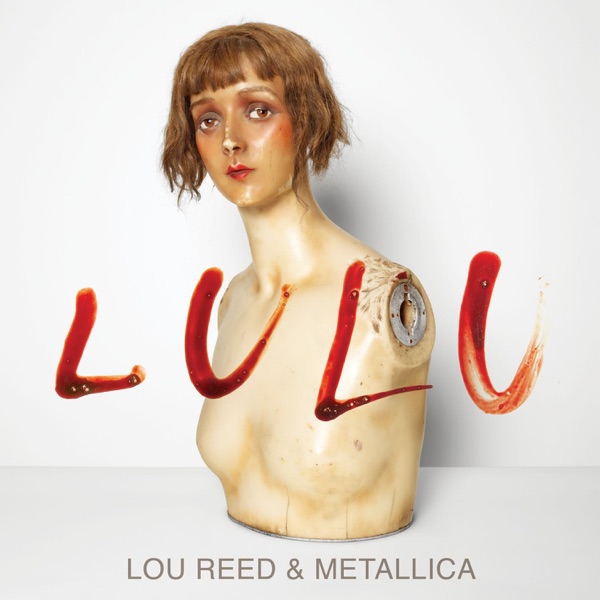
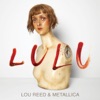 LuluLou Reed201110 tracks
Deep Dive
Overview
Lou Reed was an American musician, songwriter, and poet whose influence on rock music extended far beyond his commercial success. Born Lewis Allan Reed in 1942, he spent five decades crafting music that challenged conventional song structure, lyrical content, and performance practice. Though he remained a marginal commercial force for most of his career, Reed’s distinctive deadpan voice, transgressive and poetic lyrics, and experimental guitar work became foundational to multiple rock movements, from art rock and glam to punk, noise rock, and alternative music.
Formation Story
Reed grew up in the United States during the postwar years, a period that would shape his artistic sensibilities toward both high-cultural experimentation and urban realism. His path to rock music came through his work as a songwriter and session musician in the early 1960s, where he encountered the avant-garde composer John Cale. The partnership with Cale proved transformative: together they would co-found the Velvet Underground, a band that would define an entire aesthetic of underground rock. Though the Velvet Underground disbanded, its influence only deepened as the decades passed, eventually becoming recognized as one of the most important acts in the history of underground and alternative rock. When Reed launched his solo career in the early 1970s, he carried with him the Velvet Underground’s uncompromising approach to songwriting and its willingness to explore taboo subjects and sonic textures that mainstream rock largely avoided.
Breakthrough Moment
Reed’s solo breakthrough came swiftly after the Velvet Underground’s dissolution. His 1972 album Transformer introduced “Walk on the Wild Side,” a song that achieved significant radio play despite—or perhaps because of—its unflinching lyrics about gender nonconformity and sex work. The album itself established Reed as a solo artist of considerable charisma and craft, featuring the hit single and demonstrating that his appeal extended beyond underground circles. Transformer proved Reed could craft accessible pop songs without sacrificing his artistic identity, a balance he would navigate throughout his solo career.
Peak Era
Reed’s most creatively significant period spanned the 1970s and extended into the 1980s. Albums like Berlin (1973), a concept record exploring urban alienation and psychological dissolution, showcased his ambition as a songwriter willing to sustain complex emotional and narrative structures across entire works. Sally Can’t Dance (1974), Metal Machine Music (1975), and Coney Island Baby (1975) demonstrated his restless experimentation: each record pursued a different sonic and thematic direction. His 1989 album New York represented a return to city-centered narrative songwriting, while Songs for Drella (1990) paid tribute to Andy Warhol, the artist and impresario who had championed the Velvet Underground. These works cemented Reed’s status as a serious artist whose body of work documented urban life, sexual and gender transgression, and the interior lives of marginalized communities.
Musical Style
Reed’s sound was built on a foundation of minimalist songwriting married to experimental production and unconventional guitar techniques. His early solo work drew heavily on glam rock’s theatrical presentation while retaining the Velvet Underground’s art rock sensibilities and noise rock textures. His voice—deadpan, often conversational, occasionally spoken rather than sung—became a signature element that set him apart from most rock singers of his era. Reed favored direct, often stark arrangements that emphasized lyrical content over instrumental virtuosity; a single guitar line, a steady drum, and his voice could sustain entire songs. Over time, his work encompassed art rock, psychedelic rock, folk rock, drone music, and experimental rock, genres he moved between based on thematic and sonic necessity rather than commercial calculation. His guitar playing ranged from clean, single-note lines to sheets of distorted noise, always in service of the song’s emotional architecture.
Major Albums
Transformer (1972)
Transformer established Reed as a solo artist capable of crafting infectious pop songs while maintaining artistic integrity; the album’s mixture of glam rock hooks and darker lyrical content made it his most commercially successful and culturally visible work.
Berlin (1973)
A concept album set in a fractured, decadent city, Berlin presented interconnected character studies and relationships, ambitious in scope and deliberately bleak in tone, ranking among Reed’s most artistically adventurous works.
Metal Machine Music (1975)
An entirely instrumental album of electronic and guitar-generated drones and feedback, Metal Machine Music represented Reed’s most avant-garde solo statement, a work that challenged conventional notions of song structure and listeability.
New York (1989)
A return to narrative songwriting, New York chronicled the city’s landscapes and its inhabitants through Reed’s unflinching observations, anchored by detailed compositional craft and produced with contemporary studio technique.
Songs for Drella (1990)
A collaborative tribute to Andy Warhol recorded with Cale, Songs for Drella explored the artist’s influence and legacy through songs that balanced Reed’s spoken-word delivery with musical accompaniment, a work of literary ambition and genuine emotional weight.
Signature Songs
- “Walk on the Wild Side” — A glam rock song with explicit lyrics about gender nonconformity that became Reed’s most recognizable work despite—or because of—its controversial subject matter.
- “Heroin” — An unflinching treatment of drug use anchored by ascending and descending guitar lines, a Velvet Underground standard that defined Reed’s willingness to address taboo subjects.
- “Perfect Day” — A deceptively gentle song about a day spent with a lover, notable for its simplicity and emotional directness.
- “Pale Blue Eyes” — A Velvet Underground track distinguished by its minor-key tenderness and Reed’s rare display of emotional vulnerability.
- “Dirty Blvd.” — A narrative song from New York depicting street life in contemporary urban America with documentary precision.
Influence on Rock
Reed’s influence on rock music operated on multiple levels. As a member of the Velvet Underground, he helped establish the template for underground rock: commitment to artistic experimentation over commercial appeal, willingness to explore transgressive subject matter, and integration of avant-garde sound techniques into rock contexts. His solo career extended this influence by proving that such an approach could sustain a decades-long career, even without consistent mainstream success. His deadpan vocal delivery and sparse songwriting style influenced punk and post-punk musicians, while his experiments with noise and drone anticipated industrial and experimental rock. Art rock and alternative rock music both traced lineages through his work. Musicians across generations—from punk bands to noise rockers to art rockers—cited Reed as a foundational influence, valuing his refusal to compromise between intellectual seriousness and rock music’s visceral power.
Legacy
Lou Reed died in 2013, leaving behind a five-decade body of work that continued to exert influence across multiple genres and generations of musicians. The Velvet Underground, dismissed or ignored during its active years, eventually achieved canonical status as critics and historians recognized its foundational importance to underground and alternative rock history. Reed’s solo recordings, many of which had disappeared from print or market attention, underwent rediscovery and reissue as his reputation solidified. His willingness to write about urban life, sexual transgression, drug use, and psychological distress—subjects that mainstream rock often avoided or sanitized—made him a crucial figure for any artist interested in rock music as a medium for serious artistic and social expression. Streaming platforms and archival interest ensured that his work remained accessible to new audiences, while his influence persisted in alternative rock, art rock, and experimental music communities. Reed’s legacy rests not on a single masterpiece but on a body of work that consistently demonstrated the possibility of uncompromising artistic vision within a rock music context.
Fun Facts
- Reed worked as a songwriter for Pickwick Records in the early 1960s before co-founding the Velvet Underground, writing material for bubblegum and novelty records under pseudonyms.
- His album Metal Machine Music, consisting entirely of guitar feedback and electronic drones with no conventional songs, was initially perceived as a provocation or even a rejection of his audience, yet it has since been reassessed as a serious avant-garde statement.
- Reed’s collaborations extended beyond music to film and visual art; his association with Andy Warhol’s Factory in the 1960s made him central to the intersection of rock music, visual art, and experimental culture of that era.
- Over his career, Reed recorded for multiple major labels including MGM, RCA, Warner Bros., Arista, and Sire, reflecting both his commercial viability at certain moments and his restless artistic independence.