
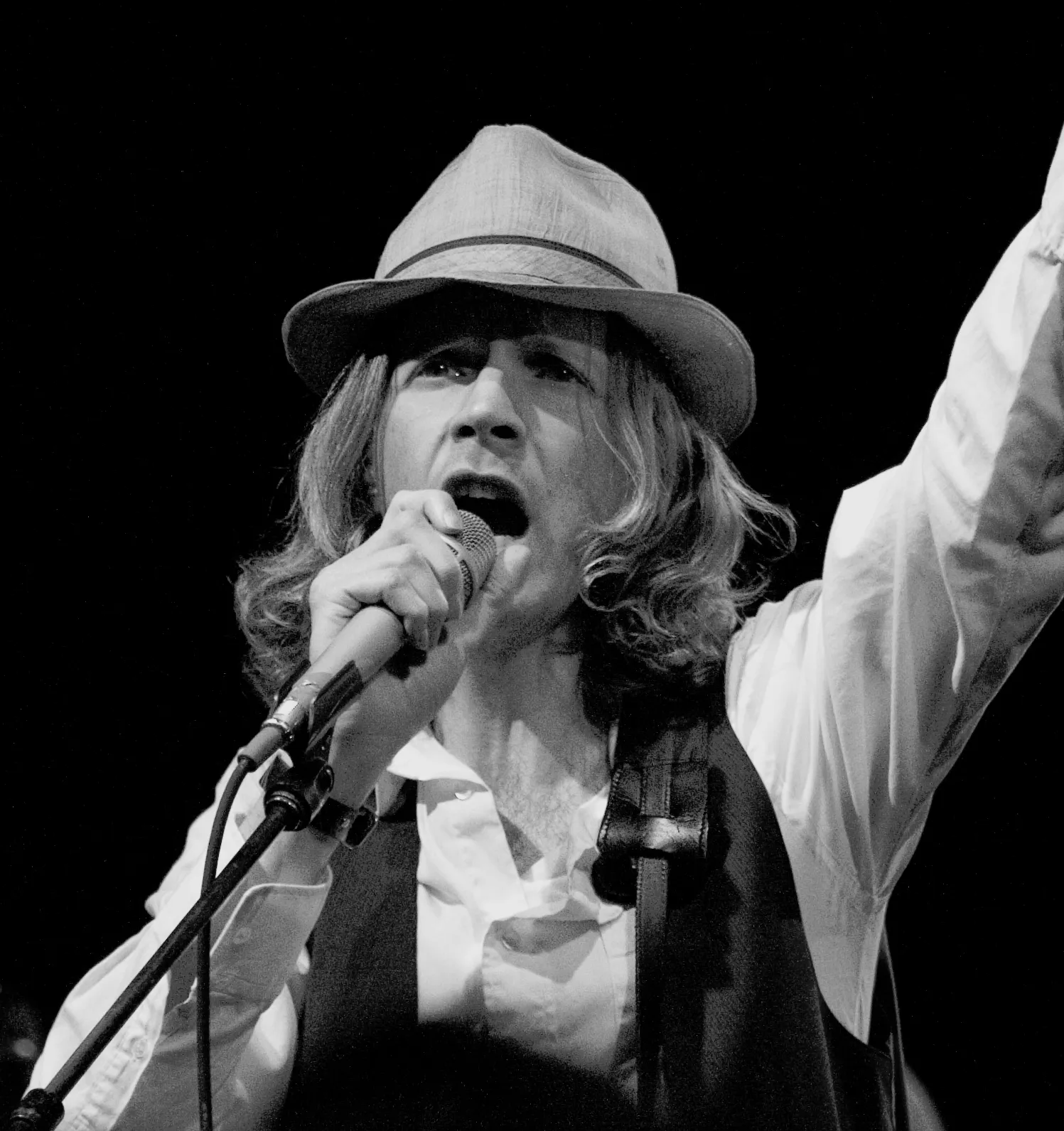
Photo by Matt Biddulph from UK , licensed under CC BY-SA 2.0 · Wikimedia Commons
Rank #43
Beck
From Wikipedia
Beck David Hansen, known mononymously as Beck, is an American singer, songwriter, and record producer. He rose to fame in the early 1990s with his experimental and lo-fi style, and became known for creating musical collages of wide-ranging genres. He has musically encompassed folk, funk, soul, hip hop, electronica, alternative rock, country, and psychedelia. He has released 15 studio albums, as well as several non-album singles and a book of sheet music.
Discography & Previews
Browse through and click an album to open and play 30-second previews streamed from Apple Music.

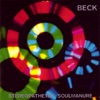
Stereopathetic Soulmanure
1994 · 27 tracks
- 1 Pink Noise (Rock Me Amadeus) ↗ 2:57
- 2 Rowboat ↗ 3:45
- 3 Thunder Peel ↗ 1:49
- 4 Waitin' for a Train ↗ 1:09
- 5 The Spirit Moves Me ↗ 2:10
- 6 Crystal Clear (Beer) ↗ 2:30
- 7 Noise 1 ↗ 0:06
- 8 No Money No Honey ↗ 2:07
- 9 8.6.82 ↗ 0:38
- 10 Total Soul Future (Eat It) ↗ 1:48
- 11 One Foot in the Grave ↗ 1:58
- 12 Noise 2 ↗ 0:18
- 13 Noise 3 ↗ 0:32
- 14 Aphid Manure Heist ↗ 0:58
- 15 Today Has Been a F****d up Day ↗ 2:34
- 16 Rollins Power Sauce ↗ 1:54
- 17 Puttin' it Down ↗ 2:24
- 18 11.6.45 ↗ 0:31
- 19 Cut 1/2 Blues ↗ 2:37
- 20 Jagermeister Pie ↗ 1:08
- 21 Ozzy ↗ 2:06
- 22 Dead Wild Cat ↗ 0:26
- 23 Satan Gave Me a Taco ↗ 3:46
- 24 8.4.82 ↗ 0:26
- 25 Tasergun ↗ 3:52
- 26 Modesto ↗ 3:27
- 27 Salmonella Shizergeist (Utopia) ↗ 11:41

Mellow Gold
1994 · 13 tracks
- 1 Loser ↗ 3:55
- 2 Pay No Mind (Snoozer) ↗ 3:15
- 3 F****n With My Head (Mountain Dew Rock) ↗ 3:40
- 4 Whiskeyclone, Hotel City 1997 ↗ 3:27
- 5 Soul Suckin' Jerk ↗ 3:56
- 6 Truckdrivin Neighbors Downstairs (Yellow Sweat) ↗ 2:55
- 7 Sweet Sunshine ↗ 4:13
- 8 Beercan ↗ 4:00
- 9 Steal My Body Home ↗ 5:34
- 10 Nitemare Hippy Girl ↗ 2:55
- 11 M**********r ↗ 2:05
- 12 Blackhole ↗ 5:17
- 13 Analog Odyssey ↗ 1:44
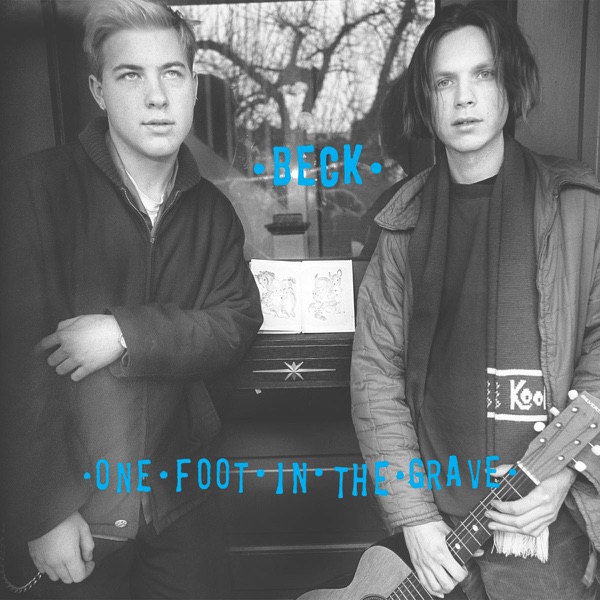
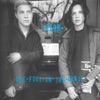
One Foot in the Grave
1994 · 32 tracks
- 1 He's a Mighty Good Leader ↗ 2:41
- 2 Sleeping Bag ↗ 2:16
- 3 I Get Lonesome ↗ 2:50
- 4 Burnt Orange Peel ↗ 1:39
- 5 Cyanide Breath Mint ↗ 1:37
- 6 See Water ↗ 2:22
- 7 Ziplock Bag ↗ 1:45
- 8 Hollow Log ↗ 1:54
- 9 Forcefield ↗ 3:31
- 10 Fourteen Rivers Fourteen Floods ↗ 2:55
- 11 A*****e ↗ 2:32
- 12 I've Seen the Land Beyond ↗ 1:41
- 13 Outcome ↗ 2:10
- 14 Girl Dreams ↗ 2:04
- 15 Painted Eyelids ↗ 3:06
- 16 Atmospheric Conditions ↗ 2:11
- 17 It's All In Your Mind (Bonus Track) ↗ 2:54
- 18 Whiskey Can Can (Bonus Track) ↗ 2:13
- 19 Mattress (Bonus Track) ↗ 2:32
- 20 Woe On Me (Bonus Track) ↗ 3:11
- 21 Teenage Wastebasket (Bonus Track) ↗ 2:28
- 22 Your Love Is Weird (Bonus Track) ↗ 2:28
- 23 Favorite Nerve (Bonus Track) ↗ 2:06
- 24 Piss On the Door (Bonus Track) ↗ 2:05
- 25 Close to God (Bonus Track) ↗ 2:28
- 26 Sweet Satan (Bonus Track) ↗ 1:46
- 27 Burning Boyfriend (Bonus Track) ↗ 1:13
- 28 Black Lake Morning (Bonus Track) ↗ 2:26
- 29 Feather In Your Cap (Bonus Track) ↗ 1:13
- 30 One Foot In the Grave (Bonus Track) ↗ 3:18
- 31 Teenage Wastebasket (Bonus Track) ↗ 1:27
- 32 I Get Lonesome (Bonus Track) ↗ 1:56

Odelay
1996 · 14 tracks
- 1 Devils Haircut ↗ 3:15
- 2 Hotwax ↗ 3:50
- 3 Lord Only Knows ↗ 4:15
- 4 The New Pollution ↗ 3:40
- 5 Derelict ↗ 4:13
- 6 Novacane ↗ 4:38
- 7 Jack-Ass ↗ 4:12
- 8 Where It's At ↗ 5:31
- 9 Minus ↗ 2:32
- 10 Sissyneck ↗ 3:57
- 11 Readymade ↗ 2:37
- 12 High 5 (Rock The Catskills) ↗ 4:11
- 13 Ramshackle ↗ 4:47
- 14 Computer Rock ↗ 0:43
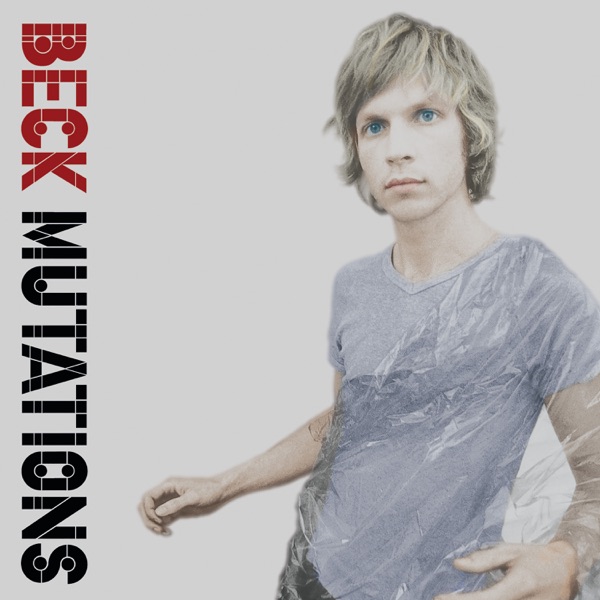
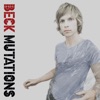
Mutations
1998 · 12 tracks

Midnite Vultures
1999 · 14 tracks
- 1 Sexx Laws ↗ 3:39
- 2 Nicotine & Gravy ↗ 5:13
- 3 Mixed Bizness ↗ 3:47
- 4 Intro to Get Real Paid ↗ 0:24
- 5 Get Real Paid ↗ 4:21
- 6 Hollywood Freaks ↗ 3:59
- 7 Peaches & Cream ↗ 4:54
- 8 Broken Train ↗ 4:11
- 9 Milk & Honey ↗ 5:19
- 10 Beautiful Way ↗ 5:38
- 11 Intro to Pressure Zone ↗ 0:08
- 12 Pressure Zone ↗ 3:07
- 13 Debra ↗ 5:43
- 14 Untitled Track ↗ 1:04

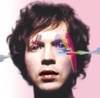
Sea Change
2002 · 12 tracks


The Information
2006 · 15 tracks
- 1 Elevator Music ↗ 3:37
- 2 Think I'm In Love ↗ 3:19
- 3 Cellphone's Dead ↗ 4:46
- 4 Strange Apparition ↗ 3:48
- 5 Soldier Jane ↗ 3:59
- 6 Nausea ↗ 2:56
- 7 New Round ↗ 3:26
- 8 Dark Star ↗ 3:45
- 9 We Dance Alone ↗ 3:57
- 10 No Complaints ↗ 3:00
- 11 1000Bpm ↗ 2:29
- 12 Motorcade ↗ 4:15
- 13 The Information ↗ 3:46
- 14 Movie Theme ↗ 3:53
- 15 The Horrible Fanfare / Landslide / Exoskeleton ↗ 10:37


-
 Stereopathetic SoulmanureBeck199427 tracks
 -
 Mellow GoldBeck199413 tracks
 -
 One Foot in the GraveBeck199432 tracks
 -
 OdelayBeck199614 tracks
 -
 MutationsBeck199812 tracks
 -
 Midnite VulturesBeck199914 tracks
 -
 Sea ChangeBeck200212 tracks
 -
 GueroBeck200513 tracks
 -
 The InformationBeck200615 tracks
 -
 Modern GuiltBeck200810 tracks
 -
 Morning PhaseBeck201413 tracks
 -
 ColorsBeck201711 tracks
 -
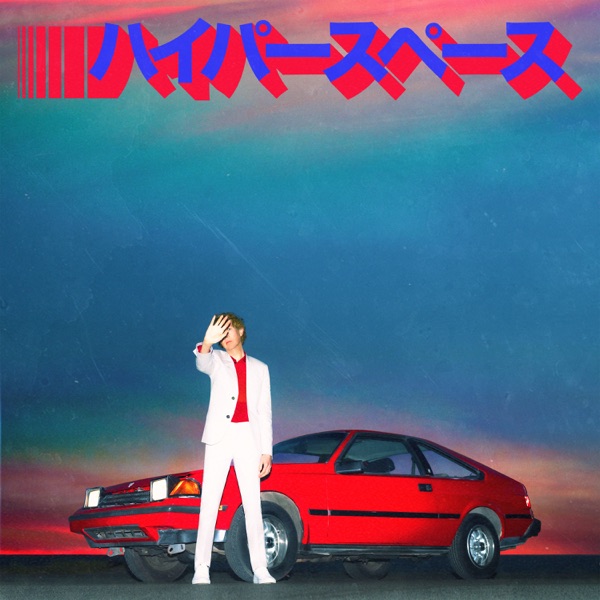
 HyperspaceBeck201911 tracks
Deep Dive
Overview
Beck David Hansen, known mononymously as Beck, is an American singer, songwriter, and record producer who rose to prominence in the early 1990s as a defining voice of experimental, lo-fi music. Born in 1970, Beck emerged during a period when rock music was fragmenting into regional and stylistic pockets, and he became one of the first major artists to treat genre boundaries as permeable rather than sacred. His work spans folk, funk, soul, hip hop, electronica, alternative rock, country, and psychedelia—often within a single album or even a single song. Beck’s approach to songwriting and production pioneered the concept of the musical collage, in which disparate sounds and influences were stitched together not for coherence but for textural and emotional effect.
Formation Story
Beck grew up in Los Angeles in the 1970s and 1980s, a city with deep roots in both mainstream pop production and underground punk and post-punk scenes. His early musical education was eclectic and informal, shaped by his exposure to his mother’s folk records, his father’s jazz and classical tastes, and the wider alternative music ecosystem of Southern California. Rather than emerging from a single band or scene, Beck developed as a solo artist through the lo-fi and anti-folk underground of the late 1980s and early 1990s. This fringe movement, centered on cheap recording equipment and DIY aesthetics, gave him both a template and a license to experiment. By the early 1990s, Beck was recording and performing in Los Angeles, establishing himself as an idiosyncratic presence in clubs and small venues before drawing the attention of larger independent and major labels.
Breakthrough Moment
Beck’s breakthrough came in 1994 with the single “Loser,” released on the independent label Bong Load Custom Records. The song—a self-deprecating hip-hop-inflected track with lo-fi production, spoken-word verses, and an irresistibly catchy hook—became an unexpected crossover hit, reaching mainstream radio and MTV. “Loser” introduced Beck’s wry, self-aware sensibility and his willingness to blur genre lines to a mass audience. The success of the single propelled his debut album and opened doors at major labels, allowing him to continue his experimental work while accessing wider distribution and production resources. The single’s viral moment—unusual for its era—established Beck as a new kind of rock star: one who could be both critically respected and commercially viable without compromising his avant-garde instincts.
Peak Era
Beck’s most creatively fertile and commercially successful period spanned the mid-to-late 1990s and into the early 2000s. During these years, he released a string of albums that consolidated his reputation as a genre-shifting innovator, each one departing from its predecessor in instrumentation, mood, and sonic palette. His work with major labels including Interscope Records, Geffen Records, and DGC Records provided him with the studio resources to realize increasingly ambitious productions while maintaining his lo-fi sensibility and provocative songwriting. This era saw him move from the stripped-down, tape-hiss aesthetic that defined his early work toward more lush, orchestrated arrangements, and eventually toward hip-hop and soul influences that deepened his musical vocabulary. Throughout this period, Beck remained a restless, driven artist, unwilling to repeat past successes and constantly seeking new sonic and compositional territories.
Musical Style
Beck’s sound is fundamentally defined by eclecticism and refusal of easy categorization. His early recordings were marked by lo-fi production, intentional tape distortion, and sparse instrumentation—a sound that made a virtue of limited studio access and cheap equipment. As his career progressed, he incorporated live instrumentation, orchestral arrangements, funk and soul grooves, hip-hop production techniques, and psychedelic textures, often layering these elements in unexpected combinations. His songwriting combines introspective, often humorous or cryptic lyrics with melodic hooks that lodge in the listener’s mind, and his vocal delivery ranges from crooning to rapping to effects-processed sung-speech. Beck’s production aesthetic—whether working with collaborators or helming sessions himself—privileges texture and detail; even his more accessible songs contain strange sonic surprises, unusual drum sounds, or orchestral flourishes that reward close listening. This commitment to sonic exploration and genre-blending positioned him as a crucial bridge between punk’s DIY ethos, hip-hop’s sampling and production innovations, and alternative rock’s art-school sensibilities.
Major Albums
Mellow Gold (1994)
Beck’s major-label debut established the template for his restless approach: lo-fi production, genre-hopping, and witty, melancholic songwriting coexist across a series of unexpectedly catchy songs.
Odelay (1996)
Produced with the Dust Brothers, this album represents Beck’s most commercially successful statement, marrying hip-hop production techniques with rock instrumentation and psychedelic flourishes into a cohesive, radio-friendly yet artistically uncompromised whole.
Mutations (1998)
A stark departure toward acoustic instrumentation and orchestral arrangement, this album showcases Beck’s softer, more introspective side without abandoning his stylistic restlessness or production detail.
Midnite Vultures (1999)
Beck’s funkiest and most dance-oriented work, driven by drum machines, synthesizers, and groovey bass lines, demonstrates his mastery of soul and R&B vocabularies without abandoning his art-rock foundation.
Sea Change (2002)
A deeply melancholic, largely acoustic album that emphasizes song craft and emotional vulnerability, marking a dramatic stylistic shift and one of his most cohesive and introspective records.
Signature Songs
- “Loser” — The breakthrough single that introduced Beck to mainstream audiences and remains his most recognizable song, a hip-hop-influenced anthem of playful self-deprecation.
- “Devil’s Haircut” — A funk-and-psychedelia-inflected track showcasing his capacity to blend disparate sonic elements into infectious, dance-ready grooves.
- “Loser” (already listed; alternative signature track: “New Pollution”) — A Dust Brothers-produced moment of wry songwriting over layered funk-rock instrumentation.
- “Sexx Laws” — A psychedelic, synth-driven pop-funk hybrid that demonstrates Beck’s playful approach to genre and sound.
- “The Golden Age” — A haunting, sparse acoustic piece exemplifying his more introspective and folk-inflected songwriting.
- “Guero” — Title track from a mid-2000s album showcasing his continued engagement with hip-hop and Latin influences.
Influence on Rock
Beck’s influence on rock and alternative music stems from his legitimization of genre-blending and his demonstration that experimental, avant-garde aesthetics could coexist with mainstream success and radio airplay. He pioneered a model of the artist as producer and curator, treating the studio as an instrument and the album as a complete sonic statement rather than a collection of songs. His work opened doors for subsequent generations of indie and alternative artists to pursue eclecticism without apology, from Kanye West’s production-forward hip-hop to the maximalist pop of the 2010s. Beck’s comfort with sampling, electronic production, and hip-hop vocabularies also helped bridge a gap between rock and hip-hop that had been widening since the late 1980s, making it natural for rock artists to incorporate rap and funk elements without it seeming incongruous or derivative. His influence ripples through contemporary pop, indie rock, and electronic music, wherever artists prioritize sonic exploration and cross-genre conversation.
Legacy
Beck has remained a prolific and respected figure in rock and alternative music for more than three decades, continuing to release albums and tour extensively into the 2020s. His catalog—spanning from the stripped-down lo-fi experiments of the early 1990s through orchestral art-rock, funk explorations, and electronic experimentation—represents one of the most consistent bodies of inventive, uncompromising work in late-twentieth and early-twenty-first-century popular music. He has influenced not only musicians but the broader cultural conversation around genre, technology, and artistic integrity in the streaming era. Beck’s work in production and as a bandleader has also earned him respect among musicians and producers; his studio albums reveal an artist deeply engaged with sonic detail and arrangement. His chart success, radio presence, and festival prominence have ensured that experimental, genre-fluid rock music remains a viable and respected category in contemporary music, rather than a marginal curiosity. Beck stands as a defining figure of alternative rock’s turn toward eclecticism and studio craft, proving that uncompromising artistry and widespread popularity need not be mutually exclusive.
Fun Facts
- Beck has released far more than studio albums: his catalog also includes numerous non-album singles and a published book of sheet music, reflecting his commitment to exploring different formats and distribution methods for his work.
- His work with producers including the Dust Brothers, Nigel Godrich, and others demonstrates his openness to collaboration and his willingness to place his material in the hands of complementary creative voices.
- Beck’s primary label relationship with Bong Load Custom Records in his early years epitomized the rise of independent labels as launching pads for major-label crossover success, a model that became increasingly common in 1990s alternative rock.