
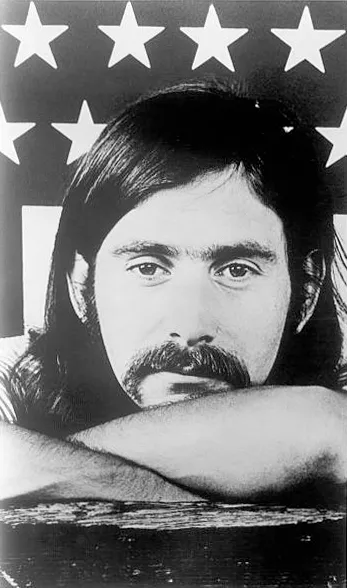
Photo by Distributed by International Famous Agency Inc/Reprise Records , licensed under Public domain · Wikimedia Commons
Rank #483
Norman Greenbaum
From Wikipedia
Norman Joel Greenbaum is an American singer-songwriter, known for his 1969 hit song "Spirit in the Sky". The song made him one of the most famous acts with a best-selling one-hit wonder of all time.
Discography & Previews
Browse through and click an album to open and play 30-second previews streamed from Apple Music.


-
 Spirit in the SkyNorman Greenbaum196910 tracks
 -
 Back Home AgainNorman Greenbaum197010 tracks
 -
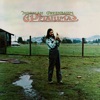 PetalumaNorman Greenbaum197210 tracks
Deep Dive
Overview
Norman Greenbaum is an American singer-songwriter whose career is inextricably linked to one of rock music’s most durable and beloved songs: “Spirit in the Sky,” released in 1969. That single became a cultural phenomenon, reaching millions of listeners and securing Greenbaum’s place in popular music history as one of the most recognizable one-hit wonders of the rock era. Despite limited commercial success beyond that landmark track, Greenbaum’s brief but impactful recording career and his enduring songwriting legacy have kept his name alive across generations of music fans and on rock radio.
Formation Story
Norman Joel Greenbaum was born in 1942 and came of age during the post-war American musical landscape, when rock and roll was still in its infancy and folk traditions remained strong. Growing up in the United States, he was shaped by the musical currents of the 1950s and 1960s—a formative period that saw rock music evolve from its r&b and country roots into a diverse array of styles. By the late 1960s, Greenbaum had found his footing as a singer-songwriter, drawing on rock music’s accessibility and emotional directness. He began recording and released his debut album in 1969, arriving at a moment when the charts were fractured into multiple competing styles: psychedelic rock, country-rock fusion, soft rock, and introspective singer-songwriter material all coexisted. It was into this environment that Greenbaum introduced “Spirit in the Sky”—a song that would define his artistic identity.
Breakthrough Moment
“Spirit in the Sky” arrived in 1969 on Greenbaum’s debut album of the same name, released on Reprise Records. The song’s ascent was swift and overwhelming. Built on a gospel-inflected rock foundation with a memorable, soaring melody and lyrics that blended spiritual themes with an accessible pop sensibility, “Spirit in the Sky” became a radio staple and crossed boundaries between rock, pop, and even country formats. The track’s simplicity—a killer hook, straightforward production, and an emotional earnestness that avoided cynicism—made it a phenomenon that transcended typical rock-radio demographics. Greenbaum found himself catapulted from obscurity to widespread fame almost overnight, the song’s commercial success establishing him as a name recognition in American popular music and securing his place in the annals of 1960s rock.
Peak Era
Greenbaum’s peak commercial period was the immediate aftermath of “Spirit in the Sky,” spanning the years 1969–1970. Following the success of his debut, he released Back Home Again in 1970, attempting to capitalize on his newfound visibility and prove that his songwriting had depth beyond a single hit. Though the album did not generate another chart-topping single of comparable magnitude, it demonstrated his continued recording activity and commitment to developing his craft. By 1972, Greenbaum released Petaluma, further evidence of his active presence in the studio during the early 1970s. However, the commercial momentum of “Spirit in the Sky” proved difficult to replicate, and subsequent releases did not achieve the same level of sales or radio saturation that the debut album had enjoyed.
Musical Style
Greenbaum’s sound combined elements of rock music with gospel and spiritual undertones, creating a accessible blend that appealed to mainstream audiences. “Spirit in the Sky” exemplified his approach: it featured straightforward, driving rock instrumentation paired with a vocal delivery that conveyed earnestness and warmth. The song’s arrangement was neither overly produced nor sparse; it struck a balance that made the melody and lyrical message the focal points. Greenbaum’s songwriting leaned toward themes of spirituality and emotional uplift, moving away from the cynicism or complexity that characterized much progressive and psychedelic rock of the era. His work reflected the broader late-1960s trend toward more direct, emotionally transparent songwriting—a counterpoint to both the experimentalism of psychedelia and the sophisticated studio work being pioneered by bands in the burgeoning album-rock era. His style was rooted in rock music but remained accessible to pop and even country audiences, a quality that explained “Spirit in the Sky“‘s cross-genre appeal.
Major Albums
Spirit in the Sky (1969)
Greenbaum’s debut album introduced “Spirit in the Sky” to the world and established him as a recording artist. The album’s centerpiece became one of rock music’s most enduring songs, and its success propelled Greenbaum to international recognition.
Back Home Again (1970)
Released the year following his breakthrough, this album represented Greenbaum’s attempt to sustain momentum and demonstrate his songwriting range beyond the phenomenon of his debut single.
Petaluma (1972)
Greenbaum’s third studio album continued his recording career into the early 1970s, though it did not achieve the commercial prominence of his earlier work.
Signature Songs
- “Spirit in the Sky” (1969) — A gospel-rock anthem that became a standard on rock radio and achieved crossover success, defining Greenbaum’s entire career.
Influence on Rock
While Greenbaum never became a prolific or continuous force in rock music, “Spirit in the Sky” ensured that his contribution to the genre remained visible and relevant. The song demonstrated the enduring power of a simple, well-crafted melody combined with universal themes—a lesson not lost on subsequent generations of songwriters. Its success as a one-hit wonder made it a touchstone in discussions of rock radio’s gatekeeping and the often-unpredictable nature of commercial success. The track’s spiritual themes and accessible rock-gospel hybrid influenced how later artists approached the intersection of rock music and faith-based songwriting, showing that sincerity and emotional directness could resonate as powerfully as technical sophistication or conceptual ambition.
Legacy
Norman Greenbaum’s legacy rests almost entirely on “Spirit in the Sky,” a reality that might seem limiting but is testament to the song’s durability and cultural penetration. Decades after its initial release, the track remains a staple of classic-rock radio, streaming playlists, and popular culture—featured in films, television, and commercials, ensuring that new audiences continually encounter it. Greenbaum’s one-hit wonder status, rather than diminishing his historical standing, has made him a canonical example of rock music’s unpredictability and the mysterious alchemy that can elevate a single song to permanent cultural currency. The song’s perennial presence in media and its continued radio play have sustained Greenbaum’s name recognition and kept him active as a recording artist and performer into the present day, maintaining the years-active span of 1942–present. For generations of rock fans, “Spirit in the Sky” remains synonymous with a particular moment in late-1960s popular music when sincerity, melody, and spiritual yearning could unite millions of listeners.
Fun Facts
- “Spirit in the Sky” achieved its greatest fame not only upon initial release but also through subsequent rediscoveries, becoming embedded in the cultural consciousness through film and television placements that extended its lifespan across decades.
- Greenbaum recorded for Reprise Records, a label founded by Frank Sinatra, placing him within a roster that spanned from traditional pop singers to progressive rock acts.
- The simplicity and universality of “Spirit in the Sky“‘s message made it one of the few 1960s rock songs to achieve equal resonance across age groups, demographics, and geographical regions.