
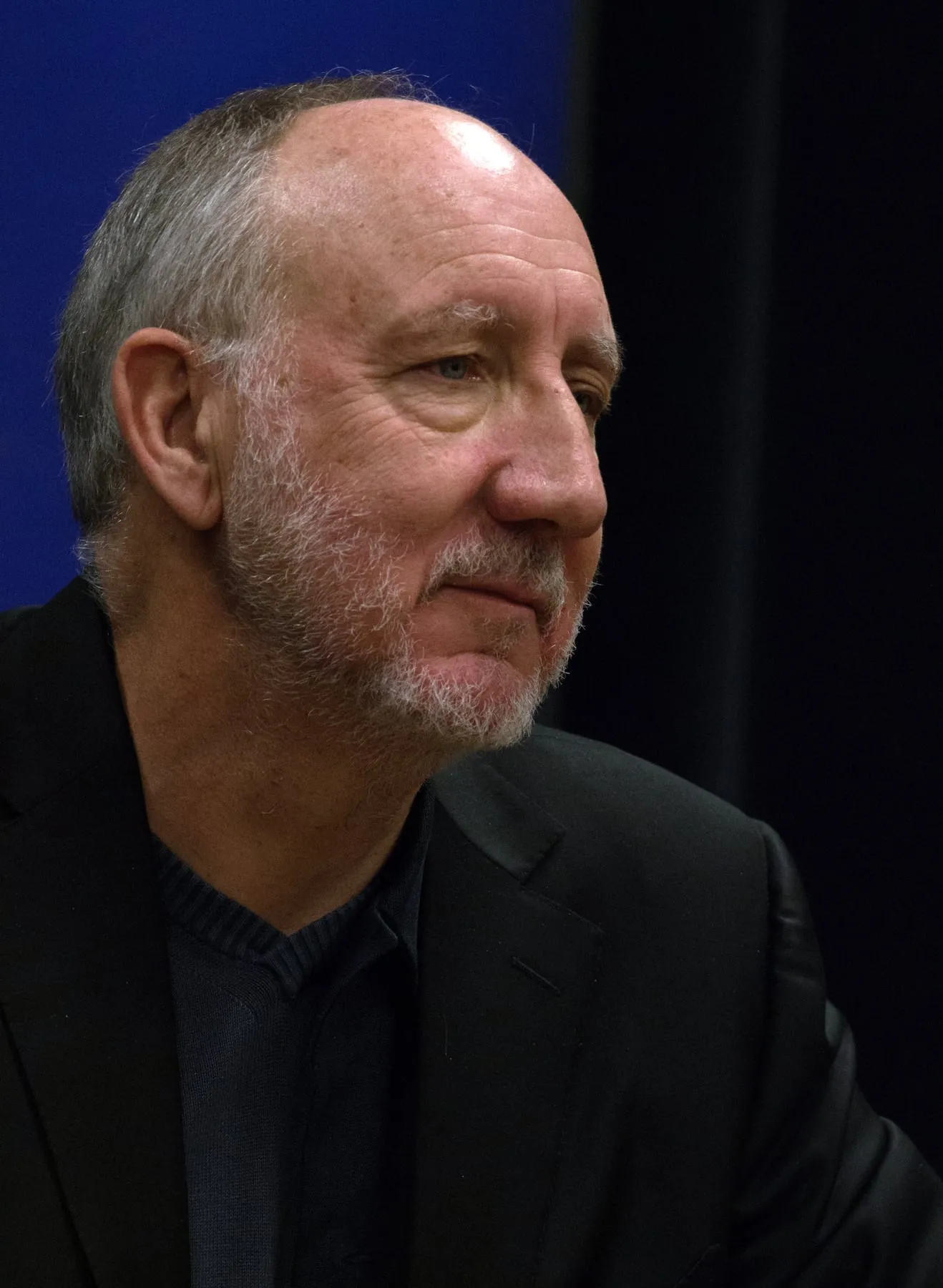
Photo by Ross Belot , licensed under CC BY 2.0 · Wikimedia Commons
Rank #259
Pete Townshend
From Wikipedia
Peter Dennis Blandford Townshend is an English musician. He is the co-founder, guitarist, keyboardist, second lead vocalist, principal songwriter and de facto leader of the Who, one of the most influential rock bands of the 1960s and 1970s. His aggressive playing style, poetic songwriting techniques and authorship of two rock operas with the Who, as well as other projects, have earned him critical acclaim.
Discography & Previews
Browse through and click an album to open and play 30-second previews streamed from Apple Music.

All the Best Cowboys Have Chinese Eyes
1982 · 11 tracks

The Iron Man
1989 · 12 tracks

Psychoderelict
1993 · 21 tracks
- 1 English Boy ↗ 5:08
- 2 Meher Baba M3 ↗ 3:31
- 3 Let's Get Pretentious ↗ 3:36
- 4 Meher Baba M4 (Signal Box) ↗ 2:23
- 5 Early Morning Dreams ↗ 3:54
- 6 I Want That Thing ↗ 3:58
- 7 Dialogue Introduction to Outlive the Dinosaur ↗ 0:32
- 8 Outlive the Dinosaur ↗ 3:25
- 9 Flame (Demo) ↗ 1:08
- 10 Now and Then ↗ 4:25
- 11 I Am Afraid ↗ 4:35
- 12 Don't Try to Make Me Real ↗ 2:59
- 13 Dialogue Introduction to Predictable ↗ 0:34
- 14 Predictable ↗ 2:17
- 15 Flame ↗ 2:41
- 16 Meher Baba M5 (Vivaldi) ↗ 2:36
- 17 Fake It ↗ 3:29
- 18 Dialogue Introduction to Now and Then (Reprise) ↗ 0:32
- 19 Now and Then (Reprise) ↗ 2:58
- 20 Baba O'Riley (Demo) ↗ 1:20
- 21 English Boy (Reprise) ↗ 7:05
-
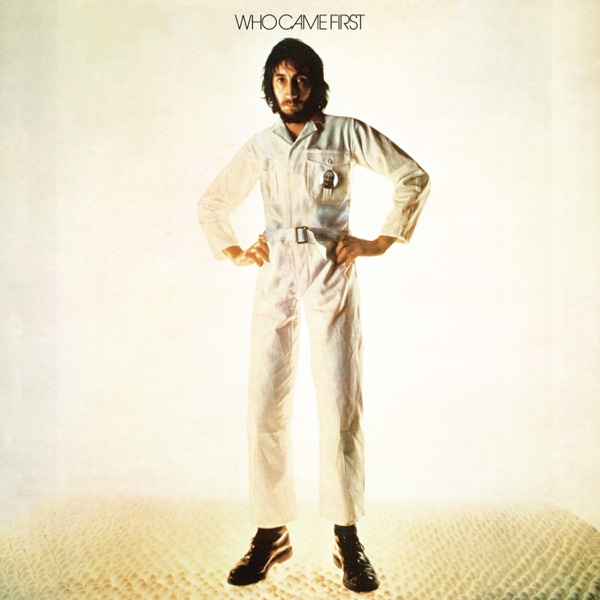
 Who Came FirstPete Townshend19729 tracks
 -
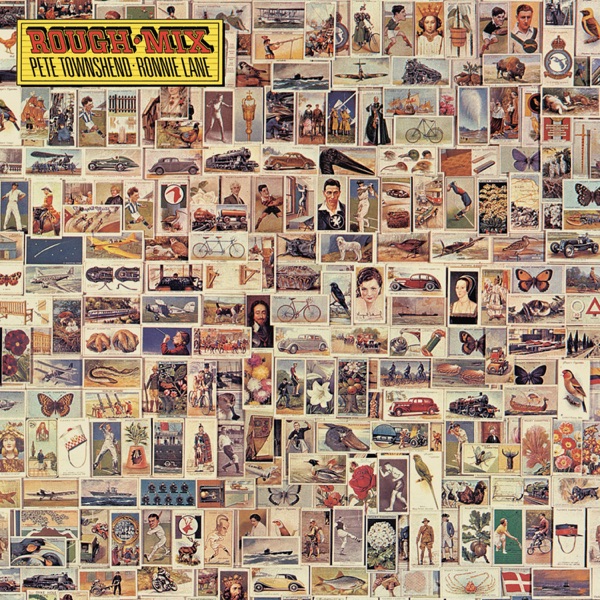
 Rough MixPete Townshend197711 tracks
 -
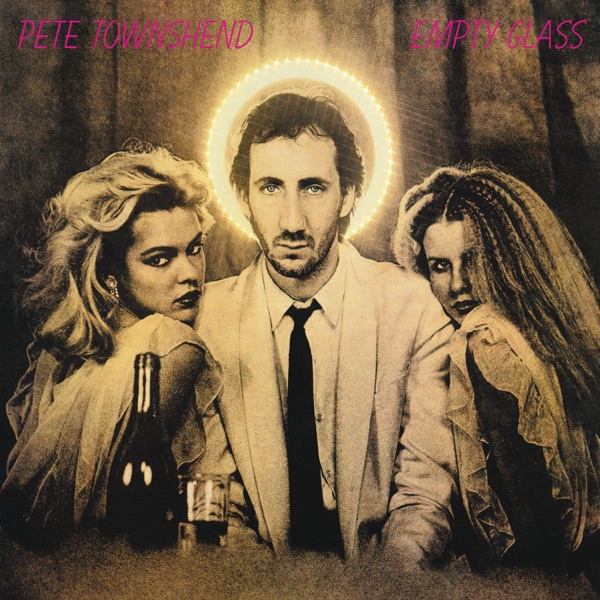
 Empty GlassPete Townshend198010 tracks
 -
 All the Best Cowboys Have Chinese EyesPete Townshend198211 tracks
 -
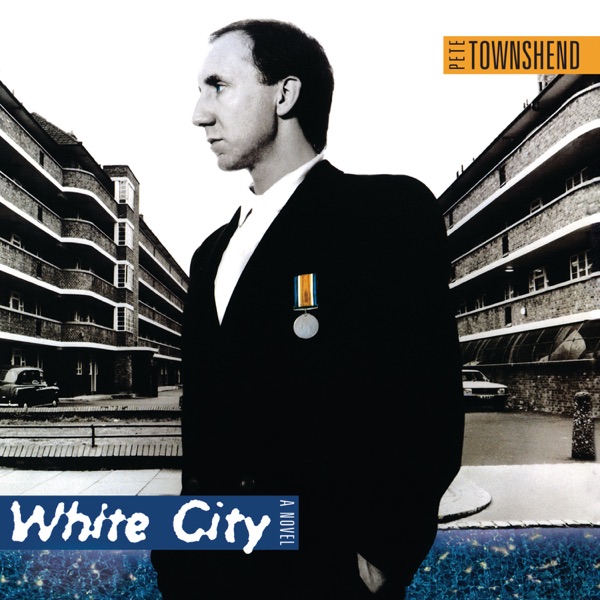
 White City: A NovelPete Townshend19859 tracks
 -
 The Iron ManPete Townshend198912 tracks
 -
 PsychoderelictPete Townshend199321 tracks
Deep Dive
Overview
Pete Townshend stands as one of rock music’s most consequential figures, a guitarist and songwriter whose influence extends far beyond his primary role in The Who. Born in 1945, Townshend shaped the sound and conceptual ambition of rock music across five decades, pioneering the rock opera format and establishing the electric guitar as a primary vehicle for narrative and poetic expression. His work—both within The Who’s framework and through a sustained solo career spanning from 1970 onward—demonstrates an artist committed to artistic risk-taking, technical innovation, and thematic depth.
Formation Story
Townshend emerged from post-war London, gravitating toward rock and roll in the 1950s during its formative years in Britain. The cultural ferment of the early 1960s, particularly the mod movement and the surge of R&B and rock bands in London clubs, became his creative incubator. In 1964, he co-founded The Who alongside vocalist Roger Daltrey, bassist John Entwistle, and drummer Keith Moon. The band rapidly became emblematic of the mod scene—a youth subculture defined by sharp tailoring, amphetamine culture, and aggressive rock music. Townshend’s role extended beyond guitarist; he assumed primary songwriting duties and became the band’s creative architect, positioning them at the vanguard of 1960s rock.
Breakthrough Moment
The Who’s 1969 rock opera Tommy marked a watershed moment for Townshend and, arguably, for rock music itself. A double album telling the story of a deaf, dumb, and blind boy who becomes a pinball champion and spiritual messiah, Tommy demonstrated that rock music could sustain ambitious narrative structures across an extended format. The album’s commercial and critical success—coupled with a subsequent film adaptation—established Townshend as a visionary beyond the traditional bounds of three-minute singles. This achievement opened the door to his solo career, which commenced in earnest in 1970 with Happy Birthday, allowing him to explore material and themes separate from The Who’s collective direction.
Peak Era
The 1970s and early 1980s constituted Townshend’s most prolific period as a solo artist. Albums including Who Came First (1972), Empty Glass (1980), and All the Best Cowboys Have Chinese Eyes (1982) showcased his range as a solo voice. Rough Mix (1977), a collaborative effort, demonstrated his willingness to work across genres and with diverse partners. His 1985 concept album White City: A Novel further exemplified his commitment to ambitious songwriting and narrative structure. Simultaneously, The Who continued to record and perform, with Townshend authoring a second rock opera, Quadrophenia (1973), which deepened his standing as rock’s premier composer-conceptualist. This dual trajectory—maintaining creative leadership of a major band while sustaining a parallel solo career—placed extraordinary demands on Townshend but cemented his position as one of rock’s most versatile and inventive figures.
Musical Style
Townshend’s style synthesizes aggressive, percussive guitar work with literary and poetic sensibilities. His playing is characterized by thick, power-chord-driven rhythm work punctuated by exploratory lead passages; the acoustic guitar features prominently in his solo work, creating an introspective counterweight to The Who’s electrified assault. His songwriting draws from British literary traditions, addressing themes of identity, spirituality, class, and alienation with a sophistication uncommon in rock music of the 1960s and 1970s. Vocally, Townshend has often shared lead singing duties with Daltrey in The Who, though his solo albums showcase his own distinctive tenor, capable of both vulnerability and intensity. His production choices evolved across his solo career, embracing synthesizers and digital recording technology in the 1980s while maintaining the guitar-centered foundation of his earlier work. Townshend’s approach treats the album as a complete artistic statement rather than a collection of singles—a philosophy evident across his solo releases from Who Came First through Psychoderelict (1993).
Major Albums
Who Came First (1972)
Townshend’s second solo album and arguably his most cohesive early statement, blending introspective acoustic work with rock arrangements and establishing his facility with both personal confession and mythic storytelling.
Empty Glass (1980)
A solo masterpiece that balances vulnerability with sonic innovation, showcasing Townshend’s ability to sustain artistic relevance well into his career’s third decade.
White City: A Novel (1985)
A concept album that extends Townshend’s rock-opera ambitions into new territory, demonstrating his continued commitment to ambitious narrative structures and contemporary production techniques.
Psychoderelict (1993)
A later concept album that blends autobiographical reflection with science fiction and spiritual inquiry, proving Townshend’s creative restlessness remained undiminished in his fifth decade.
Signature Songs
- “Won’t Get Fooled Again” — The Who’s definitive statement on cyclical history and generational disillusionment, built on one of rock’s most recognizable keyboard riffs.
- “Baba O’Riley” — A Townshend composition that merges electronic experimentation with emotional directness, exploring themes of youth culture and spiritual seeking.
- “My Generation” — An early Who anthem written by Townshend that became the mod movement’s unofficial anthem and rock’s first major statement of youthful defiance.
- “Pinball Wizard” — The centerpiece of Tommy, a narrative song of remarkable clarity that defines the rock opera’s protagonist.
Influence on Rock
Townshend fundamentally expanded rock’s conceptual and narrative possibilities. By demonstrating that rock albums could support complex, multi-movement stories—first with Tommy and later with Quadrophenia—he opened avenues for subsequent artists to treat the album format as a complete artistic work. His songwriting influenced generations of rock and progressive rock composers, establishing lyrical sophistication and thematic ambition as legitimate values within rock music. The Who’s sonic approach—The Moon’s explosive drumming, Entwistle’s melodic bass work, and Townshend’s architectural guitar arrangements—established a template for power-chord-driven rock that countless bands would adopt. Beyond The Who, his solo career demonstrated that rock musicians could sustain parallel creative projects without diminishing either one, influencing artists who pursued both band and solo work.
Legacy
Pete Townshend’s place in rock history remains secure as both a primary architect of The Who’s achievements and as a substantial solo artist in his own right. The Who’s induction into the Rock and Roll Hall of Fame in 1990 formally recognized his role in one of the era’s defining bands. His solo albums, though less universally celebrated than The Who’s work, have sustained critical attention and continue to attract listeners interested in ambitious, literary rock music. Townshend’s influence extends across rock, progressive rock, and alternative music; his commitment to narrative ambition and artistic risk-taking redefined what rock music could accomplish. As a guitarist, his playing style—aggressive yet nuanced, technical yet emotionally direct—remains foundational to rock practice. His continued activity into the 21st century, including albums such as The Awakening (2003) and Who Am I: A Conversation (2015), demonstrates an artist unwilling to rest on past achievements.
Fun Facts
- Townshend famously windmilled his guitar during performances, a technique that became visually synonymous with The Who and influenced generations of rock performers’ stage presence.
- His collaboration with Ronnie Lane on Rough Mix (1977) demonstrated his willingness to work outside The Who’s framework with artists from different musical traditions.
- Townshend’s spiritual interests, particularly his exploration of Meher Baba’s teachings, have deeply influenced his songwriting and thematic preoccupations across both his solo and The Who work.
- His role as principal songwriter for The Who extended to authoring two full-length rock operas, Tommy and Quadrophenia, a feat unmatched by most of his contemporaries.