
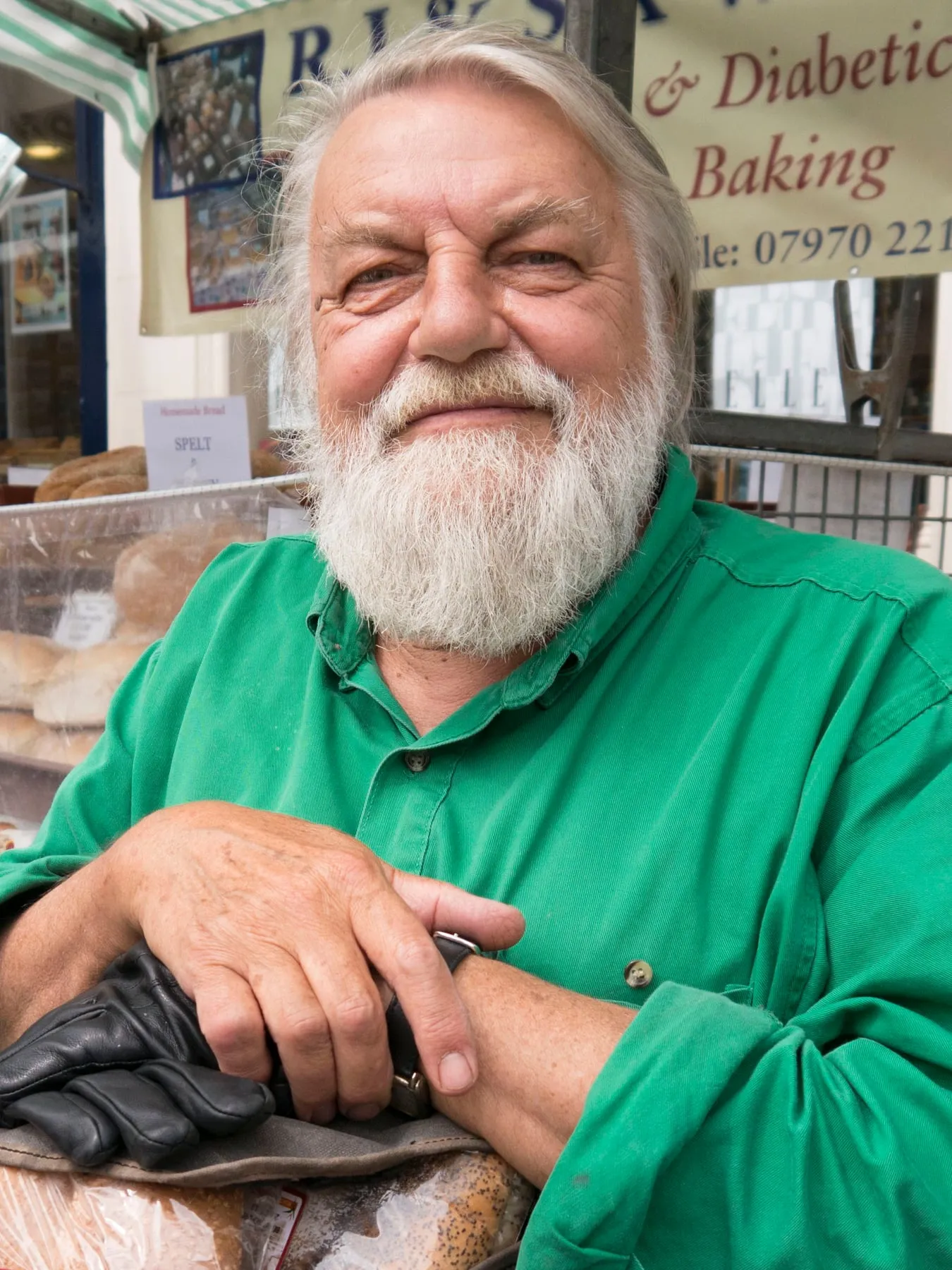
Photo by Bryan Ledgard , licensed under CC BY 2.0 · Wikimedia Commons
Rank #460
Robert Wyatt
From Wikipedia
Robert Wyatt is an English retired musician. A founding member of the influential Canterbury scene bands Soft Machine and Matching Mole, he was initially a kit drummer and singer before becoming paraplegic following an accidental fall from a window in 1973, which led him to abandon band work, explore other instruments, and begin a 40-year solo career.
Discography & Previews
Browse through and click an album to open and play 30-second previews streamed from Apple Music.

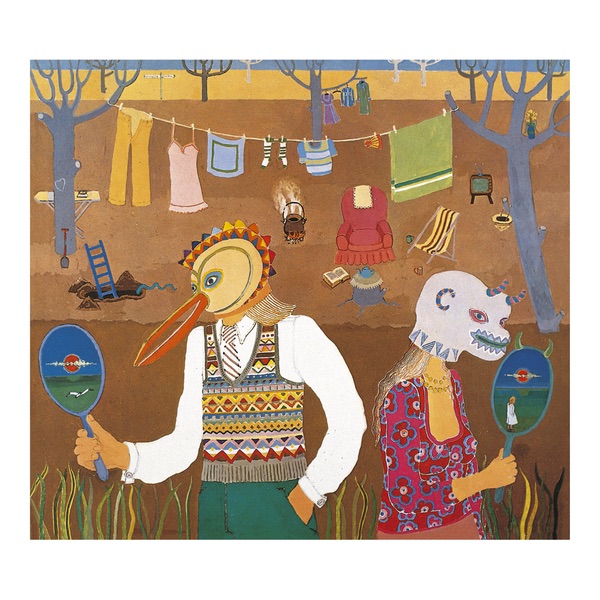

Shleep
1997 · 11 tracks
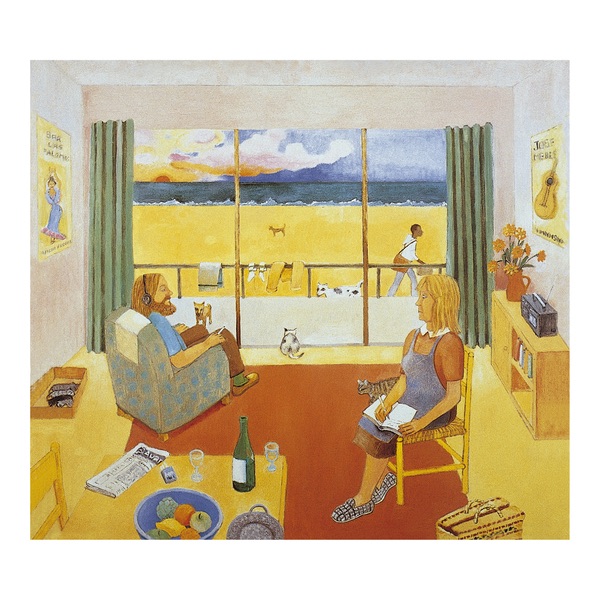
Cuckooland
2003 · 16 tracks
- 1 Just a Bit ↗ 5:11
- 2 Old Europe ↗ 4:18
- 3 Tom Hay's Fox ↗ 3:35
- 4 Forest ↗ 7:57
- 5 Beware ↗ 5:11
- 6 Cuckoo Madame ↗ 5:23
- 7 Raining In My Heart ↗ 2:45
- 8 Lullaby for Hamza ↗ 5:03
- 9 Trickle Down ↗ 6:50
- 10 Insensatez ↗ 4:26
- 11 Mister E ↗ 4:22
- 12 Lullaloop ↗ 3:01
- 13 Life Is Sheep ↗ 4:16
- 14 Foreign Accents ↗ 3:51
- 15 Brian the Fox ↗ 5:33
- 16 La Ahada Yalam ↗ 4:16
Solar Flares Burn for You
2003 · 13 tracks
- 1 Alifib ↗ 3:17
- 2 Soup Song ↗ 3:14
- 3 Sea Song ↗ 8:12
- 4 I'm a Believer ↗ 3:44
- 5 Blimey O'Riley ↗ 4:23
- 6 Solar Flares Burn for You ↗ 7:47
- 7 God Song ↗ 5:12
- 8 Fol De Rol ↗ 1:53
- 9 Little Child ↗ 3:14
- 10 We Got an Arts Council Grant ↗ 1:34
- 11 Righteous Rhumba ↗ 1:17
- 12 'Twas Brillig ↗ 5:06
- 13 The Verb ↗ 3:28
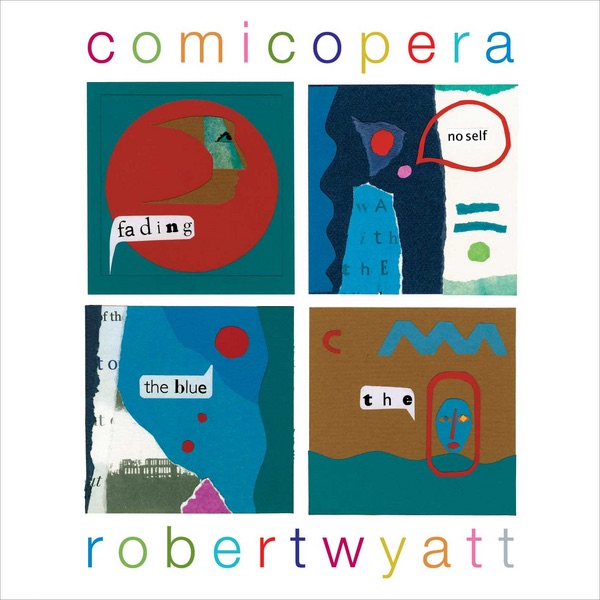
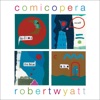
Comicopera
2007 · 17 tracks
- 1 Stay Tuned ↗ 3:51
- 2 Just As You Are ↗ 4:24
- 3 You You ↗ 4:25
- 4 A.W.O.L. ↗ 3:00
- 5 Anachronist ↗ 3:38
- 6 A Beautiful Peace ↗ 2:31
- 7 Be Serious ↗ 2:58
- 8 On the Town Square ↗ 5:28
- 9 Mob Rule ↗ 2:18
- 10 A Beautiful War ↗ 2:42
- 11 Out of the Blue ↗ 3:47
- 12 Del Mondo ↗ 3:32
- 13 Cancion de Julieta ↗ 7:35
- 14 Pastafari ↗ 4:40
- 15 Fragment ↗ 1:41
- 16 Hasta Siempre Comandante ↗ 4:41
- 17 I Wonder If Your Breath Can Last ↗ 3:52


’68
2013 · 4 tracks

KiTsuNe (Ring version)
2015 · 12 tracks
- 1 01.01 (feat. Robert Wyatt) ↗ 8:13
- 2 02.01 (feat. Robert Wyatt) ↗ 7:26
- 3 02.03 (feat. Robert Wyatt) ↗ 6:49
- 4 03.01 (feat. Robert Wyatt) ↗ 0:50
- 5 04.01 (feat. Robert Wyatt) ↗ 7:55
- 6 04.02 (feat. Robert Wyatt) ↗ 0:39
- 7 04.03 (feat. Robert Wyatt) ↗ 8:28
- 8 04.04 (feat. Robert Wyatt) ↗ 1:13
- 9 04.05 (feat. Robert Wyatt) ↗ 7:33
- 10 04.06 (feat. Robert Wyatt) ↗ 3:36
- 11 04.07 (feat. Robert Wyatt) ↗ 7:06
- 12 04.08 (feat. Robert Wyatt) ↗ 2:49
KiTsuNe / Brian the Fox
2019 · 12 tracks
- 1 01.01 (feat. Robert Wyatt) ↗ 8:13
- 2 02.01 (feat. Robert Wyatt) ↗ 7:26
- 3 02.03 (feat. Robert Wyatt) ↗ 6:49
- 4 03.01 (feat. Robert Wyatt) ↗ 0:50
- 5 04.01 (feat. Robert Wyatt) ↗ 7:55
- 6 04.02 (feat. Robert Wyatt) ↗ 0:39
- 7 04.03 (feat. Robert Wyatt) ↗ 8:28
- 8 04.04 (feat. Robert Wyatt) ↗ 1:13
- 9 04.05 (feat. Robert Wyatt) ↗ 7:33
- 10 04.06 (feat. Robert Wyatt) ↗ 3:36
- 11 04.07 (feat. Robert Wyatt) ↗ 7:06
- 12 04.08 (feat. Robert Wyatt) ↗ 2:49
-
 Rock BottomRobert Wyatt19746 tracks
 -
 Ruth Is Stranger Than RichardRobert Wyatt19759 tracks
 -
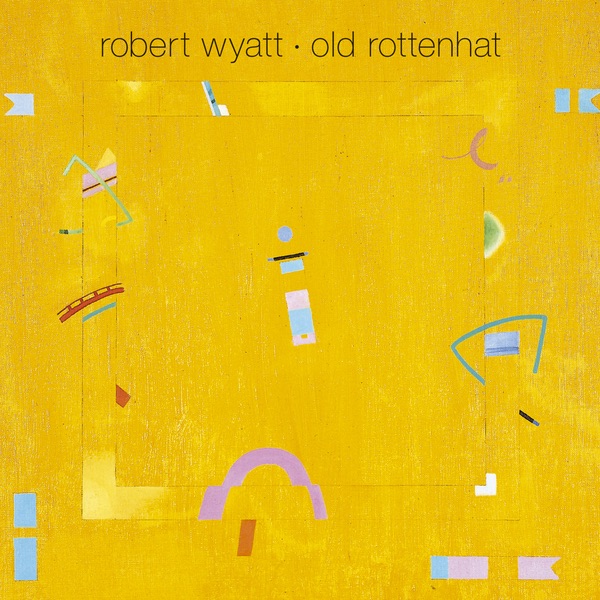
 Old RottenhatRobert Wyatt198510 tracks
 -
 DondestanRobert Wyatt199110 tracks
 -
 ShleepRobert Wyatt199711 tracks
 -
 The Garden of LoveRobert Wyatt19971 track
 -
 CuckoolandRobert Wyatt200316 tracks
 -
 Solar Flares Burn for YouRobert Wyatt200313 tracks
 -
 musiK / Re‐Arranging the 20th CenturyRobert Wyatt20048 tracks
 -
 ComicoperaRobert Wyatt200717 tracks
 -
 Clear FrameRobert Wyatt20088 tracks
 -
 ’68Robert Wyatt20134 tracks
 -
 KiTsuNe (Ring version)Robert Wyatt201512 tracks
 - KiTsuNe / Brian the FoxRobert Wyatt201912 tracks
Deep Dive
Overview
Robert Wyatt stands as a pivotal figure in British rock music, remembered simultaneously for his formative role in two of the Canterbury scene’s most important ensembles and for an expansive solo career spanning four decades. Born in 1945, Wyatt began as a kit drummer and vocalist, but a catastrophic accident in 1973—a fall from a window that left him paraplegic—became the unexpected catalyst for the most creatively prolific chapter of his life. Unable to continue conventional band work, he pivoted to songwriting, multi-instrumental composition, and the recording studio, establishing himself as one of rock’s most unconventional and committed artistic voices.
Formation Story
Wyatt emerged from the vibrant Canterbury music scene of the 1960s, a regional hotbed that nurtured a blend of jazz, classical, and rock traditions. He was a founding member of Soft Machine, one of the Canterbury scene’s flagship acts, where he contributed drums and vocals to the band’s early experimental output. Soft Machine became known for their improvisational approach and genre-defying compositions, and Wyatt’s rhythmic drive and often-deadpan vocal delivery became integral to their identity. After his time with Soft Machine, he went on to co-found Matching Mole with Dave Stewart, further establishing his credentials as a key player in Canterbury’s progressive and avant-garde ecosystem.
Breakthrough Moment
Wyatt’s early solo work arrived in 1970 with The End of an Ear, a modest and exploratory album that hinted at the experimental direction his career would take. However, the genuine breakthrough came in 1974 with Rock Bottom, released after his accident in 1973. Despite physical limitation, Wyatt produced what many regard as one of his defining works—an album that balanced vulnerability, political consciousness, and sonic innovation. Rock Bottom proved that his voice as an artist had not diminished; instead, it had deepened. The album marked a turning point in how listeners and critics perceived Wyatt’s artistic trajectory, transforming his accident from what might have been a career-ending event into the prologue of a remarkable second act.
Peak Era
The mid-to-late 1970s represented Wyatt’s most intensely creative solo period. Following Rock Bottom, he released Ruth Is Stranger Than Richard in 1975, continuing to explore avant-garde composition and production techniques adapted to his new instrumental capabilities. This era saw him working primarily with keyboards, synthesizers, and programming—instruments more accessible to him than the drum kit—while maintaining his distinctive vocal presence. His willingness to embrace new technologies and compositional approaches without surrendering his artistic identity made these albums documents of genuine innovation, even as their commercial reach remained modest. By the early 1980s, Wyatt had established a template for his solo work: intellectually rigorous, sonically experimental, and unapologetically personal.
Musical Style
Wyatt’s solo output defies easy categorization, ranging from avant-garde rock to electroacoustic composition to art rock. After his accident, his instrumentation shifted fundamentally; he became a master of keyboards, synthesizers, and studio production, moving away from the kit work that defined his earlier band years. His voice remained a constant—pitched between melancholy and matter-of-fact delivery, often whispered or sung with minimal vibrato, lending an intensely intimate quality to his recordings. Lyrically, Wyatt tended toward the oblique and poetic, frequently embedding political or philosophical themes without resorting to didacticism. His production choices grew increasingly idiosyncratic over time, embracing layers of overdubbing, unusual textural effects, and non-traditional recording approaches. The influence of the Canterbury scene’s jazz and classical interests remained evident in his harmonic choices and compositional complexity, even as he moved further from conventional rock structures.
Major Albums
Rock Bottom (1974)
Wyatt’s most celebrated work, recorded shortly after his accident, balances emotional depth with instrumental sophistication. The album established him as a major solo artist capable of translating limitation into artistic strength.
Ruth Is Stranger Than Richard (1975)
Continuing his exploratory post-accident trajectory, this album deepened Wyatt’s embrace of synthesizers and avant-garde production, consolidating the artistic direction begun on Rock Bottom.
Old Rottenhat (1985)
Marking a return to recording after a decade-long gap, Old Rottenhat showed Wyatt’s willingness to adapt his approach while maintaining his core artistic identity, incorporating contemporary production techniques.
Shleep (1997)
Released alongside The Garden of Love, Shleep demonstrated Wyatt’s sustained creative vitality in his later career, blending his long-standing experimental impulses with more accessible melodic sensibilities.
Cuckooland (2003)
One of several albums Wyatt released in the early 2000s, Cuckooland exemplified his continued artistic engagement, proving that his creative faculties remained undiminished decades into his solo career.
Signature Songs
- “Rock Bottom” — The title track from his landmark 1974 album, an intimate and devastating exploration of loss and acceptance.
- “Ruth Is Stranger Than Richard” — A compositional statement of purpose, showcasing Wyatt’s distinctive vocal approach and harmonic sensibilities.
- “At Last I Am Free” — A cover of a Chic composition, reinterpreted through Wyatt’s unique sonic lens, demonstrating his ability to reimagine existing material.
Influence on Rock
Wyatt’s contribution to rock music operates on two distinct but connected levels. First, his membership in Soft Machine and Matching Mole placed him at the center of the Canterbury scene’s international influence, helping establish a British progressive and avant-garde rock tradition that diverged from both American blues-based rock and continental progressive rock. Second, his solo career—particularly his willingness to pursue radical artistic reinvention in response to his accident—established a template for how artists might respond to profound physical and existential limitation. His work influenced subsequent generations of experimental and avant-garde musicians who valued artistic integrity and conceptual ambition over commercial accessibility.
Legacy
Robert Wyatt remains a revered but often underappreciated figure in rock history, celebrated within avant-garde and experimental communities while maintaining a more modest profile in mainstream rock discourse. His long solo career—extending across five decades—stands as a testament to artistic durability and evolving creativity. The accident that rendered him paraplegic, rather than ending his career, became the catalyst for one of rock’s most sustained and intellectually rigorous bodies of work. His influence on progressive rock, experimental music, and art rock has grown more evident in retrospect, particularly as younger artists and producers have returned to his catalog and cited his example. Wyatt’s continued recording activity well into the 21st century, maintaining an official web presence and periodic new releases, reinforced his status not as a relic of the 1970s but as an active voice in contemporary experimental music.
Fun Facts
- Wyatt’s 1973 accident occurred when he fell from a window in London; despite the severity of his injuries, he channeled his recovery period into developing new compositional and instrumental skills.
- He recorded an unusually large number of albums in the early 2000s, releasing four separate projects in 2003 alone—Cuckooland, M4W, Solar Flares Burn for You, and musiK / Re‐Arranging the 20th Century—demonstrating sustained creative output in his later career.
- Wyatt maintained an independent stance regarding record labels, working with both major labels like Virgin Records and independent outlets like Domino Recording Company across his career.