

Photo by Manuel Bartual , licensed under CC BY-SA 2.0 · Wikimedia Commons
Rank #268
Babasónicos
Buenos Aires alt-rockers whose sleek strangeness defines modern Argentine rock.
From Wikipedia
Babasónicos is an Argentine rock band, formed in the early 1990s along with others such as Peligrosos Gorriones and Los Brujos. After emerging in the wave of Argentine New Rock bands of the late 1980s and early 1990s, Babasonicos became one of the banner groups of the "sonic" underground rock movement in Argentina in the late 1990s.
Members
- Adrián Dárgelos
Discography & Previews
Browse through and click an album to open and play 30-second previews streamed from Apple Music.
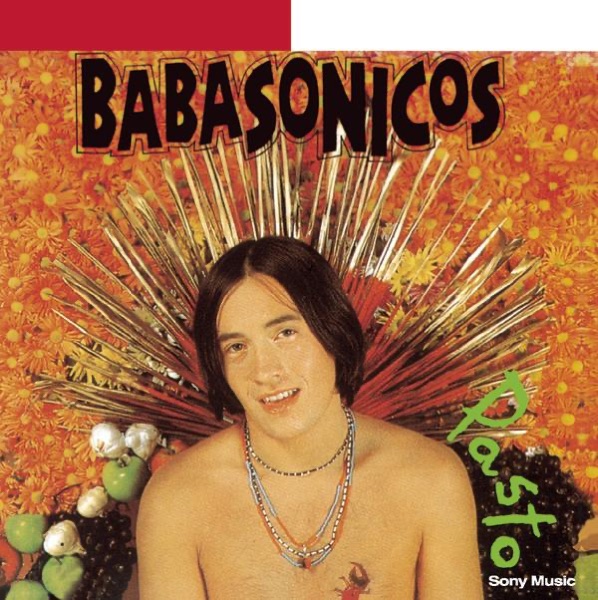
Pasto
1992 · 20 tracks
- 1 Intro ↗ 0:11
- 2 D-Generación ↗ 3:51
- 3 Tripeando ↗ 3:58
- 4 41' de Ocio ↗ 0:41
- 5 Sobre la Hierba ↗ 4:38
- 6 Chicos en el Pasto ↗ 3:27
- 7 Canción de la Bandera ↗ 0:41
- 8 La Era del Amor-Parte 1 ↗ 1:29
- 9 Natural ↗ 3:31
- 10 Mutha Fucka ↗ 0:51
- 11 Somos la Pelota ↗ 3:23
- 12 ¡Guarda D.P.¡ ↗ 0:54
- 13 Bien ↗ 5:36
- 14 Listo ↗ 0:14
- 15 Indios ↗ 3:23
- 16 Fiebre Roller ↗ 0:52
- 17 Sol Naranja ↗ 4:45
- 18 Umito ↗ 0:39
- 19 Margaritas ↗ 4:43
- 20 D-Generation (Trash Mix) ↗ 3:53

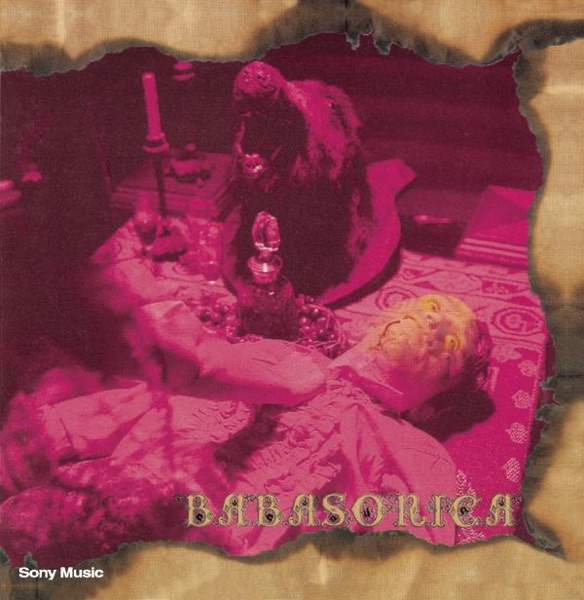
Babasónica
1997 · 13 tracks
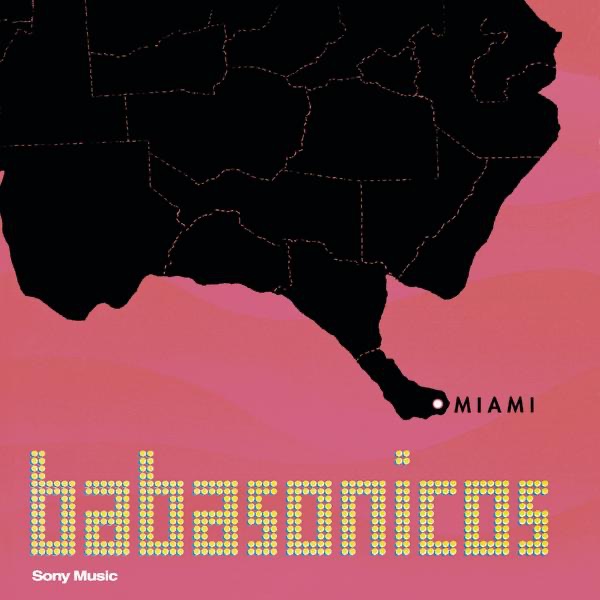
Miami
1999 · 18 tracks
- 1 4 A.M. ↗ 4:02
- 2 Desfachatados ↗ 3:54
- 3 El Ringo ↗ 3:24
- 4 El Sumum ↗ 2:27
- 5 La Roncha ↗ 4:12
- 6 Paraguayana ↗ 3:40
- 7 Valle de Valium ↗ 2:42
- 8 Bardo de Estrella ↗ 1:36
- 9 El Playboy ↗ 3:39
- 10 Drag Dealer ↗ 3:19
- 11 Gustavo Show ↗ 4:25
- 12 Combustible ↗ 3:24
- 13 Charada ↗ 2:53
- 14 Grand Prix ↗ 3:38
- 15 Colgado ↗ 2:15
- 16 Mal Víaje ↗ 2:23
- 17 El Shopping ↗ 2:54
- 18 Casualidad ↗ 3:37

Jessico
2001 · 13 tracks
- 1 Los Calientes (Afiebrado Remix) ↗ 3:48
- 2 Fizz (Boeing Remix) ↗ 3:49
- 3 P*****o (Compumarcha 2000) ↗ 4:46
- 4 Yoli (Richard Saporita Mix) ↗ 4:22
- 5 Soy Rock (Soy Dub) ↗ 3:16
- 6 La Fox (Funghi Mix) ↗ 7:22
- 7 Tóxica (Princesa Pro Qu Mica) ↗ 3:02
- 8 Camarín (Groove On) ↗ 5:28
- 9 Atomicum (d'N'b' Mix) ↗ 6:46
- 10 P*****o (Romina Cohn Mix) ↗ 5:14
- 11 El Loco (Gastón Mix) ↗ 3:39
- 12 Camarín (Camet Freak Mix) ↗ 6:18
- 13 Fizz (feat. Daniel Melero) ↗ 4:11


A propósito
2011 · 13 tracks
- 1 Flora y Fauno ↗ 4:15
- 2 Fiesta Popular ↗ 3:26
- 3 Tormento ↗ 3:35
- 4 Deshoras (Version for USA) ↗ 3:34
- 5 Pulpito ↗ 2:32
- 6 Ideas ↗ 4:00
- 7 En Privado ↗ 3:55
- 8 Muñeco de Haití ↗ 3:45
- 9 Parte 1: El Sultán ↗ 2:31
- 10 Parte 2: Jaula ↗ 3:04
- 11 El Pupilo ↗ 3:42
- 12 Barranca Abajo ↗ 2:36
- 13 Chisme de Zorro ↗ 3:28


-
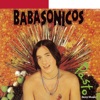 PastoBabasónicos199220 tracks
 -
 Trance ZombaBabasónicos199412 tracks
 -
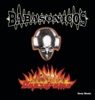 DopádromoBabasónicos199612 tracks
 -
 BabasónicaBabasónicos199713 tracks
 -
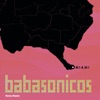 MiamiBabasónicos199918 tracks
 -
 JessicoBabasónicos200113 tracks
 -
 InfameBabasónicos200314 tracks
 -
 AnocheBabasónicos200514 tracks
 -
 MuchoBabasónicos200810 tracks
 -
 A propósitoBabasónicos201113 tracks
 -
 RomantisísmicoBabasónicos201312 tracks
 -
 DiscutibleBabasónicos201810 tracks
 -
 TrincheraBabasónicos20221 track
 -
 Cuerpos, Vol. 1Babasónicos20259 tracks
Deep Dive
Overview
Basasónicos is an Argentine rock band formed in 1991, emerging as one of the defining acts of the late 1990s Buenos Aires underground. Arriving alongside a wave of New Rock bands such as Peligrosos Gorriones and Los Brujos, Babasónicos crystallized the “sonic” underground movement—a distinctly Argentine approach to alternative rock that married sleek production values with experimental songwriting and a willingness to court strangeness. Their influence extends across two decades of Latin American rock, establishing a template for how Argentine acts could achieve international credibility without abandoning local sonic identity.
Formation Story
Basasónicos coalesced in Buenos Aires during 1991, a period of creative ferment in Argentine rock. The early 1990s saw a surge of homegrown rock bands seeking to move beyond the shadows of 1980s predecessors, and Babasónicos arrived as part of that generational shift. Led by Adrián Dárgelos, the band entered a scene already energized by the emergence of related acts and a growing appetite for guitar-driven alternative music that could compete with imported American and British models. Buenos Aires, long a center of Argentine cultural production, provided the density of venues, recording studios, and critical attention necessary for a band to develop a distinctive voice.
Breakthrough Moment
Basasónicos’ early albums established their sonic vocabulary, but their breakthrough came with the late-1990s consolidation of their aesthetic. The releases Miami (1999) and Jessico (2001) positioned them as architects of something genuinely new in Argentine rock—production-conscious, rhythmically adventurous, and unafraid of pop sensibilities. By the early 2000s, Babasónicos had shifted from underground cult status to a position as one of Argentina’s most significant rock exports, their influence spreading across Latin America and earning attention from international listeners attuned to Spanish-language alternative music.
Peak Era
The 2000s marked Babasónicos’ sustained creative and commercial peak. Albums such as Infame (2003), Anoche (2005), and Mucho (2008) showcased a band in full command of their sound—confident enough to experiment with production textures, arrangement choices, and lyrical perspectives without losing focus. This decade confirmed their status as more than a local phenomenon; they had become a reference point for how Argentine rock could achieve sophistication and commercial viability simultaneously. The consistency of output and the loyalty of their fanbase across Latin America underscored their role as cultural ambassadors for Buenos Aires rock.
Musical Style
Basasónicos’ sound is rooted in alternative and indie rock but inflected with the rhythmic and melodic sensibilities of Argentine pop and rock traditions. Their production approach—precise, layered, often featuring clean guitars and prominent keyboards—distinguishes them from the rawer aesthetics of American grunge or British Britpop that dominated the 1990s. Dárgelos’ vocal delivery tends toward understated expressiveness, allowing the arrangements to carry emotional weight. The band’s willingness to incorporate electronic elements, unconventional song structures, and pop hooks into a fundamentally rock framework became a hallmark of the sonic underground movement they helped define. Over time, their songwriting evolved from the more experimental textures of their early work toward structures that balanced accessibility with artistic ambition, a balance they have maintained across their catalogue into the 2020s.
Major Albums
Miami (1999)
A landmark in Argentine rock, Miami crystallized Babasónicos’ sonic identity and marked their transition from underground curiosity to significant cultural force, establishing them as leaders of the sonic underground movement.
Jessico (2001)
Following their late-1990s breakthrough, Jessico consolidated Babasónicos’ position with further refinement of their production-conscious approach and solidified their appeal across Latin America.
Infame (2003)
Released during their peak commercial period, Infame demonstrated the band’s maturity in balancing experimental impulses with cohesive album architecture.
Anoche (2005)
Continuing their 2000s prominence, Anoche maintained the band’s standard of sophisticated arrangement and proved their durability as a creative force.
Mucho (2008)
The final album of their initial phase before a shift in output frequency, Mucho showcased a band at ease with their formula while still pursuing tonal and structural variations.
Signature Songs
- “Pijamas Pijamas” — A track that exemplifies Babasónicos’ ability to craft hook-laden arrangements around understated vocals and precise instrumentation.
- “Tele” — Demonstrates the band’s skill in building atmospheric layers and deploying electronic textures within a rock context.
- “Necesito Dinero” — A characteristically Argentine take on material desire and urban anxiety, set to one of their most immediately memorable melodies.
- “Ángel” — Showcases the band’s approach to pop-inflected songwriting and their gift for vocal melody.
Influence on Rock
Basasónicos’ primary influence lies in establishing a viable model for Argentine rock in the post-1980s era—one that absorbed international alternative and indie rock without mimicry, instead creating something distinctly local. Their success demonstrated that Spanish-language rock from Latin America could achieve both critical respect and commercial reach. The sonic underground movement they helped pioneer influenced subsequent generations of Argentine and Latin American bands seeking to balance art-rock ambition with contemporary production values. Their career trajectory showed that Argentine rock could sustain itself through touring, streaming, and cultural prestige without necessarily breaking into English-language markets, a lesson that shaped how Latin American rock bands understood their possibilities in the 21st century.
Legacy
Basasónicos have remained active into the 2020s, releasing albums at a steadier pace than their 2000s peak but maintaining artistic engagement—Discutible (2018), Trinchera (2022), and Cuerpos, Vol. 1 (2025) demonstrate ongoing creative work. Their influence is visible in how subsequent Argentine and Latin American indie and alternative rock bands approach production, arrangement, and the balance between experimental impulse and pop sensibility. The band’s longevity and consistent touring presence have cemented them as institutional presences in rock worldwide, particularly in Spanish-language markets. Their catalogue, now spanning more than three decades, represents one of the clearest documents of Argentine rock’s evolution from the 1990s underground to its contemporary status as a globally respected tradition.
Fun Facts
- Babasónicos emerged alongside Peligrosos Gorriones and Los Brujos as part of the 1990s wave of New Rock bands that revitalized Argentine rock after the 1980s.
- The band’s name and much of their conceptual approach reflect a deliberate embrace of the absurd and the strange, key features of the sonic underground aesthetic they helped define.
- By maintaining an independent Argentine base and touring extensively across Latin America rather than relocating to major English-language markets, Babasónicos established a model of Latin American rock success distinct from the relocation strategy of many 1990s bands.
- The band’s three-decade career with Sony Music and EMI Latin makes them among the longest-running acts in Argentine rock history under major label affiliation.