

Image courtesy of Apple Music
Rank #319
The Sundays
From Wikipedia
The Sundays were an English alternative rock band. The band's lineup consisted of lead vocalist Harriet Wheeler, guitarist David Gavurin, bassist Paul Brindley, and drummer Patrick Hannan.
Discography & Previews
Browse through and click an album to open and play 30-second previews streamed from Apple Music.


-
 Reading, Writing and ArithmeticThe Sundays199010 tracks
 -
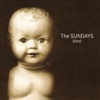 BlindThe Sundays199212 tracks
 -
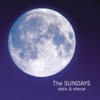 Static & SilenceThe Sundays199712 tracks
Deep Dive
Overview
The Sundays were an English alternative rock band that emerged from London in 1988, operating at the intersection of indie rock sensibility and dreamy, introspective songwriting. Fronted by vocalist Harriet Wheeler and guitarist David Gavurin, the band crafted a distinctive sound characterized by Wheeler’s ethereal, expressive voice layered over jangly guitar work and restrained rhythm section arrangements. Over their initial decade of activity, The Sundays recorded three studio albums that established them as a significant presence in the UK alternative rock scene and earned them recognition beyond their home country.
Formation Story
The Sundays coalesced in London in 1988, built around the songwriting partnership of Harriet Wheeler and David Gavurin. Wheeler and Gavurin formed the creative core of the band, developing their musical vision within the broader London alternative rock ecosystem of the late 1980s. They were joined by bassist Paul Brindley and drummer Patrick Hannan, completing a four-piece lineup that would define the band’s sound throughout their most prolific period. The formation of the band coincided with a fertile moment for UK alternative rock, as post-punk’s influence and indie rock’s DIY ethos continued to reshape the mainstream rock landscape.
Breakthrough Moment
The Sundays’ breakthrough came with their debut album Reading, Writing and Arithmetic, released in 1990 on Rough Trade. The album introduced their signature aesthetic: Wheeler’s gossamer vocals floating atop Gavurin’s guitar arrangements, which balanced jangly, melodic passages with moments of subtle restraint. The album gained substantial critical attention and established The Sundays as more than a local London phenomenon, earning them a foothold in the alternative rock market that was beginning to expand beyond college radio and independent venues. Reading, Writing and Arithmetic demonstrated that there was an audience for the band’s understated, emotionally nuanced approach to alternative rock at a moment when louder, more aggressive variants of the genre were also gaining prominence.
Peak Era
The Sundays’ peak era spanned the early to mid-1990s, encompassing the release of their second album Blind in 1992 and extending through to their third studio album Static & Silence in 1997. During these years, the band consolidated their reputation as purveyors of elegant, introspective alternative rock. Blind deepened the sonic territory they had staked out on their debut, while Static & Silence demonstrated their ability to sustain artistic vision across multiple album cycles. This period represented The Sundays at their most creatively confident, operating within the alternative rock mainstream while maintaining the distinctive qualities that set them apart from contemporaries.
Musical Style
The Sundays’ musical signature rested primarily on the interplay between Harriet Wheeler’s voice and David Gavurin’s guitar work. Wheeler’s vocals were characterized by their delicacy and emotional expressiveness, capable of conveying intimacy and vulnerability without resorting to technical virtuosity or vocal affectation. Gavurin’s guitar style favored clean, jangly tones with careful attention to space and dynamics; his approach was compositional rather than overtly technical, emphasizing melody and texture over speed or volume. The rhythm section of Paul Brindley’s bass and Patrick Hannan’s drums operated with similar restraint, prioritizing groove and pocket over complexity. The overall effect was one of restrained sophistication—alternative rock that drew from indie rock’s melodic sensibilities and post-punk’s economy of expression, avoiding the angst and distortion that characterized much concurrent alternative rock in favor of a more introspective, literate aesthetic.
Major Albums
Reading, Writing and Arithmetic (1990)
The Sundays’ debut established the blueprint for their sound: ethereal vocals, jangly guitar arrangements, and carefully calibrated emotional reserve. The album signaled the arrival of a fully formed artistic vision within the UK alternative rock landscape.
Blind (1992)
Their second album deepened and refined the musical territory established on their debut, demonstrating growth in both songwriting confidence and production sophistication while maintaining the distinctive qualities that made the band recognizable.
Static & Silence (1997)
The Sundays’ third studio album continued their exploration of introspective alternative rock, showing that the band remained artistically vital after the mid-1990s shift in alternative rock’s commercial and critical landscape.
Signature Songs
- “Here’s Where the Story Ends” — A track that exemplifies the band’s ability to convey emotional depth through restraint and melodic grace, showcasing Wheeler’s expressive vocal delivery.
- “Love” — Demonstrates the band’s gift for combining lyrical directness with musical subtlety and sophisticated arrangement choices.
- “Summertime” — Features the interplay between Wheeler’s vocals and Gavurin’s guitar that became The Sundays’ calling card.
- “She” — Showcases the band’s skill at constructing emotionally resonant narratives within economical song structures.
Influence on Rock
The Sundays occupied a particular niche within 1990s alternative rock, offering an alternative to both the heavy, distortion-based grunge aesthetic and the ironic detachment of Britpop. Their emphasis on emotional directness, melodic sophistication, and restrained arrangement influenced subsequent generations of alternative rock and indie rock artists who sought to balance accessibility with artistic subtlety. The band’s approach—where less was more and vocal expression trumped instrumental virtuosity—provided a model for artists interested in alternative rock that prioritized song craft and emotional communication. Wheeler’s distinctive vocal approach, in particular, influenced how subsequent female-fronted alternative rock and indie rock bands conceptualized the possibilities of vocal performance within guitar-based rock music.
Legacy
The Sundays remain a respected presence within the alternative rock canon, remembered as exemplars of a particular strain of 1990s alternative rock that valued restraint and introspection. Their three studio albums have maintained their cultural presence through continued streaming and periodic critical re-evaluation, reaching new audiences long after their initial release. The band’s music has proven durable, neither dating with the era in which it was made nor feeling artificially preserved; instead, Reading, Writing and Arithmetic and their subsequent albums continue to sound like coherent artistic statements rooted in their moment while possessing enough emotional and melodic substance to speak across decades. The Sundays’ particular contribution to alternative rock—the demonstration that the genre could encompass both critical sophistication and genuine emotional intimacy—remains a touchstone for how alternative rock’s possibilities were understood in the late 1980s and 1990s.
Fun Facts
- The Sundays were signed to the independent label Rough Trade, which also released records by post-punk pioneers and contemporary alternative rock acts, placing them within a lineage of thoughtfully artistic rock music.
- Harriet Wheeler’s vocal approach—characterized by its clarity, expressiveness, and lack of conventional rock affectation—marked a distinctive point in how female vocalists were approaching alternative rock during the early 1990s.
- The band’s name, The Sundays, was taken from the day of the week, reflecting the understated, quasi-literary sensibility that informed their approach to both songwriting and band identity.