
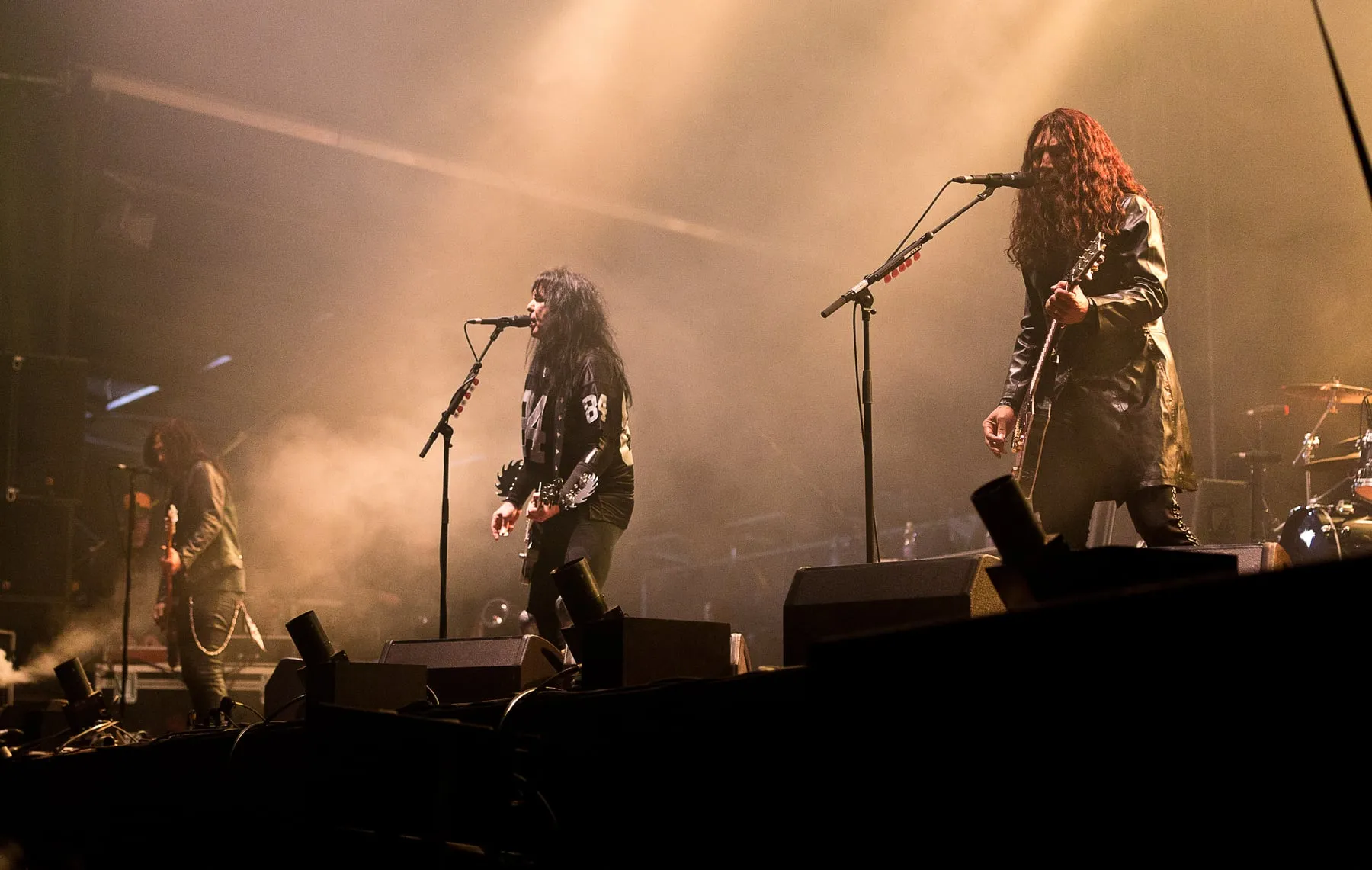
Photo by S. Bollmann , licensed under CC BY-SA 4.0 · Wikimedia Commons
Rank #472
W.A.S.P.
From Wikipedia
W.A.S.P. is an American heavy metal band formed in 1982, emerging from the early Los Angeles heavy metal scene. They became known for their shock rock-themed image, lyrics, and live performances. They have sold over 12 million records worldwide, with their first two full-length studio albums, W.A.S.P. (1984) and The Last Command (1985), being certified as gold by the RIAA.
Members
- Blackie Lawless (1982–present)
- Tony Richards (1982–1984)
- Steve Riley (1984–1987)
- Mike Duda (1995–present)
- Doug Blair (2006–present)
- Mike Dupke (2006–2015)
- Randy Black (2015–2017)
- Aquiles Priester (2017–present)
Discography & Previews
Browse through and click an album to open and play 30-second previews streamed from Apple Music.

The Last Command
1985 · 17 tracks
- 1 Wild Child ↗ 5:12
- 2 Ballcrusher ↗ 3:28
- 3 Fistful of Diamonds ↗ 4:14
- 4 Jack Action ↗ 4:17
- 5 Widowmaker ↗ 5:18
- 6 Blind In Texas ↗ 4:21
- 7 Cries In the Night ↗ 3:42
- 8 The Last Command ↗ 4:11
- 9 Running Wild In the Streets ↗ 3:30
- 10 Sex Drive ↗ 3:12
- 11 Mississippi Queen ↗ 3:22
- 12 Savage ↗ 3:33
- 13 On Your Knees (Live Lyceum 1984) ↗ 4:39
- 14 Hellion (Live Lyceum 1984) ↗ 4:45
- 15 Sleeping (In the Fire) [Live Lyceum 1984] ↗ 5:45
- 16 Animal (F**k Like a Beast) [Live Lyceum 1984] ↗ 4:38
- 17 I Wanna Be Somebody (Live Lyceum 1984) ↗ 5:54
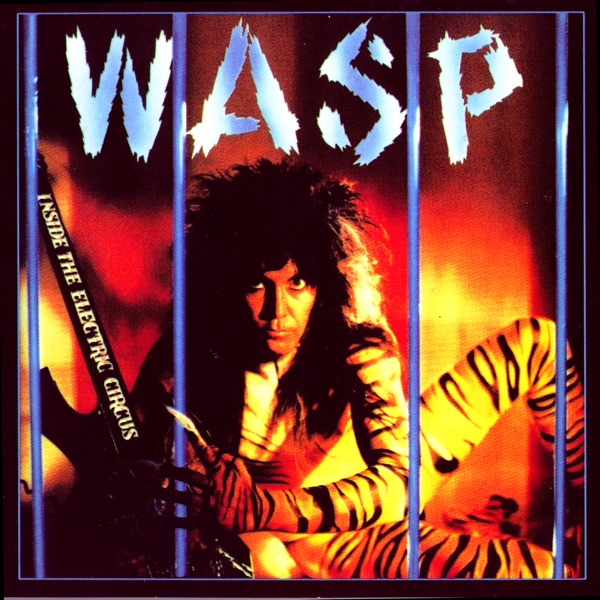
Inside the Electric Circus
1986 · 14 tracks
- 1 The Big Welcome ↗ 1:22
- 2 Inside the Electric Circus ↗ 3:33
- 3 I Don't Need No Doctor ↗ 3:26
- 4 9.5. - N.A.S.T.Y. ↗ 4:48
- 5 Restless Gypsy ↗ 4:59
- 6 Shoot from the Hip ↗ 4:38
- 7 I'm Alive ↗ 4:22
- 8 Easy Living ↗ 3:12
- 9 Sweet Cheetah ↗ 5:16
- 10 Mantronic ↗ 4:10
- 11 King of Sodom and Gomorrah ↗ 3:50
- 12 The Rock Rolls On ↗ 3:52
- 13 Flesh and Fire (7" B-Side) ↗ 4:38
- 14 Douche Bag Blues (12" B-Side) ↗ 3:25
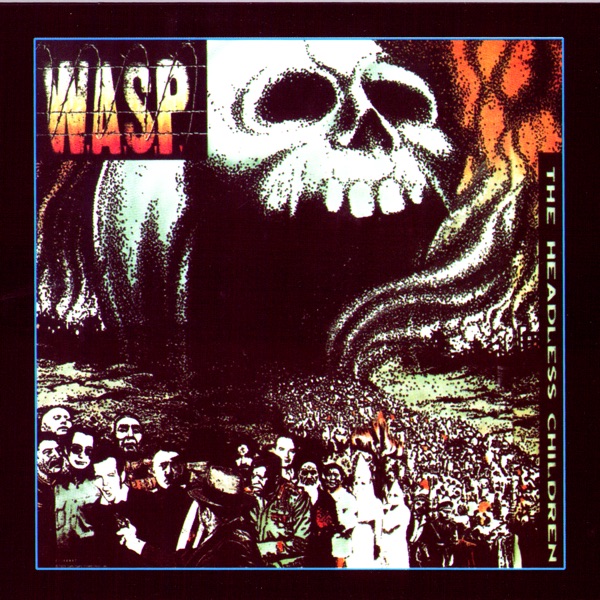
The Headless Children
1989 · 16 tracks
- 1 The Heretic (The Lost Child) ↗ 7:23
- 2 The Real Me ↗ 3:20
- 3 The Headless Children ↗ 5:46
- 4 Thunderhead ↗ 6:50
- 5 Mean Man ↗ 4:48
- 6 The Neutron Bomber ↗ 4:10
- 7 Mephisto Waltz ↗ 1:28
- 8 Forever Free ↗ 5:09
- 9 Maneater ↗ 4:47
- 10 Rebel In the F.D.G. ↗ 5:08
- 11 Locomotive Breath ↗ 3:00
- 12 For Whom the Bell Tolls ↗ 3:48
- 13 Lake of Fools ↗ 5:33
- 14 War Cry ↗ 5:33
- 15 L.O.V.E. Machine (Live) ↗ 4:48
- 16 Blind In Texas (Live) ↗ 6:53

The Crimson Idol
1992 · 23 tracks
- 1 The Titanic Overture ↗ 3:32
- 1 Phantoms In The Mirror ↗ 4:37
- 2 The Invisible Boy ↗ 5:13
- 2 The Eulogy ↗ 4:17
- 3 Arena Of Pleasure ↗ 4:15
- 3 When The Levee Breaks ↗ 7:07
- 4 Chainsaw Charlie(Murders In The New Morgue) ↗ 8:43
- 4 The Idol (Live) ↗ 4:36
- 5 The Gypsy Meets The Boy ↗ 4:15
- 5 Hold On To My Heart (Live) ↗ 4:23
- 6 Doctor Rockter ↗ 3:54
- 6 I Am One (Live) ↗ 4:59
- 7 I Am One ↗ 5:24
- 7 Wild Child (Live) ↗ 5:54
- 8 The Idol ↗ 8:40
- 8 Chainsaw Charlie (Murders In The New Morgue)(Live) ↗ 8:24
- 9 Hold On To My Heart ↗ 4:22
- 9 I Wanna Be Somebody (Live) ↗ 6:14
- 10 The Great Misconceptions Of Me ↗ 9:47
- 10 The Invisible Boy (Live) ↗ 4:15
- 11 The Story Of Jonathan (Prologue To The Crimson Idol) ↗ 16:36
- 11 The Real Me (Live) ↗ 3:42
- 12 The Great Misconceptions Of Me (Live) ↗ 9:45


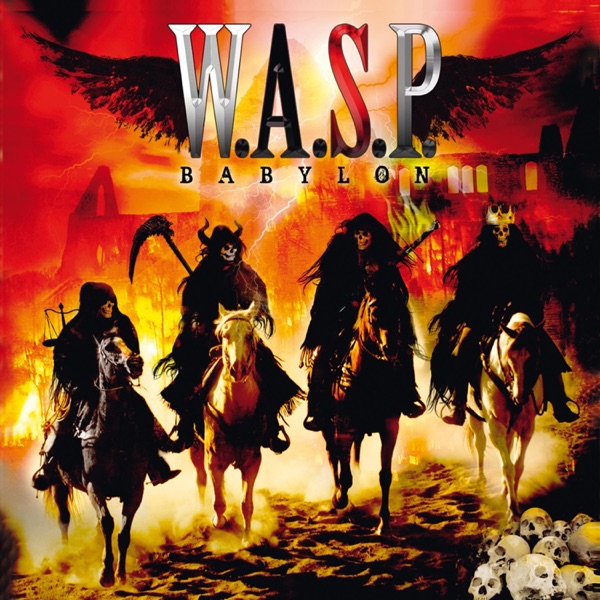

-
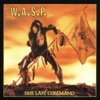 The Last CommandW.A.S.P.198517 tracks
 -
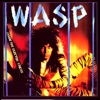 Inside the Electric CircusW.A.S.P.198614 tracks
 -
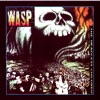 The Headless ChildrenW.A.S.P.198916 tracks
 -
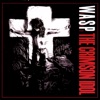 The Crimson IdolW.A.S.P.199223 tracks
 -
 Unholy TerrorW.A.S.P.200110 tracks
 -
 Dying for the WorldW.A.S.P.200210 tracks
 -
 DominatorW.A.S.P.20079 tracks
 -
 BabylonW.A.S.P.20099 tracks
 -
 GolgothaW.A.S.P.20159 tracks
Deep Dive
Overview
W.A.S.P. is an American heavy metal band that emerged from the Los Angeles scene in 1982 and became one of the defining acts of the glam metal movement. The band built their reputation on a combination of heavy riffs, theatrical shock rock imagery, and provocative live performances that pushed the boundaries of metal aesthetics in the 1980s. Over four decades, W.A.S.P. sold more than 12 million records worldwide and established themselves as a consistent creative force, with their early albums becoming gold-certified landmarks of the era.
Formation Story
W.A.S.P. was formed in Los Angeles in 1982 by guitarist and vocalist Blackie Lawless, who would remain the band’s constant creative center through all subsequent iterations. The founding lineup included drummer Tony Richards, establishing the core from which the band would launch their assault on the heavy metal establishment. Lawless and Richards emerged from the fertile Los Angeles heavy metal underground at a moment when shock rock presentation and theatrical extremity were beginning to merge with the technical aggression of traditional metal. The city’s music scene in the early 1980s was primed for exactly the kind of provocative, image-driven heavy metal that W.A.S.P. would pioneer—a fusion of the raw power of metal with the deliberately offensive staging and lyrical content that had defined shock rock a generation earlier.
Breakthrough Moment
W.A.S.P.’s commercial and cultural breakthrough came immediately with their debut album, the self-titled W.A.S.P. in 1984, which introduced their graphic aesthetic and aggressive sonic approach to a widening audience. The album achieved gold certification, establishing the band as more than a regional curiosity. This success was consolidated and amplified by The Last Command in 1985, their second studio album, which also reached gold status and demonstrated that their initial breakthrough was not a one-time commercial fluke. These twin successes in consecutive years positioned W.A.S.P. among the leading figures of the emerging glam metal movement and signaled that the band’s combination of shock imagery, technical musicianship, and uncompromising heaviness had struck a chord with metal audiences hungry for something more extreme and theatrical than the arena rock establishment could offer.
Peak Era
The late 1980s and early 1990s represented W.A.S.P.’s most creatively ambitious period. Inside the Electric Circus (1986) extended the band’s sonic palette, while The Headless Children (1989) showed greater lyrical sophistication and conceptual ambition. However, The Crimson Idol (1992) stands as the creative pinnacle of this era—a full conceptual statement that demonstrated the band’s willingness to pursue artistic depth alongside their shock rock presentation. This period saw W.A.S.P. move beyond novelty or shock value alone, proving they could sustain thematic complexity and musical development over extended album formats. The band’s continued output through the 1990s, including Still Not Black Enough (1995), Kill Fuck Die (1997), and Helldorado (1999), maintained their presence in the metal landscape despite shifting radio formats and changing tastes in rock music.
Musical Style
W.A.S.P.’s sound is rooted in heavy metal’s power and aggression, layered with the visual and lyrical theatricality of shock rock. Blackie Lawless’s vocals range from conventional metal delivery to more theatrical, sometimes declamatory passages, while the guitar work emphasizes heavy riffs and dramatic dynamics rather than virtuosic speed. The band’s rhythm section anchors their material with a focus on groove and thunderous impact. What distinguishes W.A.S.P. from their contemporaries in the glam metal world is a darker, more confrontational edge—their lyrics and imagery deliberately courted controversy rather than merely exploiting shock value for commercial effect. This commitment to transgressive content as integral to the music itself, rather than as window dressing, gave W.A.S.P. a consistency of vision that transcended fashion cycles. The band’s evolution from their raw early work through the conceptual sophistication of the early 1990s shows a project constantly pushing its own boundaries while maintaining fidelity to its core aesthetic of metal heaviness filtered through shock rock provocation.
Major Albums
W.A.S.P. (1984)
The debut established W.A.S.P.’s signature sound and visual aggression, achieving gold certification and introducing audiences to Blackie Lawless’s vision of uncompromising, shock-inflected heavy metal.
The Last Command (1985)
The follow-up consolidated their commercial breakthrough with another gold-certified release, proving the band’s initial success was built on a sustainable artistic foundation.
Inside the Electric Circus (1986)
This album expanded the band’s sonic scope while maintaining their core identity, showing a willingness to explore new textures within the framework of heavy metal.
The Headless Children (1989)
Marking a shift toward greater lyrical and conceptual depth, this album demonstrated the band’s ability to develop as songwriters beyond shock imagery.
The Crimson Idol (1992)
W.A.S.P.’s most ambitious conceptual work, The Crimson Idol stands as the high-water mark of their creative period, balancing theatrical presentation with genuine thematic and musical complexity.
Golgotha (2015)
A return to raw heaviness after a period of stylistic exploration, this album reaffirmed the band’s commitment to their foundational sound.
Signature Songs
- “Animal (Fuck Like a Beast)” — The band’s most recognizable track, a direct statement of their shock rock aesthetic and aggressive approach to heavy metal.
- “Blackie’s Comin’ Back” — A signature Blackie Lawless showcase demonstrating his distinctive vocal presence and the band’s dynamic range.
- “The Real Me” — Highlighting the band’s ability to balance heaviness with more structured songwriting.
- “Blind in Texas” — A track exemplifying the darker, more conceptually ambitious direction of the late 1980s.
- “The Idol” — A centerpiece of The Crimson Idol’s conceptual framework.
Influence on Rock
W.A.S.P. occupied a unique position within 1980s metal, representing an extreme endpoint of shock rock fusion that influenced how subsequent bands approached image, presentation, and lyrical content. While the glam metal movement as a whole was defined by surface-level theatricality, W.A.S.P.’s integration of shock rock aggression into the metal framework showed that provocative imagery could be sustained as genuine artistic expression rather than mere commercial posturing. The band proved that metal audiences would embrace uncompromising transgression if backed by solid musicianship and consistent thematic vision. Their example opened space for other acts to pursue darker, more provocative imagery within the metal tradition, influencing the trajectory of how metal would engage with taboo subjects and extreme presentation in subsequent decades.
Legacy
W.A.S.P. has maintained an active recording and touring presence across four decades, demonstrating remarkable longevity in a genre notorious for breakups and lineup changes. The band’s catalog remains in print and accessible through streaming platforms, with The Crimson Idol in particular continuing to receive critical reassessment as a serious conceptual work rather than mere shock rock spectacle. The consistency of Blackie Lawless’s creative control—remaining the sole continuous member since the band’s inception—has given W.A.S.P. a unity of vision unusual in metal, where lineup instability often fragments artistic direction. The band’s sales of over 12 million records worldwide remain evidence of their sustained commercial relevance, achieved not through mainstream radio dominance but through dedicated metal audiences who recognized the sincerity of their aesthetic commitment.
Fun Facts
- Blackie Lawless has been the sole continuous member of W.A.S.P. since 1982, remaining the band’s creative center through numerous lineup changes spanning four decades.
- The band’s bassist Mike Duda has been a consistent presence in the band since 1995, providing stable foundation for the group’s sound during their most prolific period.
- W.A.S.P. released two parts of The Neon God project in 2004, issued as separate works exploring different thematic and sonic territories within the same conceptual framework.
- The band reworked The Crimson Idol material for Reidolized: The Soundtrack to The Crimson Idol in 2018, revisiting and recontextualizing their most celebrated album nearly three decades after its original release.