
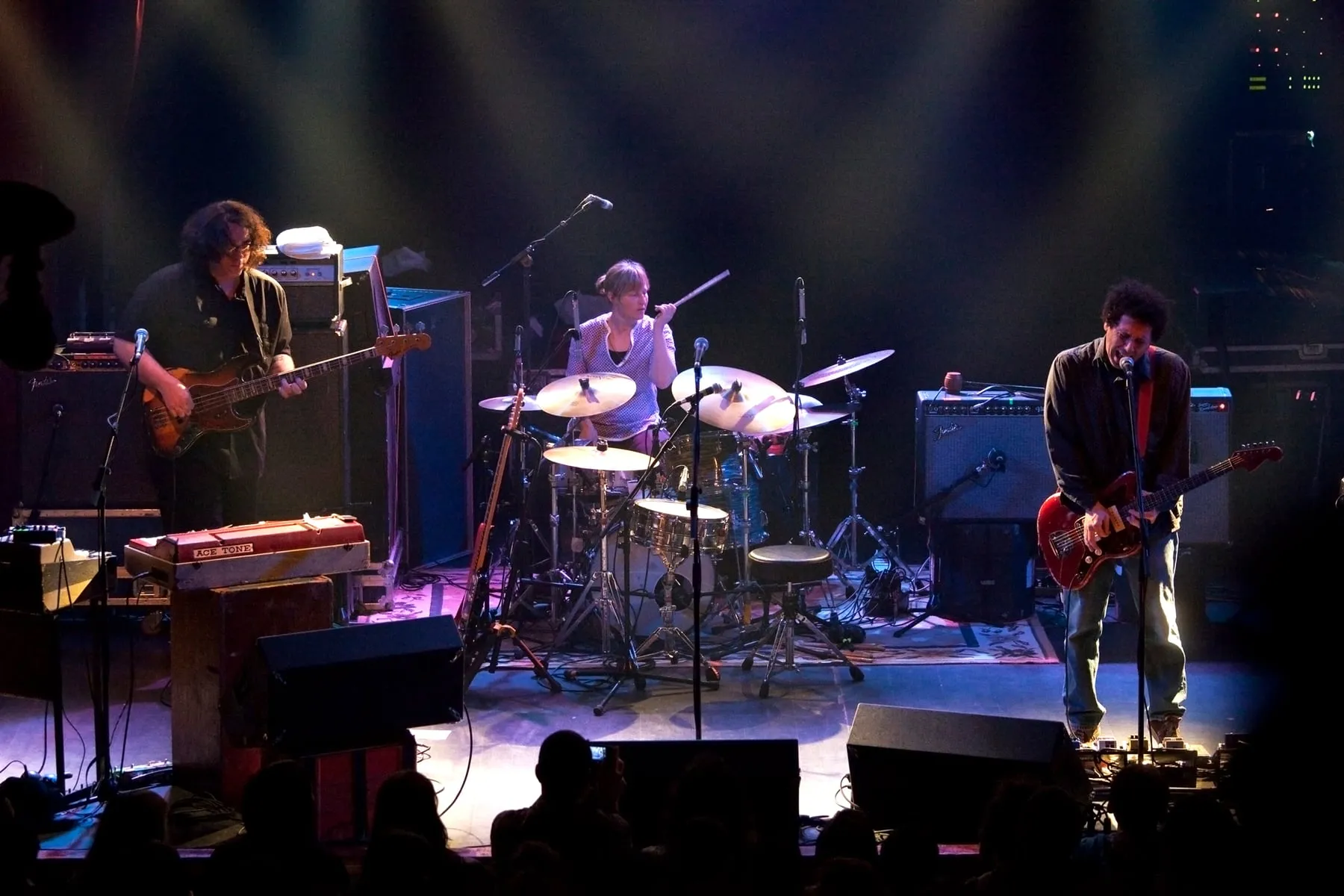
Photo by https://secure.flickr.com/photos/alterna2/ , licensed under CC BY 2.0 · Wikimedia Commons
Rank #165
Yo La Tengo
From Wikipedia
Yo La Tengo is an American indie rock band formed in Hoboken, New Jersey, in 1984. Since 1992, the lineup has consisted of Ira Kaplan, Georgia Hubley, and James McNew. In 2015, original guitarist Dave Schramm rejoined the band and appeared on their fourteenth album, Stuff Like That There.
Members
- Georgia Hubley
Discography & Previews
Browse through and click an album to open and play 30-second previews streamed from Apple Music.

Ride the Tiger
1986 · 15 tracks
- 1 The Cone of Silence ↗ 2:50
- 2 Big Sky ↗ 2:46
- 3 The Evil That Men Do ↗ 4:11
- 4 The Forest Green ↗ 3:24
- 5 The Pain of Pain ↗ 5:36
- 6 The Way Some People Die ↗ 3:38
- 7 The Empty Pool ↗ 2:22
- 8 Alrock's Bells ↗ 4:09
- 9 Five Years ↗ 3:46
- 10 Screaming Dead Balloons ↗ 3:17
- 11 Living in the Country ↗ 2:14
- 12 The River of Water ↗ 2:32
- 13 A House Is Not a Motel ↗ 3:43
- 14 Crispy Duck ↗ 3:04
- 15 Closing Time ↗ 3:45

New Wave Hot Dogs
1987 · 20 tracks
- 1 Barnaby, Hardly Working ↗ 4:37
- 2 Drug Test ↗ 4:09
- 3 The Evil That Men Do (Craig's Version) ↗ 2:41
- 4 Orange Song ↗ 3:22
- 5 Alyda ↗ 3:40
- 6 The Evil That Men Do (Pablo's Version) ↗ 10:36
- 7 I Threw It All Away ↗ 2:17
- 8 Clunk ↗ 3:32
- 9 Did I Tell You ↗ 3:30
- 10 House Fall Down ↗ 2:46
- 11 Lewis ↗ 2:30
- 12 Lost In Bessemer ↗ 1:22
- 13 It's Alright (The Way That You Live) ↗ 4:10
- 14 3 Blocks From Groove Street ↗ 2:24
- 15 Let's Compromise ↗ 1:51
- 16 Serpentine ↗ 1:58
- 17 A Shy Dog ↗ 3:37
- 18 No Water ↗ 3:18
- 19 The Story of Jazz ↗ 3:35
- 20 The Asparagus Song ↗ 4:42

Fakebook
1990 · 16 tracks
- 1 Can't Forget ↗ 2:18
- 2 Griselda ↗ 2:02
- 3 Here Comes My Baby ↗ 2:34
- 4 Barnaby, Hardly Working ↗ 4:30
- 5 Yellow Sarong ↗ 1:45
- 6 You Tore Me Down ↗ 2:54
- 7 Emulsified ↗ 2:51
- 8 Speeding Motorcycle ↗ 3:24
- 9 Tried So Hard ↗ 2:21
- 10 The Summer ↗ 2:39
- 11 Oklahoma, U.S.A. ↗ 2:25
- 12 What Comes Next ↗ 3:22
- 13 The One to Cry ↗ 1:58
- 14 Andalucia ↗ 3:40
- 15 Did I Tell You ↗ 3:27
- 16 What Can I Say ↗ 2:10
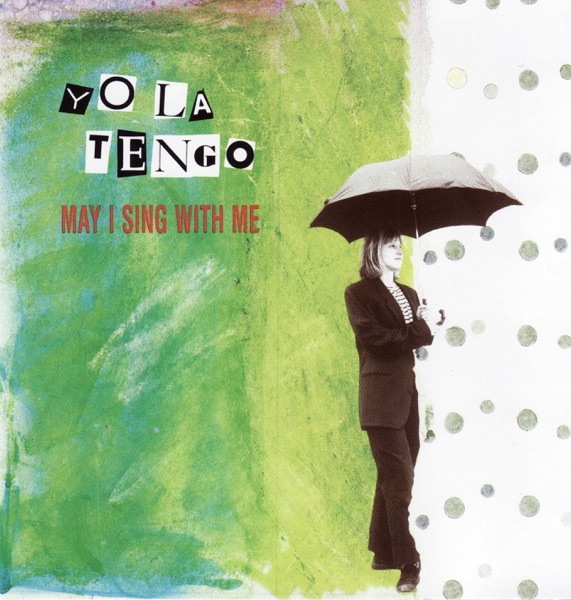
May I Sing With Me
1992 · 11 tracks
- 1 Detouring America With Horns ↗ 4:03
- 2 Upside-Down ↗ 2:38
- 3 Mushroom Cloud of Hiss ↗ 9:25
- 4 Swing for Life ↗ 5:06
- 5 Five-Cornered Drone (Crispy Duck) ↗ 6:20
- 6 Some Kinda Fatigue ↗ 4:34
- 7 Always Something ↗ 4:38
- 8 86-Second Blowout ↗ 1:32
- 9 Out the Window ↗ 4:00
- 10 Sleeping Pill ↗ 9:44
- 11 Satellite ↗ 2:17

Painful
1993 · 11 tracks
- 1 Big Day Coming ↗ 7:05
- 2 From a Motel 6 ↗ 4:09
- 3 Double Dare ↗ 3:29
- 4 Superstar-Watcher ↗ 1:45
- 5 Nowhere Near ↗ 6:04
- 6 Sudden Organ ↗ 4:46
- 7 A Worrying Thing ↗ 2:54
- 8 I Was the Fool Beside You for Too Long ↗ 5:07
- 9 The Whole of the Law ↗ 2:20
- 10 Big Day Coming (Second Version) ↗ 4:16
- 11 I Heard You Looking ↗ 7:02

Electr‐O‐Pura
1995 · 14 tracks
- 1 Decora ↗ 3:27
- 2 Flying Lesson (Hot Chicken #1) ↗ 6:42
- 3 The Hour Grows Late ↗ 3:06
- 4 Tom Courtenay ↗ 3:30
- 5 False Ending ↗ 0:56
- 6 Pablo and Andrea ↗ 4:16
- 7 Paul Is Dead ↗ 2:26
- 8 False Alarm ↗ 5:28
- 9 The Ballad of Red Buckets ↗ 4:00
- 10 Don't Say a Word (Hot Chicken #2) ↗ 3:28
- 11 (Straight Down to the) Bitter End ↗ 3:59
- 12 My Heart's Reflection ↗ 6:02
- 13 Attack on Love ↗ 1:52
- 14 Blue Line Swinger ↗ 9:18
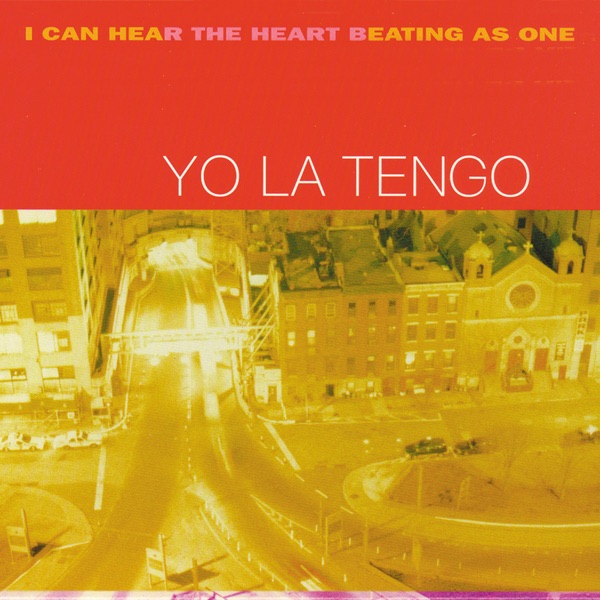
I Can Hear the Heart Beating as One
1997 · 16 tracks
- 1 Return to Hot Chicken ↗ 1:40
- 2 Moby Octopad ↗ 5:49
- 3 Sugarcube ↗ 3:21
- 4 Damage ↗ 4:39
- 5 Deeper into Movies ↗ 5:23
- 6 Shadows ↗ 2:27
- 7 Stockholm Syndrome ↗ 2:51
- 8 Autumn Sweater ↗ 5:18
- 9 Little Honda ↗ 3:07
- 10 Green Arrow ↗ 5:44
- 11 One PM Again ↗ 2:26
- 12 The Lie and How We Told It ↗ 3:19
- 13 Center of Gravity ↗ 2:42
- 14 Spec Bebop ↗ 10:41
- 15 We're an American Band ↗ 6:25
- 16 My Little Corner of the World ↗ 2:26

Strange but True
1998 · 22 tracks
- 1 Helpful Monkey Wallpapers Entire Home ↗ 2:07
- 2 Texas Man Abducted by Aliens for Outer Space Joy Ride ↗ 2:37
- 3 National Sports Association Hires Retired English Professor to Name New Wrestling Holds ↗ 2:33
- 4 Dedicated Thespian Has Teeth Pulled to Play Newborn Baby in High School Play ↗ 1:38
- 5 Three-Year-Old Genius Graduates High School at Top of Her Class ↗ 1:17
- 6 Embarrassed Teen Accidentally Uses Valuable Rare Postage Stamp ↗ 2:49
- 7 Principal Punishes Students with Bad Impressions and Tired Jokes ↗ 1:24
- 8 Retired Grocer Constructs Tiny Mount Rushmore Entirely of Cheese ↗ 1:51
- 9 X-Ray Reveals Doctor Left Wristwatch Inside Patient ↗ 0:50
- 10 Clumsy Grandmother Serves Delicious Dessert by Mistake #2 ↗ 1:01
- 11 Retired Woman Starts New Career in Monkey Fashions ↗ 1:35
- 12 Circus Strongman Runs for PTA President ↗ 3:19
- 13 High School Shop Class Constructs Bicycle Built for 26 ↗ 1:31
- 14 Clumsy Grandmother Serves Delicious Dessert by Mistake #1 ↗ 1:22
- 15 Ohio Town Saved from Killer Bees by Hungry Vampire Bats ↗ 2:27
- 16 Nevada Man Invents Piano with 21 Extra Keys ↗ 1:10
- 17 Clever Chemist Makes Chewing Gum from Soap ↗ 2:00
- 18 Minnesota Man Claims Monkey Bowled Perfect Game ↗ 1:34
- 19 Ingenious Scientist Invents Car of the Future ↗ 1:29
- 20 Car Gears Stick in Reverse, Daring Driver Crosses Town Backwards ↗ 1:48
- 21 Shocking Fashion Statement Terrorizes Town ↗ 1:56
- 22 Feisty Millionaire Fills Potholes with Hundred-Dollar Bills ↗ 2:44
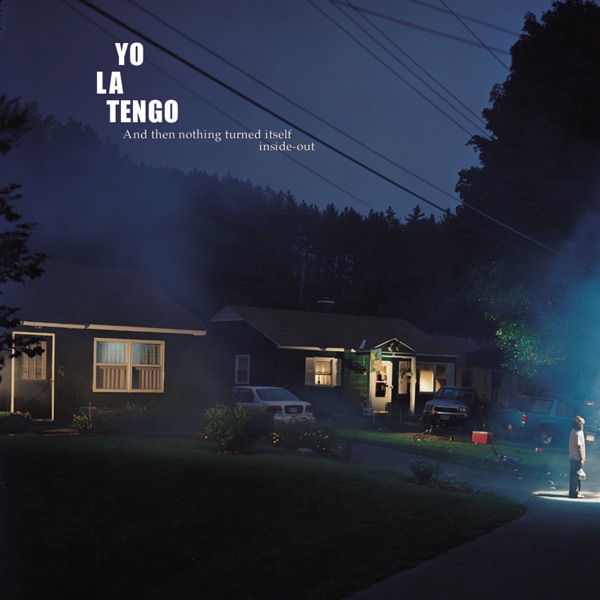
And Then Nothing Turned Itself Inside‐Out
2000 · 13 tracks
- 1 Everyday ↗ 6:32
- 2 Our Way to Fall ↗ 4:18
- 3 Saturday ↗ 4:18
- 4 Let's Save Tony Orlando's House ↗ 4:59
- 5 Last Days of Disco ↗ 6:28
- 6 The Crying of Lot G ↗ 4:45
- 7 You Can Have It All ↗ 4:37
- 8 Tears Are in Your Eyes ↗ 4:35
- 9 Cherry Chapstick ↗ 6:12
- 10 From Black to Blue ↗ 4:47
- 11 Madeline ↗ 3:36
- 12 Tired Hippo ↗ 4:47
- 13 Night Falls on Hoboken ↗ 17:42

Summer Sun
2003 · 13 tracks
- 1 Beach Party Tonight ↗ 3:07
- 2 Little Eyes ↗ 4:22
- 3 Nothing but You and Me ↗ 5:15
- 4 Season of the Shark ↗ 4:30
- 5 Today Is the Day ↗ 5:35
- 6 Tiny Birds ↗ 5:09
- 7 How to Make a Baby Elephant Float ↗ 3:30
- 8 Georgia Vs. Yo La Tengo ↗ 4:00
- 9 Don't Have to Be So Sad ↗ 5:55
- 10 Winter a-Go-Go ↗ 3:24
- 11 Moonrock Mambo ↗ 4:50
- 12 Let's Be Still ↗ 10:26
- 13 Take Care ↗ 2:34
V.O.T.E.
2005 · 12 tracks
- 1 V.O.T.E. (Public Service Announcement) ↗ 0:31
- 2 Shapes of Things ↗ 4:04
- 3 Venus ↗ 4:09
- 4 Politician ↗ 4:55
- 5 Plainest Thing ↗ 4:17
- 6 Compared to What ↗ 3:50
- 7 The Summer Sun ↗ 3:19
- 8 Sleepless Nights ↗ 4:10
- 9 McCauley Street (Let's Go Downtown) ↗ 10:40
- 10 Desperate Man ↗ 3:21
- 11 Sleepless Nights Again ↗ 2:04
- 12 Summer Sun ↗ 4:00

I Am Not Afraid of You and I Will Beat Your Ass
2006 · 16 tracks
- 1 Pass the Hatchet, I Think I'm Goodkind ↗ 10:47
- 2 Beanbag Chair ↗ 3:03
- 3 I Feel Like Going Home ↗ 4:14
- 4 Mr. Tough ↗ 4:06
- 5 Black Flowers ↗ 4:28
- 6 The Race Is On Again ↗ 4:37
- 7 The Room Got Heavy ↗ 5:10
- 8 Sometimes I Don't Get You ↗ 3:16
- 9 Daphnia ↗ 8:51
- 10 I Should Have Known Better ↗ 3:16
- 11 Watch Out For Me Ronnie ↗ 3:02
- 12 The Weakest Part ↗ 3:04
- 13 Song For Mahila ↗ 3:40
- 14 Point and Shoot ↗ 4:18
- 15 The Story of Yo La Tango ↗ 11:49
- 16 I Should Have Known Better (Demo Version) ↗ 3:18

Popular Songs
2009 · 13 tracks
- 1 Here to Fall ↗ 5:45
- 2 Avalon or Someone Very Similar ↗ 3:18
- 3 By Two's ↗ 4:29
- 4 Nothing to Hide ↗ 2:47
- 5 Periodically Double or Triple ↗ 3:53
- 6 If It's True ↗ 2:43
- 7 I'm On My Way ↗ 4:37
- 8 When It's Dark ↗ 3:55
- 9 All Your Secrets ↗ 4:28
- 10 More Stars Than There Are in Heaven ↗ 9:39
- 11 The Fireside ↗ 11:25
- 12 And the Glitter Is Gone ↗ 15:54
- 13 You've Got a Friend ↗ 4:11

Parallelogram
2015 · 2 tracks

Stuff Like That There
2015 · 14 tracks
- 1 My Heart's Not In It ↗ 2:48
- 2 Rickety ↗ 3:47
- 3 I'm So Lonesome I Could Cry ↗ 2:52
- 4 All Your Secrets ↗ 3:18
- 5 The Ballad of Red Buckets ↗ 4:49
- 6 Friday I'm In Love ↗ 3:11
- 7 Before We Stopped To Think ↗ 2:59
- 8 Butchie's Tune ↗ 2:47
- 9 Automatic Doom ↗ 2:37
- 10 Awhileaway ↗ 4:03
- 11 I Can Feel the Ice Melting ↗ 2:36
- 12 Naples ↗ 2:45
- 13 Deeper Into Movies ↗ 5:09
- 14 Somebody's In Love ↗ 2:06

There’s a Riot Going On
2018 · 15 tracks
- 1 You Are Here ↗ 5:44
- 2 Shades of Blue ↗ 2:51
- 3 She May, She Might ↗ 5:23
- 4 For You Too ↗ 4:14
- 5 Ashes ↗ 3:33
- 6 Polynesia #1 ↗ 2:26
- 7 Dream Dream Away ↗ 5:50
- 8 Shortwave ↗ 5:44
- 9 Above the Sound ↗ 5:41
- 10 Let's Do It Wrong ↗ 3:34
- 11 What Chance Have I Got ↗ 3:06
- 12 Esportes Casual ↗ 1:26
- 13 Forever ↗ 4:20
- 14 Out of the Pool ↗ 2:46
- 15 Here You Are ↗ 6:56

We Have Amnesia Sometimes
2020 · 5 tracks
- 1 James and Ira demonstrate mysticism and some confusion holds (Monday) ↗ 5:43
- 2 Georgia thinks it's probably okay (Tuesday) ↗ 7:34
- 3 James gets up and watches mourning birds with Abraham (Wednesday) ↗ 6:20
- 4 Georgia considers the two blue ones (Thursday) ↗ 8:17
- 5 Ira searches for the slide, sort of (Friday) ↗ 9:25

-
 Ride the TigerYo La Tengo198615 tracks
 -
 New Wave Hot DogsYo La Tengo198720 tracks
 -
 FakebookYo La Tengo199016 tracks
 -
 May I Sing With MeYo La Tengo199211 tracks
 -
 PainfulYo La Tengo199311 tracks
 -
 Electr‐O‐PuraYo La Tengo199514 tracks
 -
 I Can Hear the Heart Beating as OneYo La Tengo199716 tracks
 -
 Strange but TrueYo La Tengo199822 tracks
 -
 And Then Nothing Turned Itself Inside‐OutYo La Tengo200013 tracks
 -
 Summer SunYo La Tengo200313 tracks
 -
 V.O.T.E.Yo La Tengo200512 tracks
 -
 I Am Not Afraid of You and I Will Beat Your AssYo La Tengo200616 tracks
 -
 Popular SongsYo La Tengo200913 tracks
 -
 FadeYo La Tengo201310 tracks
 -
 ParallelogramYo La Tengo20152 tracks
 -
 Stuff Like That ThereYo La Tengo201514 tracks
 -
 There’s a Riot Going OnYo La Tengo201815 tracks
 -
 We Have Amnesia SometimesYo La Tengo20205 tracks
 -
 This Stupid WorldYo La Tengo20239 tracks
Deep Dive
Overview
Yo La Tengo emerged from Hoboken, New Jersey, in 1984 as an indie rock band that would spend four decades refusing stylistic containment. The trio—anchored by Ira Kaplan and Georgia Hubley from the group’s inception and joined by bassist James McNew in 1992—cultivated a reputation for genre fluency that set them apart from their contemporaries. Rather than chase commercial trends, Yo La Tengo moved between drone experiments, bossa nova inflections, feedback-heavy noise, and intimate pop confections with equal facility, establishing themselves as reliable experimentalists within the indie rock mainstream.
Formation Story
Yo La Tengo coalesced in Hoboken at the moment American independent rock was beginning to professionalize and formalize into a genuine alternative ecosystem. The band’s name itself—borrowed from a baseball phrase—signaled a casual irreverence toward rock convention from the start. The initial lineup featured Ira Kaplan on guitar and vocals and Georgia Hubley on drums. Over the first several years, the band remained a project of exploratory indie ambition, documenting their early evolution through a series of albums that ranged from the playful collision of influences on their 1986 debut Ride the Tiger through the art-school experimentalism of New Wave Hot Dogs in 1987. James McNew’s addition as bassist in 1992 stabilized the core trio that would define the band’s most recognizable period.
Breakthrough Moment
The early 1990s marked Yo La Tengo’s transition from regional curiosity to respected national indie institution. The 1993 album Painful established the band as more than a lovable oddity—it demonstrated genuine compositional depth beneath the eclecticism. By 1995, Electr‐O‐Pura had cemented their place within the expanding indie rock landscape, arriving at a moment when bands like Pavement and Sonic Youth had already demonstrated that guitar-based rock could contain multitudes. What separated Yo La Tengo from peers was not the density of their eclecticism but their comfort inhabiting genres without irony or pastiche. They sounded like they meant every genre they touched.
Peak Era
The late 1990s represented Yo La Tengo’s creative apex. I Can Hear the Heart Beating as One (1997) synthesized their accumulated musical vocabulary into a coherent statement—an album that could contain a luminous bossa nova meditation, a wall of drone, and a perfectly judged pop song without calling attention to its own ambition. That album’s success gave the band license to pursue increasingly adventurous territory through Strange but True (1998) and the sublimely minimal And Then Nothing Turned Itself Inside‐Out (2000), the last a sparse, contemplative work that risked everything on intimacy and restraint. This five-year window established Yo La Tengo not merely as experimentalists but as musicians with genuine emotional intelligence, capable of moving between styles because each served a specific emotional or sonic purpose.
Musical Style
Yo La Tengo’s signature sound resists easy reduction. Across their discography, they have deployed fuzz guitar, string arrangements, electronic processing, and deadpan vocal delivery not as stylistic accessories but as tools matched to song and mood. Kaplan’s guitar work ranges from discreet melodic support to feedback-drenched abstraction; Hubley’s drumming combines jazz sophistication with indie rock’s characteristic reserve; McNew’s bass lines anchor songs without calling attention to themselves. The band’s production choices—whether the warm tape sound of their early work, the crystalline clarity of I Can Hear the Heart Beating as One, or the bedroom-recording minimalism of And Then Nothing Turned Itself Inside‐Out—have always served song interpretation rather than fashion. What unifies their work across decades is a refusal to choose between accessibility and experimentation: they treat these poles as compatible rather than opposed.
Major Albums
I Can Hear the Heart Beating as One (1997)
This career apogee balances Yo La Tengo’s competing instincts: pop melodies without condescension, experimental textures without pretension, emotional directness without sentimentality. The album established the mature band’s voice.
And Then Nothing Turned Itself Inside‐Out (2000)
A stark, sparse statement of restraint and introspection, this album proved the band’s ability to sustain interest through minimal means, with Kaplan’s vocals and guitar occupying vast space rather than filling it.
Painful (1993)
The moment Yo La Tengo’s eclecticism gained focus, Painful demonstrated that genre-shifting could serve emotional depth rather than detract from it.
Electr‐O‐Pura (1995)
A key transitional work bridging their art-school origins and their late-90s artistic peak, this album showed the band capable of integrating electronic production with organic instrumentation.
Summer Sun (2003)
A sunlit, accessible work that proved the band could succeed without retreat to familiarity, proving their enduring creative restlessness.
Signature Songs
- “Autumn Sweater” — A bossa nova-inflected meditation that became the closest thing the band has to a radio-friendly statement.
- “I Was Not Born” — Demonstrates Hubley’s lyrical perspective and the band’s ability to pair simple melodies with genuine complexity.
- “Sugarcube” — Showcases the band’s gift for perfectly weighted pop production without compromise.
- “Ohayo” — One of their finest instrumental works, proving the band’s understanding of space and texture.
Influence on Rock
Yo La Tengo occupied a critical position within American indie rock as practitioners of what might be called “generous eclecticism”—they demonstrated that a band could draw from highbrow and lowbrow, experimental and accessible sources without becoming incoherent or precious. Their influence runs through countless indie and alternative acts that followed, particularly those operating in the post-Pavement era when genre purity became less valued than genuine musicianship. The band’s insistence on the compatibility of experimentation and emotion offered a countermodel to both art-rock’s occasional coldness and indie-rock’s sometimes default cuteness. Their career trajectory—remaining indie-rock institution-builders rather than chasing mainstream success—provided a template for bands valuing artistic autonomy over commercial expansion.
Legacy
By the 2010s and 2020s, Yo La Tengo had transitioned from contemporary force to established institution within indie rock, their catalogue deep and stable enough to support both casual fans and devoted archivists. The 2015 return of original guitarist Dave Schramm, appearing on Stuff Like That There, marked a reconnection with the band’s origins that came without nostalgia or retreat. Subsequent albums—There’s a Riot Going On (2018), We Have Amnesia Sometimes (2020), and This Stupid World (2023)—demonstrated the band’s continued creative engagement well into their fourth decade. The group’s sustained output and reputation ensured their presence in streaming-era indie rock canons alongside peers like Sonic Youth and the Flaming Lips, acts that similarly refused stylistic ossification. Yo La Tengo’s legacy rests partly on their music but equally on their persistence: a living demonstration that an American indie band could remain vital, experimental, and commercially viable across five decades without fundamental compromise.
Fun Facts
- The band’s name derives from “I got it!” in Spanish, drawn from a baseball broadcasting phrase and reflecting the group’s casual approach to nomenclature.
- Yo La Tengo recorded And Then Nothing Turned Itself Inside‐Out with remarkable sparseness, creating a full album with minimal instrumental and vocal layering that contradicted contemporary production trends.
- The band’s Hoboken base kept them geographically connected to New York’s avant-garde music scene, influencing their openness to experimental approaches.