
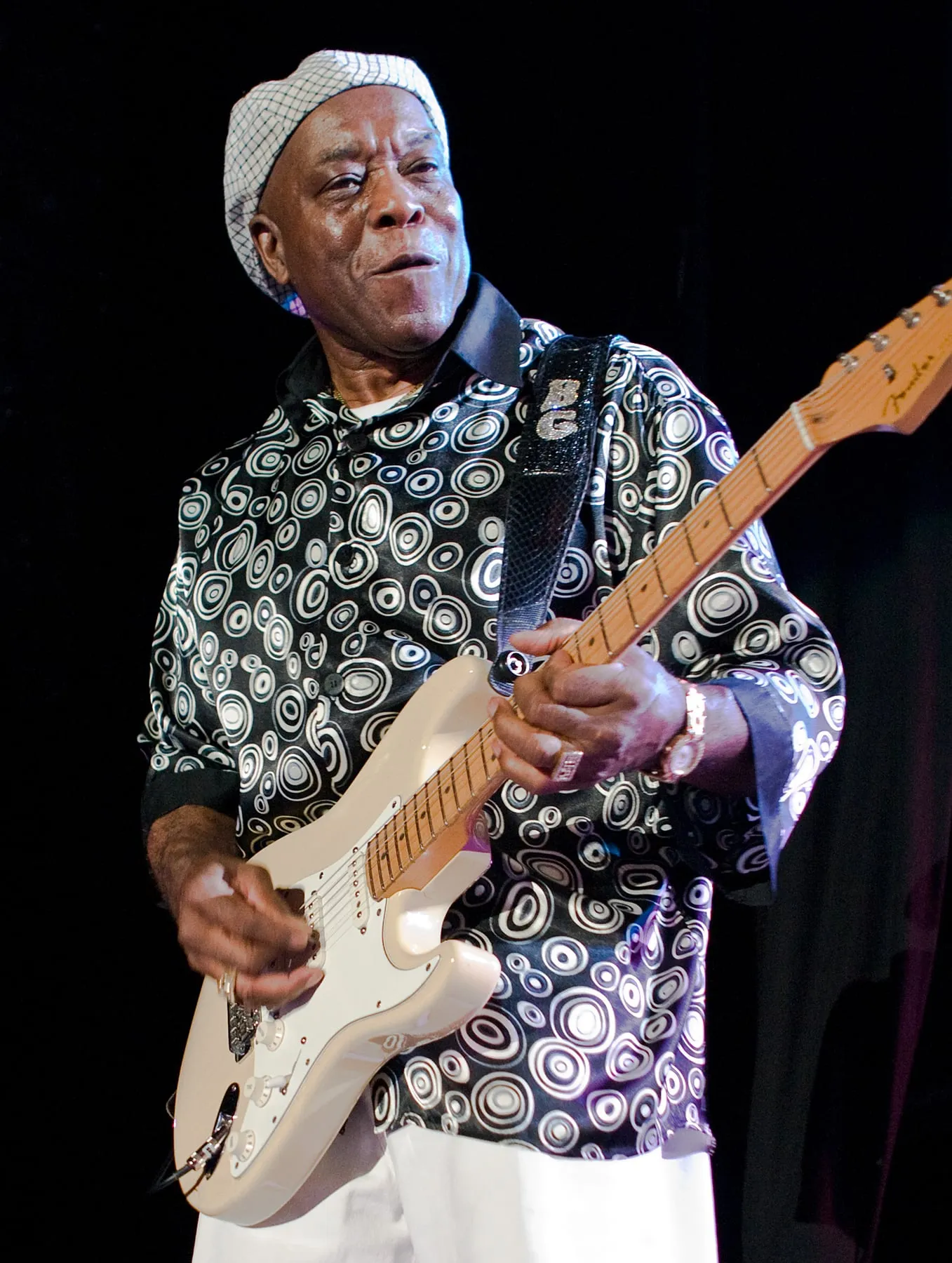
Photo by Tom Beetz , licensed under CC BY 2.0 · Wikimedia Commons
Rank #353
Buddy Guy
From Wikipedia
George "Buddy" Guy is an American blues guitarist and singer-songwriter. He is an exponent of Chicago blues who has influenced generations of guitarists including Eric Clapton, Jimi Hendrix, Jimmy Page, Keith Richards, Stevie Ray Vaughan, Jeff Beck, Gary Clark Jr., and John Mayer. In the 1960s, Guy played with Muddy Waters as a session guitarist at Chess Records and began a musical partnership with blues harp virtuoso Junior Wells.
Discography & Previews
Browse through and click an album to open and play 30-second previews streamed from Apple Music.
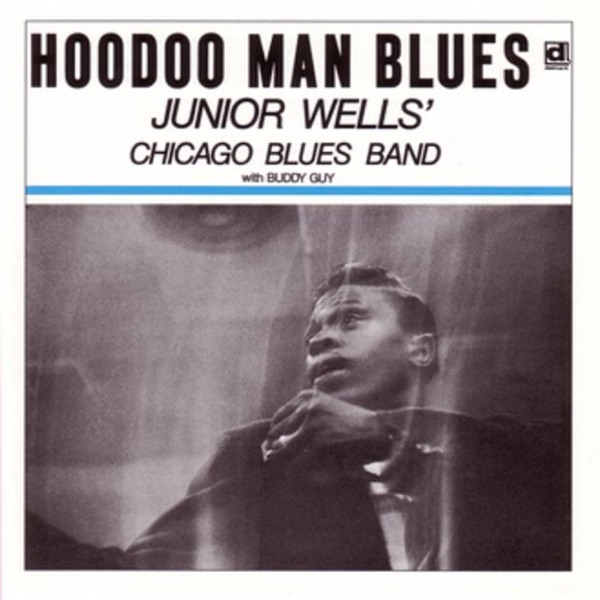
Hoodoo Man Blues
1965 · 14 tracks
- 1 Snatch It Back and Hold It ↗ 2:54
- 2 Ships On the Ocean ↗ 4:10
- 3 Good Morning Schoolgirl ↗ 3:56
- 4 Hound Dog ↗ 2:11
- 5 In the Wee Hours ↗ 3:45
- 6 Hey Lawdy Mama ↗ 3:13
- 7 Hoodoo Man Blues ↗ 2:07
- 8 Early In the Morning ↗ 4:48
- 9 We're Ready ↗ 3:42
- 10 You Don't Love Me Baby ↗ 2:25
- 11 Chitlin Con Carne ↗ 2:14
- 12 Yonder Wall ↗ 4:10
- 13 Hoodoo Man Blues (Alternate Take) ↗ 2:54
- 14 Chitlin Con Carne (Alternate Take) ↗ 3:10

A Man & the Blues
1968 · 9 tracks
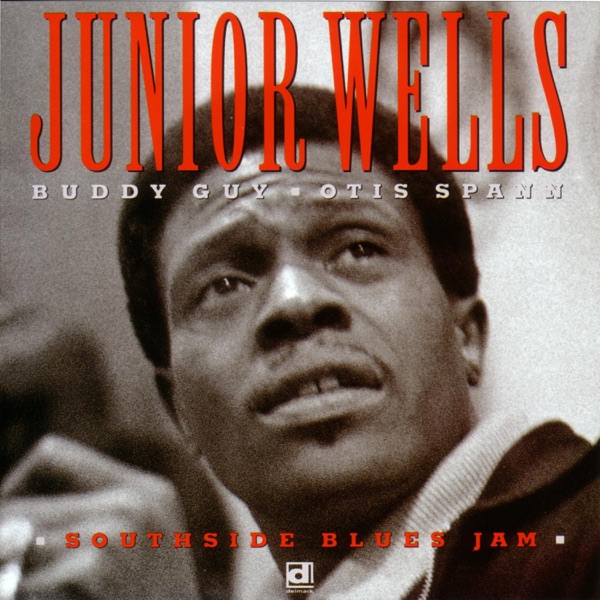
Southside Blues Jam
1969 · 8 tracks

Left My Blues in San Francisco
1969 · 11 tracks

Play the Blues
1972 · 10 tracks
- 1 A Man of Many Words ↗ 4:01
- 2 My Baby She Left Me (She Left Me a Mule to Ride) ↗ 3:11
- 3 Come On In This House / Have Mercy Baby ↗ 4:23
- 4 T-Bone Shuffle ↗ 4:19
- 5 Poor Man's Plea ↗ 3:12
- 6 Messin' With the Kid ↗ 2:16
- 7 This Old Fool ↗ 3:11
- 8 I Don't Know ↗ 4:30
- 9 Bad Bad Whiskey ↗ 4:15
- 10 Honeydripper ↗ 3:50


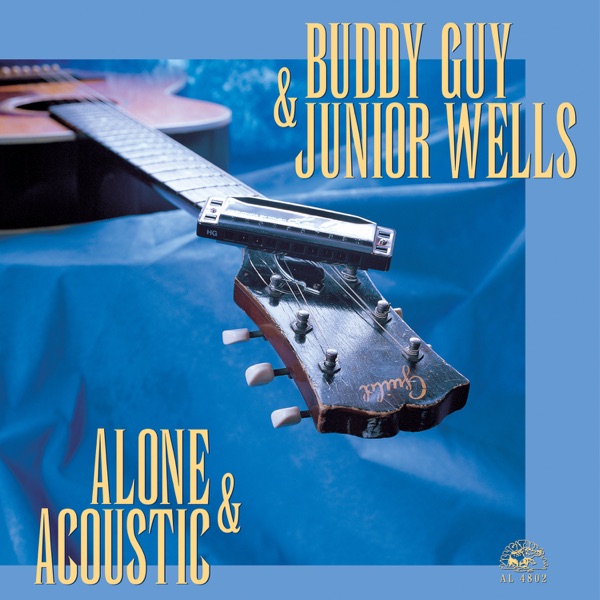
Alone & Acoustic
1991 · 15 tracks
- 1 Give Me My Coat And Shoes ↗ 3:49
- 2 Big Boat (Buddy and Junior's Thing) ↗ 5:13
- 3 Sweet Black Girl ↗ 3:32
- 4 Diggin' My Potatoes ↗ 4:28
- 5 Don't Leave Me ↗ 3:43
- 6 Rollin' and Tumblin' ↗ 4:34
- 7 I'm In The Mood ↗ 3:22
- 8 High Heel Sneakers ↗ 4:56
- 9 Wrong Doing Woman ↗ 3:00
- 10 Cut You Loose ↗ 4:03
- 11 Sally Mae ↗ 2:31
- 12 Catfish Blues ↗ 3:34
- 13 My Home's In The Delta ↗ 3:05
- 14 Boogie Chillen ↗ 4:01
- 15 Baby What You Want Me To Do/That's Allright ↗ 5:44
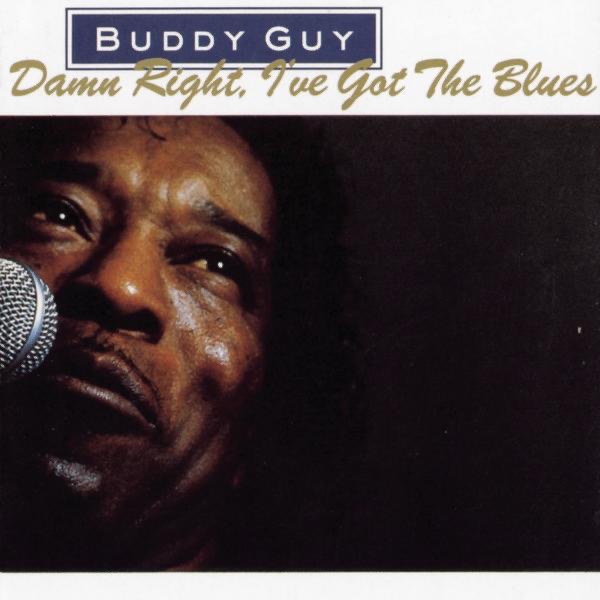
Damn Right, I’ve Got the Blues
1991 · 10 tracks
- 1 Damn Right, I've Got the Blues ↗ 4:31
- 2 Where Is the Next One Coming From ↗ 4:36
- 3 Five Long Years ↗ 8:26
- 4 Mustang Sally ↗ 4:40
- 5 There Is Something On Your Mind ↗ 4:46
- 6 Early In the Morning ↗ 3:10
- 7 Too Broke to Spend the Night ↗ 5:02
- 8 Black Night ↗ 7:43
- 9 Let Me Love You Baby ↗ 3:56
- 10 Rememberin' Stevie ↗ 6:57
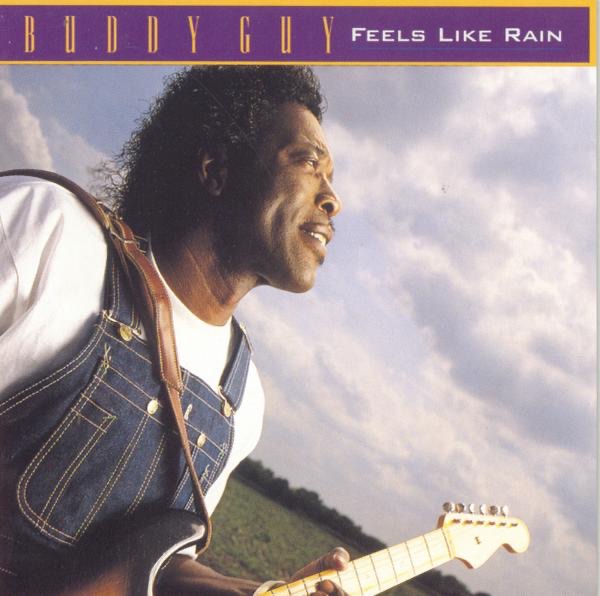
Feels Like Rain
1993 · 11 tracks
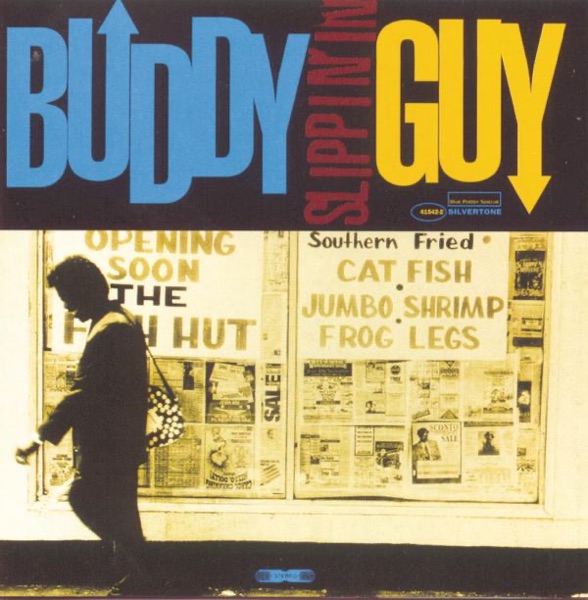
Slippin' In
1994 · 11 tracks
- 1 I Smell Trouble ↗ 3:16
- 2 Please Don't Drive Me Away ↗ 3:53
- 3 7-11 ↗ 7:01
- 4 Shame, Shame, Shame ↗ 3:33
- 5 Love Her With a Feeling ↗ 4:26
- 6 Little Dab-A-Doo ↗ 5:11
- 7 Someone Else Is Steppin' In (Slippin' Out, Slippin' In) ↗ 4:25
- 8 Trouble Blues ↗ 3:09
- 9 Man of Many Words ↗ 3:04
- 10 Don't Tell Me About the Blues ↗ 6:17
- 11 Cities Need Help ↗ 5:33
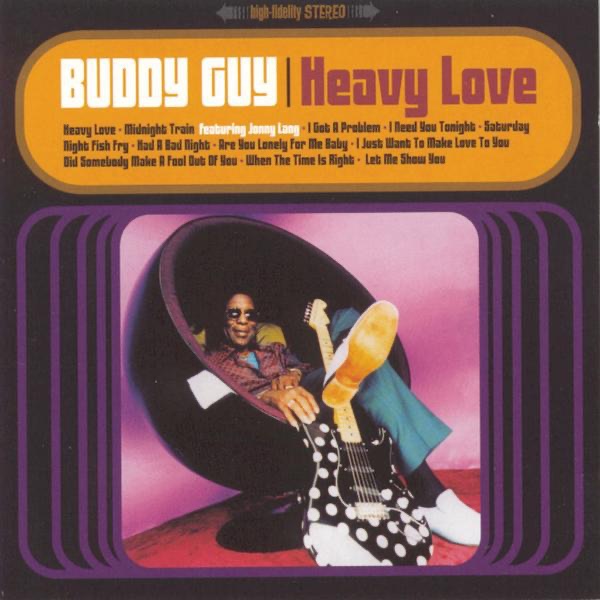
Heavy Love
1998 · 11 tracks
- 1 Heavy Love ↗ 5:41
- 2 Midnight Train (feat. Jonny Lang) ↗ 5:21
- 3 I Got a Problem ↗ 5:16
- 4 I Need You Tonight ↗ 5:17
- 5 Saturday Night Fish Fry ↗ 5:28
- 6 Had a Bad Night ↗ 4:44
- 7 Are You Lonely for Me Baby ↗ 3:55
- 8 I Just Want to Make Love to You ↗ 3:26
- 9 Did Somebody Make a Fool Out of You ↗ 7:49
- 10 When the Time Is Right ↗ 4:32
- 11 Let Me Show You ↗ 5:35

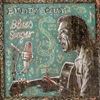
Blues Singer
2003 · 12 tracks
- 1 Hard Time Killing Floor ↗ 2:48
- 2 Crawlin' Kingsnake ↗ 5:16
- 3 Lucy Mae Blues ↗ 3:32
- 4 Can't See Baby ↗ 4:04
- 5 I Love the Life I Live ↗ 2:46
- 6 Louise McGhee ↗ 5:22
- 7 Moanin' and Groanin' ↗ 3:28
- 8 Black Cat Blues ↗ 4:27
- 9 Bad Life Blues ↗ 3:45
- 10 Sally Mae ↗ 4:26
- 11 Anna Lee ↗ 4:14
- 12 Lonesome Home Blues ↗ 5:00

Bring ’Em In
2005 · 13 tracks
- 1 Now You're Gone ↗ 5:03
- 2 Ninety Nine and One Half ↗ 3:46
- 3 What Kind of Woman Is This? ↗ 5:17
- 4 Somebody's Sleeping In My Bed ↗ 6:25
- 5 I Put a Spell On You (feat. Carlos Santana) ↗ 4:04
- 6 On a Saturday Night ↗ 3:18
- 7 Ain't No Sunshine (feat. Tracy Chapman) ↗ 3:25
- 8 I've Got Dreams to Remember (feat. John Mayer) ↗ 4:56
- 9 Lay Lady Lay ↗ 4:35
- 10 Cheaper to Keep Her / Blues In the Night ↗ 6:17
- 11 Cut You Loose ↗ 7:39
- 12 The Price You Gotta Pay (feat. Keith Richards) ↗ 3:41
- 13 Do Your Thing ↗ 4:07

Skin Deep
2008 · 12 tracks
- 1 Best Damn Fool (Main Version) ↗ 4:56
- 2 Too Many Tears (feat. Derek Trucks & Susan Tedeschi) [Main Version] ↗ 4:24
- 3 Lyin' Like A Dog (Main Version) ↗ 7:27
- 4 Show Me The Money (Main Version) ↗ 3:08
- 5 Everytime I Sing the Blues (feat. Eric Clapton) ↗ 7:36
- 6 Out In The Woods (feat. Robert Randolph) [Main Version] ↗ 5:43
- 7 Hammer And A Nail (Main Version) ↗ 2:58
- 8 That's My Home (feat. Robert Randolph) [Main Version] ↗ 2:51
- 9 Skin Deep (feat. Derek Trucks) [Main Version] ↗ 4:29
- 10 Who's Gonna Fill Those Shoes (feat. Quinn Sullivan) [Main Version] ↗ 4:09
- 11 Smell The Funk (Main Version) ↗ 4:44
- 12 I Found Happiness (Main Version) ↗ 5:40
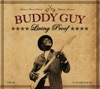
Living Proof
2010 · 12 tracks
- 1 74 Years Young ↗ 4:34
- 2 Thank Me Someday ↗ 5:43
- 3 On the Road ↗ 4:12
- 4 Stay Around a Little Longer (feat. B.B. King) ↗ 5:00
- 5 Key Don't Fit ↗ 5:03
- 6 Living Proof ↗ 3:45
- 7 Where the Blues Begins (feat. Carlos Santana) ↗ 4:38
- 8 Too Soon ↗ 3:26
- 9 Everybody's Got to Go ↗ 3:58
- 10 Let the Door Knob Hit Ya ↗ 3:45
- 11 Guess What ↗ 5:45
- 12 Skanky ↗ 4:16

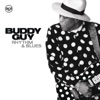
Rhythm & Blues
2013 · 21 tracks
- 1 Best In Town ↗ 4:56
- 2 Justifyin' ↗ 3:23
- 3 I Go By Feel ↗ 4:16
- 4 Messin' With the Kid (feat. Kid Rock) ↗ 2:34
- 5 What's Up With That Woman ↗ 4:03
- 6 One Day Away (feat. Keith Urban) ↗ 3:44
- 7 Well I Done Got Over It ↗ 2:56
- 8 What You Gonna Do About Me (feat. Beth Hart) ↗ 4:40
- 9 The Devil's Daughter ↗ 5:14
- 10 Whiskey Ghost ↗ 4:34
- 11 Rhythm Inner Groove ↗ 0:35
- 12 Meet Me In Chicago ↗ 3:46
- 13 Too Damn Bad ↗ 3:07
- 14 Evil Twin (feat. Steven Tyler, Joe Perry & Brad Whitford) ↗ 5:22
- 15 I Could Die Happy ↗ 4:13
- 16 Never Gonna Change ↗ 3:20
- 17 All That Makes Me Happy Is the Blues ↗ 4:36
- 18 My Mama Loved Me ↗ 3:34
- 19 Blues Don't Care (feat. Gary Clark Jr.) ↗ 3:27
- 20 I Came Up Hard ↗ 5:28
- 21 Poison Ivy ↗ 2:50

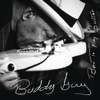
Born to Play Guitar
2015 · 14 tracks
- 1 Born To Play Guitar ↗ 4:56
- 2 Wear You Out (feat. Billy Gibbons) ↗ 3:31
- 3 Back Up Mama ↗ 4:43
- 4 Too Late (feat. Kim Wilson) ↗ 2:47
- 5 Whiskey, Beer & Wine ↗ 4:30
- 6 Kiss Me Quick (feat. Kim Wilson) ↗ 2:56
- 7 Crying Out of One Eye ↗ 4:02
- 8 (Baby) You Got What It Takes [feat. Joss Stone] ↗ 3:18
- 9 Turn Me Wild ↗ 4:37
- 10 Crazy World ↗ 5:16
- 11 Smarter Than I Was ↗ 5:28
- 12 Thick Like Mississippi Mud ↗ 4:04
- 13 Flesh & Bone (Dedicated to B.B. King) [with Van Morrison] ↗ 4:02
- 14 Come Back Muddy ↗ 5:12
The Blues Is Alive and Well
2018 · 15 tracks
- 1 A Few Good Years ↗ 4:47
- 2 Guilty as Charged ↗ 3:20
- 3 Cognac (feat. Jeff Beck & Keith Richards) ↗ 5:22
- 4 The Blues Is Alive and Well ↗ 5:14
- 5 Bad Day ↗ 3:49
- 6 Blue No More (feat. James Bay) ↗ 3:39
- 7 Whiskey for Sale ↗ 4:03
- 8 You Did the Crime (feat. Mick Jagger) ↗ 6:53
- 9 Old Fashioned ↗ 3:57
- 10 When My Day Comes ↗ 4:38
- 11 Nine Below Zero ↗ 6:20
- 12 Ooh Daddy ↗ 3:17
- 13 Somebody Up There ↗ 4:28
- 14 End of the Line ↗ 3:25
- 15 Milking Muther for Ya ↗ 0:57

The Blues Don't Lie
2022 · 16 tracks
- 1 I Let My Guitar Do The Talking ↗ 4:27
- 2 Blues Don't Lie ↗ 3:54
- 3 The World Needs Love ↗ 5:30
- 4 We Go Back (feat. Mavis Staples) ↗ 4:40
- 5 Symptoms of Love (feat. Elvis Costello) ↗ 3:37
- 6 Follow The Money (feat. James Taylor) ↗ 3:42
- 7 Well Enough Alone ↗ 4:13
- 8 What's Wrong With That (feat. Bobby Rush) ↗ 5:26
- 9 Gunsmoke Blues (feat. Jason Isbell) ↗ 3:09
- 10 House Party (feat. Wendy Moten) ↗ 3:00
- 11 Sweet Thing ↗ 3:00
- 12 Back Door Scratchin' ↗ 3:54
- 13 I've Got A Feeling ↗ 4:02
- 14 Rabbit Blood ↗ 4:43
- 15 Last Call ↗ 3:33
- 16 King Bee ↗ 2:44

Ain’t Done With the Blues
2025 · 18 tracks
- 1 Hooker Thing ↗ 1:09
- 2 Been There Done That ↗ 3:48
- 3 Blues Chase The Blues Away ↗ 4:50
- 4 Where U At (feat. Christone "Kingfish" Ingram) ↗ 4:02
- 5 Blues On Top ↗ 4:57
- 6 I Got Sumpin' For You ↗ 2:33
- 7 How Blues Is That (feat. Joe Walsh) ↗ 4:24
- 8 Dry Stick (feat. Joe Bonamassa) ↗ 4:43
- 9 It Keeps Me Young (feat. Peter Frampton) ↗ 2:57
- 10 Love On A Budget ↗ 3:49
- 11 Jesus Loves The Sinner (feat. The Blind Boys of Alabama) ↗ 4:15
- 12 Upside Down ↗ 3:13
- 13 One From Lightnin' ↗ 1:10
- 14 I Don't Forget ↗ 3:32
- 15 Trick Bag ↗ 4:30
- 16 Swamp Poker ↗ 5:02
- 17 Send Me Some Loving ↗ 2:46
- 18 Talk To Your Daughter ↗ 3:14
-
 Hoodoo Man BluesBuddy Guy196514 tracks
 -
 A Man & the BluesBuddy Guy19689 tracks
 -
 Southside Blues JamBuddy Guy19698 tracks
 -
 Left My Blues in San FranciscoBuddy Guy196911 tracks
 -
 Play the BluesBuddy Guy197210 tracks
 -
 Southside ReunionBuddy Guy197210 tracks
 -
 Hold That Plane!Buddy Guy19727 tracks
 -
 Alone & AcousticBuddy Guy199115 tracks
 -
 Damn Right, I’ve Got the BluesBuddy Guy199110 tracks
 -
 Feels Like RainBuddy Guy199311 tracks
 -
 Slippin' InBuddy Guy199411 tracks
 -
 Heavy LoveBuddy Guy199811 tracks
 -
 Sweet TeaBuddy Guy20019 tracks
 -
 Blues SingerBuddy Guy200312 tracks
 -
 Bring ’Em InBuddy Guy200513 tracks
 -
 Skin DeepBuddy Guy200812 tracks
 -
 Living ProofBuddy Guy201012 tracks
 -
 Rhythm & BluesBuddy Guy201321 tracks
 -
 Born to Play GuitarBuddy Guy201514 tracks
 -
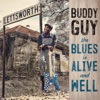 The Blues Is Alive and WellBuddy Guy201815 tracks
 -
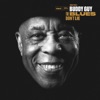 The Blues Don't LieBuddy Guy202216 tracks
 -
 Ain’t Done With the BluesBuddy Guy202518 tracks
Deep Dive
Overview
Buddy Guy is an American blues guitarist and singer-songwriter whose career spans nearly seven decades and whose influence on rock music runs deeper than most players who achieved mainstream prominence. Born George Guy in 1936, he stands as a foundational figure in Chicago blues, a tradition that shaped virtually every subsequent wave of rock guitar. His work at Chess Records during the 1960s and his long partnership with harmonica player Junior Wells established him as both a session architect of classic blues and a solo artist of considerable range. Guy’s fingerprints appear on the lineage of some of rock music’s largest names: Eric Clapton, Jimi Hendrix, Jimmy Page, Keith Richards, Stevie Ray Vaughan, Jeff Beck, Gary Clark Jr., and John Mayer have all openly acknowledged his influence on their playing and approach to the blues.
Formation Story
Buddy Guy was born in Louisiana but came of age in the Chicago blues scene during the 1950s, a period when the city had become the epicenter of postwar American blues. He arrived as part of a migration of Southern players seeking amplified sound and urban audiences; Chicago’s South Side had already produced Muddy Waters, Howlin’ Wolf, and Little Walter. Guy absorbed the electric guitar language of these masters and developed his own approach—one marked by both technical precision and raw emotional expression. By the early 1960s, he had established himself as a session guitarist at Chess Records, the legendary label that had documented and shaped Chicago blues for decades. It was during this period that he formed a musical partnership with Junior Wells, the blues harmonica virtuoso, a collaboration that would define a significant portion of his recorded legacy.
Breakthrough Moment
Guy’s first major statement as a recording artist came with the 1965 album Hoodoo Man Blues, recorded alongside Junior Wells. The record captured the electric tension of Chicago blues in its fullest expression—hard-swinging, vocally powerful, and guitar-centric. Working through the late 1960s, Guy recorded A Man & the Blues in 1968 and Southside Blues Jam in 1969, establishing a pattern of frequent album releases that reflected both his productivity and the era’s prolific recording climate. These early records positioned him not merely as a session player for other artists but as a bandleader and vocalist with his own artistic vision. The partnership with Wells produced some of the most enduring Chicago blues recordings of the era, though Guy’s solo voice—both literally and artistically—emerged clearly from the beginning.
Peak Era
The 1970s and 1980s represented Guy’s sustained period of creative and commercial activity. Throughout the 1970s, he released a series of albums including Play the Blues (1972), Hold That Plane! (1972), The Blues Giant (1979), and Breaking Out (1980). While the blues market contracted during this period—as rock music and later hip-hop dominated commercial attention—Guy continued to record and perform, maintaining the tradition even as its commercial viability declined. The 1980s saw albums like D.J. Play My Blues (1982), showing his willingness to engage with contemporary production and studio trends while staying rooted in blues fundamentals. His longevity during an era when many blues musicians faded from the recording industry underscored both his commitment to the idiom and his ability to adapt without abandoning his core identity.
Musical Style
Buddy Guy’s playing is characterized by a biting, vocal-inflected tone on the electric guitar—an instrument he treats almost as an extension of the human voice. His approach combines the full-bodied amplified sound of Chicago blues with a technical fluency that allows for rapid runs, bent notes, and expressive phrasing. Unlike some blues guitarists who favor a single signature tone, Guy demonstrates considerable range across his albums, from the harder, more aggressive tone of his early Chess Records work to more nuanced and layered approaches in his later recordings. His vocals are equally direct—a rough, emotionally immediate delivery that conveys the themes central to blues songwriting: love, loss, struggle, and survival. His songwriting adheres to blues conventions while maintaining a personal idiom; he works comfortably within the 12-bar blues framework but bends it to his expressive purposes. Over the span of nearly sixty years of recording, his style evolved in response to changing production aesthetics and recording technology, yet the fundamental character—the marriage of technical competence and emotional authenticity—remained constant.
Major Albums
Hoodoo Man Blues (1965)
The landmark debut that introduced Buddy Guy as a bandleader and vocalist, recorded with Junior Wells. The album established the template for their collaboration and remains a touchstone of 1960s Chicago blues.
A Man & the Blues (1968)
Guy’s second major release, deepening his reputation as a solo artist while maintaining the partnership with Wells. The album showcases his expanded range as both guitarist and vocalist.
Damn Right, I’ve Got the Blues (1991)
A career-resurgence album that signaled Guy’s renewed presence in the blues and rock marketplace, helping to introduce him to younger audiences during a broader blues revival.
Feels Like Rain (1993)
A well-received album that demonstrated Guy’s continued vitality and adaptability in the studio, capturing renewed critical attention.
The Blues Is Alive and Well (2018)
A late-career statement that affirmed Guy’s continuing presence in blues recording and his commitment to the tradition well into his eighties.
Signature Songs
- “Five Long Years” — A blues standard that Guy has performed throughout his career, showcasing his vocal delivery and his ability to convey emotional narrative.
- “Let Me Love You Baby” — A signature number demonstrating his range as both guitarist and vocalist within the blues tradition.
- “Damn Right, I’ve Got the Blues” — The title track from his 1991 album, a statement song about blues identity and authenticity.
- “Feels Like Rain” — A song that became emblematic of Guy’s continued recording presence in the 1990s.
Influence on Rock
Buddy Guy’s influence on rock music is both direct and foundational. He stands as a bridge between the electric Chicago blues tradition of Muddy Waters and Howlin’ Wolf and the British blues-rock movement that reshaped rock music in the 1960s. Eric Clapton, Jimmy Page, and Keith Richards explicitly modeled their approaches to the blues guitar on recordings and performances by Guy and his contemporaries. Jimi Hendrix, who emerged from a different American blues tradition, shared with Guy an approach to the electric guitar as a vehicle for expressive, vocal-like phrasing. Later blues-rock and hard-rock guitarists—Stevie Ray Vaughan, Jeff Beck—acknowledged learning from his recorded work and performances. Guy’s presence at Chess Records during the era when that label was documenting Chicago blues meant that his playing appeared on recordings by other artists, extending his influence invisibly through much of the era’s blues canon. His longevity and continued recording into the 2020s meant that he remained a living link to earlier traditions, available for younger musicians to encounter and learn from directly.
Legacy
Buddy Guy’s legacy rests on his role as a keeper and active practitioner of the Chicago blues tradition at a time when that tradition faced commercial decline and potential extinction. While younger players like Robert Cray and Stevie Ray Vaughan introduced blues elements into broader commercial contexts during the 1980s, Guy maintained the tradition in its more traditional forms—not as a historical artifact, but as a living practice. His continued recording and performance into the 2020s—with The Blues Don’t Lie in 2022 and Ain’t Done With the Blues in 2025—demonstrate an artist who has never stopped working. The blues revival of the 1990s and early 2000s brought renewed attention to his recordings, introducing earlier work to new audiences through reissue campaigns and streaming availability. Guy’s influence on major rock and blues figures ensures his place in the historical record, but his ongoing presence as a recording and performing artist—not merely a historical figure—defines his legacy as active participation in the tradition rather than retrospective acknowledgment.
Fun Facts
- Buddy Guy served as a session guitarist at Chess Records during a golden age of the label, contributing his playing to recordings beyond his own solo work.
- His influence on Jimi Hendrix, who arrived in music through a different American blues lineage, demonstrates the convergence of different blues traditions in shaping rock guitar in the 1960s.
- Guy has recorded albums across nearly every major American record label of the blues and rock era, including Cobra Records, Delmark Records, Chess Records, Atlantic Records, and RCA.
- His partnership with Junior Wells produced some of the most respected Chicago blues recordings of the 1960s and represented one of the most significant harmonica-and-guitar collaborations in blues history.