
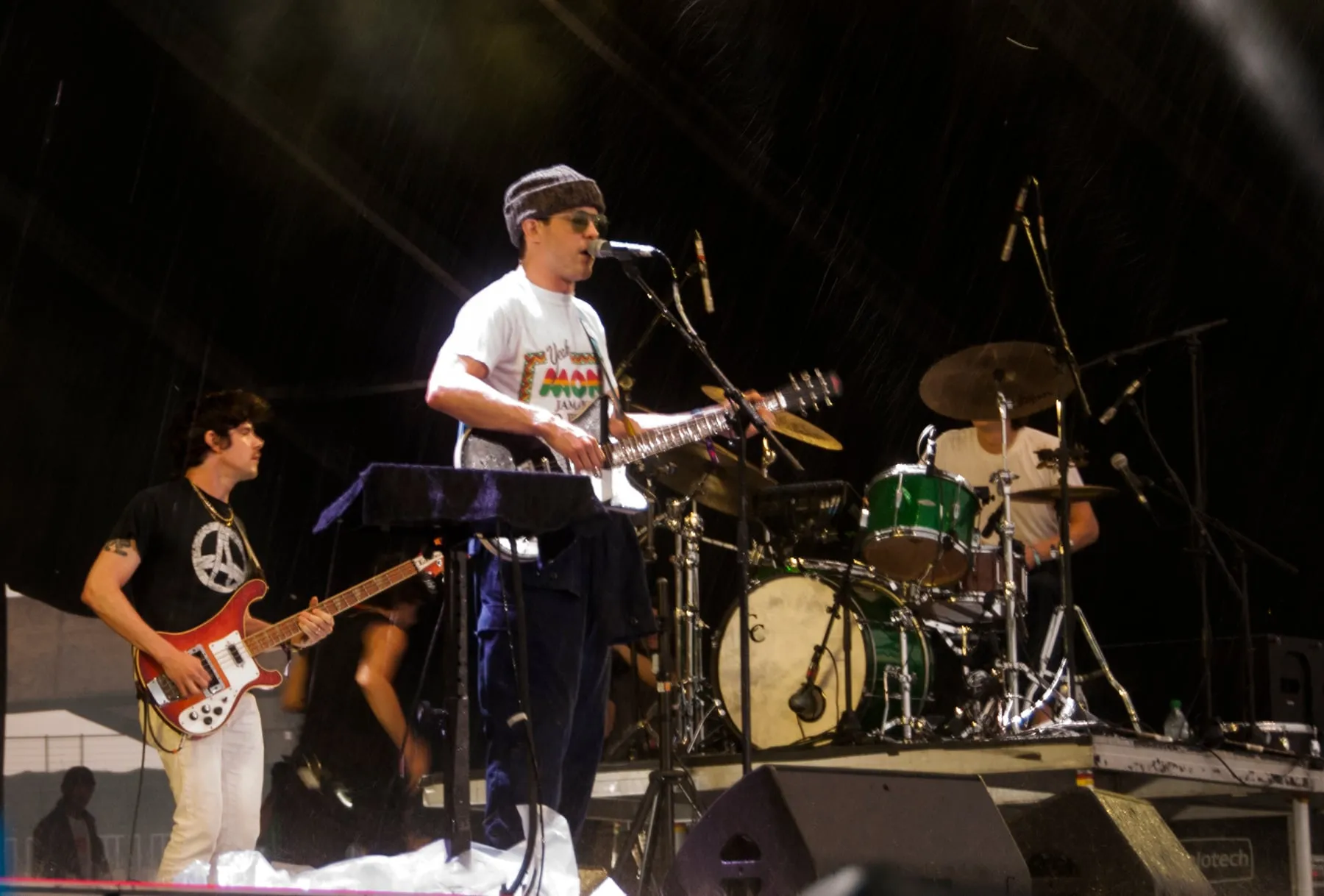
Photo by Mars3 , licensed under CC BY-SA 4.0 · Wikimedia Commons
Rank #273
MGMT
From Wikipedia
MGMT is an American rock band formed by Andrew VanWyngarden and Benjamin Goldwasser in 2002 in Middletown, Connecticut. The band was originally known as "The Management" before rebranding as MGMT in 2005. Originally signed to Cantora Records by the label's co-founder, New York University undergrad Will Griggs, MGMT later signed with Columbia and RED Ink in 2006 and released their debut album Oracular Spectacular the next year.
Discography & Previews
Browse through and click an album to open and play 30-second previews streamed from Apple Music.


MGMT
2013 · 12 tracks
- 1 Stop & Smell the Roses ↗ 4:04
- 2 Mound of Clay ↗ 2:28
- 3 Song for Wilde ↗ 2:33
- 4 All We Ever Wanted Was Everything ↗ 4:26
- 5 Troubled Mind ↗ 5:46
- 6 Drug Song ↗ 3:25
- 7 Pink Frost ↗ 3:56
- 8 Sparks ↗ 3:31
- 9 Melancholy Man ↗ 7:22
- 10 Lord Can You Hear Me? ↗ 4:34
- 11 Morning Splendour ↗ 5:59
- 12 Lost for Words, Pt. 2 ↗ 3:23

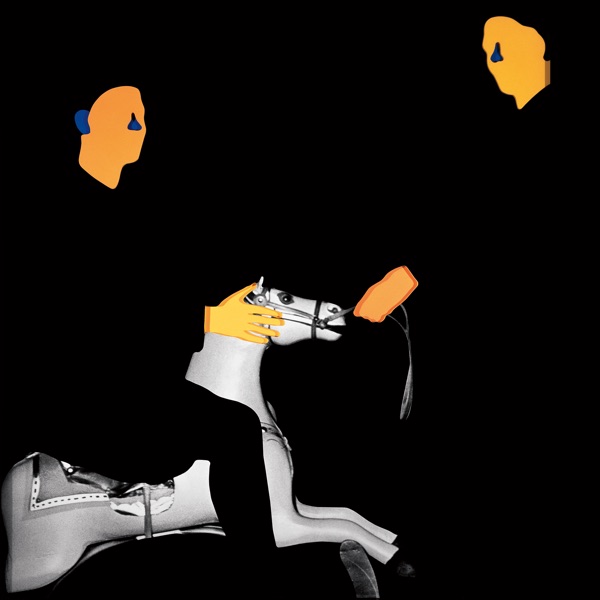
Loss of Life
2024 · 10 tracks
-
 Oracular SpectacularMGMT20079 tracks
 -
 CongratulationsMGMT20109 tracks
 -
 MGMTMGMT201312 tracks
 -
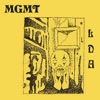 Little Dark AgeMGMT201810 tracks
 -
 Loss of LifeMGMT202410 tracks
Deep Dive
Overview
MGMT is an American rock band formed by Andrew VanWyngarden and Benjamin Goldwasser in 2002 in Middletown, Connecticut. Operating at the intersection of progressive rock, neo-psychedelia, and electronica, the band emerged during an era when rock music was increasingly absorbing production techniques and sonic textures from electronic music. Their early work combined synth-driven arrangements with rock instrumentation and intricate vocal harmonies, establishing them as architects of a distinctly 21st-century progressive aesthetic.
Formation Story
Andrew VanWyngarden and Benjamin Goldwasser came together in Middletown, Connecticut, in 2002, forming what would initially be called “The Management.” Operating under this working title, the pair began developing their sound in relative obscurity, layering synthesizers, drum machines, and guitar textures into elaborate compositions. In 2005, they rebranded as MGMT, a shortened version of their original project name. The early incarnation of the band caught the attention of Will Griggs, a New York University undergrad and co-founder of Cantora Records, who signed them to the independent label. This initial partnership provided the platform for their first official recordings and helped establish MGMT within the contemporary indie rock ecosystem.
Breakthrough Moment
MGMT’s breakthrough arrived with the 2007 release of their debut album, Oracular Spectacular. Following their signing to Columbia Records and RED Ink in 2006, the band’s first full-length project introduced their signature sound to a wider audience. Oracular Spectacular combined meticulously arranged synth-pop structures with progressive rock ambitions, creating a template that would define their early identity. The album’s blend of accessible melodies and complex production established MGMT as a significant new voice in contemporary rock, moving them from local Connecticut act to national recognition.
Peak Era
MGMT’s most creatively adventurous period spanned their second and third albums, 2010’s Congratulations and 2013’s self-titled MGMT. Released three years after their debut, Congratulations demonstrated a marked evolution in songwriting sophistication and studio experimentation. The band continued to develop their synthesis of progressive rock structures with electronic production, pushing toward more abstract and unconventional song arrangements. Their eponymous third album further refined this approach, positioning MGMT as consistent innovators willing to evolve their sound with each release rather than repeat the formula of Oracular Spectacular.
Musical Style
MGMT’s sound is built upon a foundation of layered synthesizers, drum programming, and processed vocals positioned within rock song structures. The band combines neo-psychedelic melodicism with progressive rock’s emphasis on instrumental complexity and unconventional arrangements. Their production approach privileges studio craftsmanship, often employing extensive overdubbing, harmonic stacking, and electronic processing to create densely textured sonic environments. VanWyngarden’s vocals frequently appear multi-tracked and treated with effects, contributing to the band’s overall aesthetic of elaborate artifice. The guitar work ranges from conventional rock deployment to more textural, atmospheric applications, often subservient to the synthesizer arrangements. Across their albums, MGMT has maintained electronica’s influence on their rhythmic and timbral choices while remaining fundamentally committed to rock music’s song-based architecture and guitar-centric heritage.
Major Albums
Oracular Spectacular (2007)
MGMT’s debut introduced their core sonic identity: synth-driven arrangements, layered vocals, and progressive rock ambitions filtered through early 21st-century electronic production. The album established the band’s reputation for elaborate studio craftsmanship and melodic sophistication.
Congratulations (2010)
Their second album demonstrated significant artistic evolution, deepening their exploration of complex arrangements and abstract compositional approaches. Congratulations marked MGMT’s commitment to artistic progression over commercial repetition.
MGMT (2013)
The self-titled third album continued the band’s refinement of their progressive rock and electronic fusion, presenting their most consolidated artistic statement to date. It solidified their position as consistent innovators within contemporary rock music.
Little Dark Age (2018)
Released five years after their previous album, Little Dark Age represented a return after an extended recording period. The album showcased the band’s continued evolution and maintained their reputation for sophisticated production and intricate arrangements.
Loss of Life (2024)
MGMT’s most recent studio album, Loss of Life, arrived in 2024, demonstrating the band’s ongoing creative activity and commitment to producing new material.
Signature Songs
- “Time to Pretend” — A defining track from Oracular Spectacular that exemplifies the band’s combination of infectious melodicism and elaborate production.
- “Kids” — A standout from their debut that showcases VanWyngarden’s distinctive vocal approach and the band’s synth-pop sensibilities.
- “Electric Feel” — An Oracular Spectacular highlight that demonstrates the band’s command of groove-based structures within progressive frameworks.
- “Congratulations” — The title track from their 2010 album, representing their more experimental directional shift.
Influence on Rock
MGMT helped establish a template for 21st-century progressive rock that absorbed electronic music’s production techniques, synthesizer aesthetics, and compositional approaches while maintaining rock music’s fundamental orientation toward guitar, drums, and traditional song structures. Their early work inspired a generation of bands to explore neo-psychedelia and synth-rock fusion during the 2010s. By demonstrating that progressive rock could remain relevant and artistically vital when combined with contemporary electronic production values and psychedelic sensibilities, MGMT expanded the sonic vocabulary available to rock musicians and influenced artists working at the intersection of rock and electronic idioms.
Legacy
MGMT’s career trajectory—from Connecticut bedroom project to signed recording artists on major labels—exemplifies the 21st-century path for ambitious indie and progressive rock bands. Their sustained activity from 2002 through 2024, combined with their consistent artistic evolution, has established them as a durable presence within contemporary rock. The band’s influence extends across streaming platforms and contemporary rock radio, where their albums maintain steady listener engagement. Their fusion of neo-psychedelia, progressive rock structure, and electronic production has proven influential among musicians seeking to expand rock music’s sonic possibilities while maintaining its foundational commitments to songwriting and instrumental craft.
Fun Facts
- MGMT was originally known as “The Management” before shortening their name in 2005.
- The band’s initial signing to Cantora Records was facilitated by Will Griggs, a New York University student and co-founder of the independent label.
- MGMT has maintained a recording relationship with major labels Columbia Records and RED Ink since 2006, demonstrating significant commercial backing for a progressive rock act.