
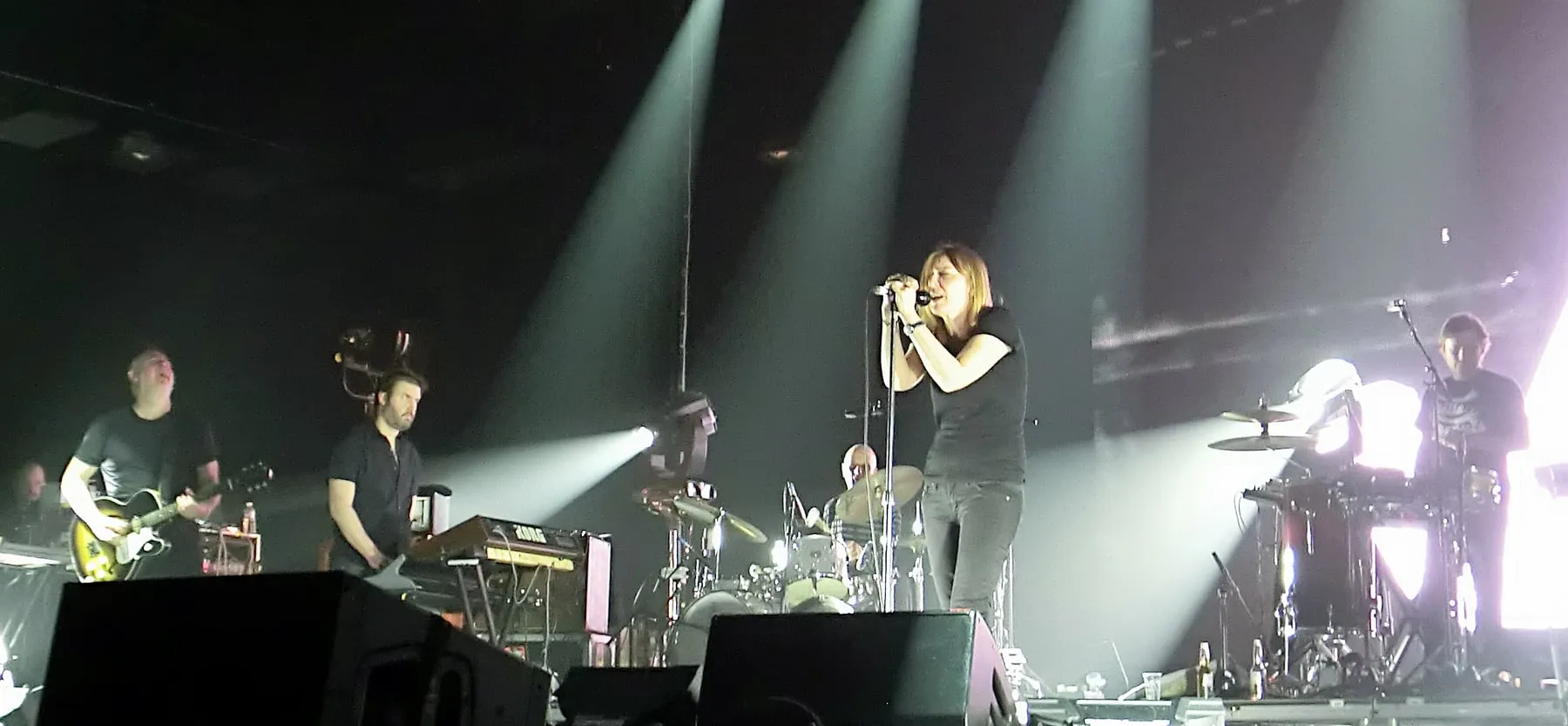
Photo by Stefan64 , licensed under CC BY-SA 3.0 · Wikimedia Commons
Rank #114
Portishead
From Wikipedia
Portishead are an English electronic band formed in 1991 in Bristol. The band comprises Beth Gibbons (vocals), Geoff Barrow, and Adrian Utley (guitar). Dave McDonald, an audio engineer who helped produce their first two albums, is sometimes regarded as the fourth member.
Members
- Geoff Barrow
Discography & Previews
Browse through and click an album to open and play 30-second previews streamed from Apple Music.


-
 DummyPortishead199411 tracks
 -
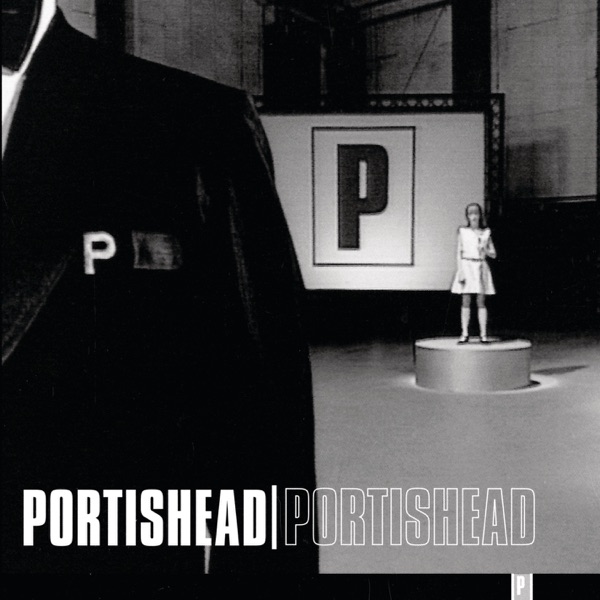
 PortisheadPortishead199711 tracks
 -
 ThirdPortishead200811 tracks
Deep Dive
Overview
Portishead are an English electronic band formed in Bristol in 1991 who became the definitive architects of trip-hop, a genre that fused hip-hop production techniques, downtempo rhythms, and experimental rock elements into a brooding, cinematic sound. Comprising Beth Gibbons on vocals, Geoff Barrow, and Adrian Utley on guitar, the band emerged from Bristol’s rich electronic and reggae-influenced music scene during a moment when dance and alternative rock were beginning to cross-pollinate. Their debut album Dummy (1994) became a watershed moment in British alternative music, establishing them as leaders of a new sonic vocabulary that would influence electronic music, film scoring, and alternative rock for decades to come.
Formation Story
Portishead coalesced in Bristol during the early 1990s, a city with a longstanding tradition of innovative electronic and reggae-influenced music. Geoff Barrow and Adrian Utley, both experienced in production and instrumentation, began collaborating on instrumental tracks that married downtempo grooves with cinematic orchestration. When Beth Gibbons, a vocalist with a distinctive alto timbre and introspective delivery, joined the project, the band’s core identity crystallized. Dave McDonald, an audio engineer who worked closely with the band during their formative years, became an essential creative presence in the studio, shaping their sound across their first two albums and earning recognition as a quasi-fourth member. Together, they crafted a debut that would chart the course for British electronic music in the mid-1990s.
Breakthrough Moment
Portishead’s ascent from regional act to international significance arrived with Dummy in 1994, a debut that redefined the scope of what electronic and alternative music could achieve artistically. The album introduced listeners to the band’s signature aesthetic: slow-burning trip-hop production underpinned by live guitar textures, sampled strings, and Gibbons’s haunting vocal performances. Dummy became both a critical and commercial success, establishing trip-hop as a major genre force and positioning Portishead as its most distinctive and artistically ambitious voices. The album’s impact extended beyond music into cinema and television, where its noir-inflected atmosphere and cinematic production became widely emulated and sampled.
Peak Era
Portishead’s creative and commercial zenith spanned the mid-to-late 1990s, anchored by their eponymous second album Portishead (1997). Released three years after their breakthrough, this self-titled work deepened and refined their sound, consolidating their position as avant-garde alternative rock artists who worked in the electronic and downtempo idiom. The album demonstrated a band unafraid to expand their sonic palette while maintaining the melancholic, architecturally precise aesthetic that made Dummy essential listening. Throughout this period, they became fixtures of international alternative and electronic music circuits, influencing a generation of producers, composers, and rock musicians who recognized in their work a bridge between experimental electronic production and traditional rock song craft.
Musical Style
Portishead’s sound represents a fusion of hip-hop production methodology, downtempo grooves, experimental rock instrumentation, and orchestral arrangement. Barrow and Utley construct their compositions around sampled and live strings, horn sections, and atmospheric textures, while Adrian Utley’s guitar work—often subtle, sometimes brooding—provides organic counterpoint to digital elements. The rhythm section operates in the 80–100 bpm range, emphasizing space and silence rather than dancefloor propulsion. Beth Gibbons’s vocals are the human anchor: reserved, melancholic, and deeply expressive, deployed as an instrumental timbre as much as a narrative voice. Their genre designation spans electronica, downtempo, trip-hop, experimental rock, and alternative rock—a taxonomy that reflects the band’s resistance to categorical boundaries and their commitment to cross-genre synthesis as an artistic principle.
Major Albums
Dummy (1994)
Portishead’s debut announced a fully formed artistic vision, blending sampled orchestral strings, hip-hop beats, and Gibbons’s distinctive vocals into a darkly cinematic whole that became a landmark of 1990s alternative music.
Portishead (1997)
The self-titled second album expanded the sonic range established on Dummy, deepening their exploration of downtempo atmospherics and experimental arrangement while maintaining the band’s signature melancholic intensity.
Third (2008)
After an 11-year hiatus, Portishead returned with Third, a more guitar-forward and structurally experimental album that marked a significant evolution in their creative approach and demonstrated their continued artistic ambition.
R.A.R.E (Reliving a Real Experience) (2009)
Released a year after Third, this project documented live and alternate versions, offering audiences a deeper look at the band’s recent material and creative process.
Signature Songs
- Glory Box — A standout from Dummy featuring a languid, seductive rhythm and Gibbons’s most iconic vocal performance, exemplifying the band’s cinematic approach to electronic songwriting.
- Sour Times — The track that introduced many listeners to Portishead’s sound, built around a distinctive string sample and understated hip-hop groove.
- All Mine — A darker, more introspective composition demonstrating Gibbons’s vocal control and the band’s architectural precision in arrangement.
- Mysterons — A slow-burning instrumental showcase from Portishead that highlights Barrow and Utley’s mastery of production and orchestral texture.
Influence on Rock
Portishead’s emergence as major artists during the 1990s coincided with and accelerated the mainstream integration of electronic and experimental production techniques into alternative and rock contexts. Their demonstration that electronic music could achieve artistic and emotional depth on par with guitar-based rock helped dissolve longstanding genre boundaries and gave credibility to instrumental innovation and production-centric songwriting within the alternative rock sphere. The trip-hop genre they helped codify became a laboratory for producers, composers, and alternative artists exploring darker, more textural approaches to song arrangement. Their influence ripples through film scoring, contemporary classical, and electronic music more broadly, establishing a template for how downtempo production and orchestral sensibility could serve narrative and emotional ends without sacrificing avant-garde credibility.
Legacy
Portishead remain among the most significant British bands of the 1990s, with Dummy securing its place as one of the decade’s definitive statements in alternative music. The band’s influence extends across multiple creative disciplines—electronic music producers, filmmakers, composers, and alternative rock musicians all cite Portishead as a foundational reference point. Their willingness to work across extended periods of inactivity and reemerge with substantially evolved aesthetics (as demonstrated by Third) has insulated their catalog against the dating that affects many trend-dependent groups. Streaming platforms continue to place their early albums in high rotation, introducing new generations to trip-hop’s origins while their production techniques and compositional approaches remain studied and emulated by electronic and alternative artists worldwide.
Fun Facts
- Dave McDonald’s production expertise and studio presence during Dummy and Portishead was so integral that he earned recognition as an essential creative collaborator and quasi-fourth member despite his official role as audio engineer.
- Portishead’s emergence from Bristol positioned the city as a major center of electronic music innovation during the 1990s, contributing to the city’s cultural reputation alongside other electronic and electronic-influenced acts.
- The band’s protracted gap between Portishead (1997) and Third (2008) spanned 11 years, during which their influence remained widespread despite their absence from recording, testament to the enduring impact of their earlier work.
- Dummy became widely licensed for film and television soundtrack placements, extending the band’s influence into visual media and helping establish trip-hop as a dominant sonic language for cinematic atmospherics.