
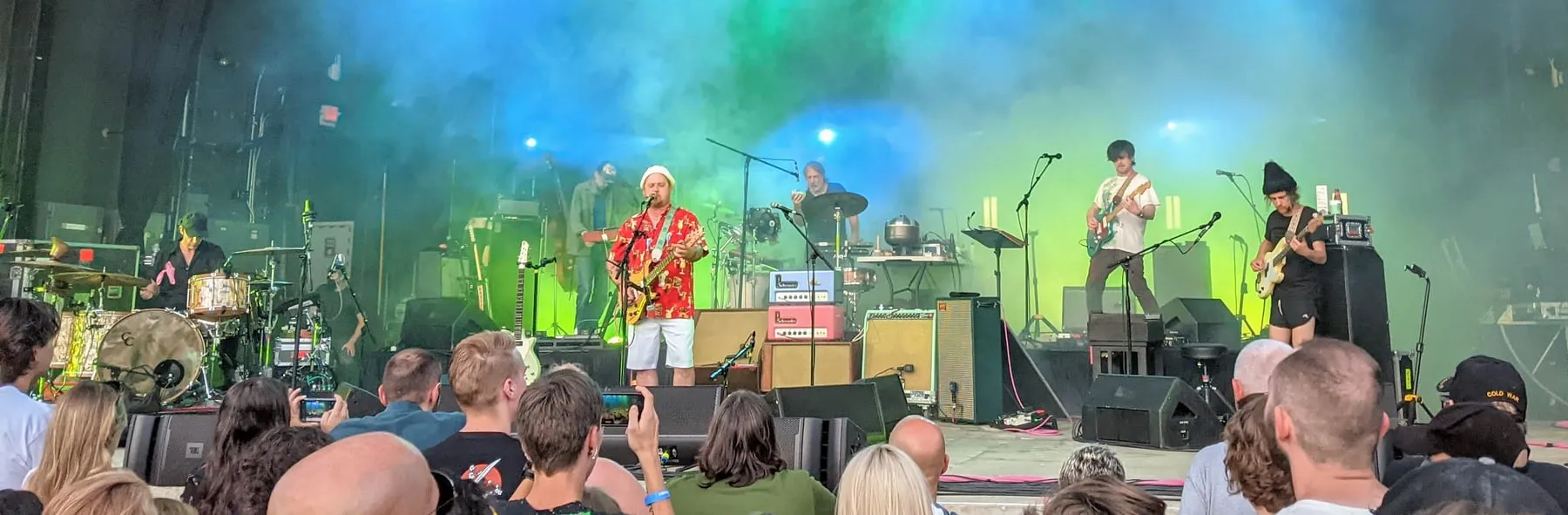
Photo by Matthewvetter , licensed under CC BY-SA 4.0 · Wikimedia Commons
Rank #377
Modest Mouse
From Wikipedia
Modest Mouse is an American rock band formed in 1993 in Issaquah, Washington, and currently based in Portland, Oregon. The founding members were lead singer/guitarist Isaac Brock, drummer Jeremiah Green and bassist Eric Judy. They achieved critical acclaim for their albums The Lonesome Crowded West (1997) and The Moon & Antarctica (2000) and found mainstream success with the release of Good News for People Who Love Bad News (2004) and its singles "Float On" and "Ocean Breathes Salty".
Discography & Previews
Browse through and click an album to open and play 30-second previews streamed from Apple Music.
This Is a Long Drive for Someone With Nothing to Think About
1996 · 16 tracks
- 1 Dramamine ↗ 5:42
- 2 Breakthrough ↗ 4:07
- 3 Custom Concern ↗ 4:28
- 4 Might ↗ 1:31
- 5 Lounge ↗ 6:33
- 6 Beach Side Property ↗ 6:59
- 7 Ionizes & Atomizes ↗ 4:21
- 8 Head South ↗ 4:22
- 9 Dog Paddle ↗ 2:03
- 10 Novocain Stain ↗ 3:43
- 11 Tundra/Desert ↗ 5:25
- 12 Ohio ↗ 6:02
- 13 Exit Does Not Exist ↗ 4:58
- 14 Talking Shit About a Pretty Sunset ↗ 5:50
- 15 Make Everyone Happy / Mechanical Birds ↗ 6:04
- 16 Space Travel Is Boring ↗ 1:54

The Lonesome Crowded West
1997 · 15 tracks
- 1 Teeth Like God's Shoeshine ↗ 6:53
- 2 Heart Cooks Brain ↗ 4:03
- 3 Convenient Parking ↗ 4:08
- 4 Lounge (Closing Time) ↗ 7:04
- 5 Jesus Christ Was An Only Child ↗ 2:36
- 6 Doin' The Cockroach ↗ 4:19
- 7 Cowboy Dan ↗ 6:15
- 8 Trailer Trash ↗ 5:50
- 9 Out Of Gas ↗ 2:31
- 10 Long Distance Drunk ↗ 3:43
- 11 Shit Luck ↗ 2:23
- 12 Truckers Atlas ↗ 10:58
- 13 Polar Opposites ↗ 3:30
- 14 Bankrupt On Selling ↗ 2:54
- 15 Styrofoam Boots/It's All On Ice, Alright ↗ 6:53

The Moon & Antarctica
2000 · 15 tracks
- 1 3rd Planet ↗ 3:58
- 2 Gravity Rides Everything ↗ 4:20
- 3 Dark Center of the Universe ↗ 5:03
- 4 Perfect Disguise ↗ 2:32
- 5 Tiny Cities Made of Ashes ↗ 3:14
- 6 A Different City ↗ 2:54
- 7 The Cold Part ↗ 5:01
- 8 Alone Down There ↗ 2:22
- 9 The Stars Are Projectors ↗ 8:46
- 10 Wild Packs of Family Dogs ↗ 1:44
- 11 Paper Thin Walls ↗ 3:01
- 12 I Came As a Rat ↗ 3:47
- 13 Lives ↗ 3:18
- 14 Life Like Weeds ↗ 6:30
- 15 What People Are Made Of ↗ 2:14

Sad Sappy Sucker
2001 · 24 tracks
- 1 Birds Vs Worms ↗ 2:13
- 2 Four Fingered Fisherman ↗ 2:28
- 3 Wagon Ride Return ↗ 0:48
- 4 Classy Plastic Lumber ↗ 2:03
- 5 From Point A To Point B (Infinity) ↗ 2:56
- 6 Path Of Least Resistance ↗ 0:28
- 7 It Always Rains On A Picnic ↗ 3:02
- 8 Dukes Up ↗ 2:25
- 9 Think Long ↗ 1:10
- 10 Every Penny Fed Car ↗ 3:07
- 11 Mice Eat Cheese ↗ 2:27
- 12 Race Car Grin You Ain't No Landmark ↗ 1:14
- 13 Red Hand Case ↗ 2:37
- 14 Secret Agent X-9 ↗ 1:12
- 15 Blue Cadet-3, Do You Connect ↗ 1:09
- 16 Call To Dial-A-Song (Left By Spencer Moody) ↗ 0:32
- 17 5-4-3-2-1 Lisp Off ↗ 0:30
- 18 Wood Grain ↗ 0:30
- 19 BMX Crash ↗ 0:28
- 20 Sucker Bet ↗ 1:20
- 21 Black Blood And Old New Agers ↗ 0:29
- 22 Swy ↗ 0:30
- 23 Australopithecus ↗ 0:30
- 24 Sin Gun Chaser ↗ 0:28
Good News for People Who Love Bad News
2004 · 16 tracks
- 1 Horn Intro ↗ 0:10
- 2 The World At Large ↗ 4:33
- 3 Float On ↗ 3:28
- 4 Ocean Breathes Salty ↗ 3:44
- 5 Dig Your Grave ↗ 0:13
- 6 Bury Me With It ↗ 3:50
- 7 Dance Hall ↗ 2:57
- 8 Bukowski ↗ 4:15
- 9 This Devil's Workday ↗ 2:19
- 10 The View ↗ 4:10
- 11 Satin In a Coffin ↗ 2:35
- 12 Interlude (Milo) ↗ 0:59
- 13 Blame It On the Tetons ↗ 5:25
- 14 Black Cadillacs ↗ 2:43
- 15 One Chance ↗ 3:02
- 16 The Good Times Are Killing Me ↗ 4:17

We Were Dead Before the Ship Even Sank
2007 · 14 tracks
- 1 March Into the Sea ↗ 3:31
- 2 Dashboard ↗ 4:06
- 3 Fire It Up ↗ 4:35
- 4 Florida ↗ 2:58
- 5 Parting of the Sensory ↗ 5:34
- 6 Missed the Boat ↗ 4:25
- 7 We've Got Everything ↗ 3:40
- 8 Fly Trapped In a Jar ↗ 4:29
- 9 Education ↗ 3:56
- 10 Little Motel ↗ 4:44
- 11 Steam Engenius ↗ 4:26
- 12 Spitting Venom ↗ 8:27
- 13 People As Places As People ↗ 3:42
- 14 Invisible ↗ 4:00
Strangers to Ourselves
2015 · 15 tracks
- 1 Strangers to Ourselves ↗ 3:24
- 2 Lampshades On Fire ↗ 3:08
- 3 Shit in Your Cut ↗ 4:44
- 4 Pistol (A. Cunanan, Miami, FL. 1996) ↗ 3:42
- 5 Ansel ↗ 2:56
- 6 The Ground Walks, with Time in a Box ↗ 6:12
- 7 Coyotes ↗ 3:31
- 8 Pups to Dust ↗ 3:31
- 9 Sugar Boats ↗ 4:03
- 10 Wicked Campaign ↗ 3:34
- 11 Be Brave ↗ 3:31
- 12 God is an Indian and You're an A*****e ↗ 1:17
- 13 The Tortoise and the Tourist ↗ 3:41
- 14 The Best Room ↗ 4:25
- 15 Of Course We Know ↗ 5:22

The Golden Casket
2021 · 12 tracks
- 1 F**k Your Acid Trip ↗ 3:12
- 2 We Are Between ↗ 3:53
- 3 We're Lucky ↗ 2:45
- 4 Walking And Running ↗ 3:02
- 5 Wooden Soldiers ↗ 5:55
- 6 Transmitting Receiving ↗ 5:41
- 7 The Sun Hasn't Left ↗ 4:24
- 8 Lace Your Shoes ↗ 5:25
- 9 Never F**k A Spider On The Fly ↗ 4:56
- 10 Leave A Light On ↗ 4:19
- 11 Japanese Trees ↗ 3:06
- 12 Back To The Middle ↗ 3:52

An Eraser and a Maze
2026 · 15 tracks
- 1 Picking Dragons’ Pockets ↗ 4:36
- 2 Remember Yourself ↗ 4:11
- 3 Life's a Dream ↗ 5:32
- 4 Third Side of the Moon ↗ 4:27
- 5 Dogbed in Heaven / Give It a Skeleton ↗ 4:53
- 6 Interlude ↗ 0:27
- 7 I Can't Talk Right Now ↗ 4:15
- 8 Speak ’N Spell (Or Not) ↗ 3:09
- 9 Rotten Fruit (feat. pkpkpkpk) ↗ 3:00
- 10 Knocked Down by Waves ↗ 1:15
- 11 Absolutely Necessary Never ↗ 3:54
- 12 Song About Nothing ↗ 2:15
- 13 Stoner Party ↗ 0:35
- 14 Look How Far... ↗ 1:56
- 15 Impossible Somedays ↗ 4:37
-
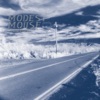 This Is a Long Drive for Someone With Nothing to Think AboutModest Mouse199616 tracks
 -
 The Lonesome Crowded WestModest Mouse199715 tracks
 -
 The Moon & AntarcticaModest Mouse200015 tracks
 -
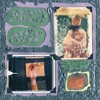 Sad Sappy SuckerModest Mouse200124 tracks
 -
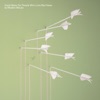 Good News for People Who Love Bad NewsModest Mouse200416 tracks
 -
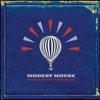 We Were Dead Before the Ship Even SankModest Mouse200714 tracks
 -
 Strangers to OurselvesModest Mouse201515 tracks
 -
 The Golden CasketModest Mouse202112 tracks
 -
 An Eraser and a MazeModest Mouse202615 tracks
Deep Dive
Overview
Modest Mouse is an American rock band that emerged from Issaquah, Washington, in the early 1990s and became one of the defining indie-rock acts of the 2000s. Fronted by vocalist and guitarist Isaac Brock, alongside drummer Jeremiah Green and bassist Eric Judy, the band built a reputation for deliberately unconventional songwriting—angular, narrative-driven arrangements that rejected mainstream polish in favor of textural experimentation and fractured melodic hooks. By the mid-2000s, they achieved the unlikely feat of translating their lo-fi sensibilities into mainstream commercial success without abandoning their fundamental oddness.
Formation Story
Modest Mouse was founded in 1993 in Issaquah, Washington, a Seattle-area suburb. The founding lineup of Isaac Brock, Jeremiah Green, and Eric Judy coalesced around Brock’s songwriting vision—a fusion of indie-rock energy, narrative storytelling, and production aesthetics drawn from lo-fi and post-punk. The band began recording and performing in the Pacific Northwest during an era when Seattle grunge dominated popular rock discourse, yet Modest Mouse operated on a fundamentally different wavelength, influenced by the oddball indie traditions of bands like Pavement and Pixies rather than the heavy blues-rock of their more famous regional contemporaries.
Breakthrough Moment
Modest Mouse’s early recordings established their underground credentials, with releases including Sad Sappy Sucker Chokin on a Mouthful of Lost Thoughts (1995) and This Is a Long Drive for Someone With Nothing to Think About (1996). However, The Lonesome Crowded West (1997) marked a crystallization of their sound and expanded their critical reach beyond college radio and indie circles. The album’s blend of lo-fi production, skittering rhythms, and Brock’s distinctive nasal vocal delivery on narratively complex tracks earned significant attention from music critics and indie-rock listeners, establishing Modest Mouse as a major force in post-grunge underground rock.
Peak Era
The period spanning 2000 to 2007 represented Modest Mouse’s creative and commercial apex. The Moon & Antarctica (2000) deepened their experimental tendencies with longer compositional structures and more atmospheric production, while Good News for People Who Love Bad News (2004) became their commercial breakthrough—a paradoxically accessible expression of their core style that yielded genuine mainstream radio presence through singles “Float On” and “Ocean Breathes Salty.” The band’s 2004 album balanced wider appeal without sacrificing the textural density and unconventional song structures that defined their identity. We Were Dead Before the Ship Even Sank (2007) continued this trajectory, cementing their position as indie-rock elder statesmen whose influence extended across alternative and college-rock audiences.
Musical Style
Modest Mouse’s sound is rooted in lo-fi indie rock with strong post-punk and math-rock influences. Isaac Brock’s vocals—high-pitched, conversational, often slurred or run together—function as rhythmic and melodic instruments rather than traditional frontman delivery. The band favors jerky, syncopated drum patterns courtesy of Jeremiah Green, whose playing emphasizes broken time signatures and tom fills over conventional backbeats. Eric Judy’s bass work typically provides harmonic counterpoint rather than straightforward low-end support, creating a three-part texture where each instrument occupies its own melodic space. Lyrically, Brock trades in stream-of-consciousness storytelling, pop-cultural references, and wry social observation, often delivered with dark humor or philosophical ambiguity. Production-wise, even their more polished albums retain intentional roughness and sonic artifacts that recall lo-fi recording traditions, preventing their work from ever fully assimilating into mainstream rock smoothness.
Major Albums
This Is a Long Drive for Someone With Nothing to Think About (1996)
An early definition of the band’s aesthetic, combining sparse arrangements with intricate compositional detail and establishing Brock’s narrative-vocal approach as central to their sound.
The Lonesome Crowded West (1997)
The album that expanded their underground reputation significantly, balancing angular production with increasingly sophisticated songwriting and solidifying their standing in indie-rock criticism.
The Moon & Antarctica (2000)
A more expansive and atmospheric work that demonstrated the band’s willingness to extend compositional forms and explore textural density beyond their earlier punk-influenced energy.
Good News for People Who Love Bad News (2004)
Their breakthrough to mainstream audiences, notable for achieving broader listenership without substantially simplifying their core approach; “Float On” and “Ocean Breathes Salty” became their most recognizable tracks.
We Were Dead Before the Ship Even Sank (2007)
A continuation of their 2000s success that maintained their experimental instincts while operating comfortably within a larger commercial framework.
Signature Songs
- “Float On” — Their highest-charting single and defining mainstream moment, a deceptively upbeat meditation with optimistic surface and darker emotional undercurrents.
- “Ocean Breathes Salty” — A concise articulation of their lo-fi-to-mainstream transition, combining accessibility with their distinctive vocal and compositional quirks.
- “The Lonesome Crowded West” — A title-track anchor that exemplified their narrative approach and ability to build complex arrangements from simple instrumental elements.
- “Dramamine” — An extended composition demonstrating their comfort with longer forms and atmospheric development.
Influence on Rock
Modest Mouse played a significant role in legitimizing lo-fi aesthetic and oddball compositional approaches within mainstream indie and alternative rock during the 2000s. Their success—particularly the mainstream breakthrough of Good News for People Who Love Bad News—demonstrated that unconventional vocal styles, asymmetrical song structures, and deliberate production roughness were compatible with commercial viability. The band influenced the wave of 2000s indie-rock acts who sought to balance underground credibility with broader audiences, and their emphasis on narrative songwriting and anti-authoritarian humor became touchstones for indie-rock discourse. Their trajectory from bedroom recordings to arena-ready stages without aesthetic compromise made them a reference point for how underground acts could scale while maintaining artistic integrity.
Legacy
Modest Mouse remain active performers and recording artists into the present decade, with later albums including Strangers to Ourselves (2015) and The Golden Casket (2021) sustaining their catalog. The band’s foundational work from the 1990s and early 2000s continues to circulate widely on streaming platforms and in college-radio rotations, ensuring that new audiences encounter their angular sensibility and narrative approach. Their influence persists in contemporary indie and alternative rock, where artists reference both their production aesthetics and their refusal of conventional rock frontman presentation. The band’s move to Portland, Oregon, and their continued presence in rock culture underscore their durability as more than a 2000s novelty—they represent a sustained alternative to mainstream rock orthodoxy.
Fun Facts
- The band’s first official album in 1995 was titled Sad Sappy Sucker Chokin on a Mouthful of Lost Thoughts, a particularly unwieldy name that they would reissue under the shorter title Sad Sappy Sucker in 2001.
- Modest Mouse released demo versions of both The Moon & Antarctica and The Lonesome Crowded West as separate archival releases, reflecting their recording process and willingness to share alternative takes with dedicated listeners.
- The band achieved the rare feat of maintaining their founding three-piece lineup of Isaac Brock, Jeremiah Green, and Eric Judy through their peak commercial period and beyond.