

Photo by https://www.flickr.com/people/51458030@N08 digboston, Nina Corcoran , licensed under CC BY 2.0 · Wikimedia Commons
Rank #109
Sufjan Stevens
From Wikipedia
Sufjan Stevens is an American singer, songwriter, and multi-instrumentalist. He has released ten solo studio albums and multiple collaborative albums with other artists. Stevens has received Grammy and Academy Award nominations.
Discography & Previews
Browse through and click an album to open and play 30-second previews streamed from Apple Music.
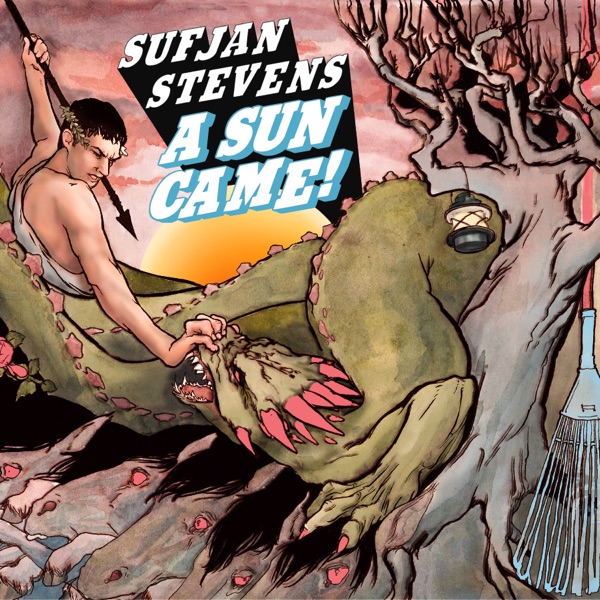
A Sun Came
2000 · 21 tracks
- 1 We Are What You Say ↗ 5:21
- 2 A Winner Needs a Wand ↗ 5:45
- 3 Rake ↗ 2:49
- 4 Siamese Twins ↗ 0:15
- 5 Demetrius ↗ 6:01
- 6 Dumb I Sound ↗ 5:49
- 7 Wordsworth's Ridge (for Fran Fike) ↗ 4:55
- 8 Belly Button ↗ 0:09
- 9 Rice Pudding ↗ 2:24
- 10 A Loverless Bed (Without Remission) ↗ 6:17
- 11 Godzukie ↗ 0:37
- 12 SuperSexyWoman ↗ 2:42
- 13 The Oracle Said Wander ↗ 5:39
- 14 Happy Birthday ↗ 2:45
- 15 Jason ↗ 6:10
- 16 Kill ↗ 4:26
- 17 Leil ↗ 5:38
- 18 A Sun Came ↗ 2:12
- 19 Satan's Saxophones ↗ 2:31
- 20 Joy! Joy! Joy! ↗ 3:24
- 21 Rake (Greenpoint Version) ↗ 3:02

Enjoy Your Rabbit
2001 · 14 tracks
- 1 Year of the Asthmatic Cat ↗ 0:24
- 2 Year of the Monkey ↗ 4:20
- 3 Year of the Rat ↗ 8:23
- 4 Year of the Ox ↗ 4:01
- 5 Year of the Boar ↗ 3:55
- 6 Year of the Tiger ↗ 4:25
- 7 Year of the Snake ↗ 6:48
- 8 Year of the Sheep ↗ 3:35
- 9 Year of the Rooster ↗ 6:25
- 10 Year of the Dragon ↗ 9:27
- 11 Enjoy Your Rabbit ↗ 4:48
- 12 Year of the Dog ↗ 4:52
- 13 Year of the Horse ↗ 13:19
- 14 Year of Our Lord ↗ 4:30

Michigan
2003 · 21 tracks
- 1 Flint (For the Unemployed and Underpaid) ↗ 3:44
- 2 All Good Naysayers, Speak Up! or Forever Hold Your Peace! ↗ 4:34
- 3 For the Widows In Paradise, for the Fatherless In Ypsilanti ↗ 3:57
- 4 Say Yes! to M!ch!gan! ↗ 2:46
- 5 The Upper Peninsula ↗ 3:23
- 6 Tahquamenon Falls ↗ 2:18
- 7 Holland ↗ 3:26
- 8 Oh Detroit, Lift Up Your Weary Head! (Rebuild! Restore! Reconsider!) ↗ 8:21
- 9 Romulus ↗ 4:42
- 10 Alanson, Crooked River ↗ 1:19
- 11 Sleeping Bear, Sault Ste. Marie ↗ 2:52
- 12 They Also Mourn Who Do Not Wear Black (For the Homeless In Muskegon) ↗ 6:21
- 13 Oh God Where Are You Now? (In Pickerel Lake? Pigeon? Marquette? Mackinaw?) ↗ 9:24
- 14 Redford (For Yia-Yia and Pappou) ↗ 2:02
- 15 Vito's Ordination Song ↗ 7:07
- 16 Vito’s Ordination Song (Acoustic Version) [Bonus Track] ↗ 4:12
- 17 Marching Band (Bonus Track) ↗ 3:42
- 18 Pickerel Lake (Bonus Track) ↗ 3:11
- 19 Niagara Falls (Bonus Track) ↗ 2:22
- 20 Presidents & Magistrates (Bonus Track) ↗ 4:16
- 21 Wolverine (Bonus Track) ↗ 2:11
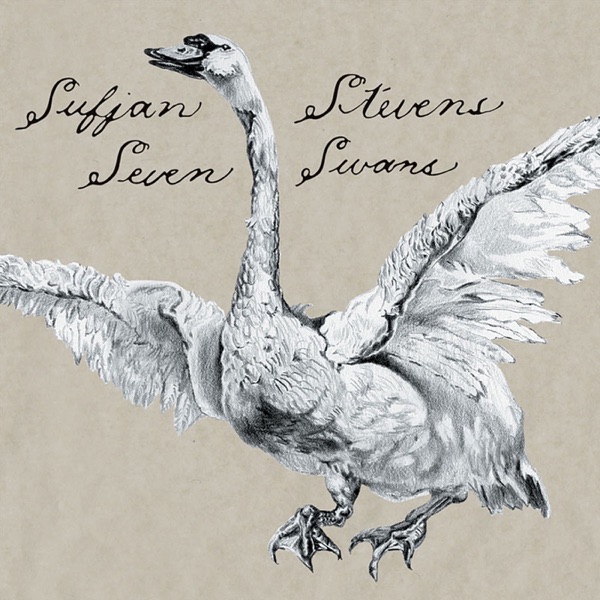
Seven Swans
2004 · 12 tracks
- 1 All the Trees of the Field Will Clap Their Hands ↗ 4:14
- 2 The Dress Looks Nice on You ↗ 2:32
- 3 In the Devil's Territory ↗ 4:58
- 4 To Be Alone With You ↗ 2:48
- 5 Abraham ↗ 2:34
- 6 Sister ↗ 6:01
- 7 Size Too Small ↗ 3:05
- 8 We Won't Need Legs To Stand ↗ 2:16
- 9 A Good Man Is Hard to Find ↗ 3:16
- 10 He Woke Me Up Again ↗ 2:43
- 11 Seven Swans ↗ 6:33
- 12 The Transfiguration ↗ 5:19
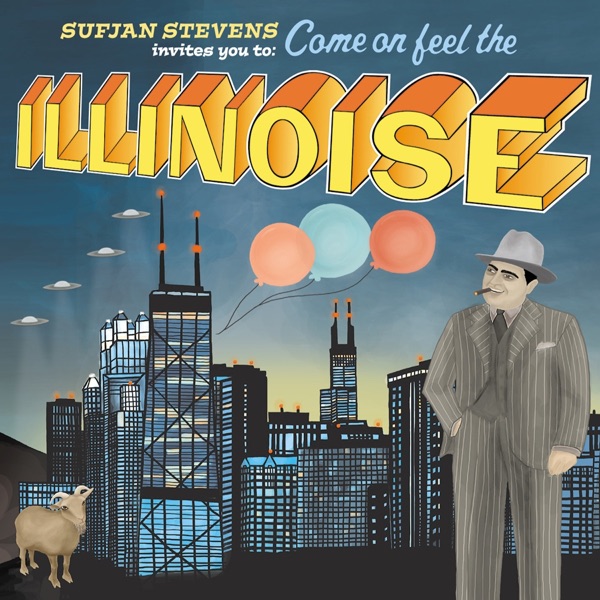
Illinois
2005 · 22 tracks
- 1 Concerning the UFO Sighting Near Highland, Illinois ↗ 2:09
- 2 The Black Hawk War, Or, How to Demolish an Entire Civilization and Still Feel Good About Yourself In the Morning, Or, We Apologize for the Inconvenience But You're Going to Have to Leave Now, Or... ↗ 2:15
- 3 Come On! Feel the Illinoise! ↗ 6:46
- 4 John Wayne Gacy, Jr. ↗ 3:20
- 5 Jacksonville ↗ 5:25
- 6 A Short Reprise for Mary Todd, Who Went Insane, But for Very Good Reasons ↗ 0:48
- 7 Decatur, Or, Round of Applause for Your Stepmother! ↗ 3:04
- 8 One Last "Whoo-hoo!" for the Pullman ↗ 0:06
- 9 Chicago ↗ 6:05
- 10 Casimir Pulaski Day ↗ 5:54
- 11 To the Workers of the Rock River Valley Region, I Have an Idea Concerning Your Predicament ↗ 1:41
- 12 The Man of Metropolis Steals Our Hearts ↗ 6:17
- 13 Prairie Fire That Wanders About ↗ 2:11
- 14 A Conjunction of Drones Simulating the Way In Which Sufjan Stevens Has an Existential Crisis In the Great Godfrey Maze ↗ 0:20
- 15 The Predatory Wasp of the Palisades Is Out to Get Us! ↗ 5:23
- 16 They Are Night Zombies!! They Are Neighbors!! They Have Come Back from the Dead!! Ahhhh! ↗ 5:10
- 17 Let's Hear That String Part Again, Because I Don't Think They Heard It All the Way Out In Bushnell ↗ 0:40
- 18 In This Temple, As In the Hearts of Man for Whom He Saved the Earth ↗ 0:35
- 19 The Seer's Tower ↗ 3:54
- 20 The Tallest Man, the Broadest Shoulders ↗ 7:03
- 21 Riffs and Variations On a Single Note for Jelly Roll, Earl Hines, Louis Armstrong, Baby Dodds, and the King of Swing, to Name a Few ↗ 0:47
- 22 Out of Egypt, Into the Great Laugh of Mankind, and I Shake the Dirt from My Sandals As I Run ↗ 4:22
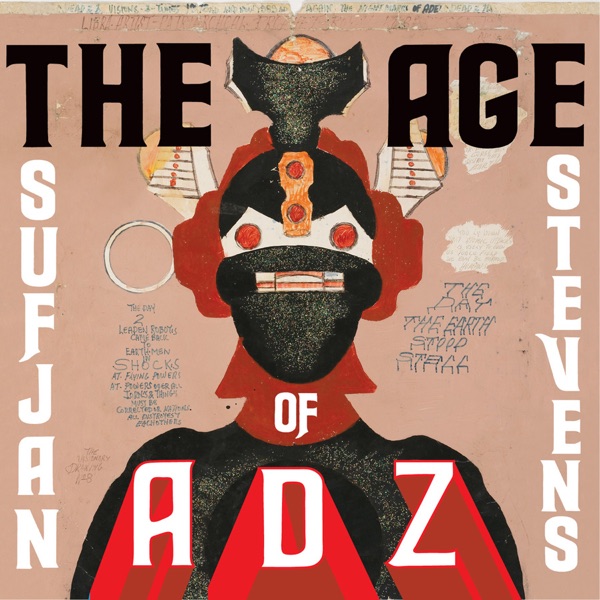
The Age of Adz
2010 · 11 tracks
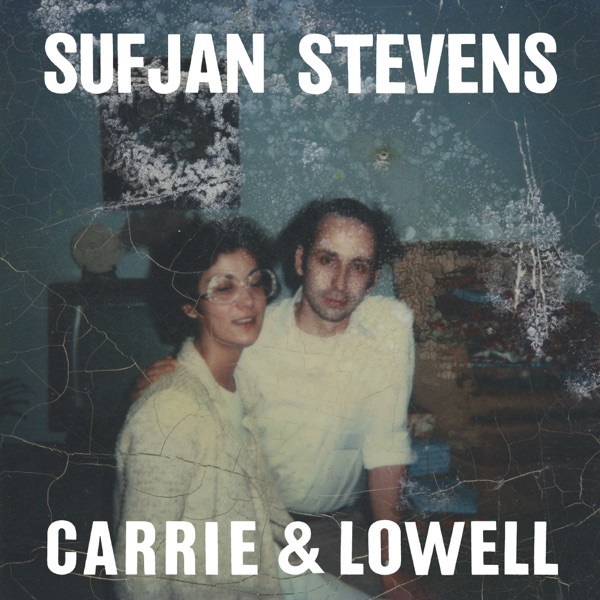
Carrie & Lowell
2015 · 11 tracks
- 1 Death with Dignity ↗ 4:00
- 2 Should Have Known Better ↗ 5:08
- 3 All of Me Wants All of You ↗ 3:42
- 4 Drawn to the Blood ↗ 3:18
- 5 Eugene ↗ 2:27
- 6 Fourth of July ↗ 4:39
- 7 The Only Thing ↗ 4:44
- 8 Carrie & Lowell ↗ 3:15
- 9 John My Beloved ↗ 5:05
- 10 No Shade in the Shadow of The Cross ↗ 2:41
- 11 Blue Bucket of Gold ↗ 4:45
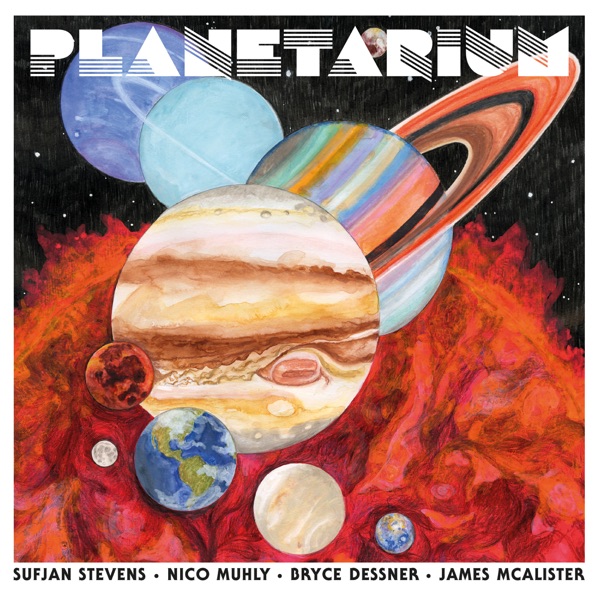
Planetarium
2017 · 17 tracks
- 1 Neptune ↗ 3:05
- 2 Jupiter ↗ 7:10
- 3 Halley's Comet ↗ 0:30
- 4 Venus ↗ 4:42
- 5 Uranus ↗ 6:52
- 6 Mars ↗ 7:09
- 7 Black Energy ↗ 5:26
- 8 Sun ↗ 4:00
- 9 Tides ↗ 0:58
- 10 Moon ↗ 3:42
- 11 Pluto ↗ 4:24
- 12 Kuiper Belt ↗ 2:04
- 13 Black Hole ↗ 0:34
- 14 Saturn ↗ 3:51
- 15 In the Beginning ↗ 1:17
- 16 Earth ↗ 15:10
- 17 Mercury ↗ 5:12
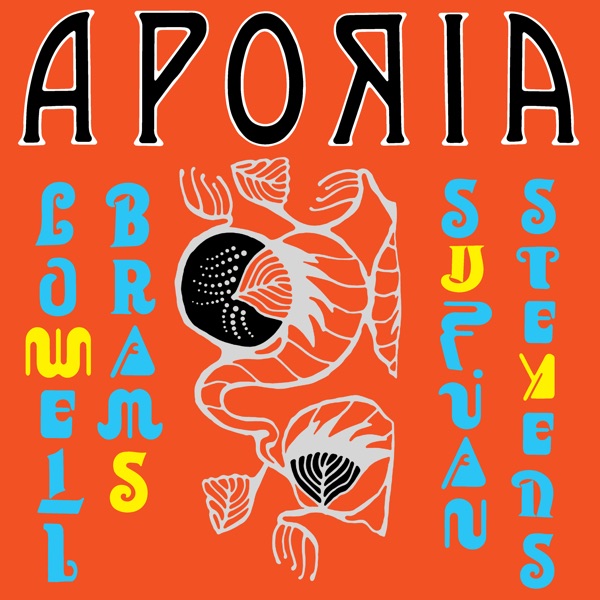
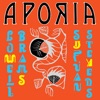
Aporia
2020 · 21 tracks
- 1 Ousia ↗ 2:33
- 2 What It Takes ↗ 3:24
- 3 Disinheritance ↗ 1:13
- 4 Agathon ↗ 3:03
- 5 Determined Outcome ↗ 2:13
- 6 Misology ↗ 1:50
- 7 Afterworld Alliance ↗ 2:47
- 8 Palinodes ↗ 0:33
- 9 Backhanded Cloud ↗ 1:26
- 10 Glorious You ↗ 1:50
- 11 For Raymond Scott ↗ 0:35
- 12 Matronymic ↗ 0:58
- 13 The Red Desert ↗ 2:54
- 14 Conciliation ↗ 1:20
- 15 Ataraxia ↗ 1:13
- 16 The Unlimited ↗ 2:15
- 17 The Runaround ↗ 3:35
- 18 Climb That Mountain ↗ 3:00
- 19 Captain Praxis ↗ 2:14
- 20 Eudaimonia ↗ 2:20
- 21 The Lydian Ring ↗ 1:03
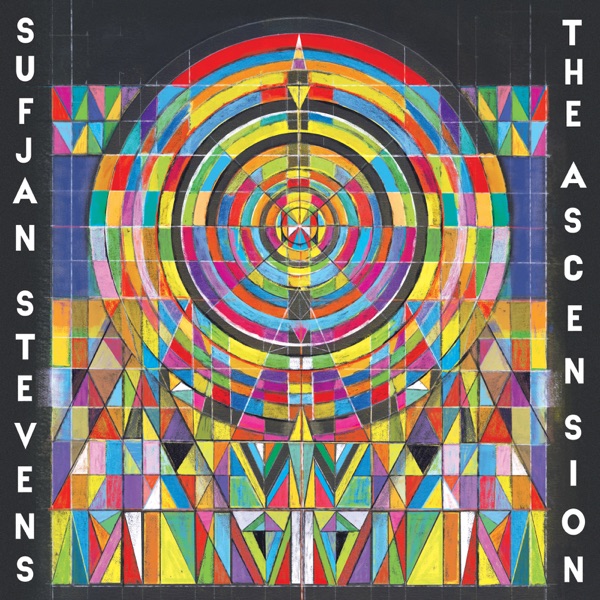
The Ascension
2020 · 15 tracks
- 1 Make Me an Offer I Cannot Refuse ↗ 5:19
- 2 Run Away With Me ↗ 4:07
- 3 Video Game ↗ 4:16
- 4 Lamentations ↗ 3:42
- 5 Tell Me You Love Me ↗ 4:22
- 6 Die Happy ↗ 5:47
- 7 Ativan ↗ 6:32
- 8 Ursa Major ↗ 3:43
- 9 Landslide ↗ 5:04
- 10 Gilgamesh ↗ 3:50
- 11 Death Star ↗ 4:04
- 12 Goodbye To All That ↗ 3:48
- 13 Sugar ↗ 7:37
- 14 The Ascension ↗ 5:56
- 15 America ↗ 12:30
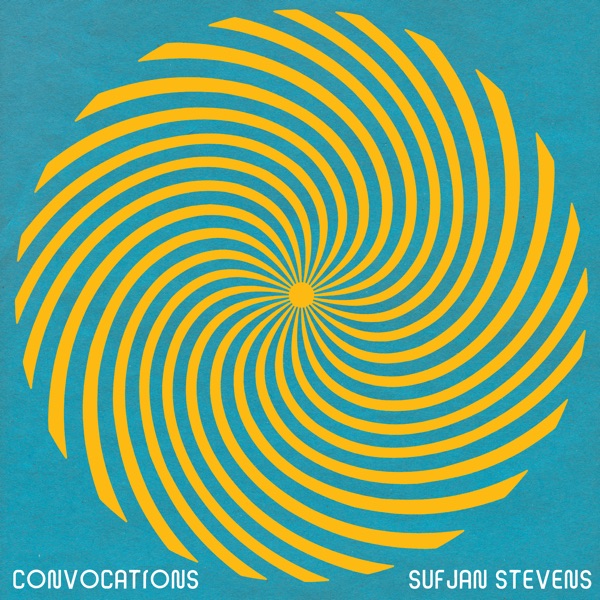
Convocations
2021 · 49 tracks
- 1 Meditation I ↗ 3:40
- 1 Lamentation I ↗ 3:49
- 1 Revelation I ↗ 3:21
- 1 Celebration I ↗ 2:20
- 1 Incantation I ↗ 2:17
- 2 Meditation II ↗ 2:27
- 2 Lamentation II ↗ 2:25
- 2 Revelation II ↗ 2:54
- 2 Celebration II ↗ 5:56
- 2 Incantation II ↗ 1:59
- 3 Meditation III ↗ 4:04
- 3 Lamentation III ↗ 3:18
- 3 Revelation III ↗ 2:01
- 3 Celebration III ↗ 3:10
- 3 Incantation III ↗ 1:37
- 4 Meditation IV ↗ 2:10
- 4 Lamentation IV ↗ 1:59
- 4 Revelation IV ↗ 4:10
- 4 Celebration IV ↗ 3:23
- 4 Incantation IV ↗ 2:00
- 5 Meditation V ↗ 2:11
- 5 Lamentation V ↗ 4:11
- 5 Revelation V ↗ 2:52
- 5 Celebration V ↗ 2:59
- 5 Incantation V ↗ 3:15
- 6 Meditation VI ↗ 2:16
- 6 Lamentation VI ↗ 4:43
- 6 Revelation VI ↗ 3:34
- 6 Celebration VI ↗ 4:02
- 6 Incantation VI ↗ 1:50
- 7 Meditation VII ↗ 2:34
- 7 Lamentation VII ↗ 1:52
- 7 Revelation VII ↗ 4:04
- 7 Celebration VII ↗ 3:41
- 7 Incantation VII ↗ 1:54
- 8 Meditation VIII ↗ 1:48
- 8 Lamentation VIII ↗ 3:35
- 8 Revelation VIII ↗ 2:52
- 8 Celebration VIII ↗ 3:26
- 8 Incantation VIII ↗ 2:56
- 9 Meditation IX ↗ 2:12
- 9 Lamentation IX ↗ 3:29
- 9 Revelation IX ↗ 4:39
- 9 Celebration IX ↗ 1:36
- 9 Incantation IX ↗ 4:29
- 10 Meditation X ↗ 3:40
- 10 Lamentation X ↗ 1:57
- 10 Revelation X ↗ 4:18
- 10 Celebration X ↗ 4:10
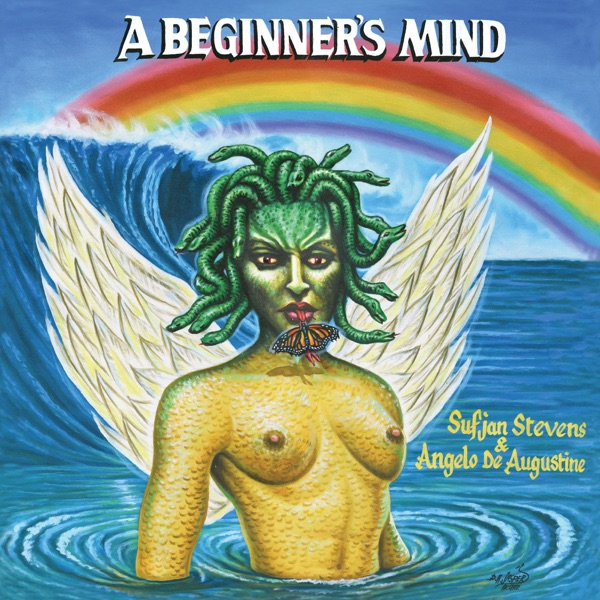
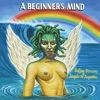
A Beginner’s Mind
2021 · 14 tracks
- 1 Reach Out ↗ 3:43
- 2 Lady Macbeth In Chains ↗ 3:42
- 3 Back To Oz ↗ 4:12
- 4 The Pillar of Souls ↗ 3:10
- 5 You Give Death a Bad Name ↗ 4:07
- 6 Beginner’s Mind ↗ 2:15
- 7 Olympus ↗ 3:07
- 8 Murder and Crime ↗ 3:30
- 9 (This Is) The Thing ↗ 2:49
- 10 It’s Your Own Body and Mind ↗ 2:27
- 11 Lost In the World ↗ 3:10
- 12 Fictional California ↗ 2:51
- 13 Cimmerian Shade ↗ 4:19
- 14 Lacrimae ↗ 2:08
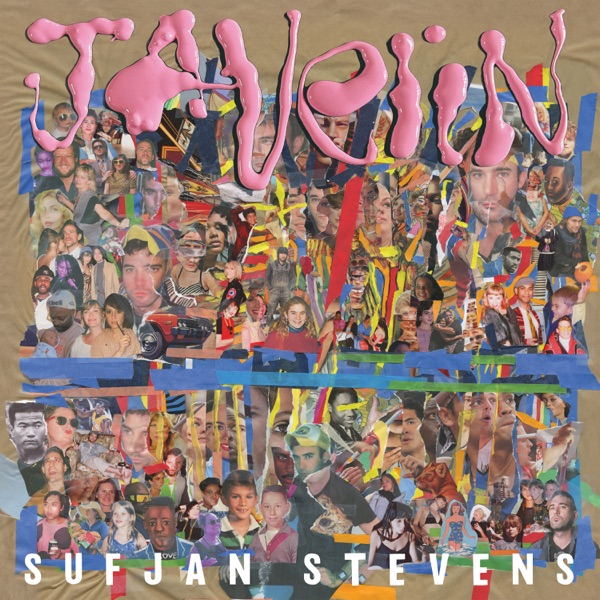
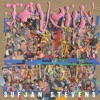
Javelin
2023 · 10 tracks
-
 A Sun CameSufjan Stevens200021 tracks
 -
 Enjoy Your RabbitSufjan Stevens200114 tracks
 -
 MichiganSufjan Stevens200321 tracks
 -
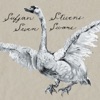 Seven SwansSufjan Stevens200412 tracks
 -
 IllinoisSufjan Stevens200522 tracks
 -
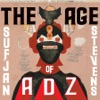 The Age of AdzSufjan Stevens201011 tracks
 -
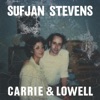 Carrie & LowellSufjan Stevens201511 tracks
 -
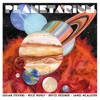 PlanetariumSufjan Stevens201717 tracks
 -
 AporiaSufjan Stevens202021 tracks
 -
 The AscensionSufjan Stevens202015 tracks
 -
 ConvocationsSufjan Stevens202149 tracks
 -
 A Beginner’s MindSufjan Stevens202114 tracks
 -
 JavelinSufjan Stevens202310 tracks
Deep Dive
Overview
Sufjan Stevens is an American singer, songwriter, and multi-instrumentalist whose career spans more than two decades of genre-crossing, formally ambitious music. Beginning in the early 2000s with intimate lo-fi recordings, Stevens evolved into one of indie rock’s most prolific and restlessly inventive figures, releasing ten studio albums alongside collaborative projects. His work draws from chamber pop, folk-pop, baroque pop, and electronic production, anchored by deeply personal songwriting that often explores themes of loss, place, and spiritual questioning. Stevens has received Grammy and Academy Award nominations and maintained artistic independence throughout his career, releasing much of his work through the Asthmatic Kitty label.
Formation Story
Sufjan Stevens was born in 1975 and grew up as a musician during the indie rock and alternative movements of the 1980s and 1990s. He arrived at rock music through a combination of classical training, folk traditions, and the emerging aesthetics of lo-fi and bedroom pop that characterized the late 1990s underground. Stevens began recording solo material in his twenties, establishing himself as a self-taught producer and arranger capable of working across multiple instruments and production techniques. His early work emerged from the same cultural moment that valued intimacy, imperfection, and emotional honesty over polish and mainstream accessibility. From the outset, Stevens positioned himself as a serious composer rather than a conventional rock musician, drawing on classical forms and chamber instrumentation alongside electric guitars and electronic elements.
Breakthrough Moment
Stevens released his debut album, A Sun Came, in 2000, followed by Enjoy Your Rabbit in 2001, both establishing his pattern of prolific output and stylistic range. His breakthrough came with Michigan in 2003, an ambitious 14-song cycle of character-driven folk-pop narratives rooted in the landscape and history of Michigan. Michigan introduced listeners to Stevens’ songwriting voice at full clarity: intricate arrangements, baroque pop instrumentation, and deeply local place-based storytelling. The album’s success expanded his audience significantly and positioned him as a leading figure in the indie-folk movement. This period solidified his reputation for combining classical chamber music sensibilities with modern indie rock production and emotionally direct, sometimes confessional songwriting.
Peak Era
Stevens’ most creatively fertile and widely recognized period encompassed the mid-2000s through 2015. Seven Swans (2004) refined his lo-fi chamber pop aesthetic, while Illinois (2005) became his most celebrated album—a sprawling, maximalist suite of songs exploring American history, personal mythology, and philosophical inquiry. Illinois marked a peak of critical recognition and cemented Stevens as an artist capable of scaling his ambitions without sacrificing emotional resonance. After a five-year gap, he returned with The Age of Adz (2010), a dramatic turn toward electronic production and digital instrumentation that demonstrated his willingness to abandon the acoustic-centric sounds of his earlier work. Carrie & Lowell (2015) followed a hiatus and returned to intimate, acoustic songwriting while processing grief and mortality, earning widespread critical acclaim and Grammy nominations.
Musical Style
Sufjan Stevens’ sound combines classical orchestration, folk-pop songwriting, and electronic experimentation in proportions that shift from album to album. His early records (2000–2004) emphasized lo-fi chamber pop—sparse arrangements of acoustic guitar, strings, and vocal harmonies recorded with deliberate underproduction that emphasized intimacy. Illinois expanded this palette with full orchestral arrangements, incorporating brass, woodwinds, and dense layering around Stevens’ conversational vocal delivery. His instrumentation ranges across piano, guitar, strings, woodwinds, and synthesizers; he often plays multiple instruments on single tracks, functioning as both composer and arranger. Lyrically, Stevens favors narrative detail, historical reference, and personal reflection often shadowed by spiritual or philosophical uncertainty. The Age of Adz represented a genre shift toward glitchy electronic music and digital composition, while Carrie & Lowell stripped arrangements back to acoustic fundamentals. Across all periods, Stevens maintains a baroque pop lineage—ornate but never ostentatious, maximalist in composition but restrained in vocal performance.
Major Albums
Michigan (2003)
A 14-song concept album rooted in Michigan geography and local history, featuring intricate folk-pop arrangements and establishing Stevens’ narrative songwriting voice at full maturity.
Illinois (2005)
Stevens’ most expansive work, combining orchestral arrangements with sprawling song cycles exploring American mythology, personal longing, and spiritual inquiry across tracks of varying length and scope.
The Age of Adz (2010)
A radical departure into electronic production and digital composition, featuring glitchy textures, synthesizers, and fragmented song structures that shifted Stevens away from acoustic-based arrangements.
Carrie & Lowell (2015)
An intimate, grief-centered album returning to acoustic instrumentation and deeply personal songwriting, addressing loss and mortality with restrained arrangements and introspective lyrics.
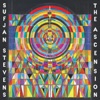
The Ascension (2020)
A sprawling electronic album released alongside Aporia, continuing Stevens’ exploration of digital production and complex atmospheric textures across its extended runtime.
Signature Songs
- “Chicago” — An anthemic title-track from Illinois that became Stevens’ closest approach to mainstream recognition, combining orchestral bombast with intimate lyrical observation.
- “For the Widows in Paradise, for the St. Jude” — A Michigan ballad demonstrating Stevens’ capacity for deeply detailed narrative songwriting within folk-pop arrangements.
- “Casimir Pulaski Day” — A Illinois standout built on minimal arrangement, exploring personal loss and spiritual doubt through the lens of a historic Chicago holiday.
- “Death With Dignity” — A Carrie & Lowell centerpiece addressing terminal illness with acoustic restraint and devastating emotional clarity.
- “Too Much” — A The Age of Adz electronic composition showcasing Stevens’ move toward digital production and fragmented, experimental song structures.
Influence on Rock
Sufjan Stevens significantly expanded indie rock’s sonic and thematic vocabulary. His chamber pop arrangements and orchestral ambitions showed that indie artists could embrace formal complexity and classical composition without sacrificing authenticity or emotional directness. Stevens demonstrated that place-based songwriting and regional specificity could carry artistic weight equal to autobiographical confession or political statement. His willingness to completely reinvent his sound between albums—shifting from acoustic to electronic, from folk to glitch—gave permission to an entire generation of indie artists to treat each album as a genre experiment rather than a brand continuation. Stevens’ influence traces through later chamber pop, indie folk, and electronic artists who blend classical instrumentation with indie rock’s DIY ethos and emotional transparency. His successful navigation between Grammy-nominated recognition and artistic independence established a model for 21st-century indie musicians seeking both critical respect and creative autonomy.
Legacy
Across more than two decades, Sufjan Stevens has recorded ten studio albums alongside multiple collaborative and experimental projects, maintaining remarkable prolific output while sustaining artistic innovation. His work spanning 2000 to the present demonstrates a serious composer’s evolution rather than a fixed artistic identity—each album represents a distinct era with its own production philosophy and thematic preoccupations. Stevens’ Grammy and Academy Award nominations recognize both the sophistication of his compositional work and his sustained cultural relevance. His music streams consistently across platforms and continues to attract both longtime listeners and new audiences discovering his expansive catalog. Stevens’ commitment to independent release through Asthmatic Kitty and his refusal to follow commercial formula have positioned him as a model for artist autonomy in the streaming era. His willingness to address grief, mortality, spirituality, and place in increasingly direct and formally inventive ways has influenced not only indie rock but also contemporary classical composition and electronic music communities.
Fun Facts
- Stevens has released multiple collaborative and side projects alongside his main solo discography, including Chopped & Scrooged (2012), Planetarium (2017), Convocations (2021), and A Beginner’s Mind (2021), demonstrating his commitment to constant artistic output across multiple formats.
- The Age of Adz arrived after a five-year gap in solo album releases, representing a dramatic sonic pivot that surprised fans expecting a return to his earlier chamber pop style but instead delivered glitchy electronic experimentation.
- Stevens released Aporia and The Ascension in the same year (2020), demonstrating his continued prolific studio habits and willingness to pursue multiple creative directions simultaneously.
- His 2023 album Javelin continued his pattern of stylistic evolution, showing Stevens’ commitment to reinvention and formal experimentation into his fifth decade of life and fourth decade of recording.