

Photo by Hans Hillewaert , licensed under CC BY-SA 4.0 · Wikimedia Commons
Rank #178
Tracy Chapman
From Wikipedia
Tracy Chapman is an American singer-songwriter. She was signed to Elektra Records by Bob Krasnow in 1987. The following year she released her self-titled debut album, which became a commercial success, boosted by her appearance at the Nelson Mandela 70th Birthday Tribute concert, and was certified 6× platinum by the Recording Industry Association of America. The album received six Grammy Award nominations, including one for Album of the Year, three of which she won: Best New Artist, Best Female Pop Vocal Performance for her single "Fast Car", and Best Contemporary Folk Album. In 2025, the album was preserved in the National Recording Registry by the Library of Congress.
Discography & Previews
Browse through and click an album to open and play 30-second previews streamed from Apple Music.
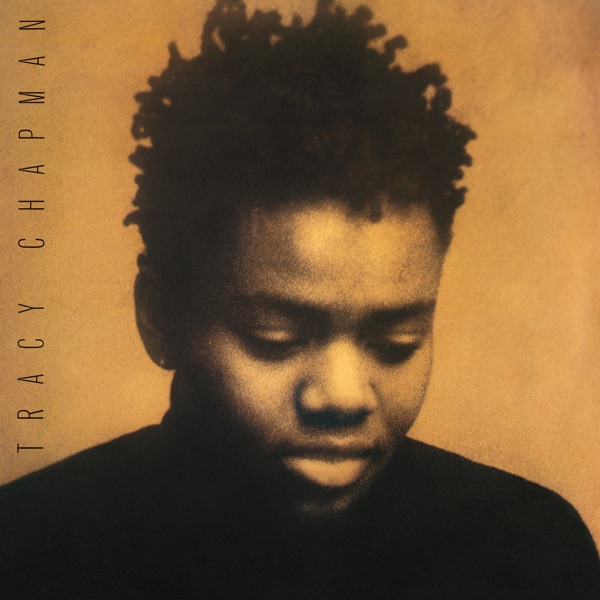
Tracy Chapman
1988 · 11 tracks


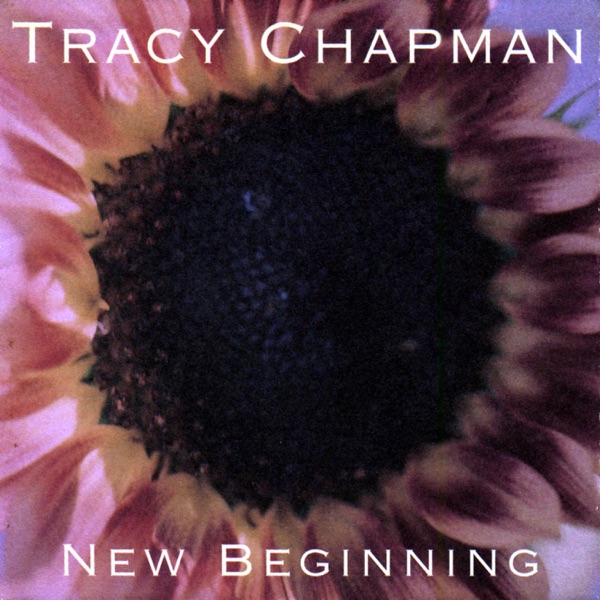
New Beginning
1995 · 11 tracks

-
 Tracy ChapmanTracy Chapman198811 tracks
 -
 CrossroadsTracy Chapman198910 tracks
 -
 Matters of the HeartTracy Chapman199210 tracks
 -
 New BeginningTracy Chapman199511 tracks
 -
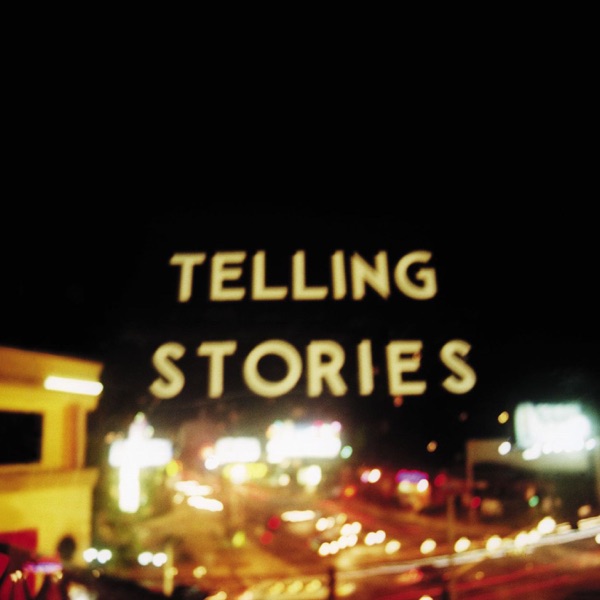
 Telling StoriesTracy Chapman200011 tracks
 -
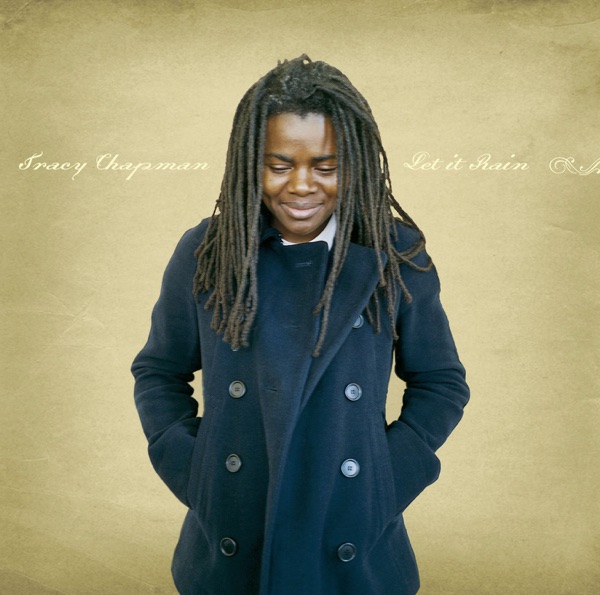
 Let It RainTracy Chapman200212 tracks
 -
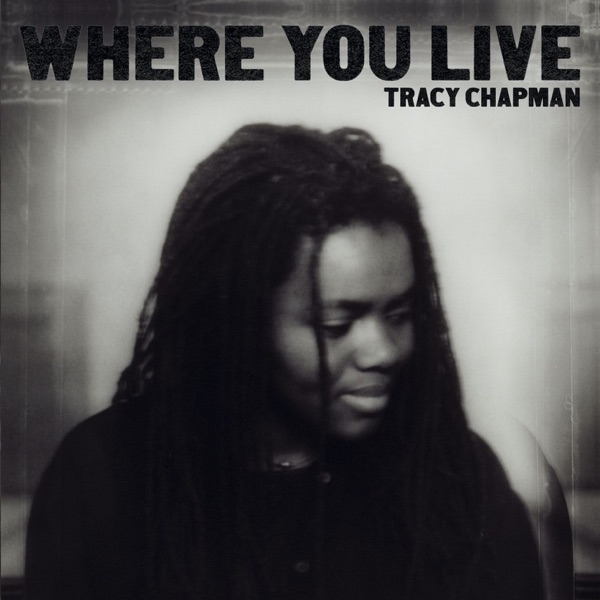
 Where You LiveTracy Chapman200511 tracks
 -
 Our Bright FutureTracy Chapman200811 tracks
Deep Dive
Overview
Tracy Chapman is an American singer-songwriter whose self-titled 1988 debut album established her as a major force in folk rock and alternative music. Born in 1964, she emerged during a period when acoustic guitar-driven songwriting and socially conscious lyrics were gaining renewed attention in popular music. Her commercially successful first record, bolstered by a landmark television performance, spawned the signature single “Fast Car” and earned six Grammy Award nominations, including Album of the Year.
Formation Story
Chapman’s path to music began in Cleveland, Ohio, where she grew up immersed in folk traditions and African American musical heritage. Her early exposure to blues, soul, and acoustic folk provided the foundation for a songwriting approach that would blend social awareness with intimate, character-driven narratives. By the mid-1980s, she had developed a distinctive style that drew on American folk lineage while incorporating elements of soul, blues, and rock sensibility. In 1987, she signed to Elektra Records under the guidance of label executive Bob Krasnow, who recognized her artistic potential and unique voice as a solo artist.
Breakthrough Moment
Chapman’s breakthrough arrived with her 1988 self-titled debut album, Tracy Chapman. The record’s commercial ascent was significantly accelerated by her appearance at the Nelson Mandela 70th Birthday Tribute concert, a high-profile benefit broadcast to a global television audience. The exposure catapulted the album into mainstream success, eventually achieving 6× platinum certification from the Recording Industry Association of America. The single “Fast Car,” a narrative-driven song about working-class struggle and thwarted dreams, became her signature piece and earned her a Grammy Award for Best Female Pop Vocal Performance. The album itself received six Grammy nominations total, with Chapman winning Best New Artist and Best Contemporary Folk Album, establishing her credentials as both a commercial force and a serious artist.
Peak Era
The period from 1988 through the early 1990s represented Chapman’s commercial and critical peak. Following the breakthrough success of her debut, she released Crossroads in 1989, continuing to build on the momentum established by her first record. Matters of the Heart arrived in 1992, maintaining her presence in folk and alternative rock circles. During this window, Chapman consolidated her reputation as a thoughtful songwriter whose lyrics addressed social themes, personal relationships, and human dignity with unflinching directness. Her acoustic-centered arrangements and distinctive vocal delivery became hallmarks of her work, distinguishing her in a landscape increasingly dominated by electric and synth-driven production.
Musical Style
Chapman’s sound is rooted in acoustic folk and singer-songwriter traditions, yet incorporates elements of soul, blues, and rock that prevent her work from sounding overly nostalgic or genre-bound. Her primary instrument is the acoustic guitar, which she plays with technical proficiency and uses as both a rhythmic and melodic anchor. Her vocals carry emotional weight without melodramatic excess; she favors clarity and directness, allowing the narrative content of her lyrics to carry the emotional force. Lyrically, Chapman writes in the tradition of socially aware folk songwriting, often depicting working-class life, romantic complexity, and questions of identity and justice. The production of her records, particularly her early work, emphasized acoustic instruments and sparse arrangement, giving her songs an intimate quality even when recorded for broad commercial distribution. Over her career spanning multiple decades, she has maintained essential stylistic consistency while selectively incorporating elements of contemporary production without compromising the core acoustic and lyrical-focused approach that defines her artistry.
Major Albums
Tracy Chapman (1988)
Her landmark debut established her both commercially and artistically, achieving 6× platinum status and earning six Grammy nominations, with Chapman winning three awards including Best New Artist. The album’s success fundamentally reshaped her career trajectory and introduced her narrative, socially conscious songwriting to a mass audience.
Crossroads (1989)
Released a year after her blockbuster debut, Crossroads demonstrated her ability to sustain momentum while exploring new thematic territory. The album reinforced her status as a major artist in folk and alternative rock.
Matters of the Heart (1992)
This third album continued Chapman’s artistic development, showcasing her growing sophistication as a songwriter and producer. The record maintained her acoustic-focused aesthetic during a period when alternative rock was undergoing significant sonic evolution.
New Beginning (1995)
Chapman’s fourth studio release extended her discography into the mid-1990s, maintaining her independent voice within the broader landscape of folk and alternative music during that decade.
Telling Stories (2000)
Released in the new millennium, this album demonstrated Chapman’s sustained creative relevance and commitment to her singer-songwriter foundation across two decades of recording.
Signature Songs
- “Fast Car” — A narrative-driven single depicting economic struggle and romantic disappointment, which became Chapman’s most recognizable song and won a Grammy Award.
- “Talkin’ About a Revolution” — An anthem of social change and collective action that exemplifies Chapman’s socially conscious songwriting.
- “Baby Can I Hold You” — An intimate ballad that showcases her emotional directness and acoustic arrangements.
- “Across the Lines” — A song addressing social and economic division through Chapman’s characteristic narrative approach.
Influence on Rock
Chapman’s emergence in 1988 helped resuscitate the singer-songwriter tradition within mainstream rock at a moment when that idiom had been somewhat marginalized by the dominance of synthesizer-based pop and hair metal. Her success demonstrated sustained audience hunger for acoustic-centered, lyrically substantive popular music. Her blend of folk authenticity with contemporary production and pop sensibility influenced subsequent generations of alternative and folk-rock artists who sought to balance artistic integrity with commercial accessibility. Chapman’s focus on social themes and working-class narratives established a model for how rock music could address political and economic realities without sacrificing melodic appeal or emotional nuance.
Legacy
Tracy Chapman’s 1988 debut album was preserved in the National Recording Registry by the Library of Congress in 2025, a formal recognition of its cultural and historical significance. The album’s 6× platinum certification and sustained commercial presence demonstrate its enduring appeal across multiple generations of listeners. Chapman’s career, spanning from her 1988 breakthrough through subsequent decades of recording and performance—continuing into 2021 with the release of 4 Years Selection—establishes her as a major figure in American popular music. Her influence extends across folk, alternative rock, and soul-influenced singer-songwriter traditions, marking her as an artist whose work transcended the specific commercial moment of the late 1980s to achieve lasting cultural resonance.
Fun Facts
- Chapman was signed to Elektra Records by executive Bob Krasnow, whose belief in her artistry proved instrumental in bringing her music to a mass audience.
- Her appearance at the Nelson Mandela 70th Birthday Tribute concert, broadcast globally in 1988, served as a turning point that transformed her from a rising folk artist into an international commercial phenomenon.
- The fast-rising success of her debut album earned it six Grammy Award nominations in a single year, an exceptional achievement for a new artist in the folk and alternative rock categories.