
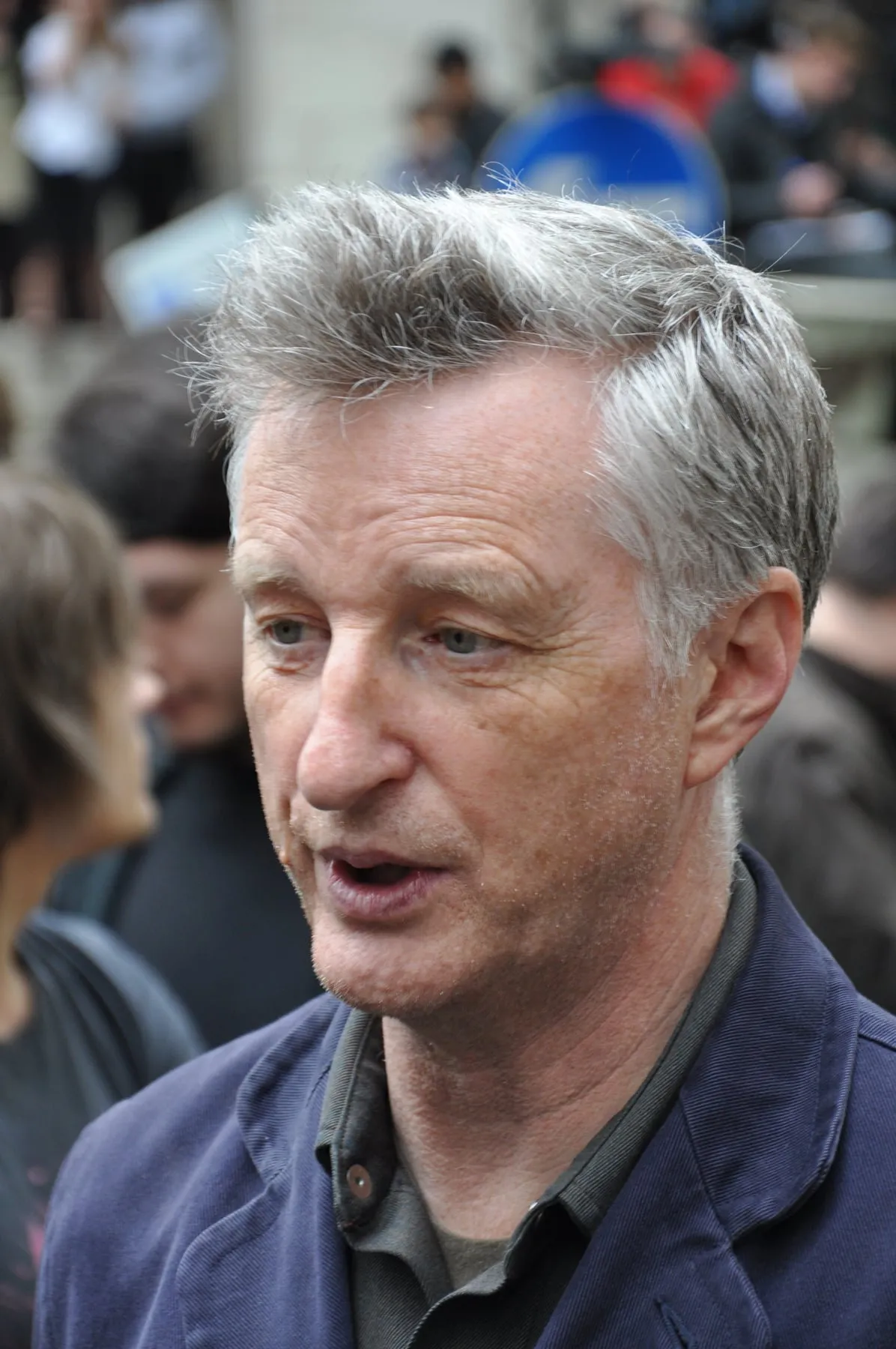
Photo by Ben Sutherland , licensed under CC BY 2.0 · Wikimedia Commons
Rank #305
Billy Bragg
From Wikipedia
Stephen William Bragg is an English singer, songwriter, musician, author and political activist. His music blends elements of folk music, punk rock and protest songs, with lyrics that mostly span political or romantic themes. His activism is centred on social change and left-wing political causes.
Discography & Previews
Browse through and click an album to open and play 30-second previews streamed from Apple Music.

Life’s a Riot With Spy vs Spy
1983 · 15 tracks
- 1 The Milkman of Human Kindness ↗ 2:49
- 2 To Have and to Have Not ↗ 2:33
- 3 Richard ↗ 2:52
- 4 A New England ↗ 2:15
- 5 The Man in the Iron Mask ↗ 2:14
- 6 The Busy Girl Buys Beauty ↗ 1:59
- 7 Lovers Town Revisited ↗ 1:20
- 8 Intro (Live) ↗ 0:59
- 9 Lovers Town Revisited (Live) ↗ 1:16
- 10 To Have and to Have Not (Live) ↗ 2:24
- 11 The Busy Girl Buys Beauty (Live) ↗ 2:16
- 12 The Man in the Iron Mask (Live) ↗ 2:17
- 13 Richard (Live) ↗ 3:10
- 14 The Milkman of Human Kindness (Live) ↗ 2:45
- 15 A New England (Live) ↗ 3:42

Talking With the Taxman About Poetry
1986 · 22 tracks
- 1 Greetings to the New Brunette ↗ 3:32
- 1 Sin City ↗ 3:35
- 2 Train Train ↗ 2:13
- 2 Deportees ↗ 4:03
- 3 The Marriage ↗ 2:32
- 3 There Is Power in a Union (Instrumental) ↗ 3:17
- 4 Ideology ↗ 3:28
- 4 The Tracks of My Tears ↗ 2:57
- 5 Levi Stubbs' Tears ↗ 3:32
- 5 Wishing the Days Away (Alternative Version) ↗ 2:33
- 6 Honey, I'm a Big Boy Now ↗ 4:08
- 6 The Clashing of Ideologies (Alternative Version) ↗ 2:52
- 7 There Is Power in a Union ↗ 2:49
- 7 Greetings to the New Brunette (Demo) ↗ 3:57
- 8 Help Save the Youth of America ↗ 2:49
- 8 A Nurse's Life Is Full of Woe ↗ 2:49
- 9 Wishing the Days Away ↗ 2:30
- 9 Only Bad Signs ↗ 3:11
- 10 The Passion ↗ 2:54
- 10 Hold the Fort ↗ 1:48
- 11 The Warmest Room ↗ 3:57
- 12 The Home Front ↗ 4:12

Workers Playtime
1988 · 22 tracks
- 1 She's Got a New Spell ↗ 3:26
- 1 The Only One (Demo) ↗ 3:37
- 2 Must I Paint You a Picture ↗ 5:32
- 2 The Price I Pay (Demo) ↗ 4:01
- 3 Tender Comrade ↗ 2:50
- 3 Love Has No Pride ↗ 3:35
- 4 The Price I Pay ↗ 3:34
- 4 That's Entertainment ↗ 3:53
- 5 Little Time Bomb ↗ 2:18
- 5 She's Got a New Spell (Alternate Version) ↗ 2:44
- 6 Rotting on Remand ↗ 3:39
- 6 The Short Answer (Alternate Version) ↗ 5:22
- 7 Valentine's Day Is Over ↗ 4:54
- 7 Little Time Bomb (Alternate Version) ↗ 2:22
- 8 Life with the Lions ↗ 3:07
- 8 Bad Penny (Demo) ↗ 3:05
- 9 The Only One ↗ 3:26
- 9 Reason to Believe (Live) ↗ 2:12
- 10 The Short Answer ↗ 5:00
- 10 Must I Paint You a Picture (Extended Version) ↗ 7:13
- 11 Waiting for the Great Leap Forwards ↗ 4:36
- 11 Raglan Road (Live) ↗ 3:46

The Internationale
1990 · 19 tracks
- 1 The Internationale ↗ 3:50
- 2 I Dreamed I Saw Phil Ochs Last Night ↗ 1:29
- 3 The Marching Song of the Covert ↗ 4:00
- 4 Blake's Jerusalem ↗ 2:32
- 5 Nicaragua Nicaraguita ↗ 1:09
- 6 The Red Flag ↗ 3:13
- 7 My Youngest Son Came Home Today ↗ 3:08
- 8 Introduction (Live) ↗ 0:58
- 9 Help Save the Youth of America (Live) ↗ 2:36
- 10 Think Again (Live) ↗ 4:21
- 11 Chile Your Waters Run Red Through Soweto (Live) ↗ 3:09
- 12 Days Like These (DC Remix) ↗ 2:41
- 13 To Have and to Have Not (Live) ↗ 2:47
- 14 There Is Power in a Union (Live) ↗ 3:28
- 15 Joe Hill ↗ 8:24
- 16 This Land Is Your Land ↗ 4:36
- 17 Never Cross a Picket Line ↗ 3:38
- 18 A Change Is Gonna Come ↗ 3:59
- 19 A Miner's Life ↗ 3:02

Don’t Try This at Home
1991 · 30 tracks
- 1 Accident Waiting to Happen ↗ 4:01
- 1 Party of God ↗ 4:15
- 2 Moving the Goalposts ↗ 2:34
- 2 North Sea Bubble (Demo) ↗ 3:30
- 3 Everywhere ↗ 5:01
- 3 Sexuality (Demo) ↗ 3:54
- 4 Cindy of a Thousand Lives ↗ 4:15
- 4 Just One Victory (Alternate Version) ↗ 5:31
- 5 You Woke up My Neighbourhood ↗ 3:11
- 5 Everywhere (Alternate Version) ↗ 4:42
- 6 Trust ↗ 4:13
- 6 Trust (Demo) ↗ 5:43
- 7 God's Footballer ↗ 3:04
- 7 Bread & Circuses ↗ 4:28
- 8 The Few ↗ 3:27
- 8 Cindy of a Thousand Lives (Demo) ↗ 3:38
- 9 Sexuality ↗ 3:49
- 9 The Few (Demo) ↗ 3:50
- 10 Mother of the Bride ↗ 3:36
- 10 Revolution ↗ 1:51
- 11 Tank Park Salute ↗ 3:30
- 11 Tighten up Your Wig ↗ 3:18
- 12 Dolphins ↗ 4:20
- 12 Mbh ↗ 2:07
- 13 North Sea Bubble ↗ 3:19
- 13 This Gulf Between Us ↗ 2:46
- 14 Rumours of War ↗ 2:50
- 14 Piccadilly Rambler ↗ 1:49
- 15 Wish You Were Her ↗ 2:46
- 16 Body of Water ↗ 3:58
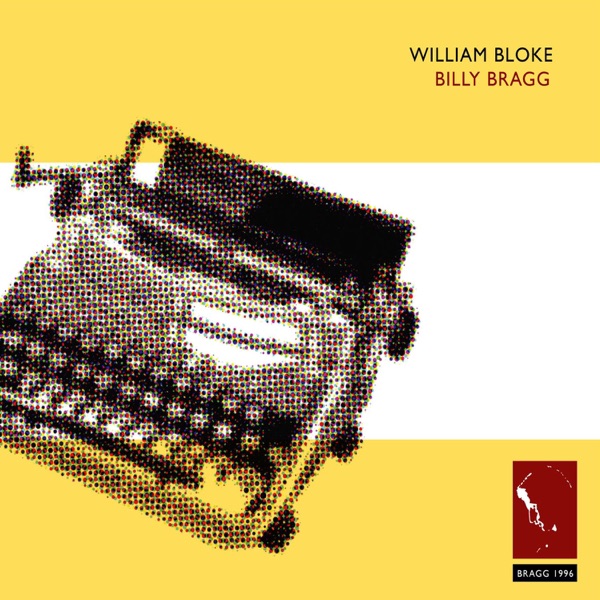
William Bloke
1996 · 22 tracks
- 1 From Red to Blue ↗ 3:21
- 1 As Long as You Hold Me (Demo) ↗ 3:26
- 2 Upfield ↗ 4:07
- 2 Who's Gonna Shoe Your Pretty Little Feet? (Demo) ↗ 1:42
- 3 Everybody Loves You Babe ↗ 3:10
- 3 Sugar Daddy (Demo) ↗ 4:07
- 4 Sugardaddy ↗ 4:37
- 4 The Space Race Is Over (Demo) ↗ 5:10
- 5 A Pict Song ↗ 4:56
- 5 Goalhanger (Demo) ↗ 2:43
- 6 Brickbat ↗ 3:14
- 6 Upfield (Demo) ↗ 5:03
- 7 The Space Race Is Over ↗ 4:26
- 7 The Fourteenth of February (Demo) ↗ 3:26
- 8 Northern Industrial Town ↗ 2:58
- 8 Qualifications ↗ 1:48
- 9 The Fourteenth of February ↗ 3:27
- 9 Never Had No One Ever ↗ 3:40
- 10 King James (Alternative Version) ↗ 3:21
- 10 Thatcherites ↗ 4:13
- 11 Goalhanger ↗ 3:47
- 11 All Fall Down ↗ 3:34

Mermaid Avenue
1998 · 15 tracks
- 1 Walt Whitman's Niece ↗ 3:54
- 2 California Stars ↗ 4:59
- 3 Way Over Yonder In The Minor Key ↗ 4:07
- 4 Birds And Ships (feat. Natalie Merchant) ↗ 2:16
- 5 Hoodoo Voodoo ↗ 3:12
- 6 She Came Along To Me ↗ 3:28
- 7 At My Window Sad And Lonely ↗ 3:28
- 8 Ingrid Bergman ↗ 1:50
- 9 Christ For President ↗ 2:43
- 10 I Guess I Planted ↗ 3:33
- 11 One By One ↗ 3:26
- 12 Eisler On The Go ↗ 2:57
- 13 Hesitating Beauty ↗ 3:06
- 14 Another Man's Done Gone ↗ 1:36
- 15 The Unwelcome Guest ↗ 5:05

Mermaid Avenue, Vol. II
2000 · 15 tracks
- 1 Airline To Heaven ↗ 4:51
- 2 My Flying Saucer ↗ 1:45
- 3 Feed Of Man ↗ 4:06
- 4 Hot Rod Hotel ↗ 3:17
- 5 I Was Born ↗ 1:50
- 6 Secret Of The Sea ↗ 2:40
- 7 Stetson Kennedy ↗ 2:38
- 8 Remember The Mountain Bed ↗ 6:26
- 9 Blood Of The Lamb ↗ 4:15
- 10 Aginst Th' Law ↗ 3:01
- 11 All You Fascists ↗ 2:43
- 12 Joe DiMaggio Done It Again ↗ 2:30
- 13 Meanest Man ↗ 3:44
- 14 Black Wind Blowing ↗ 2:58
- 15 Someday Some Morning Sometime ↗ 2:51

Mr Love & Justice
2008 · 12 tracks
- 1 I Keep Faith ↗ 4:35
- 2 I Almost Killed You ↗ 2:39
- 3 M for Me ↗ 2:44
- 4 The Beach Is Free ↗ 2:43
- 5 Sing Their Souls Back Home ↗ 3:28
- 6 You Make Me Brave ↗ 3:06
- 7 Something Happened ↗ 2:39
- 8 Mr. Love & Justice ↗ 3:13
- 9 If You Ever Leave ↗ 3:01
- 10 O Freedom ↗ 4:05
- 11 The Johnny Carcinogenic Show ↗ 4:16
- 12 Farm Boy ↗ 3:38

Mermaid Avenue, Vol. III
2012 · 17 tracks
- 1 Bugeye Jim ↗ 3:14
- 2 When the Roses Bloom Again ↗ 4:08
- 3 Gotta Work ↗ 2:12
- 4 My Thirty Thousand ↗ 2:37
- 5 Ought to Be Satisfied Now ↗ 3:30
- 6 Listening to the Wind That Blows ↗ 5:04
- 7 Go Down to the Water ↗ 4:32
- 8 Chain of Broken Hearts ↗ 3:27
- 9 Jailcell Blues ↗ 2:24
- 10 Don't You Marry ↗ 3:14
- 11 Give Me a Nail ↗ 1:38
- 12 The Jolly Banker ↗ 3:27
- 13 Union Prayer ↗ 4:09
- 14 Be Kind to the Boy On the Road ↗ 3:42
- 15 Ain'ta Gonna Grieve ↗ 4:48
- 16 Tea Bag Blues ↗ 4:00
- 17 I'm Out to Get ↗ 3:58

Tooth & Nail
2013 · 12 tracks
- 1 January Song ↗ 2:20
- 2 No One Knows Nothing Anymore ↗ 4:32
- 3 Handyman Blues ↗ 3:03
- 4 I Ain't Got No Home ↗ 3:34
- 5 Swallow My Pride ↗ 2:51
- 6 Do Unto Others ↗ 4:08
- 7 Over You ↗ 3:16
- 8 Goodbye, Goodbye ↗ 3:16
- 9 There Will Be a Reckoning ↗ 3:30
- 10 Chasing Rainbows ↗ 3:40
- 11 Your Name on My Tongue ↗ 4:51
- 12 Tomorrow's Going to Be a Better Day ↗ 3:11

Shine a Light: Field Recordings From the Great American Railroad
2016 · 13 tracks
- 1 Rock Island Line ↗ 2:56
- 2 The L&N Don't Stop Here Anymore ↗ 4:30
- 3 The Midnight Special ↗ 3:35
- 4 Railroad Bill ↗ 2:50
- 5 Lonesome Whistle ↗ 2:54
- 6 KC Moan ↗ 2:40
- 7 Waiting for a Train ↗ 2:47
- 8 In the Pines ↗ 3:31
- 9 Gentle on My Mind ↗ 3:40
- 10 Hobo's Lullaby ↗ 3:57
- 11 Railroading on the Great Divide ↗ 3:08
- 12 John Henry ↗ 2:42
- 13 Early Morning Rain ↗ 4:13

The Million Things That Never Happened
2021 · 12 tracks
- 1 Should Have Seen It Coming ↗ 3:23
- 2 Mid-Century Modern ↗ 5:28
- 3 Lonesome Ocean ↗ 3:35
- 4 Good Days and Bad Days ↗ 4:42
- 5 Freedom Doesn't Come for Free ↗ 3:22
- 6 Reflections on the Mirth of Creativity ↗ 3:09
- 7 The Million Things That Never Happened ↗ 3:46
- 8 The Buck Doesn't Stop Here No More ↗ 4:44
- 9 I Believe in You ↗ 3:03
- 10 Pass It On ↗ 3:52
- 11 I Will Be Your Shield ↗ 3:32
- 12 Ten Mysterious Photos That Can't Be Explained ↗ 3:39
-
 Life’s a Riot With Spy vs SpyBilly Bragg198315 tracks
 -
 Talking With the Taxman About PoetryBilly Bragg198622 tracks
 -
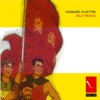 Workers PlaytimeBilly Bragg198822 tracks
 -
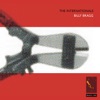 The InternationaleBilly Bragg199019 tracks
 -
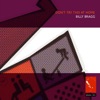 Don’t Try This at HomeBilly Bragg199130 tracks
 -
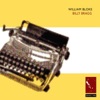 William BlokeBilly Bragg199622 tracks
 -
 Mermaid AvenueBilly Bragg199815 tracks
 -
 Mermaid Avenue, Vol. IIBilly Bragg200015 tracks
 -
 Mr Love & JusticeBilly Bragg200812 tracks
 -
 Mermaid Avenue, Vol. IIIBilly Bragg201217 tracks
 -
 Tooth & NailBilly Bragg201312 tracks
 -
 Shine a Light: Field Recordings From the Great American RailroadBilly Bragg201613 tracks
 -
 The Million Things That Never HappenedBilly Bragg202112 tracks
Deep Dive
Overview
Billy Bragg is an English singer, songwriter, and musician whose career has been defined by the fusion of folk music, punk rock aesthetics, and explicitly political songwriting. Since his debut in 1983, Bragg has built a substantial body of work rooted in social commentary and left-wing activism, crafting songs that address both personal and political themes with equal urgency. His influence extends beyond music into broader cultural and political discourse, making him one of rock’s most socially engaged voices.
Formation Story
Stephen William Bragg was born in 1957 in England and came of age during the post-punk era, a period when rock music was fracturing into numerous subgenres and the boundary between political engagement and artistic expression was becoming increasingly porous. Growing up in the late 1970s and early 1980s, Bragg absorbed the DIY ethic of punk rock while maintaining a deep connection to British folk traditions and the protest-song lineage that stretched back through figures like Woody Guthrie. This unlikely combination of influences—the raw energy of punk alongside the lyrical specificity and social conscience of traditional folk—became the foundation for his artistic approach. Rather than positioning himself as either a pure rocker or a traditional folkie, Bragg carved out a distinctive middle ground that prioritized message-driven songwriting without sacrificing accessibility or emotional directness.
Breakthrough Moment
Bragg’s professional music career began in 1983 with the release of Life’s a Riot With Spy vs Spy, a debut that announced his arrival as a fully formed artistic voice. Following closely with Brewing Up With Billy Bragg in 1984, Bragg established himself as a vital new presence in British alternative music. His third album, Talking With the Taxman About Poetry (1986), solidified his reputation by demonstrating that his blend of folk-rooted melodies and punk directness could sustain a full-length work while deepening his lyrical sophistication. These early albums established the template that would define much of his subsequent output: intimate, guitar-driven arrangements paired with unflinching examinations of personal relationships and broader social inequalities.
Peak Era
The period from the late 1980s through the early 1990s marked Bragg’s creative and commercial zenith. Workers Playtime (1988) and The Internationale (1990) showcased his artistic confidence at its height, with expanded arrangements and a deepening engagement with political themes. Don’t Try This at Home (1991) continued this trajectory, cementing his status as a major figure in alternative rock. During this era, Bragg achieved widespread recognition both for his songwriting craft and for his uncompromising commitment to using his platform for social advocacy. The period demonstrated that politically engaged songwriting could coexist with genuine popularity and critical respect, a lesson that influenced generations of alternative and indie musicians to follow.
Musical Style
Bragg’s sound is rooted in fingerpicked acoustic guitar, often played with percussive intensity that echoes punk rock’s emphasis on rhythmic drive. His vocals are conversational and direct, favoring clarity and emotional authenticity over technical virtuosity. Lyrically, Bragg draws from both the personal and the political, moving fluidly between songs about romantic entanglement and songs about labor rights, economic justice, and social change. His songwriting methodology emphasizes specificity: rather than abstract moralizing, his political songs tend to focus on concrete details and lived experience. Musically, his arrangements evolved from the sparse, guitar-and-voice approach of his earliest records toward increasingly lush instrumentation, though he never abandoned the essential directness that made his work compelling. The influence of punk rock’s urgency and folk music’s narrative tradition remain constant throughout his work, creating a hybrid style that belongs fully to neither tradition while drawing strength from both.
Major Albums
Talking With the Taxman About Poetry (1986)
This album refined Bragg’s lyrical ambitions while maintaining the punk-influenced energy of his earlier work, establishing him as a significant new voice in British alternative rock and demonstrating the durability of his songwriting formula.
Workers Playtime (1988)
With expanded arrangements and deepened political engagement, this album marked a high point in Bragg’s career, showcasing his ability to address social themes without sacrificing melodic accessibility or emotional resonance.
The Internationale (1990)
This album represented Bragg’s most overtly political statement to that point, anchoring his folk-punk fusion in explicit engagement with labor activism and left-wing politics while maintaining his distinctive songwriting voice.
William Bloke (1996)
A later-career work that demonstrated Bragg’s continued artistic evolution, proving his relevance extended well beyond his initial breakthrough period.
Mermaid Avenue (1998)
A distinctive collaborative project that saw Bragg set previously unrecorded lyrics by American folk legend Woody Guthrie to music, merging his own sensibility with the American protest-folk tradition.
Mr Love & Justice (2008)
This album saw Bragg continuing to balance personal and political songwriting while exploring new musical territories and demonstrating his staying power as a major alternative rock figure.
Signature Songs
- “A New England” — An early signature piece that balances romantic vulnerability with broader social awareness, establishing Bragg’s ability to merge the personal and political seamlessly.
- “Levi Stubbs’ Tears” — A notable song from Talking With the Taxman About Poetry that combines pop culture reference with emotional complexity.
- “Between the Wars” — A powerful political song that exemplifies Bragg’s commitment to using songwriting as a tool for social commentary.
- “Greetings to the New Brunette” — A romantic song that demonstrates Bragg’s skill with melodic writing and emotional specificity.
- “The Milkman of Human Kindness” — Showcasing Bragg’s ability to craft memorable hooks while addressing themes of compassion and human connection.
Influence on Rock
Bragg’s career demonstrated that alternative rock could be overtly political without becoming didactic or artistically compromised. His approach influenced countless singer-songwriters and alternative rock artists to approach their work with greater social engagement and political consciousness. By proving that audiences would embrace music that prioritized message alongside melody, Bragg helped expand the thematic and ideological range of rock music, particularly within the alternative and indie rock communities. His fusion of folk traditions with punk rock energy created a template that other artists would adapt and reinterpret, establishing a lineage of politically engaged alternative rock that continues into the present day.
Legacy
Billy Bragg’s career spanning from 1983 to the present day has established him as one of rock music’s most consistent and principled voices. His willingness to maintain artistic integrity while engaging with overtly political and social themes has earned him respect across multiple musical communities and generational cohorts. The sustained quality of his output—with significant albums continuing through The Million Things That Never Happened in 2021—demonstrates his ability to remain relevant and creatively vital across decades of changing musical trends. Bragg’s legacy extends beyond his own recordings to his influence on how subsequent generations of musicians have approached the relationship between personal expression and political engagement. His work stands as proof that rock music need not choose between artistic quality and social conscience, a lesson that continues to resonate with artists and audiences alike.
Fun Facts
- Bragg’s collaboration with Wilco on Mermaid Avenue (1998) paired his distinctive voice and arrangement sensibility with American folk legend Woody Guthrie’s previously unpublished lyrics, creating a unique bridge between British and American folk-protest traditions.
- The project spawned two subsequent volumes (Mermaid Avenue, Vol. II in 2000 and Mermaid Avenue, Vol. III in 2012), extending the Bragg-Wilco collaboration across more than a decade.
- Bragg has maintained consistent output across multiple decades, with studio albums released regularly from his 1983 debut through The Million Things That Never Happened in 2021, demonstrating remarkable artistic longevity.
- His record label history reflects his journey through the industry, moving across Go! Discs, Charisma, Elektra, Cooking Vinyl, and Dine Alone Records, showing both his value to major labels and his willingness to work with independent operations aligned with his values.